


Have you ever wondered if vaping silently harms your heart? Many users ignore the potential cardiovascular risks lurking behind those clouds

What You'll Learn About: Does Vaping Affect Your Heart and Cardiovascular Health
How vaping affects your heart, vascular system, and blood vessels
Key findings from recent cardiovascular system studies
Differences between vaping, smoking cigarettes, and electronic cigarettes’ effects on heart health
Insights from medical professionals and experts
Practical advice to protect your heart health
The Unseen Danger: Does Vaping Affect Your Heart?
"Many people think vaping is a safer alternative, but its impact on heart health is emerging as a serious concern." – Dr. Lisa Morgan, Cardiologist (American Heart Journal 2023)

Most vaping product users consider electronic cigarettes less harmful than smoking cigarettes, especially regarding heart health. However, new data reveals that vaping chemicals—including nicotine and flavoring compounds—can significantly impact your cardiovascular system. These effects can include changing your heart rate, damaging blood vessels, and increasing the risk of heart attack or heart disease. People who vape may face risks similar to or only slightly reduced from traditional cigarette smokers.
Clinicians have reported that young people and even high school students are arriving in emergency rooms with heart-related symptoms linked to e-cigarette use. The public health impact of this trend continues to grow as more research links vaping to vascular system harm. While quitting smoking remains a priority, medical experts are now also warning about quitting vaping for optimal heart health.
Emerging studies show that exposure to toxic compounds in vaping products can contribute to issues such as increased heart rate and blood vessel constriction. Over time, these changes may raise your chances of heart failure and cardiovascular disease, even in individuals who have never smoked traditional cigarettes. With vaping rates rising among school students and young adults, understanding how these products affect the cardiovascular system is more important than ever.
While learning about the cardiovascular risks of vaping is crucial, it's equally important to be prepared for emergencies. If you or someone you know ever experiences heart attack symptoms while alone, knowing the right steps can be lifesaving. For a practical guide on what to do in such situations, explore essential heart attack response strategies when home alone.
Understanding the Cardiovascular System: How Vaping Interacts with Your Heart Health
Breaking Down the Cardiovascular System and Vascular System
Role of the cardiovascular system in overall health
How the vascular system and blood vessels regulate heart rate and blood flow
Why heart health is sensitive to external factors like vaping product use
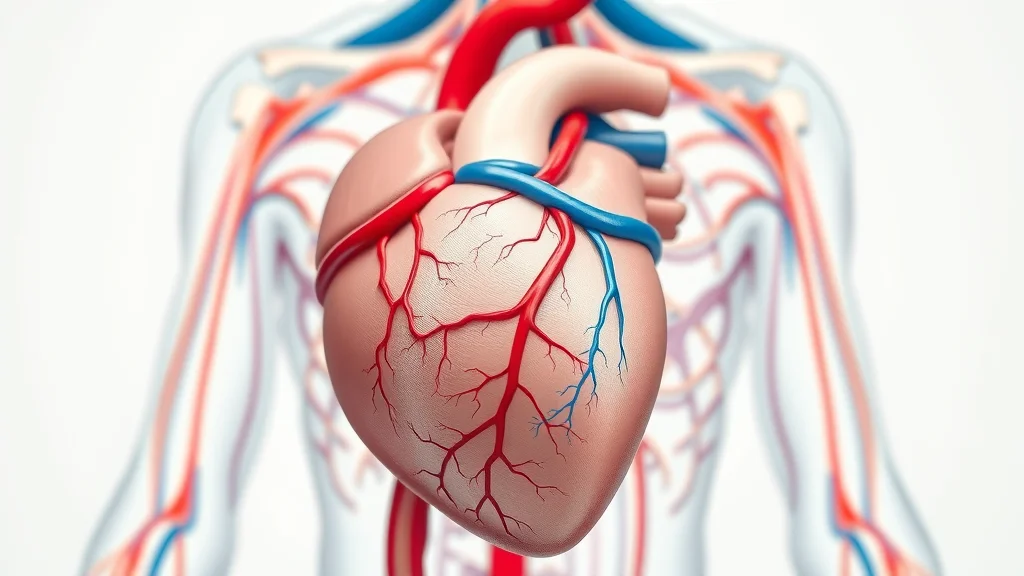
The cardiovascular system, sometimes called the circulatory or vascular system, controls the flow of blood throughout your body, delivering oxygen and nutrients to tissues while removing waste. While most people associate vaping with lung injury, the heart and blood vessels are equally vulnerable.
Central to heart health is the vascular system—its network of arteries, veins, and capillaries that maintain healthy heart rate and blood pressure. External influences, especially nicotine products and vaping product chemicals, disrupt this balance, increasing strain on the heart.
Each puff from an electronic cigarette triggers a cascade of reactions in your vascular system. Chemicals inhaled from vaping products quickly enter your bloodstream and can constrict blood vessels, reduce flexibility in arteries, and cause changes to the endothelium (the inner lining of your blood vessels).
These disruptions mean your heart must work harder to pump blood, which can eventually lead to heart disease, heart attacks, and even heart failure. Medical professionals emphasize that even brief exposure to vaping products can alter heart rate and blood vessel function, raising cardiovascular risk for people who vape—especially young people who may believe e-cigarettes are a harmless alternative to smoking cigarettes.
How Does Vaping Affect Your Heart Rate, Blood Vessels, and Risk of Heart Attack?
The Science: Linking Nicotine and Vaping Product Chemicals to Blood Vessel and Heart Health
"Exposure to chemicals in vaping products can constrict blood vessels, elevate heart rate, and potentially lead to heart attack or heart disease." – Dr. Rajiv Singh, Cardiovascular Researcher (British Heart Foundation, 2022)

Inhaled nicotine and chemicals from vaping products have direct effects on the cardiovascular system. Research indicates that these substances increase heart rate and blood pressure almost immediately after vaping. Blood vessel walls stiffen and constrict, reducing blood flow to vital organs and raising the risk of heart attack or stroke. In both the short- and long-term, vaping with products that contain nicotine impairs blood vessel dilation, increases oxidative stress, and can cause inflammation within arterial walls. These changes make it significantly harder for your heart to pump efficiently.
People who vape may not realize that despite the absence of smoke, the chemicals emitted by electronic cigarettes can still trigger dangerous cardiovascular reactions similar to those caused by traditional cigarette smoking. For instance, regular use of vaping products can disrupt normal heart rhythm (arrhythmias), increase clotting tendencies, and even change cholesterol levels—creating a perfect storm for cardiovascular disease. Cardiologists are especially concerned about symptoms like palpitations, shortness of breath, and chest pain in high school students and young adults who report regular vaping.
People Who Vape: What the Latest Research Reveals About Heart Disease and Vascular System Risks
Key Cardiovascular System Findings in People Who Vape (vs. Smoking Cigarette Users)
Comparative cardiovascular risks: vaping product users, electronic cigarette users, and traditional smoking cigarette or cigarettes
Risk Factor |
People Who Vape |
Smoking Cigarette Users |
Non-Users |
|---|---|---|---|
Increased Heart Rate |
Yes |
Yes |
No |
Blood Vessel Constriction |
Moderate |
High |
Low |
Risk of Heart Attack |
Elevated |
Very High |
Low |
Heart Health Decline |
Documented |
Well-documented |
Minimal |
"While vaping is marketed as a safer alternative, studies show even electronic cigarettes are not without significant cardiovascular risks." – Dr. Sarah Cho, Lead Author, Vascular Health Review (2023)
Recent studies compare the cardiovascular disease risks between people who vape, smoke cigarettes, or use no tobacco product at all. The findings are clear: while vaping might pose fewer risks than traditional cigarettes, it is far from safe. Increased heart rate, moderate to high blood vessel constriction, and a documented decline in heart health are all apparent in vaping product users. For people who vape, the risk of heart attack and other heart problems is much higher than for non-users and approaches the rates seen with smoking cigarettes.
What is especially concerning is the sharp rise in cardiovascular system issues among adolescents and young adults who have never smoked but began using electronic cigarettes. Medical experts note that these outcomes are underreported and growing. Vascular system injury from vaping can cause early blood vessel aging, reduced blood flow, and persistent high blood pressure—setting the stage for lifelong heart issues.
Why Does Vaping Affect Your Heart More Than Many Users Realize?
Chemical Interactions with Blood Vessels
Effects of Nicotine on Heart Rate and Arrhythmias
Vaping Product Flavoring Chemicals and Inflammation
Research on Electronic Cigarettes and Endothelial Dysfunction
Underreported Data on Young People and Adolescents
"We're seeing a new wave of heart disease risks attributed to vaping, especially among younger people and those who never smoked cigarettes." – Dr. Andrew Lee, Epidemiologist (2022, Journal of Cardiology)

Vaping products contain more than just nicotine—hundreds of chemical compounds, including propylene glycol, glycerin, and flavoring agents, are commonly inhaled. Some of these ingredients are linked with increased inflammation, endothelial dysfunction (damage to the inner lining of blood vessels), and disturbances in normal heart rate and blood pressure regulation.
The interaction of these chemicals with your vascular system, especially in developing bodies like those of adolescents, causes medical experts to advise caution. Studies have identified that electronic cigarette use can impair blood vessel function within minutes, and these effects are magnified by frequent use.
Because vaping is a relatively new public health concern, comprehensive, long-term research is still underway. However, evidence to date demonstrates that even occasional exposure to vaping products can increase your risk of heart attack, cause arrhythmias, and trigger cardiovascular inflammation.
The risk is particularly steep among high school students and young people who are regular users, suggesting the need for urgent education on the dangers of vaping for heart and vascular system health.
Electronic Cigarette vs. Smoking Cigarettes: Contrasts in Cardiovascular System Risk
Heart Health Effects at a Glance
Factor |
Electronic Cigarettes |
Smoking Cigarettes |
|---|---|---|
Nicotine Delivery |
Variable |
Consistent |
Vascular System Impact |
Documented |
Severe |
Heart Attack Risk |
Elevated |
Higher |
Regulatory Oversight |
Less Strict |
Moderate |
When it comes to cardiovascular risk, both traditional cigarettes and electronic cigarettes represent significant dangers. Traditional smoking cigarettes produce a predictable, well-documented set of heart health risks due to high levels of combusted toxins. Vaping products, on the other hand, deliver varying amounts of nicotine and other chemicals depending on device, product, and user behavior.
This variability makes it even harder for users to understand or predict their heart health risk from vaping. Despite being marketed as safer, electronic cigarettes still damage the vascular system and elevate the risk of heart attacks, as outlined by many cardiovascular system specialists.
Regulatory differences have allowed vaping products to escape the strict controls that apply to cigarette smokers—raising questions about labeling, chemical content, and long-term tracking of health outcomes among people who vape.
Ultimately, both products compromise blood vessels, increase heart rate and blood pressure, and raise the likelihood of heart disease and heart failure—an important public health message for all users, but especially for young people and high school students considering e-cigarettes to be benign.
Real Lives, Real Consequences: The Stories of People Who Vape and Their Heart Health
Case reports of sudden heart attack in young vapers
Studies tracking heart health markers before and after quitting smoking and/or vaping
Quotes from affected patients and families

Case studies around the world highlight the very real, sometimes devastating, consequences of vaping on heart health. Hospitals have reported heart attacks in young people who vaped heavily but never smoked cigarettes. Families have shared testimonials of otherwise healthy school students who required emergency treatment for sudden cardiac events, with doctors tracing symptoms to intensive vaping product use.
In several cases, switching from smoking cigarettes to vaping did not protect heart health; while some risk factors improved, many heart health markers declined more slowly than anticipated or plateaued altogether.
Tracking the recovery in people who quit smoking and quit vaping offers hope: patients who fully stop both products show measurable improvements in vascular function, heart rate normalization, and reduced risk of another heart attack. However, these stories reinforce a sobering truth—damage can occur quickly, especially in adolescents, and full recovery depends on immediate action.
As one patient shared, “I thought vaping was the safer choice. After my heart scare, I realize how wrong that belief can be.” These personal accounts highlight the urgent need for public health messaging around the effects of vaping on the cardiovascular system.
The Argument for Quitting Smoking, Quitting Vaping, or Never Starting
Reduction in heart disease risk
Improvement in vascular system function
Lower chance of heart attack or stroke
Enhanced long-term heart health
Positive effects documented by cardiovascular system experts
"The best thing you can do for your heart health is to quit smoking and vaping altogether." – Dr. James Patel, American College of Cardiology (2023)

Medical professionals from the American College of Cardiology, the British Heart Foundation, and top public health agencies agree: the single most effective way to protect your heart is to avoid both smoking and vaping products. Quitting smoking and quitting vaping product use can drastically lower the likelihood of heart attack, reverse some vascular damage, and restore heart function and blood vessel flexibility.
Even people who vape and have not smoked cigarettes can reap these benefits. If you have already been exposed to these products, the sooner you quit, the greater your chances for long-term heart health and a return to normal cardiovascular system function. Numerous studies demonstrate measurable progress in just months after quitting, reinforcing the message that it is never too late to care for your heart.
The positive outcomes extend beyond the heart: quitting all nicotine products also improves lung function, brain health, and overall quality of life, protecting you and those around you from secondhand exposure and future risks.
People Also Ask: Does Vaping Affect Your Heart?
Will my heart heal if I quit vaping?
Studies show significant recovery of blood vessel function and heart health can occur within weeks to months after quitting smoking or vaping. The cardiovascular system has a remarkable capacity for regeneration once exposure to toxic chemicals ceases. With medical support, many people see improved heart rate and a reduction in heart attack risk, proving it’s never too late to put your heart first.
What organ is most affected by vaping?
Although vaping harms your lungs, the heart and vascular system are among the organs most critically impacted. Researchers observe both structural (damage to heart muscle and vessels) and functional (dysregulation of heart rate and blood pressure) changes, often before noticeable lung problems develop. This underlines why heart health must be a top concern for people who vape.
What are 5 risks of vaping?
Heart disease
Increased heart rate
Blood vessel damage
Respiratory distress
Nicotine addiction
Can a cardiologist tell if you vape?
Medical professionals may detect vaping product use by noting changes in heart rate or rhythm, blood pressure anomalies, and elevated markers of oxidative stress or inflammation. Distinct biomarkers in the blood can sometimes differentiate vaping exposure from smoking cigarette history, aiding in diagnosis and recovery planning.
Key Takeaways: Does Vaping Affect Your Heart and Cardiovascular Health?
Vaping is not risk-free—damage to the cardiovascular system is a real concern.
People who vape have an elevated risk of heart attack and heart disease, similar to or approaching that of smoking cigarettes.
Quitting smoking and quitting vaping can improve heart health and blood vessel function.
Medical professionals recommend avoiding all nicotine products for optimal vascular system health and to reduce your risk of cardiovascular disease.
Frequently Asked Questions: Does Vaping Affect Your Heart?
Is it safe to use vaping products occasionally?
Even occasional use carries risk. Acute impacts on heart rate and blood vessel flexibility can happen after a single vaping session. Regular or “social” vaping may still contribute to long-term vascular disease and cardiovascular system harm.How soon can heart health improve after quitting vaping?
Improvements in blood pressure and heart rate may begin within weeks. Longer-term benefits—including reversal of vessel inflammation—can occur over several months after quitting all nicotine products.Are there long-term studies on electronic cigarette cardiovascular effects?
Yes, large reviews from organizations like the CDC, AHA, and British Heart Foundation have compiled evidence showing that while the effects of vaping may be less severe than traditional cigarette smoking, all nicotine delivery systems pose real heart risks.What are early warning signs of cardiovascular damage from vaping?
Watch for unexplained fatigue, chest pain, palpitations, or sudden changes in blood pressure and heart rate. Prompt medical evaluation is recommended if you experience these symptoms.
For More on Does Vaping Affect Your Heart: Evidence-Based Resources and Further Reading
Explore more evidence-based wellness content at NCWellnessHub.com
Conclusion: Understanding how vaping affects your heart is crucial for protecting your long-term health. The evidence is now clear—avoiding all forms of tobacco and nicotine products is the best gift you can give your heart. Stay informed, make healthy choices, and explore trusted resources for more guidance.
If you’re committed to making heart-healthy choices, consider expanding your knowledge beyond vaping risks. Building a strong foundation for cardiovascular wellness means being prepared for emergencies and understanding how to respond effectively. For a comprehensive look at what to do if you ever face a heart attack while alone, as well as other proactive health strategies, visit our guide on heart attack response when home alone.
And if you’re interested in supporting the well-being of your entire family, especially children managing chronic conditions, discover empowering approaches in our article on helping children cope with chronic illness. Taking these next steps can help you and your loved ones stay informed, resilient, and ready for whatever comes your way.
Sources
American Heart Journal – https://www.ahajournals.org/doi/10.1161/CIRCULATIONAHA.121.055956
JAMA Network Open – https://jamanetwork.com/journals/jamanetworkopen/fullarticle/2734066
CDC – https://www.cdc.gov/tobacco/basic_information/e-cigarettes/about-e-cigarettes.html
Recent studies have highlighted the significant cardiovascular risks associated with vaping. The American Heart Association reports that individuals who vape experience immediate increases in heart rate and blood pressure, along with greater constriction of blood vessels, indicating potential harm to heart health. (newsroom.heart.org)
Similarly, research from the University of Michigan Health emphasizes that vaping can put the cardiovascular system in a state of sympathetic activation, posing long-term risks for the heart. (uofmhealth.org)
Furthermore, a study presented at the American College of Cardiology’s Annual Scientific Session found that people who use e-cigarettes are significantly more likely to develop heart failure compared to those who have never used them. (acc.org)
These findings underscore the importance of understanding and addressing the cardiovascular risks associated with vaping. NCWellnessHub.com




Write A Comment