

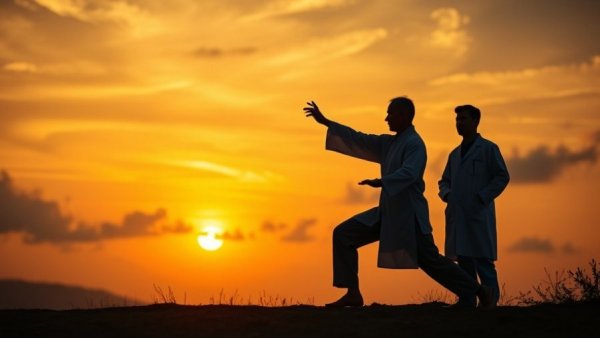
The Gentle Art of Tai Chi: More Than Meets the Eye
Tai Chi, often perceived as an Eastern practice for stress relief, is gaining traction among health-conscious adults looking for functional and holistic practices to enhance their well-being. Whether it's for flexibility or mindfulness, Tai Chi has a rich history that offers remarkable benefits, especially for older adults seeking healthier lifestyles.
In 'Tai Chi for Healthy Aging? Why Doctors Recommend It,' the discussion explores the multifaceted benefits of Tai Chi, illuminating its potential role in promoting longer, healthier lives.
Historically Significant: The Evolution of Tai Chi
Originating in the 1600s in the Hanan province of China, Tai Chi was initially developed for self-defense by the Chen family. Over the centuries, it transformed into a practice centered around the flow of movements, mindfulness, and breathing. Unlike typical martial arts that focus on aggression, Tai Chi promotes balance and harmony in both mind and body. As we understand health today, Tai Chi’s integration of physical exercise and mental calmness positions it as a valuable technique in contemporary health strategies.
The Mind and Body Connection: Tai Chi and Mental Health
Research indicates that Tai Chi can significantly reduce anxiety and depression, enhancing mood through its meditative movements. Engaging in slow, deliberate actions allows practitioners to clear their minds and focus on the present moment. In today's fast-paced world, many are rediscovering this ancient practice as a remedy that fosters mental clarity and emotional stability. Furthermore, with studies showing a marked decrease in blood pressure for those practicing Tai Chi, it demonstrates the powerful link between our mental and physical health.
Stand Strong: Balance and Fall Prevention
One of Tai Chi’s most lauded benefits is its ability to improve balance and proprioception, which is crucial for preventing falls, especially among older adults. According to randomized controlled trials, practicing Tai Chi can reduce the likelihood of falling by 20-50%. This makes it not just an exercise but a vital part of many seniors' strategies for maintaining mobility and independence.
Gentle Movements, Great Benefits: Pain Relief and Physical Function
Anecdotal evidence and scientific studies suggest that Tai Chi can effectively alleviate chronic pain, particularly associated with osteoarthritis. It encourages fluid motion through joints, which can help reduce stiffness and discomfort. Researchers found that participants experienced a 50% reduction in knee pain after twelve weeks of practice. Tai Chi can also enhance physical function by improving core strength and coordination, making everyday tasks easier.
Looking Ahead: Tai Chi as a Starting Point for an Active Lifestyle
For health-conscious adults, Tai Chi could serve as an inviting entry point into the broader world of physical activity. Often referred to as "meditation in motion," it encourages individuals to engage in exercise while nurturing their minds. The dual benefits of physical and mental health improvement make it a compelling choice for those who may be apprehensive about more intense forms of exercise.
While one may not bulk up with traditional Tai Chi, its ability to enhance strength, flexibility, and mental peace cannot be overlooked. It uniquely blends several aspects of wellness that today’s adults prioritize, from stress management to improving overall health.
Considering the wealth of benefits offered by Tai Chi, why not take the first step? You can easily start practicing this gentle art today! Whether joining local classes or following along with online tutorials, you’re invited to explore how Tai Chi can contribute to a healthier and happier life. NCWellnessHub.com





Write A Comment