
NC Wellness Hub
update
North Carolina Wellness Hub
update
  • Home
  • Categories
    • Wellness
    • General Health
    • Holistic
    • News
    • Living & Travel
    • Lifestyle
    • Fitness & Exercise
    • Mental Health
    • Stress Management
    • FEATURE
    • Sleep
    • Allergies
    • Medicines & Supplements
    • Weight Loss
    • Kids Health
    • Fertility & Pregnancy
    • Cancer
    • Heart Health
    • Skin & Hair
    • Arthritis
    • Dental
    • Vision
  • Bone Health
  • Digestive
May 29.2026
1 Minute Read

How To Identify Video Game Addiction Symptoms Before They Escalate

Teen male with video game addicition.

Are you aware of the subtle signs that hint at video game addiction? Recognizing these symptoms early can prevent serious consequences and help maintain a healthy balance. In today’s digital world, video gaming is more than a pastime—it’s a part of daily life for many teens and young adults.

But when healthy play transforms into compulsive behavior, the video game addiction symptoms that emerge can disrupt mental health, academics, and family relationships. This guide will equip you with the insights to notice and address video game addiction symptoms before they become a larger health issue, so you can protect your loved ones with confidence.

Understanding Video Game Addiction Symptoms: Why Early Detection Matters

The rise of digital entertainment has made video games a staple in the lives of young people around the world. However, with increasing engagement comes an increased risk of developing problematic behaviors. Video game addiction symptoms—including behavioral shifts, physical issues, and emotional changes—can start subtly but quickly escalate if ignored.

Early detection is especially important for teens and young adults whose brains are still developing and who are highly susceptible to compulsive patterns reinforced by gaming’s reward systems.

Early identification allows intervention before symptoms severely impact daily life, mental health, and academic or social performance. Parents, teachers, and caregivers who recognize these symptoms can provide support, set necessary boundaries, and consult qualified health professionals if needed.

By staying informed and proactive, families can help teens maintain healthy relationships with technology while avoiding the pitfalls of game addiction. As the World Health Organization and the American Psychiatric Association have highlighted, gaming disorder is now recognized as a real mental health concern—making vigilance essential.

Worried parent observing teen for video game addiction symptoms in a cozy living room

"The patterns of video game addiction symptoms in teens often go unnoticed until they deeply impact academic and social life. Early intervention is key. " – Dr. Rachel Levy, Child Psychologist

What You'll Learn About Video Game Addiction Symptoms

  • How to spot common and subtle video game addiction symptoms

  • The difference between normal play and problematic gaming

  • The impact of video game addiction on mental health and daily function

  • Steps parents and guardians can take to help teens with gaming addiction

Defining Video Game Addiction Symptoms: The Basics

What Are Video Game Addiction Symptoms?

Video game addiction symptoms are signs that a person’s gaming patterns have shifted from recreational to compulsive, impacting other areas of life. These symptoms often include intense preoccupation with playing games, irritability when unable to play, neglect of responsibilities, and withdrawal from real-life relationships.

The World Health Organization has classified gaming disorder in its International Classification of Diseases (ICD-11), while the Diagnostic and Statistical Manual of Mental Disorders (DSM-5) lists Internet Gaming Disorder as a condition for further study, emphasizing its significance as a health issue.

Recognizing these symptoms of video game addiction—such as loss of control over gaming frequency and duration, deceit about time spent gaming, disrupted sleep, and declining mental health—is vital. These patterns are more than just excessive enthusiasm; they reflect a shift into behavioral addiction territory. The sooner these signs are acknowledged, the more likely it is to prevent escalation to a more severe gaming addiction or related health concerns.

For families seeking practical steps to address these challenges, understanding when and how to seek professional support is crucial. If you’re noticing persistent symptoms and want to know when intervention is necessary, explore these guidelines on recognizing when to seek professional help for mental health concerns—many principles apply to gaming addiction as well.

Teen displaying stressed expression showing video game addiction symptoms with glowing screens

Distinguishing Healthy Video Game Habits vs. Addiction

Understanding the boundary between normal, healthy video gaming and a developing gaming disorder can be challenging. Healthy habits usually include maintaining responsibilities, diverse hobbies, and balanced online and offline activities. Meanwhile, addiction symptoms reveal themselves through persistent gaming despite negative impacts on school, relationships, and health, as well as emotional disturbances when away from games.

It’s crucial for parents and teens to reflect on how playing video games fits into daily life. Ask: Is gaming interfering with sleep, nutrition, social activities, or academic obligations? Acknowledge when the line shifts from a fun hobby to a compulsive need that echoes patterns found in other recognized behavioral addictions.

Comparison of Healthy Video Game Habits vs. Video Game Addiction Symptoms

Healthy Video Game Habits

Video Game Addiction Symptoms

Balances gaming with school, friends, and hobbies

Ignores schoolwork, friends, and other activities in favor of gaming

Stops play video games easily when needed

Becomes agitated or angry when forced to stop playing

Keeps regular sleep patterns and healthy routines

Sacrifices sleep and self-care to continue video gaming

Enjoys various interests, online and offline

Loses interest in all activities except video games

Recognizing the Early Signs of Video Game Addiction Symptoms

Behavioral Shifts: When Normal Play Video Games Becomes Concerning

Early warning signs of video game addiction often manifest as subtle shifts in behavior. Parents might notice their teen is spending significantly more time gaming, with excuses for missing chores, skipping assignments, or neglecting previous hobbies. Increasing secrecy about gaming habits, or even lying about the amount of time spent online, can indicate a growing preoccupation that moves beyond normal enthusiasm for playing games.

Moreover, irritability, moodiness, or outright hostility when asked to stop gaming often signals loss of control—a core feature shared across various behavioral addictions. Teens may also withdraw socially as online gaming replaces face-to-face interactions, complicating efforts to communicate and intervene. Monitoring these changes can help parents recognize when casual video gaming is shifting into concerning territory.

  • Increasing time spent on video games despite negative consequences

  • Neglecting schoolwork, chores, or responsibilities

  • Lying about time spent on internet gaming

  • Heightened irritability when not gaming

Physical and Mental Health Warning Signs

The effects of game addiction are not only behavioral but physical and emotional as well. Teens might develop disrupted sleep schedules, leading to chronic fatigue and poor academic performance. Neglect of personal hygiene and nutrition often follows as gaming takes priority over daily self-care routines. Headaches, eye strain, and physical complaints caused by prolonged screen exposure are tell-tale signs to watch for in those who play video games excessively.

Mental health concerns—such as increased anxiety, irritability, or mood swings—often parallel these physical symptoms. As a result, the quality of daily life erodes; kids might lose interest in offline interactions, demonstrating classic patterns of social withdrawal. Recognizing these symptoms early makes intervention and support more effective in reversing detrimental trends.

  • Disrupted sleep patterns

  • Noticeable decline in personal hygiene

  • Frequent headaches or eye strain

  • Mood swings or anxiety

Teen rubbing temples, showing fatigue and mental health warning signs from video game addiction

Stages of Video Game Addiction Symptoms: A Progression Overview

The Typical Stages of Video Game Addiction

Stage

Description

Key Symptoms

Stage 1: Increased Engagement

Gaming becomes a primary hobby; interest heightens

More time spent gaming, excitement, minimal impact on daily life

Stage 2: Problematic Preoccupation

Obsession with gaming; social and academic life starts to suffer

School decline, social withdrawal, irritability, lying about play video

Stage 3: Full-Blown Addiction

Persistent compulsive gaming despite negative outcomes

Physical issues, severe neglect of health, relationships & responsibilities

Stage 1: Increased Engagement with Video Games

In the early stage, gaming is primarily enjoyable and social. Teens and young adults are drawn to the immersive, rewarding nature of video games, often gathering with friends (either in person or online) to explore, compete, and relax. At this phase, play typically remains balanced with other activities, and the positive experiences foster both confidence and friendships. However, without mindful boundaries, increased enthusiasm may eventually tip toward unhealthy patterns, especially when gaming starts replacing physical activity, academics, or in-person socialization.

Recognizing this stage means monitoring for surges in time spent on video gaming and ensuring healthy routines remain in place. Openly discussing the value of various interests and encouraging diversity in experiences can prevent escalation to the next, more concerning phase of game addiction. It is during this stage that preventative conversations are most effective.

Teens gaming together socially, transitioning to solitary gaming showing early signs of video game addiction

Stage 2: Problematic Preoccupation and Social Withdrawal

Stage two is marked by noticeable changes in social habits and personal interests. Gaming becomes more than a hobby—it becomes central to a teen's identity. At this point, teens may pull away from family gatherings, school events, or previous passions in favor of internet gaming. Friends may be replaced by online acquaintances, and open communication at home often wanes as defensive or dismissive attitudes set in.

This period features classic video game addiction symptoms: secrecy about the extent of gaming, inability to stop playing without significant distress, and persistent thoughts about gaming even when not at the console or computer. Parents and caregivers can help by gently but directly addressing these behaviors, seeking guidance from a health professional if necessary.

Stage 3: Full-Blown Gaming Addiction and Health Issues

The final stage represents a major shift in daily functioning and well-being. Gaming becomes all-consuming, with clear negative impacts on mental health, physical wellness, academic achievement, and relationships. Teens or young adults may experience significant sleep disruption, dramatic mood swings, withdrawal from all offline interactions, and dangerous neglect of hygiene or nutrition. This stage is often accompanied by other mental disorders such as anxiety or depression.

At this point, video game addiction symptoms are readily apparent and intervention from mental health professionals becomes crucial. Treatment may involve cognitive behavioral therapy, family counseling, and coordinated plans between parents, teachers, and health providers. Early recognition and support dramatically improve recovery outcomes, highlighting the necessity of intervention before symptoms reach this severe level.

Video Game Addiction Symptoms in Teens and Young Adults

Why Are Teens and Young Adults More Vulnerable to Game Addiction?

Adolescents and young adults are at higher risk for video game addiction due to several biological and environmental factors. Their developing brains are especially sensitive to the dopamine rush triggered by video gaming’s reward systems, making it easier for habits to form into compulsions. In addition, the social validation and achievements offered by both solo and internet gaming communities can fill emotional gaps, making gaming both an escape and a comfort zone.

Peer influence and the desire to fit in can amplify the lure of playing video games for longer hours, especially as in-game progress can feel just as rewarding as victories in the real world. These vulnerabilities underscore the importance of vigilant parental oversight and regular open dialogue about healthy technology use, mental health, and balanced lifestyle choices.

Teen at school lunch table playing video games, showing signs of social withdrawal from gaming addiction

Gaming Addiction and Its Impact on Academic and Social Life

Unchecked gaming addiction can undermine academic performance and hinder social development—critical for teens learning to build lasting relationships and navigate responsibilities. Signs include declining grades, missed assignments, dropping out of extracurricular activities, and conflicts with teachers or peers due to prioritizing video game play over commitments. Emotional effects often include lower self-esteem, isolation, and a sense of inadequacy when not playing.

These negative trends can build into broader health issues—sometimes escalating into depression, anxiety, or increased loneliness. The impact goes beyond screens and keyboards, affecting every dimension of a young person’s growth and well-being.

"A teen’s brain is especially sensitive to the reward system activated by gaming. That’s why awareness of video game addiction symptoms is so crucial for young people and caregivers. " – Dr. Adrian Gomez, Adolescent Psychiatrist

Parental Guidance: How to Spot Video Game Addiction Symptoms in Your Teen

Questions to Ask Yourself About Your Teen's Video Game Habits

  • Has your teen become more isolated since starting to play video games regularly?

  • Do they react negatively when asked to stop gaming?

  • Are they neglecting hobbies, friends, or schoolwork?

Parent discussing video game addiction symptoms with teen in a supportive setting

Tips for Open Communication and Monitoring

  • Create a safe, non-judgmental environment for discussion

  • Use screen time tracking tools

  • Agree on daily or weekly video game limits together

Approaching the topic of gaming addiction requires empathy and patience. Effective strategies include staying actively involved in your teen’s interests, using technological tools to set boundaries, and collaborating on realistic gaming schedules. Open dialogue—free of blame or criticism—boosts trust and increases the chances of successful intervention. If red flags persist or symptoms intensify, don’t hesitate to consult with a mental health professional for additional support.

Physical and Mental Health Issues Linked to Video Game Addiction Symptoms

Sleep, Nutrition, and Exercise Effects

Physical health often declines rapidly as video game addiction symptoms intensify. Common issues in teens include chronic sleep deprivation caused by late-night gaming, poor nutrition (skipping meals or relying on snacks and energy drinks), and a sedentary lifestyle that reduces physical exercise. Over time, these lifestyle choices can contribute to weight gain, muscle weakness, or increased illness susceptibility, further complicating daily life and academic performance.

In some cases, previously active teens become lethargic, missing out on social and recreational opportunities that are crucial for their development. Parents should look for changes in sleep routines, diet, or overall fitness as major warning signals that gaming habits may be evolving into a more serious health issue.

Teen on bed surrounded by snacks and energy drinks, showing the physical health effects of gaming addiction

Mental Health Risks: Anxiety, Depression, and Social Withdrawal

Mental health risks climb as video game addiction symptoms persist. Social withdrawal is a primary concern: as time online increases, real-life friendships and communications may wither, leading to emotional isolation. Teens experiencing gaming addiction often report feelings of anxiety and depression, intensified by the escapism and fleeting satisfaction of virtual worlds. These overlapping conditions rarely exist in isolation, and their combined impact can significantly lower quality of life.

Early intervention—encouraging social activity, ensuring adequate sleep, and widening interests—can counter these effects. Professional support from a counselor, therapist, or pediatrician may be necessary if warning signs escalate or become persistent.

"Parents should be especially vigilant for concurrent health concerns—video game addiction symptoms rarely exist in isolation. " – Dr. Linh Tran, Pediatrician

The Role of Internet Gaming and Online Communities

How Internet Gaming May Accelerate Gaming Disorder

The rise of internet gaming introduces new complexities for teens and parents. Online games are designed to promote long play sessions, with social features that reward persistence and constant interaction. Friendships formed online, leaderboards, and “loot box” systems motivate continued play—and for vulnerable individuals, this can rapidly escalate compulsive behaviors associated with gaming disorder. In these communities, the pressure to stay connected and competitive often intensifies addiction symptoms.

While online gaming can support community and connection, the immersive digital environment can also accelerate the transition from casual gaming to harmful dependence if not appropriately managed. Vigilant oversight and clear limits are crucial for protecting teens from these unique risks.

Split scene showing positive and negative aspects of internet gaming communities

Positive Aspects vs. Risk Factors of Online Video Game Communities

Online gaming communities do provide benefits, such as fostering friendships, teamwork skills, and cultural exchange. For socially anxious teens, these platforms can be a stepping stone toward social interaction when approached in moderation. Structured games can teach strategy, cooperation, and persistence. However, risk factors include exposure to cyberbullying, peer pressure, and the normalization of unhealthy play schedules.

Parents and caregivers should appreciate these communities' positive elements while also remaining vigilant for warning signs that online connections are replacing “real world” relationships or encouraging risky behaviors (late-night gaming, in-game spending, secrecy). Encouraging a healthy digital balance is key to reaping the rewards of internet gaming while avoiding the downsides of game addiction.

When Does Playing Video Games Become a Health Issue?

Differentiating Between Hobby and Gaming Disorder

Playing video games recreationally is harmless for most young people, especially when balanced with school, family, and offline interests. It becomes a health issue when gaming begins to dominate daily routines, displacing other responsibilities or pleasures.

The World Health Organization’s International Classification of Diseases and the American Psychiatric Association’s DSM-5 both use criteria such as inability to stop playing, continued gaming despite harm, and loss of interest in other activities to distinguish between a harmless pastime and a diagnosable gaming disorder.

If a teen is unable to reduce or control their video game play despite mounting problems in academics, health, and relationships, it is time to seek professional advice. Understanding the difference between healthy engagement and compulsive gaming equips parents and teens to intervene effectively and restore balance.

Side-by-side: Teen with healthy gaming habits versus teen displaying video game addiction symptoms

Professional Diagnosis: What Mental Health Experts Look for

Mental health professionals rely on guidelines set forth by the Diagnostic and Statistical Manual of Mental Disorders and the International Classification of Diseases when assessing video game addiction. They look for several key symptoms, including: persistent preoccupation with gaming, withdrawal symptoms when not playing, escalated tolerance (needing to play for extended periods), failed attempts to control use, and continued play despite clear negative consequences. Interviews, self-assessments, and family input all help in determining the severity of the disorder and designing appropriate treatment options.

If you are concerned about a loved one’s video gaming habits, seek the advice of a health professional experienced in teen behavioral addictions. Early, collaborative intervention offers the best chance at positive long-term outcomes.

Best Practices for Preventing and Addressing Video Game Addiction Symptoms

  • Encourage healthy offline activities

  • Set clear rules for screen time

  • Promote regular sleep and nutrition

  • Consult a mental health professional if needed

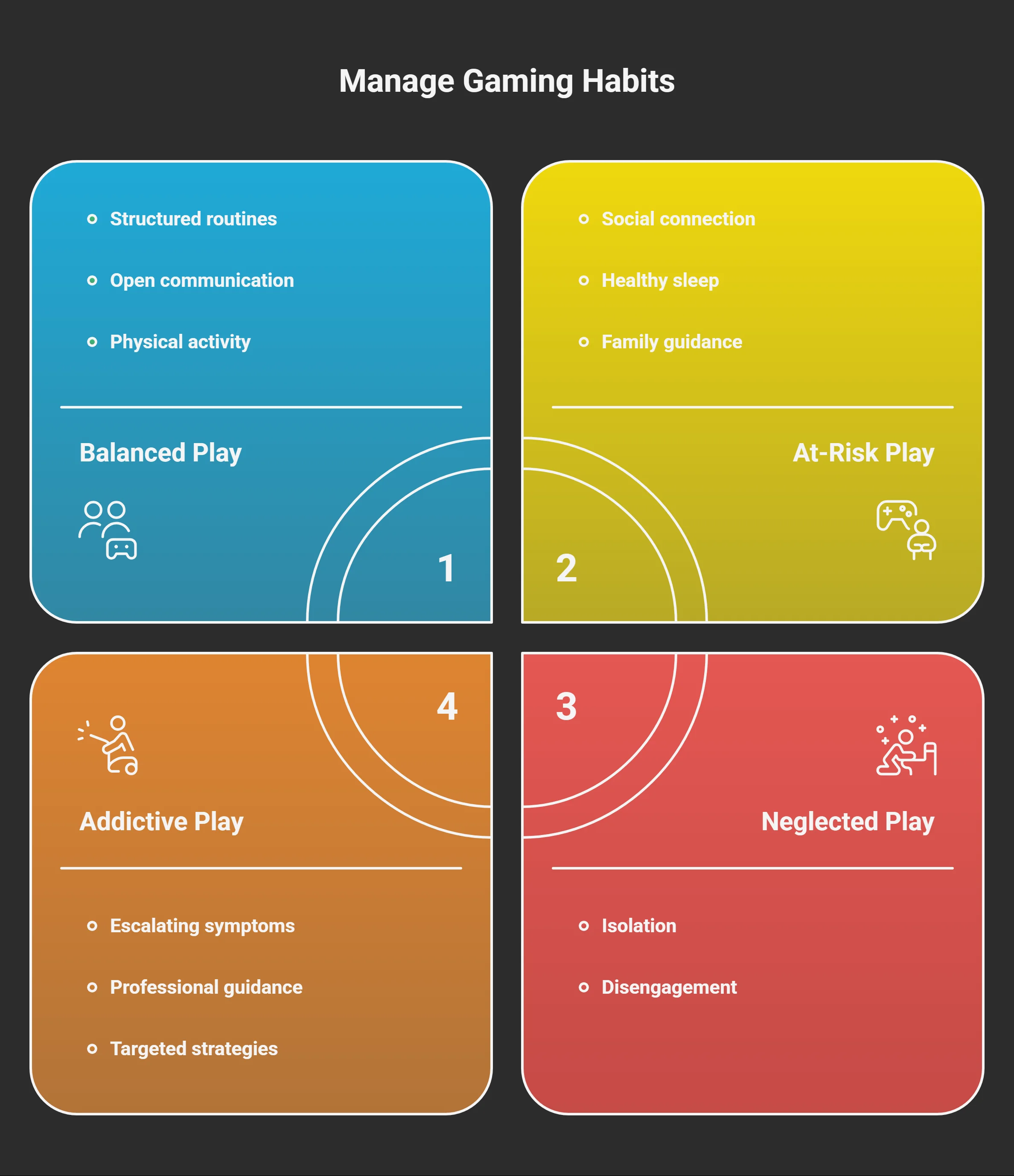
Maintaining balance is the cornerstone of preventing video game addiction symptoms from escalating. Families should create structured routines, foster open communication, and prioritize physical activity, social connection, and healthy sleep. If symptoms persist despite these changes, don’t hesitate to seek professional guidance—a qualified therapist or counselor can offer targeted strategies and support recovery.
People Also Ask About Video Game Addiction Symptoms

What are the symptoms of video game addiction?

Common video game addiction symptoms include: obsessive preoccupation with games, neglect of daily responsibilities, irritability or mood swings when not playing, lying about gaming time, withdrawal from friends and family, declining school performance, sleep disturbances, and loss of interest in other activities. Early detection of these signs can help prevent further escalation and protect mental health.

Common and observable video game addiction symptoms

Watch for decreased participation in family or social events, more frequent headaches or fatigue, secrecy about screen use, and strong emotional reactions (anger, sadness) when asked to stop gaming. These observable patterns highlight the transition from healthy engagement to problematic use.

What are the stages of video game addiction?

The progression typically includes: Stage 1: Increased engagement (more time gaming, but life remains balanced); Stage 2: Problematic preoccupation (neglecting school, chores, and social life); Stage 3: Full-blown addiction (compulsive play despite severe negative outcomes and health risks).

From initial increased play to problematic and severe addiction

Stages can be identified by escalating impact: increased hours spent gaming, declining interest in other hobbies, then severe withdrawal, emotional distress, and physical health issues at the addiction peak.

What are the top 3 worst addictions?

While addiction severity varies individually, widely recognized addictions include: substance addiction (alcohol/drugs), gambling addiction, and video game addiction. Each can have profound consequences for mental health, relationships, and daily functioning, with gaming addiction now included in health manuals as a major concern.

Comparing gaming addiction with other recognized addictions

Unlike substance abuse, gaming addiction often lacks physical withdrawal symptoms but can be just as damaging to academic, social, and psychological well-being if left unaddressed.

How many hours a day is gaming addiction?

There is no universal hour threshold, but health experts caution that playing video games for more than 4-5 hours daily, with negative effects on health, school, or relationships, may indicate a problem. Diagnosis of gaming disorder considers behavior and consequences, not just hours. If gaming time consistently overshadows all other parts of daily life, it’s time to seek guidance.

Understanding excessive play and clinical thresholds for video game addiction symptoms

Gaming only becomes an addiction when it disrupts mental health, routine, and responsibilities. A mental health professional will assess patterns, not just time spent, to determine if intervention is required.

Frequently Asked Questions About Video Game Addiction Symptoms

  • Can video game addiction be treated?

    Yes, video game addiction can be treated, and various methods are available to help individuals regain control over their gaming habits. Mental health professionals can help.

  • What causes someone to develop gaming addiction?

    Gaming addiction can be attributed to a combination of psychological, social, and environmental factors. Psychologically, individuals may seek out the immersive and rewarding aspects of video games to cope with real-life stressors, such as anxiety, depression, or social isolation

  • Are certain games more addictive than others?

    Yes, some video games are designed to be more addictive than others. Games with endless progression, frequent rewards, loot boxes, or social pressure (like Fortnite, Roblox, or certain mobile games) tend to hook kids more easily because they keep players chasing the next "win" or level.

  • How can parents reset healthy gaming boundaries?

    Start by initiating an open dialogue about gaming habits, including the amount of time spent playing, the types of games, and their content. Engaging in these conversations helps establish trust and encourages children to express their thoughts about gaming.

    Encourage your child to share why they enjoy specific games, which can inform discussions about moderation and potential alternatives. Next, set clear guidelines that are reasonable and consistent. This may include specifying time limits, designating gaming-free days, or creating a schedule that balances gaming with other activities like homework, outdoor play, and family time.

Key Takeaways on Video Game Addiction Symptoms for Teens, Young Adults, and Parents

  • Actively look for behavioral, physical, and emotional video game addiction symptoms

  • Engage teens and young adults in honest conversations about their gaming habits

  • Early detection and professional support can reverse negative trends

Your path to better wellness continues—browse additional topics at: NCWellnessHub.com

Take an active role in recognizing and addressing video game addiction symptoms—a healthier future for teens and young adults starts with prevention and support.

If you’re interested in a broader perspective on student wellness and the policies that protect vulnerable youth, consider exploring essential policy changes for bullying prevention and student well-being.

Understanding the intersection of digital habits, mental health, and school environments can empower families and educators to create safer, more supportive communities. By staying informed about both individual behaviors and systemic solutions, you can take meaningful steps toward holistic wellness for the young people in your life.

Continue your journey to proactive health and prevention with resources that address the full spectrum of challenges facing today’s youth.

Sources

  • World Health Organization – https://www.who.int/news/item/18-06-2018-international-classification-of-diseases

  • American Psychiatric Association – https://psychiatry.org/patients-families/internet-gaming

  • Child Mind Institute – https://childmind.org/article/what-is-video-game-addiction/

  • CDC Mental Health – https://www.cdc.gov/mentalhealth/learn/index.htm

To further enhance your understanding of video game addiction symptoms, consider exploring the following authoritative resources:

The Cleveland Clinic’s article, “Video Game Addiction: What It Is, Symptoms & Treatment,” provides a comprehensive overview of the signs, causes, and treatment options for video game addiction.

The Mayo Clinic Health System’s piece, “Are video games, screens another addiction?,” discusses the potential impacts of excessive screen time and gaming on mental and physical health, offering insights into recognizing and addressing problematic behaviors.

If you're a parent feeling concerned about your child's gaming habits, you're not alone—and taking steps to understand it shows how much you care. These resources are here to help you gently spot the signs of trouble and find practical ways to support your child through it.

Disclaimer: The information provided in this article is for educational purposes only and does not substitute for professional medical advice, diagnosis, or treatment. Never disregard professional medical advice or delay seeking it because of something you have read here.


Mental Health

0 Comments

Write A Comment

*
*
Please complete the captcha to submit your comment.
Related Posts All Posts

Is it Just Restlessness? The Subtle Warning Signs of TD Most People Mistake for Anxiety

Tardive dyskinesia (TD) is a serious neurological condition that can affect up to 30% of people using long-term antipsychotic medications, yet its symptoms are often mistaken for anxiety, stress, or nervous habits. Recognizing the early warning signs — such as involuntary facial movements, lip smacking, or repetitive muscle motions — can help prevent misdiagnosis and lead to faster treatment. Understanding TD empowers patients and caregivers to protect long-term health and improve quality of life. Understanding Tardive Dyskinesia: More Than RestlessnessDid you know tardive dyskinesia is often mistaken for anxiety? This section introduces the gravity and subtlety of tardive dyskinesia, differentiating it from common anxiety symptoms.Tardive dyskinesia is a misunderstood and frequently overlooked movement disorder. Its early symptoms can easily be confused with anxiety or general restlessness, leaving many patients undiagnosed or unsupported. Unlike anxiety, which is rooted in emotional and psychological symptoms, tardive dyskinesia presents with involuntary movements—subtle at first but progressively disruptive over time. The fact that nearly a third of patients on long-term antipsychotic medications develop tardive dyskinesia highlights how crucial it is to recognize the difference.Many people with mental health conditions such as schizophrenia, depression, or bipolar disorder are treated with antipsychotic medication. These treatments save lives but come with risk factors like tardive dyskinesia. Mistaking these warning signs for simple anxiety means opportunities for early intervention and safer treatment plans may be missed. In this article, you’ll learn how to spot the early warning signs, take practical action, and ensure your health and well-being are supported with reliable knowledge and medical care. What You'll Learn About Tardive DyskinesiaHow to identify the warning signs of tardive dyskinesiaCommon risk factors for movement disordersEarly intervention steps for suspected tardive dyskinesiaMotivational guidance for taking informed medical actionBy the end of this guide, you will be equipped to tell the subtle difference between anxiety and the involuntary movements that signal tardive dyskinesia. You’ll also understand risk factors—including which medications and patient demographics are most likely to trigger TD—so you can advocate for yourself or a loved one with confidence.It's important to note that movement disorders can sometimes be confused with other neurological emergencies. For example, recognizing the difference between involuntary movements from tardive dyskinesia and the sudden onset of symptoms seen in a stroke is crucial for timely intervention—explore the key symptoms every adult should know to identify a stroke for a clearer understanding of these distinctions.Defining Tardive Dyskinesia: A Serious Movement DisorderWhat is Tardive Dyskinesia?Describe tardive dyskinesia as a neurological movement disorder primarily induced by long-term antipsychotic medication.Tardive dyskinesia (TD) is a neurological movement disorder that typically develops after prolonged use of antipsychotic medications—also called dopamine antagonists. These drugs, prescribed for psychiatric conditions such as schizophrenia, bipolar disorder, or severe depression, alter how dopamine receptors function in the brain.Over time, this disruption can cause the brain to misfire, resulting in repetitive, involuntary movements or tics. These might affect the mouth, tongue, jaw, face, or even the limbs and trunk. Unlike other side effects of medication, once tardive dyskinesia starts, it may persist even if you stop taking the offending drug.What makes TD particularly concerning is that it’s often missed during its earliest phase, when subtle lip-smacking, grimacing, or finger motions can be mistaken for habits or mild anxiety. Yet, catching the symptoms early can allow for crucial changes in your treatment plan—such as switching to the lowest effective dose or exploring alternative therapies—to minimize long-term disability.How Tardive Dyskinesia Differs from Anxiety and RestlessnessDistinguish between TD’s physical symptoms and anxiety-driven restlessness, using clinical definitions and real-world examples.While both tardive dyskinesia and anxiety may involve restlessness, their origins and symptoms are fundamentally different. Anxiety-related restlessness typically manifests as an urge to move—fidgeting, pacing, or shifting your position repeatedly—driven by mental unease or worry. In contrast, tardive dyskinesia presents as involuntary movements, such as facial twitching, chewing motions, or repetitive tapping, that you cannot easily control.For example, someone anxious might tap their toes or play with their hands to self-soothe. But with tardive dyskinesia, a person might find their lips puckering or their tongue darting in and out, even when they’re calm. The clinical difference is that anxiety symptoms lessen with relaxation or distraction, while TD involuntary movements are persistent—even during sleep or times of calm. This distinction is vital for anyone on antipsychotic medications to note because early recognition changes outcomes. The Hidden Risk Factors of Tardive DyskinesiaWhich Risk Factors Increase Your Chances of Developing Tardive Dyskinesia?Discuss risk factors, including specific antipsychotic medications, duration of treatment, dosage, and patient demographics.Several risk factors can significantly increase the likelihood of developing tardive dyskinesia. The strongest is long-term use of typical (first-generation) antipsychotic medications, although newer atypical (second-generation) drugs can also cause TD. The risk of developing tardive dyskinesia is higher with higher doses, longer treatment durations, and certain patient demographics including older adults and females.Other important risk factors include having a history of movement disorders, previous neurological events, diabetes, or being of advanced age. Children and younger adults tend to be at lower risk, but anyone on antipsychotic medication should be monitored regularly—for both physical and mental health changes—by their care provider. The key to minimizing risk is to use the lowest effective dose for the shortest period necessary, as determined by your treatment plan and prescribing doctor.Risk Factors: Tardive Dyskinesia vs. Other Movement DisordersRisk FactorTardive DyskinesiaOther Movement Disorders (e.g., Parkinson's Disease)Long-term antipsychotic useVery HighLowAge (Older Adults)Increased RiskIncreased RiskUnderlying neurological conditionModerateHighDrug abuse historyModerateVariableFamily historyModerateHigh Spotting the Early Warning Signs of Tardive DyskinesiaThe Most Common Initial Symptoms of Tardive DyskinesiaList subtle signs, such as facial tics, involuntary movements, and how these differ from common anxiety symptoms.The earliest signs of tardive dyskinesia are subtle and often mistaken for benign habits or anxiety-driven fidgeting. Common initial symptoms include facial tics, involuntary grimacing, jaw or tongue movements, repetitive chewing motions, lip smacking, and excessive blinking. In some individuals, you may notice finger tapping, shoulder shrugging, or even unusual twisting of the torso or limbs—these are involuntary movements, separate from the voluntary nature of anxiety relief behaviors.Unlike anxiety, which produces a sense of inner restlessness and a conscious urge to move, tardive dyskinesia’s movements happen without intention and may persist even at rest or during sleep. Often, it’s a loved one or care provider who first notices these changes before the person affected becomes aware of them.If you start seeing these symptoms in yourself or someone you care about, it’s important to consult your care provider and advocate for a detailed evaluation before symptoms worsen.Overlapping Symptoms: When Tardive Dyskinesia Is Mistaken for AnxietyHighlight examples and case studies illustrating confusion between TD and anxiety. Include patient stories or expert insights.Many people mistake the signs of tardive dyskinesia for anxiety or a nervous habit, especially in the earliest stages. Take Sarah, a 33-year-old being treated with antipsychotic medication for a mental health condition.She noticed frequent lip-smacking and restless tongue movements, but her family thought it was just nerves about work. It wasn’t until her psychiatrist spotted these uncommon patterns that she received a referral to a neurologist and a diagnosis of tardive dyskinesia.Case studies like Sarah’s underscore the importance of awareness and education. Tardive dyskinesia’s involuntary movements, while sometimes appearing similar to anxious fidgeting, persist regardless of mood or relaxation and often worsen over time if the medication isn’t adjusted. The earlier these differences are recognized by patients, families, or clinicians, the better the outcomes for treatment and quality of life. The Role of Antipsychotic Medications in Tardive DyskinesiaHow Antipsychotic Medication Use Triggers Tardive DyskinesiaMechanisms behind medication-induced movement disorders, including why certain drugs are riskier.Antipsychotic medications work by blocking dopamine receptors in the brain, dampening symptoms of mental health conditions like schizophrenia and bipolar disorder. Unfortunately, long-term use—especially of typical (first-generation) antipsychotics—can disrupt the signaling in brain pathways that control movement. This disruption leads to the development of tardive dyskinesia, as the brain compensates for this blockage by making its own motor signals more sensitive, which triggers involuntary movements.Not all antipsychotic medications carry the same risk. Second-generation (atypical) antipsychotics generally present a lower risk, but tardive dyskinesia can develop with any dopamine antagonist if the dose or treatment duration is high enough. It’s important for patients and care providers to balance the benefits and risks, using regular monitoring for movement disorder symptoms throughout treatment.Alternatives and Preventive Strategies for Patients on AntipsychoticsMotivational guidance: Advocate for regular symptom monitoring, proactive discussion with prescribing clinicians, and exploring safer medication options.If you or your loved one is taking antipsychotic medication, proactive steps are essential. Work closely with your care provider to find the lowest effective dose, monitor carefully for any signs of tardive dyskinesia, and discuss medication alternatives at the earliest sign of symptoms. Do not stop taking prescribed medication without professional advice, as abrupt changes can worsen your primary health condition.Consider scheduling routine check-ins every three to six months focused specifically on movement disorders. Ask about the possibility of transitioning to newer medications with a reduced TD risk profile, or integrating supportive therapies such as physical therapy and tailored exercise regimens. Your treatment plan should always be individualized and adjusted as needed for your changing needs.Comparison: First-generation vs. Second-generation Antipsychotic MedicationsMedication TypeExamplesRisk of Tardive DyskinesiaFirst-generation (Typical)Haloperidol, ChlorpromazineHighSecond-generation (Atypical)Risperidone, Olanzapine, QuetiapineLower (but not zero) Getting a Professional Diagnosis: Steps to Take if You Suspect Tardive DyskinesiaWhen to Seek Medical Advice for Movement DisordersEncourage readers to document symptoms, advocate for themselves, and seek second opinions as needed.If you notice unexplained, repetitive movements—especially if you are taking antipsychotic medications—it’s vital to act early. Begin by documenting your symptoms: note the type, frequency, and time of day movements occur. Take videos if possible, as these can help your care provider make a clear assessment.Don’t hesitate to advocate for yourself or your loved one. Request a neurology referral or second opinion if your symptoms are dismissed or misunderstood. Trust your observations—persistent involuntary movements are not just side effects of anxiety or stress and deserve detailed medical attention to plan the most effective treatment."Recognizing tardive dyskinesia early can change the course of your treatment and your life. Don’t ignore persistent involuntary movements—talk to your doctor today." — Dr. Sarah Bennett, NeurologistVideo Resource: Real Patient and Expert Perspectives on Living with Tardive DyskinesiaHearing directly from people who live with tardive dyskinesia—and from the medical professionals who treat it—can be incredibly inspiring and informative. This short compilation highlights both the emotional impact and practical strategies that help patients manage daily life and take an active role in their health care decisions. Practical Tips: How Families and Caregivers Can Support Loved Ones with Tardive DyskinesiaActionable steps for recognizing symptoms early, supporting treatment adherence, and advocating effectively within the healthcare system.Families play a crucial role in the early detection and ongoing care of loved ones with tardive dyskinesia. Start by learning to recognize the early warning signs—subtle facial movements, unusual gestures, or repetitive motions that the patient may not be aware of. Keep a symptom diary and bring it to each medical appointment. Your observations provide valuable information for the healthcare team to adjust the treatment plan promptly.Support adherence to prescribed medication and therapy schedules, ensuring that symptoms are reported and discussed openly. If you notice any movements that persist or worsen, advocate for further evaluation and don’t hesitate to seek a second opinion. Remember, as a caregiver or family member, your proactive involvement can make a significant difference in your loved one’s health journey. Long-Term Management: Living with Tardive DyskinesiaLifestyle modifications, monitoring techniques, and motivational strategies to empower patients to seek ongoing care and hope for improvement.Managing tardive dyskinesia is a lifelong process—but it’s one where empowerment, resilience, and hope combine. Regular monitoring, lifestyle modifications (such as stress management, exercise, and nutrition), and adjusting your treatment plan with your physician are essential steps. Journaling symptoms, joining support groups, and fostering open communication with your healthcare team all contribute to maintaining a high quality of life despite having a movement disorder.Motivation is key: even if symptoms persist, ongoing care can reduce their intensity, prevent further complications, and support mental health. Never underestimate the value of early recognition and long-term commitment to care. It is these proactive steps that empower patients and families alike to navigate tardive dyskinesia with greater confidence. People Also Ask About Tardive DyskinesiaWhat is the main cause of tardive dyskinesia?Tardive dyskinesia is most often caused by long-term use of antipsychotic medications that alter brain chemistry, especially dopamine receptors.The primary cause of tardive dyskinesia is the chronic use of antipsychotic medications. These medications work by blocking dopamine receptors in the brain, which, over time, can lead to abnormal signaling and result in involuntary movements associated with TD.What calms tardive dyskinesia?Tardive dyskinesia may be managed with medication adjustments, specialized treatments, and physical therapies under medical supervision.Calming tardive dyskinesia involves adjusting the type or dose of antipsychotic medication when possible, incorporating medications specifically designed to reduce involuntary movements, and using supportive therapies like physical or occupational therapy. Always consult your care provider before making any changes to your treatment.Can dyskinesia go away?While some patients may experience symptom improvement when medications are adjusted or discontinued, tardive dyskinesia may persist, highlighting the importance of early detection.In some cases, reducing or stopping the medication that caused tardive dyskinesia may lead to improvement or resolution of symptoms. However, for many, the symptoms can persist, so early recognition and intervention are vital for better outcomes.What are the first signs of tardive dyskinesia?First signs often include involuntary facial movements, repetitive chewing, lip-smacking, tongue movements, or restlessness that is distinct from anxiety.The most common early signs of tardive dyskinesia are subtle, repetitive movements involving the face and mouth: lip-smacking, chewing motions, tongue darting, and excessive blinking. These movements occur without intention and do not typically lessen with relaxation, making them different from anxiety-driven restlessness.Comprehensive FAQs: Tardive Dyskinesia and Movement DisordersFrequently asked questions about tardive dyskinesia, risk factors, treatments, and living with movement disorders.Q: Are some people more likely to develop tardive dyskinesia than others? A: Yes—older adults, women, people taking high doses of antipsychotic medications for long periods, and those with a family history of movement disorders are at higher risk.Q: Can tardive dyskinesia be prevented? A: The risk can be reduced by starting with the lowest effective dose, regular symptom monitoring, and switching to newer medications if symptoms appear.Q: What should I do if I notice symptoms of involuntary movement? A: Document your symptoms, speak with your care provider, and request a neurology evaluation. Never make medication changes on your own.Q: Is there a cure for tardive dyskinesia? A: While some people experience improvement, tardive dyskinesia can persist even if the triggering medication is stopped. Early diagnosis and management are crucial.Key Takeaways: Action Steps for Recognizing and Addressing Tardive DyskinesiaEarly recognition of involuntary movements is key.Record symptoms, seek medical advice immediately, and request specialist referrals.Work closely with your healthcare team to find the safest, most effective treatment plan.Advocate for regular monitoring and be proactive—your health depends on it. Conclusion: Empower Yourself Through Knowledge—Don’t Ignore the Warning Signs of Tardive DyskinesiaKnowing the subtle warning signs of tardive dyskinesia empowers you to take vital action—don’t ignore persistent or unusual movements. Consult your healthcare professional for prompt evaluation and support.If you’re interested in taking a more proactive approach to your overall health, understanding the early signs of movement disorders is just one piece of the puzzle. Broader preventive strategies—like regular screenings and heart health assessments—can further safeguard your well-being.For example, learning about the importance of having an EKG as a vital tool for heart health can help you stay ahead of other silent conditions. By expanding your knowledge across different aspects of preventive care, you empower yourself to make informed decisions and foster a healthier future.Explore More at NCWellnessHub.comStay curious and informed—discover more trusted information like this at: NCWellnessHub.comSourcesCleveland Clinic – https://my.clevelandclinic.org/health/diseases/21586-tardive-dyskinesiaNational Institute of Mental Health – https://www.nimh.nih.gov/health/topics/tardive-dyskinesiaNCBI – https://www.ncbi.nlm.nih.gov/pmc/articles/PMC5032491/National Institute of Neurological Disorders and Stroke – https://www.ninds.nih.gov/health-information/disorders/tardive-dyskinesiaTo deepen your understanding of tardive dyskinesia (TD), consider exploring the following authoritative resources:“Tardive Dyskinesia” by the National Alliance on Mental Illness (NAMI) provides a comprehensive overview of TD, including its symptoms, causes, and treatment options. (nami. org)“Tardive Dyskinesia (TD): What It Is, Symptoms & Treatment” by the Cleveland Clinic offers detailed insights into the condition, emphasizing the importance of early detection and management strategies. (my. clevelandclinic. org)These resources offer valuable information to help you recognize and address the signs of tardive dyskinesia effectively.

The Surprising Psychological Benefits of Simply Being Around Dogs

Did you know spending just minutes with a dog can lower stress hormones and boost happiness? Discover how these furry companions offer profound psychological benefits, enhancing mood and mental resilienceHow Spending Time with Dogs Offers Profound Psychological BenefitsSpending time with dogs has a remarkable impact on both our mental and physical health, transcending mere companionship. Multiple scientific studies have shown that the psychological benefits of dogs are tangible, measurable, and often immediate. Dog owners frequently report lower levels of stress and greater satisfaction with life compared to people without pets. Just a few minutes spent interacting with a furry friend can release endorphins, calm the mind, and spur a sense of comfort—positive changes that experts link to reduced anxiety and elevated mood. Dogs help people focus on the present, shifting attention away from daily worries and stressors. As the American Heart Association points out, pet ownership is linked to a healthier heart and lower blood pressure, thanks in part to the stress-reducing effects of animal companionship.Beyond emotional relief, owning a dog often unlocks new patterns of social interaction, providing natural opportunities for conversations with other pet owners and the larger community. This increased social support can reduce loneliness, especially for those living alone. According to mental health experts, dogs also encourage routine and consistency in daily life, which are crucial for emotional stability. As we’ll see throughout this article, simply being around dogs can foster lasting positive changes in overall health and quality of life.While the focus here is on the psychological and emotional rewards of canine companionship, it's worth noting that other holistic approaches can also play a role in supporting mental and physical well-being. For example, therapies like craniosacral massage have been explored for their potential to reduce stress and promote relaxation, offering complementary benefits alongside the positive effects of spending time with dogs."Just ten minutes with a dog can notably decrease stress hormones and increase feelings of joy." – Dr. Emily Carter, Clinical PsychologistWhat You'll Learn About the Psychological Benefits of DogsKey psychological benefits of dogs and evidence-based outcomesWays pet ownership affects mental health and physical healthHow dogs help reduce stress and ease lonelinessExpert insights and research citations on health benefitsPractical tips for maximizing the mental and physical health gains from being around dogsExploring the Evidence: Scientific Studies on the Psychological Benefits of DogsFor decades, researchers have examined the psychological benefits of dogs through controlled studies. One landmark study published in the journal Anthrozoös found that dog owners consistently report greater satisfaction with life and lower rates of depression compared to those without pets. Another pivotal experiment, focused on older adults, revealed that interacting with a therapy dog just once a week led to significant decreases in blood pressure and feelings of isolation. The mechanisms at play involve both physiological responses—such as the release of the “love hormone” oxytocin—and behavioral changes, like increased daily walk routines, which further boost mental and physical health.A meta-analysis by the Human-Animal Bond Research Institute supported these findings, showing that children, adults, and especially older adults benefit from the mental, physical, and social support provided by regular dog interaction. Dog ownership not only prompts increased physical activity but has also been associated with improved cardiovascular health and a reduced risk for heart disease and even early mortality. Taken together, this evidence suggests that the effect of canine companionship goes far beyond anecdote: it is a documented factor improving both mental health and physical health for a diverse range of people.Summary of Major Studies on the Psychological Benefits of DogsStudySampleMain FindingsEffect on Stress, Blood Pressure, and HappinessAllen et al. (2002)48 working adultsPetting dogs reduced blood pressure significantlyLowered stress & sustained mood improvementBeetz et al. (2012)Children & therapy dogsDog presence reduced cortisol (stress hormone) levelsIncreased happiness, reduced anxietySouter & Miller (2007)Older adults in residential careTherapy dog visits lessened loneliness & improved quality of lifeEmotional well-being & blood pressure improved"Interacting with dogs can lower blood pressure and foster social connection, especially among older adults." – Dr. Sarah Lin, GerontologistPet Ownership and Its Impact on Mental Health: More Than Just CompanionshipWhile cuddling or playing fetch with a dog may seem like a simple pleasure, research shows that the benefits for mental health are deep and measurable. Survey results from the United States and Europe reveal that pet owners have fewer symptoms of depression and anxiety than non-pet owners. Owning a dog often encourages the development of healthy routines—regular daily walks, playtime, and feeding schedules—that help structure daily life and cultivate a sense of responsibility and purpose. These routines are especially helpful for people who struggle with motivation or mood regulation.Dogs are known for their loyalty and ability to sense their owners’ emotional states. For people experiencing stress or emotional upheaval, a dog’s comforting presence can provide important, nonjudgmental social support. The act of caring for another being in itself can boost self-worth, reinforce feelings of belonging, and create meaningful bonds that combat isolation. In short, pet ownership—especially dog ownership—creates a reciprocal relationship in which both human and animal benefit from shared companionship.The Role of Pet Owners in Shaping Mental and Physical HealthAs any long-time dog owner will tell you, the responsibilities of pet ownership go hand in hand with significant rewards. Pet owners are more likely to maintain regular physical activity thanks to their dogs’ needs for exercise. This not only improves their own physical health but also positively impacts mental wellness. The discipline of owning a dog—feeding, exercise, regular veterinary visits—often keeps people organized and accountable. Beyond physical support, dogs act as emotional anchors for their owners. When life feels overwhelming, a dog’s constant affection can cut through worries and help restore emotional balance.The influence that pet owners have on their dogs, and vice versa, forms a powerful partnership. This partnership is reciprocated through tail wags, comforting presence during times of distress, and unwavering support. For individuals dealing with chronic stress, anxiety, or even cardiovascular disease, this support from a “furry friend” is invaluable. Whether you live in a bustling city or a quiet suburb, being a pet owner can enhance quality of life and uplift mental and physical health every day.How Owning a Dog Reduces Stress and Eases LonelinessThe connection between dog ownership and lower stress levels is well documented in psychological research. Simply stroking a dog or watching a pet play can instantly reduce feelings of tension and calm breathing. Therapy dogs are often introduced in hospitals and schools specifically for their ability to reduce stress and bring comfort to patients and students facing difficult circumstances. Petting a dog triggers the brain’s reward centers, leading to the release of feel-good chemicals like oxytocin and serotonin, which foster relaxation and joy.Loneliness is a significant public health concern, especially among older adults. Dogs address this gap by providing constant companionship and unconditional love. Regular interaction with a dog not only eases loneliness but also helps build confidence in social situations. Many dog owners report that conversations with fellow pet owners during daily walks often grow into supportive friendships. The act of caring for a dog reminds us that we are not alone, even during challenging times, making dog ownership a potent antidote to persistent loneliness.Physical Health and Mental Health: The Synergistic Benefits of DogsThe health benefits of living with dogs extend beyond the psychological realm, impacting various aspects of physical health as well. Studies have shown that dog owners are more likely to engage in moderate physical exercise, leading to improved cardiovascular health and stronger immune systems. The simple act of going on a daily walk with a dog can lower blood pressure, reduce the risk of obesity, and encourage vitamin D production from time spent outdoors—all of which contribute to a healthier body and mind.Just as physical health influences mental well-being, improvements in mental health can make it easier for people to care for themselves and stay active. As a result, people who own dogs often find it easier to maintain healthy routines and avoid the sedentary habits that may lead to depression or anxiety. This synergy between body and mind—fueled by the shared bond between owner and dog—underlines why therapy dogs are increasingly recommended for both mental health and physical health recovery programs.A Look at Physical Activity: Why Dogs Get Us Moving and Boost MoodOne of the core ways dogs support both mental health and physical health is by increasing their owners’ overall activity levels. Research indicates that dog owners participate in more minutes of daily physical activity compared to those without pets, translating directly into happier, healthier lives. A brisk daily walk with a dog serves as both exercise and a stress-relief tool, with benefits stretching beyond the immediate afterglow of physical exertion.Exercise is known to activate the release of endorphins, natural mood boosters that combat feelings of anxiety and depression. By providing the motivation and responsibility to get outside and move, dogs become natural partners in their owners’ journey toward enhanced well-being. Children and older adults, in particular, gain from this increased mobility—often experiencing not just improved cardiovascular health but also renewed confidence and zest for social engagement.Dog Ownership, Increased Physical Activity, and Improved Mental HealthIt’s no secret that dog ownership is linked to higher levels of physical activity. From the early morning stroll to a spontaneous game of fetch, dogs spur us to move more frequently and more joyfully than we might otherwise. According to a study found in the journal BMC Public Health, adults who walk their dogs average about 30 minutes more moderate exercise per day than those who don’t. These small but cumulative increases in activity can mean big differences in physical health outcomes, including reduced risk of cardiovascular disease and improved weight management.Moreover, the effects are not just physical. Regular movement triggered by dog ownership helps lower daily stress and depression, as exercise elevates serotonin levels in the brain. Walking a dog also presents an opportunity for social interaction, which has been proven to benefit the owner’s emotional state. Whether you’re exploring a new park with your dog or chatting with other pet owners, these daily walks reinforce the tight bond between physical activity, mental health, and the lifeforce of social support."Regular dog walks lead to improved cardiovascular health and overall well-being." – Dr. Raj Patel, CardiologistHealth Benefits for Different Age Groups: Children, Adults, and Older AdultsThe psychological benefits of dogs extend across all stages of life—from childhood through the senior years. For older adults, having a canine companion often means a more active and socially connected lifestyle. In children and teens, dogs foster empathy, self-confidence, and emotional resilience. Middle-aged adults find that the routine and affection provided by dogs act as an effective buffer against stress and isolation. Regardless of age, the benefits are felt through both improved mental and physical health.Recent research highlights how therapy dogs are particularly impactful in senior care, school environments, and even therapy sessions for people struggling with major life changes. As a result, many experts recommend considering dog ownership as a proactive approach for anyone looking to support their mental health at any age.Psychological Benefits of Dogs for Older AdultsOlder adults face unique mental health challenges, such as increased risk of loneliness, depression, and diminished sense of purpose following retirement or loss. Numerous studies have documented that therapy dogs can dramatically reduce these risks by providing regular, loving interaction. Regular visits from therapy dogs or daily care for a pet can help lower blood pressure, decrease stress, and ensure consistent routines—a trifecta for maintaining emotional and physical health deep into advanced age.Pet ownership among older adults has also been linked to improved cognitive function, thanks to increased physical activity and the positive stimulation that comes from nurturing a living companion. The mutual support between pets and their owners creates a sense of security and comfort, which are particularly vital as people age. When dogs are present, older adults often engage more in their communities and report greater life satisfaction overall."Dogs help ease loneliness and maintain emotional balance—crucial for healthy aging." – Dr. Margaret Field, Geriatric SpecialistHow Children and Teens Benefit Psychologically from DogsFor children and teenagers, the presence of a family dog serves as a powerful tool for learning social and emotional skills. Kids who help care for a pet develop a sense of responsibility and empathy, which can translate into improved relationships with family and peers. In families with children diagnosed with autism or anxiety, therapy dogs have played instrumental roles in easing social challenges, providing nonjudgmental friendship, and even improving focus and academic performance.Teenagers often face complicated emotional landscapes, filled with academic pressures and evolving social circles. A dog’s loyalty and predictability provide comfort through life’s ups and downs. Studies have shown that children in pet-owning households have lower levels of anxiety and display stronger coping skills in times of stress. Simply put, the positive, reliable bond children and teens share with dogs builds a foundation for lifelong mental resilience.People Also Ask About the Psychological Benefits of DogsWhat are the psychological benefits of having a dog?Answer: Dogs provide companionship, reduce anxiety and depression, foster routine and responsibility, and increase overall happiness through the release of oxytocin and serotonin.What is the 7 7 7 rule for dogs?Answer: The 7 7 7 rule typically refers to the adjustment timeline for dogs in new environments: first 7 days (settling in), next 7 weeks (routine formation), and following 7 months (deep attachment and trust).What is the 3-3-3 rule with dogs?Answer: The 3-3-3 rule helps pet owners understand common milestones: 3 days to decompress, 3 weeks to start learning a routine, and 3 months to feel fully at home.What is the 7 second rule for dogs?Answer: The 7 second rule guides safe petting: only maintain physical contact for about 7 seconds to gauge if the dog is comfortable.Original Insights: Health Benefits of Dogs Through a Personal LensAs someone who’s experienced firsthand the impact of dog ownership on mental and physical health, I can confidently say that dogs truly are more than just pets—they’re healers, motivators, and steadfast friends. My own furry friend has guided me toward daily routines that protect my emotional balance, providing companionship through both quiet evenings at home and active days outdoors. Dogs teach us about patience, unconditional love, and the healing power of presence. This lived experience, shared by countless dog owners worldwide, echoes the findings of medical professionals and scientific studies alike.Patients sharing stories in therapy groups, children learning responsibility, and seniors rediscovering purpose all demonstrate the universal power of canine companionship. Every wag of the tail is a reminder of the gentle, lasting impact that dogs have on our psychological well-being."Living with my dog has taught me patience, resilience, and the true meaning of unconditional love." – Jane Goodwin, Author and Dog AdvocateDebunking Myths: Are the Psychological Benefits of Dogs Universal?Dogs and pet allergiesPet ownership isn’t one-size-fits-allCultural differences in attitudes toward dogsWhen dogs may not be the best fit for mental health supportWhile the psychological benefits of dogs are substantial, it is important to recognize that dog ownership is not ideal for everyone. Allergies, limited living space, and the demands of pet care can present serious challenges, making the experience less beneficial for some. Cultural attitudes toward dogs also vary globally, influencing whether pet ownership is seen as desirable or even possible in certain communities. Finally, for people with specific mental health needs or trauma histories, other forms of therapy may be preferable to introducing a dog. Always consult with a mental health or medical professional before embarking on pet ownership as a wellness strategy.Still, for many, the advantages of sharing life with a dog far outweigh the complications, provided that personal needs and limitations are considered. The best approach is one that aligns with your own health, circumstances, and goals.FAQs: Additional Facts About the Psychological Benefits of DogsAre some breeds better than others for mental health?How much time do you need to spend with a dog to see health benefits?What should pet owners know about therapy dogs versus companion pets?What if I can't own a dog—are there other ways to benefit?Many people wonder if certain dog breeds are more beneficial for mental health than others. While breeds with calm, gentle temperaments are often chosen for therapy dog roles, the best breed is the one that fits your lifestyle and personality. Even brief interactions can boost mood and reduce stress—studies suggest benefits can be felt after only 10-15 minutes of positive dog contact. Therapy dogs are trained to provide structured support in institutional settings, while companion pets provide ongoing emotional connection at home. For those unable to own a dog, volunteering at animal shelters, participating in dog-walking programs, or simply spending time with a friend’s dog can still deliver many of these well-documented psychological benefits of dogs.Key Takeaways: The Psychological Benefits of Dogs at a GlanceDogs support both mental health and physical health by reducing stress and increasing physical activity.Pet ownership and simply being around dogs can ease loneliness, lower blood pressure, and boost overall well-being.Evidence for the psychological benefits of dogs spans all ages, especially for older adults.Expert research and personal experience clearly support dogs as powerful allies for better health.Do You Believe in the Psychological Benefits of Dogs?Discover more trusted information like this at: NCWellnessHub.comEmbrace the power of canine companionship—improving mental health, physical health, and happiness—by learning more about the science and stories behind the psychological benefits of dogs.If you’re inspired by the transformative effects of canine companionship on well-being, you might also be interested in exploring other lifestyle habits that can elevate your health. For instance, understanding the science behind healthy napping can help you optimize your daily routine for better mental clarity and resilience. By combining the joy of time spent with dogs with other evidence-based wellness strategies, you can create a holistic approach to self-care that supports both mind and body. Continue your journey toward greater vitality by discovering new ways to nurture your health—one positive habit at a time.SourcesAmerican Heart Association – https://www.ahajournals.org/doi/full/10.1161/CIRCULATIONAHA.119.047179Human-Animal Bond Research Institute (HABRI) – https://www.ncbi.nlm.nih.gov/pmc/articles/PMC6313444/BMC Public Health – https://bmcpublichealth.biomedcentral.com/articles/10.1186/s12889-019-7844-8Centers for Disease Control and Prevention (CDC) – https://www.cdc.gov/healthypets/health-benefits/index.htmlAnthrozoös Journal – https://www.sciencedirect.com/science/article/pii/S1550857917300380Interacting with dogs offers numerous psychological benefits, including stress reduction, mood enhancement, and increased social interaction. For instance, the American Kennel Club highlights that spending just 10 minutes with a dog can significantly lower cortisol levels, the primary stress hormone. (akc.org) Additionally, dogs encourage physical activity, which is linked to improved mental health. A study published in Scientific Reports found that dog owners are four times more likely to meet daily physical activity guidelines compared to non-owners. (forbes.com) Furthermore, therapy dogs have been shown to alleviate symptoms of depression and anxiety, providing comfort and emotional support to individuals in need. (lifescapescounseling.com)

Born or Made? Decoding the Science of Narcissism to Break the Cycle

Have you ever felt trapped by patterns of selfishness or grandiosity? Understanding whether narcissism is rooted in biology or shaped by environment can empower us to break free from destructive cycles and build healthier relationshipsBreaking Down the Science: Why Ask 'Is Narcissism Biological or Environmental?'"Have you ever felt trapped by patterns of selfishness or grandiosity? Understanding whether narcissism is rooted in biology or shaped by environment can empower us to break free from destructive cycles and build healthier relationships."For decades, experts in personality disorder and mental health have tried to untangle this puzzle: why do some people develop intense traits of narcissistic personality disorder and self-focus, including a lack of empathy, while others, even in the same family, do not? Twin studies, neuroscience advances, and long-term research on narcissistic personality disorder suggest the answer is complex—mixing both genetic effects and powerful environmental influencesBy breaking down the science behind “born or made?,” we empower individuals, families, and communities to choose healthier dynamics and unlocking the hope of true transformationWhile exploring the roots of narcissism, it's helpful to recognize how personality traits can overlap or be mistaken for other conditions. For instance, understanding the distinctions between shyness and avoidant personality can shed light on the nuances of social behavior and self-perception—see this detailed comparison in Shyness vs Avoidant Personality: Understand the Difference for further insight.What You'll Learn About Narcissism: Biological Origins, Environmental Influences, and Ending the CycleThe science behind the question: Is narcissism biological or environmental?How personality disorder—especially narcissistic personality disorder—relates to nature vs. nurtureEnvironmental influence and environmental influences on grandiose narcissism and vulnerable narcissismWays to recognize destructive patterns and take actionable steps toward healingDefining Narcissistic Personality and Narcissistic Personality DisorderPersonality Disorder: Understanding the BasicsA personality disorder is defined in the Diagnostic and Statistical Manual of Mental Disorders (DSM-5) as a pervasive, unhealthy pattern of behavior, thinking, and feeling that significantly impairs daily functioning and relationships. Narcissistic personality disorder (NPD) is one of the most researched of these disorders, marked by a chronic pattern of grandiosity, need for admiration, and a striking lack of empathy for others. Estimates suggest that up to 6% of adults meet criteria for NPD, but many more may exhibit subclinical narcissistic traits.Unlike other personality disorders, the roots of narcissistic personality disorder are especially debated. The disorder can look dramatically different from one person to another, depending on whether their narcissism is grandiose (outwardly confident, even arrogant), vulnerable (inwardly defensive, easily hurt), or a mix. What unites these patterns is an enduring difficulty with emotional connection and interpersonal boundaries—making it imperative to understand both their origins and pathways for healing.Distinctions Between Grandiose Narcissism and Vulnerable Narcissism"Not all narcissists are alike—grandiose and vulnerable narcissism present unique challenges and developmental backgrounds."Grandiose narcissism features overt confidence, charm, manipulativeness, and a need for admiration. Those affected may be driven by status, power, and the affirmation of others, often struggling with genuine intimacy. In contrast, vulnerable narcissism is characterized by hypersensitivity, shame, fear of rejection, and deep insecurity. These individuals may appear introverted or even anxious, but their emotional needs are still centered on validation and special treatment.Both grandiose narcissism and vulnerable narcissism have been linked to various environmental influences and biological factors—but the blend, and their outward expressions, can differ. Understanding these variations is essential when considering the debate over is narcissism biological or environmental, since the developmental story behind each type often includes both inherited tendencies and powerful life experiences.Is Narcissism Biological or Environmental? The Nature vs. Nurture DebateGenetics, Heritability, and Neuroscience in Narcissistic PersonalityTwin studies have provided vital clues that narcissistic personality disorder and other related personality disorders have a meaningful genetic basis. Research not only in NPD but also similar personality disorders (like borderline personality disorder or antisocial personality disorder) suggest a moderate degree of heritability—that is, genetic effects account for 40–60% of personality traits linked to narcissism. Key investigations using identical and fraternal twins reveal that even when raised apart, shared genetic backgrounds can predict higher levels of narcissistic traits than random chance would allow.Biological studies also highlight differences in brain structure and function. For example, some people with NPD show unusual patterns of connectivity in areas linked to empathy, self-awareness, and emotional regulation. Ongoing research is exploring markers like oxidative stress, neurotransmitter levels, and even gene expression as potential contributors.While no singular “narcissism gene” has emerged, the evidence is clear: Genetic and environmental factors interact to shape not only the predisposition to narcissistic personality but also how these traits manifest and intensify over time.Environmental Influence: Parenting, Trauma, and SocietyIf genes set the stage, environmental influence and multiple environmental influences script the play in shaping narcissistic personality disorder. Environmental influences—from parenting style, early childhood trauma, and even the impact of social media—play a crucial role in the development of narcissistic patterns.For instance, environments lacking secure attachment, marked by inconsistent praise or harsh criticism, or where children are valued for achievement over empathy, are strongly linked to the emergence of narcissistic personality disorder. The shared environment also includes factors like school, peer interactions, and broader socio-cultural messages about self-worth and status.The truth? There is no single environmental factor, but rather a mosaic of influences that shape the final outcome.Comparison Table: Biological vs. Environmental Factors in Narcissistic PersonalityBiological FactorsEnvironmental FactorsGenetics (heritability from twin studies)Parenting styles (neglect, excessive praise, criticism)Brain structure (regions linked to empathy, self-reflection)Early trauma (emotional, physical, or social stress)Neurochemical imbalance, oxidative stressSocio-cultural influences (media, competitive culture)Shared genetic effects with other personality disordersLack of emotional attunement, unstable home environmentThe Role of Childhood and Environmental Influences in Narcissistic Personality DisorderParenting Styles: How Environment Shapes Narcissistic PersonalityChildren are not born narcissists, but some are more vulnerable due to inherited traits. Parenting style is widely acknowledged as one of the most significant environmental influences contributing to the development of narcissistic personality disorder. Children raised in families marked by either excessive overvaluation (“You are perfect and better than others!”) or devaluation (“You’ll never be good enough!”) are at higher risk of developing narcissistic personality disorder patterns—especially if this is paired with inconsistency and a lack of empathy in household dynamics.Alternatively, authoritative parenting that sets boundaries, fosters empathy, and encourages self-worth—without unrealistic expectations—can serve as a buffer even for those genetically predisposed. Studies also show that family therapy and parental self-awareness can disrupt negative cycles, providing a new model of growth and resilience for children at risk of narcissistic personality disorder or similar mental disorders.Socio-Cultural Environmental Influences on Grandiose and Vulnerable NarcissismCulture matters—sometimes in ways we don’t immediately recognize—especially in shaping grandiose narcissism and vulnerable narcissism via various environmental influences. Grandiose narcissism seems to flourish in societies that value individual achievement, status, and external validation, emphasizing beauty, success, or power as primary goals.This can be seen not only in the prevalence of narcissistic traits but also in the societal tolerance of manipulative or self-serving behaviors. On the other hand, vulnerable narcissism may be more frequent in societies where emotional suppression or chronic shaming is common.With the explosion of social media, these cultural trends have spread globally, frequently rewarding superficiality and reinforcing cycles of comparison and insecurity—key risk factors for both forms of narcissism. At the same time, exposure to different ways of relating—community support, empathy-based education, and multicultural perspectives—can mitigate environmental risk and foster emotional growth.Breaking Free: Reversing Patterns of Destructive NarcissismCan Understanding Environmental Influence Lead to Healthier Relationships?Knowledge is power. Once we recognize that is narcissism biological or environmental is not an either/or question, we unlock hope for change. Environmental influence is a powerful agent—not only in causing distress but in supporting recovery. Evidence-based therapies for narcissistic personality disorder now focus on disrupting unhealthy family patterns, building self- and other-awareness, and restoring empathy. Family therapy, community support, and even group work have shown real promise in softening the intensity of narcissistic tendencies and breaking intergenerational cycles.Self-awareness strategies: Practicing mindfulness, honest reflection, and seeking feedback help individuals recognize their own patterns and triggers—and take steps toward change.Family therapy and support: Guided therapy can address unhealthy dynamics and restore emotional safety, particularly for children or partners impacted by narcissism.Community resources: Support groups and educational programs empower individuals and families to share experiences, reduce stigma, and gain skills for healthier relationships."The science matters, but our choices pave the way to breaking the cycle."People Also Ask: Is Narcissism Biological or Environmental?Is narcissism genetic or environmental?Current research suggests both genetic (biological) and environmental (nurturing) factors shape narcissism, with twin studies pointing to moderate heritability and childhood environment playing a pivotal role in the development of narcissistic personality disorder.What is the root cause of narcissism?No single root cause exists: narcissism is a multifactorial personality disorder arising from a combination of biological predisposition, early childhood experiences, and ongoing socio-cultural influences.What kind of environment creates a narcissist?Environments marked by inconsistent parenting, excessive praise or criticism, and a lack of emotional attunement may foster narcissistic traits in genetically susceptible individuals.Is a narcissistic person born or made?Expert consensus leans towards 'made'—though biological factors matter, environmental influences throughout life decisively shape the trajectory of narcissistic personality disorder and its associated traits.Expert Perspectives: What Leading Psychologists SayViews on grandiose narcissism and its heritability: Twin studies consistently reveal genetic effects, but also highlight that environmental factors can activate or suppress traits over time.Insights into vulnerable narcissism and environmental influence: Early psychological trauma and negative attachment histories are common in vulnerable narcissists, emphasizing the importance of emotional environment in personality development.Quotes from clinical studies on personality disorder: “Personality disorders arise from complex interactions between inherited vulnerabilities and lived experiences. Changing the environment, especially early on, can alter the trajectory.”Frequently Asked Questions on Narcissistic Personality, Environmental Influence, and HealingCan narcissistic personality disorder be treated if it is biological?Absolutely. While genetics contribute, NPD is responsive to therapy and interventions that address both thought patterns and relationship skills.How do environmental influences differ across cultures?Cultures that emphasize community, humility, and empathy tend to have lower rates of grandiose narcissism, highlighting the role of social norms in personality development.Are grandiose and vulnerable narcissism equally influenced by genetics?No—grandiose narcissism has a stronger genetic basis while vulnerable narcissism is more responsive to environmental and relational stressors.Key Takeaways: Understanding 'Is Narcissism Biological or Environmental?' Can Break Generational PatternsNarcissism stems from intricate interactions between genes and environment.Awareness of environmental influences empowers people to create healthier dynamics.Breaking the cycle requires both knowledge and action.If you’re intrigued by how genetics and environment shape our personalities, you might find it valuable to explore the foundational science behind inherited traits. Delving into the basics of Mendelian genetics and Punnett squares can offer a deeper appreciation for how biological factors influence not just narcissism, but a wide range of health and behavioral outcomes.For those ready to expand their understanding of nature’s role in our lives, this comprehensive guide to Mendelian Genetics and Punnett Squares provides practical insights and real-world applications. Take the next step in your journey by connecting the dots between genetic science and personal growth—empowering yourself with knowledge that can transform both mindset and relationships.For More In-Depth Resources and Expert GuidesFind more quality content at: NCWellnessHub.comSourcesNCBI PMC – https://www.ncbi.nlm.nih.gov/pmc/articles/PMC3049097/Psychology Today – https://www.psychologytoday.com/us/basics/narcissismAPA Monitor – https://www.apa.org/monitor/2021/07/narcissism-personalityNCBI PMC – https://www.ncbi.nlm.nih.gov/pmc/articles/PMC5826545/PubMed – https://pubmed.ncbi.nlm.nih.gov/22448606/Cambridge – https://www.cambridge.org/core/journals/psychological-medicine/article/heritable-and-shared-environmental-contributions-to-personality-disorder-dimensions-in-a-norwegian-twin-sample/398B3B4E2FD614DE2404B389AA77B3C8Understanding the origins of narcissism involves exploring both genetic predispositions and environmental influences. Research indicates that narcissistic traits can be inherited, with studies showing a heritability score of approximately 0.64, suggesting a significant genetic component. (en.wikipedia.org)However, environmental factors, particularly during childhood, also play a crucial role. Experiences such as conditional love, where affection is given based on certain conditions, can contribute to the development of narcissistic traits. (healthline.com)Neurobiological studies have identified structural and functional differences in the brains of individuals with narcissistic personality disorder (NPD), particularly in areas related to self-processing and empathy. Additionally, increased oxidative stress has been observed in individuals with NPD, indicating a potential biological underpinning. (uchicagomedicine.org)Environmental factors, such as parenting styles, also significantly influence the development of narcissistic traits. Overvaluation, where a child is excessively praised without realistic feedback, can lead to an inflated self-image. Conversely, neglect or emotional abuse may result in narcissistic behaviors as a defense mechanism. (integrative-psych.org)In summary, narcissism arises from a complex interplay between genetic predispositions and environmental experiences. Recognizing this multifaceted origin is essential for developing effective strategies to address and mitigate narcissistic behaviors.

Terms of Service

Privacy Policy

Core Modal Title

Sorry, no results found

You Might Find These Articles Interesting

T
Please Check Your Email
We Will Be Following Up Shortly
*
*
*