

Did you know that 'house burping'—briefly opening windows to refresh indoor air—can reduce pollutants by up to 60%? If you’ve ever wondered whether there is a quick, natural way to banish stale air and boost wellness within your home, this powerful yet straightforward habit might be the answer.

What You'll Learn About House Burping and Indoor Air Quality
The origins and meaning of house burping
Scientific insights into indoor air pollutants
Practical ways to practice house burping—plus common misconceptions
How the German practice of window airing influences global habits
Key benefits, expert opinions, and tips for cleaner living
In our increasingly urbanized world, air quality topics have captured the attention of wellness enthusiasts and health professionals alike. Many of us spend more time indoors than ever, with studies by the Environmental Protection Agency confirming that the time indoors can account for up to 90% of our daily life. This makes indoor air quality pivotal to our wellbeing.
The Washington Post, air quality professional Tony Abate, and several European health experts have all discussed the urgent need to refresh indoor air, linking improved air quality to better health, sharper focus, and higher comfort. Through this guide, you'll discover not only the scientific basis for house burping but also how its simplicity stands in contrast to high-tech solutions, how to practice it effectively, and how global traditions shape this gentle home ritual.
Opening Window to the Concept – The Intrigue of House Burping
Did You Know? – Why House Burping Matters
Indoor pollutants such as dust, carbon dioxide, volatile organic compounds (VOCs), and even biological contaminants like mold can build up rapidly—especially in energy-efficient modern homes designed to minimize air leakage. According to air quality professional Tony Abate, chief technology officer for AtmosAir Solutions, homes “can accumulate contaminants and carbon dioxide unless we open the windows and briefly air out the space.”
Regular house burping acts as a pressure release, flushing out stale air and drawing in fresh outdoor air. Research highlighted in a segment that aired Jan on home wellness confirms that even just 5–10 minutes of airing can dramatically dilute those concentrations of indoor toxins and carbon dioxide.
As health experts increasingly urge people to proactively manage their indoor air, house burping stands out as a cost-effective, instantly impactful strategy that requires no special equipment or significant time investment.
If you’re especially sensitive to seasonal changes or pollen, you might also find it helpful to explore strategies for maintaining clean air during high pollen periods. For practical advice on minimizing respiratory irritation and keeping your airways happy, check out these expert tips for cough-free living that complement house burping routines.

"Airing your house for a few minutes daily can slash indoor toxins—even more effectively than some air purifiers."
— Dr. Annette Willis, Indoor Air Specialist
House Burping: Definition, History, and the German Practice
What Is House Burping?
The goal? Lower concentrations of indoor pollutants, reduce buildup of odors and carbon dioxide, and refresh the atmosphere—often in less than ten minutes
A Brief History: From German Practice to Modern Homes
The concept of house burping has deep roots in the German practice known as “Stosslüften”—which literally means “shock airing.” In Germany, rapid and complete ventilation sessions are a cultural norm (especially during cold seasons) and even backed by housing regulations. This tradition gained popularity for its effectiveness in combating stale air and preserving home materials.
Over time, the technique gained recognition in countries worldwide, including the United States and across parts of Scandinavia and Asia. The momentum behind this practice only continues to grow as more people seek ways to improve their comfort and reduce pollutants indoors without relying solely on expensive or energy-consuming devices.

How House Burping Compares to Mechanical Ventilation
Mechanical ventilation (such as HVAC or air-exchange systems) can provide consistent air quality year-round but comes with financial and energy efficiency trade-offs. House burping, by contrast, offers an energy-efficient, quick intervention that does not require professional installation or ongoing electricity use.
While mechanical systems may be necessary in highly polluted cities or extreme climates, for most homes, brief strategic airing can effectively dilute those concentrations of contaminants and carbon dioxide, even more when paired with window airing at ideal times.
Health authorities and air quality experts agree that both approaches can be complementary—but house burping remains an accessible starting point for anyone looking to elevate household wellness.
How House Burping Influences Indoor Air Quality
The Science Behind House Burping
At its core, house burping is anchored in fundamental principles of air exchange and diffusion. Stale air quickly accumulates carbon dioxide, airborne allergens, and potentially harmful chemical vapors from cleaning products, furniture, and building materials.
By briefly opening windows, you’re creating pathways for indoor air to exit and outdoor air to flow in—rapidly diluting concentrations of contaminants and carbon dioxide. A study featured by the Environmental Protection Agency and cited in a Washington Post review demonstrated that airing rooms for just 5–10 minutes could cut indoor pollutant levels by half, sometimes more.
This “fresh flush” also reduces excess humidity and odors, playing a preventative role against mold. Unlike continuous mechanical systems that may miss residential “dead zones,” house burping ensures an even, house-wide refresh. No wonder experts consider it one of the most cost-effective and immediate ways to improve residential air quality—especially during seasons when we spend the most time indoors.

Common Indoor Pollutants and How House Burping Helps
Indoor spaces can trap pollutants like dust mites, pet dander, tobacco smoke, volatile organic compounds (VOCs), carbon dioxide, and spores from mold or mildew. Everyday activities—including cooking, cleaning, and even breathing—raise these concentrations quickly, especially when windows remain closed for long periods.
According to air quality professional Tony Abate, the United States suffers no shortage of chemical pollutants indoors, with studies confirming that homes often have higher contaminant levels than the outdoors—especially in urban environments. House burping is uniquely suited to flush this invisible buildup away by allowing concentrated pollutants to “escape” outside and for fresh air to take their place.
When practiced during times of lower outdoor pollution and pollen, this ventilatory reset offers substantial relief, especially for allergy sufferers, families with young children, and anyone seeking a healthier, refreshed home environment.
List of Pros and Cons of House Burping for Fresh Indoor Air
Pros: Cost-effective, natural, quick impact, eco-friendly
Cons: Energy loss, comfort challenges in extreme weather, security considerations
The benefits of house burping are undeniable—from cost savings and eco-friendliness to its power to deliver an immediate drop in indoor toxins. However, I would be remiss not to mention potential drawbacks. In very cold or hot climates, homeowners may notice a short-term dip in comfort or see slightly higher energy bills if they overdo window airing.
Security is another practical concern, especially in busy or urban neighborhoods—never leave windows open when you’re not there to supervise. And while the method is highly effective, it is best practiced with an awareness of timing, climate, and personal needs. With a balanced approach and a habit of “briefly open windows” just once or twice a day, you’ll maximize safety and comfort alongside air quality.
How to Practice House Burping: Tips and Best Times
Step-by-Step Guide to House Burping
Open all windows wide for 5-10 minutes
Best times: early morning/evening, low pollen/traffic
Repeat once or twice per day for optimal results
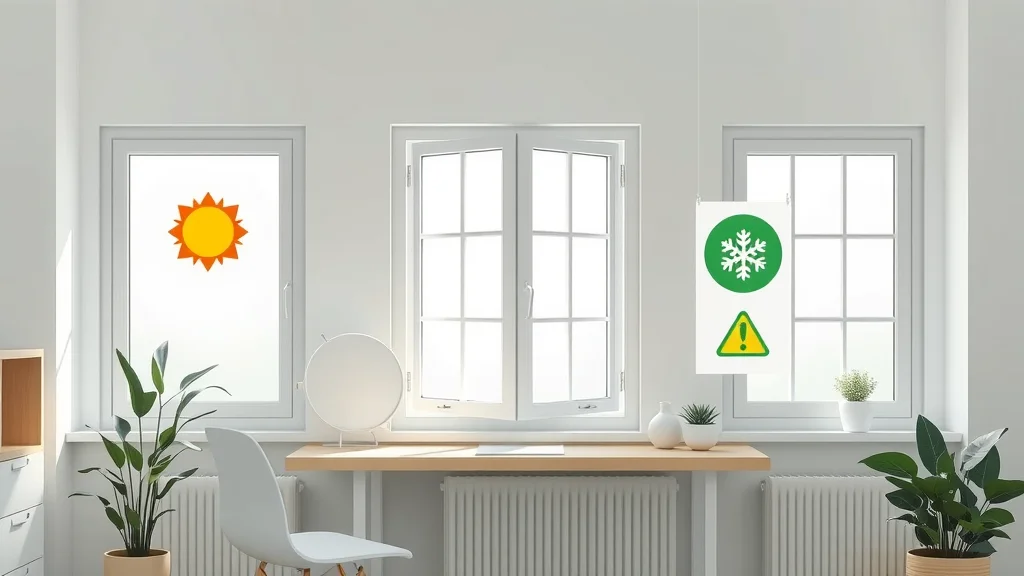
For best results, choose times when outdoor air is cleanest—early morning and evening often offer lower traffic, less pollen, and fresher breezes. Begin by opening as many windows as possible at opposite sides of your home to create a cross-breeze, maximizing airflow and ensuring that even “dead zones” (like basements or stuffy corners) are refreshed. The entire process typically takes less than ten minutes and can become a quick daily ritual alongside other healthy home habits.
Many experts recommend repeating this process once or twice a day to maintain a consistently high level of indoor air quality, especially in seasons when we keep windows closed longer. Monitor local air quality apps for optimal timing, and use simple cues—such as a light breeze or a drop in odors—to confirm your airing session was successful.

Watch this two-minute demonstration of house burping in action—a family opens all windows wide, monitors air quality levels as they ventilate, and listens to tips from an indoor air specialist.
Comparing House Burping: German Practice vs. Other Cultural Habits
Comparison of House Burping Frequency and Methods
Country |
Frequency |
Preferred Method |
Notes |
|---|---|---|---|
Germany |
2–3 times daily |
All windows opened wide for 5–10 minutes ("Stosslüften") |
Often regulated in tenancies, central to home culture |
Japan |
Once or twice daily |
Sliding windows, seasonal "airing out" |
Emphasizes cross-breeze; adjusted for humidity and pollen |
USA |
Occasional or as needed |
Partial window/door opening, sometimes aided by fans |
Popular in spring and fall; less common in winter |
Nordic Countries |
Daily, even in winter |
Brief but complete window opening, focus on moisture control |
Integrated into routines for health and home preservation |

Common Misconceptions About House Burping
Myth: Opening windows lets in more pollutants than it clears
Myth: House burping is the same as continuous ventilation
Myth: Only older homes need house burping
Let’s set the record straight. While it seems logical that opening windows could let in outdoor pollutants, studies find that, unless you live near a major pollution source, brief window airing actually lowers dangerous indoor concentrations—even if outdoor air isn’t pristine. Another myth: house burping is not the same as leaving a window cracked all day.
Prolonged openings can lead to energy loss, but strategic, short sessions are designed to swiftly exchange air with minimal impact on comfort or efficiency. Finally, all homes benefit from house burping—not just older ones. In fact, airtight construction in modern residences makes them especially susceptible to pollutant buildup, making routine airing vital for everyone.

Expert Opinions: Quotes on House Burping and Indoor Air Quality
"Short, intensive airing—what Germans call 'Stosslüften'—is recommended by health authorities across Europe."
— Prof. Elke Zimmermann
Professionals across the globe, from the Environmental Protection Agency to air quality expert Tony Abate, agree that house burping is a vital part of modern indoor wellness. Experts emphasize that it requires little investment, adapts well to most households, and can even outperform certain air purifiers for overall air renewal. The consensus is clear: this time-honored ritual deserves a central place in your wellness toolkit, especially in a world where we spend so much time indoors.
House Burping vs. Air Purifiers: A Data-Driven Look
House Burping vs. Air Purifiers
House Burping |
Air Purifiers |
|
|---|---|---|
Effectiveness |
Removes a broad range of indoor air pollutants and carbon dioxide, balances humidity, instant impact |
Effective for specific particles (dust, pollen, allergens); does not exchange stale air or lower CO2 |
Cost |
Free or minimal (energy loss from brief airing only) |
High initial investment, ongoing filter replacement and power costs |
Convenience |
Very simple routine (5–10 min 1–2 times daily) |
Low effort once installed but requires maintenance, filters |
Sustainability |
Eco-friendly, no devices needed, low energy use |
Electricity-dependent, waste from filters and electronics |
People Also Ask: Clarifying House Burping Questions
Is house burping effective in all climates?
House burping works in almost every climate, though you may need to adjust timing and frequency in extreme cold or heat. In frigid weather, minimize energy loss by airing during the warmest part of the day; in hot climates, stick to early morning or late evening. Monitor outdoor air quality using local apps for best results.
How often should I practice house burping for best results?
Most experts recommend house burping once or twice per day, ideally during times of low outdoor pollution and pollen. Regularity helps ensure that indoor air quality remains consistently high, reducing the buildup of carbon dioxide and other pollutants.
Does house burping increase energy costs?
Airing for 5–10 minutes at a time causes only a minor dip in indoor temperature or comfort, with negligible effect on monthly energy bills if done strategically. Avoid excessive or prolonged window-opening in extreme weather to maximize energy efficiency.
FAQs on House Burping for Fresh Indoor Air
Is house burping safe for allergy sufferers?
Generally yes, especially if you air out your home during times of low outdoor pollen. Check local pollen counts before airing windows, and consider using allergen screens if you are sensitive.Can house burping help with mold prevention?
Yes. By reducing excess indoor humidity and promoting air movement, house burping can help prevent symptomatic mold growth and alleviate musty odors.What if I live in a high-traffic area?
Air out your home during off-peak traffic hours—early morning or late at night—or after rainfall, when outdoor air pollution is lowest. Even partial window opening can provide benefit if full ventilation isn’t practical.
Key Takeaways: Why House Burping Matters for Fresh Indoor Air
House burping is a quick, low-cost habit with proven science behind its benefits
Even modern homes benefit from strategic airing
Adapting tips from German practice can boost your well-being and comfort

Final Thoughts on Incorporating House Burping for Indoor Wellness
Prioritizing house burping as a daily habit can dramatically enhance your home’s air quality, comfort, and overall sense of wellbeing.
As you integrate house burping into your daily routine, consider how other environmental factors—like seasonal pollen or outdoor allergens—can impact your indoor comfort and sleep quality. For a deeper dive into managing air quality during challenging times, especially in regions prone to pollen surges, explore our comprehensive guide on sleeping better despite Carolina's pollen explosion.
Discover advanced strategies to create a restful, healthy home environment year-round, and empower yourself with knowledge that goes beyond the basics of fresh air. Your journey to optimal indoor wellness is just beginning—let’s make every breath count.
Discover More Ways to Breathe Easy and Stay Informed
Your path to better wellness continues—browse additional topics at: NCWellnessHub.com
Sources
To continue your learning, you’ll find more articles and guides at: NCWellnessHub.com


Write A Comment