


Did you know the 2026 food pyramid introduces major shifts in daily nutrition guidelines? Understanding these changes can transform your health and eating habits, making it easier to meet modern dietary needs and boost wellbeing
-
What You'll Learn in This Opinion Piece on the 2026 Food Pyramid
The significant changes made in the 2026 food pyramid and what inspired them
How real food and common sense have been restored to nutrition policy
Why resetting dietary guidelines affects your daily meals and public health
Simple, practical tips for eating according to the new pyramid
Expert opinions on the future of nutrition in America
Understanding the 2026 Food Pyramid: Major Shifts You Need to Know
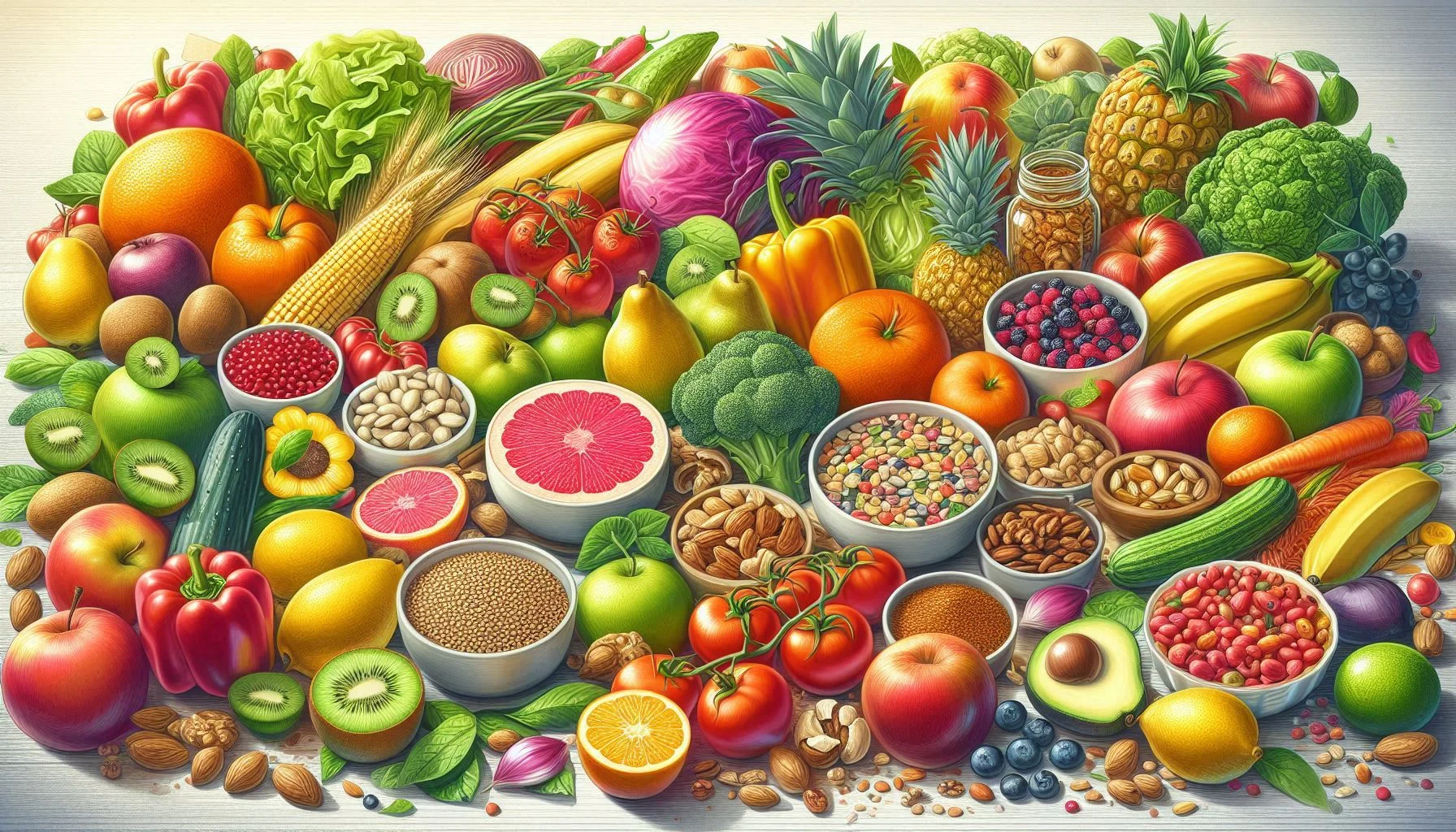
The 2026 food pyramid is more than just a new visual guide to healthy eating; it's a profound shift in America’s nutrition policy. After decades of controversy and chronic disease rates continuing to climb, the new pyramid puts real food and common sense back at the forefront of official recommendations.
This historic reset of federal nutrition policy moves away from outdated advice, like prioritizing highly processed foods and demonizing healthy fats, toward promoting nutrient-dense choices and an eat real food philosophy.
Unlike previous dietary guidelines, the 2026 version emphasizes minimally processed foods, diverse plant-based meals, and balanced proportions across essential food groups. This includes a return to prioritizing fruits and vegetables, whole grains, lean proteins, and healthy fats while sharply limiting added sugar and foods with artificial additives.
These changes in the food pyramid are built on the latest research and shaped by experts who recognize the connection between nutrition and public health—and how better dietary guidance supports smarter health care in the United States.
As you consider the shift toward whole, nutrient-dense foods, it's also worth exploring how specific ingredients can play a role in modern nutrition. For example, traditional fats like beef tallow are making a comeback for their health benefits and culinary versatility—learn more about the resurgence of beef tallow and its place in a balanced diet in this in-depth look at beef tallow for cooking and health.
Kennedy & Rollins: The U.S. Nutrition Policy Reset with Real Food at Its Core
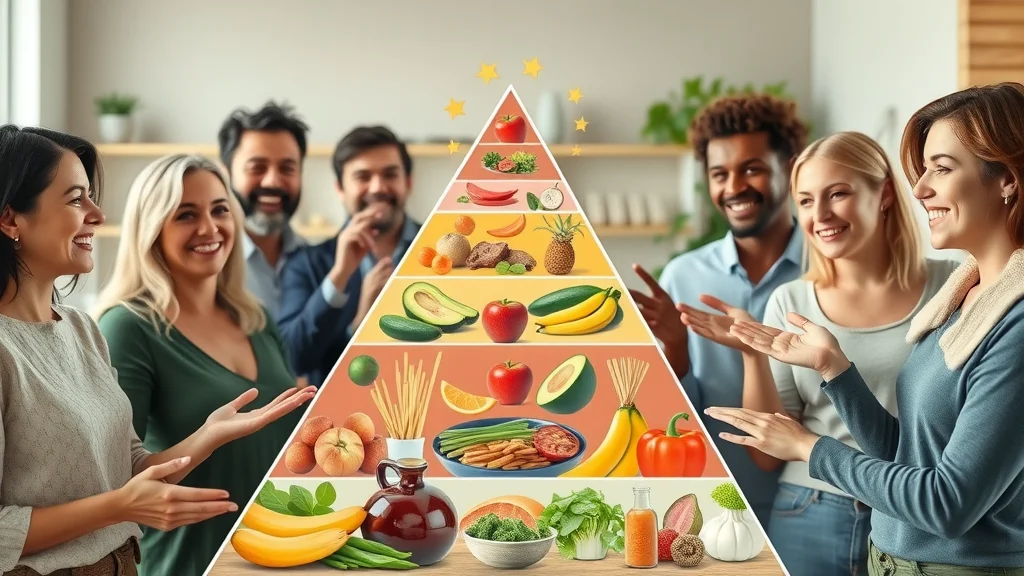
Behind the 2026 food pyramid are two key figures: Robert F. Kennedy Jr. (RFK) and Dr. Samantha Rollins. This duo orchestrated a significant reset of federal nutrition policy by placing real food at the heart of national health efforts. Their approach marks a decisive move away from industrially manufactured, highly processed foods—a strategy deeply rooted in common sense and the science of disease prevention. By championing simple, wholesome ingredients and rethinking the role of government in food, Kennedy and Rollins signal a new era of transparency, putting the well-being of Americans above food industry interests.
"By placing real food back at the center of health, the 2026 food pyramid aims to restore common sense and public trust in our dietary guidelines."
This shift reverberates beyond dietary advice—it demands a cultural and policy-driven embrace of natural eating patterns. The updated guidelines are now more rigorous about limiting added sugar and processed snacks. They encourage more mindful eating habits, which, according to Kennedy and Rollins, could dramatically reduce chronic disease and make America healthy again. This reset isn’t just a change in visuals; it’s a bold new chapter for U.S. health care, focusing on prevention through sound nutrition policy.

How the New Dietary Guidelines Influence Everyday Eating Habits
The new dietary guidelines emerging from the 2026 food pyramid directly affect what Americans see—and choose—on their plates every day. With a clear mandate to eat real and avoid highly processed options, these updated recommendations give individuals and families practical tools to support better health.
Instead of cryptic serving sizes or confusing food group instructions, the revised guidance spells out simple priorities: choose plenty of fruits and vegetables, fill up on whole grains, include healthy fats and lean proteins, and go easy on added sugar.
These policy changes advocate for shopping the perimeter of the grocery store and being cautious with packaged goods, setting a new standard for school meals, workplace lunches, and even clinical nutrition advice. Most importantly, they introduce flexibility for varying cultural, personal, and health needs—recognizing that one size does not fit all. Where previous dietary guidelines often led to confusion or left room for unhealthy loopholes, the 2026 pyramid strives to make nutritious choices the default solution for everyone, from busy parents to health care professionals.
Comparing the 2026 Food Pyramid vs. Previous Dietary Guidelines: Key Differences
Feature |
Previous Guidelines |
2026 Food Pyramid |
|---|---|---|
Base of Pyramid |
Refined grains, starchy foods |
Fruits & vegetables, whole grains |
Fat Recommendations |
Low-fat focus, avoid full-fat dairy |
Healthy fats welcomed, inclusive of some full-fat dairy |
Protein Sources |
Lean meats and plant proteins, less emphasis on variety |
Broad mix: legumes, nuts, sustainable lean meats, plant proteins |
Processed Foods |
Not clearly limited, sometimes encouraged as "diet" options |
Highly processed foods minimized, focus on real food |
Sugar |
Reduce added sugar, limited specific guidance |
Strictly limit added sugar, clear targets provided |
Customization |
General population-wide advice |
Personalized for age, culture, and health status |

Real Food, Common Sense, and Health Care: My Personal Take on the 2026 Food Pyramid
Reprioritizing Whole Foods Over Processed Options
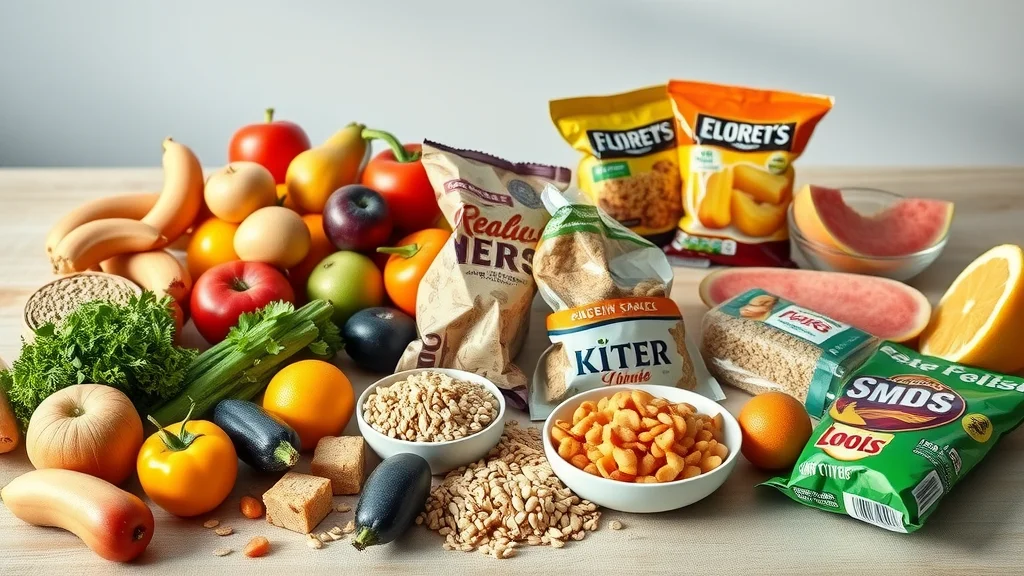
One of the most impactful aspects of the 2026 food pyramid, in my view, is the clear pivot away from highly processed foods toward nutrient-dense, minimally altered ingredients. In an era where convenience and packaging had overtaken freshness and flavor, this reset is overdue.
Real food—like fresh produce, legumes, whole grains, nuts, and responsibly raised meats—forms the core of these new recommendations. The difference can be tasted and felt: swapping processed snacks for simple meals made from scratch boosts energy, balances blood sugar, and supports long-term health care savings.
By restoring common sense to our food decisions, the 2026 pyramid stands up to decades of marketing confusion. We’re reminded to prioritize what our bodies truly need and to recognize that food’s role goes far beyond calories—it fuels our prevention against chronic disease. With so much evidence connecting diet and health, it’s empowering to see official nutrition guidance boldly refocus on real food and the basics, not temporary fads or unproven supplements.
Navigating Health Care Through Smarter Nutrition Policy
As someone who has watched public health crises unfold due to poor dietary habits, I’m convinced the shift to real food is an essential health care reform. Around the world and especially in the United States, our food system has often fueled epidemics of obesity, diabetes, and heart disease.
The 2026 food pyramid represents a recognition—at the highest policy level—that prevention is cheaper, safer, and more effective than constant treatment. When dietary guidelines acknowledge the risks of highly processed foods and the benefits of natural, balanced eating, they lay a foundation for a much healthier nation.
For doctors, health care providers, and policymakers, these new guidelines are a tool to help patients eat real and prevent illness before expensive interventions are needed. At the same time, the pyramid's flexibility—allowing for cultural and lifestyle preferences—means that anyone can find a path to better health without rigid restrictions. That’s the kind of progress our federal nutrition guideline needs if we want to make America healthy for everyone, not just a select few.
The 2026 Food Pyramid in Action: Practical Lists for Your Plate
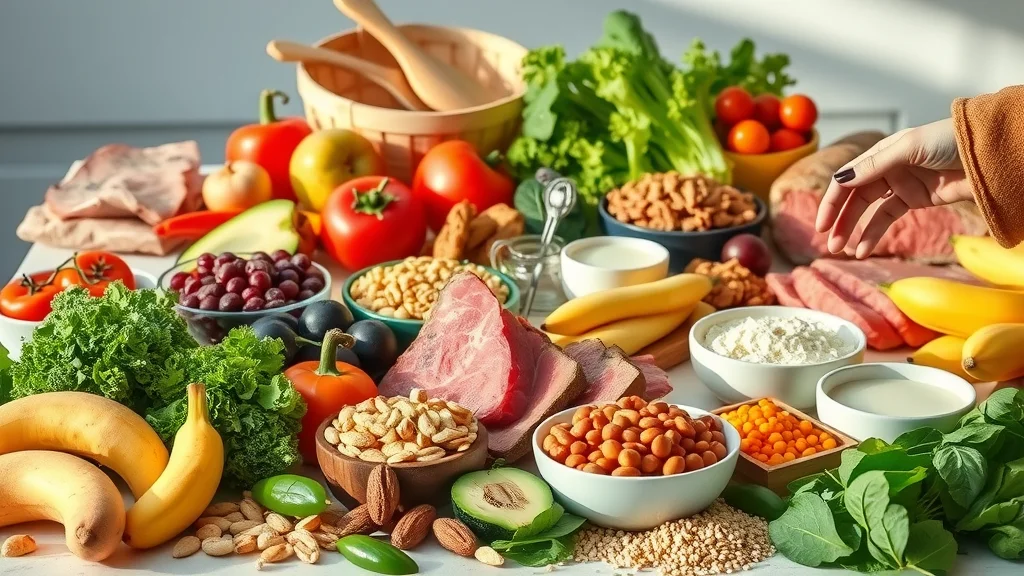
Putting the 2026 food pyramid into practice doesn’t need to be intimidating. Here are some hands-on, simple strategies to build a plate that aligns with the new nutritional priorities. Think color, diversity, and balance. Most of your servings should come from vibrant vegetables and fruits, rounded out by whole grains, a variety of protein sources (both plant-based and lean animal proteins), and sensible portions of healthy fats. The idea isn’t just about what to avoid, but what to enthusiastically include in your everyday meals.
This balanced approach will help reduce risks of chronic disease and ensure you’re getting the micronutrients and fiber your body craves. Quick shopping tip: If most of your groceries don’t need a label, you’re on the right track!

-
Top Foods to Focus On According to the 2026 Food Pyramid
Seasonal fruits and vegetables
Whole grains like brown rice, oats, and quinoa
Legumes: beans, lentils, chickpeas
Lean animal proteins: poultry, fish, eggs (including some full-fat dairy as recommended)
Healthy fats: extra-virgin olive oil, avocados, nuts, seeds
Minimally processed staple foods; avoid highly processed foods and excessive added sugar
People Also Ask: Key Questions About the 2026 Food Pyramid
Did RFK flip the food pyramid?
Yes, RFK (Robert F. Kennedy Jr.) is credited with playing a pivotal role in flipping the traditional structure of the U.S. food pyramid. Thanks to his advocacy, government agencies revisited the data behind dietary guidelines for Americans and pushed for a return to evidence-based, real food-centered nutrition policy.
Along with Dr. Rollins, he championed a complete reset of federal nutrition recommendations, challenging food industry influence while restoring public trust. Their emphasis on whole, natural foods and common sense principles marks the 2026 food pyramid as a true break from the status quo.

What is the new food pyramid in 2025?
The 2025 transitional dietary guidelines acted as a bridge between outdated models and today’s comprehensive 2026 food pyramid. The 2025 version began to shift focus toward reducing added sugar, highlighting the dangers of highly processed snacks, and slowly increasing recommendations for whole fruits, vegetables, and healthy fats. These incremental improvements set the stage for the more assertive, clarity-driven reset implemented in 2026—an evolution that put real food at the center of U.S. nutrition guidance.
What is the no. 1 healthiest food in the world?
Experts consistently agree that there is no single “healthiest” food—health comes from a balanced, varied diet. However, the 2026 food pyramid highlights foods with the highest nutrient density, such as leafy greens (spinach, kale), berries, beans, and fatty fish, as pillars of optimal health. The new pyramid’s approach is to build meals around a spectrum of whole foods, which together supply the vitamins, minerals, and fiber needed for lifelong well-being.
Has the food pyramid been updated?
Yes. The food pyramid has been comprehensively updated in 2026, following a growing demand for evidenced-based nutrition policy and public health reform. The process involved reviewing years of research, listening to medical experts, and learning from the failures of earlier guidelines. This most recent update is not only a visual change but a substantive reset, prioritizing fresh, minimally processed foods and greater transparency in the links between diet and chronic disease.
FAQs: Your Most Pressing Questions on the 2026 Food Pyramid and Nutrition Policy

What are the biggest differences between the new and old food pyramids?
The biggest differences include prioritizing fruits, vegetables, and whole grains over refined grains and highly processed foods, welcoming healthy fats—including some full-fat dairy—in moderation, and providing more personalized eating patterns based on age, lifestyle, and cultural preferences.How can families use the 2026 pyramid for better meals?
Families can follow the new guidelines by shopping for fresh produce, limiting packaged snacks, balancing meals with plant- and animal-based proteins, and making water or unsweetened drinks the default beverage.Will these changes really improve public health?
Experts believe a national shift toward real food, less processed snacks, and more common sense nutrition will greatly lower chronic disease and healthcare costs over time, especially if coupled with education and community support.Are there still specific serving recommendations?
While the 2026 pyramid encourages sensible portions, it gives flexible guidelines rather than rigid serving counts, making it easier to adapt for different needs and lifestyles.
Key Takeaways: What the 2026 Food Pyramid Means for You and Public Health
The 2026 food pyramid is a landmark reset of U.S. nutrition policy. Its focus on real food, less processing, and evidence-based, common sense recommendations empowers individuals and communities to make health a daily priority and prevent disease for generations ahead.

Final Thoughts on the 2026 Food Pyramid: Embracing Real Food, Common Sense, and Better Health
The new food pyramid isn’t just a symbol; it’s an invitation to reclaim the simple, nourishing power of real food. By embracing these guidelines, we all play a part in making America healthy, one smart plate at a time.
If you’re inspired to take your nutrition journey even further, consider exploring how anti-inflammatory superfoods can complement the principles of the 2026 food pyramid. Understanding which foods actively combat inflammation can help you fine-tune your meals for optimal wellness and long-term vitality.
For a deeper dive into the top superfoods that support your body’s defenses and promote better health, check out this comprehensive guide to inflammation-fighting superfoods. Empower yourself with advanced strategies and discover how small changes can yield big results for your health and energy.
Discover more trusted information like this at: NCWellnessHub.com
Sources
U.S. Department of Health & Human Services – https://www.health.gov
United States Department of Agriculture – https://www.usda.gov
The 2026 U.S. Food Pyramid introduces significant changes to dietary guidelines, emphasizing whole, nutrient-dense foods and reducing processed items. For a comprehensive understanding of these updates, consider exploring the following resources:
“RJK Jr.’s New Food Pyramid: A Radical Reset In U.S. Nutrition Policy” (forbes.com)
“New US food pyramid recommends very high protein diet, beef tallow as healthy fat option, and full-fat dairy” (livescience.com)
These articles provide in-depth analyses of the 2026 Food Pyramid’s structure, the rationale behind its development, and the potential implications for public health and nutrition. If you’re serious about understanding and adapting to the new dietary guidelines, these resources will offer valuable insights and practical advice.
Ready for more guides, recipes, and expert tips? Discover more at NCWellnessHub.com


Write A Comment