
NC Wellness Hub
update
North Carolina Wellness Hub
update
  • Home
  • Categories
    • Wellness
    • General Health
    • Holistic
    • News
    • Living & Travel
    • Lifestyle
    • Fitness & Exercise
    • Mental Health
    • Stress Management
    • FEATURE
    • Sleep
    • Allergies
    • Medicines & Supplements
    • Weight Loss
    • Kids Health
    • Fertility & Pregnancy
    • Cancer
    • Heart Health
    • Skin & Hair
    • Arthritis
    • Dental
    • Vision
  • Bone Health
  • Digestive
July 29.2025
2 Minutes Read

Meiosis vs Mitosis: Understanding the Basics of Cell Division

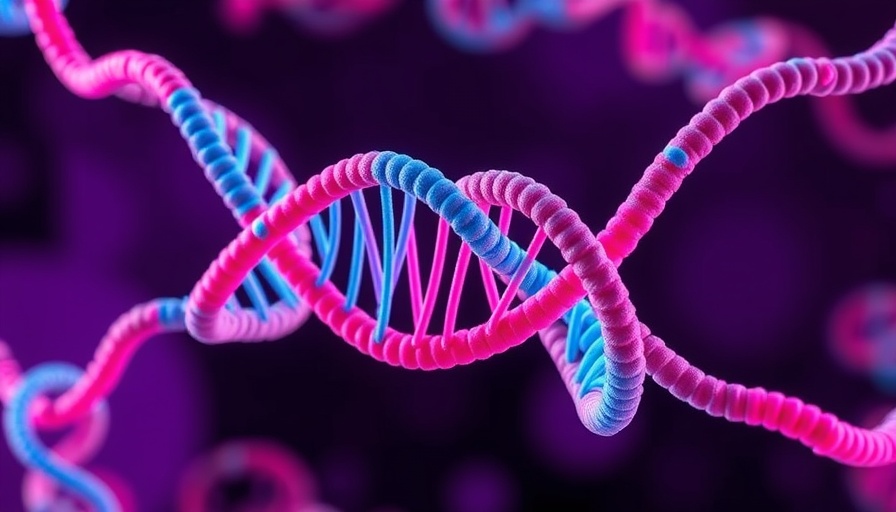
3D rendering of chromosomes during cell division in vibrant colors


Understanding Cell Division: A Key to Life

Cell division is essential for life. It's how our bodies grow, heal, and replace old cells. Two of the main processes of cell division are meiosis and mitosis. While both are crucial, they serve different purposes. Let's break them down in a way that’s simple to understand!

Mitosis: The Growth Process

Mitosis is all about growth and repair. When you cut your skin, your body uses mitosis to create new skin cells to heal the wound. This process results in two identical daughter cells, each with the same number of chromosomes as the original cell. It’s like making a copy of your favorite book – same story, just another copy!

Meiosis: Keeping Genetic Diversity

On the other hand, meiosis is used in the formation of sex cells, like sperm and eggs. This process reduces the chromosome number by half, which is essential for sexual reproduction. When two sex cells combine during fertilization, they restore the full number of chromosomes. Think of meiosis as mixing colors; when you combine different colors, you get new shades!

Why It Matters

Understanding the differences between meiosis and mitosis is not just school science; it helps us appreciate how our bodies function and grow. From healing to reproduction, these processes are fundamental to life.

Next time you see a plant growing or notice a bruise healing, remember – it’s all thanks to these amazing processes happening at a microscopic level. Science isn’t just about labs and theories; it’s about life itself!

Fertility & Pregnancy

0 Comments

Write A Comment

*
*
Please complete the captcha to submit your comment.
Related Posts All Posts

Essential Insights on Premature Ovarian Insufficiency: Fertility and Health Implications

Explore premature ovarian insufficiency health implications. Understand fertility, estrogen's role, and emotional support.

Neural Tube Defects: Essential Insights for Health-Conscious Individuals

Update Understanding Neural Tube Defects and Their Impact Neural tube defects (NTDs) are serious conditions that arise when the neural tube, which ultimately forms the brain and spinal cord, fails to close properly during early embryonic development. These defects can lead to a range of complications, varying in severity from mild to life-threatening. The most common types of NTDs are spina bifida, where the spine doesn’t form completely, and anencephaly, where parts of the brain are missing.In 'Neural tube defects: Clinical Nursing Care,' the discussion dives into crucial insights surrounding neural tube defects, prompting a closer look at their implications and care strategies. Why Awareness About NTDs Matters Raising awareness about the causes and implications of NTDs is crucial—for both expectant parents and healthcare professionals. Understanding risk factors such as genetic predispositions, socio-economic status, and nutritional deficiencies can foster preventative strategies. Research highlights that taking folic acid supplements before conception and during the early stages of pregnancy significantly reduces the risk of these defects. Nevertheless, even with preventative measures, NTDs can still occur, emphasizing the need for advanced maternal care and education. Clinical Implications and Nursing Care Nurses and healthcare providers play a pivotal role in the management of NTDs. From early diagnosis through prenatal care, these professionals can guide families, offering vital support and information. Clinical nursing care might involve regular monitoring during pregnancy, providing emotional support, and educating families regarding treatment options available post-birth. For children diagnosed with NTDs, the role of nurses extends into long-term care, assisting with rehabilitation therapies and psychosocial support necessary for affected families. Future Trends in Managing Neural Tube Defects As medical technology advances, the strategies for diagnosing and managing neural tube defects continue to evolve. Innovations such as prenatal imaging can allow for earlier detection of NTDs, leading to timely interventions. Moreover, emerging research into gene therapy presents potential future avenues for preventing NTDs at a genetic level, offering hope to many families. This future-oriented approach emphasizes the importance of continued research and education in maternal health. Support and Community Resources For families affected by neural tube defects, connecting with support networks can be incredibly beneficial. Organizations and community groups can offer resources, counseling, and shared experiences to help navigate the complexities associated with NTDs. Such support systems foster a sense of community among affected families, providing both practical help and emotional reassurance during challenging times. Conclusion: Take Charge of Your Health Recognizing the implications of neural tube defects and seeking advice from healthcare professionals can make a crucial difference. Whether through preventative measures or informed care options, being proactive about maternal health is essential. We encourage our readers to stay informed about this crucial topic and consider exploring educational resources available through platforms like Osmosis. Knowledge empowers families to make better decisions for their health and the health of their future children.

Understanding Venous Thromboembolism (VTE): Key Insights for New Mothers

Explore the risks of Venous Thromboembolism VTE, its symptoms, prevention, and essential insights particularly for postpartum health.

Terms of Service

Privacy Policy

Core Modal Title

Sorry, no results found

You Might Find These Articles Interesting

T
Please Check Your Email
We Will Be Following Up Shortly
*
*
*