


A few months ago, I ordered my usual spicy Thai green curry from the neighborhood spot I’ve gone to for years. I took a big bite, chewed, and blinked. It tasted like... nothing. Just warm, vague texture. I immediately called the waiter over, convinced they forgot the lemongrass, the ginger, and the chili.
He looked at me with pure confusion, swore they hadn't changed the recipe, and politely walked away. My wife took a bite from my plate, winced from the heat, and said, "It's exactly the same as always. Are you feeling okay?"
That was the moment I fell down a massive biological rabbit hole. If you've recently noticed that your favorite sharp cheddar tastes a bit dull, or you find yourself aggressively shaking the salt shaker over foods you used to love, you aren't losing your mind. You're just experiencing a classic shift in human biology.
Let’s talk about what's actually happening on your tongue, how often do taste buds change, and why experiencing a decreased sense of taste after 50 is way more common than you think.
The 10-Day Cycle: How Often Do Taste Buds Change?
When we think about our taste buds, we tend to think they are permanent little fixtures on our tongues, like tiny teeth. But your mouth is actually a high-turnover war zone. Every time you sip hot coffee, scrape your tongue, or eat crunchy tortilla chips, you are wiping out hundreds of taste cells.
To survive this constant wear and tear, your body keeps your taste buds on a strict, continuous recycling program.
Individual taste receptor cells have an average lifespan of 10 to 14 days (Barlow, 2015). Your body is constantly regenerating them from stem cells at the base of your taste papillae (the tiny bumps on your tongue). Every 1 to 2 months, your entire mouth essentially has a completely fresh set of taste cells (Barlow, 2021).
A comprehensive study published in WIREs Mechanisms of Disease confirmed that while our overall perception of flavors feels stable day-to-day, all taste cells are steadily replaced in a 60-day window (Barlow, 2021).
So, if your taste cells are constantly reinventing themselves, why do things start to taste different as we hit our 50s and beyond?

The Real Story Behind a Decreased Sense of Taste After 50
Here is the twist: a decreased sense of taste after 50 is rarely just about your tongue.
While it’s true that our stem cells slow down slightly as we age—meaning we might not replace those taste cells quite as rapidly or robustly as we did in our 20s—the real culprit behind a muted palate is actually your nose.
Up to 80% of what we perceive as "flavor" is actually olfactory (smell). When you chew food, volatile aromas travel up the back of your throat to the olfactory receptors in your nose.
A major clinical review published in the Postgraduate Medical Journal points out that while taste buds themselves stay relatively stable in number as we age, regional taste deficits and a natural decline in olfactory neurons are what really mute our food (Boyce & Shone, 2006). According to data from the American Academy of Family Physicians, altered taste affects about 19% of adults over 40, but that number climbs significantly alongside a natural drop in smell sensitivity (Savard, 2023).
Furthermore, data from the National Health and Nutrition Examination Survey (NHANES) highlights that olfactory impairment jumps from a mere 4.2% for folks in their 40s up to nearly 40% by the time we hit our 80s (Lim et al., 2022).
When you combine a slightly slower taste bud regeneration cycle with a natural softening of your sense of smell, your brain receives a much quieter "flavor signal" than it used to.

Other Stealth Factors Turning Down the Volume on Flavor
If you are noticing a sudden shift, it’s worth looking at a few other everyday variables that tend to crop up more frequently after 50:
Medications: Hundreds of common prescriptions—especially blood pressure medications (like ACE inhibitors), cholesterol drugs, and antidepressants—can alter how taste receptors process chemicals or cause a metallic tang in the mouth.
The "Dry Mouth" Effect: Saliva is the crucial vehicle that dissolves your food so it can actually slip into the pores of your taste buds. As saliva production naturally dips (or gets dried out by medications), flavors can't bind to your receptors efficiently (Boyce & Shone, 2006).
Zinc Levels: Zinc plays an essential role in the production of gustin, a protein directly tied to the development of new taste buds. Mild zinc deficiencies can stall your tongue's natural 10-day recycling system.
How to Wake Up Your Palate (Without Over-Salting)
If you've noticed a shift, the goal isn't to dump a mountain of salt or sugar onto your plate—that just strains your cardiovascular system and desensitizes your receptors even more. Instead, you want to play to the biology of how flavor is constructed.

1. Pivot to Acid and Umami
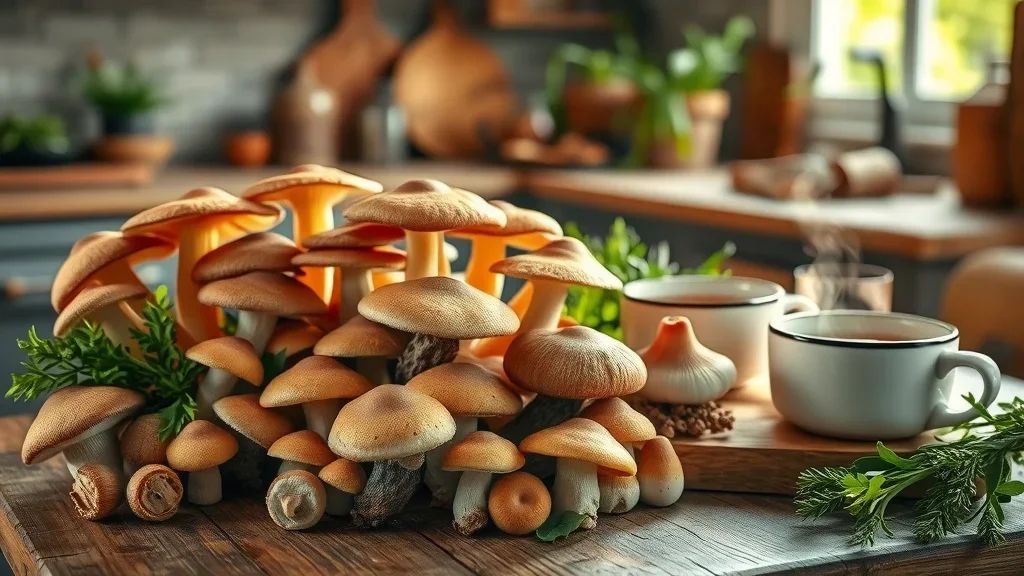
When salt and sweet start to feel a bit dull, sour and umami flavors often remain remarkably sharp. Try leaning on citrus juices (lemon, lime), high-quality vinegars, or rich umami boosters like aged parmigiano-reggiano, soy sauce, and mushrooms to trigger a stronger neurological response.
2. Maximize Food Aromatics
Because your sense of smell is the main engine behind flavor, try cranking up the temperature and the herbs. Warm food releases more volatile aromatic gases than cold food. Toast your spices before adding them to a dish, and throw in fresh basil, rosemary, or cilantro right at the end of cooking to give your nose a stronger head start.
3. Change Up the Textures
Flavor is sensory, but so is "mouthfeel." If a dish feels chemically muted, add contrast to keep your brain interested. Think crunchy toasted nuts on top of smooth puréed soups, or crisp raw radishes sliced over a slow-cooked roast.
FAQ's
How often do taste buds change?
Taste receptor cells in your taste buds typically regenerate every 10–14 days, though overall taste perception can shift more slowly with age, health, and habits.
Do taste buds change more as you get older?
Yes. While cells still renew every couple of weeks, the number and sensitivity of taste buds often decline with age, especially after 60, making flavors seem less intense.
What causes reduced taste in older adults?
Common causes include reduced sense of smell, medications, dry mouth, dental or oral issues, smoking, infections (like COVID-19), reflux, nasal/sinus disease, and nutrient deficiencies (zinc, B12).
How do medications affect taste?
Many drugs can alter taste or cause dry mouth — examples include some blood pressure meds, antidepressants, antihistamines, and antibiotics. Never stop a medication without talking to your clinician.
When should I see a doctor?
If taste loss is sudden, affects appetite or weight, accompanies smell loss, pain, mouth sores, or persists more than a few weeks.
Can illness or medications change how often taste buds refresh?
The refresh cycle stays roughly 10–14 days, but infections (like colds or COVID-19) and certain drugs can temporarily disrupt signaling, making taste seem altered for weeks to months.
Can improving my sense of smell help taste?
Yes. Most “taste” is actually smell. Treating nasal congestion, sinus issues, or allergies and practicing smell training may help
What can I do at home to enhance flavor?
Use herbs, acids (lemon, vinegar), varied textures, umami-rich foods, and good oral hygiene; stay hydrated, stop smoking, and limit alcohol.
References
Barlow, L. A. (2015). Progress and renewal in gustation: new insights into taste bud development. Development, 142(21), 3620–3629. https://doi.org/10.1242/dev.120394
Cited by: 226
Barlow, L. A. (2021). The sense of taste: Development, regeneration, and dysfunction. WIREs Mechanisms of Disease, 14(2). https://doi.org/10.1002/wsbm.1547
Cited by: 60
Boyce, J. M., & Shone, G. R. (2006). Effects of ageing on smell and taste. Postgraduate Medical Journal, 82(966), 239–241. https://doi.org/10.1136/pgmj.2005.039453
Cited by: 464
Lim, T. X. L., Höchenberger, R., Busch, N. A., Bergmann, M., & Ohla, K. (2022). Associations between Taste and Smell Sensitivity, Preference and Quality of Life in Healthy Aging—The NutriAct Family Study Examinations (NFSE) Cohort. Nutrients, 14(6), 1141. https://doi.org/10.3390/nu14061141
Cited by: 24
Savard, D. J. (2023). Smell and taste disorders in primary care. American Family Physician, 108(3).



Write A Comment