
NC Wellness Hub
update
North Carolina Wellness Hub
update
  • Home
  • Categories
    • Wellness
    • General Health
    • Holistic
    • News
    • Living & Travel
    • Lifestyle
    • Fitness & Exercise
    • Mental Health
    • Stress Management
    • FEATURE
    • Sleep
    • Allergies
    • Medicines & Supplements
    • Weight Loss
    • Kids Health
    • Fertility & Pregnancy
    • Cancer
    • Heart Health
    • Skin & Hair
    • Arthritis
    • Dental
    • Vision
  • Bone Health
  • Digestive
July 31.2025
3 Minutes Read

Pharyngeal Arches and Their Impact on Health: Understanding Early Development

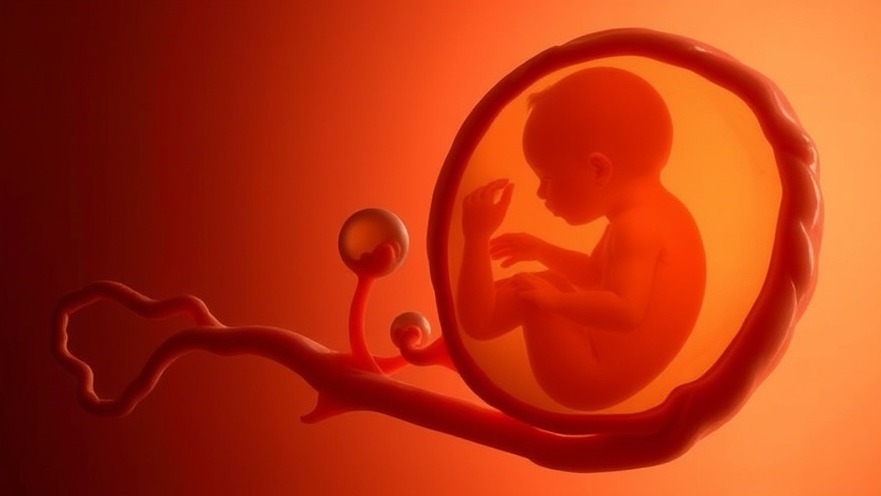
Detailed illustration of embryonic development focusing on the pharyngeal apparatus.


Understanding the Pharyngeal Apparatus in Embryonic Development

The journey of human life begins as a remarkable transformation, with an embryo initially appearing as a simple, flat disk. By week four, this embryo begins resembling human anatomy, although it is often humorously described as looking more like a shrimp than a baby. At this stage, a critical developmental structure known as the pharyngeal apparatus begins to form.

In Pharyngeal arches, pouches, and clefts - embryology, the discussion dives into the intricate world of embryonic development, exploring key insights that sparked deeper analysis on our end.

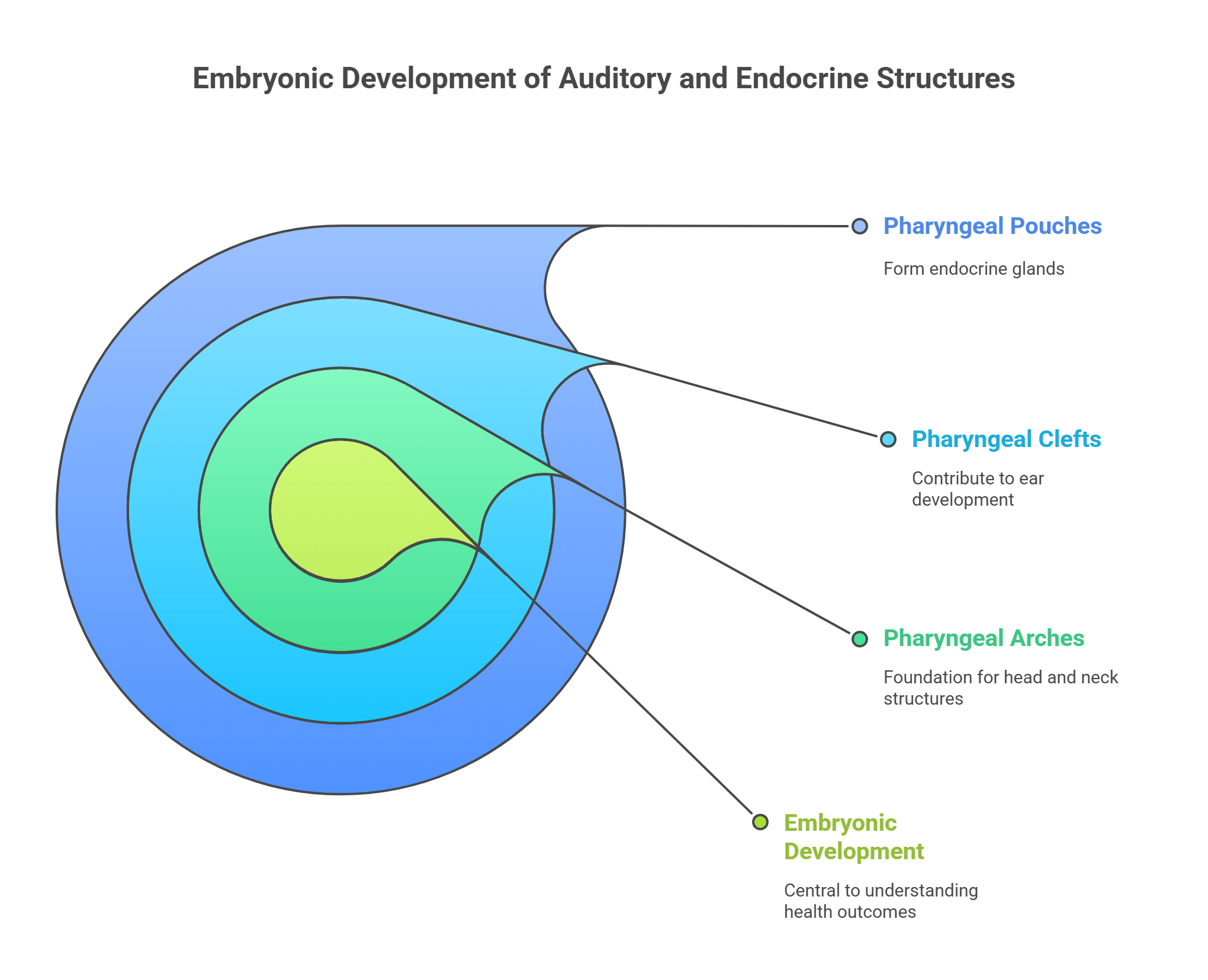
This apparatus comprises the pharyngeal arches, clefts, and pouches, emerging from six bars of mesoderm that sprout from the primitive pharynx, developing in a head-to-tail manner. While they are numbered one through six, it is important to note that the fifth arch rarely forms fully. The arches contribute significantly to the formation of essential structures in the head and neck, marked primarily by their specific cranial nerves that innervate these structures.

Key Functions of Each Pharyngeal Arch

As we delve into the contributions of each pharyngeal arch, it becomes clearer that they serve foundational purposes in shaping critical body parts. The first pharyngeal arch, for instance, is crucial for our ability to chew, giving rise to the mandible and the maxilla—key components of the jaw. The trigeminal nerve innervates these structures, allowing us to perform fundamental actions such as chewing and speaking.

Moving to the second arch, this one is closely linked with facial expression and is innervated by the facial nerve. Structures like the hyoid bone and the stapes—a tiny bone critical for hearing—come from this arch. Here, too, teamwork among these various structures is evident, illustrating how they work together to facilitate essential functions such as swallowing and sound transmission.

The Role of Pharyngeal Clefts and Pouches

Interspersed with the arches are four pharyngeal clefts, which contribute predominantly to the developmental anatomy of the ears. The first cleft helps form the outer ear canal and eardrum, integrating essential auditory functions into our anatomy. Meanwhile, the pouches—derived from endoderm cells—include important components such as the thymus and parathyroid glands, essential for overall health and hormonal balance.

These structures are not merely anatomical curiosities but highlight the intricate process of embryonic development, shedding light on what contributes to our health and wellness later in life. Understanding how these arches and pouches form helps current and future clinicians focus their knowledge on pathologies that can spring from developmental anomalies.

Embryonic Development

Why This Knowledge Matters

For health-conscious adults, the implications of understanding embryonic development extend to numerous areas of health and wellness. Knowledge of how the body develops can inform prenatal care practices and parental education during pregnancy. Awareness of conditions stemming from abnormal development patterns—like certain congenital defects—can empower parents to seek appropriate medical advice and preventive measures early in their child’s life.

Moreover, this knowledge fosters a greater appreciation for the delicate balance of human physiology, emphasizing how foundational structures established during early development impact our health long-term.

A Journey Worth Understanding

In processing the video titled Pharyngeal arches, pouches, and clefts - embryology, we explore how these embryonic structures develop into complex systems vital for health and wellness. The insights into these stages not only help clinicians in their practice but also educate the public in understanding their own bodies better.

This journey into embryology allows for a deeper comprehension of the body’s complexities. It becomes essential for everyone, especially expectant parents, to grasp how early life impacts future health. Such knowledge is a valuable cornerstone for maintaining wellness and addressing health issues as they arise.

Fertility & Pregnancy

0 Comments

Write A Comment

*
*
Please complete the captcha to submit your comment.
Related Posts All Posts

Exploring Postpartum Cardiomyopathy: Heart Health Risks After Pregnancy

Learn about the risks of postpartum cardiomyopathy heart failure triggered by pregnancy and how to recognize symptoms for early intervention.

Essential Insights on Premature Ovarian Insufficiency: Fertility and Health Implications

Explore premature ovarian insufficiency health implications. Understand fertility, estrogen's role, and emotional support.

Neural Tube Defects: Essential Insights for Health-Conscious Individuals

Update Understanding Neural Tube Defects and Their Impact Neural tube defects (NTDs) are serious conditions that arise when the neural tube, which ultimately forms the brain and spinal cord, fails to close properly during early embryonic development. These defects can lead to a range of complications, varying in severity from mild to life-threatening. The most common types of NTDs are spina bifida, where the spine doesn’t form completely, and anencephaly, where parts of the brain are missing.In 'Neural tube defects: Clinical Nursing Care,' the discussion dives into crucial insights surrounding neural tube defects, prompting a closer look at their implications and care strategies. Why Awareness About NTDs Matters Raising awareness about the causes and implications of NTDs is crucial—for both expectant parents and healthcare professionals. Understanding risk factors such as genetic predispositions, socio-economic status, and nutritional deficiencies can foster preventative strategies. Research highlights that taking folic acid supplements before conception and during the early stages of pregnancy significantly reduces the risk of these defects. Nevertheless, even with preventative measures, NTDs can still occur, emphasizing the need for advanced maternal care and education. Clinical Implications and Nursing Care Nurses and healthcare providers play a pivotal role in the management of NTDs. From early diagnosis through prenatal care, these professionals can guide families, offering vital support and information. Clinical nursing care might involve regular monitoring during pregnancy, providing emotional support, and educating families regarding treatment options available post-birth. For children diagnosed with NTDs, the role of nurses extends into long-term care, assisting with rehabilitation therapies and psychosocial support necessary for affected families. Future Trends in Managing Neural Tube Defects As medical technology advances, the strategies for diagnosing and managing neural tube defects continue to evolve. Innovations such as prenatal imaging can allow for earlier detection of NTDs, leading to timely interventions. Moreover, emerging research into gene therapy presents potential future avenues for preventing NTDs at a genetic level, offering hope to many families. This future-oriented approach emphasizes the importance of continued research and education in maternal health. Support and Community Resources For families affected by neural tube defects, connecting with support networks can be incredibly beneficial. Organizations and community groups can offer resources, counseling, and shared experiences to help navigate the complexities associated with NTDs. Such support systems foster a sense of community among affected families, providing both practical help and emotional reassurance during challenging times. Conclusion: Take Charge of Your Health Recognizing the implications of neural tube defects and seeking advice from healthcare professionals can make a crucial difference. Whether through preventative measures or informed care options, being proactive about maternal health is essential. We encourage our readers to stay informed about this crucial topic and consider exploring educational resources available through platforms like Osmosis. Knowledge empowers families to make better decisions for their health and the health of their future children.

Terms of Service

Privacy Policy

Core Modal Title

Sorry, no results found

You Might Find These Articles Interesting

T
Please Check Your Email
We Will Be Following Up Shortly
*
*
*