


Is your child’s picky eating a temporary phase or connected to deeper sensory processing issues? Understanding the difference can transform mealtime struggles. This checklist helps you pinpoint what’s really going on and guides you toward effective solutions that bring peace back to your family’s table.
What You’ll Learn in This Picky Eating Sensory Issues Checklist
How to differentiate sensory issues from classic picky eating behaviors.
Guidance for using the checklist to identify concerns.
Steps to support your child once the checklist is complete.
Understanding the Difference: Picky Eater vs. Sensory Issue
Explore how picky eating, sensory processing, and feeding difficulties intersect.
Recognize patterns in picky eaters and when it signals deeper feeding disorders or eating disorders.
Mealtime challenges can be stressful for both parents and children, often blurring the lines between typical picky eater behaviors and more serious sensory processing difficulties. While many children go through phases of refusing vegetables or only eating a handful of favorite foods, picky eating becomes more significant when it consistently disrupts nutrition, growth, or family routines.
Children with sensory processing issues may be particularly sensitive to certain food textures, smells, or temperatures—making it difficult to eat a balanced variety of foods, and sometimes leading to pronounced feeding difficulties.
Understanding where your child’s struggles fall on the spectrum—between typical picky eating and sensory-driven feeding difficulties or eating disorders—can help families take purposeful steps toward improvement. Without this clarity, mealtime interventions may miss their mark, prolonging distress for both the child and the entire household.
This picky eating sensory issues checklist serves as a first step in distinguishing between normal, selective eating and potential indications of sensory processing disorder or feeding difficulties.

When Picky Eating Might Be a Sensory Issue
“Not all picky eaters have sensory issues, but all children with sensory processing difficulties tend to be picky about food textures, tastes, and smells.” – Dr. Emily Levin, Pediatric Occupational Therapist.
A picky eater might refuse broccoli one day but try it next week with encouragement. In contrast, a child with sensory problems consistently reacts strongly to certain textures, flavors, or smells—sometimes gagging, spitting, or avoiding entire food groups. According to Dr. Emily Levin, recognizing when picky eating moves beyond willful selectivity to true discomfort or distress is vital.
This difference is particularly important for parents wondering whether to give their child more time to adjust or to seek professional help for feeding difficulties that may arise from underlying sensory eating issues.
Sensory-based eating issues often present early, with symptoms like food aversions leading to significant meal time stress, tantrums, or avoidance. Children with sensory processing disorder can be overwhelmed by the look, touch, smell, or feel of foods, which can inhibit growth and nutrition if untreated. Learning to identify these signs early can help prevent the development of serious eating disorders or a long-term intake disorder.

Checklist: Is It Picky Eating or Sensory Issues?
Use the checklist below to distinguish between typical picky eating and red flags for sensory processing difficulties. Documenting your child’s eating behaviors over a week or two will help you recognize persistent patterns and open up constructive discussions with your pediatrician or an occupational therapist if needed.
Sometimes, picky eating and sensory challenges can overlap with emotional responses at the table, such as frustration or tears. For additional insight into understanding your child's emotional cues and how they relate to mealtime struggles, you may find it helpful to explore this guide on crying in children and fostering connection.
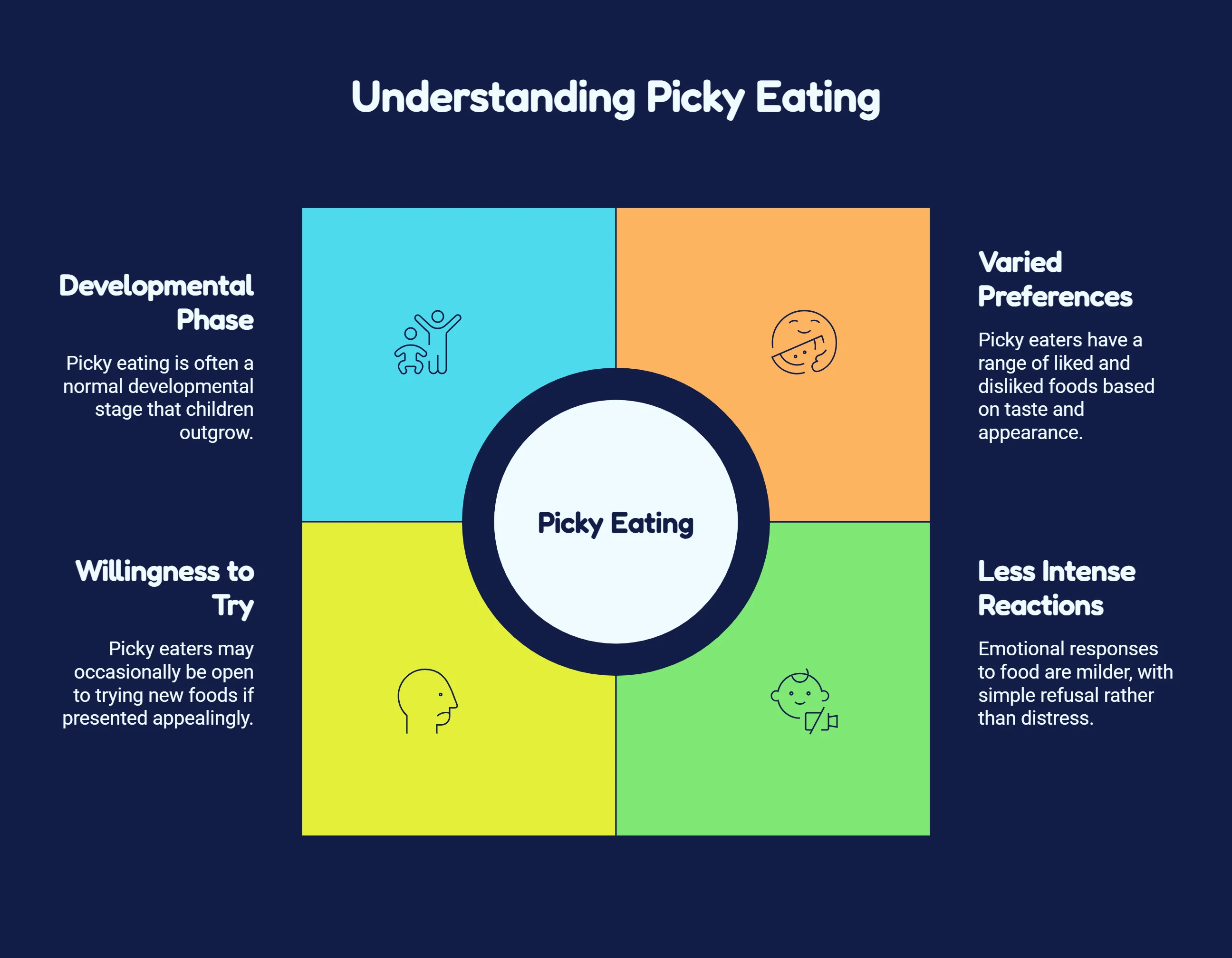
Signs of a Picky Eater
Refuses certain foods based on taste or presentation.
Only eats a few specific foods but will try a new one with encouragement.
No distress during meals, only mild protests.
Most picky eaters are selective but flexible with time and gentle reassurance. They may show resistance at first, but will sometimes taste or even enjoy a new food after repeated exposure. Importantly, their refusals rarely escalate into intense, emotionally charged struggles. This flexibility helps them maintain adequate food intake and participate in mealtime routines with the family, even when they’re not enthusiastic about every dish. If your child’s picky habits are primarily about preference or familiarity—and do not create distress or functional limitations—they often grow out of the phase naturally.
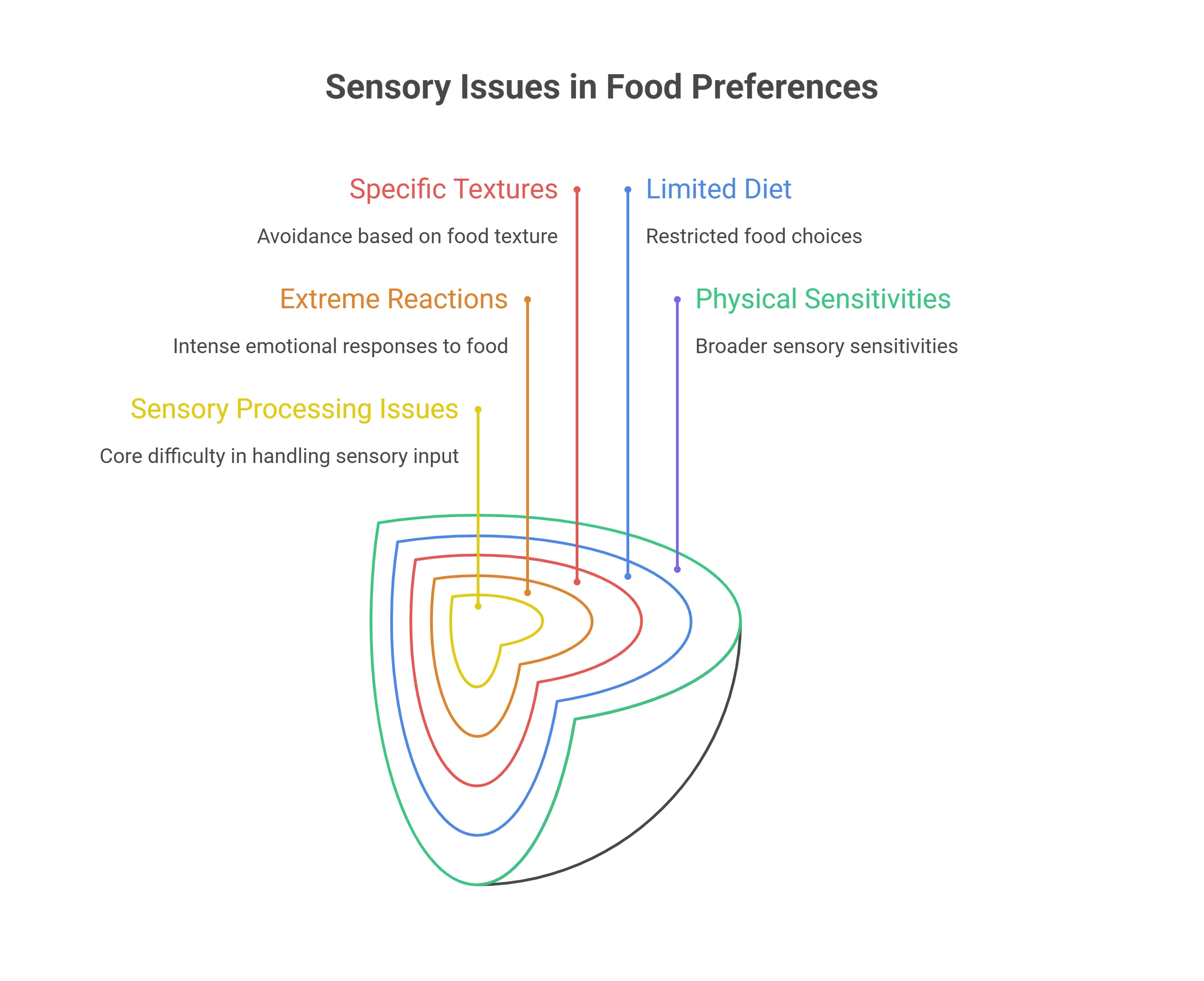
Indicators of Sensory Processing Problems in Picky Eating
Strong aversions to food textures, temperatures, or smells.
Gagging, spitting, or distress at new foods or mixed textures.
Tantrums or meltdowns at mealtime.
Feeding difficulties impacting nutrition and growth.
Children with sensory processing issues are different from typical picky eaters. Gagging at the sight or smell of certain foods, intense aversions to particular textures (like mushy or slimy foods), or even refusing foods that touch on their plate are all red flags for sensory-related feeding difficulties.
These children often experience distress so severe that it disrupts their entire mealtime experience, sometimes leading to prolonged tantrums or meltdowns. When feeding difficulties start impacting nutritional status or growth, it might raise the concern of a feeding disorder or an underlying sensory processing disorder.
It’s not uncommon to see sensory eating issues among children with autism spectrum or other developmental challenges, but these difficulties can also occur independently. Parents may notice their child consistently avoids foods of certain colors, temperatures (only eating cold foods), or becomes upset with mixed textures (like stew or casseroles). If sensory feeding difficulties are interfering with daily life, professional assessment is essential.
Table: Checklist of Behaviors – Picky Eating vs. Sensory Issues
Behavior |
Picky Eater |
Sensory Processing Issue |
|---|---|---|
Willingness to try new foods |
Sometimes, especially with encouragement |
Rarely, may react with gagging or distress |
Reaction to food textures or colors |
Preference-based refusal |
Strong aversion, intense emotional reaction |
Meal time behavior |
Mild protest, usually manageable |
Tantrums, meltdowns, avoidance |
Impact on nutrition/growth |
Usually maintains growth and health |
Risk of nutritional deficiency or poor growth |
Response to exposure/therapy |
Improvement over time |
May require professional feeding therapy |

Feeding therapy is a specialized intervention led by speech therapists or occupational therapists to help children overcome feeding difficulties, particularly those linked to sensory processing disorder. By making mealtime fun and supportive—like playing with textures, exploring different food types without pressure, and building positive associations—therapists can gently expand a child’s comfort zone.
A short educational video can illustrate real techniques in action and show how therapy can turn mealtime struggles into moments of curiosity and growth, especially for children with sensory eating issues.
If your child resists entire categories of food or experiences distress during meals, consult your pediatrician about a referral for specialized feeding therapy. Early intervention can help address food intake disorders, make mealtime more enjoyable, and ensure a balanced diet.
Stay Calm: Tips for Managing Mealtime with Picky Eaters and Sensory Issues
Practice patience and avoid pressure.
Use positive reinforcement.
Model adventurous eating.
When to seek help for persistent feeding difficulties.
The most important advice? Stay calm. Pressuring your child to eat often backfires, creating more anxiety around mealtimes. Instead, keep the environment relaxed and support positive associations with food. Celebrate small victories and let your child explore new foods at their own pace. Modeling adventurous, balanced eating provides subtle encouragement to even the most reluctant eaters. Remember, repeated gentle exposure is more effective than power struggles over bites of broccoli.
If persistent feeding difficulties are causing daily distress or impacting health, don’t hesitate to seek guidance from your pediatrician or an occupational therapist experienced in sensory processing challenges. These professionals can help create a personalized plan for your child, blending evidence-based interventions with strategies that preserve the peace and positivity of your family’s table.
“Stay calm and keep meals enjoyable—anxiety can make feeding disorders and sensory issues worse.” – Maya Mahoney, Registered Dietitian.

Feeding Disorder vs. Picky Eating: Red Flags to Watch Out For
Significant weight loss or slow growth.
Strict refusal of entire food groups.
Disrupted everyday routines due to feeding issues.
Indicators for professional assessment.
Feeding disorders are more serious than typical picky eating and require professional intervention. They endanger a child’s health and development by limiting food intake to a harmful degree. Warning signs of a feeding disorder include chronic refusal of entire food groups, growth delays, or significant anxiety and disruption at meals. If you notice such red flags, act quickly—early intervention can prevent serious, long-term harm.
“A feeding disorder means more than picky eating—it can threaten a child’s health. Early intervention is key.” – Feeding Matters Medical Journal.
Professional involvement is crucial for children who eat so few foods that their nutrition, social development, or family life is compromised. Treatment by a multidisciplinary team, including a pediatrician, feeding therapist, and nutritionist, ensures a holistic approach that addresses not just food intake, but the sensory and emotional needs underlying eating issues.
Nutrition Tips for Children with Feeding Difficulties and Sensory Issues
Fortify favorite foods with extra nutrients.
Gradually introduce new sensory experiences.
Emphasize color, texture, and variety.
Collaborate with a nutritionist if needed.
Meeting nutritional needs can be a challenge for picky eaters and especially for those with sensory eating issues. Fortifying trusted foods—like adding pureed vegetables to pasta sauce or blending protein powder into smoothies—can boost nutrient density without overwhelming your child’s senses. Introduce new foods and textures gradually and without pressure. For example, offer a small taste on the side of a familiar meal or encourage playful exploration with new scents and textures outside of meal times.
Colorful, visually appealing plates filled with a variety of textures make meals more inviting. Consider involving your child in meal prep, letting them touch, smell, and even play with new foods before eating. Collaboration with a nutritionist or occupational therapist can ensure your efforts are effective, safe, and personalized to your child’s unique needs.

Feeding Therapy and Professional Help for Sensory Processing Challenges
When to consider feeding therapy.
Work with occupational therapists and feeding specialists.
Goals of therapy for picky eaters with sensory processing difficulties.
Feeding therapy is a cornerstone resource for families navigating sensory processing disorder or stubborn feeding difficulties. When persistent aversions hinder your child’s food intake, or emotional distress overshadows every meal, a feeding therapist or occupational therapist can make a significant difference. These experts use play-based and gradual exposure strategies—respecting your child’s boundaries while gently stretching them toward new flavors, textures, and experiences.
Therapy goals often include expanding the number and variety of foods a child is willing to eat, improving their comfort at the table, and reducing stress for the whole family. Collaboration across professionals (pediatricians, nutritionists, therapists) ensures a holistic, effective approach tailored to your child’s abilities and sensory profile.
Watching real-world examples of children with sensory processing disorder can help parents recognize behavioral patterns that differ from standard picky eating. Look for educational videos depicting common sensory-based triggers—such as distress with food textures, temperature sensitivity, or visible anxiety when new foods are introduced—so you know when to consult professionals for feeding therapy.

Frequently Asked Questions (FAQs) About the Picky Eating Sensory Issues Checklist
What is the difference between a picky eater and a child with sensory issues?
Picky eaters typically grow out of their selectiveness, while children with sensory issues may have heightened sensitivities to textures and smells that persist.
The fundamental difference lies in intensity and duration. While a picky eater might refuse new foods temporarily, a child with sensory issues often displays ongoing, intense aversions to the feels, smells, or look of certain foods—sometimes resulting in distress or refusal even with repeated exposure. Sensory-related feeding difficulties may demand more specialized interventions, such as feeding therapy, to improve food intake and comfort during meals.
When should I seek professional help for my child’s eating habits?
If your child is losing weight, not growing, or experiencing distress at meals, contact your pediatrician or a feeding specialist.
If picky eating is leading to weight loss, noticeable lack of growth, persistent anxiety at meal times, or the strict elimination of entire food groups, it’s time to get support. These signs may indicate a feeding disorder or advanced feeding difficulties linked to sensory processing disorder. Early assessment with a specialist prevents further complications and supports a positive path forward.
What therapies help with picky eating related to sensory processing?
Feeding therapy, occupational therapy, and nutrition counseling are evidence-based options.
For children whose picky eating stems from sensory processing challenges, feeding therapy often involves collaboration between occupational therapists and nutrition professionals. These therapies use fun, non-threatening approaches to gradually introduce new foods and help children develop coping skills for different textures, temperatures, and smells. Regular therapy sessions and home-based reinforcement promote lasting improvement in eating behaviors.
Common Questions from Parents (People Also Ask)
How can I distinguish between picky eating and a serious feeding disorder?
If picky eating affects your child’s nutrition, growth, or daily routines, review the behavioral checklist above. Persistent distress, strict food refusals, or signs of malnutrition signal a feeding disorder and require professional advice. A picky eating sensory issues checklist identifies patterns that may be linked to sensory processing disorders—use it to track issues and bring details to your doctor.
Serious feeding disorders often show up as ongoing poor food intake, refusal of almost all foods, and emotional outbursts that interfere with family life. Using a checklist helps parents gather objective data to support a diagnosis and plan targeted support, whether that is a referral to a pediatrician, occupational therapist, or feeding therapy team.
What causes children to have sensory eating issues?
Sensory eating issues can stem from underlying sensory processing disorders, genetics, or co-occurring developmental concerns like autism spectrum disorder. Sometimes, anxiety or past negative experiences at mealtime can contribute to avoidance behaviors and feeding difficulties.
Each child's experience is unique, but research highlights that children with sensory processing disorder are more vulnerable to strong, persistent taste, smell, or texture aversions. Early and patient intervention—guided by specialists—can reduce long-term complications and make mealtime more enjoyable for the entire family.

Key Takeaways from the Picky Eating Sensory Issues Checklist
Use the checklist for initial guidance.
Stay calm and supportive at mealtime.
Know when to seek expert consultation for feeding disorders or sensory issues.
Recognizing the difference between typical picky eating and sensory processing-based feeding difficulties is the first step. Consistent, supportive approaches—guided by nutrition tips and professional input—greatly improve outcomes.
Next Steps: Navigating the Path Forward for Picky Eaters and Children with Sensory Issues
Apply what you’ve learned.
Monitor your child’s progress.
Connect with local resources and specialists as needed.
As you move forward, keep tracking mealtime experiences using the checklist, celebrate small improvements, and don’t hesitate to reach out for professional advice. Early action is the most powerful way to make mealtime successful again—both for your child's nutritional health and for family harmony.

Discover More Support and Resources for Picky Eaters and Sensory Issues
Your path to better wellness continues—browse additional topics at: NCWellnessHub.com
If you’re interested in understanding how eating behaviors can evolve into more complex patterns, especially as children grow older, consider learning about the underlying causes and treatment options for eating disorders.
Expanding your knowledge of topics like bulimia nervosa and its root causes can provide valuable perspective on the broader spectrum of eating challenges. By exploring these advanced insights, you’ll be better equipped to recognize early warning signs, support your child’s lifelong relationship with food, and foster a healthier, more resilient family environment. Continue your journey toward empowered parenting and holistic wellness by diving deeper into these essential resources.
Conclusion: Use this picky eating sensory issues checklist to make informed decisions and, when needed, reach out to skilled professionals to support your child’s progress at the table and beyond.
What Your Peers Are Fast-Tracking Next:
Transform Family Dinner Ideas for Picky Eaters into Fun Experiences





Write A Comment