


Did you know over 2 million dental crowns are placed annually in the U. S. ? Proper preparation ensures comfort and lasting results. Understanding what to expect can ease anxiety and help you achieve a strong, natural-looking smile with your new crown.
In this comprehensive guide, you’ll discover crucial tips on preparing for a dental crown, what the procedure involves, and practical aftercare guidance to ensure your crown looks and feels great for years to come.
The Importance of Preparing for a Dental Crown
Did You Know Over 2 Million Dental Crowns Are Placed Annually?
"Proper preparation for a dental crown can significantly impact your comfort, confidence, and the longevity of your dental restoration."

Preparing for a dental crown isn't just about showing up on the day of the procedure. Proper planning reduces anxiety, ensures dental health, and plays a pivotal role in the long-term success of your dental restoration. Whether you’re getting a crown to address damaged teeth, after a root canal, or to restore a dental implant, understanding the process helps you make the best decisions for your oral health.
Dental crown procedures are common, yet many patients are surprised by the benefits of active preparation, which include a more comfortable experience, fewer complications, and increased satisfaction with the final result.
Dental crowns are custom-crafted to protect the tooth, restore function, and enhance appearance. The steps you take before and after placement determine how well your crown fits and how long it lasts.
We’ll take you through every aspect of preparing for a dental crown—what to expect before, during, and after the crown procedure, and how to maximize the performance of your dental restoration. Let’s start with what you’ll learn in this essential guide.
What You'll Learn About Preparing for a Dental Crown
Understanding the dental crown procedure step by step
Tips to ensure a smooth crown placement
How to care for your teeth before receiving a crown
What to expect on the day crowns are placed
Managing post-procedure care for optimal results
What is a Dental Crown and Why Might You Need One?
Common Reasons for Dental Crowns: Damage, Decay, and Beyond
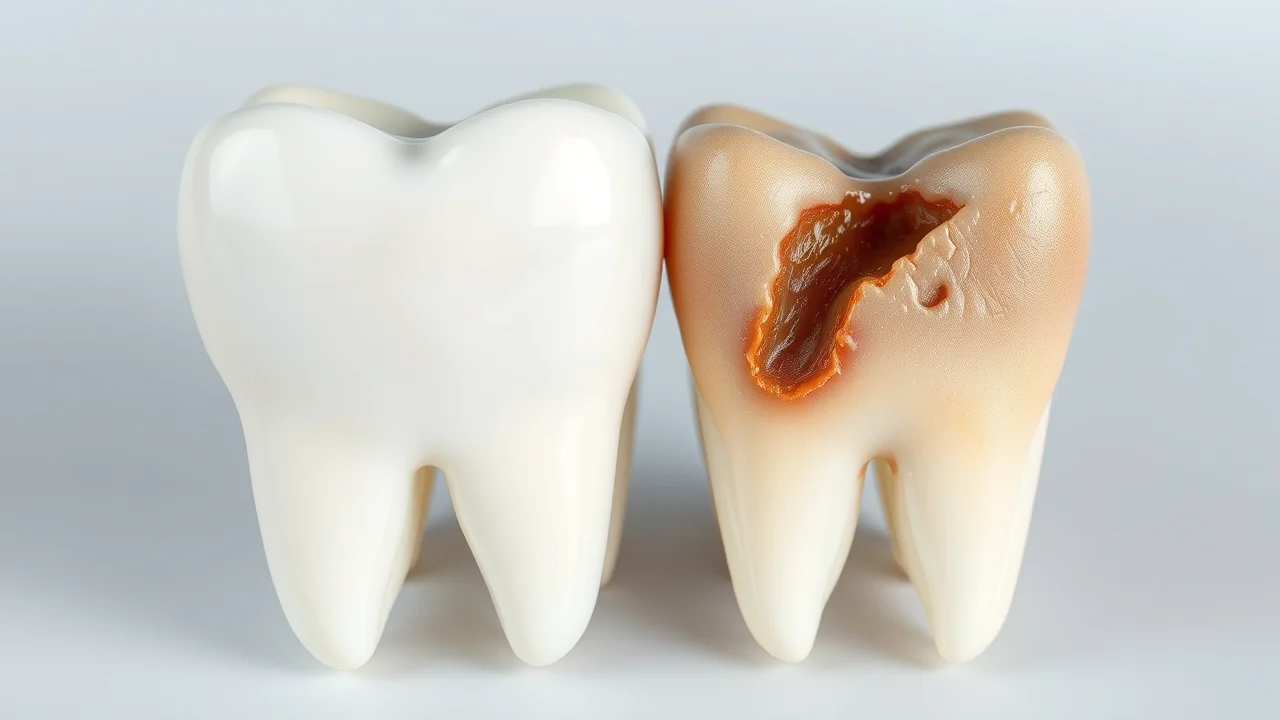
A dental crown is a custom-made cap that encases a damaged tooth, restoring its shape, strength, and function. Crowns are used for a variety of reasons: to protect a weak or fractured tooth, cover a large filling, repair a tooth after a root canal, hold a dental bridge in place, or improve the appearance of a misshapen or discolored tooth. People with missing teeth often rely on crowns as part of a dental implant procedure or as anchors for bridges.
Dental crowns are also recommended when decay or injury compromises the natural tooth’s structure. By capping the prepared tooth with a durable material, dentists can protect the tooth from further damage, restore bite function, and blend seamlessly with your smile. The crown fits securely over the prepared tooth, ensuring comfort and longevity. With options ranging from metal crowns for out-of-sight molars to porcelain and ceramic crowns for visible front teeth, patients have a variety of materials and choices, each tailored to specific dental needs.
Types of Dental Crowns: Materials and Choices for Patients
Today’s dental crowns are fabricated from a variety of materials, each with its own advantages in durability, aesthetics, and suitability for different locations in the mouth. Porcelain crowns provide exceptionally natural appearance, making them ideal for front teeth. Ceramic crowns offer a combination of strength and beauty, suitable for both front and back teeth. Gold alloy and other metal crowns, known for their longevity, are typically reserved for molars, where strength is crucial. Resin crowns, which are more budget-friendly, serve as temporary or short-term solutions. The best type of crown for you will depend on the location of the tooth, your bite, and cosmetic preferences.
Type |
Durability |
Appearance |
Common Uses |
|---|---|---|---|
Porcelain |
High |
Natural |
Front Teeth |
Ceramic |
High |
Natural |
Any Location |
Gold Alloy |
Very High |
Metallic |
Back Teeth |
Metal |
Very High |
Metallic |
Out of Sight Molars |
Resin |
Moderate |
Natural |
Short-Term Solution |
When selecting your dental crown, your dentist will discuss factors like wear resistance, strength, aesthetics, and how the crown placement will affect your bite. Modern ceramic crowns and porcelain crowns are custom-crafted for a perfect color match, while metal crowns remain the top choice for durability in high-pressure areas.
Understanding the Dental Crown Procedure: Step-by-Step
How the Crown Preparation and Placement Works
Initial consultation and dental examination
Impressions, X-rays, and digital scans
Tooth preparation and shaping
Temporary crown fitting and placement
Creation of the final crown
Final crown placement and adjustment
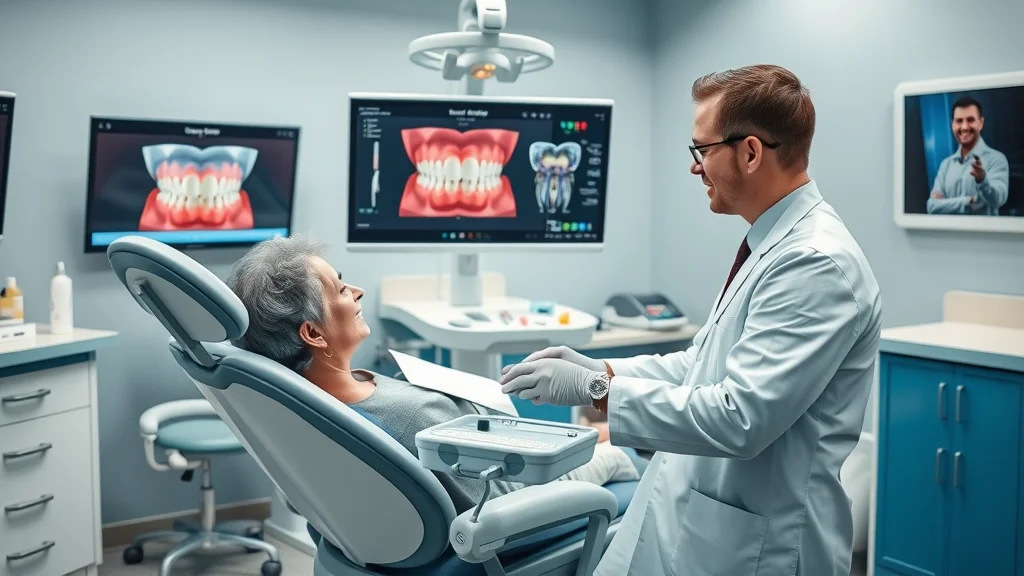
The dental crown procedure begins with a comprehensive consultation and evaluation. Your dentist examines your oral health and takes digital scans or impressions of the affected tooth. If the tooth is significantly damaged or infected, a root canal may be performed to remove the nerve and eliminate infection before crown placement. The next step is shaping the prepared tooth, reducing its size to ensure the new crown fits perfectly over it. Your bite will also be checked for proper alignment.
Typically, a temporary crown is placed to protect the prepared tooth while your final crown is being meticulously designed and manufactured at a dental lab. At a second visit, your dentist will remove the temporary crown, make final adjustments, and cement the permanent crown in place—ensuring your bite and appearance are both restored.
If your dentist recommends a root canal before crown placement, it's helpful to recognize the warning signs that may indicate this need. For a deeper understanding of symptoms and what to expect, explore the key indicators that tooth pain could signal a root canal is necessary and how this step fits into your overall dental restoration plan.
Key Steps for Preparing for a Dental Crown
Tips Before the Crown Procedure
Practice excellent oral hygiene
Address anxiety with your dentist
Avoid hard or sticky foods
Clarify all questions during your pre-appointment discussion

Preparing for a dental crown starts with diligent oral care: brush and floss carefully, especially around the tooth to be treated. Not only does this promote oral health, but it reduces the risk of infection and ensures the area is clean for crown placement. If you experience anxiety or dental phobia, be proactive and discuss sedation or pain management options—modern local anesthetic ensures minimal discomfort during the procedure.
Avoid extremely hard or sticky foods that could further damage the tooth or surrounding area. Discuss any questions regarding the types of crowns and materials available with your dental team, including whether a temporary crown will be needed, if a root canal will be performed, and how long each stage will take. Getting all your concerns addressed ahead of time is a good idea, so you can feel confident and prepared on the day of your crown procedure.
What the Procedure Involves: From Root Canal to Crown Placement
Some dental crowns require a root canal beforehand, especially when the decay has reached the tooth pulp. This is followed by tooth shaping, where the dentist carefully prepares the surface for the new crown. Precise digital impressions or molds are taken to ensure the permanent crown will fit exactly right. In the interim, your dentist will provide a temporary crown, which acts as a placeholder and protects the prepared tooth.
The entire dental crown process can span a few days to a couple of weeks, depending on whether digital or traditional impressions are used and the crown is made in-house or at a laboratory. Throughout the process, your dentist’s goal is to protect the tooth, restore your bite, and create a final crown that blends seamlessly with your natural teeth.
Temporary Crown: What to Expect Between Visits
Temporary Dental Crowns: Care and Caution
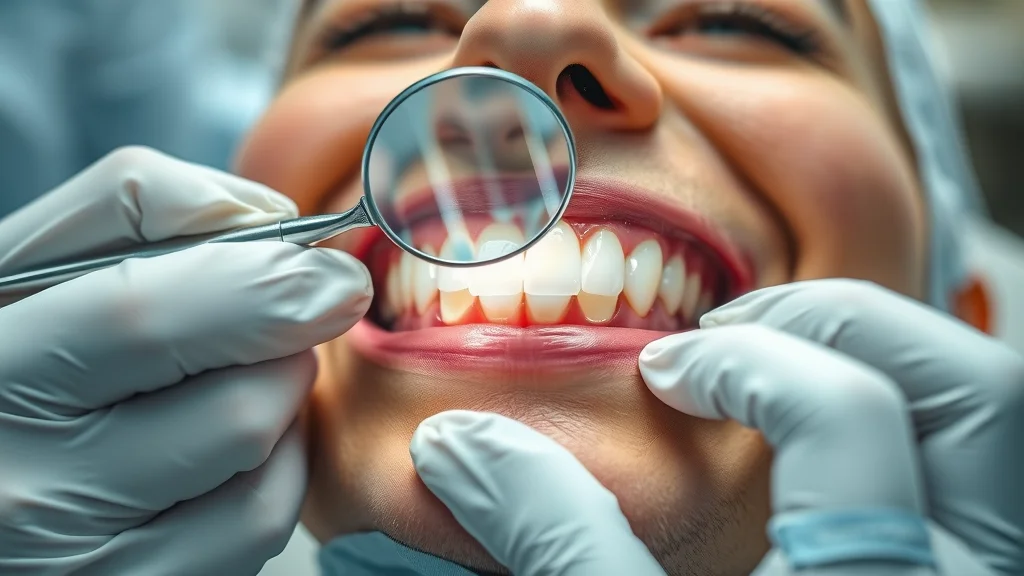
Temporary crowns are essential for safeguarding the prepared tooth and maintaining function until the final crown is ready. These crowns are usually crafted from resin and secured with temporary cement. They restore appearance and basic chewing function, but they’re less durable than permanent crowns and require special care. Avoid chewing on hard or sticky foods, as these can dislodge or damage the temporary crown.
Maintain your oral hygiene by brushing and flossing gently around the temporary. If you feel any discomfort or notice looseness, contact your dentist promptly to prevent further problems. Remember, the purpose of the temporary crown is to protect the tooth and gum while your custom crown is being finished, so treat it with care until your next visit.
Potential Issues During the Temporary Crown Phase
Sensitivity to temperature changes
Discomfort or pressure
Temporary crown dislodgement
Sensitivity to hot or cold foods, slight discomfort, or occasional pressure are normal while wearing a temporary crown. If pain or discomfort worsens, or if the crown falls out, reach out to your dental provider promptly. Temporary crowns serve as an interim measure, meaning they need gentle handling and regular monitoring for best results.
Getting Your Final Crown: Placement, Fit, and Function
How Your Dentist Ensures a Perfect Fit
Stage |
Purpose |
|---|---|
Fitting the final crown |
Check fit, bite, and color |
Cementing the crown |
Permanently secure the crown |
Final bite adjustment |
Ensure comfort and proper alignment |
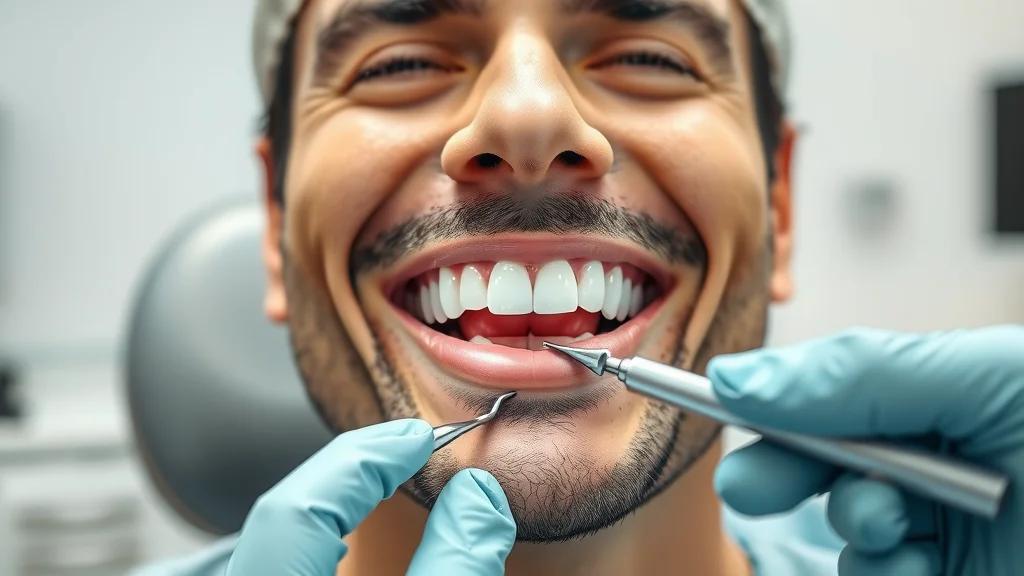
The final stage of the dental crown procedure revolves around precise fitting and lasting results. Your dentist will first remove the temporary crown and test the new one for a perfect fit. Proper adjustment during crown placement is vital, ensuring the crown feels natural and your bite is comfortable.
The final crown is color-matched and contoured for seamless integration with your natural teeth. After confirming the crown fits properly, your dentist will use dental cement to secure it and make any last bite adjustments. If minor refinements are needed after placement, a follow-up visit ensures your comfort and the longevity of your restoration.
What to Expect After the Dental Crown Procedure
Caring for Your Crown and Oral Health Tips
Avoid very hard foods immediately
Resume gentle brushing and flossing
Monitor for lingering discomfort
Schedule recommended check-ups
After your crown procedure, take special care to preserve the new restoration. Refrain from eating hard or sticky foods for at least a day while the dental cement fully sets. Continue brushing and flossing around the crown and adjacent teeth to protect the area from decay or gum disease—good oral health is essential for crown longevity.
Monitor for any lingering discomfort; minor sensitivity or soreness is common in the first few days, but should resolve quickly. If symptoms persist, contact your dentist. Regular check-ups will ensure your crown continues to protect the tooth and blend beautifully with your smile.
How to Manage Sensitivity and Minor Discomfort Post-Crown

Feeling mild tooth sensitivity or tenderness in your gums is not unusual after crown placement. To ease discomfort, choose a soft diet for a day or two, avoid extreme temperature foods, and use over-the-counter pain relievers as directed. Applying a cold compress to the cheek can also reduce inflammation.
If persistent pain, swelling, or difficulties with bite alignment develop, reach out to your dentist for a follow-up. Most people find that the final crown quickly feels like their natural tooth, restoring full function with ease.
Day Crowns and Modern Alternatives in Dental Crown Procedures
The Latest Advances: Same-Day Crowns and Digital Scan Technology

Today’s dental technology has revolutionized the crown procedure. Same-day crowns—often called “day crowns”—use digital scans and in-office manufacturing to create a permanent crown in just a few hours. With computer-aided design and manufacturing (CAD/CAM), your dentist scans your mouth, designs your crown digitally, and crafts it while you wait. This eliminates the need for a temporary crown and speeds up your tooth restoration in one visit.
Day crowns offer the same quality as traditional crowns, using robust materials like ceramic for a natural look and long-term durability. Digital scans also enhance accuracy, reducing the chances of adjustment later on. If you’re a candidate for day crowns, ask your dentist if this innovative dental service is available at your next crown appointment.
Common Questions about Preparing for a Dental Crown
How painful is getting a crown on your tooth?
Most patients experience minimal discomfort during a dental crown procedure; local anesthetic is used and post-procedure pain is usually mild and temporary.
What is the hardest tooth to crown prep?
Molars, especially upper rear molars, prove the most challenging for crown preparation due to their location and shape.
What should I do before getting a crown?
Maintain optimal oral hygiene, follow dentist’s pre-visit guidance, and communicate any anxieties or health issues before your dental crown appointment.
How long after a crown is cemented can I eat?
It is recommended to wait at least 30-60 minutes after the final dental crown is cemented before eating, and to avoid hard or sticky foods for the rest of the day.
Frequently Asked Questions About Preparing for a Dental Crown
How long does a dental crown last? Most dental crowns last 10–15 years with proper care but can last even longer with excellent oral hygiene.
Can I whiten a dental crown? No, dental crowns do not respond to whitening. Choose your crown shade carefully with your dentist during placement.
What if my temporary crown falls out? Contact your dentist promptly—a dislodged temporary crown should be re-cemented or replaced as soon as possible.
Is a root canal always needed before a dental crown? Not always. A root canal is only necessary if the nerve or pulp inside the tooth is damaged or infected.
Will my insurance cover dental crowns? Many dental insurance plans provide partial coverage for crowns. Confirm your benefits with your provider before treatment.
Key Takeaways: Successful Steps in Preparing for a Dental Crown
Preparation reduces anxiety and improves outcomes
Follow oral care advice strictly for temporary and final crown stages
Discuss all concerns with your dentist beforehand
Modern technology provides faster, more comfortable dental crown procedures
A professional, patient-friendly walkthrough showing consultation, digital scans, crown preparation, and step-by-step placement in a reassuring modern dental setting.
Visual comparison and explanation of temporary versus final crowns, their care requirements, and transition process.
Discover More Trusted Information About Preparing for a Dental Crown
Learning what to expect, preparing your teeth, and working closely with your dentist are key to a successful dental crown procedure. Discover more trusted information like this at: NCWellnessHub. com
If you’re interested in taking a more holistic approach to your oral and overall health, consider how mindful daily habits can support your dental care journey. For example, adopting mindful eating practices not only benefits your body but can also contribute to better oral hygiene and long-term wellness.
To explore how intentional eating can positively impact your mental and physical wellbeing, visit our guide on transforming your habits through mindful eating and discover new ways to enhance your health beyond the dental chair.
Sources:
ADA MouthHealthy – https://www. mouthhealthy. org/en/az-topics/c/crowns
Healthline – https://www.healthline.com/health/dental-crown
WebMD – https://www. webmd. com/oral-health/guide/dental-crowns
When preparing for a dental crown, it’s essential to understand the procedure and how to care for your teeth before and after the treatment.
The article “Dental Crown Prep for Traditional and One-Day Procedures” provides a comprehensive overview of what to expect during both multi-day and same-day crown placements, including steps like tooth examination, anesthesia, preparation, and the differences between traditional and one-day procedures. (healthline. com)
Additionally, the “Crown (dental restoration)” entry on Wikipedia offers detailed information about the types of crowns, materials used, and the preparation techniques involved in the procedure. (en. wikipedia. org)
Knowledge is the best remedy for dental anxiety. Dive into these resources to get a clear handle on your procedure and what comes next.





Write A Comment