

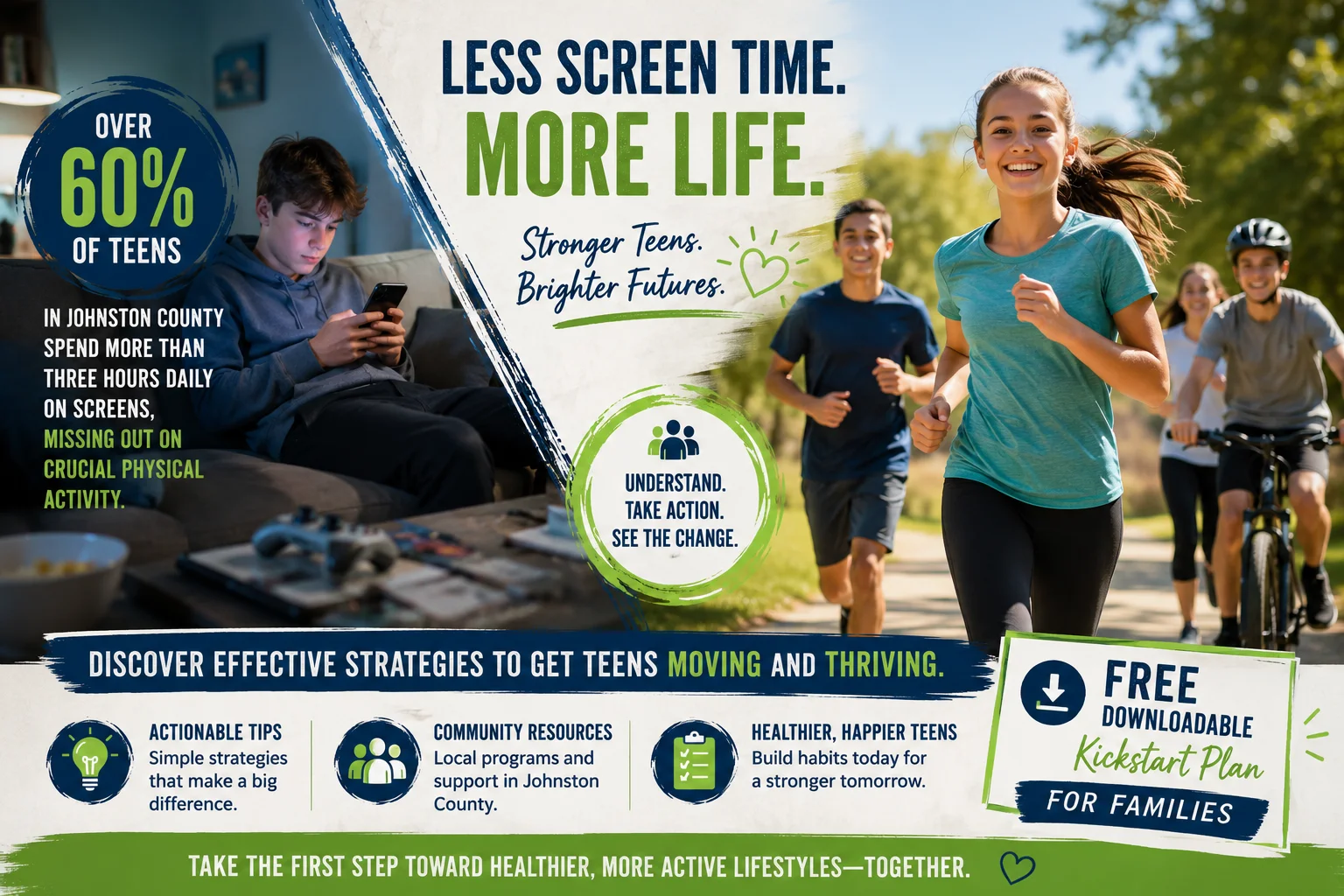
Did you know over 60% of teens in Johnston County spend more than three hours daily on screens, missing out on crucial physical activity? Understanding and reversing this trend is vital for their health and happiness. Discover effective strategies to get teens moving and thriving.
This comprehensive guide offers actionable tips, community resources, and a free downloadable kickstart plan for families ready to take the first step toward healthier, more active lifestyles.
What You'll Learn
Why teen physical activity is essential for health and development in Johnston County
The latest recommendations and guidelines for adolescent movement
Proven strategies to reduce screen time and promote active habits
Practical steps families and communities can take for better teen well-being
How to join or create supportive environments that help teens thrive
Why Teen Physical Activity in Johnston County Matters: Health and Happiness at Stake
Key reasons physical activity is essential for teens: Physical activity is not just about burning energy; it helps teens grow stronger, supports healthy bones and muscles, keeps the heart healthy, and boosts overall mood. Active teens develop physical and mental resilience that carries them through challenges both in sports and in life.
Impact of screen time on adolescent health in Johnston County: High levels of screen time can lead to sedentary behaviors, lower physical fitness, and increased risk for anxiety and depression. Excessive screens rob youth of opportunities to discover movement patterns that make a difference, leaving them more susceptible to injury in sports or daily life and undermining athletic foundations through smart training.
Long-term benefits of cultivating teen physical activity habits: Patterns set in adolescence are far easier to maintain into adulthood. An active lifestyle contributes to reduced risk of chronic diseases, fosters discipline, and supports proper neurological development. With Johnston County's vibrant parks and athletic associations, community support can play a powerful role in keeping teens off the couch and propelling their health trajectory in life.
“Encouraging regular teen physical activity in Johnston County is among the most important steps we can take to foster both physical and mental well-being.”
Understanding the Guidelines: Teen Physical Activity in Johnston County
What are the guidelines for physical activity for teens?
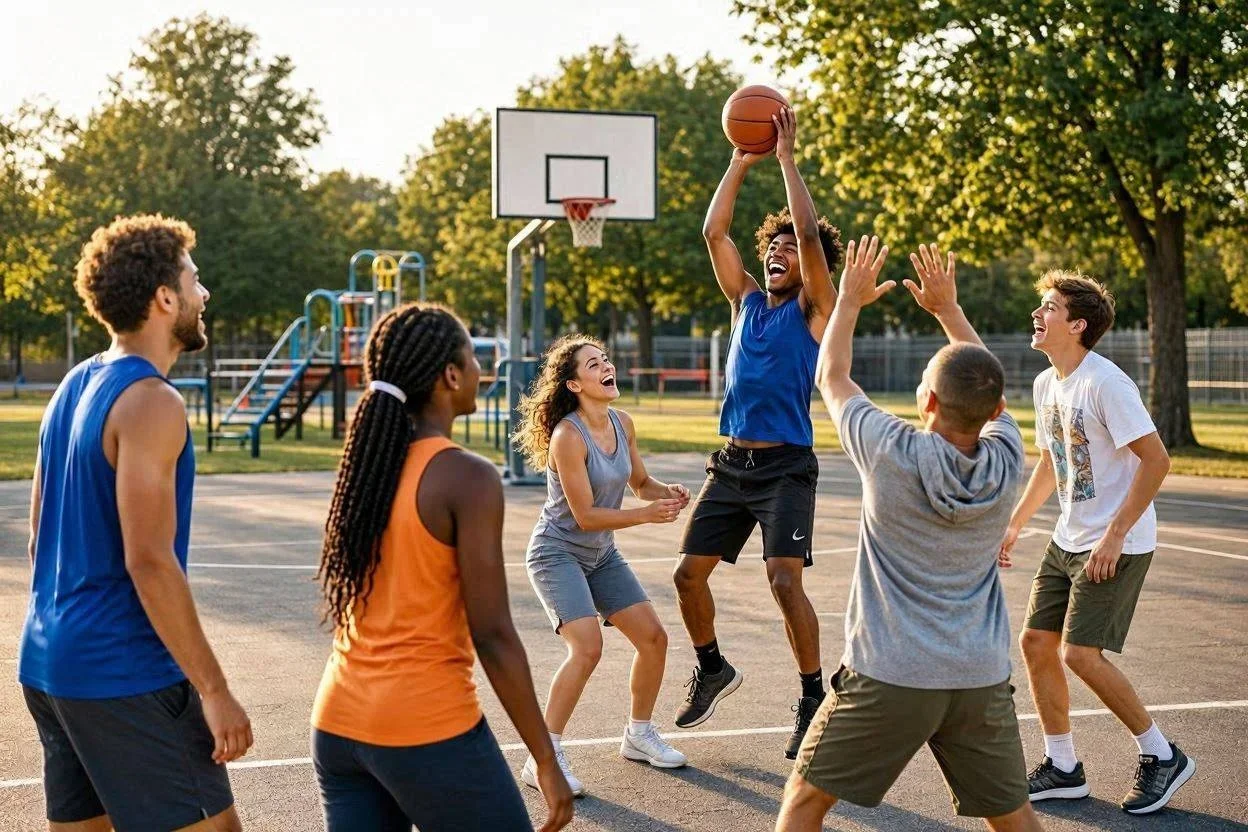
The Centers for Disease Control and Prevention (CDC) and local Johnston County health experts agree: teenagers should aim for at least 60 minutes of moderate to vigorous physical activity each day. This can include aerobic exercises like brisk walking or running, as well as activities that help build muscle and bone strength.
While one continuous hour is ideal, it’s perfectly fine to break the time into shorter segments throughout the day—like a morning bike ride, afternoon sports practice, and an evening walk with family.
Building these habits is not just about individual willpower. Community programs develop supportive pathways, and athletic associations strive to instill kids with the confidence and skills needed to enjoy movement. Families and caregivers can set routines that incorporate recommended activities, helping teens discover movements they enjoy and can repeat.
Most importantly, these patterns that make movement enjoyable and sustainable often begin at home, in schools, and within public athletic associations across Johnston County.
While encouraging physical activity is crucial, it's equally important to recognize when teens might be experiencing underlying stress that could impact their motivation or energy levels. For a deeper understanding of how stress manifests physically and how it can affect overall wellness, explore these key signs your body is stressed and actionable wellness insights.
-
Breakdown of activity types:
Aerobic: Activities such as running, cycling, and swimming get the heart pumping and improve endurance.
Muscle-strengthening: Bodyweight exercises, climbing, or resistance training help grow stronger muscles and support healthy posture.
Bone-strengthening: Jumping, skipping, or playing basketball stimulates bone growth and strength, making teens less susceptible to injury in sports and everyday activities.
Incorporating recommendations into local lifestyles: Leverage Johnston County’s public parks, trails, and recreation centers, or explore group activities through school clubs and athletic associations. Mix structured programs with free play and family walks to build enjoyable routines.
Activity |
Type |
Benefit |
Where in Johnston County? |
|---|---|---|---|
Basketball |
Aerobic, Bone-strengthening |
Improves heart health, coordination, team spirit |
Community parks, school gyms, public athletic associations |
Jogging or Running |
Aerobic, Bone & Muscle-strengthening |
Boosts endurance, grows stronger bones and muscles |
Greenways, local tracks, neighborhood trails |
Biking |
Aerobic, Muscle-strengthening |
Enhances leg strength and cardiovascular health |
Paved routes, greenways, family-friendly neighborhoods |
Dancing |
Aerobic, Bone-strengthening |
Improves coordination, rhythm, social connections |
Recreation centers, school programs, local studios |
Swimming |
Aerobic, Muscle-strengthening |
Builds whole-body strength, is joint-friendly |
Community pools, swim clubs |
Soccer |
Aerobic, Bone-strengthening |
Fosters teamwork, quick decision-making, cardiovascular health |
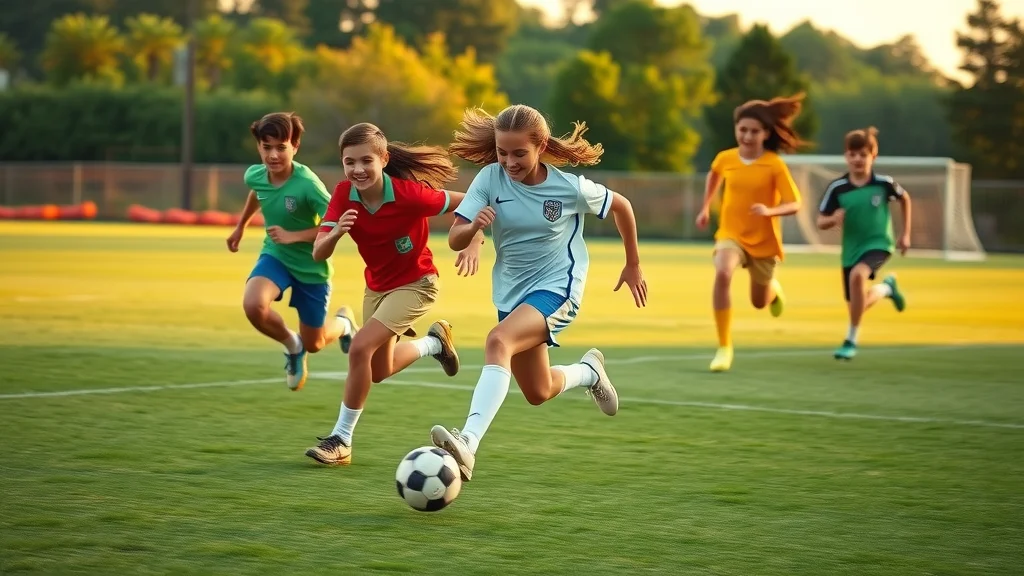
Sports fields, youth leagues, public parks |
Effective Approaches to Increase Teen Physical Activity in Johnston County
What are the physical activities you do now as a teenager?
Today’s teens in Johnston County engage in a mix of organized sports, recreational activities, and independent exercises. Popular local options include joining basketball teams, skateboarding at public parks, or participating in community dance classes.
Programs develop not only athletic skill but nurture friendships and a sense of accomplishment, often supported by opportunities to book a strategy call with coaches for personalized guidance. Many strive to instill kids with confidence by setting attainable goals, celebrating incremental improvements, and encouraging consistency over perfection.
Aside from structured programs, informal play remains essential. Walking or cycling with friends, backyard ball games, or even helping with family gardening contribute valuable minutes toward daily activity. These low-pressure, joyful experiences help lay athletic foundations through smart repetition, ensuring that physical activity is seen as a source of fun rather than a chore.
The diversity of public athletic associations and accessible parks ensures that every teen—regardless of skill or experience—can find a way to be active in Johnston County.
What type of exercise is best for teenagers?
No single activity fits every teen, but a well-rounded approach works best. Teenagers benefit most from a variety of movements including aerobic, resistance, and flexibility-building exercises. Programs that teach proper movement patterns help reduce the risk of injury in sports and daily life, as well as lay foundations through smart training.
Expert coaches and school physical education teachers often rotate students through games, circuits, and skill-building drills to keep engagement high and address all aspects of health.
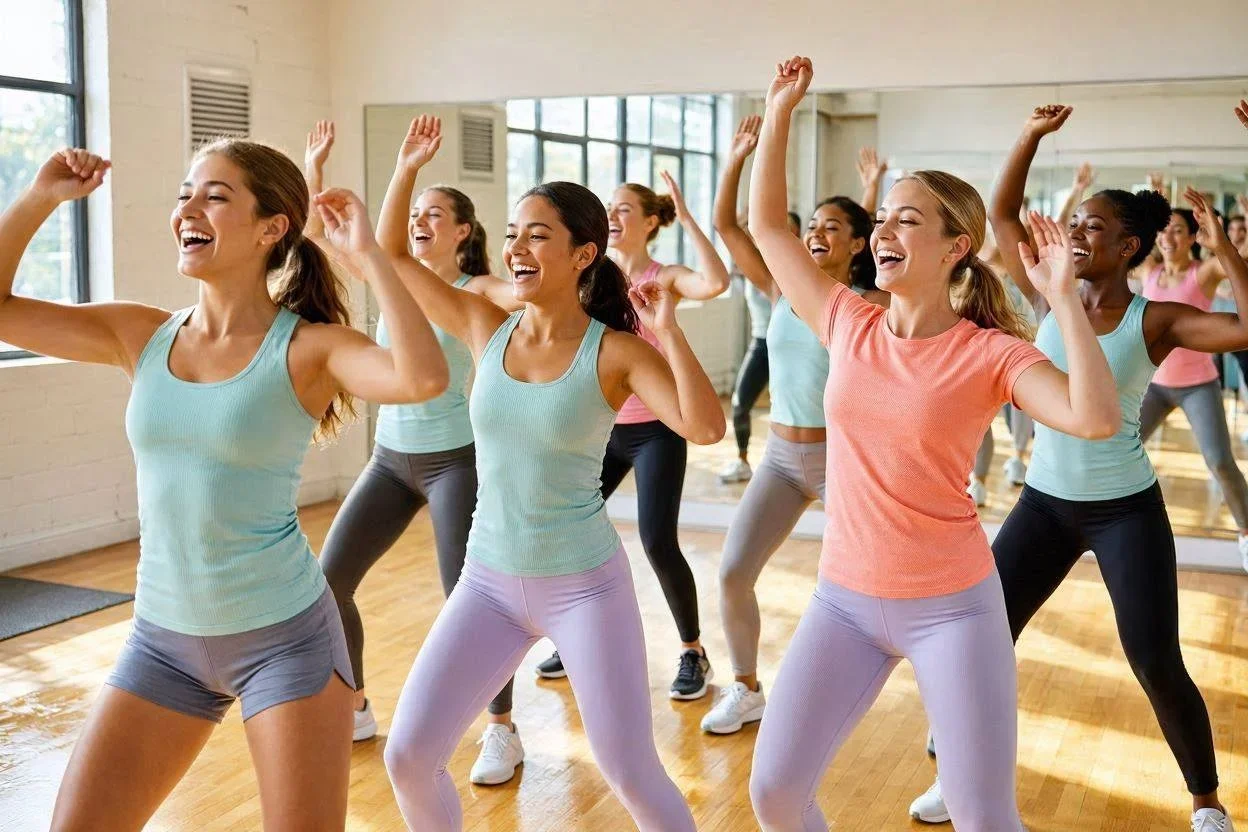
Key activities that are effective for teens include soccer, basketball, swimming, dance, running, and martial arts. Each of these can be tailored for different fitness levels, athletic interests, and personalities. Supportive audio programs and online fitness content can also complement in-person activities—providing variety and making fitness accessible inside and outside the gym.
When parents and coaches introduce teens to different activities, it helps them figure out what they actually love doing. Plus, it makes it much easier for them to build healthy habits that stick for life.
What are the physical activities for a 13 year old?
For 13-year-olds, the priority is ensuring activities are developmentally appropriate and offer opportunities for socialization as much as fitness. Ideal activities include team sports (soccer, basketball), swimming, biking, skating, and dance.
Recreation centers and athletic associations in Johnston County have programs designed to support the unique needs of early teens—nurturing confidence, preventing burnout, and teaching proper movement to avoid becoming susceptible to injury.
You also don’t need a formal setting to get moving. Family walks, nature hikes, backyard tag games, or even a daily stretching routine help young teens develop exercise benefits and grow stronger in mind and body.
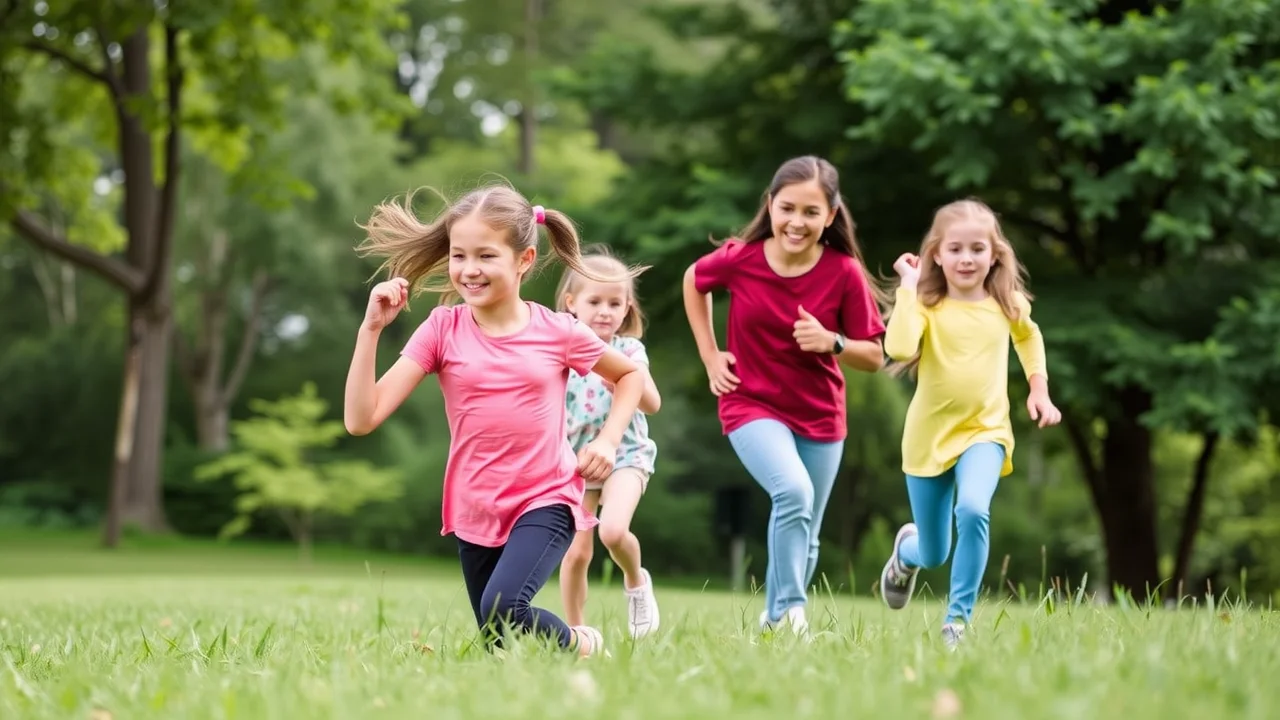
The most important step is showing that movement can be both accessible and fun, helping young athletes grow skills that will support them both in sports and in life.
-
Top local programs and resources promoting teen physical activity in Johnston County:
Johnston County Parks & Rec – Year-round leagues, clinics, and classes for all ability levels
Public athletic associations – Affordable access to sports teams, coaching, and regular games
School-based extracurriculars – Clubs for soccer, running, dance, and outdoor adventures
-
Steps for families to support active lifestyles:
Schedule daily screen-free times for family walks, sports, or active games
Book a strategy call with local coaches or recreation staff to see which programs are the best fit
Encourage teens to try new activities and celebrate all types of movement, and consider booking a strategy call to find the best approach for your teen’s interests
-
Expert tips for reducing screen time and increasing engagement:
Create screen-free zones during meals and before bedtime
Set achievable activity goals—like 10,000 steps or 60 minutes outside per day
Leverage social support by involving friends and siblings in active plans
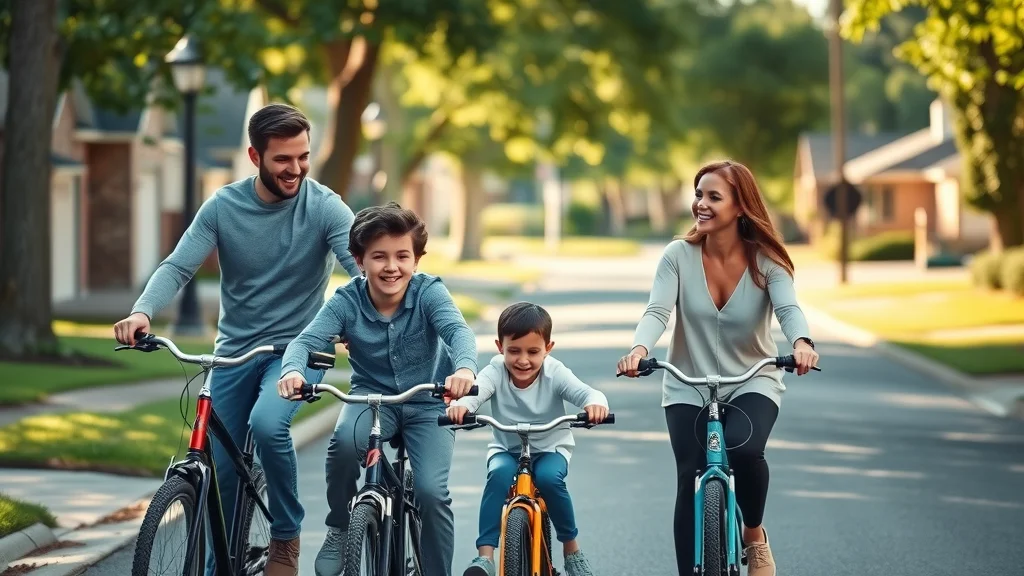
“Even small daily changes in activity can make a significant difference,” says a local physical education expert.
Key Takeaways for Improving Teen Physical Activity in Johnston County
Start small and be consistent: A little activity every day sets up patterns that make lifelong health easier.
Leverage community resources: Johnston County’s parks, trails, and youth sports leagues offer safe, welcoming spaces for movement at every level.
Encourage friends and family participation: Group activities make moving fun and help keep teens motivated.
Monitor screen time: Track daily device use and set reasonable limits to free up hours for physical play and fitness.
FAQs: Teen Physical Activity in Johnston County
-
What are common barriers to teen physical activity in Johnston County?
Barriers include lack of access to transportation or safe play spaces, busy academic schedules, social anxiety, or a lack of motivation. Some teens also face pressure from screen-based entertainment and may already be experiencing mental health challenges like anxiety and depression.
It’s critical that families, schools, and public athletic associations work together to find all public opportunities for participation and remove obstacles, so every teen has the chance to develop foundational habits.
-
How can schools and local organizations support more movement?
Schools and local organizations can offer a wider selection of extracurricular programs, keep athletic equipment accessible, and celebrate diverse types of participation—not just competitive athletes. Public athletic associations and after-school clubs can strive to instill kids with a love of movement early and work with parents to teach proper movement patterns and safe, fun skills. By supporting all teens—not only “young athletes”—they ensure a broader impact and help athletes grow in confidence and ability.
-
What incentives work for motivating teens to stay active?
Teens respond best to incentives that are meaningful for them: joining with friends, earning recognition, or setting personal challenges. Non-monetary rewards like team outings, certificates, or being able to “lead a warm-up” can spark motivation.
Sometimes, booking a strategy call with a coach or mentor will help teens find a unique path forward that supports audio learning, kinesthetic activities, or their preferred sports, keeping the experience enjoyable and fit to their needs.
Conclusion
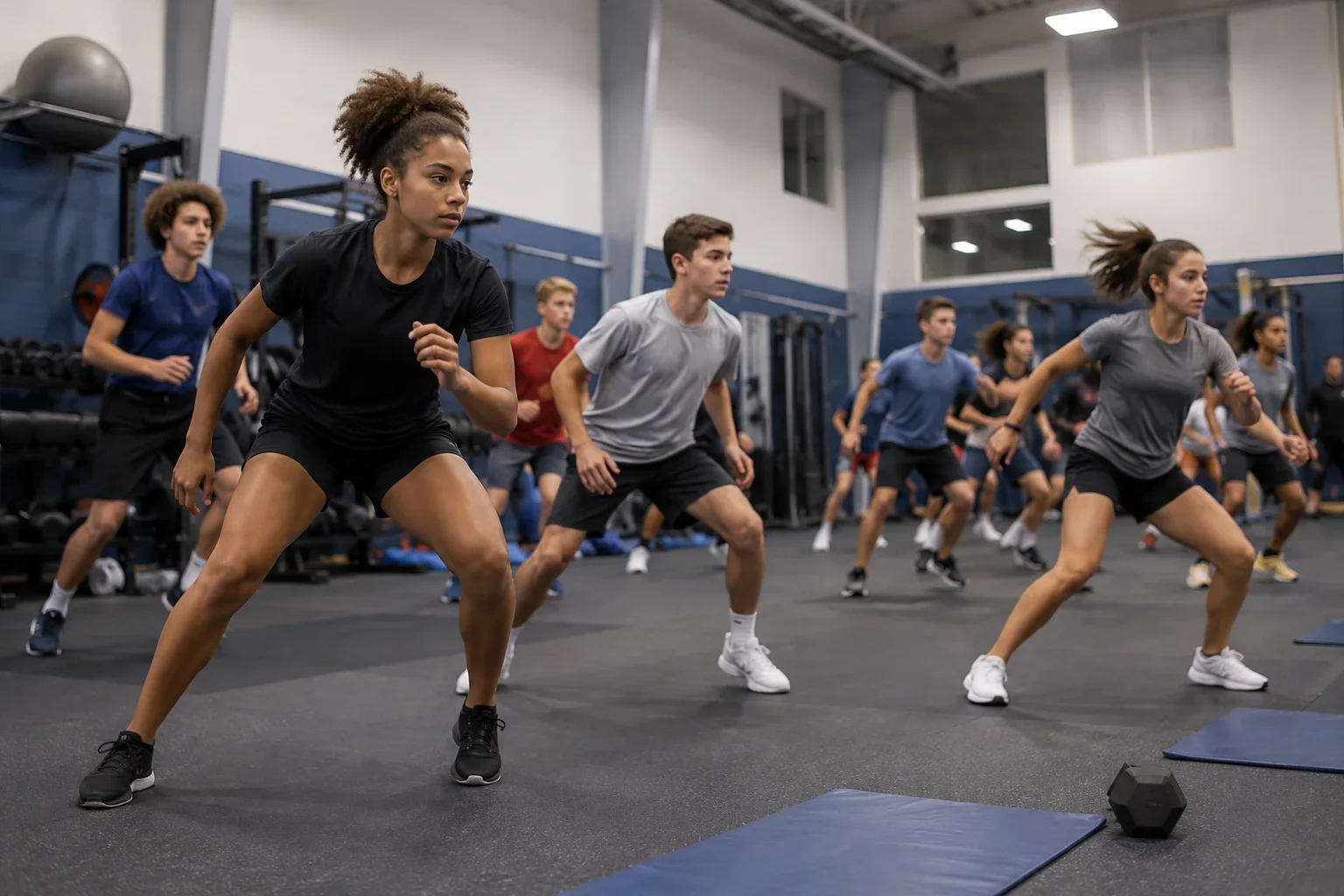
Empowering your teen to move more starts with small, consistent choices. Embrace Johnston County’s rich resources and take the first step toward lifelong well-being—for your teen and your whole family.
If you’re interested in taking your family’s wellness journey even further, consider exploring how stress can subtly impact both physical activity and overall health. Understanding the early indicators of stress and learning how to address them can help your teen—and your whole household—build resilience and thrive.
For a comprehensive look at recognizing stress signals and actionable strategies for better well-being, visit our in-depth guide on identifying the signs your body is stressed. This resource offers valuable insights that complement your efforts to foster a more active, balanced lifestyle in Johnston County.



Write A Comment