NC Wellness Hub
update
North Carolina Wellness Hub
update
  • Home
  • Categories
    • Wellness
    • General Health
    • Holistic
    • News
    • Living & Travel
    • Lifestyle
    • Fitness & Exercise
    • Mental Health
    • Stress Management
    • FEATURE
    • Sleep
    • Allergies
    • Medicines & Supplements
    • Weight Loss
    • Kids Health
    • Fertility & Pregnancy
    • Cancer
    • Heart Health
    • Skin & Hair
    • Arthritis
    • Dental
    • Vision
  • Bone Health
  • Digestive
April 17.2025
2 Minutes Read

Stay Committed to Your Fitness Goals: 5 Key Tips for Success

Energetic woman exercising with pink dumbbells, exemplifying motivation tips for fitness goals.

Stay Motivated This Spring: 5 Essential Tips to Keep Your Goals in Sight

As we swing into slimming down for Spring and Summer, it's prime time to reflect and rejuvenate our enthusiasm toward our fitness and wellness goals. With summer peeking around the corner, it’s essential to stay committed and ensure our efforts yield the hype we dream about when strutting on the beach!

Goal Check-Ins: Time for a Fantasy Refresh

It's time to recheck those goals you set in the beginning! Whether you aim to shed some pounds or enhance your endurance, realigning them with what you truly want is crucial. Make sure your aspirations are realistic and achievable within the remaining challenge timeframe. A slight tweak can sometimes make a world of difference!

The Magic of Consistency: Little Efforts Matter

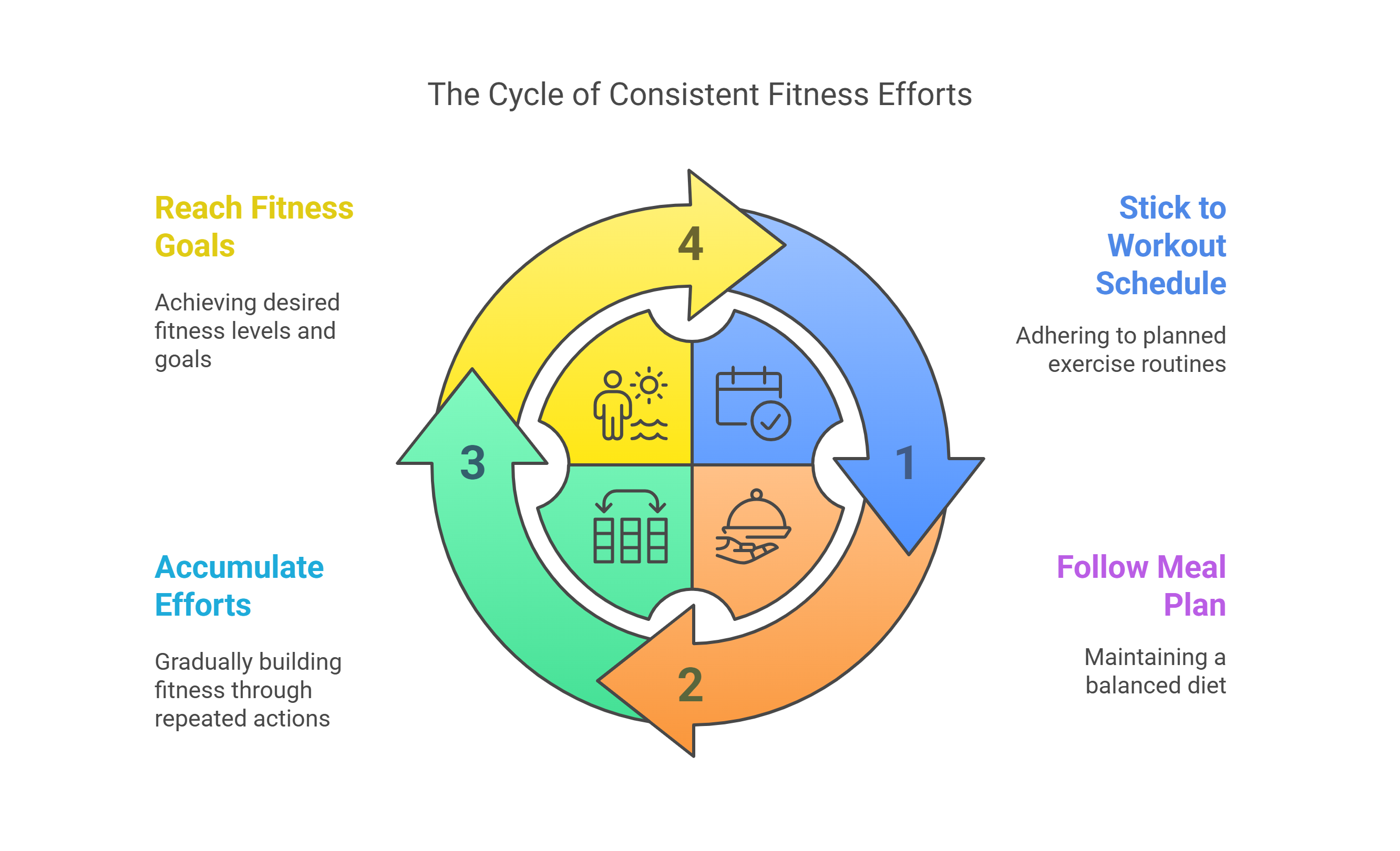
In the pursuit of fitness, consistency is golden. Even on those days when motivation feels like a distant myth, sticking to your workout schedule and meal plan can work wonders. Your dedication adds up; every squat, every salad, propels you closer to your summer goals. Picture yourself, energized and beach-ready, enjoying every moment of sunshine!

Consistent Fitness Efforts

The Power of Community: Find Your Vibe Tribe

You don’t have to go it alone! Fitness is often more fun with friends. Check-in with a workout buddy or your SSD Accountability Group. Support systems can amplify your enthusiasm and accountability. Plus, let’s face it, sharing sweaty selfies or celebrating small wins together adds joy!

Switch It Up: Never Let Boredom Win

When our routines become stale, motivation often wanes. Keep things fresh by exploring various workouts available on different apps. From exhilarating cardio sessions to relaxing yoga, mixing it up not only keeps your workout exciting but also challenges different muscle groups, helping you to create balanced strength and endurance.

Celebrate Each Step: Positive Reinforcement

Lastly, let’s remember to celebrate the little victories! Did you crush your weekly meal plan? Did you stick to three workouts per week? Recognizing your progress—even if it feels small—fuels motivation. Embrace every energetic dance, every healthy meal, and smile knowing you’re on this incredible journey!

Remember it’s all about consistency and positivity, not perfection. Let all your efforts compounding over time push you toward those ultimate goals. So, keep smiling and don’t give up; summer is just a few short weeks away!

Fitness & Exercise

0 Comments

Write A Comment

*
*
Please complete the captcha to submit your comment.
Related Posts All Posts

The 10-Minute Morning Routine That Boosts Energy, Metabolism, and Mental Clarity

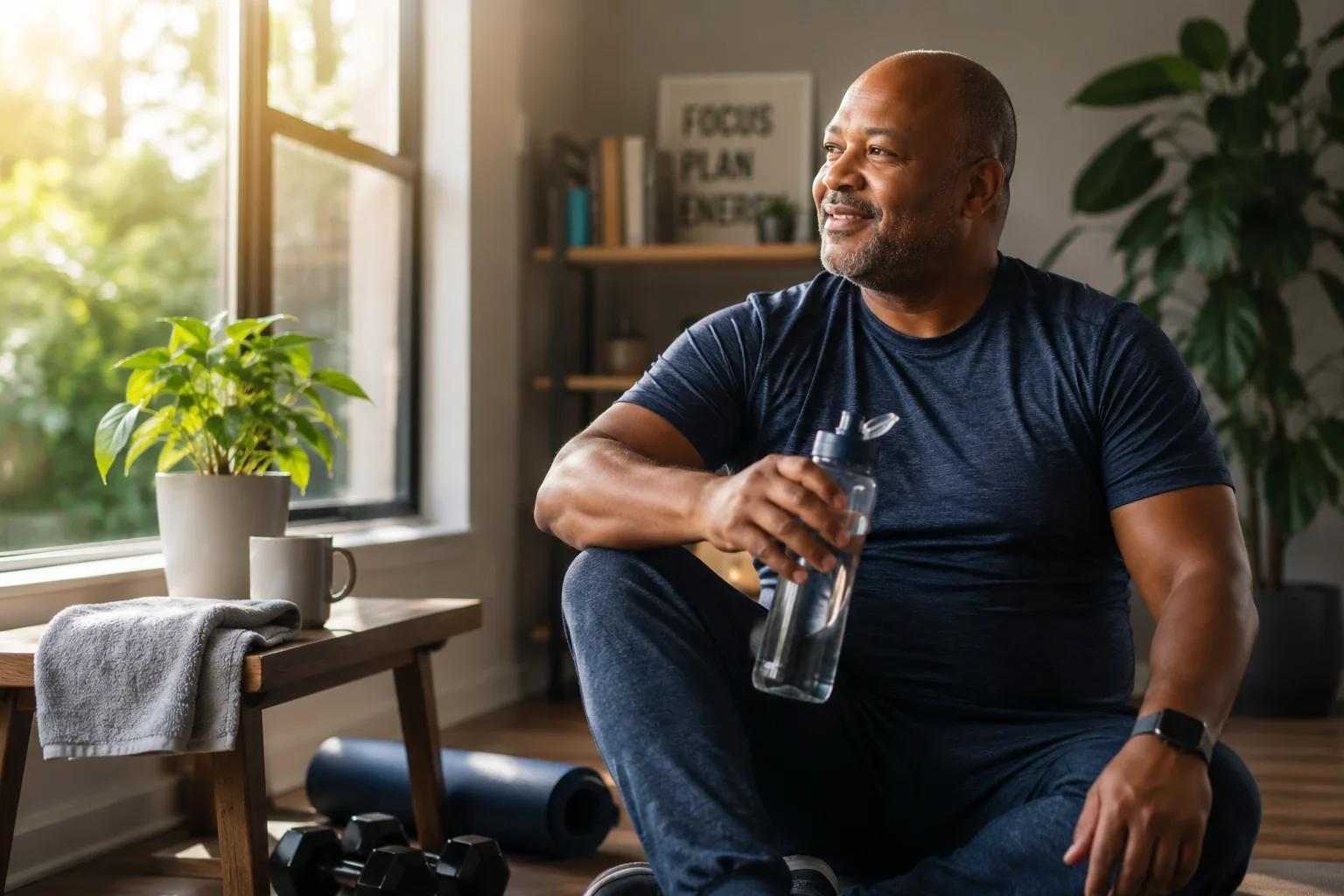
Every morning, I used to drag myself through the day, feeling drained and unfocused. Discovering a simple 10-minute routine transformed my energy and mindset, proving that a small daily habit can unlock your full potential and set a powerful tone for the day ahead. If you’re ready to jumpstart your mornings with a burst of vitality, mental clarity, and sustained energy levels, you’ll love what comes next!Transform Your Mornings: The Power of a 10 Minute Morning Routine for EnergyImagine waking up and feeling instantly refreshed, ready to tackle the busy day ahead without reaching for an extra cup of coffee. A 10 minute morning routine for energy is more than just a schedule—it’s a proven way to create a meaningful impact on your well-being. The good news? Science shows that even a short, intentional routine your morning can boost metabolism, sharpen focus, and set the tone for the rest of your day.Unlike a long workout or complicated rituals, a concise morning routine is accessible—and it works for everyone, whether you’re a morning person or not. Experts say that integrating movement, hydration, deep breathing, and mental preparation in just 10 minutes can increase energy and help reduce stress right from the start. This guide shares the foundation of an effective 10 minute morning routine for energy that can be easily adapted, helping you start your day with intention and balance.Why a 10 Minute Morning Routine for Energy Works: Insights from ExpertsLeading wellness professionals and researchers emphasize that even brief, consistent morning routines offer profound benefits. These short rituals activate your metabolism, enhance blood flow, and prime your mind for success each day. The routine your morning often includes elements like hydration, a simple breathing exercise, and quick movement—all designed to maximize your energy levels without demanding extensive time or equipment.Studies demonstrate that short morning workouts elevate mood, energize the body, and sharpen mental clarity by regulating stress hormones and improving circulation. Integrating a minute morning routine as soon as you wake up helps establish rhythm and purpose, making it easier to stay consistent. According to clinicians, the positive effects persist well into the rest of your day, proving that a few minutes spent wisely can unlock outsized benefits for your body and mind."A brief, focused morning routine has profound effects on mood, metabolism, and motivation throughout the day." — Dr. Samantha Greene, Board Certified Family Medicine PhysicianWhat You'll Learn from a 10 Minute Morning Routine for EnergyHow to maximize your metabolism with a time-efficient routineProven steps to sharpen mental clarity each morningTips for sustaining energy levels through a minute morning routine and morning workoutExpert-approved practices adaptable for all fitness levelsThe Essential Steps: Building Your Own 10 Minute Morning Routine for EnergyStep 1: Wake Up with Intention – Starting Your Day RightWaking up isn’t just about opening your eyes—it’s about starting your day with purpose. The first moments after your alarm rings set the tone for the rest of your day, and research shows that beginning with mindfulness leads to higher motivation and self-control. Reflect on the importance of quality sleep and consider pausing before you reach for your phone. Take a few deep breaths, feet still under the covers, and simply notice the sensations around you.This mindful approach helps reduce morning grogginess and signals to your mind that you are in control. Before leaving bed, set a positive intention for your 10 minute morning routine for energy: a simple statement, such as “I am energized and ready for the day ahead” or “Today, I focus on progress. ” Starting your day with deliberate intent, even for one minute, fuels a sense of gratitude and determination for the tasks awaiting you.The importance of sleep and mindfulnessSetting a positive intention for your 10 minute morning routine for energyStep 2: Hydrate to EnergizeAfter hours of rest, your body needs hydration to jumpstart essential processes. Drinking a glass of water first thing in the morning wakes up your metabolism and gets your blood flowing, enhancing energy levels right away. Add a squeeze of lemon or a pinch of natural electrolytes if you wish—experts often recommend this to replenish minerals lost overnight and kickstart your metabolism for a brighter, more alert start.Harvard Health experts note that hydration as part of your minute morning routine isn’t merely refreshing; it actually improves cognitive function and helps reduce physical fatigue. Instead of reaching for caffeine immediately, opt for 8-12 ounces of cool water for a gentle wakeup call to your internal systems—and notice how it increases energy and focus for your busy day.Why water intake boosts metabolismAdding lemon or electrolytes: expert recommendations"Hydration immediately upon waking has been shown to kickstart metabolism and improve cognitive function." — Harvard Health PublishingStep 3: Morning Breathing Exercise – Oxygenate and FocusNext, dedicate a few minutes to a simple breathing exercise. Deep breathing has been proven to reduce stress and sharpen mental clarity by increasing oxygen to the brain. Try this: inhale slowly for four counts, hold for four, exhale for four, and repeat three to five times. This method encourages mindfulness and calms the nervous system, preparing you for the day ahead.Integrating breathwork into your minute morning routine uplifts energy levels, releases mental tension, and resets your mindset. Whether you perform this exercise sitting up in bed or on a yoga mat near a sunny window, you’ll reap the benefits of relaxation and increased alertness without needing any special equipment. These few moments of deep breathing are another essential step in turning your 10 minute morning into a springboard for the rest of your day.Simple breathing techniques for energyThe role of breathwork in a minute morning routineWhile establishing a morning routine can significantly boost your energy, it's also important to address habits that impact your mental clarity throughout the day. For additional strategies to sharpen your focus and banish brain fog, consider exploring these seven daily habits for clearer thinking and greater productivity.Step 4: Minute Morning Workout Routine – Get MovingIt’s time to get your blood flowing with a quick minute morning workout. Even gentle movement increases blood flow, helps reduce stiffness, and signals your body that it’s time to rise and shine. Experts recommend starting with dynamic stretches—movements that warm up joints and muscles—over static stretches. Try arm circles, marching in place, torso twists, or leg swings for three to four minutes to increase range of motion and activate your biggest muscle groups.A short morning workout doesn’t need to be a long workout to make a difference. The goal is to awaken your body and boost your mood, not exhaust yourself. This energizing movement routine your morning is adaptable for all fitness levels and supports your metabolism, helping you feel ready for the rest of the day—whether that means a marathon of meetings or family activities. Remember, consistency here is more impactful than intensity.Dynamic stretches versus static stretchesMobilizing routines to ignite the morning metabolism"Consistent morning movement can reduce fatigue and significantly boost overall health." — Mayo Clinic ProceedingsStep 5: Mindful Nutrition Choices for Sustained EnergyNutrition is a crucial part of any minute morning routine. Start your day with a quick, healthy breakfast—think Greek yogurt with berries, overnight oats, a banana with nut butter, or a protein smoothie. These options offer slow-release carbohydrates and nourishing proteins that keep your metabolism humming and ensure steady energy levels throughout the busy day ahead.There’s a direct link between morning nutrition and your energy for the rest of the day. Skipping breakfast or choosing high-sugar foods can lead to energy crashes and decreased focus. Instead, prioritize whole foods and balanced meals to help you stay sharp, motivated, and ready for anything your day brings.Quick and healthy breakfast ideasThe link between nutrition and your 10 minute morning routine for energyStep 6: Set Your Mental Focus for the DayThe final—and often most transformative—step is setting your mental focus. Journaling, gratitude exercises, or visualization help align your actions with your goals. Take one minute to jot down a few things you’re grateful for or sketch out your top priority for the day. Visualizing a successful, energized day ahead can set a constructive tone for the rest of your day and makes tackling your to-do list less overwhelming.This step reinforces positivity and mindfulness, reducing stress and cultivating a more proactive mindset. A well-rounded 10 minute morning routine for energy isn’t complete without this intentional pause, which helps you stay grounded and resilient no matter what unexpected challenges appear later in the day.Gratitude, journaling, or visualizationAligning goals with your morning routineSample 10 Minute Morning Routine for Energy: A Practical TableMinuteActionBenefit0-1Wake & IntendImproved mindset1-2HydrateEnhanced metabolism2-5Breathing ExerciseCalm focus5-9Morning Workout RoutinePhysical energy9-10Set FocusMental clarityExpert-Backed Tips: Optimizing Your 10 Minute Morning Routine for EnergyExpert advice makes it easier to optimize your 10 minute morning routine for energy for your unique needs. If you have high blood pressure, consult your physician about safe movements and consider prioritizing gentle mobility exercises like walking or chair yoga to help get your blood flowing without risk. For beginners, start with a simple exercise: match breathing exercises and marching-in-place to ease into morning workouts and gradually expand your routine as you feel comfortable. These morning workouts can be modified so everyone benefits.For added energy, try quick add-ons like splashing your face with cold water or playing uplifting music while you move. Most importantly, listen to your body—adapt each step as your lifestyle or habits change, and remember that consistency and enjoyment are key to lasting results.Adjusting routines for high blood pressureAdapting the morning workout routine for beginnersQuick add-ons for extra energy"Ten minutes of structured action each morning produces lasting psychological and physical benefits." — Journal of Health Psychology"The most effective routines are the ones you enjoy and can maintain daily; adaptation is more important than perfection." — Dr. Natalie Azar, Clinical Associate Professor, NYU Langone HealthPeople Also AskWhat is the 5 5 5 30 morning routine?The 5-5-5-30 morning routine is a structured approach where you spend 5 minutes moving, 5 minutes focusing on mindfulness, 5 minutes on learning, and 30 minutes pursuing a passion or key skill. Compared to the 10 minute morning routine for energy, the 5-5-5-30 method is longer and may require more dedicated time. For those with busy mornings, the 10-minute version offers the core benefits—movement, mindfulness, and focus—without over-committing your schedule, making it ideal for consistency and lasting impact.Explanation of the 5-5-5-30 methodComparison to the 10 minute morning routine for energyWhat exercise is good for high blood pressure?For people managing high blood pressure, morning routines can safely include brisk walking, gentle yoga, and dynamic stretching to increase blood flow and enhance energy levels. Avoid high-intensity or isometric exercises first thing in the morning unless cleared by a health professional. Always listen to your body, take deep breaths to reduce stress, and prioritize movement that feels comfortable and steady.Safe morning workouts for hypertensionExpert guidance for modifying minute morning routinesWhat is the 3-3-3 rule for workout?The 3-3-3 rule is a simple exercise guideline: perform three sets of three movements, each for three minutes. This method gives structure without over-complication, making it easy to blend into your minute morning workout. Combined with the essentials of a 10 minute morning routine for energy, this strategy helps keep you engaged, supports range of motion, and fuels energy for the rest of your day.Breakdown of 3-3-3 ruleRelation to morning workout routine and energyWhat is the best morning routine for energy?The best morning routine for energy combines hydration, movement, breathing, nourishing nutrition, and mental focus. Science shows that starting your day with these elements—even in small doses—sets the tone for the rest of your day, reinforces healthy habits, and can enhance motivation, metabolism, and overall well-being. Consistency and adaptation are key, so choose activities you enjoy to create a sustainable routine.Key morning routine elements to maximize energyBlending science and habit for daily vitalityList: Top Mistakes to Avoid in Your 10 Minute Morning Routine for EnergySkipping hydrationChoosing high-sugar breakfastsIgnoring mindful intentionOvercomplicating the workout routineFailing to stick with consistencyFAQs on 10 Minute Morning Routine for EnergyCan I swap steps in my morning routine for more flexibility?Absolutely! The best routines are adaptable to your needs and preferences. Feel free to switch the order or swap steps so the routine your morning fits your unique lifestyle. The goal is consistency, not perfection.Do I need equipment for an effective morning workout?No equipment is necessary for a 10 minute morning workout. Bodyweight movements like stretching, squats, or gentle yoga are perfect to get your blood flowing and energize your busy day.How soon will I notice results from a 10 minute morning routine for energy?Many people experience a boost in energy and mood after the first few days. For lasting changes in focus, metabolism, and motivation, aim to stick with your morning routine for two to three weeks.Can this routine be adapted for night owls?Yes! While the benefits of a morning routine are optimal, these habits can be shifted to whenever you start your day—just make them part of your daily rituals to reap the rewards.Key Takeaways from the 10 Minute Morning Routine for EnergyA consistent 10 minute morning routine for energy can dramatically enhance focus, metabolism, and overall well-being.Simple, expert-backed steps create a sustainable and transformative morning habit.Adaptation and consistency are vital for success.Looking for More Life-Changing Wellness Habits?Discover more trusted information like this at: NCWellnessHub.comConclusionA 10 minute morning routine for energy gives you a powerful edge—boosting focus, metabolism, and resilience for whatever comes next. Start small, stay consistent, and let your morning shape your best day.If you’re inspired to elevate your daily wellness even further, consider broadening your approach to include mind, body, and spirit strategies that support long-term vitality. Our in-depth guide on unlocking a holistic reset for your health and fertility offers actionable insights that go beyond morning routines, helping you cultivate balance and resilience in every aspect of your life. Whether you’re seeking advanced techniques or simply want to deepen your self-care journey, exploring these comprehensive strategies can empower you to thrive with renewed energy and purpose. Take the next step and discover how a mindful, integrated approach can transform your well-being from the inside out.SourcesThe 10-Minute Morning Routine That Will Transform Your Life - https://www.kellybailey.fit/blog-1/10-minute-morning-routine-that-will-change-your-life10 Minute Morning Workout Routine! | Women's Best Blog - https://www.womensbest.com/blogs/fitness/10-minute-morning-workout-routine10-Minute Morning Workout Routine - https://www.nourishmovelove.com/morning-workout/The 10-Minute Morning Routine That Will Clear Your Mind - https://www.entrepreneur.com/living/the-10-minute-morning-routine-that-will-clear-your-mind/32549310-Minute Kickstart Routine to Boost Your Morning Energy - https://balancethegrind.co/editorial/10-minute-kickstart-routine-to-boost-your-morning-energy/

Move More, Sit Less: Why North Carolina’s Sedentary Lifestyle is Killing Us Slowly

Every day, countless North Carolinians sacrifice their health for convenience, unaware that their sedentary habits quietly steal years from their lives. Understanding the urgent need for physical activity isn't just a choice—it's a lifeline to vitality and longevity we can no longer afford to ignore. In North Carolina, adults face a mounting public health crisis rooted in inactivity. This opinion piece challenges us to rethink our daily routines, confront uncomfortable truths, and rally for a healthier, more active state—for ourselves and generations to come.The Sedentary Crisis: How Physical Activity in North Carolina Adults Impacts Public Health"Every day, countless North Carolinians sacrifice their health for convenience, unaware that their sedentary habits quietly steal years from their lives."North Carolina’s public health is under threat—from inactivity as much as from chronic disease or viral outbreaks. More than one in four adults age 18 or older in North Carolina fails to meet even the minimum recommended levels of physical activity. This isn’t just about weight gain or personal fitness—it’s about community health, skyrocketing healthcare costs, poorer mental health outcomes, and slipping county health rankings. Sedentary lifestyles have become a hidden epidemic leading to preventable chronic diseases that burden individuals, families, and the broader community.When adults in North Carolina—regardless of their age—choose cars over walking, screens over parks, and convenience over movement, the collective toll adds up. County health departments now see inactivity as a top driver of rising rates in heart disease, diabetes, and even poor mental health. Relying on convenience is quietly robbing years from our lives and undermining progress on crucial public health measures. It’s time to shine a spotlight on this crisis, understand its breadth, and strategize a way forward that prioritizes regular physical activity for every North Carolinian.For older adults in particular, overcoming barriers to movement is essential for maintaining independence and vitality. If you're interested in practical, holistic strategies to regain strength and stay active after 60, explore these essential holistic practices for seniors that can make a real difference in daily life.What You'll Learn: The Urgency Behind Physical Activity for North Carolina AdultsThe consequences of a sedentary lifestyle on North Carolina’s health rankingsCurrent physical activity guidelines for adultsEffective strategies for older adults and younger populations alikeHealth disparities across county health rankings in North CarolinaDefining the Problem: Physical Activity in North Carolina Adults and County Health NewsData Snapshot: Public Health, Health Disparities, and County Health RankingsRecent data from the North Carolina Department of Health and Human Services and the Centers for Disease Control and Prevention paints a stark picture. While some counties boast high rates of physically active adults, others lag far behind—trapped by poverty, poor infrastructure, or a lack of health-promoting resources. The discrepancy fuels growing health disparities across the state’s rural and urban edges, making location a powerful predictor of long-term health.Beyond individual choices, these geographic gaps reflect systemic challenges. Public health analyses point to environmental and cultural factors influencing whether North Carolinians get recommended activity levels. The county health rankings—which compare factors like chronic disease prevalence and physical inactivity—reveal that lower activity rates are directly linked to worse health outcomes and lower rankings in overall community health. These numbers highlight the urgent need to promote and support active living on every level of society.Comparison Table: Physical Activity Levels vs. County Health Rankings (Selected NC Counties)CountyPhysically Active Adults (%)County Health Ranking (NC)Chronic Disease Prevalence (%)Wake78%319%Mecklenburg75%521%Robeson55%9038%Edgecombe50%9741%Why North Carolina Faces Unique Public Health ChallengesUnlike many states, North Carolina is a patchwork of urban innovation and rural isolation. That mix creates unique public health challenges—notably, disparate access to safe places for physical activity. In metropolitan counties, investment in parks and walkable neighborhoods has paid off with higher activity rates and better health rankings. Rural communities, however, often lack basic sidewalks or recreation centers, compounding barriers for older adults, low-income residents, and those with limited mobility.Layered atop geographic differences are economic and cultural norms that strongly shape physical activity. In some regions, generations have grown up with limited exposure to structured or informal exercise—and with more chronic health disparities as a result. These unique factors drive a wedge between the healthiest and least healthy counties, proving that tackling the crisis of physical inactivity in North Carolina will require solutions tailored to each community’s realities.The Health Toll: What the Numbers Reveal About Physical Activity in North Carolina AdultsUnderstanding Physical Activity's Impact on Health RankingsThe story is clear: Lower rates of physical activity are directly tied to worse health outcomes and county health rankings. According to CDC data, adults in North Carolina who don’t meet physical activity guidelines face greater risks for chronic disease—such as diabetes, heart disease, and even depression. These problems are particularly acute in counties already struggling on economic and infrastructure fronts.When North Carolina’s adults are more active, county health outcomes improve. Not only do rankings rise, but rates of chronic disease and unnecessary healthcare utilization plummet, easing pressure on hospitals and county health departments. Regular movement also lowers stress and improves mental health, a critical metric as North Carolina battles rising anxiety and depression rates among adults age 18 and above. In every region, physical activity is a crucial determinant of public health—and a fix we can’t ignore any longer.Spotlight on Older Adults: Activity Gaps and RisksOlder adults in North Carolina are feeling the brunt of this crisis. Age and mobility challenges often lead to inactivity, but many communities also lack targeted programs for seniors. Data shows that adults age 65 and older are significantly less likely to meet recommended activity guidelines compared to their younger peers. That disparity sharpens the risk of chronic disease, pushes up healthcare costs, and adds to the burden on human services.As the population ages, failing to address these gaps threatens both the well-being of older residents and overall county health rankings. Increasing physical activity among older adults improves quality of life, reduces fall risks, and can even boost mental health—a core community health outcome. The state must prioritize solutions for both older and younger adults to close these dangerous activity gaps.Why We’re Not Moving: Cultural, Economic, and Environmental Barriers in North CarolinaExamining Health Disparities: County Health Rankings DataDisparities emerge sharply when comparing county health rankings across North Carolina. Wealthier counties with more amenities consistently report higher levels of physically active adults and better health outcomes. Meanwhile, in counties struggling with poverty and unemployment, rates of sedentary lifestyles soar, and preventable chronic diseases follow. These patterns reveal health disparities deeply rooted in the state’s broader economic structure.For people in under-resourced areas, barriers to regular physical activity can feel insurmountable—limited public transit, unsafe playgrounds, and few affordable fitness options make healthy choices difficult. Public health and human services agencies recognize the need to address these disparities, but many solutions require cross-sector collaboration that extends well beyond local health departments.The Built Environment and Public Health: Obstacles to Physical ActivityPhysical space matters more than we think. Many North Carolina neighborhoods, especially in older urban centers or low-income rural towns, are simply not built for movement. Residents face cracked sidewalks, busy streets without bike lanes, and playgrounds that are inaccessible or in disrepair. This built environment discourages physical activity and amplifies health disparities.Public health experts stress that true progress will require investment in infrastructure—safe trails, maintained parks, well-lit streets—that make everyday movement possible and appealing. Efforts to increase physical activity north carolina adults must address these environmental factors if the state is to close its alarming activity gap and climb the health rankings ladder."North Carolina’s health disparities reflect neighborhoods where movement isn’t just inconvenient—it’s sometimes impossible."Physical Activity Guidelines for North Carolina Adults: Are We Meeting the Mark?What Are the Recommended Physical Activity Levels for Adults?Moderate-intensity aerobic activity: 150 minutes per weekMuscle-strengthening activities: 2 or more days per weekOfficial physical activity guidelines for adults, as endorsed by the CDC and the North Carolina Department of Health and Human Services, set clear targets. For improved health, adults should engage in at least 150 minutes of moderate-intensity aerobic activity each week—such as brisk walking or cycling—and add muscle strengthening on two or more days. These guidelines are designed to lower rates of chronic disease, enhance mental health, and boost lifespan.Yet data show that a sizable portion of North Carolina adults fall short. Especially among older adults, barriers like limited mobility, lack of safe environments, and inadequate community programs are stymieing progress. Closing this activity gap isn’t just about knowing the science—it’s about making these healthy routines feasible for every adult, in every county, across North Carolina.How Many Are Physically Active? Analyzing Recent DataAccording to recent state surveillance, about 65–70% of North Carolina adults meet the recommended aerobic activity guidelines. The picture is far less encouraging for muscle-strengthening: fewer than half of adults incorporate strength exercises as often as recommended. Notably, physical activity rates drop sharply with age, and are lower in rural, low-income, and minority communities—exacerbating existing health disparities.This data tells a compelling story for public health and human services professionals: to move the needle on county health rankings and state health outcomes, targeted interventions must reach the populations most at risk. Health department strategies like walking groups, park improvements, and worksite wellness programs can move the state closer to closing its activity gap and improving overall rates of physically active adults.Adult Physical Activity in North Carolina by Age GroupAge Group% Engaging in 150 min/week Aerobic Activity% Meeting Strength Guideline (2+ days/week)18–3477%54%35–5469%49%55–6461%41%65+52%32%How Physical Activity Boosts Health Rankings in North CarolinaLink Between Physical Activity, County Health Rankings, and Public HealthNot just a personal triumph, regular physical activity is a public health strategy that pays community-wide dividends. When more adults meet physical activity guidelines, state and county health rankings climb—reducing chronic disease, mental health issues, and premature mortality rates. Data consistently show that counties with higher levels of physically active adults enjoy better health outcomes and lower rates of chronic disease.The ripple effect extends to all corners of society: from bustling city parks in Charlotte to quiet greenways in rural counties, activity fosters stronger community bonds, greater productivity, and reduced healthcare utilization. By investing in built environments and walking-friendly neighborhoods, North Carolina has a direct path to improving life for its residents and climbing the national health rankings. Simply put, physical activity is the lever that can elevate the state’s overall public health standing.Economic Impact: Healthcare Costs and ProductivityPhysical inactivity doesn’t just strain muscles—it drains wallets. The collective economic burden of sedentary lifestyles in North Carolina pushes state healthcare costs higher and saps local productivity. Chronic disease treatments—particularly for heart disease, diabetes, and certain cancers—consume growing portions of public health and human services budgets. Employers, too, bear the brunt in absenteeism and lost hours due to preventable illness.On the other hand, every effort to increase physical activity pays off exponential returns. Preventing chronic disease results in fewer hospitalizations, lower insurance premiums, and a healthier, more vibrant workforce. As one public health expert notes:"A more physically active North Carolina is a wealthier, happier, and longer-living North Carolina."Overcoming Obstacles: Proven Ways North Carolina Adults Can Get MovingPractical Physical Activity Solutions for Busy AdultsIncorporate walking meetingsUse public parks and recreation facilitiesJoin local fitness groups or classesVolunteer for community clean-up or gardeningMoving more doesn’t have to mean overhauling your entire routine. North Carolina adults of every background can find creative ways to integrate activity into their hectic lives. Walking meetings are a simple swap for sitting, making long workdays more dynamic. Public parks—often overlooked—offer free or low-cost places to exercise, from nature trails to fitness stations. Group classes and local fitness meetups can reignite motivation, while community volunteer work (like clean-up days) combines movement with making a difference.Even small shifts, done consistently, are enough to reap profound health benefits and improve your personal—and state’s—health ranking. Seek programs supported by local health departments or non-profits, which often provide free resources and opportunities for adults at every age and fitness level.Programs and Policies Making a Difference in County HealthChange doesn’t happen in isolation. Across North Carolina, visionary county and city governments are investing in public health and physical activity—from expanding trail systems and outdoor fitness zones to launching city-wide challenges encouraging steps and miles logged. County health departments collaborate with schools and employers to promote active transport and break down environmental barriers to movement.Statewide, programs like Eat Smart, Move More NC and Age-Friendly Communities are helping older adults and other groups add years—and life—to their years. Their early success stories prove that with the right support, communities can move out of the “least healthy” bracket and into higher health rankings. These efforts require buy-in at every level, but the payoff is quantifiable, sustainable, and deeply rewarding.Expert Voices: What Public Health Leaders Say About Physical Activity in North Carolina Adults"Physical activity isn’t just about adding years to life—it’s about adding life to years." – Leading NC Health OfficialHealth leaders across the state agree: boosting physical activity rates isn’t a secondary priority—it’s the foundation for achieving better health outcomes, reducing disparities, and empowering every North Carolinian, regardless of zip code or background, to thrive. Their unified call to action is clear: invest in the environment, culture, and policies that inspire movement at every turn. The result? Not just longer lives, but lives lived with energy, purpose, and resilience.People Also Ask About Physical Activity North Carolina AdultsWhat to do in North Carolina for adults?Explore a wide variety of physical activity options for adults in North Carolina, including hiking, biking, community fitness events, and recreational sports leagues.North Carolina offers countless ways for adults to increase their physical activity—from scenic hiking in the Blue Ridge Mountains and cycling along the greenways, to joining recreational sports leagues, fitness studios, or participating in annual community fitness events. City and county parks provide easy access to walking trails, and many neighborhoods now host free yoga or group exercise sessions outdoors. With such diversity, it’s easier than ever to find an activity suited to every fitness level and interest—making it possible for North Carolina adults to move more and sit less.What are the current physical activity guidelines for adults?Current guidelines recommend at least 150 minutes of moderate-intensity physical activity and muscle-strengthening exercises twice weekly.The Centers for Disease Control and Prevention and North Carolina health authorities advise adults to engage in at least 150 minutes of moderate-intensity aerobic activity—like brisk walking or swimming—every week, plus muscle-building activities on at least two days. These science-backed guidelines are linked to lower risk for chronic disease, better heart and mental health, and overall improved quality of life. Following them is a cornerstone strategy to help North Carolina climb up the national health rankings and ensure adults stay vibrant and independent well into older age.What are physical activities for adults?Physical activities include brisk walking, swimming, cycling, yoga, strength training, and recreational team sports.For adults seeking to move more, there is no shortage of options. Brisk walking, running, and cycling are popular in many North Carolina communities, while swimming, aerobics, and yoga classes offer indoor alternatives to keep activity levels high regardless of weather. Strength training, using weights or bodyweight exercises, can be easily incorporated into routines at home or in gyms. Many adults thrive in team settings—so joining local soccer, basketball, or softball leagues provides a social and motivational boost in addition to the health benefits.At what age are you considered an adult in North Carolina?In North Carolina, a person is typically considered an adult at the age of 18 for legal and health recommendations.For the purposes of health guidelines and public health initiatives, North Carolina defines adults as anyone age 18 or older. This standard is important for tailoring activity guidelines and interventions. Recognizing the transition point is essential as it aligns resources, community programs, and county health services to provide age-appropriate advice and support adults at every life stage.Frequently Asked Questions About Physical Activity for Adults in North CarolinaHow do physical activity levels in North Carolina compare nationwide? North Carolina sits below the national average for adults meeting both aerobic and muscle-strengthening guidelines, especially among older adults and in rural counties. Increased public health focus is needed to match or exceed national standards and raise the state’s health rankings.What role do schools and employers play in promoting activity? Schools and employers are critical in supporting regular physical activity by offering programs, policies, and facilities that encourage movement. Many districts and workplaces have adopted wellness strategies with proven public health benefits.Are there community programs specifically for older adults? Yes! Many counties offer free or subsidized fitness classes, walking groups, and recreational activities designed for older adults. Contact your local health department or community center to learn about options near you.Key Takeaways: Physical Activity North Carolina Adults Must PrioritizePhysical inactivity is a top public health concern in North CarolinaSedentary lifestyles are linked to poor county health rankings and severe health disparitiesIncreasing physical activity among North Carolina adults can dramatically improve both lifespan and quality of lifeLet’s Take Action: Start Your Physical Activity Journey Today for a Healthier North CarolinaEvery step you take—literally—counts. Help make North Carolina stronger by making physical activity a daily habit for yourself, and inspiring those around you to do the same. The future of our state’s health depends on it.If you’re inspired to take your wellness journey even further, consider how lifestyle changes beyond movement can impact your overall health and longevity. For example, the simple act of dog ownership has been shown to boost physical activity and emotional well-being, offering a fun and rewarding way to stay active. Discover the surprising health benefits of living with a dog and how it can help you lead a longer, more vibrant life by visiting this in-depth guide to the health benefits of dog ownership. Embracing new habits—big or small—can be the key to unlocking a healthier future for yourself and your community.SourcesCenters for Disease Control and Prevention – https://www.cdc.gov/physicalactivity/data/inactivity-prevalence-maps/index.htmlNorth Carolina Department of Health and Human Services – https://www.ncdhhs.gov/divisions/public-healthCounty Health Rankings & Roadmaps – https://www.countyhealthrankings.org/app/north-carolina/2023/rankings/outcomes/overallEat Smart, Move More North Carolina – https://healthyeatingandactiveLiving.org/nc-guidelinesNorth Carolina State Parks – https://www.ncparks.gov/In North Carolina, the prevalence of physical inactivity among adults is a pressing public health concern. According to the 2023 Behavioral Risk Factor Surveillance System (BRFSS) survey, only 49.2% of adults in the state met the recommended 150 minutes of moderate-intensity physical activity per week. (schs.dph.ncdhhs.gov) This statistic underscores the need for increased awareness and engagement in physical activity to improve overall health outcomes.To address this issue, several programs have been implemented across the state. For instance, the “Eat Smart, Move More, Weigh Less” program is a 15-week adult weight management initiative that focuses on evidence-based strategies for weight loss and maintenance, emphasizing mindful eating and physical activity. (en.wikipedia.org) Also, the North Carolina Cooperative Extension offers the “Lifelong Improvements through Fitness Together (LIFT)” program, an 8-week virtual strength training course designed for adults of all ages and fitness levels, aiming to improve strength, mobility, and establish a habit of physical activity. (brunswick.ces.ncsu.edu)Access to exercise opportunities also plays a crucial role in promoting physical activity. Data indicates that 73% of North Carolina residents have adequate access to locations for physical activities, such as parks and recreational facilities. (embed.clearimpact.com) However, disparities exist, particularly in rural areas where access may be limited. Enhancing infrastructure and providing community-based programs are essential steps toward increasing physical activity levels among adults in the state.In summary, while North Carolina faces challenges with adult physical inactivity, ongoing programs and initiatives offer pathways to improve engagement in physical activity, thereby enhancing public health outcomes statewide. NCWellnessHub.com


How to Get Rid of Muscle Pain: What Physical Therapists Do When They’re Sore

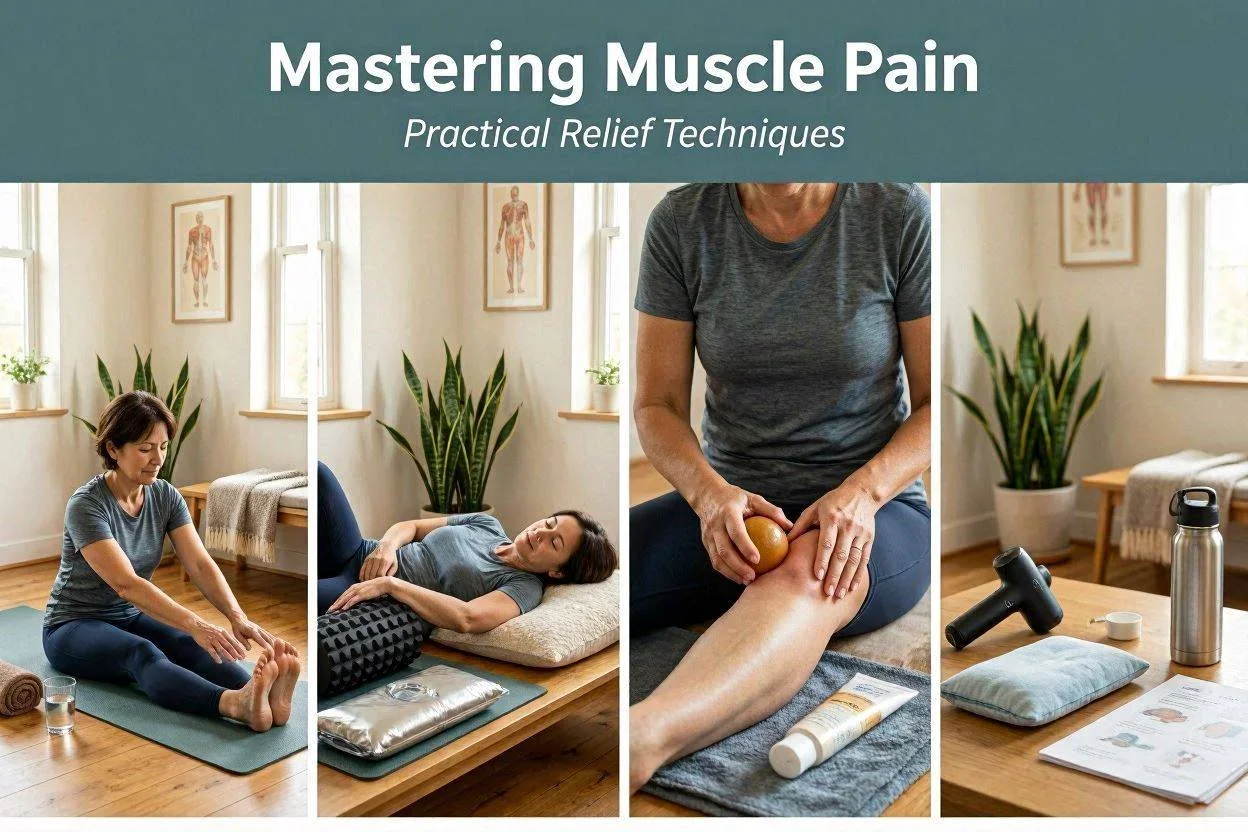
Muscle pain can be relentless, even for physical therapists who help others heal. Understanding their go-to methods not only eases your discomfort but empowers you to reclaim comfort and strength. Discover how mastering these expert techniques for how to get rid muscle pain can transform your recovery journey starting today.Whether you're an athlete, a weekend warrior, or simply experiencing soreness after a new activity, these physical therapist-backed principles are the foundation of effective, lasting relief.Mastering How to Get Rid Muscle Pain: Expert Insights at a GlanceIf you’re searching for how to get rid muscle pain, you want more than generic advice. Here, we break down the essential physical therapist strategies that go beyond temporary fixes, offering actionable solutions you can use right away.This guide delivers clear, evidence-backed recommendations for reducing muscle aches—based on expert knowledge and real-world recovery science—so you can stop letting discomfort control your life and get back to moving strong.Why muscle pain and muscle soreness occur—even for professionalsPhysical therapist techniques for muscle pain reliefHome remedies, self-care, and when to see a healthcare providerEvidence-based strategies that reduce pain and support recoverySupplements, nutrition, and drinks that may help heal sore musclesUnderstanding Muscle Pain: Why Sore Muscles and Muscle Soreness HappenMuscle soreness is something nearly everyone experiences—whether after a tough workout or a weekend of unaccustomed physical activity. But why do even seasoned personal trainers and physical therapists feel sore?To address how to get rid muscle pain effectively, it’s important to start with what actually causes this sensation. Recognizing its roots can help you select the best pain relief strategy and prevent unnecessary worry over normal, healthy responses to exercise and movement.What is Muscle Pain and Muscle Soreness?Muscle pain, also called myalgia, can be described as aching, stiffness, or tenderness in the muscles—sometimes accompanied by mild swelling, fatigue, or limited movement. Muscle soreness is often the result of new or higher levels of activity that challenge your body in ways it may not be used to.This discomfort typically begins within hours and can last several days, especially when it’s the result of what’s known as delayed onset muscle soreness (DOMS). DOMS is most noticeable after activities like weight lifting, running, or any physical activity that pushes your muscle fibers to adapt and grow.Common Causes of Muscle Aches and Soreness After ExerciseThe most frequent trigger for muscle soreness after exercise is the stress placed on muscles during unfamiliar or intense activities, which leads to microscopic tears in muscle fibers. These tears prompt an inflammatory response, resulting in swelling and discomfort. Other causes for muscle aches can include direct injury (muscle strain), poor hydration, inadequate nutrition, underlying illness, or even chronic stress.Age, training status, and even climate can influence your level of muscle pain and how quickly you recover. Ultimately, sore muscles signal that your body is responding and adapting, especially after progressive overload or new forms of training."Muscle pain after a workout is often a sign of adaptation—your body responding to new or increased demands." – Dr. Sandra Hernandez, PT, DPTHow Physical Therapists Address Muscle Pain: Step-by-Step GuidePhysical therapists don’t just treat their patients—they actively use effective pain relief strategies for themselves to get rid muscle pain. Their methods are grounded in research and focus on improving blood flow, reducing inflammation, and restoring mobility without risking further muscle strain. Here’s how experts typically manage muscle aches after exercise:Active recovery and gentle movementTargeted stretching for sore musclesProfessional manual therapy techniquesContrast therapy and ice vs. heat for pain reliefActive recovery—such as walking, cycling, or gentle yoga—increases blood flow to sore muscle areas, which accelerates the healing process and helps reduce pain. Physical therapists also apply a variety of manual therapies, from hands-on massage to instrument-assisted soft tissue mobilization.Contrast therapy, involving alternating ice and heat, is used to minimize swelling and stimulate circulation, helping diminish muscle aches efficiently. Ultimately, finding the right balance between rest and movement is key for both immediate relief and lasting recovery.For those interested in optimizing their recovery even further, exploring the effectiveness of different supplement forms can be valuable. For example, understanding the pros and cons of gummy supplements may help you make informed choices about supporting muscle health and overall wellness."The right balance of rest and gentle movement is crucial for reducing muscle aches and promoting healing." – Journal of Orthopedic & Sports Physical TherapyEffective Home Remedies to Get Rid Muscle PainFor many, the answer to how to get rid muscle pain starts at home, using widely accepted and research-driven techniques. Simple changes to your daily routine or recovery regimen, borrowed from physical therapists, can make a remarkable difference in managing sore muscles and promoting effective pain relief:Foam rolling and massage for muscle sorenessOver-the-counter pain relievers: When and how to useEpsom salt baths and topical treatmentsCherry juice: Evidence for muscle pain reliefHydration strategies and recovery hydration drinksFoam rolling, gentle massage, and stretching enhance blood flow and help break up tight muscle fibers. Over-the-counter pain relievers like ibuprofen or acetaminophen can temporarily ease discomfort, but it’s crucial to use these only as directed and to be mindful of potential side effects.Epsom salt baths help some people relax and reduce swelling, thanks to magnesium’s effect on muscle relaxation. Recently, cherry juice has gained popularity for its natural compounds that lower inflammation and muscle damage post-exercise. Finally, drinking plenty of water—and including electrolyte-rich beverages—supports faster muscle recovery and helps prevent muscle cramps and body aches."Tart cherry juice contains compounds that can reduce inflammation and muscle damage after strenuous exercise." – Dr. Emily Farrell, Sports Medicine PhysicianNutrition and Supplements for Muscle Aches and SorenessA solid nutrition foundation is vital for minimizing muscle aches, speeding up recovery, and making sure your body is primed to resist soreness in the future. Targeted foods and supplements support cracked, tired, or strained muscle fibers and optimize the natural recovery process for sore muscles. Physical therapists and sports medicine professionals recommend:Key vitamins and minerals for muscle healthSupplements that support recovery and reduce painAnti-inflammatory foods that combat sore musclesRole of protein and amino acids in muscle repairVitamin D, magnesium, and potassium are particularly important for muscle function. Protein intake, especially after exercise, provides the essential amino acids needed for muscle repair. Anti-inflammatory foods such as turmeric, leafy greens, fatty fish, and cherries can help diminish the soreness that often accompanies a tough workout.Certain supplements—including omega-3s, branched-chain amino acids (BCAAs), and magnesium—may further assist in reducing muscle pain and supporting healing, though you should always consult a healthcare provider before starting any new supplement regimen.Prevention: How to Reduce Pain and Avoid Sore Muscles in the FuturePreventing muscle soreness is often easier—and healthier—than treating established pain. Physical therapists emphasize the significance of smart exercise habits and the right warm-up to avoid muscle strains and body aches:Warm-up and cool-down essentialsBest practices for progressive overloadRoutine flexibility and mobility exercisesListening to your body and adjusting routinesA comprehensive warm-up prepares muscle fibers and joints for physical activity, increasing blood flow and lowering your risk of injury. Cooling down with gentle stretching further promotes healing and limits delayed onset muscle soreness. Gradually increasing workout intensity (progressive overload) allows your body to build stronger muscle over time, rather than overwhelming it with too much, too soon. Finally, learning to listen to warning signs—persistent muscle pain, swelling, or decreased function—ensures you know when to rest or modify your fitness plan, protecting you from longer-term injuries.Recognizing Serious Muscle Pain: When to See a Healthcare ProviderWhile most muscle pain is harmless and responds well to home remedies, certain symptoms should prompt you to contact a healthcare provider or care provider promptly. Understanding when muscle aches signal a more serious condition can make all the difference in your health and recovery outcomes.Signs That You Need a Healthcare or Care ProviderMuscle pain that persists beyond a few daysSudden severe pain after injurySigns of infection (redness, swelling, heat)Unexplained muscle aches and muscle strainIf your muscle pain sticks around for longer than expected or comes with concerning symptoms like severe weakness, discoloration, fever, or difficulty moving, professional evaluation is essential. In rare cases, chronic muscle aches can stem from underlying conditions like autoimmune diseases, nerve problems, or serious injuries that need targeted treatment beyond self-care or over-the-counter options.How Your Healthcare Provider Evaluates Muscle PainA qualified healthcare provider will evaluate your muscle pain through a detailed health history, physical examination, and sometimes tests such as bloodwork or imaging. They’ll consider whether your symptoms point to common issues like muscle strain or more complex conditions requiring specialty care. Early intervention facilitates quicker recoveries and prevents complications, supporting your return to normal activity without setbacks.People Also Ask: Your Top Questions About How to Get Rid Muscle Pain AnsweredHow do you stop muscle pain fast?Immediate relief for muscle pain typically starts with ice or heat application to the sore area, followed by gentle stretching, self-massage, or the use of a foam roller. Over-the-counter pain relievers may help in moderation and as directed. Remember, physical therapists recommend pairing relief techniques with gradual movement, as long as it doesn’t worsen the pain, to promote blood flow and more effective recovery.What drink will heal muscles?Hydrating properly is essential—water and electrolyte-rich drinks like coconut water help replace lost fluids and support muscle recovery. Research suggests that cherry juice and protein shakes are particularly effective for reducing soreness and facilitating muscle repair, since they’re rich in antioxidants, amino acids, and anti-inflammatory agents that directly target muscle pain.What am I lacking if my muscles ache?Persistent unexplained muscle aches may be a sign of deficiencies in key nutrients, particularly vitamin D, magnesium, potassium, and protein. These are vital for healthy muscle fibers and normal function. If you continue to experience soreness despite addressing physical causes, it’s worth discussing your symptoms with a healthcare provider to rule out or correct possible deficiencies.What vitamin stops muscle aches?Vitamins D, E, and various B-complex vitamins play vital roles in muscle metabolism and repair, as do minerals like magnesium and potassium. Meeting daily needs for these nutrients—preferably through a balanced diet—supports healing and helps guard against persistent muscle pain and fatigue, according to integrative health experts at the National Institutes of Health.FAQs: Overcoming Muscle Pain and SorenessHow long does muscle soreness last after exercise?Muscle soreness typically peaks about 24–72 hours post-exercise and fades within a week. With active recovery and smart self-care, many people feel relief even sooner.Are pain relievers safe for muscle pain relief?When taken as directed for short periods, over-the-counter pain relievers (like ibuprofen and acetaminophen) can be safe and helpful. However, avoid prolonged or excessive use—talk to your doctor about chronic or severe muscle aches.Can stretching alone get rid muscle pain?Stretching helps maintain mobility and stimulates blood flow, but is often most effective when combined with other methods such as active recovery, massage, and nutrition support.Should you exercise with sore muscles?Light activity (walking, cycling, mobility drills) can aid recovery by promoting circulation. Avoid high-intensity training until soreness subsides to prevent muscle strain.What are signs my muscle pain isn't normal?Severe pain, swelling, fever, or symptoms that don’t improve with rest signal you should see a healthcare provider promptly.Summary Table: Techniques to Get Rid Muscle Pain—What Works and WhyTechniqueEvidenceRecommended ByBest ForActive Recovery & Gentle MovementIncreases blood flow, aids repairPhysical TherapistsAll sore muscles, chronic muscle achesFoam Rolling & MassageReduces soreness and stiffnessSports Medicine ExpertsPost-exercise soreness, tensionIce/Heat TherapyMinimizes swelling, pain reliefHealthcare ProvidersAcute injury, persistent painCherry JuiceReduces inflammationSports DietitiansExercise-induced muscle painAnti-inflammatory NutritionSpeeds muscle recoveryRegistered DietitiansOngoing soreness, injury preventionKey Takeaways for How to Get Rid Muscle PainPhysical therapists rely on evidence-based strategies to address sore muscles and muscle painCombining gentle movement, targeted nutrition, and proven remedies promotes effective pain reliefListen to your body and seek medical advice for persistent or severe muscle achesFind Trusted Wellness GuidanceDiscover more trusted information like this at: NCWellnessHub.comAddressing how to get rid muscle pain is about consistent care and applying the wisdom of physical therapy—empower your recovery, stay proactive, and know when to ask for help.If you’re ready to take your wellness journey even further, consider how your overall health habits can influence recovery and resilience. Exploring topics like optimizing your gut bacteria for better health can provide a broader perspective on how interconnected systems in your body support muscle repair, immune function, and long-term vitality. Dive deeper into holistic strategies to unlock your best health from the inside out.SourcesNational Institutes of Health – https://www.ncbi.nlm.nih.gov/pmc/articles/PMC5438328/Journal of Orthopaedic & Sports Physical Therapy – https://www.jospt.org/doi/full/10.2519/jospt.2012.3897Harvard Health – https://www.health.harvard.edu/staying-healthy/muscle-soreness-and-exercise-how-much-is-too-muchMedical News Today – https://www.medicalnewstoday.com/articles/cherry-juice-for-muscle-recoveryOffice of Dietary Supplements (NIH) – https://ods.od.nih.gov/factsheets/Magnesium-HealthProfessional/To enhance your understanding of muscle pain relief, consider exploring the following authoritative resources:“Best ways to recover from a muscle strain”: This article from Harvard Health provides comprehensive strategies for muscle strain recovery, including the R.I.C.E. method and the importance of proper nutrition. (health.harvard.edu)“Muscle strains - Diagnosis and treatment”: The Mayo Clinic offers detailed insights into diagnosing and treating muscle strains, emphasizing the significance of rest, ice, compression, and elevation. (mayoclinic.org)These resources offer evidence-based techniques and expert advice to effectively manage and alleviate muscle pain. NCWellnessHub.com

Terms of Service

Privacy Policy

Core Modal Title

Sorry, no results found

You Might Find These Articles Interesting

T
Please Check Your Email
We Will Be Following Up Shortly
*
*
*