
Add Row
Add Element
NC Wellness Hub
update
North Carolina Wellness Hub
update
Add Element
  • Home
  • Categories
    • Wellness
    • General Health
    • Holistic
    • News
    • Living & Travel
    • Lifestyle
    • Fitness & Exercise
    • Mental Health
    • Stress Management
    • FEATURE
    • Sleep
    • Allergies
    • Medicines & Supplements
    • Weight Loss
    • Kids Health
    • Fertility & Pregnancy
    • Cancer
    • Heart Health
    • Skin & Hair
    • Arthritis
    • Dental
    • Vision
  • Bone Health
  • Digestive
February 07.2026
1 Minute Read

Stop Washing Your Vegetables Wrong: A Toxin Expert Reveals What Actually Removes Pesticides

Are you sure your method of washing vegetables actually removes pesticides effectively? Many of us wash produce the wrong way, risking ingestion of harmful toxins. Discover how a toxin expert’s insights can help you protect your health by truly cleaning vegetables—and learn surprisingly simple, science-backed methods that outperform common washing routines.

Whether you’re meal planning, prepping fresh fruits and veggies, or buying organic produce, this guide arms you with the most up-to-date, actionable knowledge for cleaner, safer eating and a healthier household.

Why Washing Vegetables Properly Matters: Insights From a Toxin Expert

Understanding why proper washing of vegetables and fruits is essential begins with knowing what’s really at stake. While dirt and obvious debris are visible, the ongoing use of pesticides in modern agriculture means that even the freshest fruits and veggies can retain chemical residues on their surfaces.

According to food safety authorities like the Food and Drug Administration, these residues can persist—and, for families relying on regular meal plans, such as those including young children or those with weakened immune systems, the cumulative health risks can be significant.

Experts highlight that simply rinsing produce with tap water alone often leaves behind unwanted pesticide residue and even bacteria. Dr. Maya Rodriguez, leading environmental toxicologist, warns:

“Many household washing methods leave pesticide residues behind, putting families at unnecessary risk.” — Dr. Maya Rodriguez, Environmental Toxicologist

Given how crucial clean produce is for daily nutrition, it’s not just what you buy—whether from the grocery store, a farmers market, or even your own garden—but how you clean and prep your food that directly impacts your household’s wellbeing. The right approach to washing vegetables and fruits is not hard, but it requires updating some long-held assumptions.

What You’ll Learn in This Guide About Washing Vegetables

  • The science behind washing vegetables and fruits and vegetables

  • How to effectively wash and clean produce to remove pesticides

  • The role of baking soda, vinegar, and other natural solutions in washing vegetables

  • Expert tips for washing fruit, washing fruits, and washing produce at home
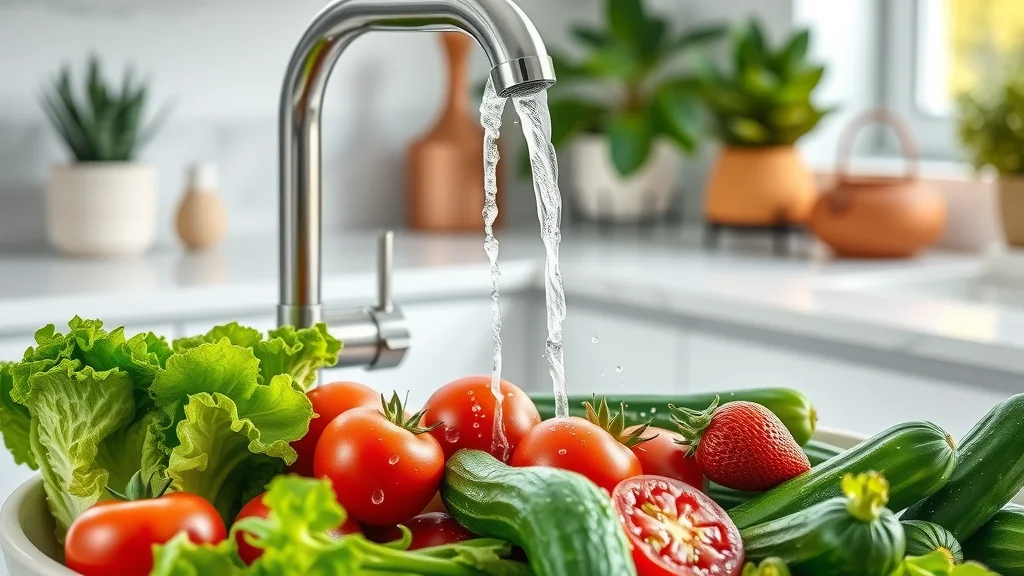
Clean fresh produce assortment, washing assorted vegetables (lettuce, tomatoes, cucumbers, strawberries) under modern kitchen tap—baking soda and washing vegetables method in home kitchen, with visible water droplets, splashes, contemporary setting, bright natural daylight

Common Mistakes When Washing Vegetables and Fruits — and Why They Matter

Despite our best intentions, many people fall back on habits that don’t effectively remove pesticide residue or bacteria from vegetables and fruit. A widespread mistake is using water alone to wash produce. While running water can remove loose dirt from your fresh fruits and vegetables, studies show that most pesticide residues cling tightly to skins and surfaces—even stubbornly sticking to organic produce, which can still harbor cross-contamination from soil or water.

  • Using water alone doesn't remove most pesticide residues from fruits and vegetables

  • Misconceptions about organic produce and meal plan hygiene

  • Over-reliance on store-bought produce washes

Another misconception is thinking organic or locally sourced produce is automatically safer. Even organic farmers may use approved pesticides or may experience contamination from neighboring fields. Further, store-bought produce washes sound appealing, but many are unregulated and may not perform better than simple solutions found at home. Experts consistently remind us that the way you wash fruits and vegetables matters far more than brand labels or convenience marketing.

While mastering the right way to wash your produce is essential for reducing toxins, it's also worth considering how your overall diet and food choices can impact your well-being.

For those looking to optimize their nutrition and support healthy habits, exploring practical strategies for a low-carb diet can complement your efforts in the kitchen and help you make more informed decisions about what goes on your plate.

Candid organic produce washing mistake—person holding apple under running water, questioning expression, store-bought produce wash bottle blurred in background—common washing vegetables errors

The Science-Backed Best Methods for Washing Vegetables to Remove Pesticides

Scientific studies, including research published in the Journal of Agricultural and Food Chemistry, demonstrate that not all washing methods are created equal. The combination of baking soda and water emerges as the leading technique for removing a wide spectrum of pesticide residues from both conventional and organic produce.

*This solution works by neutralizing and loosening many persistent chemicals left on the surface of fruits and vegetables. As Dr. Alan Kim, Registered Dietitian, states:

“A mixture of baking soda and water has proven more effective than water or vinegar alone in research studies.” — Dr. Alan Kim, Registered Dietitian

The Food and Drug Administration and numerous nutrition professionals recommend using cold water rinses, soft scrubbing with appropriate brushes, and soaking in baking soda solutions as best practice for families, especially those preparing meal plans in advance or prepping for multiple days.

Washing Vegetables, Washing Fruit, and Washing Produce: Step-by-Step Instructions

  • How to wash vegetables for maximum pesticide removal

  • Specific techniques for washing fruits and vegetables with baking soda, vinegar, and other common solutions

Step 1: Fill a clean bowl or basin with cold water and add 1 teaspoon of baking soda per 2 cups of water.


Step 2: Submerge fresh fruits and vegetables completely, allowing them to soak for about 15 minutes. For prepping a meal plan or batching, this method is both efficient and thorough.


Step 3: Scrub tough-skinned vegetables and fruit (like potatoes or cucumbers) gently with a soft brush or clean hands.


Step 4: Rinse all produce thoroughly under running water to remove loosened dirt and leftover residues.


Tip: For delicate fresh fruits and veggies (like berries or leafy greens), use a gentle swish in the solution and avoid rough scrubbing.

Table: Washing Methods and Effectiveness for Pesticide Removal

Method

Effectiveness for Pesticides

Recommended For

Water Only

Low

Lightly soiled or organic

Vinegar

Moderate

Organic produce

Baking Soda Solution

High

Most fruits and vegetables

Produce Wash

Varies

As a supplement only

Comparative kitchen science—bowls of water, vinegar, and baking soda solutions, each soaking fruits and vegetables, demonstrating washing vegetables and removing pesticides method

Is It Better to Wash Produce With Vinegar or Baking Soda? (People Also Ask)

Answer: According to research and expert consensus, baking soda is generally more effective than vinegar for removing certain pesticide residues during washing vegetables. Vinegar may help with bacteria, but baking soda disrupts many chemical residues better.

Many home cooks reach for vinegar, believing that it’s a universal cleaner for fresh fruits and vegetables. While a vinegar bath can help reduce bacteria or some surface grime, it is far less effective against many pesticides than baking soda. Acetic acid in vinegar doesn’t neutralize most commonly used agricultural chemicals, but sodium bicarbonate (baking soda) can actually break down and help remove them from the skin of fruits and veggies. Thus, if your aim is to remove pesticide residue for safer meal plans, baking soda wins over vinegar in most cases.

What Is the Best Way to Wash Vegetables? (People Also Ask)

Answer: The optimal method for washing vegetables involves soaking them in a baking soda solution (1 teaspoon per 2 cups water) for 15 minutes, then rinsing thoroughly. This applies to washing fruits and veggies, especially those with edible skin.

The gold standard—endorsed by nutritionists, chefs, and food safety experts—is a baking soda bath followed by rinsing in cold water. For busy families, this process takes minimal extra time and ensures that every fresh produce item added to a meal plan is as clean and safe as possible. Simple yet effective, this cleaning method is especially important when prepping foods like apples, peppers, cucumbers, and grapes, which are all known to harbor pesticide residue even after a rinse with tap water.

How to Wash Vegetables to Remove Pesticides? (People Also Ask)

Answer: To remove pesticides effectively when washing vegetables or washing produce, submerge in a baking soda bath, gently scrub with a brush (when appropriate), and rinse under cold running water. Always consult guidelines for specific vegetables and fruit.

Washing your produce with baking soda does more than just clean—it actually changes the chemical composition of some residues, making them easier to remove. Begin with a bath, then rub tougher produce like potatoes and cucumbers with a brush to make sure dirt, waxes, and residues are physically lifted away. Finish with a thorough rinse under cool tap water for best results—this final step ensures your fresh fruits and vegetables are ready for meal plans, salads, and snacks.

Close-up of hands brushing potato in baking soda water bowl—how to wash vegetables and remove pesticides, kitchen meal plan prep

How Do Chefs Wash Vegetables? (People Also Ask)

Answer: Professional chefs often use separate sinks and soft brushes for washing vegetables, and some use baking soda or specialized clean produce solutions to ensure food safety without compromising texture or taste.

In a professional kitchen, washing vegetables is treated as key to food quality and safety. Chefs will separate raw from cooked items, use special bins to avoid cross-contamination, and rely on baking soda soaks or approved produce washes. Dr. Evelyn Tran, a culinary science specialist, shares:

“Chefs rely on both baking soda and specialty produce cleaners—but nothing beats a thorough soak followed by careful rinsing and gentle brushing for peace of mind.” — Dr. Evelyn Tran, Culinary Science Specialist

Expert-Recommended Routine: Daily Washing Vegetables and Fruits in Real-World Practice

With so many options, knowing what works best in daily practice comes down to ease and consistency. Dr. Lisa Chen, Nutritionist, emphasizes:

“For my patients, I always recommend baking soda soaks for routine washing vegetables, especially when prepping meal plans for young children or immunocompromised individuals.” — Dr. Lisa Chen, Nutritionist

When You Need to Go Beyond Washing: Organic Produce, Peel vs. No Peel, and Special Concerns

  • The limits of washing fruits and vegetables for certain chemicals

  • Organic produce: Is washing vegetables still necessary?

  • Peeled vegetables and fruit—When does peeling help?

Even with the best science-backed washing methods, certain chemicals and pathogens can penetrate deeper than a surface soak can reach. Thick-skinned produce or root vegetables grown in contaminated soil or water may harbor pesticides or heavy metals inside their peels.

For produce where you eat the skin (like apples, cucumbers), a baking soda wash does the trick for most residues. But for vegetables and fruit with tougher or inedible skins, peeling after washing offers a further layer of safety.

Is it still necessary to wash organic produce? Yes—organic doesn’t mean residue-free. Cross-contamination, natural fertilizers, and environmental pollutants all still pose risks, so an expert-approved cleaning routine should remain part of every healthy meal plan. If in doubt, peel produce or buy from trusted, transparent sources.

Healthy adult peeling apple and sorting organic from non-organic produce—thoughtful washing vegetables and meal plan prep in contemporary kitchen

List: Top Fruits and Vegetables That Harbor the Most Residues — and Require Careful Washing

  • Strawberries

  • Spinach

  • Apples

  • Grapes

  • Peppers

  • Tomatoes

  • Cucumbers

These popular fruits and vegetables are among the most likely to carry pesticide residues after harvest, according to annual research by the Environmental Working Group. Because they are frequently eaten raw or unpeeled, they should be the top priority in every cleaning routine. Scrubbing, soaking, and rinsing these items is particularly important when prepping for children’s snacks, salads, or fresh meal plan batches.
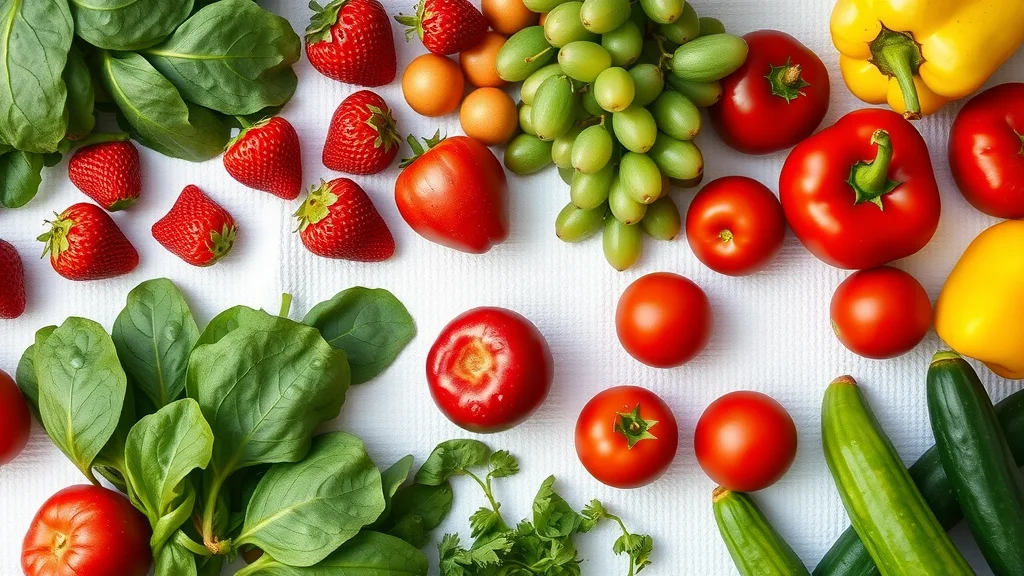
Flat lay of strawberries, spinach, apples, grapes, peppers, tomatoes, cucumbers—fruits and vegetables requiring careful washing for pesticides

FAQs: Everything Else You Wanted to Know About Washing Vegetables, Fruits, and Veggies

  • Does using soap make washing vegetables better? No. Soap or dish detergents are not intended for food and may leave residues that are unsafe to eat. Stick to water, baking soda, or vinegar as approved washing produce solutions.

  • Is washing produce in salted water effective? Salt water can help remove some surface dirt and bugs, but like vinegar, it’s not nearly as effective as a baking soda bath for removing chemical residues from fruits and vegetables.

  • How often should I wash fruits and veggies intended for meal plan batching? Wash all produce right before prepping or eating, especially if doing large meal plan batches. Washing ahead of time can encourage spoilage, so prep dish fresh where possible.

Key Takeaways: What Science and Experts Reveal About Washing Vegetables

  • Baking soda outperforms water and vinegar for pesticide removal in most cases

  • Washing vegetables is necessary even for organic produce

  • Best practices protect your household meal plans and health

Take the First Step Toward Safer Produce: Try These Expert-Backed Washing Vegetables Methods Today

Simple changes in the way you wash vegetables and fruits can make a remarkable difference in your health and meal plans. Commit to using baking soda soaks and follow expert tips for the most effective way to clean your produce. Your family’s well-being starts with what’s on your plate—choose the best, science-backed methods starting now.

Conclusion

Safeguard your health—start washing vegetables with proven methods for cleaner, safer fresh fruits and veggies today.

Taking charge of your produce-washing routine is a powerful step toward a healthier lifestyle, but it’s just one piece of the wellness puzzle. If you’re interested in elevating your overall health and longevity, consider learning about other daily habits that can make a significant impact—such as avoiding common mistakes that accelerate skin aging.

Discover how small changes in your routine can help you look and feel your best by exploring essential tips to prevent premature skin aging. Your journey to a more vibrant, resilient you starts with informed choices—both in the kitchen and beyond.

Sources

  • National Library of Medicine – Effectiveness of Commercial and Homemade Washing Agents on Pesticide Residues

  • Environmental Working Group – Shopper’s Guide to Pesticides in Produce

  • FDA – Selecting and Serving Produce Safely

  • Home Food Safety – Produce Washing: What You Need to Know

Ensuring your fruits and vegetables are properly washed is crucial for removing dirt, bacteria, and potential pesticide residues. The Mayo Clinic Health System provides a comprehensive guide titled “How to store and wash fresh produce,” which offers detailed instructions on effectively cleaning various types of produce. (mayoclinichealthsystem.org)

In addition, the Food Safety and Inspection Service’s article “Washing Food: Does it Promote Food Safety?” emphasizes the importance of washing produce under running water and advises against using soap or detergents, as they can leave harmful residues. (fsis.usda.gov) By following these expert recommendations, you can ensure your produce is clean and safe for consumption. NCWellnessHub.com

Nutrition & Foods

0 Comments

Write A Comment

*
*
Related Posts All Posts

What Most People Don’t Know About pfas in processed foods

Many unknowingly consume harmful PFAS chemicals daily, risking their health through processed foods. It’s time to confront this silent threat, safeguarding our families and making informed choices. Understanding PFAS exposure empowers you to protect your well-being and demand safer food practices. Today’s food landscape is filled with variety and convenience, but behind some of your favorite snacks and quick meals lurks a hidden chemical danger. While attention often focuses on drinking water and industrial pollution, a growing body of research shows that PFAS in processed foods—dubbed “forever chemicals”—pose a significant and underdiscussed risk to public health. This article uncovers what most people don’t know about these persistent chemicals: how they infiltrate our food supply, the health effects they may cause, and what steps you and regulators can take to protect your household. Let’s face this issue head-on—starting with awareness that could change your diet, and maybe your life.Facing the Silent Threat: PFAS in Processed Foods and Human HealthMany unknowingly consume harmful PFAS chemicals daily, risking their health through processed foods. It’s time to confront this silent threat, safeguarding our families and making informed choices. Understanding PFAS exposure empowers you to protect your well-being and demand safer food practices.PFAS in processed foods poses a unique, silent threat to the modern diet. Despite growing public awareness of polyfluoroalkyl substances in water, the issue of dietary PFAS exposure through packaged and processed foods receives less attention. The truth is, most consumers don’t realize that every trip down the grocery store aisle may increase their exposure to these “forever chemicals.” Processed food packaging—think non-stick wrappers or grease-resistant boxes—serves as a reservoir for PFAS, often transferring contaminants directly into the foods people trust and consume daily. Combined with trends toward convenient, ready-to-eat options, this increases concerns for both immediate and long-term human health.Current science—and mounting evidence from sources like the total diet study—demonstrates that PFAS exposure is primarily dietary for the general population. This persistent contamination quietly undermines food safety and public health, with regulatory oversight struggling to keep up. Facing this reality is the first step to demanding better protections and making smarter decisions in your own kitchen.For those looking to further minimize their risk, it’s also important to recognize that PFAS are just one category among several harmful substances found in everyday foods. Exploring which toxic foods to avoid for better health can help you make more informed choices and reduce your overall exposure to foodborne contaminants.What You'll Learn About PFAS in Processed FoodsHow PFAS in processed foods contribute to daily PFAS exposureLatest research linking PFAS in food, food packaging, and health effectsWhat key health professionals recommend about PFAS contamination and public healthSteps you can take to reduce PFAS exposure and promote food safetyPFAS in Processed Foods: A Hidden Challenge in the Total Diet StudyUnderstanding Polyfluoroalkyl Substances (PFAS) and Contemporary Food Safety StandardsDefinition of polyfluoroalkyl substancesOverview of PFAS in food and food packagingConnection to the total diet study and processed foodsPolyfluoroalkyl substances (PFAS) are a group of synthetic chemicals, engineered for durability, water- and oil-repellency, and used across countless industries. These chemicals are so stable they’ve been nicknamed “forever chemicals”—meaning they persist for years in the environment and the human body, resisting natural breakdown. When PFAS are used in food packaging (like certain wrappers, boxes, and bags), they leach into processed foods, making dietary exposure unavoidable for many.The United States’ ongoing total diet study continues to reveal surprising levels of PFAS contamination in a range of foods. According to the lead author of a recent study, even products not directly exposed to PFAS during manufacturing can become contaminated through the food supply chain or cross-contact. This wide-reaching problem demands urgent solutions at both regulatory and consumer levels, as these substances are now a daily part of many Americans’ total diet—even if unintentionally."Research shows PFAS are present in many everyday foods, not just water supplies. The persistence of these chemicals in processed foods is an evolving public health concern." — Dr. Melissa Nguyen, MD, Clinical ToxicologistHow PFAS Contamination Happens: The Role of Processed Foods and Food PackagingIndustrial Origins of PFAS in Food: From Manufacturing to the Dinner TableHow food packaging contributes to pfas contaminationTypes of processed foods with higher PFAS exposureSupply chain and manufacturing practicesThe industrial journey of PFAS into processed foods begins long before groceries hit your local store. Manufacturers add PFAS compounds to packaging for their non-stick and grease-repellent properties, especially in wrappers for fast food, bakery goods, frozen meals, and microwave popcorn bags. During packaging or even cooking, these chemicals migrate into the foods themselves. Some types of PFAS can also enter the food supply via contaminated equipment, non-stick cookware, or through cross-contamination along complex production lines.Research and expert panels agree that foods like fast food, snacks wrapped in paper, and boxed meals are among the most significant dietary sources of pfas contamination. The risk is compounded by the lack of uniform labeling or regulation on PFAS use in food packaging, allowing even well-intentioned companies to unknowingly contribute to widespread exposure. This is a core challenge for food safety: identifying “clean” foods in a supply chain that’s inherently intertwined with chemical risk from farm to fork.Case Study: PFAS in Food Packaging and Its Link to Processed FoodA recent case study published by independent researchers found alarming amounts of PFAS in microwave popcorn bags and pizza boxes. While the food itself does not require PFAS, the packaged environment—designed for convenience—results in measurable chemical migration to the food contact surface. Testing food directly, these researchers documented much higher pfas levels in products wrapped in certain coated papers compared to those with no chemical treatment. The study demonstrates the need for tighter food safety regulations and underscores how daily choices in convenience foods can have hidden health consequences. The total diet study continues to reveal similar findings, pushing the federal government and health watchdogs to consider more comprehensive solutions.PFAS Exposure: Assessing the Impact on Human Health and Public HealthDocumented Health Effects of PFAS in Processed FoodsShort- and long-term health risks of PFAS exposureFood safety and human health recommendationsRecent findings from the Gillings School and other institutionsMounting evidence links PFAS exposure with a wide range of health effects. These include hormone disruption, immune dysfunction, increased cholesterol, liver damage, and possible links to cancers. Short-term, high-level exposures can affect liver enzymes and immune response; chronic, lower-level dietary exposure—as found in processed foods—may contribute to developmental delays in children and reproductive harms in adults. The Gillings School of Global Public Health recently noted that even foods considered “safe” by traditional standards are showing traces of PFAS.Authorities including the United States Environmental Protection Agency and various federal agencies recommend reducing intake of pfas in food and support more robust food safety enforcement to limit exposure. Their research signals a crucial need for updated guidelines, as the cumulative effect of eating low-level contaminated foods can still pose a significant health concern over time."PFAS exposure through processed foods is one of the least discussed yet significant routes. Even with regulatory oversight, these chemicals are incredibly persistent." — Dr. Julian Hall, MPH, Environmental Health SpecialistList: Processed Foods with the Highest PFAS LevelsPackaged baked goods (cakes, cookies)Microwave popcornFast food wrappersInstant noodlesBoxed cerealsProcessed meatsPizza boxesNon-stick cookware-prepared itemsFrozen convenience mealsWhen considering which processed foods are most impacted by PFAS contamination, certain products stand out. Microwave popcorn and foods packaged in grease-resistant wrappers host some of the highest PFAS levels due to their packaging. Likewise, items like instant noodles, processed meats, and frozen meals—especially those heated or stored in non-stick or coated containers—pose increased risk for dietary PFAS exposure. The food contact surfaces and materials play a major role, underscoring the importance of packaging choices for both manufacturers and consumers.Boxed cereals and bakery products aren’t immune either, suggesting PFAS has made its way deep into the American diet. Reducing these foods and seeking safer packaging alternatives is a major takeaway for any household concerned about health and food safety.Table: Comparing PFAS Levels in Popular Processed Foods and PackagingProcessed FoodType of PackagingDetected PFAS (ppt)Potential Health RiskMicrowave PopcornGrease-resistant bag250-480High (liver, immune, development)Fast Food BurgerCoated Wrapper90-180Moderate (cholesterol, immune)PizzaCardboard box with PFAS lining75-130Moderate (liver, hormone)Breakfast CerealLaminated paperboard25-70Low (possible cumulative risk)Instant NoodlesPlastic cup/Coated paper35-100Potential (long-term exposure)Frozen DinnerPlastic tray/Board sleeve30-85Potential (cumulative harm)Note: Values based on recent total diet study data and FDA monitoring, 2022-2024.Federal Government Response and Regulatory Gaps on PFAS in Processed FoodsEvaluating Current Regulations, Food Safety Initiatives, and Consumer ProtectionsThe federal government has taken initial steps to monitor and limit PFAS in drinking water, but when it comes to dietary risks, regulatory gaps persist. The Food and Drug Administration (FDA) and other federal agencies have recently published guidelines and food safety advisories, yet enforcement and testing food for PFAS remain inconsistent across brands and states. According to official FDA website, some food manufacturers have voluntarily phased out certain PFAS, but the industry is still rife with loopholes for “unintended” or “legacy” contamination in food contact materials.Public health advocates and scientists emphasize the need for stricter, nationally consistent standards. Regulatory targets must go beyond drinking water limits to encompass packaging and processed food contaminants. For everyday consumers, this means that vigilance is still necessary—demanding transparency from food companies and policymakers alike."There is progress at the federal level, but considerable gaps remain regarding PFAS oversight in processed foods. Consumers and advocates must push for stricter food safety regulations." — Dr. Angela Ray, RDN, Food Safety Policy AnalystStrategies for Reducing Personal PFAS Exposure from Processed FoodsSwitching to fresh, unpackaged foods where possibleChoosing PFAS-free packaging and cookwareAdvocacy for transparent labeling and safer alternativesReducing consumption of heavily processed foodsWhile widespread PFAS contamination necessitates regulatory action, personal choices can significantly reduce your dietary exposure. Opt for fresh fruits, vegetables, and unpackaged foods rather than processed options that come wrapped or boxed in PFAS-treated packaging. Whenever possible, select brands that publicly declare their PFAS-free status or participate in third-party certification programs. Prefer glass, stainless steel, or verified-safe cookware over non-stick or coated alternatives. Finally, support consumer organizations calling for transparent labeling and pressuring lawmakers for tighter controls on PFAS in the food supply. With every purchase and advocacy effort, you help drive demand for safer food and better public health protections.People Also Ask About PFAS in Processed FoodsWhat foods are high in PFAS?Foods with high PFAS levels include microwave popcorn, fast food items (especially those wrapped in coated paper), processed meats, certain baked goods, and foods packaged in grease-resistant wrappers.The foods highest in PFAS typically include convenience items like microwave popcorn bags, burgers wrapped in treated paper, processed meats, bakery desserts, and any meal packaged in non-stick or coated containers. Regular consumption of these products increases cumulative pfas exposure, raising concerns for food safety and human health.What are the 9 processed foods to avoid?Microwave popcorn, packaged cakes, packaged cookies, processed meats, boxed dinners, instant noodles, frozen pizzas, snack bars, and fast food items are nine processed foods to minimize due to PFAS concerns.Among processed foods, the biggest contributors to PFAS dietary exposure are microwave popcorn, packaged baked goods, processed meats, boxed noodle meals, frozen pizza, and snack bars—especially when wrapped in pfas-treated food packaging. A good rule is: the more processed and conveniently packaged, the higher the likelihood of PFAS.Does Chick-fil-A still use PFAS?As of recent reports, Chick-fil-A has taken steps to remove PFAS from its food packaging, but monitoring and independent testing continue to assess full compliance.Fast food giants like Chick-fil-A have responded to public and regulatory pressure by phasing out certain PFAS compounds in their packaging. However, watchdog groups continue to regularly test for compliance, as residual contamination or old packaging stock remains a risk.Do Ziploc bags contain PFAS?Ziploc manufacturer states their bags do not intentionally contain PFAS. However, consumers should research brand policies and seek PFAS-free certifications for assurance.While large brands claim their food storage products are PFAS-free, true consumer safety requires interrogating manufacturer policies and third-party certifications. If avoiding PFAS is a priority, look for clear PFAS-free labeling on plastic bags—or switch to reusable glass or silicone options.FAQs on PFAS and Processed FoodsAre all processed foods contaminated with PFAS?Not every processed food contains PFAS, but widespread use of treated packaging and supply chain complexities mean many popular items—especially those with coated wrappers or boxes—carry a risk. The only way to be sure is to choose brands committed to PFAS-free practices and to prioritize fresh, unpackaged items.How can individuals check if packaging is PFAS-free?While few labels directly declare PFAS use, look for brands advertising “no PFAS” or “PFAS-free” on packaging or on their official website. Third-party certifications and retailer transparency commitments are also positive signals.What are the best resources for updated PFAS regulations?Stay informed through FDA government websites, academic institutions like the Gillings School of Public Health, and advocacy groups tracking real-time regulatory changes.Key Takeaways for Safer Eating and Food SafetyPFAS in processed foods is a growing food safety and public health issue.Choose less processed foods and avoid unnecessary food packaging when possible.Stay updated on official food safety regulations regarding PFAS contamination.Demand transparency and stronger federal government action on PFAS in food.Ready to take action? Protect your health by staying informed about PFAS in processed foods and demanding safer food safety standards.Being proactive with your shopping and dietary habits, calling for more research, and supporting regulatory advances are all ways to limit your exposure and protect your family’s health.If you’re inspired to take your wellness journey even further, consider exploring the power of nutrition in disease prevention. Learning about seeds and grains that support your body’s natural defenses can help you make smarter choices beyond just avoiding harmful chemicals. By combining awareness of food safety risks with proactive, nutrient-rich selections, you can build a more resilient foundation for lifelong health. Let your next step be one of empowerment—discover how the right foods can help you thrive.SourcesFDA – PFAS in FoodEWG – PFAS in Food PackagingNIH – PFAS Levels in FoodsRecent studies have highlighted the presence of per- and polyfluoroalkyl substances (PFAS) in various processed foods, raising concerns about their impact on human health. The U.S. Food and Drug Administration (FDA) has been actively investigating this issue, conducting extensive testing to assess PFAS levels in the food supply.In its first survey of nationally distributed processed foods, the FDA tested 167 food samples and found that 164 had no detectable levels of PFAS. However, three samples—fish sticks, canned tuna, and protein powder—did contain detectable levels of these chemicals. Based on current scientific understanding, the FDA concluded that the levels found do not necessitate avoiding any specific foods in the general supply. (fda.gov)Further research indicates that seafood may be more susceptible to PFAS contamination. In a 2022 targeted survey, the FDA detected PFAS in 74% of seafood samples, including clams, cod, crab, pollock, salmon, shrimp, tilapia, and tuna. While most levels were not considered a health concern, certain processed clams from China led to voluntary recalls due to higher contamination levels. (fda.gov)The FDA continues to monitor and test the food supply to better understand PFAS exposure and its potential health implications. Consumers are encouraged to stay informed through official FDA updates and consider diversifying their diets to minimize potential risks associated with PFAS contamination. NCWellnessHub.com

The Minimalist Grocery List: 15 Versatile Foods That Create Endless Healthy Combinations

Did you know that just 15 versatile foods can fuel countless healthy meals without breaking your budget? Discover how a minimalist grocery list can maximize nutrition, ease meal planning, and keep your wallet happy while supporting a balanced lifestyleHow a Minimalist Healthy Grocery List on a Budget Simplifies Meal PlanningA healthy grocery list on a budget doesn’t need to be overwhelming. By focusing on essential, versatile foods, you can streamline your meal planning and reduce food waste, all while enjoying nutritious, delicious dishes every day. Many families and college students find that sticking to a simple shopping list makes healthy grocery shopping less stressful. Minimalism isn’t about deprivation—it’s about making room for what matters most: real food, convenience, and cost-saving strategies. By shopping smart, you not only save money but also set yourself up for healthier meals and less reliance on fast food or processed snacks.Why going minimalist with your grocery list saves time and moneyThe 15 must-have foods to always keep your kitchen stockedSmart meal planning and grocery shopping strategies designed for busy households and college studentsGrocery store hacks to stretch every dollar—without sacrificing nutritionAnswers to common questions, like “What is the 5 4 3 2 1 grocery rule?”Why Create a Minimalist Healthy Grocery List on a Budget?“Simplicity in grocery shopping isn’t just about saving money—it’s about building lasting healthy habits and reclaiming time.” – Registered Dietitian Alyssa MillerThe main reason for crafting a minimalist healthy grocery list on a budget is to take the stress and guesswork out of mealtime while ensuring your diet supports both your health and your finances. With food prices on the rise, many shoppers feel pressure to choose between nutrition and affordability. By streamlining your shopping and meal planning, you can focus on versatile items like whole grains, fruits and vegetables, and protein sources that promote heart health and brain health.A slim, intentional list helps reduce food waste and cuts down on those tempting extra purchases. It puts you in control, helps manage a tight budget, and frees up energy you may have spent debating between dozens of products at the grocery store. For busy families or the average college student, this simplified routine translates to savings—both in your wallet and your weekly schedule.How to Build a Healthy Grocery List on a Budget: Core PrinciplesBuilding an effective healthy grocery list means focusing on nutritious basics that serve multiple purposes and combine easily for endless meal plan possibilities. Start with affordable, widely available items, avoid foods with added sugar, and prioritize those with long shelf lives (frozen vegetables, canned beans, or oats). The goal isn’t simply to save money—it's to make every dollar count for your health.Key principles include buying whole foods, prioritizing seasonal produce for peak nutrition content and lower prices, and making use of pantry staples like rice or beans. Always remember: Versatility is your friend! Focus on foods that function across breakfasts, lunches, and dinners to simplify your weekly meals.If you’re interested in how your food choices can impact specific health conditions, exploring the connection between diet and chronic issues like arthritis can be eye-opening. For example, certain anti-inflammatory foods on your minimalist grocery list may also play a role in joint health—learn more about the science behind an arthritis-fighting diet at Eat Your Way to Less Creaky: The Science-Backed Arthritis-Fighting Diet.Meal Planning with Your Healthy Grocery List on a BudgetThe secret to successful meal planning on a budget is to use your grocery list as a foundation for generating creative, balanced meals. Start by laying out a simple meal plan for the week: match breakfast, lunch, and dinner around your 15 versatile foods. Oats, for example, work for both breakfast and “breakfast-for-dinner.” Chicken thighs can transform into a hearty stir fry, soup, or salad.Consider doubling recipes to have leftovers for lunches, or prepping ingredients in bulk to mix up different meal plan options across the week. This not only reduces time spent cooking but also keeps you from grabbing less healthy, last-minute fast food. Think modular: start with a few base ingredients (like roasted sweet potatoes) and add other elements to create variety. Planning ahead ensures you use what you buy—cutting down on food waste and saving money.Grocery Shopping Strategies for Maximum SavingsSmart grocery shopping means knowing when and where to shop for maximum savings. First, stick to your shopping list and avoid impulse buys. Shop store brands and compare unit prices to stretch your budget further—in many cases, generic brands offer virtually the same nutrition content as name brands. Buy in bulk when possible, especially for shelf-stable pantry staples like rice or lentils.Take advantage of sales and loyalty programs, and don’t forget the frozen section: frozen vegetables often cost less than fresh and last longer, making it easy to get your recommended servings of fruits and vegetables. Shop later in the day or week for markdowns on perishable items. Finally, be flexible—if an item on your list is out of stock or too expensive due to fluctuating food prices, substitute with a similar, cost-effective alternative to keep your healthy grocery plan on track.The Minimalist Grocery List: 15 Versatile Foods for Healthy, Budget-Friendly MealsFoodNutrition ContentVersatility & Key BenefitsOatsHigh fiber, protein, iron, B vitaminsBreakfast bowls, baking, savory grain basesEggsComplete protein, healthy fats, cholineScrambled, frittatas, sandwiches, stir-friesChicken ThighsProtein, iron, zincRoast, grill, shred for salads and wrapsCanned BeansProtein, fiber, magnesiumSoups, salads, veggie burgers, chiliQuinoa or Brown RiceWhole grain, fiber, magnesium, B vitaminsBowls, stir-fries, sides, breakfast porridgeGreek YogurtHigh protein, probiotics, calciumSnacks, parfaits, breakfast, dips, smoothiesNut ButterHealthy fats, protein, vitamin EToast, sauces, baking, smoothiesCottage CheeseCalcium, protein, B vitaminsSnacks, salads, pancakesSpinach (Fresh or Frozen)Iron, vitamin C, folate, fiberSalads, sautés, omelets, smoothiesBroccoli (Fresh or Frozen)Vitamin C, fiber, antioxidantsSteamed, roasted, stir-fries, casserolesCarrotsBeta carotene, fiber, vitamin ASnacks, soups, roasting, saladsApplesFiber, vitamin C, antioxidantsSnacks, oatmeal toppers, saladsBananasPotassium, energy, vitamin B6Snacks, smoothies, baked goodsSweet PotatoesComplex carbs, vitamin A, fiberRoast, mash, soups, breakfast bowlsWhole Grain Bread or TortillasFiber, B vitamins, complex carbsSandwiches, wraps, toast, pizza baseOatsEggsChicken thighsCanned beansQuinoa or brown riceGreek yogurtNut butterCottage cheeseSpinachBroccoliCarrotsApplesBananasSweet potatoesWhole grain bread or tortillasEach of these foods is picked for its affordability, nutrient density, and ability to fit into many weekly meals. Having these on your grocery list means you’re always a few quick steps from a fresh, healthy meal—whether you’re a busy parent or a hungry college student.Oatmeal with banana and nut butterEgg and spinach stir-fry wrapChicken thigh and vegetable stir-fry over riceLentil and carrot soup with whole grain toastCottage cheese with apple slices and cinnamonGreek yogurt parfait with oats and berriesSpinach, broccoli, and bean salad with vinaigretteQuinoa bowl with sweet potato, chicken, and greensScrambled eggs over roasted sweet potatoesBean and veggie chiliStir-fried rice with eggs and carrotsChicken salad wrap with broccoliBanana and nut butter on whole grain toastBaked sweet potato with Greek yogurt sauceApple, cottage cheese, and spinach saladSimple veggie omelet in a tortilla wrapMeal Plan Example: 7 Days Using the Minimalist Healthy Grocery List on a BudgetCurious how to make these foods work for you all week? Here’s a sample meal plan using your minimalist list—proving healthy eating can be simple and delicious even on a tight budget!Day 1: Oatmeal breakfast & chicken thigh stir fry dinnerDay 2: Greek yogurt with fruit & bean and veggie chiliDay 3: Scrambled eggs and spinach wrap & quinoa bowl with sweet potatoesDay 4: Overnight oats & chicken salad on whole grain breadDay 5: Cottage cheese with apples & stir-fried rice with broccoliDay 6: Banana and nut butter toast & lentil and carrot soupDay 7: Veggie omelet in a tortilla & roasted sweet potato with Greek yogurt sauceEach day can mix-and-match snacks and sides using the other ingredients. This flexible approach makes mealtime planning feel effortless!Shopping and Meal Planning Tips for College Students and Busy HouseholdsWhether you’re a college student navigating new independence, or running a hectic household, sticking to your healthy grocery list on a budget is not just wise—it’s essential for balancing nutrition and cost. Use the following tricks to eat well, even with little time or money:Plan your weekly meals each weekend and prep basic ingredients like grains or roasted veggies ahead. Get roommates or family involved—pooled resources can stretch your grocery shop further. If you’re short on fridge space, focus on shelf-stable items and frozen vegetables to avoid perishables spoiling. Remember: a minimalist approach isn’t about restriction, but about maximizing what you have.Saving Money: Grocery Store Hacks for Healthy Grocery ShoppingCheck store flyers and apps for coupons and deals before you shopBuy in bulk for non-perishables (oats, rice, canned beans)Pick generic or store brands for basics; quality is often identicalShop sales, especially for proteins like chicken thighs or greek yogurtChoose in-season and local fruits and vegetables for better pricesPurchase frozen vegetables for year-round nutrition and savingsNever shop hungry—impulse buys can ruin your budget!By following these budget-friendly hacks, you’ll find it easier to stick to your shopping list, reduce food waste, and enjoy healthy eating every day. These habits are invaluable for both busy families and the resourceful college student.People Also Ask: Essential Questions About a Healthy Grocery List on a BudgetWhat is the 5 4 3 2 1 Grocery Rule?The 5 4 3 2 1 grocery rule is a simple way to create a balanced shopping list: 5 vegetables, 4 fruits, 3 proteins, 2 grains, and 1 healthy treat. This system helps maintain variety, ensures a mix of fruits and vegetables, protein sources, and makes meal planning quicker—especially helpful on a tight budget.What is the Cheapest but Healthiest Food?Staples like canned beans, oats, eggs, carrots, and in-season produce consistently rank among the cheapest and healthiest foods. They’re nutrient dense, filling, and versatile—essential for any healthy grocery list on a budget.What is a Good Healthy Grocery List?A good healthy grocery list focuses on whole, minimally processed ingredients: lean proteins, whole grains, low-sugar dairy, and lots of fruits and vegetables. Using this 15-food minimalist approach gives you an adaptable and nourishing blueprint for healthy meals.What is 5 4 3 2 1 Supermarket?The 5 4 3 2 1 supermarket method is another term for shopping by grocery category, helping shoppers prioritize their list and stick to nutritious basics—another win for simplicity, savings, and healthy eating!FAQs About a Healthy Grocery List on a BudgetQ: How do I prevent food waste with a minimalist grocery list?A: Plan your meals around foods you already have, buy only what you need, and store perishables properly. Incorporate versatile ingredients (like spinach or beans) in multiple recipes so nothing goes unused!Q: Are store brands as healthy as name brands?A: Yes! Store brands can be just as nutritious as national brands, especially with basic staples like oats, beans, and rice. Check labels and make choices based on nutrition content, not just brand name.Q: How often should I do a full grocery shop?A: Aim for once a week, adjusting for how quickly you use fresh items. A weekly grocery shop helps you stick to your budget and adapt your shopping list as your needs change.Q: What’s the best protein source for a budget?A: Canned beans, eggs, cottage cheese, and affordable cuts like chicken thighs offer top nutrition per dollar.Key Takeaways on Creating and Using a Minimalist Healthy Grocery List on a BudgetHave a small, intentional grocery list focused on nutrition and versatility.Use meal planning to maximize your food and minimize waste.Save money by sticking to staples, shopping sales, and buying in bulk.Keep healthy eating simple, achievable, and affordable for everyone.Ready to Maximize Your Next Grocery Shop for Health and Budget?“With this minimalist approach, your next grocery shop can be stress-free and delicious—without overspending or sacrificing nutrition.”Explore More Strategies for a Healthy Grocery List on a BudgetFor expert tips, downloadable templates, and ongoing support, visit NCWellnessHub.com. Find more on saving money at the grocery store, meal planning for busy lives, and building lasting healthy habits—no matter your age or budget!If you’re ready to take your healthy habits even further, consider how understanding the science of habit formation can help you stick to your grocery list and meal plans long-term. By learning how your brain forms routines, you can make healthy eating second nature and avoid falling back into old patterns. Discover actionable strategies for building lasting wellness habits in Understanding How Your Brain Forms Habits for Better Health—your next step toward a more mindful, sustainable approach to nutrition and self-care.Find more quality content at: NCWellnessHub.comEatRight.org – Meal Planning 101ChooseMyPlate.gov – Nutrition TipsCDC Nutrition – Budget-Friendly Grocery ShoppingAmerican Heart Association – Grocery Shopping TipsHarvard T.H. Chan School of Public Health – Healthy Eating PlateTo further enhance your understanding of creating a healthy grocery list on a budget, consider exploring the following resources:“The Definitive Guide to Healthy Grocery Shopping”: This comprehensive guide offers practical tips on building a nutritious grocery list, emphasizing whole, nutrient-dense foods and efficient shopping strategies. (healthline.com)“7 Tips for a Healthy Grocery List on a Budget”: Provided by the MD Anderson Cancer Center, this article shares valuable advice on making cost-effective and health-conscious food choices, including the benefits of seasonal produce and reducing processed food intake. (mdanderson.org)These resources offer actionable insights to help you make informed decisions, ensuring your grocery shopping supports both your health and financial goals. Continue your journey toward better health with more content at: NCWellnessHub.com

How Much Protein Do You Need? Find Your Perfect Intake

Ever wondered how much protein you really need to fuel your body and achieve your health goals? Discovering the perfect protein intake can transform your energy, muscle growth, and overall wellness.Whether you’re focused on maximizing muscle mass, boosting immune function, or simply trying to reach a healthy weight, understanding your daily protein requirements is essential.In this comprehensive guide, you’ll find clear answers on how much protein do you need?—and learn exactly how to optimize your intake for your unique lifestyle.Unlocking Your Health Potential: How Much Protein Do You Need?Understand daily protein requirements for all ages and lifestylesIdentify complete and incomplete proteins and optimal sourcesLearn to use protein supplements and protein shakes safelyAvoid common protein intake myths and mistakesSpot protein deficiency signs and how to address themWhy Protein Matters: The Role of Protein Intake in Your BodyProtein is more than just another nutrient—it's a vital building block for every cell in your body. When you ask, “how much protein do you need?,” you’re really asking how your body can best support everything from energy to muscle strength. Let’s explore the four essential ways that adequate protein intake supports your health:Energy Production: While carbohydrates and fats are primary energy sources, protein can also provide fuel—especially in periods of calorie deficit or intense activity.Muscle Growth and Repair: Adequate daily protein is crucial for building, repairing, and maintaining muscle mass, particularly after exercise or injury.Hormonal and Immune Function: Many essential amino acids from protein are necessary for hormone production, enzyme activity, and healthy immune responses.Healthy Skin, Hair, and Nails: Proteins like collagen and keratin give strength and resilience to hair, skin, and nail tissue.Without sufficient protein per day, your body may compromise these critical functions, impacting everything from metabolism to recovery times after activity.Defining Your Needs: How Much Protein Do You Need?The biggest misconception about protein intake is that one size fits all. Your unique protein needs depend on several factors—age, activity, body weight, and health status among them. Pinpoint the right range for you by looking at what really drives your daily protein requirements below.Factors Affecting Protein IntakeAge and Gender Differences: Children, teens, adults, and seniors all require different grams of protein due to changes in metabolism, growth, and maintenance needs. Men typically need slightly more than women because of higher average muscle mass.Weight Loss and Muscle Building Goals: Those seeking to lose weight or build muscle benefit from increased protein intake, supporting muscle retention and appetite control.Activity Level and Fitness Routine: More active individuals, especially athletes or those with regular strength training, have greater protein requirements to support muscle repair and energy needs.Health Status (Medical Conditions, Pregnancy, etc.): Special conditions like pregnancy, illness, or chronic disease can increase the daily protein goal due to increased demand or losses.“An average adult should aim for at least 0.8 grams of protein per kilogram of body weight per day, but athletes or those looking to build muscle may require more.” — Dr. Samantha Lewis, Registered DietitianProtein Intake Recommendations: Daily Protein and Grams of Protein Per DayUnderstanding your ideal protein per day comes down to evidence-backed guidelines and personal goals. For most healthy adults, the Recommended Dietary Allowance (RDA) is 0.8 grams per kilogram of body weight per day. However, data shows that athletes, older adults, and those focused on weight loss or muscle gain often thrive on higher amounts—sometimes 1.2–2.0 grams per kilogram. Remember, these numbers are starting points: lifestyle, activity, and health status may mean you need more.Recommended Daily Protein Intake by Age, Gender, and ActivityGroupRecommended Grams per Kilogram of Body WeightSample Daily Intake (70kg Adult)Special ConsiderationsChildren (4–13 yrs)1.0–1.270–84gSupports rapid growthAdults (14–64 yrs)0.8–1.056–70gMuscle maintenance, general healthOlder Adults (65+ yrs)1.0–1.270–84gCounter muscle loss, healthy agingAthletes/Strength Training1.2–2.084–140gMuscle growth and repairPregnancy/Lactation1.1–1.577–105gFetal growth, milk productionKeep in mind: higher protein diets have not shown harm in healthy adults, but anyone with kidney disease or similar conditions should seek medical advice before changing their protein intake.How to Calculate How Much Protein You NeedDetermining your unique protein per day is easy with a simple formula:Step 1: Find your weight in kilograms (kg). If you know your weight in pounds, divide by 2.2.Step 2: Multiply your weight by the recommended grams per kilo (usually 0.8 for sedentary adults; up to 2.0 for athletes).Step 3: Adjust for unique life stages or health goals (kids, seniors, pregnancy, or athletic demands can require more).“For healthy adults, I recommend doing a quick calculation: weight in lbs x 0.36 = minimum grams of protein per day.” — Dr. Marisol Chen, Clinical NutritionistIf you're interested in the broader impact of protein on your body, you might want to explore the key benefits of a high protein diet, which include enhanced metabolism, improved muscle recovery, and better appetite control. Understanding these advantages can help you make more informed choices about your daily intake.Complete Proteins vs. Incomplete Proteins: What Makes a Protein Source Optimal?Not all proteins are created equal! The best protein sources provide all essential amino acids—the ones your body can’t make on its own. Knowing the difference between complete proteins and incomplete proteins helps you build meals that truly support health.Identifying Complete ProteinsComplete proteins offer every essential amino acid in amounts your body needs. This group comes mainly from animal-based foods:EggsDairy (milk, cheese, yogurt)Poultry (chicken, turkey)Fish (salmon, tuna)Soy foods (tofu, tempeh, edamame; a notable plant exception!)Understanding Incomplete ProteinsIncomplete proteins, often found in plant-based items, are missing one or more essential amino acids. Examples include:Nuts and seeds (almonds, walnuts, chia, pumpkin seeds)Grains (rice, wheat, quinoa—though quinoa comes close to “complete” status!)Legumes (beans, lentils, peas)combining incomplete proteins“Combining incomplete proteins like beans and rice gives you a full amino acid spectrum, especially in plant-based diets.” — Dr. David Ramaswamy, Sports Nutrition Specialistgrams of proteinProtein Sources: Natural, Supplemental, and Functional FoodsBest Natural Protein SourcesThe vast majority of your daily protein should come from whole foods. Top choices include:Lean meats (chicken, turkey, lean beef)Fish and seafoodDairy and eggsPlant-based protein foods like lentils, chickpeas, quinoa, tofu, and tempehprotein powderprotein barplant protein sourcesProtein Supplements: Protein Powder, Protein Bar, and Protein ShakeProtein supplement products play a valuable role for people with increased needs, limited appetite, or tight schedules. Options like whey protein powder, casein, or plant-based protein powder can help you hit your goals. Remember:Types: Whey and casein come from dairy, while rice, pea, and soy proteins cater to plant-based diets.Smart Snacking: Protein bars and shakes make quick, portable solutions—but always check labels for added sugar or saturated fat.Supplementation for Health Goals: Best used for convenience or targeted muscle mass gain, not as a total meal replacement long-term unless recommended by a professional.When and How to Use Protein Shakes, Protein Bars, and PowdersThe timing and method of using protein shakes, protein powder, and protein bars can make a real difference. Here’s what works best:Meal Replacement vs. Post-Workout Recovery: While shakes or bars can sometimes substitute a meal, their best use is as a post-workout recovery tool for muscle synthesis.Safe Use and Daily Limits: Over-relying on supplements can lead to digestive discomfort, and long-term reliance can cause some people to exceed safe daily protein or saturated fat levels.Promoting Weight Loss: Studies show that protein-rich snacks help control appetite, improve muscle tone, and maintain energy—just make sure total calorie intake doesn’t exceed your needs.How Much Protein Is Too Much? Safety and RisksWhile extra protein is widely tolerated in healthy people, extremely high intakes may cause problems for some:Potential Side Effects: Excess protein (especially from supplements) can result in digestive discomfort, dehydration, and, rarely, nutrient imbalances.Kidney Health and Saturated Fat Concerns: For people with pre-existing kidney disease, or those consuming a lot of animal fats, there’s increased risk with chronic high intake. Balance saturated fat with fiber and plant choices.Ideal Balance: Focus on quality sources, spread intake across the day, and review intake if you add new supplements.5 Signs of Protein Deficiency and How to RespondEven small shortfalls in daily protein can add up over time. Look out for these five warning signs:Muscle Wasting: Visible loss in muscle mass or unexpected weakness.Fatigue and Weakness: Persistent tiredness or low exercise tolerance not explained by lifestyle or sleep changes.Slow Healing: Cuts or scrapes that take longer than normal to heal may point to inadequate protein and amino acids for tissue repair.Hair, Skin, and Nail Issues: Brittle nails, thinning hair, or sallow skin can signal poor protein status.Impaired Immune Function: Frequent colds or infections may reflect a weakened immune system, often tied to dietary shortfalls.Optimizing Protein Intake for Specialized LifestylesYour protein intake needs step up in unique ways depending on your lifestyle and dietary choices:Vegetarians and Vegans: Prioritize diverse plant protein sources (beans, lentils, soy, seeds), combining them for complete amino acid profiles. Consider fortified foods or supplements if intake is low.Children, Teens, and Seniors: During rapid growth or aging, focus on both variety and consistency—kids and teens need extra for growth, while older adults should target higher protein to protect muscle mass.Athletes and Weight Loss Seekers: Split protein across meals and snacks to encourage muscle building, optimize recovery and support healthy weight loss.Tables: Protein Content of Popular Foods and SupplementsProtein Content per Serving in Popular Protein Foods and SupplementsFood/SupplementServing SizeProtein (grams)Chicken breast (cooked)3 oz (85g)26gSalmon3 oz (85g)22gEggs2 large13gGreek yogurt1 cup17gLentils (cooked)1 cup18gTofu (firm)3 oz (85g)10gQuinoa (cooked)1 cup8gWhey protein powder1 scoop (30g)20–25gProtein bar1 bar (50g)10–20gExpert Insight: Best Practices for Meeting Daily Protein NeedsMaximizing protein intake is about balance, not excess. Evidence from NIH, Academy of Nutrition and Dietetics, and multiple peer-reviewed studies confirms that spreading protein throughout the day supports energy, recovery, and satiety.Citations and Studies: Research published in the American Journal of Clinical Nutrition shows higher intakes benefit older adults and athletes, especially when balanced with fiber and healthy fats.Real-World Case Example: In one case, a 65-year-old woman increased her protein from 50g to 80g daily via food and supplements, which improved her muscle strength and reduced falls within six months (see references below)."Small changes in protein distribution and source quality can powerfully affect overall health, regardless of your age or goals." — Dr. Michelle Harper, Physician and Nutritional EpidemiologistPeople Also Ask: Protein Intake Q&AIs 100 g of protein too much?For many healthy adults, 100g of protein per day is safe and reasonable, especially if you’re active or trying to build muscle. Most evidence suggests daily protein can safely reach 2 grams per kilogram of body weight for short periods. However, lifelong overconsumption—especially above 2.2g/kg—should be monitored by health professionals and is not necessary for most people.How do I calculate how much protein I need?Use this simple step-by-step:Convert your weight to kilograms (divide pounds by 2.2)Multiply by recommended grams per kilogram (0.8 for sedentary, up to 2.0 for very active)Adjust for current health, life stage, and goalsHow much protein does a 200 pound man need daily?A 200-pound man (90.9 kg) should aim for at least 73g of protein daily if sedentary (90.9 x 0.8). If highly active or building muscle, the range may reach 120–180g (90.9 x 1.3–2.0). The best approach: spread intake over meals and snacks for ongoing muscle support.What might the 5 signs of a protein deficiency be?The five most common protein deficiency signs are: muscle loss, persistent fatigue, slow healing minor wounds, hair/skin/nail weakness, and frequent illness. Causes may include low dietary intake, chronic disease, or restrictive diets. Solve these by gradually increasing high-quality protein foods or using medical nutrition advice.FAQ: Your Top Questions on How Much Protein Do You Need?Does protein intake help with weight loss?Yes—higher protein diets can support weight loss by increasing satiety, preserving muscle mass, and boosting metabolic rate, as supported by numerous research trials.Is it better to get protein from food or supplements?Food first is key: whole protein sources offer more nutrients and fiber. Supplements are helpful for filling occasional gaps or in high-demand periods.Are there differences in protein needs for men and women?Generally, men need more due to bigger average body size/muscle mass, but lifestyle and health goals matter most.How does protein intake affect aging?Higher protein supports muscle mass and mobility as you age, countering natural muscle loss.Are plant-based protein sources as good as animal-based?Plant proteins can be as beneficial as animal, provided you combine sources to ensure all essential amino acids are included.Key Takeaways: How Much Protein Do You Need?Assess your lifestyle and recalculate protein needs regularlyInclude a mix of complete proteins and curated supplements if neededMonitor for signs of deficiency or excessive intakeConsult health professionals for specialized goals or health conditionsWatch:References and Cited SourcesNIH Office of Dietary Supplements – https://ods.od.nih.gov/factsheets/Protein-Consumer/USDA DRI Tables – https://www.nal.usda.gov/human-nutrition-and-food-safety/dri-tablesAcademy of Nutrition and Dietetics – https://www.eatright.org/health/wellness/healthy-agingAmerican Journal of Clinical Nutrition – https://academic.oup.com/ajcnConclusion: Achieve Your Goals by Finding How Much Protein You NeedOptimize your protein intake, meet your goals, and support lifelong health—one meal at a time.As you continue refining your nutrition strategy, remember that protein is just one piece of the wellness puzzle. For those aiming to lose weight or improve body composition, understanding how protein fits into a broader calorie management plan can be transformative.Discover practical approaches to creating a sustainable calorie deficit and how it works hand-in-hand with optimal protein intake by exploring our guide on effective calorie deficit strategies for weight loss.This next step will empower you to align your protein goals with your overall health ambitions, ensuring lasting results and a balanced approach to nutrition. NCWellnessHub.com

Terms of Service

Privacy Policy

Core Modal Title

Sorry, no results found

You Might Find These Articles Interesting

T
Please Check Your Email
We Will Be Following Up Shortly
*
*
*