

I once tried every sleeplessness home remedy hoping for relief, but the wrong choices only worsened my nights. Understanding these remedies' true effects can save you from danger and finally bring the restful sleep you deserve. Let's navigate this journey carefully, together.
Millions of people search for simple fixes to help them fall asleep, but not all sleeplessness home remedies are created equal. It's vital to separate what’s actually helpful from what might be risky.
This guide is your evidence-based roadmap to safe sleep aid strategies, real-world choices, and expert-backed solutions for getting the rest you need.

What You’ll Learn About Sleeplessness Home Remedies
The difference between safe and risky sleeplessness home remedies
Key components of good sleep hygiene
Medical perspectives on commonly used sleep aids
Side effects and limitations of natural and over-the-counter sleep aids
Expert strategies to fall asleep and treat insomnia
Evidence-based, safe approaches to improving sleep

The Allure and Risks of Sleeplessness Home Remedies
Opening Story: Personal Experience with Sleeplessness Home Remedies
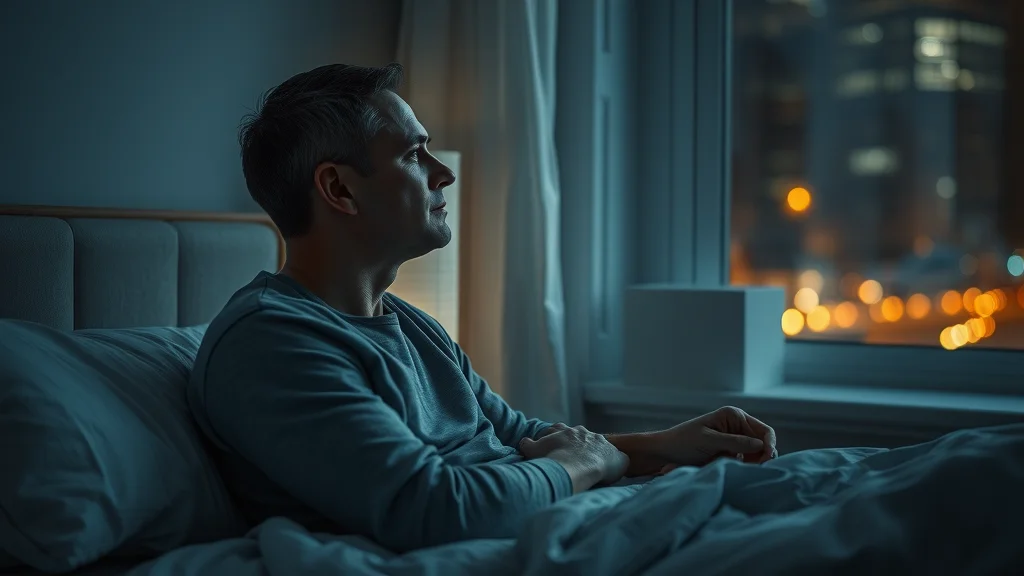
Many people reach a critical point: sleepless nights pile up and desperation takes over. That’s when you start Googling sleeplessness home remedies—maybe it’s a cup of chamomile tea before bed or a dab of essential oil on your pillow. My journey began in the same way, testing everything from herbal teas to over-the-counter sleep aids, often based on advice from well-meaning friends. Initially, some remedies seemed promising, but their effects soon faded.
At worst, I found my sleep problems only deepened, and side effects like grogginess or headaches left me feeling worse the next morning. These real experiences prompt us to ask: are natural sleep remedies as harmless as they seem, or could some make things worse?
Understanding Why People Turn to Sleeplessness Home Remedies
The appeal of home remedies for sleep is clear. Modern life is stressful, and prescription sleeping pills may seem intimidating or excessive for what feels like a temporary issue. Many turn to natural sleep aids like herbal tea or essential oils because they’re perceived as “safe,” or are recommended by family and social media. Chronic insomnia, shift work, and stress-induced sleeplessness are all increasingly common, encouraging more people to seek accessible solutions. T
he internet—along with friends and health forums—often promises quick fixes for sleep problems, but not all advice is grounded in science or best practices. As interest in integrative health grows, so does the demand for approaches that feel gentle and non-invasive, even if they carry hidden risks.
When exploring natural approaches, it's important to remember that not all remedies are equally effective or safe—especially if you’re managing other health conditions. For example, those with chronic pain or joint issues may find that sleep quality is closely tied to underlying inflammation or discomfort. If you’re curious about how your diet could be impacting your rest, you might want to learn about the connection between certain foods and joint pain, which can also influence sleep patterns and overall well-being.
How Sleeplessness Home Remedies Can Backfire
It’s essential to recognize the risks associated with untested or inappropriate home remedies for sleep. While some might offer short-term improvements, others can create new sleep problems or interfere with existing medications. For example, combining herbal supplements with prescription sleep aids could cause unforeseen side effects or negative interactions.
In certain cases, reliance on a particular remedy can mask underlying sleep disorders, allowing chronic issues to worsen over time. Worse still, overuse of over-the-counter sleep aids can lead to dependency or next-day drowsiness, impacting work and overall quality of life. The temptation to self-medicate makes it crucial to seek expert guidance and to prioritize approaches with scientific backing.
“Many home remedies for insomnia lack rigorous testing and may unintentionally exacerbate sleep problems.” – Dr. Isabel Greene, Sleep Medicine Specialist
What Is Insomnia? Recognizing the Sleep Disorder
Defining Insomnia and Sleep Problems
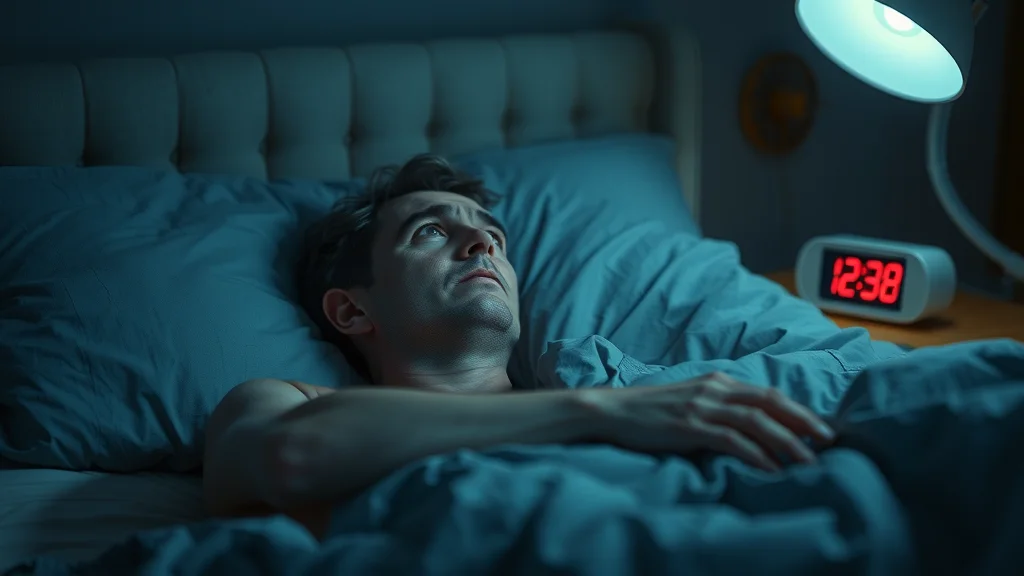
Insomnia is more than a few restless nights; it’s a persistent sleep disorder marked by difficulty falling asleep, staying asleep, or waking up too early and being unable to go back to sleep. According to the National Sleep Foundation, chronic insomnia means symptoms occur at least three times per week and persist for three months or longer. Sleep problems like these can cause fatigue, mood changes, and reduced performance.
Unlike short-term sleep loss, which often is linked to stress or changes in schedule, chronic insomnia can be deeply rooted, sometimes requiring interventions beyond home remedies. Sleep disorders can be related to other health conditions, emphasizing the need for a comprehensive approach to treatment—not just symptom management.
When to Consider Professional Help for Sleep Disorder
While many people try self-help strategies first, certain red flags should prompt early consultation with a healthcare provider. Seek help if insomnia persists for several weeks despite practicing good sleep hygiene, or if daytime function suffers due to fatigue, irritability, or cognitive difficulty. Other warning signs include snoring, apnea (gasping for breath at night), or if sleeplessness is accompanied by symptoms of depression, anxiety, or chronic pain.
Trained sleep health professionals and board-certified sleep medicine providers can diagnose underlying sleep disorders and recommend treatments—from cognitive behavioral therapy to prescription sleep aids—based on your specific needs. Acting early can prevent short-term sleep problems from spiraling into chronic insomnia.
Common Sleeplessness Home Remedies: Do They Really Work?
Popular Natural Sleep Aids and Their Limitations
Home remedies for sleeplessness come in many forms—herbal teas like chamomile, lavender essential oils, melatonin supplements, or warm milk before bedtime. These are widely regarded as gentle alternatives to traditional sleep medicines. While certain remedies, such as melatonin, show moderate promise in supporting a healthy sleep cycle, most lack large-scale clinical trials supporting their efficacy for chronic insomnia.
And know that the National Center for Complementary and Integrative Health urges caution, as not all natural remedies are free from side effects or drug interactions. Many herbal supplements are not regulated as strictly as medicines, raising questions about their purity, dosage, and safety. Consumers are advised to read labels carefully and inform their healthcare providers about any natural sleep aids they use.

Mindfulness Meditation: Benefits and Scientific Evidence
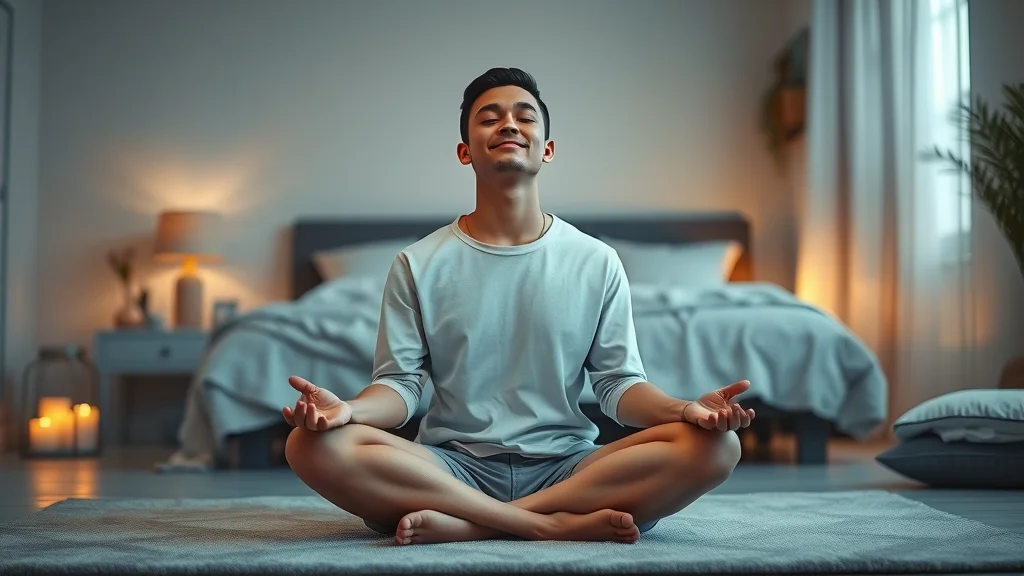
One of the most effective behavioral approaches to falling asleep naturally is mindfulness meditation. Several studies show that regular mindfulness meditation can help reduce the anxiety and racing thoughts that keep people awake at night, enhancing good sleep and relaxation. Research published in the journal JAMA Internal Medicine demonstrated that participants practicing mindfulness had fewer symptoms of insomnia and improved sleep quality compared to those who did not.
Mindfulness meditation routines are accessible, safe, and can be tailored to individuals of all ages, including those with chronic insomnia. Techniques like deep breathing, body scanning, and guided imagery can promote sleep without risk of dependency or major side effects.
Cognitive Behavioral Approaches for Sleep Aid
Evidence consistently points to cognitive behavioral therapy for insomnia (CBT-I) as the gold standard for non-drug treatment of persistent sleep problems. CBT-I helps people challenge unhelpful beliefs and habits that fuel insomnia, while providing strategies to fall asleep and stay asleep. This form of behavioral therapy is supported by decades of research, and the American Academy of Sleep Medicine recommends it as a first-line treatment for chronic insomnia.
Not only does CBT-I address immediate sleep difficulties, but it also targets the root causes, supporting lasting improvements in sleep quality. Interventions may include sleep restriction, stimulus control, and structured relaxation exercises, all designed with science in mind.
“Cognitive behavioral therapy is the gold standard for chronic insomnia and targets the underlying causes rather than just symptoms.” — Dr. Benjamin Lo, Clinical Psychologist (AASM)
Risks and Side Effects of Sleeplessness Home Remedies
Potential Side Effects: Natural and Over-the-Counter Sleep Aids
Even “natural” sleep remedies can carry significant risks if misused. Herbal supplements like valerian root, passionflower, or chamomile have been associated with side effects ranging from mild digestive upset to allergic reactions or, in rare cases, liver toxicity. Over-the-counter (OTC) sleep aids, particularly those containing antihistamines, can cause next-day drowsiness, dry mouth, constipation, blurred vision, or difficulty urinating—especially in older adults.
Combining supplements or mixing them with prescription sleep medicines can provoke dangerous drug interactions. It’s important to read all labels and consult your healthcare provider before adding new sleep aids to your nightly routine, including those marketed as “all natural.”

Overuse of Sleep Aids and Risks of Dependency
Regular use of sleep medications—whether OTC, prescription, or even some natural sleep aids—can lead to tolerance, meaning higher doses are required to achieve the same effect. This pattern increases not only the risk of dependency but also the likelihood of unwanted side effects or withdrawal symptoms.
According to the National Institutes of Health, chronic use of sleep aids may actually worsen insomnia over time or cause rebound insomnia when discontinued. Dependency risks highlight the necessity for moderation, especially among older adults and people with other health conditions. Only use sleep medicines as recommended by your healthcare provider, and never mix multiple sleep aids without professional guidance.
Table: Comparison of Side Effects: Herbal, OTC, and Prescription Sleep Aids
Type |
Common Examples |
Potential Side Effects |
Risk of Dependency |
|---|---|---|---|
Herbal Supplements |
Valerian root, chamomile tea, lavender essential oil |
Allergic reactions, digestive upset, drowsiness, liver toxicity (rare) |
Low to moderate (depends on frequency/dose) |
OTC Sleep Aids |
Diphenhydramine (Benadryl), doxylamine |
Next-day drowsiness, dry mouth, constipation, blurred vision |
Moderate, especially with long-term use |
Prescription Medications |
Zolpidem (Ambien), Eszopiclone (Lunesta) |
Sleepwalking, memory loss, dependence, withdrawal symptoms |
High (strict supervision required) |
How to Fall Asleep Safely: Good Sleep Hygiene Practices
Foundations of Good Sleep Hygiene
Creating a healthy sleep environment and maintaining consistent routines—collectively known as good sleep hygiene—can make a profound difference in both how quickly you fall asleep and how well you stay asleep. The essentials include keeping a steady sleep-wake schedule even on weekends, limiting blue light from screens and caffeine in the hours leading up to bedtime, optimizing your bedroom for comfort and darkness, and practicing a relaxing wind-down routine before bed.
Simple adjustments, like placing your phone face down before sleep and removing work-related distractions from your room, can promote a more peaceful transition to sleep. Practicing these habits nightly is scientifically supported and forms the backbone of behavioral therapy for sleep disorders.
Consistent sleep schedule
Limiting blue light and caffeine intake
Optimizing your sleep environment
Relaxation techniques before bed

Behavioral Therapy and Cognitive Behavioral Sleep Interventions
Behavioral therapies, especially cognitive behavioral therapy for insomnia (CBT-I), are proven to outlast and outperform medication for chronic sleep problems. CBT-I involves unlearning habits that harm sleep and adopting healthier routines—such as only going to bed when sleepy, avoiding naps, and using the bed solely for sleep and intimacy.
Through cognitive and behavioral adjustments, CBT-I addresses both the thoughts (worry, anxiety, negative expectations) and actions that perpetuate insomnia. Unlike sleep pills, behavioral therapy yields lasting improvements in sleep quality without risk of side effects or dependency, making it a highly recommended first-line treatment for persistent insomnia.
“Behavioral therapy for insomnia is highly effective and should be considered before medication, especially for long-term results.” — Dr. Anya Patel, Board-Certified Neurologist
Treatments for Insomnia: Professional and Evidence-Based Options
When to Use Sleeping Pills and Potential Side Effects
Prescription sleeping pills can be appropriate in certain cases—such as severe short-term insomnia or when other treatments have failed—but they are not without risks. Most sleep medicines, including those for chronic insomnia, should be used at the lowest effective dose, for the shortest possible period, and always under medical supervision.
Side effects may include dizziness, memory loss, balance problems, and in rare cases, complex behaviors like sleepwalking. Long-term use heightens the risk of dependency and may require supervised tapering to discontinue safely. Before starting any prescription sleep aid, discuss your full medical history and possible interactions with your doctor.

Cognitive Behavioral Therapy vs. Medication
Current guidelines from the American Academy of Sleep Medicine and similar organizations recommend cognitive behavioral therapy (CBT-I) as the preferred first-line treatment for chronic insomnia. Unlike medication, which mainly addresses sleep symptoms in the short term, CBT-I resolves the psychological and behavioral factors driving insomnia, offering long-lasting relief.
While medication may play a role for acute sleep loss or when immediate symptom relief is necessary, best practice is to use it sparingly and in conjunction with behavioral therapy. Combining treatments can be especially helpful for those with complex health backgrounds or when comorbid anxiety or depression is present.
Efficacy of Professional Treatments: CBT-I vs. Medication
Treatment |
Mechanism |
Benefits |
Drawbacks/Side Effects |
|---|---|---|---|
CBT-I (Cognitive Behavioral Therapy for Insomnia) |
Reshapes thoughts/behaviors around sleep |
Long-lasting improvement, no dependency, targets root causes |
Requires time/commitment, access to trained provider |
Sleep Medication (e.g., Z-drugs, sedative-hypnotics) |
Induces drowsiness, suppresses arousal |
Quick symptom relief, helpful for acute episodes |
Risk of dependency, cognitive/motor impairment, rebound insomnia |
Myths and Facts: Misconceptions About Sleeplessness Home Remedies
Natural doesn't always mean safe or effective
Herbal supplements can interact with prescription medicines
Long-term use of sleep aids is not supported by research

Expert Advice: Steps to Treat Insomnia Safely
Evidence-Informed Strategies for Good Sleep
For anyone dealing with chronic or severe sleep disruption, expert-backed approaches provide the safest and most lasting relief. This includes adhering to good sleep hygiene, practicing mindfulness meditation, and employing validated behavioral therapies such as CBT-I. If you find that home remedies alone aren’t restoring your sleep quality or you experience side effects, don’t wait to seek professional guidance.
Personalized sleep medicine strategies may involve a combination of behavioral changes, therapy, and under careful guidance, short-term medication. Remember, effective treatment addresses both the body and mind—supporting you not only to fall asleep but to stay asleep and achieve restorative, healthy sleep.
How to Recognize When to Seek Medical Support
Knowing when to escalate your care is vital. If you experience ongoing sleep problems despite diligent self-care, if you find yourself relying increasingly on sleep medicines or OTC aids, or if your daily mood, memory, and quality of life are suffering, it’s time to consult a healthcare professional.
Special caution is advised for older adults, people with other medical conditions (especially breathing disorders), and those taking multiple medications, as risks and side effects can be magnified. Licensed sleep specialists will provide individualized assessments and recommend the safest, most effective plan—protecting your well-being and giving you sustainable strategies for restful nights.

People Also Ask: Sleeplessness Home Remedies
How to cure sleeplessness naturally?
Natural approaches to curing sleeplessness focus on good sleep hygiene, relaxation strategies, and lifestyle adjustments. Establishing a consistent sleep-wake schedule, limiting exposure to screens and caffeine before bed, and using relaxation techniques such as mindfulness meditation or deep breathing can significantly promote sleep onset.
Some people find that herbal remedies like chamomile tea or lavender oil contribute to relaxation, but evidence varies and side effects are possible. It’s best to pair natural remedies with proven strategies like cognitive behavioral therapy for insomnia for the highest chance of restoring healthy sleep.
What is the 3-3-3 rule for insomnia?
The 3-3-3 rule for insomnia is a simple cognitive exercise to distract your mind from anxious thoughts and aid relaxation: Name three things you can see, three things you can hear, and move three parts of your body. This grounding technique is drawn from mindfulness-based practices and is intended to refocus your mind—helping you fall asleep without relying on sleep aids or medication.
How to cure insomnia during pregnancy?
During pregnancy, non-drug interventions are preferred to protect both mother and baby. Practicing good sleep hygiene, using supportive pillows, limiting caffeine in the afternoon and evening, and engaging in nightly relaxation (such as gentle stretching or mindfulness meditation) are recommended. If insomnia persists or significantly affects your wellness, consult your prenatal care provider for tailored support and to discuss safe options. Avoid herbal remedies and over-the-counter sleep aids unless approved, as not all are safe in pregnancy.
How to cure insomnia quickly?
There’s no magic overnight fix for chronic insomnia, but symptoms can often be reduced with immediate application of good sleep hygiene, a regular bedtime routine, and short-term relaxation techniques. Practice stimulus control (only use your bed for sleep), minimize naps, and avoid stimulating activities before bed. If sleep difficulties continue more than a few weeks or worsen, seek assessment from a health professional for a personalized, evidence-based plan.

FAQs About Sleeplessness Home Remedies, Sleep Aid and Insomnia
Are sleeplessness home remedies safe for everyone?
While some remedies are generally safe, not all are appropriate for everyone, especially if you are pregnant, elderly, or taking other medications. Always consult your provider before starting a new sleep aid.What are the most common side effects of sleep aids?
Daytime drowsiness, dry mouth, impaired memory, and digestive issues are common. Some sleep aids may cause allergic reactions or risky drug interactions.Is it safe to use herbal sleep aids with prescription drugs?
Not always. Herbal supplements can interact with prescription medications, sometimes dangerously. Discuss all supplements with your healthcare provider.How long should I try home remedies before consulting a doctor?
If insomnia lasts more than a few weeks or interferes with daily life, seek professional help for a thorough evaluation and personalized plan.What are the first steps for better sleep hygiene?
Begin with a consistent sleep schedule, a calming pre-bed routine, limiting screen time and caffeine, and maintaining a cool, dark, quiet bedroom environment.
Key Takeaways: Safe Approaches to Sleeplessness Home Remedies
Sleeplessness home remedies can offer relief but carry risks if used improperly; consult health professionals before starting.
Practicing consistent good sleep hygiene and behavioral therapies is more effective and better supported by evidence.
Understand the side effects of all sleep aids before use.
Professional treatments, including cognitive behavioral therapy, are often safer and more effective long-term.

Conclusion: Navigating Sleeplessness Home Remedies Responsibly
Summary of Risks and Benefits of Sleeplessness Home Remedies
Sleeplessness home remedies can be useful but also carry risks, including side effects, lack of efficacy, or even worsening insomnia if misused. Evidence-based approaches and professional advice should be your guide.
Commit to Evidence-Based Solutions for Restful, Healthy Sleep
Choose science-backed methods—behavioral therapy, good sleep hygiene, and expert input—to improve your sleep quality for the long-term.

Take the First Step: Consult a Certified Sleep Health Professional to Enhance Your Sleep Quality Today
Don’t leave your sleep to chance. Take control by seeking advice from certified professionals and commit to proven solutions for restful, healthy sleep.
If you’re ready to take your self-care journey even further, consider how holistic relaxation and stress management can complement your sleep strategies. Immersing yourself in restorative environments—like a dedicated spa retreat—can help reset your mind and body, making it easier to implement healthy sleep habits at home.
Discover how a comprehensive approach to wellness, including relaxation therapies and mindful self-care, can support your sleep goals by exploring the benefits of a relaxing retreat at The Spa at Pinehurst. Embracing a broader perspective on well-being may be the key to unlocking deeper, more restorative rest and a healthier, more balanced lifestyle.
Informational explainer: "The Science Behind Sleeplessness and Safe Home Remedies" – Learn how insomnia affects the brain, and explore safe, evidence-based home remedies and habits to improve sleep health.
Sources
National Center for Complementary and Integrative Health – https://nccih.nih.gov
National Institutes of Health – https://www.ncbi.nlm.nih.gov/pmc/articles/PMC6340305/
When exploring natural remedies for sleeplessness, it’s essential to distinguish between safe, effective solutions and those that may pose risks. The article “Natural Sleep Aids: Home Remedies to Help You Sleep” from Johns Hopkins Medicine provides valuable insights into various natural sleep aids, including the benefits and limitations of options like melatonin supplements and herbal teas. (hopkinsmedicine.org)
In addition, the Mayo Clinic’s “Insomnia - Diagnosis and Treatment” offers a comprehensive overview of alternative treatments, emphasizing the importance of consulting healthcare professionals before trying new remedies. (mayoclinic.org)
If you’re done with groggy mornings and staring at the ceiling at 3 a.m., these resources are for you. We’ve focused on what science actually says works, so you can stop guessing and start resting. NCWellnessHub.com




Write A Comment