



Did you know our nervous system has two sides—sympathetic and parasympathetic—constantly balancing stress and relaxation? Understanding their differences can help you manage anxiety and improve daily well-being. Discover how mastering this can transform your response to life’s challenges. This guide reveals sympathetic vs parasympathetic nervous system differences with real-world strategies for everyday health.
Core Differences Between Sympathetic vs Parasympathetic Nervous System
Sympathetic: Activates stress, increases alertness.
Parasympathetic: Promotes relaxation and recovery.
Opposite effects on heart rate, digestion, breathing, and energy use.

What You’ll Learn About the Sympathetic vs Parasympathetic Nervous System Differences
Key sympathetic vs parasympathetic nervous system differences in function and daily life
The anatomy and basic roles of each system
How memory tricks and visualizations make their differences easier to recall
Clear, expert-backed answers to common nervous system questions
Real-world applications for stress management and health
Why Understanding Sympathetic vs Parasympathetic Nervous System Differences Matters

Every moment, your body decides whether to take action or to rest and recover. This decision isn’t random—it’s guided by the ongoing dance between your sympathetic and parasympathetic nervous system. When you’re in traffic, about to give a speech, or feeling excitement and anxiety, your sympathetic nervous system takes the lead.
When you’re unwinding after dinner or feeling calm in nature, your parasympathetic nervous system helps you relax and repair. Mastering the sympathetic vs parasympathetic nervous system differences can help you build resilience, reduce stress, and make smart health choices in everyday life.
"Balancing the sympathetic and parasympathetic nervous system is key to emotional resilience and optimal health." — Dr. Alexandra Tran, Neuroscientist
Nervous System Fundamentals: Where Sympathetic and Parasympathetic Fit In
Central nervous system
Peripheral nervous system
Autonomic nervous system overview
The nervous system is your body's information highway, controlling everything from your thoughts to your reflexes. It’s divided into two main branches: the central nervous system (brain and spinal cord) and the peripheral nervous system (all the nerves outside the brain and spine). Within the peripheral nervous system, the autonomic nervous system operates in the background, running vital body processes you don’t consciously control—like heart rate, breathing, and digestion.
The autonomic nervous system itself splits into two powerful teams: the sympathetic and parasympathetic nervous system. Understanding this layout is essential for recognizing how these branches affect your reactions, feelings, and health choices every day.
Nervous System Divisions and Primary Roles
Division |
Main Functions |
|---|---|
Central Nervous System (CNS) |
Brain and spinal cord; processes information, controls thoughts, memory, and movement |
Peripheral Nervous System (PNS) |
All nerves outside CNS; relays messages between body and CNS |
Autonomic Nervous System (ANS) |
Regulates involuntary functions—heart, lungs, digestion |
Meet the Sympathetic Nervous System: Your Body’s Accelerator
The Fight or Flight Response (Sympathetic System in Action)

Accelerates heart rate and breathing
Inhibits digestion
Dilates pupils
Think of the sympathetic nervous system as your body’s internal gas pedal. Its mission? To prep you for action during stressful or threatening situations. When you sense danger—real or imagined—it triggers the iconic fight or flight response. This surge revs up your heartbeat (delivering more oxygen to muscles), speeds up breathing, opens up your lungs, and sharpens your vision by dilating pupils.
Blood flow is shifted away from your digestive system and toward your limbs so you can run or react fast. The sympathetic system is also behind sweaty palms, tense muscles, and a rush of adrenaline felt before public speaking or in emergencies. It’s a critical function, but staying in this “alert mode” too long can be harmful—leading to anxiety, high blood pressure, and fatigue.
That’s why understanding when and how to shift gears is so important for everyday wellness.
If you’re looking for a practical way to quickly calm your body’s stress response and activate your parasympathetic system, you might find it helpful to explore a simple hand technique designed for rapid stress relief. This method can be a valuable addition to your daily routine—learn more about how to stop stress in seconds with this easy approach at this quick stress relief guide.
Understanding the Parasympathetic Nervous System: The Body’s Brake Pedal
Rest and Digest Response (Parasympathetic System in Action)

Slows heart rate and breathing
Stimulates digestive processes
Promotes repair and immune function
If the sympathetic nervous system is your gas pedal, the parasympathetic nervous system is the brake. Its job is to help your body “rest and digest. ” After a meal or in a safe, calm environment, this system kicks in, slowing your heart rate, encouraging deep breathing, allowing pupils to constrict, and putting your digestive system into high gear. This is also when repair and recovery get prioritized—your body fixes small injuries, strengthens the immune system, and rebuilds energy stores.
The vagus nerve is a major player here, sending signals that calm many body functions. Without the parasympathetic system, your body would be stuck in high-stress modes, leading to burnout. Learning to engage this system—through breathing, relaxation, and routine—can dramatically improve health, digestion, sleep, and stress resilience.
Key Sympathetic vs Parasympathetic Nervous System Differences
Comparing Their Actions Side-By-Side
Sympathetic vs Parasympathetic Nervous System Effects: Major Organs
Function |
Sympathetic System |
Parasympathetic System |
|---|---|---|
Heart Rate |
Increases |
Decreases |
Breathing |
Rapid, shallow |
Slow, deep |
Digestion |
Slows or stops |
Stimulates |
Pupil Size |
Dilates |
Constricts |
Blood Flow |
To muscles and brain |
To digestion and organs |
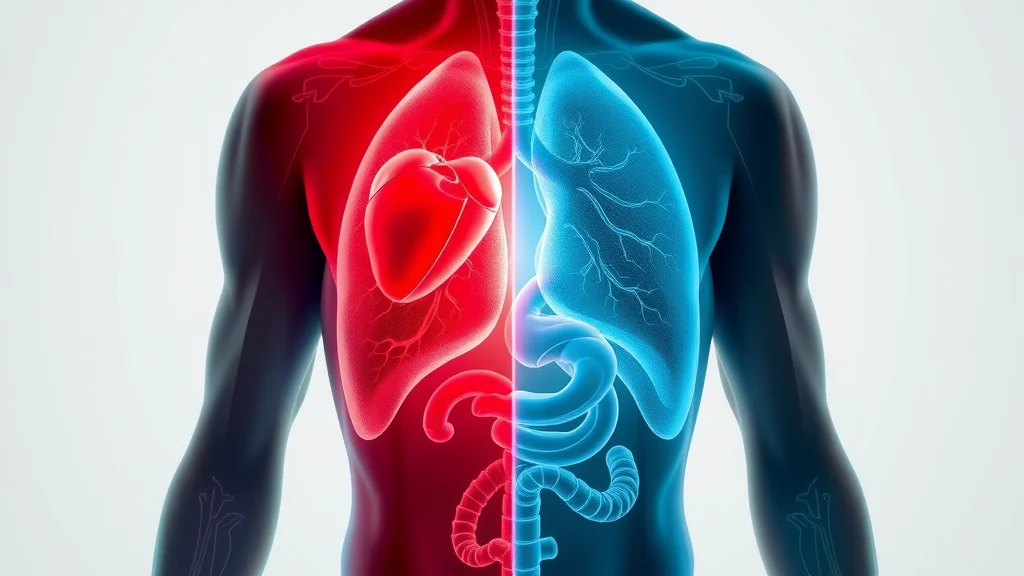
Heart rate: increased vs decreased
Digestion: suppressed vs stimulated
Pupil size: dilated vs constricted
Breathing: rapid vs slow
These changes make clear why the sympathetic and parasympathetic nervous system differences are so important—they create a see-saw effect, each optimally preparing you for life’s demands, whether it’s escaping a threat or healing after a challenge. Understanding these key differences can help you recognize which system you’re using and why your body feels the way it does in different situations.
Autonomic Nervous System: How Sympathetic and Parasympathetic Work Together

Your autonomic nervous system balances the sympathetic and parasympathetic activity seamlessly, just like a see-saw. Both systems are always active, but one will dominate depending on your environment and current needs. This constant push-pull keeps your physiology well-regulated.
If you’re too sympathetic—constantly stressed—your health can suffer. If you’re always parasympathetic and never get active, you might lack motivation or energy. Learning to support both sides through simple daily habits ensures your nervous system functions at its best and keeps you resilient when facing challenges.
Sympathetic vs Parasympathetic Nervous System Differences in Real Life Scenarios
Public speaking: why your heart races
Relaxing after a hard workout
Digesting a meal in a calm setting
Reacting to sudden danger
Imagine stepping on stage for a presentation: your pulse quickens, palms sweat, and your breathing intensifies. That’s the sympathetic nervous system in high gear, mobilizing you for peak performance. Afterward, as you unwind with deep breaths, your parasympathetic nervous system takes over, easing your heart rate and supporting recovery.
Perhaps you’ve enjoyed dinner with friends after a long day—your body shifts gears, aiding digestion and fostering relaxation. Or maybe you’ve jumped out of the way of a speeding bike—an immediate flight response. These everyday scenarios show how both systems work in real time to keep you healthy, alert, and balanced.
Sympathetic and Parasympathetic Nervous System in Daily Wellness

Incorporating mindfulness, regular movement, and social connections can help you manage the dance between stress and recovery. Next time you're nervous before an event or relaxing after exercise, notice these signals—they’re your nervous system controls at work.
Memory Tricks: How to Remember Sympathetic vs Parasympathetic Nervous System Differences
"Sympathetic = Stress, Parasympathetic = Peace"
Visual mnemonics and rhymes
Practical examples and association games
There are simple ways to keep these two systems straight. Try: Sympathetic is for Stress (both start with ‘S’), and Parasympathetic is for Peace (both with ‘P’). Imagine the sympathetic as a sprint (action/alert), and parasympathetic as a picnic (calm/relax).
Play memory games like associating “fight or flight” with a flash of lightning (for immediate action), and “rest and digest” with a leaf gently floating down (for calm). These tricks make it easy to recall sympathetic vs parasympathetic nervous system differences during school, work, or whenever you feel your body’s reaction switch.
Five Main Differences Between the Sympathetic and Parasympathetic Systems
Origin in spinal cord/brain regions: Sympathetic arises from the thoracic and lumbar spinal cord; parasympathetic from the brainstem and sacral spinal cord.
Key neurotransmitters released: Sympathetic uses norepinephrine, parasympathetic uses acetylcholine.
Effects on heart rate: Sympathetic elevates; parasympathetic lowers heart rate.
Impact on digestion: Sympathetic slows digestion; parasympathetic stimulates digestion.
Response to stress and recovery: Sympathetic readies your body to face challenges; parasympathetic restores/restores energy after stress.
Sympathetic and Parasympathetic Imbalance: Signs and Risks
Chronic anxiety or fatigue
Digestive discomfort
Heart palpitations
Immune dysfunction
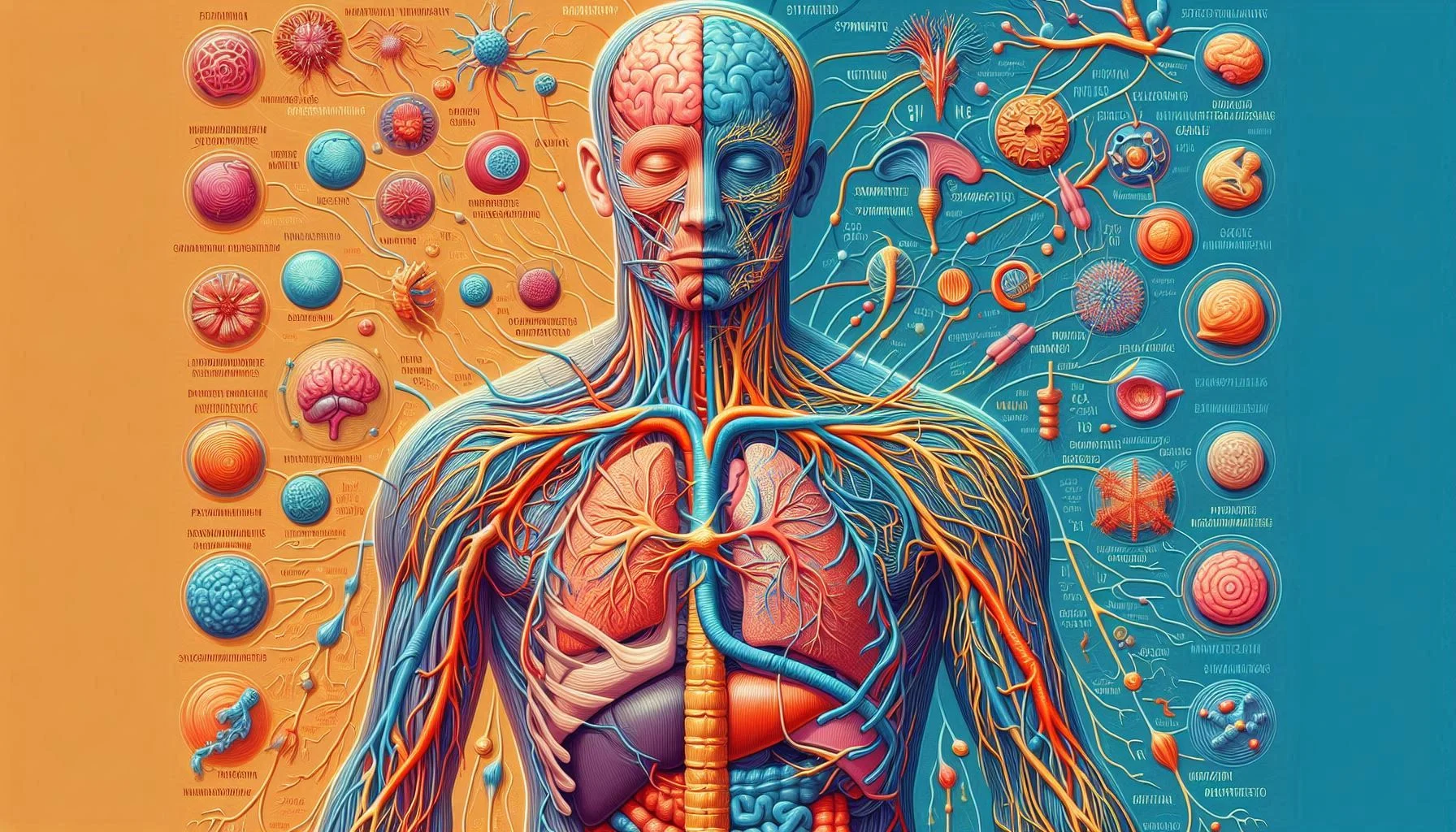
Long-term imbalances between these two systems can lead to serious health issues. If the sympathetic nervous system is overactive, you might experience anxiety, high blood pressure, insomnia, or heart palpitations. If the parasympathetic nervous system dominates excessively, you could struggle with low energy or poor circulation. A balanced autonomic nervous system supports overall wellness, immunity, and resilience against disease.
"A balanced nervous system reduces the risk of chronic disease and enhances longevity." – Dr. Lorraine Kim, Clinical Psychologist
Expert-Backed Tips to Promote Nervous System Balance
Breathwork exercises
Mindfulness and meditation
Progressive muscle relaxation
Balanced nutrition and hydration
To keep your sympathetic and parasympathetic nervous systems in harmony, try regular deep breathing, meditation, and body relaxation techniques. Eating nutritious meals at regular times and staying hydrated are proven strategies to ease the nervous system and tap into your rest and digest mode. Developing these positive daily habits can improve your body’s resilience to stress and support long-term health.
Sympathetic vs Parasympathetic Nervous System Differences: At-a-Glance Table
Major Actions of Sympathetic and Parasympathetic Nervous System
Body System |
Sympathetic Effect |
Parasympathetic Effect |
|---|---|---|
Heart |
Speeds heart rate |
Slows heart rate |
Lungs |
Opens airways (rapid breathing) |
Constricts airways (slow breathing) |
Digestive System |
Slows digestion |
Promotes digestion |
Pupils |
Dilates for better vision |
Constricts for resting vision |
Blood Vessels |
Constricts most, dilates others for alertness |
Relaxes for normal flow |
Immune System |
Suppressed |
Optimized for repair |
People Also Ask: Sympathetic vs Parasympathetic Nervous System Differences
What are the 5 main differences between the sympathetic and parasympathetic systems?
The five main sympathetic vs parasympathetic nervous system differences are: where they start in the nervous system (sympathetic from spinal cord thoracic/lumbar regions, parasympathetic from brainstem and sacral spine), their main neurotransmitters (norepinephrine vs acetylcholine), effect on heart rate (increased vs decreased), impact on digestion (inhibited vs stimulated), and each system's primary role (stress readiness vs relaxation and recovery).
How to remember the difference between sympathetic and parasympathetic nervous systems?
Use this mnemonic: “Sympathetic = Stress, Parasympathetic = Peace. ” Imagine a car: sympathetic hits the gas in emergencies (“go!”) and parasympathetic puts on the brakes when it’s time to “slow down and rest. ” Visual rhymes, like “fight or flight” for sympathetic and “rest and digest” for parasympathetic, also help.
What is the difference between SNS and PNS?
"SNS" refers to the sympathetic nervous system—it prepares the body for action in stressful situations. "PNS" refers to the parasympathetic nervous system—it promotes calm, recovery, and digestion when you're safe and relaxed. Both are part of the autonomic nervous system, but produce opposite effects on major body systems.
Is stress sympathetic or parasympathetic nervous system?
Stress triggers the sympathetic nervous system—your body activates “fight or flight” mode to help you respond to challenges. After the stress passes, the parasympathetic nervous system takes over to repair, restore, and bring the body back to a calm, balanced state.

FAQ: Common Questions About Sympathetic vs Parasympathetic Nervous System Differences
-
How can I tell when each system is active?
You’ll notice sympathetic system activation if your heart races, breathing speeds up, or you sweat from excitement or stress. Parasympathetic system is active when you feel calm, your breathing deepens, digestion feels normal, and you feel sleepy or relaxed.
-
Can chronic stress harm the autonomic nervous system?
Yes, consistently high stress over-activates the sympathetic nervous system, which can exhaust your body, disrupt digestion, weaken immunity, and raise risk of chronic disease. Finding ways to relax and activate your parasympathetic system is critical for long-term health.
-
What’s the best way to calm the sympathetic nervous system?
Practice slow breathing, meditation, or gentle movement. Each encourages the parasympathetic system and helps bring the body back to baseline after stress or excitement.
-
How do lifestyle choices affect nervous system balance?
Habits like eating well, regular movement, consistent sleep, and managing stress with mindful techniques directly support nervous system health and help balance both branches.
-
Are there medical conditions linked to system imbalances?
Yes. Problems like hypertension (high blood pressure), anxiety, digestive disorders, and immune weakness can be linked to long-term overactivity of either system. If you suspect an imbalance, talking to your healthcare provider is key.
Key Takeaways on Sympathetic vs Parasympathetic Nervous System Differences
Both systems are essential for survival and well-being.
Sympathetic = “fight or flight”; Parasympathetic = “rest and digest.”
Balance between systems promotes resilience and health.
Awareness and lifestyle management can optimize your nervous system function.
Explore More on Sympathetic vs Parasympathetic Nervous System Differences
Ready to learn more? Discover more trusted information like this at: NCWellnessHub. com
Take control of your well-being—understand the difference between stress and relaxation in your own body, and start making choices that support lifelong health today.
If you’re interested in taking your stress management even further, consider exploring how a quick, science-backed stress detox can fit into your daily routine. Whether you’re navigating a busy lifestyle or seeking new ways to support your nervous system, discovering a five-minute stress detox can offer practical strategies for lasting calm and resilience.
For a deeper dive into holistic stress relief and actionable wellness tips, check out this guide to escaping the hustle with a 5-minute stress detox—it’s a valuable next step for anyone ready to build a more balanced, energized life.
Sources
Understanding the distinctions between the sympathetic and parasympathetic nervous systems is crucial for managing stress and promoting overall well-being. The Cleveland Clinic’s article, “Parasympathetic Nervous System (PSNS): What It Is & Function,” provides an in-depth look at how the parasympathetic system facilitates relaxation and recovery, counterbalancing the body’s stress responses.
Also, the WHOOP article, “Sympathetic vs. Parasympathetic Nervous Systems: How They Work,” offers insights into the physiological changes each system induces and their impact on heart rate variability.
For a visual explanation, consider watching the above YouTube video “Sympathetic versus Parasympathetic Nervous System | Nervous System,” where Dr. Mike elucidates the anatomical and functional differences between these systems.
Exploring these resources will enhance your understanding of how these systems influence daily health and stress management.




Write A Comment