


Did you know that massage therapy for muscle knots can reduce pain by up to 80%, outperforming stretching alone? Understanding how targeted massage therapy releases stubborn muscle knots reveals a deeper path to lasting relief, making it essential for anyone struggling with persistent knots and tight muscles.
In this comprehensive guide, you'll uncover science-backed solutions and expert strategies for breaking the cycle of tension and restoring comfort and range of motion.
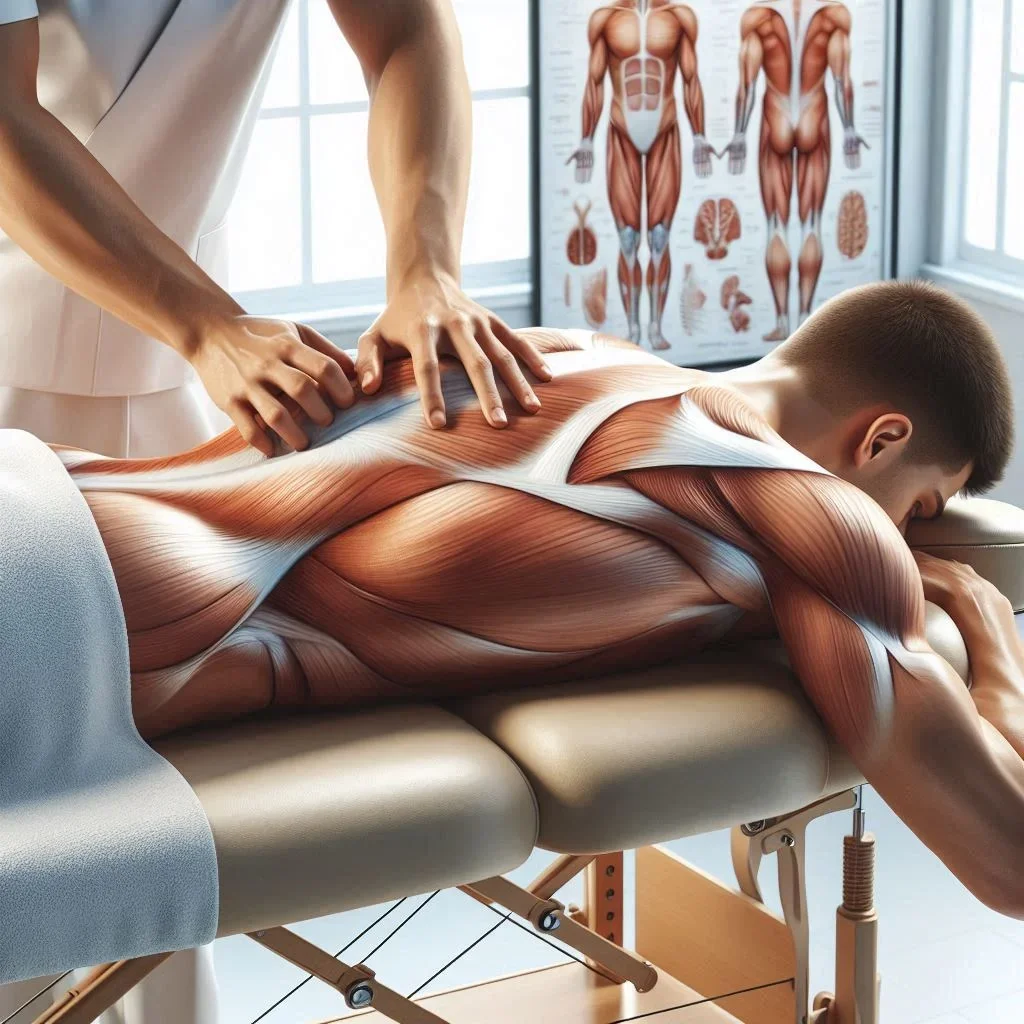
What You'll Learn About Massage Therapy for Muscle Knots
How massage therapy for muscle knots provides greater pain relief than stretching
The science behind muscle knot formation, tight muscles, and trigger points
Evidence-based massage techniques and their effectiveness
Practical steps for seeking effective massage therapy
Expert advice from licensed professionals
Understanding Muscle Knots: What They Are and Why They Occur
What Is a Muscle Knot?
Muscle knots, commonly referred to as trigger points, are tight, sensitive areas in muscle tissue that cause discomfort, pain, and even restricted movement. Unlike a strain or a simple spasm, a muscle knot is a small, hard area where muscle fibers contract and fail to relax, leading to significant tension and discomfort.
These knots are often found in the upper back, shoulders, and lower back, but can form in any muscle group subjected to overuse or improper mechanics. The underlying problem is an accumulation of microscopic muscle fiber contractions and localized muscle tension, which restrict blood flow and trap metabolic waste products in the tissue—amplifying pain and tightness.
These persistent areas are classified as myofascial trigger points and differ from simply feeling sore or tight. While a sore muscle may recover with rest or easy stretching, a true muscle knot is a chronic spot that resists normal recovery and often becomes more pronounced without intervention.
Over time, these knots can cause referred pain—where discomfort is felt in another part of the body—and lead to secondary issues, such as poor posture and reduced muscle health. Understanding the distinct characteristics of muscle knots sets the stage for tailored interventions like massage therapy.
Common Causes of Muscle Knots and Trigger Points
Multiple factors contribute to the development of muscle knots and trigger points. One of the most prevalent is muscle overuse—from repetitive work, intense exercise, or habitual movements that place excessive load on specific muscles. Holding static positions for long periods, like working at a desk or driving, leads to chronic muscle tension and the formation of tight, fibrous bands. Acute injuries, such as muscle strains, can also cause muscular contractions that fail to resolve, creating persistent knots.
Other triggers include dehydration, nutritional deficiencies, and poor ergonomic practices, all of which compromise muscle tissue ability to recover and function. Psychosocial stress is another major culprit—when stressed, people subconsciously tense the shoulders, neck, and back, fostering tightness and knot formation. Underlying medical conditions, such as fibromyalgia, may amplify susceptibility to myofascial trigger points and chronic pain. Recognizing and addressing these causes is key to both preventing and effectively relieving muscle knots.
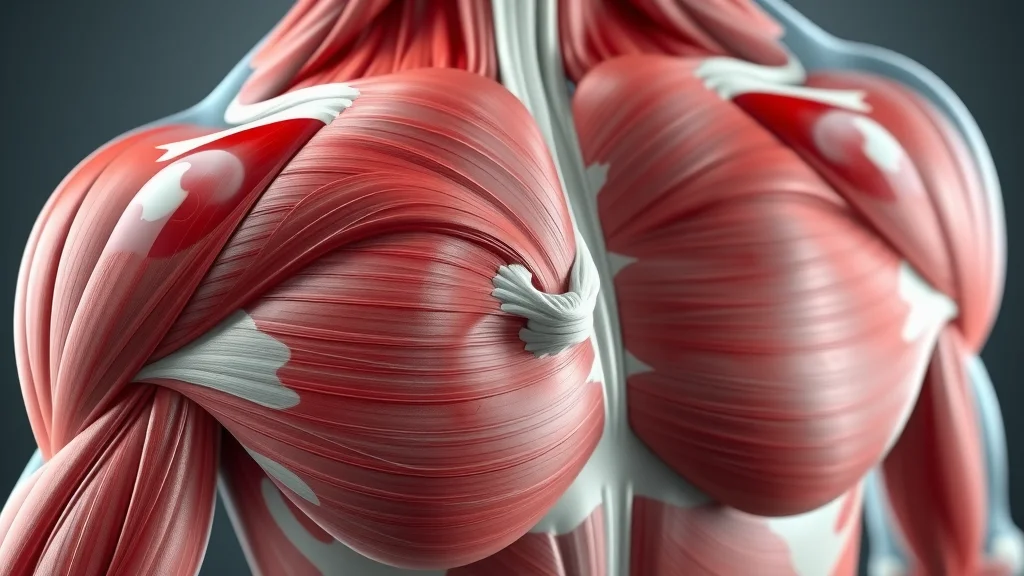
Symptoms: Pain, Tight Muscles, and Reduced Range of Motion
The hallmark symptoms of muscle knots include localized pain, palpable lumps or bands within the muscle, and pronounced muscle tightness. These spots are often tender to touch and may radiate discomfort when pressure is applied—a clear indication of an active trigger point.
In addition to persistent or intermittent pain, muscle knots can severely limit your range of motion, making everyday activities such as turning the head, reaching overhead, or bending over challenging. Individuals with chronic knots frequently report stiffness upon waking or after extended periods of inactivity.
The reduction in blood flow caused by these knots further exacerbates symptoms, as muscles become deprived of oxygen and essential nutrients, impeding recovery and repair. If left untreated, muscle knots can initiate a cycle of dysfunction, where ongoing discomfort weakens adjacent muscle groups and alters movement patterns. This can pave the way for secondary complications like back pain, headaches, and compromised posture, underscoring the importance of effective, targeted care.
"Muscle knots are actually trigger points—densely contracted muscle fibers that restrict blood flow and cause significant discomfort if untreated." – Dr. Lea Morgan, PT, DPT
How Stretching Addresses—But Rarely Resolves—Muscle Knots
Why Stretching Alone Often Fails for Muscle Knot Relief
Stretching is a common recommendation for muscle discomfort, but when it comes to persistent muscle knots or trigger points, simple stretching rarely offers a lasting solution. While stretching may temporarily elongate the affected muscle group and provide relief for tight muscles, it does not address the underlying hardened knot of contracted muscle fibers.
This is because a true muscle knot is a focal point of micro-spasms and restricted blood flow lodged deep within the muscle tissue, rather than a generalized area of tightness. Without targeted intervention, stretching alone has limited power to disrupt these entrenched contractions and restore full range of motion.
Often, people notice minimal improvement or repeatedly feel the knot return after stretching routines. In cases where knots are intensely painful or have become chronic, stretching can even provoke muscle guarding—where the body instinctively tightens up to protect the area, further reinforcing the cycle of tightness and discomfort. While some modalities like dynamic stretching or yoga can certainly enhance overall muscle health and flexibility, they are best viewed as supportive rather than primary strategies for knot relief.
For those seeking additional strategies to support muscle health and prevent recurring discomfort, incorporating core exercises that ease back pain can be a valuable complement to massage therapy, especially for individuals managing chronic tension or arthritis-related issues.
Comparative Outcomes: Stretching vs. Massage Therapy for Muscle Knots (Table)
Research has shown that massage therapy offers superior outcomes for the treatment and management of muscle knots compared to stretching alone. Professional massage targets myofascial trigger points at a deep level, using hands-on techniques to break up dense bands, increase blood flow, and disperse metabolic waste products. This targeted approach not only provides immediate pain relief but also leads to sustained improvements in mobility, especially in areas affected by chronic muscle knots.
The key advantage of massage lies in its ability to physically manipulate tissue, directly address trigger points, and relax the underlying structures causing discomfort. The integration of deep tissue or trigger point therapy has been clinically proven to deliver greater and longer-lasting benefits for patients dealing with stubborn muscle knots.
Comparison of Outcomes: Stretching vs. Massage Therapy for Muscle Knots
Outcome |
Stretching |
Massage Therapy |
|---|---|---|
Pain Relief |
Minimal to temporary |
Substantial, longer-lasting (up to 80% pain reduction) |
Release of Trigger Points |
Rarely achieved |
Frequently achieved with deep tissue/manual techniques |
Improved Range of Motion |
Limited/short-term |
Significant & sustained increase |
Prevention of Recurrence |
Unlikely if knots remain |
More likely—addresses root cause |
Time to Relief |
Weeks to months |
Immediate to within 1–3 sessions |

Massage Therapy for Muscle Knots: The Scientific Mechanisms
What Happens in Your Muscles During Massage Therapy?
During massage therapy for muscle knots, precise physical pressure is applied to the affected area to directly target the contracted bands of muscle tissue known as trigger points. This mechanical stimulation works by gradually softening and lengthening the tight region, disrupting the cycle of sustained contraction and releasing trapped waste. Increased local blood flow is one of the first physiological effects, as massage manually opens blood vessels and helps flush out accumulated byproducts of muscle metabolism.
The benefits go beyond circulation. Massage initiates a cascade of neurological responses: pain receptors are quieted, the nervous system signals the muscle fibers to relax, and inflammation is reduced at the site of the knot. The release of certain neurotransmitters—like endorphins—contributes to an overall sense of well-being and pain relief.
Over several sessions, this repeated mechanical therapy “re-educates” the muscle to maintain a more natural, relaxed state, preventing recurrence and promoting sustained muscle health.
The Role of Blood Flow, Muscle Tension, and Deep Tissue Release
Healthy muscles require adequate blood flow and balanced muscle tension. In muscle knots, restricted blood flow fosters an oxygen-poor environment, leading to further spasm and soreness. Therapeutic massage—especially deep tissue massage and trigger point therapy—focuses on mobilizing and decompressing these areas, stimulating the vascular system to flush out waste and deliver nutrients essential for tissue repair. As the therapist kneads and manipulates the muscle, blood flow increases, helping to break down adhesions and scar tissue within the muscle fibers.
Massage therapy's effectiveness is amplified by its ability to distinguish between superficial tightness and deeper, chronic dysfunction. By varying pressure, targeting specific muscle groups, and employing advanced massage techniques like myofascial release, skilled practitioners can resolve even entrenched knots that stretching alone cannot touch. The overall benefit is a profound reduction in muscle tightness, accelerated healing, and a return to pain-free movement.

Breaking the Cycle: Chronic Trigger Points and Muscle Tension
Certain muscle knots become chronic, resisting home care and repeatedly resurfacing due to ongoing muscle tension or unresolved biomechanical issues. These persistent myofascial trigger points are maintained by habitual posture, repetitive stress, or unaddressed underlying conditions, such as joint dysfunctions or nerve impingements. If not properly treated, these knots not only cause ongoing pain but can compromise global range of motion and even promote compensatory overuse of adjacent muscles.
Massage therapy, especially when performed by a trained professional, can break this vicious cycle. Techniques like deep tissue massage or trigger point therapy may be uncomfortable at first, but systematically address the root cause. As knots release, muscles regain elasticity, joint mobility improves, and nervous system sensitivity decreases. This cycle of improvement highlights why manual therapy is superior to passive stretching for long-term relief and recovery.
"Targeted massage techniques can physically disrupt muscle knots and trigger points, restoring range of motion faster than passive stretching." – Eric Shaw, LMT
Expert Massage Techniques for Muscle Knots
Deep Tissue vs. Other Massage Techniques for Muscle Knot Release
Among the various modalities available, deep tissue massage is widely considered the gold standard for releasing entrenched muscle knots and trigger points. This technique involves slow, firm strokes that penetrate deep layers of muscle tissue, methodically breaking up contracted fibers and adhesions.
Unlike traditional Swedish massage, which focuses on overall relaxation and surface-level tension, deep tissue targets the core of the problem: rigid nodules within specific muscle groups. Trigger point therapy takes this a step further, applying sustained pressure directly on the knot until the muscle releases.
Other complementary techniques—such as myofascial release (which stretches and mobilizes connective tissue), gentle kneading, and cross-fiber friction—can be integrated according to each individual's needs. The key is for the therapist to employ an evidence-based, customized approach, tailoring the session to address both the symptom (pain, tightness) and the underlying cause (persistent myofascial trigger points).

Role of the Skilled Massage Therapist in Identifying Trigger Points
The expertise of a trained massage therapist is crucial when treating muscle knots. Skilled practitioners are adept at detecting subtle differences in muscle tone and identifying hidden or latent trigger points through palpation. They can distinguish between ordinary muscle tightness and true knots, ensuring that interventions are precise and effective.
During the assessment, therapists often identify contributing factors—such as posture problems or muscular imbalances—that may perpetuate or trigger the formation of muscle knots. By combining manual therapy with postural education and, in some cases, corrective exercises, they help prevent recurrence and renew normal range of motion. This holistic approach sets professional massage apart from self-care efforts, supporting long-term muscle health.
Home Care: Self-Massage and Tools for Persistent Muscle Knots
While professional visits are optional, there are several self-care techniques for targeting persistent muscle knots between appointments. These techniques may not match the depth of hands-on therapy, but they can accelerate recovery and help manage symptoms:
Deep tissue massage using thumbs, knuckles, or massage balls
Trigger point therapy with focused pressure on knots
Gentle stretching after active release to prevent recurrence
Using a foam roller for larger muscle groups (like the lower back or thighs)
Myofascial release techniques with specialty tools
When self-massaging, apply steady pressure to the knot for 30–90 seconds or until you feel a “release.” Be cautious with acute pain or underlying injuries—when in doubt, consult a licensed massage therapist before starting a new home care regimen.
Case Studies: Real-Life Benefits of Massage Therapy for Muscle Knots
Patient Outcomes: Lower Back and Neck Muscle Knot Relief
Clinical evidence and patient testimonials consistently show that massage therapy for muscle knots achieves significant success in reducing back pain, resolving lower back and neck tension, and restoring functional movement. For instance, individuals with chronic lumbar knots who received targeted deep tissue work reported both immediate and sustained decreases in pain intensity.
Similar improvements have been documented in office workers with persistent neck tightness: after three to six targeted sessions, most achieved noticeable relief, improved posture, and greater overall comfort.
Case studies also illustrate that the benefits extend beyond just pain relief. Many patients attribute enhanced sleep quality, reduced stress, and improved engagement in physical activities to regular massage therapy. By addressing hidden trigger points in deep muscle groups, professional intervention helps halt the cycle of recurring discomfort that simple stretching, foam rolling, and over-the-counter remedies often fail to resolve.

Data: Reduction in Back Pain and Improved Range of Motion
Multiple studies have demonstrated a quantifiable reduction in both pain and dysfunction following massage therapy for muscle knots. One recent clinical trial found that participants reporting chronic lower back knots experienced an average pain reduction of 70–80% after a series of deep tissue sessions, with a commensurate improvement in range of motion for activities such as forward bending or reaching overhead. In athletic populations, regular myofascial release sessions have been shown to lessen delayed-onset soreness and facilitate faster recovery post-exertion.
This data, combined with decades of anecdotal support, highlights the profound impact expert massage has on both acute and chronic musculoskeletal complaints. The key takeaway is that, unlike stretching or rest, only targeted massage therapy can directly break up entrenched knots, restore movement, and prevent painful recurrences.
"After just three sessions targeting lower back trigger points, my patients experienced up to 80% less pain and increased flexibility." – Dr. Michelle Park, DC
When to See a Massage Therapist for Muscle Knots
Signs It’s Time for Professional Help
While some mild muscle knots can be managed with rest or self-massage, there are clear indications you should seek the expertise of a qualified massage therapist. If your pain persists for more than a week, is severe, or causes significant limitations in daily activities—especially in sensitive areas like the lower back or neck—professional intervention is strongly advised. Other warning signs include persistent numbness, tingling, weakness, or suspected nerve involvement, which could signal underlying problems beyond routine muscle tightness.
When knots prove stubborn to home care or are accompanied by secondary symptoms—such as referred pain, headaches, or chronic stiffness—booking an appointment ensures accurate diagnosis and effective, hands-on treatment. Licensed therapists also provide valuable guidance on posture, ergonomics, and lifestyle adjustments to prevent recurrence and support overall muscle health.
What to Expect in a Professional Massage Therapy Session
A typical session for massage therapy for muscle knots begins with a thorough assessment. Your therapist will ask about symptom history, affected muscle groups, and prior injuries to tailor the session to your unique needs. Next, hands-on evaluation will identify the precise locations of trigger points or areas of muscle tightness. The therapist employs a variety of techniques—such as deep tissue massage, myofascial release, and trigger point therapy—to methodically release knots and restore flexibility.
You should expect some discomfort during targeted pressure, but the sensation should never cross into sharp or intolerable pain. Typically, relief and improved range of motion are apparent after just one to three sessions, though chronic or severe cases may require ongoing care. Post-treatment, your therapist may recommend supplemental stretches, home self-massage routines, or ergonomic modifications to maximize results and minimize future tension.
People Also Ask: Your Muscle Knot Questions Answered
Can a massage therapist get rid of muscle knots?
Yes, a trained massage therapist can effectively identify and release muscle knots, also known as trigger points. Using techniques such as deep tissue massage and focused trigger point therapy, they apply precise pressure to the contracted area, breaking up adhesions, improving blood flow, and allowing the muscle fibers to relax. The majority of patients notice significant pain relief and improved range of motion following professional treatment.
How many massages does it take to get rid of knots?
The number of sessions needed to resolve muscle knots depends on factors such as severity, chronicity, and underlying causes. Generally, most acute muscle knots improve after 1–3 professional sessions. Chronic or deeply embedded knots may require 3–6 visits or ongoing maintenance for optimal, long-term results. Regular assessment by your massage therapist ensures progress and tailors the approach to your body’s response.
What happens when knots are massaged out?
When a knot is properly massaged, the contracted muscle fibers are physically decompressed, restoring normal tone and length. This increases local blood flow, flushes out irritants and metabolic waste, and signals the nervous system to reduce pain perception. It’s common to feel a combination of immediate relief, increased flexibility, and, occasionally, mild post-treatment soreness as the tissue heals and adapts.
How to break up a muscle knot?
The most effective way to break up a muscle knot is through targeted pressure—either from a trained massage therapist or with self-massage tools such as a foam roller or massage ball. Apply steady, tolerable pressure directly to the knot for 30–90 seconds, combined with slow breathing and, after release, gentle stretching of the affected muscle group. For persistent knots, professional intervention remains the gold standard.

Frequently Asked Questions About Massage Therapy for Muscle Knots
Does massage therapy work for chronic muscle knots?
Yes, clinical studies and patient experience confirm that regular massage therapy can resolve chronic knots, restore function, and prevent recurrence.Can massage therapy cause soreness?
It’s normal to experience mild soreness after deep tissue or trigger point work. Soreness typically resolves within 24–48 hours and is a sign of tissue adaptation and healing.How often should you seek massage therapy for tight muscles?
For acute issues, 1–2 sessions per week may be beneficial until symptoms improve. For maintenance or prevention, monthly sessions are often sufficient.Is deep tissue massage always required to release muscle knots?
While deep tissue is highly effective, other techniques (myofascial release, gentle kneading, trigger point therapy) may be tailored to your comfort level and needs.
Key Takeaways: Massage Therapy for Muscle Knots
Massage therapy for muscle knots addresses the root cause of muscle tension and trigger points
Stretching provides only partial relief for chronic muscle knots
Early and targeted massage therapy enhances pain relief and range of motion
Consultation with a skilled massage therapist is recommended for persistent or severe cases
Next Steps: Find an Expert in Massage Therapy for Muscle Knots
Ready to experience the benefits of evidence-based massage therapy for muscle knots? Book a session with a certified therapist and feel the difference.
Take charge of your muscle health today—discover how skilled massage therapy for muscle knots can transform your pain, enhance your mobility, and restore your active life.
If you’re interested in exploring how holistic bodywork can further enhance your well-being, consider learning about the real benefits of CranioSacral Therapy. This gentle, hands-on approach addresses the body’s deeper systems and may offer additional relief for those with chronic pain or tension.
By broadening your understanding of advanced therapeutic techniques, you can unlock new pathways to comfort, resilience, and long-term health. Take the next step in your wellness journey and discover how integrative therapies can complement your massage routine for even greater results.
Sources
National Institutes of Health – https://www.ncbi.nlm.nih.gov/pmc/articles/PMC3868735/
Mayo Clinic – https://www.mayoclinic.org/tests-procedures/massage-therapy/about/pac-20384595
Harvard Health Publishing – https://www.health.harvard.edu/pain/muscle-knots
To enhance your understanding of how massage therapy effectively addresses muscle knots, consider exploring the following resources:
“What Causes Muscle Knots and How to Manage the Pain”: This article from WebMD delves into the causes of muscle knots and offers practical advice on managing the associated pain, including the role of massage therapy. (webmd.com)
“Muscle Knots: Treatment, Causes, and When to Seek Help”: Healthline provides a comprehensive overview of muscle knots, discussing their treatment options and guidance on when professional help may be necessary. (healthline.com)
These resources offer valuable insights into the mechanisms behind muscle knots and the effectiveness of massage therapy in providing relief. NCWellnessHub.com




Write A Comment