


NCWellnessHub.com Signature Series

Why One Player Is Still Sprinting in the 88th Minute While Another Is Cramping on the Sidelines
It's the 87th minute.
The score is tied.
Two midfielders have covered nearly the same distance all game. They trained together all week. They're equally skilled, equally determined, and equally desperate to help their team win.
Then it happens.
One player explodes past the defense, still moving with confidence and purpose.
The other slows to a jog, hands on hips, fighting off calf cramps while trying to catch a breath that never seems to come.
From the stands, it looks like one player is simply "in better shape."
Sometimes that's true.
But often, the difference began long before the opening whistle.
It started with breakfast.
It continued with what they drank on the drive to the field.
It was influenced by how much they sweated during warm-ups, what they consumed at halftime, and whether they replaced the fluids and electrolytes their body lost throughout the match.
Soccer is one of the most physically demanding sports in the world. Players sprint, accelerate, decelerate, cut, jump, think, react, and repeat the process for 90 minutes or more. Every one of those actions depends on a body that can regulate temperature, circulate oxygen efficiently, and keep muscles and nerves working together.
Hydration isn't just about preventing thirst.
It's about protecting performance.
Whether you're a competitive youth player, a high school athlete, a weekend warrior, or the parent packing snacks before Saturday morning kickoffs, understanding how to hydrate properly can improve endurance, sharpen decision-making, speed recovery, and reduce the risk of heat-related illness.
In this guide, you'll learn exactly what to drink, when to drink it, and why those choices matter—before, during, and after every match.
Quick Answer: What Is the Best Soccer Hydration Strategy?
The best soccer hydration strategy begins well before kickoff. Players should drink fluids consistently throughout the day, arrive at the field already well hydrated, replace electrolytes during prolonged or hot-weather matches, and continue drinking fluids after the game to support recovery. Waiting until you're thirsty is often too late, as even mild dehydration can reduce endurance, reaction time, and technical performance.
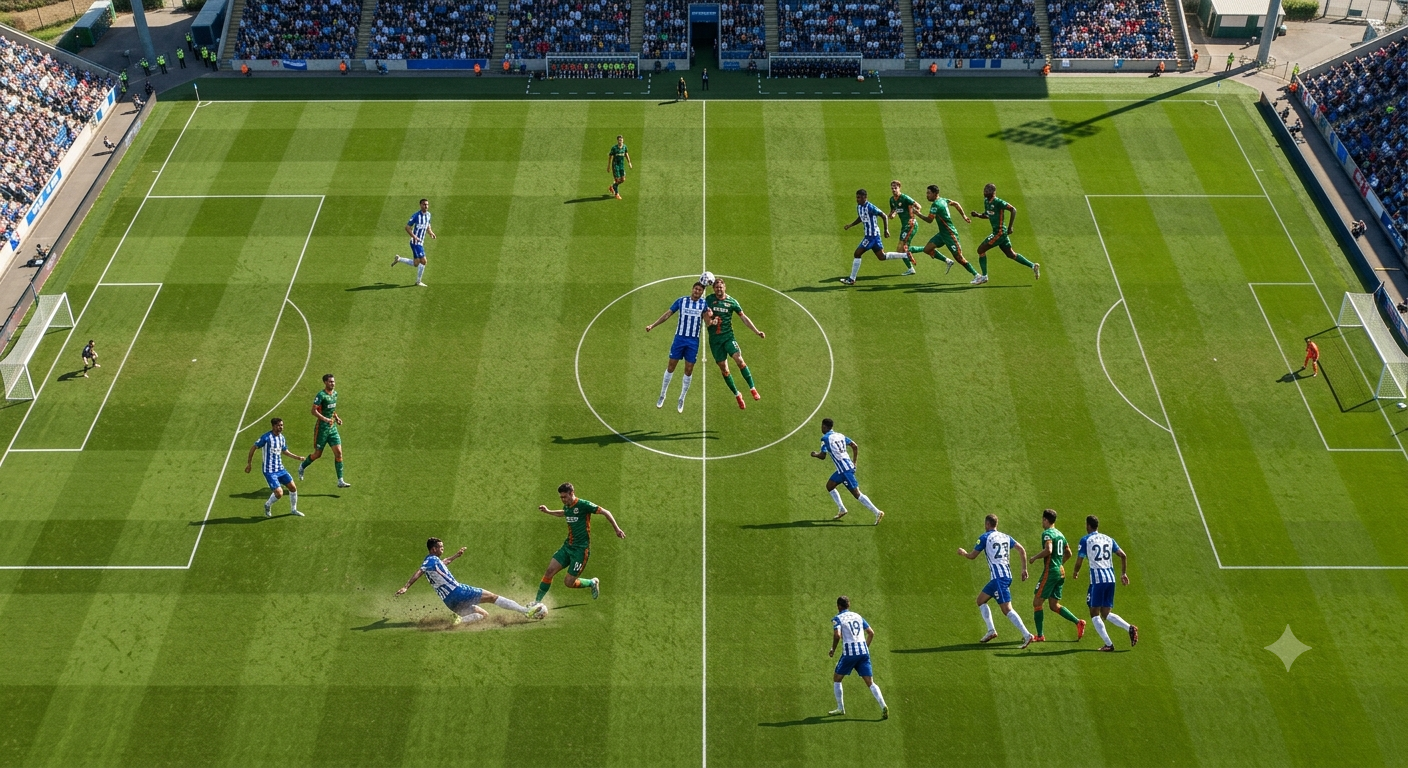
Why Soccer Places Unique Demands on Hydration
Unlike sports that involve continuous movement at one pace, soccer constantly changes intensity.
In a single match, players may:
Sprint at maximum effort.
Jog to recover.
Accelerate and decelerate repeatedly.
Change direction dozens of times.
Jump for headers.
Make rapid tactical decisions while physically exhausted.
That combination creates an enormous demand on the body's cooling system.
Every sprint generates heat. Every muscle contraction produces additional metabolic heat. If that heat isn't removed efficiently, body temperature rises quickly. The body's primary cooling mechanism is sweating—but sweating comes at a cost.
Every drop of sweat carries away water along with electrolytes such as sodium, potassium, and chloride. Lose too much without replacing it, and performance begins to decline.
This is one reason elite soccer clubs place such a strong emphasis on hydration. It's not because professional athletes are more likely to get thirsty. It's because even small changes in hydration status can influence the qualities that decide matches: speed, concentration, reaction time, and decision-making.

Science Simplified: Why Water Matters More Than You Think
Your body is made up of roughly 60% water.
That water isn't just sitting there waiting to make you feel less thirsty. It's working every second of every match.
Water helps:
Transport oxygen and nutrients to working muscles.
Regulate body temperature through sweating.
Lubricate joints during cutting and sprinting.
Support nerve signals that tell muscles when to contract.
Maintain blood volume so your heart doesn't have to work harder than necessary.
As dehydration increases, your blood becomes slightly more concentrated. Your heart must pump harder to deliver oxygen. Body temperature rises more quickly. Muscles fatigue sooner. The brain also feels the effects, making concentration and split-second decision-making more difficult.
That's why hydration is a performance tool—not simply a comfort measure.
The 3-H Hydration System™
One of our goals in the Sports Performance Library is to turn complex science into practical habits. That's where the 3-H Hydration System™ comes in.
Instead of thinking about hydration as something you do during the game, think of it as three connected phases.
1. Hydrate Early
The biggest mistake soccer players make is trying to "catch up" on fluids just before kickoff.
By then, it's often too late.
Start drinking water consistently throughout the day before your match. Eat balanced meals that naturally provide fluids and electrolytes through foods like fruits, vegetables, yogurt, soups, and milk.
Your goal is to arrive at the field already hydrated—not desperately chugging a bottle in the parking lot.
Quick Win
If your urine is pale yellow before leaving home, you're generally starting from a much better place than if it's dark yellow or amber.
2. Hydrate During
Once the match begins, your goal changes.
Now you're trying to slow fluid losses—not completely replace everything you lose.
Take advantage of every opportunity:
Warm-ups
Injury stoppages
Halftime
Substitutions
Between tournament games
Small, consistent sips are usually more effective than drinking a large amount all at once.
For matches lasting longer than an hour—especially in hot or humid conditions—fluids containing electrolytes and carbohydrates may help maintain performance better than plain water alone.
3. Hydrate to Recover
The final whistle doesn't end your hydration strategy.
Recovery begins immediately.
After exercise, your body continues to cool itself, repair muscle tissue, restore glycogen stores, and replace the fluids lost through sweat.
Recovery drinks don't need to be complicated. Water, milk, or a balanced recovery beverage paired with carbohydrates and protein can all play a role depending on the intensity of the session.
The sooner you begin replacing fluids, the better prepared you'll be for your next training session or match.

Coach T's Corner
The players who perform consistently aren't always the most talented—they're often the most prepared.
Hydration isn't a game-day decision.
It's a habit built throughout the week.
Teach young athletes to think of drinking water the same way they think about tying their cleats or warming up. It becomes part of their routine, and routines win seasons.
Your Match-Day Soccer Hydration Timeline
One of the easiest ways to improve performance is to stop wondering when to drink and start following a simple routine.

24 Hours Before
Focus on consistent hydration throughout the day.
Don't force excessive amounts of water. Instead:
Drink regularly with meals.
Include water-rich foods like oranges, watermelon, cucumbers, and berries.
Eat balanced meals containing carbohydrates, lean protein, and moderate sodium.
Avoid excessive alcohol, which can contribute to dehydration.
Think of this day as laying the foundation for tomorrow's performance.
Four Hours Before Kickoff
Aim to drink a generous amount of water over the next several hours rather than all at once.
If temperatures are expected to be high or humidity will be significant, consider including an electrolyte-containing beverage.
This is also a great time to eat your main pre-match meal.
Two Hours Before
Reduce large fluid intake and switch to smaller drinks.
You should feel comfortably hydrated—not bloated.
Avoid experimenting with unfamiliar energy drinks or supplements on match day.
During Warm-Ups
Take several small sips of water.
Warm-ups begin the sweating process well before kickoff.
Replacing small amounts now can help delay dehydration later.
Halftime
Halftime is one of the most valuable hydration opportunities of the entire match.
Players should:
Drink fluids.
Replace electrolytes if conditions are hot or the match is particularly demanding.
Consume a small amount of easily digested carbohydrate if appropriate for age and competition level.
Those 15 minutes can influence the final 45.

Water vs. Sports Drinks vs. Electrolytes: Which Is Best?
Walk down the beverage aisle of any grocery store before a tournament weekend, and you'll see dozens of brightly colored bottles all promising better performance.
Some advertise electrolytes.
Others promise rapid hydration.
Some contain carbohydrates.
Others contain almost none.
So which one should soccer players actually choose?
The honest answer is:
It depends on the length and intensity of your activity, the weather, and how much you're sweating.
Fortunately, the decision isn't nearly as complicated as marketing makes it seem.
Plain Water
For many recreational players, water is exactly what the body needs.
Water works best when:
Training lasts less than 60 minutes.
Temperatures are mild.
Sweat losses are relatively low.
Players are already well hydrated before exercise.
If you're attending a normal weekday practice in comfortable weather, water is often sufficient.
However, as duration and sweat loss increase, water alone may no longer replace everything your body is losing.
Sports Drinks
Sports drinks provide three primary ingredients:
Water
Electrolytes
Carbohydrates
The carbohydrates provide quick energy while electrolytes help replace minerals lost through sweat.
Sports drinks become more useful when:
Matches exceed one hour.
Temperatures are hot and humid.
Tournament weekends involve multiple matches.
Players are performing repeated high-intensity efforts.
Not every practice requires a sports drink.
But some certainly do.
Electrolyte Drinks and Tablets
Electrolyte mixes have become increasingly popular because they replace sodium and other minerals without always adding large amounts of sugar.
They're particularly useful for players who:
Sweat heavily
Notice white salt stains on clothing
Experience frequent muscle cramps
Compete during extremely hot weather
Play multiple matches in one day
Some athletes prefer electrolyte tablets because they're portable, customizable, and easy to add to a reusable water bottle.
Coconut Water
Natural coconut water contains potassium and small amounts of several electrolytes.
While it can contribute to hydration, it generally contains less sodium than many athletes lose through sweat.
Think of coconut water as one hydration option—not necessarily the best choice for every player or every match.
Energy Drinks
This one deserves its own warning.
Despite clever advertising, energy drinks are not designed to hydrate athletes.
Many contain:
Large amounts of caffeine
High sugar content
Stimulants that may increase heart rate
For young athletes especially, energy drinks should never replace proper hydration.
Quick Comparison Guide
Drink |
Best For |
Limitations |
|---|---|---|
Water |
Most practices under 60 minutes |
Doesn't replace electrolytes during heavy sweating |
Sports Drink |
Long matches and tournaments |
Often contains added sugar |
Electrolyte Drink |
Heavy sweaters and hot weather |
Usually doesn't provide carbohydrates |
Coconut Water |
Light recovery |
Lower sodium content |
Energy Drinks |
Not recommended for hydration |
Can impair rather than support performance |

Coach T's Corner™
"Don't buy a drink because the label says 'performance.' Buy it because it matches the demands of your day. A Tuesday evening practice doesn't need the same hydration strategy as a three-game Saturday tournament."
How Much Should Soccer Players Actually Drink?
One of the biggest misconceptions in sports is that everyone should drink the same amount of water.
They shouldn't.
Hydration needs vary based on:
Body size
Age
Sweat rate
Exercise intensity
Temperature
Humidity
Playing position
Individual physiology
A goalkeeper standing in cool weather has different hydration needs than a midfielder covering seven miles during a humid summer match.
Instead of chasing a universal number, learn to monitor your own body's signals.
Good indicators include:
Urine color
Body weight before and after exercise
Thirst
Energy levels
Frequency of muscle cramps
One of the simplest methods used by sports scientists is weighing athletes before and after training.
A noticeable loss in body weight usually reflects fluid loss through sweat.
The Hidden Cost of Losing Just 2% of Your Body Weight
This is where hydration becomes a performance issue—not just a comfort issue.
Imagine a 170-pound player losing just over three pounds through sweat.
That represents roughly 2% of body weight.
Research has shown that even this relatively small amount of dehydration may contribute to:
Reduced endurance
Faster fatigue
Higher heart rate
Slower reaction times
Poorer concentration
Less accurate passing
Slower sprint performance
Increased perception of effort
In other words...
The game doesn't suddenly become harder because your opponents improved.
It feels harder because your body is working harder to accomplish the same tasks.

Science Simplified
Think of your cardiovascular system like a delivery service.
Its job is to move oxygen and nutrients to working muscles.
When dehydration reduces blood volume, the heart has to work harder to make the same deliveries.
The result?
Higher effort.
More fatigue.
Lower performance.

Soccer in the North Carolina Summer
Anyone who has watched youth soccer in North Carolina during July knows one thing:
The heat doesn't just sit there.
It wraps around you.
High humidity limits the body's ability to cool itself because sweat evaporates more slowly.
That means players often sweat more while cooling themselves less efficiently.
During hot-weather training:
Begin hydrating early in the day.
Increase electrolyte intake if sweating heavily.
Use shaded rest breaks whenever possible.
Wear light-colored clothing when appropriate.
Cool down gradually after training.
Never ignore dizziness, chills, confusion, or nausea.
Parents should remember that children often become so focused on playing that they forget to drink.
Scheduled water breaks matter.

Coach T's Corner™
"Heat wins every argument. It doesn't care how talented you are, how fit you feel, or how important the tournament is.
Respect the weather before it forces you to."
The 10 Biggest Hydration Mistakes Soccer Players Make
Even experienced athletes sometimes sabotage their own performance without realizing it.

Here are the mistakes I see most often:
1. Waiting Until You're Thirsty
Thirst often lags behind your body's actual hydration needs.
2. Chugging Water Right Before Kickoff
Your body absorbs fluids better over time than all at once.
3. Ignoring Electrolytes During Long Matches
Heavy sweating means you're losing more than just water.
4. Drinking Too Little During Tournament Weekends
Multiple games require a multi-game hydration strategy.
5. Replacing Meals With Sports Drinks
Sports drinks supplement nutrition—they don't replace it.
6. Depending on Energy Drinks
Performance and stimulation aren't the same thing.
7. Forgetting Recovery Hydration
The match ends.
Recovery doesn't.
8. Ignoring Hot, Humid Conditions
Weather changes everything.
9. Assuming Everyone Needs the Same Amount
Hydration should be individualized.
10. Making Hydration a Game-Day Habit Instead of a Daily Habit
Championship preparation begins long before kickoff.

Parents' Corner
Young athletes often depend on adults to build good hydration habits.
Parents can make a tremendous difference by:
Sending players with a full water bottle every practice.
Encouraging regular drinking throughout the day.
Packing fruit alongside post-game snacks.
Planning hydration before tournaments.
Modeling healthy hydration habits themselves.
The goal isn't perfection.
It's consistency.
Frequently Asked Questions About Soccer Hydration
Is water enough for a soccer game?
For practices or matches lasting less than an hour in comfortable weather, plain water is often sufficient for most players.
However, during long matches, tournament weekends, or hot and humid conditions, drinks containing electrolytes—and in some cases carbohydrates—may better support performance and recovery.
Should kids drink sports drinks?
Most children playing recreational soccer can stay well hydrated with water and a balanced diet.
Sports drinks may have a role during prolonged, high-intensity matches or tournaments in hot weather, but they shouldn't become an everyday beverage.
Parents should focus first on building healthy hydration habits rather than relying on specialty drinks.
Can you drink too much water?
Yes.
Although uncommon, drinking excessive amounts of water without replacing sodium can lead to a dangerous condition called exercise-associated hyponatremia.
Fortunately, this is rare and usually occurs during prolonged endurance events.
The goal isn't to drink as much as possible.
The goal is to drink appropriately.
Does coffee dehydrate soccer players?
Moderate amounts of coffee are unlikely to cause significant dehydration in people who regularly consume caffeine.
However, coffee should never replace water or electrolyte-containing beverages before or during exercise.
Are muscle cramps always caused by dehydration?
Not always.
Muscle cramps are complex and may be influenced by fatigue, conditioning, electrolyte balance, and individual physiology.
Proper hydration may reduce risk in some athletes, but it isn't the only factor involved.
What color should my urine be before a match?
A pale yellow color generally suggests adequate hydration.
Very dark yellow or amber urine may indicate you should increase fluid intake before activity.
Remember that certain vitamins and medications can temporarily change urine color.
How can I tell if I'm sweating a lot?
Some players naturally lose more fluid than others.
Signs include:
White salt stains on clothing
Sweat dripping early during activity
Frequent muscle cramps
Needing to refill bottles more often than teammates
These athletes may benefit from paying closer attention to electrolyte replacement.
What's the best drink after soccer?
Recovery depends on replacing:
Fluids
Electrolytes
Carbohydrates
Protein
Chocolate milk, low-fat milk, balanced recovery shakes, or a nutritious meal with water can all be excellent choices depending on the intensity of the session.
Coach T's Corner™
"Your hydration plan shouldn't start when the referee blows the whistle. It should start when you wake up that morning. Great performances are usually built from dozens of small habits that nobody in the stands ever notices."

The Ultimate Match-Day Hydration Checklist
Before You Leave Home
✅ Drink water consistently throughout the morning.
✅ Eat a balanced meal with carbohydrates and protein.
✅ Pack a full water bottle.
✅ Bring extra fluids for hot weather.
Before Kickoff
✅ Take small sips during warm-ups.
✅ Avoid trying new drinks or supplements.
✅ Check the weather and adjust accordingly.
During the Match
✅ Drink during halftime.
✅ Use substitutions or stoppages when possible.
✅ Replace electrolytes if conditions are especially hot or the match is prolonged.
After the Match
✅ Begin drinking fluids soon after the final whistle.
✅ Eat carbohydrates and protein.
✅ Continue hydrating throughout the evening.

Key Takeaways
If you only remember five things from this guide, make them these:
1. Hydration starts long before kickoff.
Waiting until you're thirsty often means you're already behind.
2. Soccer demands more than just water.
Long matches, tournaments, and extreme heat often require electrolyte replacement as well.
3. Every player is different.
Body size, sweat rate, weather, and exercise intensity all influence hydration needs.
4. Recovery begins immediately.
Replacing fluids after the match prepares your body for the next training session.
5. Consistency beats perfection.
Good hydration is a daily habit—not a last-minute decision.
Continue Building Your Soccer Performance
Hydration is only one piece of elite performance.
To build complete match fitness, continue with these Sports Performance resources:
➡ The 90-Minute Engine: How to Build Elite Soccer Stamina at Home (No Gym Required)
➡ Best Recovery Meals After Soccer
➡ Strength Training for Soccer Players
➡ Soccer Agility Drills
➡ Heat Safety for Young Athletes
➡ Sprint Training for Soccer Players
Together, these guides form the foundation of the NCWellnessHub Sports Performance Library—helping athletes, parents, and coaches train smarter, recover better, and perform with confidence.

Final Thoughts
The best soccer players don't leave performance to chance.
They prepare.
They train.
They recover.
And they pay attention to details that many competitors overlook.
Hydration may seem simple compared to tactical drills or strength training, but its effects reach every part of your game—from your first sprint to your final decision in stoppage time.
The encouraging news?
Unlike talent, hydration is completely within your control.
Whether you're preparing for your child's first recreational season, chasing a starting position on your high school team, or competing at the highest level you can reach, building smart hydration habits today can help you perform better tomorrow.
Drink with purpose.
Recover with intention.

And remember what Coach T says:
"Championships aren't won by the biggest moments. They're won by the small habits repeated every single day."
References & Resources:
American College of Sports Medicine - Position Stands on exercise and fluid replacement.
National Athletic Trainers' Association - recommendations on hydration and heat illness prevention.
American Academy of Pediatrics - guidance on youth sports hydration.
Gatorade Sports Science Institute - research summaries on hydration and sweat loss (used cautiously alongside independent sources).




Write A Comment