
Add Row
Add Element
NC Wellness Hub
update
North Carolina Wellness Hub
update
Add Element
  • Home
  • Categories
    • Wellness
    • General Health
    • Holistic
    • News
    • Living & Travel
    • Lifestyle
    • Fitness & Exercise
    • Mental Health
    • Stress Management
    • FEATURE
    • Sleep
    • Allergies
    • Medicines & Supplements
    • Weight Loss
    • Kids Health
    • Fertility & Pregnancy
    • Cancer
    • Heart Health
    • Skin & Hair
    • Arthritis
    • Dental
    • Vision
  • Bone Health
  • Digestive
7 Minutes Read

Transform Your Love Life: How Physical Fitness and Body Confidence Create Amazing Intimacy

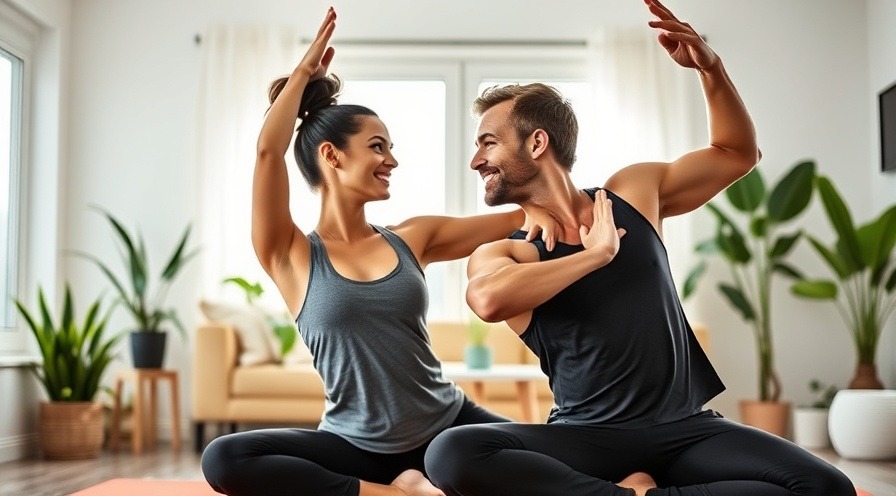
couple in athletic wear practicing partner yoga in a bright, modern home, showcasing fitness and connection.

Transform Your Love Life: How Physical Fitness and Body Confidence Create Amazing Intimacy

Discover the science-backed connection between feeling strong in your body and thriving in the bedroom


The Mind-Body Connection in Intimacy

When it comes to great sex, the conversation often focuses on technique or communication—but there's another crucial element that deserves attention: how you feel in your own skin. The relationship between physical fitness, body confidence, and sexual satisfaction isn't just about appearances; it's about energy, strength, flexibility, and the deep confidence that comes from taking care of yourself.

Dr. Barry Komisaruk, a renowned neuroscientist at Rutgers University and co-author of "The Science of Orgasm," explains that physical fitness directly impacts sexual function through improved blood flow, enhanced sensitivity, and increased stamina. But perhaps even more importantly, regular exercise builds the kind of body confidence that translates into better intimacy.


The Science Behind Fitness and Sexual Health

Enhanced Blood Flow and Circulation

Regular cardiovascular exercise is like a tune-up for your entire circulatory system. According to research published in the Journal of Sexual Medicine, improved cardiovascular health directly correlates with better sexual function in both men and women. When your heart is strong and your blood flows freely, every part of your body—including those most important for intimacy—receives better oxygen and nutrient delivery.

Dr. Jennifer Berman, urologist and co-founder of the Female Sexual Medicine Center at UCLA, notes that "cardiovascular exercise increases nitric oxide production, which helps blood vessels dilate and improves genital blood flow—essential for arousal and sexual response."

Hormonal Balance and Mood Enhancement

Exercise naturally optimizes your hormonal profile in ways that support a healthy sex drive. A study in the Archives of Sexual Behavior found that regular physical activity increases testosterone levels in both men and women, while also reducing cortisol (stress hormone) levels that can interfere with libido.

The endorphins released during exercise—often called "feel-good" hormones—create a natural mood boost that extends well beyond your workout. This improved mood and reduced stress naturally enhance your desire for intimacy and connection.

Core Strength and Physical Stamina

Let's be honest: good sex can be quite the workout! Having a strong core, flexible hips, and good overall stamina can make intimacy more comfortable, enjoyable, and sustainable. Physical therapist and pelvic health specialist Dr. Heather Jeffcoat explains that:

"core strength supports better positioning and endurance, while flexibility in the hips and lower back can prevent discomfort and allow for more variety in intimate positions."


Building Body Confidence That Radiates

Shifting Focus from Appearance to Function

True body confidence in the bedroom comes from appreciating what your body can do, not just how it looks. When you feel strong, flexible, and energetic, that confidence is genuinely attractive and enhances intimacy.

Research from the Body Image journal shows that people who engage in regular physical activity report higher levels of body satisfaction and sexual confidence, regardless of their actual body composition or weight.

The Power of Feeling Strong

There's something uniquely empowering about feeling physically strong. Whether it's lifting weights, holding a yoga pose, or completing a challenging hike, these achievements build genuine confidence that extends into all areas of life—including the bedroom.

Dr. Eli Coleman, sexologist and professor at the University of Minnesota, notes that "when people feel physically capable and strong, they're more likely to be present and engaged during intimate moments, rather than worried about how they look or whether they'll have enough energy."


wellness items promoting fitness and well-being.


Practical Fitness Strategies for Better Intimacy

Cardiovascular Health: Your Foundation

Start with activities you actually enjoy. This might be:

  • Brisk walking or hiking

  • Swimming

  • Dancing

  • Cycling

  • Playing recreational sports

Aim for at least 150 minutes of moderate-intensity exercise per week, as recommended by the American Heart Association. This foundation of cardiovascular health supports everything else.

Strength Training: Building Confidence from the Inside Out

You don't need to become a bodybuilder, but building functional strength offers numerous benefits:

Focus Areas:

  • Core muscles (planks, dead bugs, bird dogs)

  • Glutes and hips (squats, hip bridges)

  • Overall functional movements (deadlifts, rows, push-ups)

A study in the Journal of Strength and Conditioning Research found that women who engaged in regular strength training reported significantly higher levels of body satisfaction and sexual confidence.

Flexibility and Mobility Work

Yoga, stretching, or mobility work can improve comfort and confidence during intimate moments. Focus on:

  • Hip mobility

  • Spinal flexibility

  • Shoulder and neck tension release

Dr. Lori Brotto, professor of gynecology at the University of British Columbia and author of "Better Sex Through Mindfulness," emphasizes that "practices like yoga that combine physical movement with mindfulness can be particularly beneficial for sexual well-being."

Pelvic Floor Health

Both men and women benefit from pelvic floor exercises. These muscles support core stability and play a crucial role in sexual function. Consider working with a pelvic floor physical therapist to learn proper techniques.


hands preparing a nutritious meal with fresh ingredients.


Nutrition That Supports Energy and Confidence

Foods for Energy and Stamina

What you eat directly impacts your energy levels and how you feel in your body:

Energy-Supporting Foods:

  • Complex carbohydrates (oats, quinoa, sweet potatoes)

  • Lean proteins (fish, poultry, legumes)

  • Healthy fats (avocados, nuts, olive oil)

  • Antioxidant-rich fruits and vegetables

Dr. David Katz, director of the Yale-Griffin Prevention Research Center, explains that "a diet rich in whole foods supports stable energy levels and reduces inflammation, both of which contribute to better sexual health and overall vitality."

Hydration and Its Impact

Proper hydration affects everything from energy levels to skin health. Dehydration can lead to fatigue and reduced physical performance—not ideal for intimacy.

Limiting Energy Drains

Excessive alcohol, processed foods, and too much caffeine can all impact energy levels and body confidence. Moderation is key.


Creating Sustainable Habits

Start Where You Are

The best fitness routine is one you'll actually stick with. Start with small, manageable changes:

  • Take a 10-minute walk after dinner

  • Do 5 minutes of stretching before bed

  • Try one new healthy recipe per week

Make It Enjoyable

Find physical activities that feel good rather than punitive. This might mean:

  • Dancing in your living room

  • Hiking with friends

  • Trying a new fitness class

  • Playing active games with your partner

Focus on How You Feel

Track your progress based on how you feel rather than just appearance changes:

  • Energy levels throughout the day

  • Quality of sleep

  • Mood and confidence

  • Physical strength and endurance


The Mental Health Connection

Exercise as Stress Relief

Chronic stress is one of the biggest killers of libido and sexual satisfaction. Regular exercise is one of the most effective ways to manage stress naturally.

A study in the International Journal of Sexual Health found that people with lower stress levels reported significantly higher sexual satisfaction and more frequent intimate encounters with their partners.

Building Mental Resilience

Physical challenges in the gym or during workouts build mental resilience that translates into confidence in other areas of life, including intimacy.

Mindfulness and Body Awareness

Exercise, especially practices like yoga or martial arts, can improve body awareness and mindfulness—qualities that enhance intimate experiences.


Working Together: Partner Fitness

Making It a Team Effort

Exercising with your partner can strengthen your relationship while improving both of your physical health:

  • Take evening walks together

  • Try partner workouts

  • Sign up for a dance class

  • Go hiking or biking together

Research from the Journal of Social and Personal Relationships shows that couples who exercise together report higher relationship satisfaction and intimacy levels.

Supporting Each Other's Goals

Create an environment where both partners feel supported in their health and fitness goals. This might mean:

  • Preparing healthy meals together

  • Encouraging each other's workout routines

  • Celebrating non-appearance-based victories

  • Being patient with each other's progress
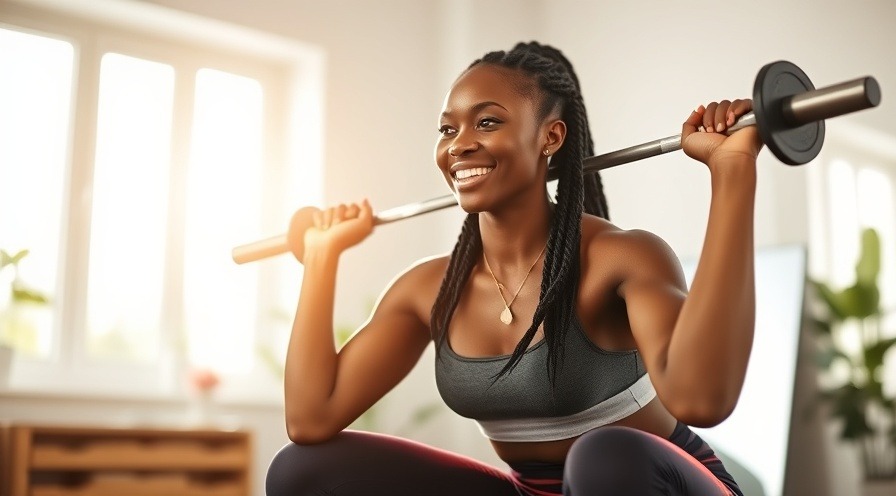

Confident woman strength training in stylish athletic wear in bright home gym.


Professional Support When Needed

When to Seek Help

If you're dealing with significant body image issues, sexual dysfunction, or other concerns that impact intimacy, professional support can be invaluable:

  • Certified sex therapists

  • Pelvic floor physical therapists

  • Registered dietitians

  • Mental health counselors specializing in body image

Finding the Right Approach

Everyone's body and situation is different. What works for your friend might not work for you, and that's completely normal. Consider working with professionals who can provide personalized guidance.


Realistic Expectations and Timeline

Progress, Not Perfection

Building fitness and body confidence is a gradual process. You might notice:

  • Week 1-2: Improved energy and mood

  • Month 1: Better sleep and reduced stress

  • Month 2-3: Increased strength and stamina

  • Month 3+: Enhanced body confidence and sexual satisfaction

Individual Differences

Remember that everyone progresses at their own pace. Focus on your own journey rather than comparing yourself to others.


Conclusion: Embracing Your Strongest, Most Confident Self

The connection between physical fitness, body confidence, and sexual satisfaction isn't about achieving a particular look—it's about feeling strong, energetic, and comfortable in your own skin. When you take care of your body through movement and nourishing foods, you're investing in every aspect of your well-being, including your intimate relationships.

Start small, be consistent, and remember that the goal is feeling amazing in your own body. That confidence and vitality will naturally enhance every aspect of your life, creating a positive cycle that benefits both you and your partner.

Your journey to better fitness and body confidence is uniquely yours. Embrace it with patience, kindness toward yourself, and excitement for the stronger, more confident version of yourself you're becoming.

Fitness & Exercise

Write A Comment

*
*
Related Posts All Posts

Indoor Workouts That Actually Make You Want to Move

Last winter, stuck inside and uninspired, I discovered indoor workouts that transformed my fitness routine from dull to dynamic. These indoor workouts made moving enjoyable again, showing how the right indoor workout routines can break boredom and boost motivation, no matter the weather or your space.How Indoor Workouts Spark Motivation—A Personal DiscoveryIf you’ve ever faced a chilly North Carolina morning, you know how tough it can be to gather the motivation for physical activity. Enter indoor workouts—a game-changer for anyone looking to stay active without braving the elements. My own journey began when traditional exercise felt more like an obligation than something to look forward to.That changed with the right indoor workouts, which made indoor workout sessions accessible and, honestly, fun. Whether you’re working in a home gym, the corner of your living room, or a modest bedroom, indoor workouts provide variety, flexibility, and a sense of accomplishment after every indoor workout session.Through accessible indoor workouts, I found new ways to move my body and engage my mind with effective indoor workout techniques. From energizing HIIT routines to mindful yoga flows, each session felt less like a chore and more like a personal win—even as rain battered the windows outside. Not only did my fitness improve, but so did my mood and resilience, keeping the winter blues at bay. The best part? Indoor workouts fit seamlessly into even the busiest schedules, making it easy to make appointments with yourself for your everyday health, all year long."The right indoor workouts don’t feel like a chore; they make you want to get up and move—rain, snow, or sun."What You’ll Learn About Indoor Workouts That Inspire MovementRefreshing ways indoor workouts can break monotonyExpert tips for sticking to an indoor workout routineEasy-to-adapt routines for North Carolina wintersHow to choose the best indoor workouts for your needsThe Science Behind Effective Indoor WorkoutsWhy Indoor Workouts Boost Mood and EnergyIndoor workouts do more than just fill the gap when outdoor options aren’t feasible—they play a vital role in improving mood and increasing energy through consistent indoor workout routines. Research highlights a direct link between physical activity and the release of endorphins, the “feel good” hormones in our brains.Whether you’re engaging in heart rate-raising HIIT, calm yoga, or bodyweight strength training exercises, consistent movement helps combat seasonal fatigue and boosts mental clarity. North Carolina winters, in particular, can bring about dreary days and lower motivation. Indoor workouts, by providing a safe, comfortable environment, help ensure you keep moving—even when the weather conspires against you.Taking care of your everyday health doesn’t require a fancy gym or perfect weather. Even simple sessions, such as 20 to 30 minutes of moderate physical activity a few times a week, can make a significant impact.According to the physical activity guidelines for Americans, every adult should aim for at least 150 minutes of moderate-intensity aerobic activity weekly, coupled with strength training exercises. Tackling these goals with home workout routines can create a sustainable, positive habit, ultimately brightening your mood and making you eager to join our robust community of movers—right at home.Indoor Workouts Versus Outdoor: Motivation and ResultsMany wonder whether indoor workouts can truly match the benefits of outdoor routines. The honest answer is: they often can, and here's why. Indoor workouts allow for consistent scheduling—no weather disruptions, no travel time, and the comfort of privacy during your indoor workout sessions. Motivation tends to soar when working out at home, largely because you’re in control of the environment.From blasting your favorite playlist to using a portal and app for digital coaching, you can build routines tailored to your unique preferences. The flexibility to schedule virtual sessions and track your fitness data only adds to their appeal.In terms of results, indoor workouts using your body weight, compact equipment, or simply floor space can target every muscle group. Whether engaging in strength training, aerobic dance, or interval bursts, the key is adhering to a plan. Activity guidelines for Americans suggest consistency is more vital than location.For many, removing barriers like cold or darkness is what finally makes fitness click. As a result, numerous people report greater adherence and fewer skipped days with indoor routines, especially when North Carolina weather turns unpredictable. Combine this with robust physician advice and virtual fitness instructor support, and you’ll see why home workouts have staying power for everyday health.If you're looking to maximize your results with minimal equipment, you might find it helpful to explore a 20-minute no-equipment home workout that delivers fast, effective weight loss and can be easily integrated into your indoor routine.Top 10 Indoor Workouts Recommended for HomeHigh-Intensity Interval Training (HIIT)Dance Fitness ClassesPilates and Core StrengtheningYoga and Mindful MovementBodyweight Strength CircuitsResistance Band Indoor WorkoutJump Rope and Cardio RoutinesIndoor Cycling and Treadmill SessionsStair Workouts for All LevelsVirtual Group Indoor WorkoutsEach of these indoor workouts offers unique benefits and fits a variety of fitness levels. HIIT and bodyweight circuits quickly raise your heart rate, burn calories, and build strength, while yoga and mindful movement improve flexibility and reduce stress.For North Carolinians who want to stay social, virtual group workouts can help you join our robust wellness community from the comfort of home. Even when urgent care issues keep you on the sidelines, dance classes or cycling routines offer great alternatives to keep your momentum going.The beauty of indoor workouts is adaptability; whether you have just a yoga mat or a small corner in your apartment, it's possible to create an indoor workout routine that matches your everyday health needs. Don’t let a lack of space or equipment stop you. When you follow simple activity guidelines, even short but regular training exercises provide lasting strength, stamina, and motivation during those long North Carolina winters.Getting Started: Creating a Space for Indoor Workouts at HomeBuilding your own home workout zone doesn't require a massive renovation or budget. Start by designating a clear, uncluttered area, such as a living room corner or even a hallway. Brighten up the space with houseplants or natural light to create an inviting, energized environment.Organize your fitness essentials within reach, and keep the space clean to boost your motivation and reduce distractions. Many North Carolinians have found that small changes, like setting up a mat and resistance bands by the window, can turn their homes into effective workout sanctuaries—rain, snow, or shine.The key is consistency and comfort. Use a digital patient portal or app to schedule virtual care sessions or join online fitness communities, making it easier to stay accountable. A dedicated space helps establish a strong home workout habit. Even if your home is limited on square footage, a little creativity ensures you can adapt indoor workouts to fit your needs and your life.Equipment Essentials for Effective Indoor WorkoutsWhile bodyweight workouts are incredibly effective, a few budget-friendly pieces of equipment can boost the challenge and variety of your indoor workout. Start with basics: a yoga mat, resistance bands, a set of dumbbells, and a foam roller. These tools support everything from gentle stretching to rigorous strength training exercises. If you're looking to take your home workout up a notch, consider adding a jump rope or a compact step stool for bonus cardio options.Whether you’re following the latest training exercises from a fitness instructor or mixing up routines with guidance from digital platforms, having these tools on hand maximizes efficiency and keeps things interesting. Local urgent care clinics and nationally known healthcare leaders in North Carolina often recommend these essentials for creating effective, lasting habits—making it easier to stay active every week, regardless of the season.How to Maintain Safety in Smaller Indoor Workout SpacesSafety should always come first, even in the comfort of your home. In tight indoor spaces, clear the floor of any tripping hazards, including loose rugs, cords, or low furniture. Designate enough room to fully extend your arms and legs without hitting objects during training exercises. This is essential for high-energy moves like jumping jacks, squats, or burpees. Ensure there’s adequate ventilation and a water source nearby, especially for workouts that elevate your heart rate.Adapt workouts to match your space. For example, stationary bodyweight or resistance band moves work well in a small area without sacrificing effectiveness. If you share your home, communicate your workout schedule and routines to minimize interruptions and maintain safety for everyone involved. Simple adjustments and awareness can help you stay injury-free while making appointments with yourself for regular movement, regardless of space constraints.Adapting Indoor Workouts for Apartments or Shared HomesLiving in an apartment or with roommates doesn’t have to limit your fitness journey. Indoor workouts are easily modified for shared spaces—just opt for low-impact routines like yoga, Pilates, or bodyweight flows that won’t disturb neighbors or family. Use headphones for any music or streaming classes, and try scheduling your sessions during quiet hours.Virtual workouts from robust physician training programs and digital patient portals are great resources for finding apartment-friendly routines. Explore offerings designed with minimal noise, equipment, and space in mind. Every North Carolinian deserves access to effective home workouts; it just takes a little planning and creativity to make your indoor workout work for you without compromising privacy or peace in shared living environments.Indoor Workout Routines for Every Fitness LevelTable: Sample Indoor Workout Routines for Beginners, Intermediate, and AdvancedLevelWorkout StructureRecommended FrequencyBeginnerMarch in place (5 min) Bodyweight squats (2×10) Wall push-ups (2×10) Gentle yoga stretches (5 min)3 times a weekIntermediateHIIT: 30 sec jumping jacks / 30 sec rest (5 rounds)Push-ups (3×12) Resistance band rows (3×12) Core circuit: plank (3×30 sec)4–5 times a weekAdvancedHIIT intervals (burpees/high knees 8×1 min)Weighted squats (4×12) Pull-ups or advanced push-ups (4×10) Fast-paced yoga flow (10 min)5–6 times a weekIndoor Workouts for BeginnersGetting started with indoor workouts as a beginner is simple: focus on form, consistency, and enjoyment. Embrace easy moves like gentle squats, wall push-ups, or slow-paced yoga flows. These routines boost confidence while laying the groundwork for more challenging sessions. Use online videos, apps, or virtual care programs to guide your progress as you adapt to a new exercise habit. Remember, according to activity guidelines for Americans, even modest increases in movement can benefit everyday health.For North Carolinians new to home workouts, short and steady sessions three times a week work wonders. Pairing physical activity with favorite music, podcasts, or virtual group classes—many of which are accessible through a robust digital patient portal—turns exercise from a “have to” into a “want to.” Keep your routine flexible and fun, and your motivation will flourish, even on the coldest days.Challenging Indoor Workouts for Advanced AthletesFor seasoned fitness enthusiasts, indoor workouts offer a stage to push boundaries and crush goals. Advanced routines blend high-impact HIIT, plyometrics, and strength training exercises using both body weight and resistance equipment. Examples include rapid-fire burpees, weighted squats, and fast-paced, athletic yoga flows. Incorporate circuit training, interval bursts, and combination moves to keep your heart rate high and your results visible—even on days when venturing outside isn’t an option.Many advanced athletes in North Carolina supplement their training with virtual coaching or app-based tracking, maximizing progress even from home. Setting weekly goals—such as five or six sessions per week—ensures you’ll make appointments to move, regardless of the weather. If urgent care needs arise, adapt your plan with lower-impact activities to stay on track. Tap into locally based, robust physician training programs or join our robust online fitness communities for extra accountability and inspiration.Staying Consistent With Indoor Workouts When It’s ColdSet Realistic Goals for Indoor Workouts: Aim for achievable milestones, such as completing three sessions per week or progressing to a new HIIT interval. Tracking your wins makes motivation last, especially through long North Carolina winters.Find Virtual or Local Accountability: Use online platforms, group classes, or local accountability partners. Schedule virtual classes or join community challenges via a robust digital patient portal or fitness app to boost consistency.Mix Up Your Indoor Workouts Regularly: Refresh your routines with new exercises, playlists, or formats. Alternate between strength training, dance, yoga, and cardio to stave off boredom and elevate your everyday health.Expert Insight: Making Indoor Workouts Enjoyable"Enjoyment is the best predictor of sticking to any workout routine. Find the indoor workouts you love, and you'll look forward to every session." – Local Fitness ExpertAccording to both local fitness instructors and nationally known healthcare leaders in North Carolina, the best indoor workouts are those that fit seamlessly into your lifestyle and spark genuine joy. Experiment with dance, Pilates, cycling, or HIIT until you discover the activities that excite you. Remember, sustainable results are built on consistency and positive associations, not perfection. So, give yourself permission to try different routines and celebrate your progress every step of the way.Indoor workouts provide the chance to connect with virtual communities and robust physician training programs for long-term support. Use every resource at your fingertips to make your home workout enjoyable, so your motivation endures through every season—especially on cold or rainy days when you need it most.The 12/3/30 Indoor Workout: What You Need To KnowThe “12/3/30” indoor workout has exploded in popularity across social media and digital fitness platforms. It involves walking on a treadmill at a 12% incline, at 3 mph, for 30 minutes. This simple routine is praised for its ability to keep your heart rate elevated, burn fat, and offer an effective cardiovascular challenge without complicated choreography. North Carolinians love it for its accessibility—perfect for home gym setups or apartment corners equipped with basic treadmills.Remember, the key to results is consistency. Like any effective indoor workout, pairing the 12/3/30 approach with strength training exercises a few times a week ensures balanced fitness. Many robust physician training programs endorse walking routines for their joint-friendly benefits and positive impact on everyday health, especially during months when outdoor movement is tough.Exploring the 3/2/8 Rule for Home Indoor WorkoutsThe 3/2/8 rule has earned its reputation as a blueprint for a well-rounded weekly workout plan. It stands for: 3 strength sessions, 2 Pilates (or barre) classes, and accumulating at least 8,000 steps per day. North Carolina residents turn to this structure for a reliable schedule—perfect for planning indoor workouts that build strength, flexibility, and overall fitness.By rotating workout types, you reduce burnout and keep routines fresh. Digital patient portals and activity tracking apps make it easier than ever to monitor progress and stick to your plan. Most importantly, the 3/2/8 method can be adapted to fit your unique needs, whether you prefer equipment-free routines or more formal, trainer-led virtual classes. It’s a favorite among people juggling busy lifestyles and the unpredictable weather of North Carolina.Does the 7-Minute Sit Indoor Workout Live Up to the Hype?Quick and efficient, the 7-minute sit indoor workout promises busy individuals a chance to squeeze in activity, no matter how limited their time or space. This core-strengthening routine usually involves a series of floor-based moves focused on the abdominals, lower back, and hips. While it’s a great addition to your weekly schedule, experts recommend using it as a supplement rather than your only exercise.To maximize benefits, pair these short routines with longer training exercises, such as strength circuits or moderate-intensity cardio. Many robust physician training programs and nationally known healthcare leaders agree: a varied approach supports everyday health and sustained results, especially throughout long North Carolina winters.Short, high-intensity circuits can be effective, and a 7-minute seated indoor routine does have merit — especially for beginners, older adults, or anyone needing a low-impact, space-friendly option. It can elevate heart rate, improve joint mobility, and help build consistency without intimidating time or equipment barriers. Research on brief high-intensity circuits shows they can improve cardiovascular fitness and muscular endurance when performed with sufficient effort and repeated regularly.“Seated exercises can be just as effective as standing exercises, and they’re more effective than no exercise at all... When you’re seated, you have to isolate and focus more on form, so there can be an extra challenge.” — Dr. Jillian Aeder, PT, DPT, physical therapist at Hinge HealthThat said, it’s not a magic bullet. Seven minutes won’t build substantial strength or muscle on its own, and progress can stall without progression (heavier resistance, harder variations, or longer duration). For best results, use it as a foundation: repeat the circuit 2–3 times if able, gradually increase difficulty, and pair it with regular walking/cardio plus 2–3 weekly sessions of fuller-body resistance work. In short, it lives up to the hype for convenience and habit-building, but not as a standalone path to major transformations.Follow along with this accessible HIIT session—no special equipment required. Perfect for beginners and advanced athletes alike, this video emphasizes safety, energy, and fun, proving indoor workouts can transform even the coldest day into an opportunity to move!People Also Ask: Your Indoor Workout Questions AnsweredWhat is the best indoor workout?The best indoor workout depends on your goals, space, and preferences, but high-intensity interval training (HIIT), bodyweight strength circuits, and dance-based routines consistently rank high for their mix of effectiveness, accessibility, and fun.Does the 12/3/30 actually work?The 12/3/30 indoor workout—walking on a treadmill at 12% incline, 3 mph, for 30 minutes—has gained popularity for its fat-burning and cardiovascular benefits, but results depend on consistency and individual fitness levels.What is the 3/2/8 rule?The 3/2/8 rule is a weekly workout framework: 3 strength sessions, 2 Pilates or barre classes, and 8,000 daily steps. It provides structure and variety for indoor workouts while promoting a balanced routine.Does the 7 minute sit workout really work?While the 7-minute sit indoor workout can contribute to core strength and mobility, its effectiveness depends on proper form and repetition; it's best seen as a supplement rather than a standalone regimen.FAQ: Indoor WorkoutsHow often should I do indoor workouts in winter? Aim for at least 3-5 sessions per week, following activity guidelines for Americans. Consistency matters more than session length—keep moving, and adapt routines based on your energy and schedule.Are indoor workouts effective for weight loss? Yes, especially when combining strength training and cardio routines. Track your progress using a portal and app to stay motivated and see results over time.Can I build muscle with only indoor workouts? Absolutely! With bodyweight exercises, resistance bands, and dumbbells, you can achieve impressive strength gains and muscle development—no giant gym required.Key Takeaways From Embracing Indoor WorkoutsIndoor workouts can be just as energizing and effective as outdoor routinesNorth Carolina winters are no match for creative home workout ideasMotivation improves with variety and structure in your indoor workout planPacked with practical tips, this video will kickstart your new winter exercise routine—even on the frostiest North Carolina mornings.Ready to Make Indoor Workouts a Habit? Start Your New Routine TodayDon’t let winter weather hold you back—embrace indoor workouts and transform your coldest days into energizing indoor workout moments!If you’re ready to take your home fitness journey even further, consider exploring the benefits of functional fitness workouts at home. These routines are designed to help you move better in everyday life, building strength, balance, and flexibility that translate beyond your workout space.By integrating functional movements into your indoor routine, you’ll unlock new levels of motivation and resilience—no matter the season. Dive deeper into strategies that support real-life success and discover how a holistic approach to fitness can keep you inspired all year long.SourcesPhysical Activity Guidelines for Americans – https://health.govExercise and Endorphins: Mood Enhancement – https://www.ncbi.nlm.nih.govEveryday Health: Fitness & Exercise – https://everydayhealth.comBest At-Home Workouts – https://verywellfit.comPhysical Activity Basics – https://cdc.govTo enhance your indoor workout routine, consider exploring the “6 Suggestions for Indoor Exercise” by the Mayo Clinic Diet, which offers practical ideas like home-based fitness programs and mall walking to keep you active regardless of the weather. (diet.mayoclinic.org)Additionally, the National Environmental Education Foundation’s article, “Indoor Workouts to Keep Fit While Staying at Home,” provides creative strategies such as virtual classes and household item exercises to maintain fitness indoors. (neefusa.org) If you’re serious about revitalizing your indoor workouts, these resources will offer valuable insights and inspiration.*You may also like: "Transform Your Fitness Routine with Movie-Inspired Workouts!"NCWellnessHub.com

Exploring Tai Chi for Healthy Aging: Doctors Explain Its Benefits

Discover the benefits of Tai Chi for healthy aging—offering balance improvement, mental health support, and more.

Unlock the Power of Zone 2 Cardio for Lasting Fat Loss and Health

Discover Zone 2 cardio, an effective fat burning workout, and its long-term benefits for metabolism and health.

Terms of Service

Privacy Policy

Core Modal Title

Sorry, no results found

You Might Find These Articles Interesting

T
Please Check Your Email
We Will Be Following Up Shortly
*
*
*