NC Wellness Hub
update
North Carolina Wellness Hub
update
  • Home
  • Categories
    • Wellness
    • General Health
    • Holistic
    • News
    • Living & Travel
    • Lifestyle
    • Fitness & Exercise
    • Mental Health
    • Stress Management
    • FEATURE
    • Sleep
    • Allergies
    • Medicines & Supplements
    • Weight Loss
    • Kids Health
    • Fertility & Pregnancy
    • Cancer
    • Heart Health
    • Skin & Hair
    • Arthritis
    • Dental
    • Vision
  • Bone Health
  • Digestive
June 16.2026
3 Minutes Read

Unlock the Secrets of Nutrition: What is Saturated Fat?

Confident woman decoding fat concepts, blue background.

Understanding Saturated Fat: Why It Matters on Nutrition Labels

As health-conscious adults navigate their dietary choices, understanding nutrition labels can often feel daunting. One common term that appears frequently is 'saturated fat.' But what does this really mean, and why does it matter? In this article, we will break down saturated fat, explore its health implications, and offer strategies for making mindful nutritional choices.

In "What Is Saturated Fat On A Nutrition Panel?", the video explores the intricacies of saturated fat, highlighting how its understanding plays a crucial role in health and wellness.

The Role of Saturated Fat in Our Diets

Saturated fats are typically found in animal products, such as meat and dairy, and certain plant oils like coconut and palm oil. While our bodies do require some fats for energy and essential functions, excessive intake of saturated fat has been linked to an increased risk of heart disease and high cholesterol levels. It's crucial to grasp how much is too much, as the U.S. dietary guidelines suggest limiting saturated fat to less than 10% of daily caloric intake for optimal health.

Navigating Nutrition Labels: What to Look For

When scanning nutrition labels, look for the amount of saturated fat per serving. This figure can guide your daily intake and help ensure you're steering clear of high-fat options. The distinction between saturated and unsaturated fats is also critical; while unsaturated fats (found in foods like avocados and nuts) are beneficial to health, the opposite is true for saturated fats. Understanding these differences can empower you to make better dietary choices.

Common Misconceptions About Saturated Fat

Myths surrounding saturated fat abound, often leading to confusion. One common misconception is that all saturated fats are harmful indiscriminately. However, recent research indicates that the type of saturated fat consumed, as well as the overall dietary pattern, play significant roles in health outcomes. For example, the saturated fat found in grass-fed beef or dark chocolate may not have the same negative health implications as processed saturated fats. Balance and moderation remain key.

Strategies for Reducing Saturated Fat Intake

Reducing saturated fat doesn't mean eliminating it completely. Here are some practical strategies to help you strike a balance:

  • Opt for Leaner Cuts: Choosing lean meat options and reducing the frequency of high-fat meats can be an effective approach. For example, swapping beef for turkey or chicken can help lower saturated fat intake.
  • Embrace Plant-Based Meals: Incorporating more plant-based meals into your diet can significantly cut down on saturated fats. Foods rich in fiber, like legumes and whole grains, not only boost your nutrient intake but can also promote heart health.
  • Read Labels: Make it a habit to read labels when shopping. Being aware of saturated fat content can guide purchases and foster healthier eating habits.

In "What Is Saturated Fat On A Nutrition Panel?", the video discusses the intricacies of saturated fat, highlighting how its understanding plays a crucial role in health and wellness. As we dissect key insights about saturated fats in this article, we encourage readers to reflect on their dietary choices and promote overall well-being through informed knowledge.

Nutrition & Foods

0 Comments

Write A Comment

*
*
Please complete the captcha to submit your comment.
Related Posts All Posts

The Salt-Smart Protein Guide: Best Low-Sodium Foods to Hit Your Macros Without the B

Did you know most protein-rich foods are loaded with salt, risking your health? Discover the best high protein foods low sodium to power your workouts and protect your heart. Mastering this balance transforms your diet and boosts your fitness journey—salt-smart, muscle-strong, and health-focused.Unlocking the Power of High Protein Foods Low Sodium: Why Salt Matters for Fitness and Heart HealthFor anyone passionate about fitness or aiming to improve their heart health, the salt content in your favorite protein source can be a hidden roadblock. Many high protein foods are packed with sodium to enhance flavor or extend shelf life, but this extra salt can raise your blood pressure and increase your risk of heart disease. The best high protein foods low sodium provide all the muscle-building benefits without jeopardizing cardiovascular health.Selecting low sodium options is about more than taste—it’s a step toward a balanced lifestyle. When you choose foods that are both high in protein and low in sodium, you’re supporting strong muscles, healthy fat metabolism, and keeping high blood pressure at bay. This guide will help you navigate these choices so your nutrition doesn’t come at the expense of your long-term health.“Finding high protein foods low sodium isn’t just about fitness—it's central to supporting your heart health while achieving your muscle-building goals.”What You'll Learn: Mastering High Protein Foods Low Sodium for a Salt-Smart DietHow high protein foods low sodium impact heart health and blood pressureKey foods that boost protein intake without excess saltTips for choosing high protein, low sodium options at the storeExpert recommendations on balancing macros and sodium intakeThe Link Between High Protein Foods Low Sodium, Heart Health, and Blood PressureHow sodium affects your heart health and blood pressureSodium is an essential electrolyte in the body, but an excess intake—mostly from processed foods—can wreak havoc on heart health. High sodium levels lead to water retention, which raises blood pressure (the force your blood exerts against your arteries). Persistent high blood pressure increases your risk of heart disease, stroke, and other forms of cardiovascular disease.By focusing on high protein foods low sodium, you lower your risk of heart issues while still fueling muscle recovery and growth. For example, replacing processed or salted meats with fresh or frozen cuts, and using unsalted nut butter instead of regular peanut butter, helps maintain better cardiovascular health. Add chopped vegetables like bell peppers and fiber-rich beans to your meals to further support your heart.Balancing protein per serving with low sodium choicesWhen managing your macros, it’s important to consider not just the protein per serving but also the sodium content. Many convenient protein sources, such as protein powder, protein bars, and deli meats, may be high in protein but sneak in a significant dose of salt and even added sugar. This can undermine your health goals over time.Instead, opt for less processed foods: lean meats, Greek yogurt, unsalted nut butter, and legumes are reliable choices for high protein and lower sodium. Pay close attention to nutrition labels—look for options with less than 140mg sodium per serving. Balancing macros doesn’t mean compromising on taste or health; it’s about making conscious, informed decisions that support both muscle growth and your heart’s long-term wellbeing.For those interested in a deeper dive into how dietary choices impact heart health, especially when it comes to protein and sodium, exploring the principles of the Pritikin Diet can offer valuable, evidence-based strategies. Learn more about heart-focused nutrition in the Pritikin Diet guide for heart health and see how it aligns with salt-smart eating.Top High Protein Foods Low Sodium for Every DietLean meats and poultry: High protein, low sodium basicsLean meats, such as skinless chicken breast, turkey, and pork tenderloin, are some of the most classic high protein foods low sodium. When you choose fresh or frozen cuts over pre-seasoned or processed options, you avoid added salt and preservatives. These proteins provide all nine essential amino acids for muscle repair and can be easily seasoned with herbs, spices, olive oil, and lemon juice for flavor and healthy fats.If you’re meal prepping for fitness goals, bake or grill your meats and pair with fiber-rich sides like beans or chopped vegetables, minimizing extra sodium. Eggs make another excellent protein source that's low in sodium and can be incorporated into scrambles, salads, or breakfast wraps. Remember, moderation is key—rotate different animal proteins for variety and overall nutrient balance.Seafood and fish: Omega-3s and protein with less sodiumSeafood, particularly fresh fish like salmon, tilapia, cod, and trout, stands out as both high in protein and naturally low in sodium. These fish not only support muscle growth but also provide omega-3 fatty acids, renowned for their benefits to heart health and for lowering inflammation. Avoid smoked, pickled, or pre-seasoned fish, which are typically much higher in sodium.Grilling or baking fish with a brush of olive oil, chopped fresh herbs, and a squeeze of lemon juice adds flavor without salt. Shrimp, scallops, and crab are also good options, just ensure you select fresh or frozen varieties rather than canned or pre-cooked. Enjoying seafood a few times a week is an easy way to hit your protein per serving targets and support cardiovascular wellness.Dairy powerhouses: Greek yogurt and cottage cheese for high protein, low sodium dietsDairy products like Greek yogurt and cottage cheese can be powerful allies in a high protein foods low sodium diet—when you choose the right varieties. Greek yogurt is naturally high in protein, low in sugar (if unsweetened), and can be found in unsalted, plain forms that dramatically lower your sodium intake. Mix in fresh fruit and a drizzle of olive oil for healthy fat.Cottage cheese is another star, with many brands now offering “no salt added” or “low sodium” options that give you plenty of protein per serving without overloading on salt. Both Greek yogurt and cottage cheese can be enjoyed as snacks, smoothie bases, or meal additions for breakfast and lunch. Always read the label for sodium and added sugar content before purchasing.Greek yogurtCottage cheesePlant-based stars: Nut butter, peanut butter, legumes, and seedsPlant-based protein sources help diversify your diet and support heart health. Unsweetened nut butter and peanut butter are excellent for protein and healthy fat, but always check labels for added salt or added sugar. Opting for “no salt added” or unsalted versions gives you a filling, satisfying snack or meal ingredient.Pairing beans, lentils, and chickpeas with whole grains brings not just a protein boost but also fiber and antioxidants, both crucial to lowering the risk of heart disease and supporting blood sugar stabilization. Don’t forget chia seeds and hemp hearts—they’re small, but they pack protein, omega-3s, and minerals.Nut butter (always check for added salt)Peanut butter (preferably unsalted)Beans and lentilsChia seeds, hemp heartsComparing Protein per Serving: Table of High Protein Foods Low SodiumFoodProtein per ServingSodium (mg)Notable NutrientsChicken breast (skinless, grilled, 3oz)26g60Iron, B12Atlantic salmon (wild, 3oz)19g40Omega-3s, Vitamin DLow-sodium cottage cheese (1/2 cup)13g50Calcium, SeleniumPlain Greek yogurt (6oz)16g60Probiotics, CalciumEgg whites (3 large)11g55RiboflavinLentils (cooked, 1 cup)18g5Fiber, FolateUnsalted peanut butter (2 tbsp)7g0Healthy fats, MagnesiumChia seeds (2 tbsp)4g0Omega-3s, FiberLabel Reading 101: Avoiding Added Sugar and Sneaky Sodium in High Protein FoodsWatch out for added sugar and sodium in protein bars, nut butters, and processed proteinsPackaged foods—even those marketed as high in protein—can hide surprisingly large amounts of sodium and added sugar. Protein bars, processed nut butter, and convenience items like deli meats or protein powder blends are notorious for this. Some protein bars, for example, offer impressive protein per serving but pack more sodium than a serving of chips. Always check both the sodium and sugar lines on the label, as frequent consumption can increase your risk of heart disease and elevated blood pressure.For nut butter (including peanut butter), the simplest ingredient lists—just nuts, or nuts and a touch of olive oil—are usually the best choice. Skip those with “salt added,” “honey roasted,” or “flavored” versions, as they are likely higher in sodium and sweeteners. Taking a few minutes to read labels and compare products helps you make better choices for heart health and your fitness goals.Tips and Lists: How to Choose & Prepare High Protein Foods Low SodiumAlways check nutrition labels for sodium contentOpt for fresh or frozen over canned or pre-seasoned productsDIY snacks—roast your chickpeas, prep your Greek yogurt parfaitsWhen shopping or cooking, aim for foods that are naturally low in sodium and high in protein, like fresh poultry, fish, legumes, and unsalted nut butter. Preparing meals at home allows you to control not just salt but also healthy fat sources like olive oil. Try prepping batches of high protein snacks: Greek yogurt parfaits layered with berries and chia seeds, or snack boxes featuring sliced veggies and hummus made with limited sodium.Choosing fresh or frozen proteins lets you enjoy more flavor and fewer preservatives. When using canned beans or legumes, drain and rinse thoroughly to lower sodium content. Adding seasonings like citrus juice, black pepper, garlic, and herbs can boost taste without raising salt. Simple swaps like these make your meals heart health-friendly and supportive of your fitness journey.Nutrition Expert: Prioritizing Heart Health and Blood Pressure“When choosing high protein foods low sodium, you’re not just fueling recovery—you’re investing in long-term health.”People Also Ask about High Protein Foods Low SodiumHow to eat high-protein but low sodium?Choose fresh or minimally processed foods such as grilled chicken, steamed fish, eggs, lentils, and dairy like plain Greek yogurt. Avoid processed meats, flavored protein bars, and canned soups. Season with herbs, olive oil, or lemon juice instead of salt to keep both protein and sodium levels in check for heart health.Strategy and example meals for maximizing protein and minimizing sodiumA great strategy is to prep breakfast bowls with egg whites and chopped vegetables, Greek yogurt with chia seeds and berries, or lunch salads topped with grilled chicken and unsalted nuts. For dinner, try baked salmon with steamed broccoli, lentil stew, or plant-based stir-fry. Focus on variety and rotating between animal and plant proteins.What protein has the least amount of sodium?Egg whites, unsalted nut butters (like almond or peanut), plain Greek yogurt, and many fresh lean meats and fish are naturally lowest in sodium. Always check labels—plain, unprocessed options almost always have less sodium than pre-packaged or flavored protein products.Overview of protein options lowest in sodium (e.g., egg whites, certain fish, unsalted nuts, unprocessed meats)Top low sodium protein picks include egg whites, plain Greek yogurt, unsalted peanut or almond butter, most unprocessed meats (like chicken breast or lean beef), white fish like cod or tilapia, lentils, and cooked beans. Chia and hemp seeds are also smart additions for plant-based diets.How much sodium per day for CKD stage 3?For those with stage 3 chronic kidney disease (CKD), sodium intake should generally be limited to 2,000 mg or less per day, but always follow your healthcare provider’s advice. Focus on naturally low sodium, high protein options such as egg whites, lentils, unseasoned poultry, Greek yogurt, and low sodium cottage cheese to protect kidney and heart health.Explaining sodium recommendations for CKD and protein choices that fit those needsWith CKD, reducing sodium helps manage blood pressure and prevents extra strain on kidneys. Protein choices should be mainly fresh, unseasoned meats, beans, or dairy alternatives with limited sodium—plan meals with careful label reading, and avoid canned or processed items unless labeled “low sodium. ”What is the best protein for diabetics?The best high protein foods low sodium for diabetics are unsweetened dairy (plain Greek yogurt, low sodium cottage cheese), fresh lean proteins (chicken, eggs), beans, and plant-based proteins without added sugar or salt. These support stable blood sugar while minimizing cardiovascular risk.Ideal high protein foods low sodium for diabetic health (unsweetened dairy, lean meats, legumes)Greek yogurt, cottage cheese, lentils, chickpeas, skinless poultry, eggs, and fish like salmon or cod are all smart choices. Monitor sodium and sugar in all packaged foods, and prepare meals at home using fresh ingredients for the best balance.FAQs: Common Questions About High Protein Foods Low SodiumHow do I spot hidden sodium in packaged protein foods?Check nutrition labels carefully—look for sodium content per serving and beware of terms like “seasoned,” “flavored,” or “marinated.” Ingredients lists can also reveal added salt, sodium nitrate, or soy sauce.Are plant-based proteins typically lower in sodium?Most plain plant-based proteins—such as beans, lentils, and seeds—are naturally low in sodium, but canned or flavored options can be much higher. Always choose plain or rinse canned products well.What are quick low sodium high protein snacks?Greek yogurt with berries, unsalted nut butter spread on apple slices, hard-boiled eggs, homemade trail mix with seeds, or roasted chickpeas are all quick and salt-smart.Enjoy a visual guide that shows simple, weekly meal prep using chicken breast, salmon, Greek yogurt parfaits, and lentil stews for effortless high protein, low sodium meals.Key Takeaways for Incorporating High Protein Foods Low Sodium into Your LifestylePrioritize unprocessed, naturally low sodium proteinsMonitor labels for both salt and added sugarBalance and variety are key—choose from animal and plant-based optionsProtect Your Heart—Start Small: Transform Your Diet with High Protein Foods Low SodiumCurious about better health? Discover in-depth articles and tips at: NCWellnessHub.comTake control of your macros and your health today—swap in high protein foods low sodium, read your labels, and prep meals that work for your goals and your heart.If you’re inspired to take your wellness journey further, consider exploring a broader range of fitness and nutrition strategies that go beyond protein and sodium. The NC Wellness Hub fitness resource center offers actionable tips, holistic routines, and advanced insights to help you optimize every aspect of your health.Whether you’re looking to refine your workout plan, discover new meal prep ideas, or deepen your understanding of balanced living, you’ll find expert guidance to support your next steps. Dive in and unlock the tools you need for a stronger, healthier you.SourcesCDC – Tips for Reducing Sodium – https://www.cdc.gov/salt/reduce_sodium_tips.htmAmerican Heart Association – How to Eat Less Sodium – https://www.heart.org/en/healthy-living/healthy-eating/eat-smart/sodium/how-to-eat-less-sodiumNational Kidney Foundation – Sodium and Your CKD Diet – https://www.kidney.org/atoz/content/sodiumAmerican Diabetes Association – Protein and Diabetes – https://www.diabetes.org/healthy-living/recipes-nutrition/eating-well/what-to-eat/proteinTo further enhance your understanding of high-protein, low-sodium foods, consider exploring the following resources:The article “Good Protein-Rich Foods for a Healthy Lifestyle” provides a comprehensive list of protein sources, including their nutritional content, helping you make informed dietary choices.For practical snack ideas, “20 Best High Protein, Low Sodium Snacks for Healthy Living” offers a variety of options that are both nutritious and convenient.These resources will equip you with valuable information to effectively incorporate high-protein, low-sodium foods into your diet. NCWellnessHub.com

Heart, Gut, and Glucose: A Head-to-Head Grain Showdown

Which bread truly supports your heart, gut, and blood sugar? With so many options, finding the most healthy type of bread can feel overwhelming. Discover how to choose bread that benefits your body and satisfies your taste buds in this grain showdown.What You’ll Learn About the Most Healthy Type of BreadThe key nutritional differences among various types of breadHow different breads impact your heart health, gut microbiome, and blood sugarExpert opinions and recent studies on the healthiest bread choicesActionable tips for choosing the most healthy type of bread for your needsHeart, Gut, and Glucose: Why Choosing the Most Healthy Type of Bread MattersBread is a staple in many diets, but not all types of bread, such as white bread, wheat bread, and rye bread, nourish your body equally. The most healthy type of bread, including sprouted grain and rye bread, can serve as the foundation for a heart-conscious diet, maintain stable blood sugar levels, and help foster a more resilient gut microbiome. Today’s bread aisle—from fluffy white breads to rustic sprouted loaves—offers overwhelming choice. Understanding the real impact of different types of bread is crucial for making informed decisions that support your health goals.When you eat bread, you’re not just satisfying hunger—you're influencing your body in diverse ways. The type you choose can be a friend or foe to cardiovascular health, digestive harmony, and glucose balance. With nutrition science evolving, paying attention to whole ingredients, fiber content, and the way bread is processed can help you sidestep pitfalls like added sugars and refined grains.Let’s explore the science and expert-backed advice that demystifies bread selection—and pinpoints the healthiest breads you can incorporate into your daily meals.How Type of Bread Impacts Your Well-BeingThe type of bread you reach for makes a bigger difference than you might think. Some breads, like grain bread, sprouted bread, sprouted grain bread, or whole grain bread, are packed with fiber and protein, helping to keep you full longer and support healthy blood sugar levels. Others, like classic white bread made from refined flour, lack these health benefits and can lead to quick spikes in blood sugar and energy crashes.For people with concerns such as heart disease, diabetes risk, or digestive issues, understanding these differences is especially important. Fiber-rich breads not only support digestion but also provide prebiotics—compounds that feed the beneficial bacteria in your gut, enhancing your overall well-being.Moreover, bread can be a vehicle for other nutritious foods, such as nut butters, avocado, or lean proteins, which further balance your plate and maximize nutritional value. Making mindful choices when you eat bread—considering both the type and what you pair with it—can transform bread from a simple starch into a valuable component of a balanced meal that supports your heart, gut, and glucose metabolism.For those especially focused on blood sugar management, understanding how bread fits into a diabetes-friendly lifestyle is crucial. You can find practical strategies for optimizing your kitchen and meal choices in this comprehensive guide to setting up a type 2 diabetes kitchen, which complements the bread selection tips discussed here.The Role of Bread in a Balanced Diet: Healthiest Bread FundamentalsIn a balanced diet, bread can offer much more than simple carbohydrates. Select varieties—like grain bread, sprouted grain bread, and rye bread—are inherently higher in essential nutrients, offering more fiber, vitamins, minerals, and beneficial plant compounds than breads made primarily from white flour or refined grains. These nutrients promote satiety, reduce cholesterol, and may even lower your risk of chronic disease. When deciding which bread belongs in your kitchen, it's best to opt for the healthiest bread options like sprouted grain or rye bread with simpler, recognizable ingredients and minimal added sugars or preservatives.“Whole grains, not refined grains, are linked to better heart and metabolic health. Choose breads that keep ingredients simple and recognizable.” — Dr. Joanne Slavin, Registered Dietitian and Nutritional ScientistLooking at labels is key—seek out “100% whole grain” or “sprouted grain” for the broadest health benefit. Avoiding excessive added sugars and steering clear of highly processed refined flour options sets the stage for a more nutritious daily bread experience. Whether your priority is heart health, gut balance, or steady blood sugar, the way bread is made and what it’s made from truly matters.Top 10 Most Healthy Types of Bread: RankedSprouted grain bread—made from grains that have started to sprout—is one of the healthiest bread options, offering superior digestibility and more accessible vitamins and minerals that support blood sugar and heart health. The sprouting process reduces phytic acid, which can inhibit nutrient absorption, and provides more fiber and protein compared to refined options.100% Whole Wheat Bread—rich in fiber, B vitamins, and minerals, whole wheat bread supports heart health and steady blood sugar. Unlike refined wheat bread, it contains the entire grain kernel, maximizing nutrition and keeping you satiated.Sourdough Bread—crafted through natural fermentation, sourdough is easier on digestion and may have a lower glycemic impact than commercial white or wheat breads. Its probiotic potential can benefit your gut microbiome.Rye Bread—especially whole grain or dark rye breads, are denser in fiber and have been shown to help regulate blood sugar while offering unique antioxidants.Multigrain Bread—when truly made of multiple whole grains (not just colored with molasses), this bread brings a combination of nutrients and textures beneficial for overall wellness.Oat Bread—contains the cholesterol-lowering fiber beta-glucan, and can be especially helpful for heart health while providing slow-digesting carbs.Flaxseed Bread—this type is high in plant-based omega-3 fats and lignans, which support heart health and may reduce inflammation.Gluten-Free Whole Grain Bread—for people with celiac disease or gluten sensitivity, look for options made with whole grain alternatives like brown rice, quinoa, or millet for the most fiber and nutrients.Pumpernickel Bread—traditional pumpernickel is made with coarsely ground rye and fermented slowly, resulting in a low glycemic index and high fiber content that benefits blood sugar control.White Bread: Why It Ranks Lowest—classic white bread made from refined white flour has much of the fiber and nutrients stripped away during processing. It has a higher glycemic index and less health benefit, making it the least desirable choice for steady energy and wellness.Comparing the Nutrition: The Most Healthy Type of Bread at a GlanceType of BreadCalories (per slice)Fiber (g)Glycemic IndexMain Health BenefitsSprouted Grain Bread803Low-ModerateEasily digestible, higher in fiber and nutrients100% Whole Wheat Bread802-3ModerateSupports heart and gut, steady blood sugarSourdough Bread901-2Low-ModerateGut-friendly, lower glycemic impactRye Bread652LowControls blood sugar, high in antioxidantsMultigrain Bread903-4ModerateBroad nutrient profileOat Bread802Low-ModerateHeart-healthy, beta-glucan fiberFlaxseed Bread803LowOmega-3s, anti-inflammatoryGF Whole Grain Bread902Low-ModerateGood choice for gluten sensitivity/celiacPumpernickel Bread602LowLow GI, good for steady glucoseWhite Bread80<1HighLow fiber/nutrient, quick energy spikeHow the Most Healthy Type of Bread Affects Blood SugarThe impact of bread on blood sugar varies dramatically depending on the ingredients and how they’re prepared. Choosing the most healthy type of bread can flatten glucose spikes and help you maintain a more even energy throughout the day. Breads made from whole grains, especially those that are sprouted or fermented, contain more fiber and resistant starch, which slow the absorption of sugars and reduce rapid blood sugar increases after meals.On the other hand, breads made with refined flour or high added sugar content are digested quickly, resulting in sharp glucose spikes and potential crashes. This is especially important for people with diabetes or prediabetes, but everyone can benefit from more stable energy and fewer cravings. The right bread can support a healthier metabolism and may even reduce your risk of developing insulin resistance over time.Why Sprouted Bread and Whole Wheat Bread Can Help Stabilize GlucoseSprouted grain bread and true whole wheat bread top the list for blood sugar management. The natural sprouting process in sprouted bread breaks down some starches, increasing the amount of resistant starch and natural fiber that slow glucose absorption. Whole wheat bread, when made from 100% whole wheat flour, maintains the integrity of the grain, which keeps blood sugar levels more stable compared to their refined white counterparts. These options are not only higher in fiber but also provide a broader spectrum of vitamins and minerals that help your body efficiently process carbohydrates.For those looking to enjoy bread within a balanced meal, pairing whole wheat or sprouted bread with sources of healthy fats (like avocado or nut butter) and protein further prevents rapid glucose rises. Both types of bread offer a satisfying texture and nutrition profile that sets the standard for what the healthiest bread can accomplish.White Bread and Blood Sugar: What to KnowClassic white bread, made using refined white flour, lacks the bran and germ where most fiber and nutrients are found, making it less beneficial compared to whole wheat, rye bread, or sprouted bread. Without this natural protection, the starches in white bread are absorbed very quickly into your bloodstream, causing sudden, sharp increases in blood sugar. These rapid spikes can promote hunger, cravings, and over time, may raise the risk of metabolic issues such as insulin resistance.For individuals with glucose sensitivity or those working to improve metabolic health, reducing or replacing white bread with more nutritious alternatives is a smart move. Even occasional indulgence in white bread should be balanced with ample fiber, protein, and healthy fats to minimize the effects on your glucose response and keep your energy more consistent during the day.Rye Bread, Oat Bread, and Blood Sugar RegulationRye bread and oat bread both earn high marks for blood sugar regulation due to their unique fiber content and slower digestion rates, making them excellent choices when you eat bread for metabolic health. Rye's dense structure and special fibers (like arabinoxylans) help delay the release of glucose into the bloodstream. Some studies suggest that people who eat rye breads experience less insulin demand compared to those consuming wheat or white bread, making rye a preferred choice for those seeking blood sugar stability.Oat bread features beta-glucan soluble fiber, which slows carbohydrate breakdown and contributes to fullness. This makes oat bread an excellent option for those who want heart protection and more even blood sugar levels in one delicious package. These factors combine to make rye and oat breads excellent choices for anyone mindful of metabolic wellness and longer-lasting energy.The Most Healthy Type of Bread for Your Gut MicrobiomeModern nutrition science highlights the importance of gut health for overall wellness. The most healthy type of bread for your gut feeds beneficial bacteria and fosters a diverse, resilient microbiome. Breads made from whole grains, especially sprouted grain bread, are rich in prebiotic fibers that act as food for these helpful microbes. These fibers not only keep digestion regular but also can promote immune and metabolic function.Steering towards bread with minimal added sugars and avoiding highly processed varieties reduces inflammation and supports gut equilibrium. By selecting the right breads, you’re not just feeding yourself—you’re supporting trillions of vital organisms that play a key role in your energy, mood, and immune defense.The Gut Benefits of Grain Bread and Sprouted GrainGrain bread, when made from intact or whole grains, delivers ample fiber and nourishment for the gut microbiome. The fermentation process of sprouted grain bread also produces compounds that ease digestion and increase the nutrients your body is able to absorb. These breads act as prebiotics, stimulating the growth of healthy bacteria which boost the benefits of every meal.This kind of bread is especially valuable for individuals with sensitive digestion. The sprouting process helps reduce compounds like phytic acid that can interfere with mineral absorption. Incorporating sprouted bread in your diet supports regularity, comfort, and more robust gut function for all ages.Exploring Sourdough Bread and FermentationSourdough bread brings unique benefits to gut health because it's made using a natural fermentation process. Wild yeast and lactic acid bacteria ferment the dough, creating easier-to-digest carbohydrates, enhancing natural flavors, and generating beneficial organic acids. These acids slow the rate at which glucose enters your bloodstream and can add a mild probiotic effect, depending on the baking method.Sourdough’s fermentation also helps reduce antinutrients, like phytic acid, further promoting the absorption of minerals. For people looking to eat bread without digestive discomfort, true sourdough made from whole or rye flour is a smart, flavorful choice that’s gentle on the system.The Role of Rye Bread, Oat Bread, and Fiber for Gut HealthRye bread and oat bread are both champions for digestive well-being, primarily thanks to their abundance of soluble and insoluble fibers. Rye bread, especially in its dense, whole grain form, slows digestion and keeps the gut lining robust, while oat bread increases healthy gut flora through its prebiotics and beta-glucan content. Both options are ideal for those needing regularity and improved gut resilience.For those seeking “the healthiest bread” for their microbiome, look for loaves with an ingredient list that puts whole or sprouted grains first, skips added sugars, and offers at least 2–3 grams of fiber per slice. These simple steps optimize every bite to benefit your gut, starting with your next sandwich or morning toast.Visual Guide: Ranking the Most Healthy Types of Bread for Heart, Gut, and GlucoseChoosing the Most Healthy Type of Bread for Heart HealthHeart health is one of the main reasons people look for the most healthy type of bread. Evidence consistently favors whole grain bread and varieties rich in soluble fiber, such as oat and rye, for lowering cholesterol and supporting overall cardiovascular health. Each slice delivers beneficial plant compounds and, when part of a balanced lifestyle, helps ward off heart disease risk factors like high cholesterol and inflammation.Your bread choice can support your arteries’ health, keep your heart strong, and simultaneously provide comfort and versatility at mealtimes. Knowing which type of bread to reach for is a simple but profound step in daily heart care.Whole Grain, Rye Bread, and Heart HealthBreads made from whole grains—especially rye bread, wheat bread, and sprouted grain bread—consistently show benefits in scientific studies related to heart health. Rye bread delivers lignans and special antioxidants, while oat bread contributes heart-healthy beta-glucans. These compounds help reduce LDL (bad) cholesterol and foster vascular wellness, making these breads top picks for those looking to protect their hearts.Incorporating two to three servings of whole grain breads into your daily routine, in the context of a diet rich in vegetables, fruits, and healthy fats, supports circulatory health and overall resilience. Focusing on ingredient quality ensures you maximize every bite’s health potential.How Multigrain and Oat Bread Support Cardiovascular WellnessMultigrain bread offers a wide range of fibers, minerals, and antioxidants due to its varied grain content, including rye bread and wheat bread, supporting cardiovascular wellness. If the first ingredients are whole grains, these breads help maintain arterial health, fight inflammation, and reduce overall heart disease risk. Oat bread’s unique soluble fiber, beta-glucan, actively helps lower blood cholesterol, further protecting the heart while keeping you filling satisfied long after your meal.For the best heart benefits, pair your bread with other heart-friendly foods—like avocado, hummus, roasted vegetables, or nut butter. This boosts nutrient density and turns every sandwich into a cardiovascular ally.White Bread, Wheat Bread, and Cardiac ConsiderationsWhen weighing white bread versus wheat bread for heart health, the winner is typically 100% whole wheat or sprouted bread. White bread is stripped of many nutrients and fiber; its rapid digestion can even lead to poor cholesterol and metabolic outcomes over time. Those with a family history of heart disease or existing cardiac concerns should especially beware of refined breads or breads with excessive added sugar.Making the switch to whole grain, sprouted, or oat bread is a straightforward tactic with long-lasting heart health dividends. These breads are not just more satisfying—they’re better for your arteries, cholesterol, and overall vitality.Expert Tips: How to Eat Bread Wisely and Make Every Slice CountLook for '100% whole grain,' 'sprouted grain,' 'sprouted bread,' or 'rye bread' on labels to ensure you choose the healthiest bread options when you eat breadWatch out for added sugars and refined floursIncorporate bread with protein and healthy fats to balance mealsPortion control: How much bread is healthy to eat?“Sourdough’s fermentation makes its starches more digestible and may be friendlier for blood sugar than conventional wheat bread.” — Dr. Michael Mosley, Science Communicator and PhysicianTo maximize each slice: choose bread with recognizable, simple ingredients, avoid those packed with preservatives or unpronounceable additives, and limit portion size to one or two slices per meal based on your individual energy needs. Enjoying bread as part of a balanced meal—with protein, vegetables, and healthy fat—helps keep your nutrition on point and your energy balanced throughout the day.Frequently Asked Questions About the Most Healthy Type of BreadWhat is the healthiest kind of bread?The healthiest bread is typically sprouted grain bread, rye bread, or 100% whole grain bread, as all offer high fiber, essential vitamins, and help maintain stable blood sugar levels compared to white bread. Seek breads with minimal added sugars and recognizable ingredients for the healthiest choice.What is the best bread for Sibo?For those with SIBO, the most healthy type of bread is low-FODMAP options such as 100% spelt sourdough or certain gluten-free breads, which may be better tolerated. Consult a healthcare provider or dietitian before making changes to your diet.What bread is low in histamine?The most healthy type of bread for low-histamine diets are fresh, homemade grain breads that avoid yeast and long fermentation periods—white baguette or simple rye may be suitable. Always check with an allergist or nutrition expert if you have histamine sensitivity.What is the best bread for congestive heart failure?The most healthy type of bread for heart failure is low-sodium, whole grain or sprouted grain breads, which support cardiovascular health and provide filling fiber. Avoid breads high in salt, sugar, and refined flours.People Also AskWhat is the healthiest kind of bread?Answer:The healthiest bread is typically sprouted grain bread, rye bread, or 100% whole grain bread, as all offer high fiber, essential vitamins, and help maintain stable blood sugar levels compared to white bread. Seek breads with minimal added sugars and recognizable ingredients for the healthiest choice.What is the best bread for Sibo?Answer:For those with SIBO, the most healthy type of bread is low-FODMAP options such as 100% spelt sourdough or certain gluten-free breads, which may be better tolerated. Consult a healthcare provider or dietitian before making changes to your diet.What bread is low in histamine?Answer:The most healthy type of bread for low-histamine diets are fresh, homemade grain breads that avoid yeast and long fermentation periods—white baguette or simple rye may be suitable. Always check with an allergist or nutrition expert if you have histamine sensitivity.What is the best bread for congestive heart failure?Answer:The most healthy type of bread for heart failure is low-sodium, whole grain or sprouted grain breads, which support cardiovascular health and provide filling fiber. Avoid breads high in salt, sugar, and refined flours.Expert Nutritionists Discuss: Choosing the Most Healthy Type of Bread for Every LifestyleKey Takeaways: How to Identify and Enjoy the Most Healthy Type of BreadChoose breads made from 100% whole or sprouted grainsCheck for high fiber and low added sugarsBalance bread intake with a diet rich in other whole foodsContinue Your Wellness JourneyYour path to better wellness continues—browse additional topics at: NCWellnessHub.comIf you’re inspired to take your wellness journey even further, consider exploring how sugar cravings can influence your dietary choices and overall metabolic health. Understanding the connection between cravings and blood sugar is a powerful next step—discover actionable insights and holistic strategies in this in-depth look at sugar cravings and diabetes management.By broadening your knowledge, you’ll be better equipped to make mindful food decisions that support lasting energy, balanced glucose, and a healthier lifestyle. Let your curiosity guide you to new habits that nourish both body and mind.Conclusion: Choosing the most healthy type of bread enhances your heart, gut, and metabolic well-being. Make informed selections for a more vibrant, nourished life!SourcesHarvard T.H. Chan School of Public Health – https://www.hsph.harvard.edu/nutritionsource/what-should-you-eat/whole-grains/National Institutes of Health (PMC5372976) – https://www.ncbi.nlm.nih.gov/pmc/articles/PMC5372976/Healthline – https://www.healthline.com/nutrition/healthiest-breadEatRight.org – https://www.eatright.org/health/wellness/healthy-eating/what-you-should-know-about-whole-grainsPMC3705319 on Whole Grains and Health – https://www.ncbi.nlm.nih.gov/pmc/articles/PMC3705319/When selecting the most healthy type of bread, it’s essential to consider options that support heart health, gut function, and stable blood sugar levels.According to Healthline’s article, “The 7 Healthiest Types of Bread,” sprouted whole grain bread stands out due to its higher fiber and protein content, which can aid in digestion and help maintain steady blood sugar levels. (healthline. com)Also, Medical News Today highlights that whole-grain bread retains all parts of the grain kernel, providing essential nutrients like B vitamins, iron, and fiber, which are beneficial for heart health and digestion. (medicalnewstoday. com)Incorporating these breads into your diet can contribute to overall wellness by offering sustained energy and supporting cardiovascular and digestive health.You May Also Enjoy: Discover the Health Benefits of Purple Potatoes: A Nutritional PowerhouseTL;DRPros1. Nutritional Value: Whole grain breads are rich in nutrients, including fiber, vitamins, and minerals, supporting overall health.2. Heart Health: Choosing heart-healthy breads can lower cholesterol levels and reduce the risk of heart disease.3. Digestive Benefits: Fiber-rich bread promotes healthy digestion and can prevent constipation, benefiting gut health.4. Blood Sugar Control: Whole grain and low-GI breads help stabilize blood sugar levels, preventing spikes and crashes.5. Satiation: High-fiber breads increase feelings of fullness, potentially aiding in weight management and reducing overeating.Cons1. Caloric Density: Some healthier bread options may be calorie-dense, leading to overconsumption if not monitored.2. Misleading Labels: Marketing terms like "whole grain" can be misleading; not all labeled breads are truly healthy.3. Texture and Taste: Healthier bread options might have a denser texture or different taste, which may not be appealing to everyone.4. Cost: Healthier breads often come at a higher price point, making them less accessible for some consumers.5. Allergies and Intolerances: Some whole grain or specialty breads may contain allergens like gluten, limiting options for those with dietary restrictions.NCWellnessHub.com


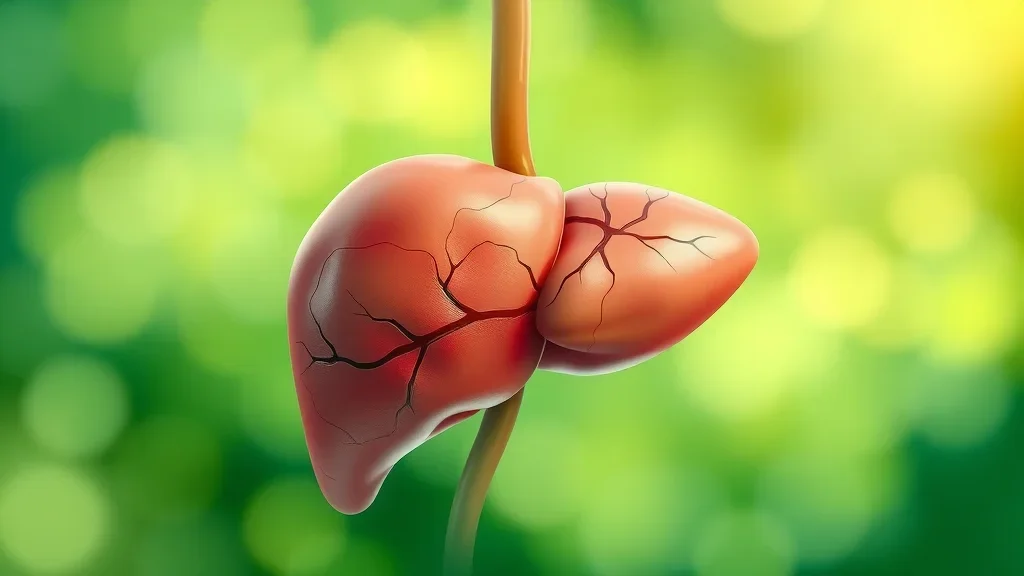
Unlock Liver Health with Fiber Detox Diets Today

Did you know that approximately 25% of individuals worldwide suffer from fatty liver, yet most don’t realize dietary fiber could be their greatest ally in reversing the damage? If you’re searching for effective ways to support liver health, new research points toward simple dietary shifts that yield big results. Today’s guide breaks down how fiber detox diets for liver health can transform your liver function, defend against liver disease, and fit into a balanced diet without complicated restrictions. Unlock the surprising connections between everyday fiber-rich foods and a healthier, more resilient liver—starting now.A Surprising Truth: The Impact of Fiber Detox Diets for Liver Health"Don’t let fatty liver be a silent burden; let dietary fiber speak volumes for your wellness. Each fiber-rich meal is a step towards reclaiming your liver’s strength."No wonder more health experts now highlight the central role of fiber detox diets for liver health. Despite the high prevalence of fatty liver disease and other liver conditions, fiber—often overlooked in modern diets—emerges as a linchpin for prevention and recovery. This isn’t just about eating more salads; it’s about leveraging a nutrient that aids in fat metabolism, reduces fat accumulation, and actively works to support liver healthy cells. Instead of high-risk cleanses or extreme regimens, a fiber-forward approach is supported by peer-reviewed studies for both effectiveness and safety. These findings suggest that adopting even moderate increases in dietary fiber—through smart choices and simple swaps—can reduce liver damage, lower liver enzymes, and mitigate the progression of both nonalcoholic fatty liver disease and alcoholic fatty liver disease.Understanding Fiber Detox Diets for Liver HealthWhat Are Fiber Detox Diets for Liver Health?Fiber detox diets for liver health are strategically designed eating plans that emphasize increasing daily dietary fiber intake from whole, plant-based foods. The science-backed goal isn’t to force a one-time “cleanse,” but rather to create lasting improvements in liver function and overall liver health. These diets incorporate ample sources of both soluble and insoluble fiber—think cruciferous vegetables, legumes, whole grains, and fruits—which act synergistically to absorb toxins, bind cholesterol, and help regulate blood sugar. Because the liver acts as the body’s detoxifying powerhouse, supplying it with the right kinds of fiber boosts its ability to filter out harmful substances. Unlike restrictive fads, this approach fosters a balanced diet and is adaptable for those managing liver disease or seeking improved well-being.How Fiber Detox Diets for Liver Health Differ from Other Detox MethodsTraditional detox diets often entail severe calorie cuts, juice-only regimens, or the elimination of entire food groups—methods that can do more harm than good, especially for individuals with fatty liver disease or weakened liver function. In contrast, fiber detox diets focus on enrichment, not deprivation. The emphasis is on adding fiber-rich foods that help support liver, instead of slashing calories or relying on unproven supplements. Fiber detox plans also aid in stabilizing energy levels, managing weight loss, and providing vitamins and minerals vital for ongoing liver health. The incremental, sustainable changes they promote help reduce reliance on processed foods and saturated fats that can aggravate liver damage or cause further fat accumulation. By harnessing nature’s own “liver detox” arsenal, these diets offer an evidence-based alternative to high-risk detox fads.Key Roles of Fiber in Liver Function and Liver Disease PreventionFiber’s impact on the liver is profound. First, soluble fiber binds bile acids—compounds derived from cholesterol—allowing your body to expel them and reducing the load on your liver. Insoluble fiber keeps digestion moving smoothly, preventing the buildup of toxins. As your liver filters over 1.5 quarts of blood every minute, a high-fiber diet helps lessen the metabolic burden on this vital organ. By stabilizing blood sugar, fiber reduces the risk and severity of nonalcoholic fatty liver disease (NAFLD) and curbs inflammation, which is a hallmark of liver issues. Combined with antioxidant properties from fiber-packed foods, you’re not just supporting liver detox—you’re building a foundation for long-term organ protection and enhanced fat metabolism.For families looking to instill healthy habits early, understanding daily fiber guidelines for kids can be a practical step toward lifelong liver and digestive wellness, as fiber needs vary by age and play a crucial role in overall health.Improved fat metabolismSupport for liver healthy cellsReduced liver disease riskAssistance with weight lossThe Science Behind Fiber Detox Diets for Liver HealthHow Dietary Fiber Supports Liver Health and Liver FunctionHigh-fiber diets for liver do more than just keep your digestion regular—they regulate cholesterol, curb fat absorption, and directly influence the body’s detoxification processes. By slowing down sugar absorption and supporting healthy gut bacteria, dietary fiber helps minimize the strain on your liver, making it easier to process and remove toxins. This effect is even more pronounced for individuals battling fatty liver, as research shows that fiber can decrease liver fat, improve liver enzymes, and potentially reverse some forms of liver damage. In essence, the “detox” of these diets comes less from radical purges than from supporting your body’s own natural detox systems, making ongoing support for liver both practical and sustainable.Research on Fiber Detox Diets for Fatty Liver and Liver Disease"Recent studies show that increasing fiber intake can directly impact fatty liver progression, improve liver markers, and support liver detoxification pathways."Top Fiber-Rich Foods for Fiber Detox Diets for Liver HealthCruciferous Vegetables: A Powerful Ally in Fiber Detox Diets for Liver HealthCruciferous vegetables such as broccoli, kale, Brussels sprouts, and cauliflower are among the best foods you can eat for both fiber and liver health. Not only are they packed with soluble and insoluble fiber, but they also contain potent phytochemicals like sulforaphane—a compound shown to stimulate detoxification enzymes within the liver. These vegetables promote bile production, which is essential for the breakdown and removal of toxins and excess fats. Cruciferous vegetables also help restore a healthy gut microbiome, reducing inflammation and reducing liver fat. By featuring them prominently in your diet, you’ll actively support liver health while simultaneously enjoying foods that fit seamlessly into a balanced diet.Fatty Fish, Olive Oil, and Other Liver Health SuperfoodsIncluding fatty fish—such as salmon, sardines, and mackerel—ensures you get omega-3 fatty acids that reduce liver inflammation and lower triglyceride levels, both crucial for reversing fatty liver disease. Olive oil offers heart-healthy unsaturated fats and antioxidants that have been clinically proven to improve liver enzymes and decrease fat accumulation. Other liver-supporting foods include chia seeds, apples, oats, and lentils, which add variety and maximize fiber intake. In combination, these liver health superfoods reduce liver damage, provide antioxidant properties, and restrict the accumulation of saturated fats common in processed foods. This synergy is fundamental to a truly liver-friendly, fiber detox approach that supports sustained improvements for weight loss and long-term health.Balancing Your Diet: Incorporating Processed Foods and Rich Foods in ModerationWhile unprocessed, plant-based foods should form the backbone of a fiber detox diet for liver health, moderation—not perfection—is key. Occasional inclusion of certain rich foods or processed foods can be managed wisely. For example, the judicious use of olive oil or a measured portion of high-fiber breads allows for flexibility and sustainability. It’s crucial, however, to avoid over-reliance on foods high in sugars, saturated fats, or sodium, which can undermine liver support and promote fat accumulation. Instead, strive for a balanced diet, where 80–90% of intake comes from whole or minimally processed fare, and treats or richer foods are enjoyed in moderation to prevent feelings of deprivation and increase long-term adherence.BroccoliKaleLentilsChia seedsApplesOatsFatty fishOlive oilBuilding an Effective Fiber Detox Diet for Liver HealthSample Meal Plan for a Fiber Detox Diet for Liver HealthCrafting a fiber detox meal plan for liver health involves combining high-fiber foods at each meal to optimize liver support. A typical day may begin with oatmeal topped with chia seeds and sliced apples, followed by a hearty lunch of lentil and kale salad, and dinner centered on roasted salmon with cruciferous vegetables such as broccoli. Snacks like whole grain crackers and raw vegetable sticks further elevate daily fiber intake. Rotating different whole foods ensures a comprehensive nutrient profile and contributes additional vitamins and minerals essential for liver repair. Hydration, primarily through water and the occasional cup of green tea, further aids in flushing out toxins and supporting healthy digestion throughout your journey.Example 3-Day Fiber Detox Diet for Liver HealthDay & MealMenuApprox. Fiber (g)Liver Health BenefitsDay 1 - BreakfastOats with chia seeds, apple slices9gStabilizes blood sugar, antioxidant propertiesDay 1 - LunchLentil & kale salad, olive oil vinaigrette14gSupports detox, provides healthy fatsDay 1 - DinnerGrilled salmon with steamed broccoli7gOmega-3s for reduced fat accumulationDay 2 - BreakfastWhole grain toast, avocado spread, orange6gFiber and vitamin C boost detoxificationDay 2 - LunchChickpea and spinach stew12gFolate and plant proteins for liver cellsDay 2 - DinnerSardines, quinoa, roasted Brussels sprouts8gOmega-3s, supports liver regenerationDay 3 - BreakfastHomemade muesli with nuts and berries8gAntioxidants and sustained energyDay 3 - LunchVegetable & barley soup10gHydration and toxin bindingDay 3 - DinnerBaked trout, brown rice, sautéed kale10gCombines key fiber groups for full liver supportTips for Shopping and Preparing Fiber-Rich Foods for Liver HealthSuccessful implementation of a fiber detox diet begins at the grocery store. Focus on stocking up with a variety of whole foods, shopping in produce and bulk sections for fresh and affordable fiber sources. When preparing meals, choose cooking methods that preserve nutrient content—such as steaming, roasting, or light sautéing. Batch meal prepping—like chopping vegetables and storing cooked lentils or quinoa—makes healthy options accessible for busy days. Be mindful of portion control and combine fiber-rich foods with healthy fat sources (olive oil, avocado) for improved absorption of fat-soluble vitamins. Planning diverse, colorful meals not only supports liver detox but also increases enjoyment, making it more likely you’ll stick with your balanced diet long term.Choose mostly whole foods—limit processed foodsOpt for gentle cooking methods—steam, roast, grill over fryingMeal plan and batch prep for easier adherencePractice portion control; watch healthy fat and fiber balanceFiber Detox Diets for Liver Health and Weight LossThe Connection: Fiber Detox Diets, Weight Loss, and Fatty Liver DiseaseThe synergy between fiber detox diets for liver health and weight loss is well-documented. Increasing fiber intake naturally promotes satiety, reducing overall calorie consumption, and slowing blood sugar spikes. For those with fatty liver, these effects are transformational: shedding even a modest amount of weight (5–10% of body weight) has been shown to improve liver enzymes, reverse fatty infiltration, and reduce inflammation linked to liver damage. Additionally, diets high in fiber and healthy fats (from foods like fatty fish and olive oil) tend to crowd out processed foods and added sugars, further easing the liver’s burden. This interconnected approach supports not just liver health, but also overall cardiometabolic wellness.Case Studies: Weight Loss Success Through Fiber Detox Diets for Liver Health"Increasing fiber can help reduce body fat and reverse signs of fatty liver disease in as few as 12 weeks."Potential Pitfalls of Fiber Detox Diets for Liver HealthCommon Mistakes in Fiber Detox Diets for Liver HealthAlthough fiber detox diets for liver health are generally safe and beneficial, common mistakes can impede results or cause discomfort. Abruptly ramping up fiber can lead to bloating, cramps, or digestive issues—gradually increase intake over days or weeks. Inadequate hydration is another pitfall; fiber absorbs water, so drinking plenty of fluids is essential for proper transit and effective detox. Overreliance on fiber supplements rather than whole foods may shortchange your intake of complementary nutrients and phytonutrients required for true liver support. Lastly, ignoring underlying or undiagnosed liver disease can be risky: always consult with your healthcare provider before starting a new dietary regimen, particularly if you have existing liver conditions, take medication, or have unique dietary needs.Avoid abrupt fiber increases—build graduallyStay hydrated to support fiber’s benefitsFavor whole foods over supplementsSeek medical advice for any liver conditionSafety Considerations for Liver Disease and Liver HealthWhile a fiber detox diet offers broad liver benefits, special attention is required for individuals with advanced liver disease, cirrhosis, or certain digestive disorders. In such cases, tailored dietary plans that address protein and vitamin needs while preventing malnutrition are critical. For most, the slow and steady adoption of a fiber-rich, balanced diet supports liver function without risk. Pay close attention to your body’s signals and seek out your physician or a registered dietitian for guidance on individual requirements and safe targets for fiber intake.Supporting Liver Health Beyond Fiber Detox DietsPhysical Activity, Hydration, and Other Lifestyle Factors that Support LiverDiet alone isn’t enough—regular physical activity, hydration, and mindful lifestyle choices further enhance your liver’s resilience. Exercise helps mobilize stored fat, reducing hepatic fat accumulation and improving insulin sensitivity, both key for patients with fatty liver or metabolic syndrome. Drinking sufficient water—at least 8 glasses a day—optimizes fiber’s toxin-clearing action and supports all of your body’s natural detox pathways. Limiting alcohol intake, prioritizing sleep, and managing stress are equally important to prevent new liver damage and maximize liver repair.Medical Consultation: When to Seek Help for Liver Disease and Liver FunctionIf you have symptoms like persistent fatigue, jaundice (yellowing skin), upper abdominal pain, or unexplained weight loss, it’s vital to consult a healthcare provider before changing your diet. Routine liver enzyme tests can gauge your organ’s health and help tailor your fiber detox plan for liver health. Early intervention is the best way to ensure safe, sustainable progress—especially for those with fatty liver disease, hepatitis, or risk factors such as diabetes and obesity.Answers About Fiber Detox Diets for Liver HealthWhat is the best diet to cleanse your liver?A fiber detox diet integrating cruciferous vegetables, lean proteins (including fatty fish), healthy fats (olive oil), and minimized processed foods effectively supports liver health and promotes safe cleansing.Is a high fiber diet good for liver disease?A high fiber diet has significant benefits for most individuals with liver disease, helping improve liver function, reduce fatty liver, and support liver regeneration when implemented with medical guidance.What is the fastest way to repair your liver?Rapid liver repair involves eliminating alcohol, adopting a fiber detox diet for liver health, managing weight loss, exercising, and seeking a health professional to tailor the approach to your condition.FAQs on Fiber Detox Diets for Liver HealthHow much fiber is optimal for liver health?Most experts recommend 25–35 grams per day for adults, ideally sourced from a mix of soluble and insoluble fibers.Can fiber detox diets reverse fatty liver disease?Yes, especially when paired with weight loss and physical activity; research shows significant improvements in liver fat and function.Are there fiber supplements recommended for liver disease?Whole food fiber is best, but supplements (like psyllium husk) may help under medical supervision for those needing extra support.Do processed foods and refined sugars affect fiber detox diet benefits?Absolutely—they can impede progress by contributing to fat accumulation and inflammation. Focus on whole foods for best results.Is a fiber detox diet safe for everyone?Mostly yes, but consult your healthcare provider if you have digestive issues or advanced liver disease.Key Takeaways: Unlocking Liver Health with Fiber Detox DietsFiber detox diets for liver health offer accessible, research-backed strategies to support liver function, reduce risk of liver disease, and promote weight loss when paired with balanced diet and lifestyle changes.For a Healthier Future: Take the First Step Towards a Fiber Detox Diet for Liver Health"Begin your journey with small dietary changes—your liver will thank you for years to come."If you’re inspired to take your wellness journey even further, consider exploring how innovative approaches in digital health and AI are transforming preventive care and chronic disease management. Discover the latest trends and actionable insights in the future of medicine and digital health—and see how technology and nutrition together can empower you to achieve optimal health for years to come.SourcesNational Institutes of Health – https://www.ncbi.nlm.nih.gov/pmc/articles/PMC7286620/American Liver Foundation – https://www.liverfoundation.org/for-patients/about-the-liver/diet-and-liver-disease/Healthline – https://www.healthline.com/nutrition/best-foods-for-fatty-liverMayo Clinic – https://www.mayoclinic.org/diseases-conditions/nonalcoholic-fatty-liver-disease/in-depth/nonalcoholic-fatty-liver-disease-diet/art-20491334Kickstart Your Health: Where Real Liver Detox Starts NaturallyIncorporating fiber-rich foods into your diet can significantly enhance liver health by supporting natural detoxification processes. For instance, cruciferous vegetables like broccoli, kale, and Brussels sprouts are packed with glucosinolates, compounds that stimulate the liver’s detoxifying enzymes, aiding in the neutralization of toxins. (drniveditapandey.com) Additionally, fruits such as apples and citrus varieties are high in soluble fiber and vitamin C, both of which assist in binding and eliminating toxins from the body. (healthlifestylenews.com) By integrating these nutrient-dense foods into your daily meals, you can naturally support your liver’s detoxification functions and promote overall well-being.NCWellnessHub.com

Terms of Service

Privacy Policy

Core Modal Title

Sorry, no results found

You Might Find These Articles Interesting

T
Please Check Your Email
We Will Be Following Up Shortly
*
*
*