
NC Wellness Hub
update
North Carolina Wellness Hub
update
  • Home
  • Categories
    • Wellness
    • General Health
    • Holistic
    • News
    • Living & Travel
    • Lifestyle
    • Fitness & Exercise
    • Mental Health
    • Stress Management
    • FEATURE
    • Sleep
    • Allergies
    • Medicines & Supplements
    • Weight Loss
    • Kids Health
    • Fertility & Pregnancy
    • Cancer
    • Heart Health
    • Skin & Hair
    • Arthritis
    • Dental
    • Vision
  • Bone Health
  • Digestive
August 19.2025
2 Minutes Read

Unpacking PCOS: Essential Insights for Fertility and Pregnancy

Doctor discussing PCOS in clinic setting, Understanding PCOS Fertility Issues.


Understanding PCOS: A Key to Fertility Issues

Polycystic Ovary Syndrome (PCOS) is a prevalent hormonal disorder impacting many women worldwide. Despite its commonality, understanding PCOS can be complex, and recognizing its symptoms is crucial, especially for those seeking fertility advice. This article breaks down the essentials of PCOS, elucidating how it affects reproductive health and what to look out for.

What is PCOS?

PCOS is characterized by a hormonal imbalance that can lead to irregular menstrual cycles, excessive hair growth, acne, and weight gain, among other symptoms. The condition is often overlooked in discussions about women's health, yet it plays a significant role in fertility challenges faced by many. Recognizing the symptoms early can lead to better management and treatment options, ultimately aiding those trying to conceive.

Symptoms to Watch For

Women with PCOS may experience a variety of symptoms, some of which overlap with other conditions. Common indicators include:

  • Irregular Periods: Skipping months or having extremely light cycles are major signs.

  • Ovulatory Issues: Difficulty ovulating can result in problems conceiving.

  • Excess Body Hair: Known as hirsutism, this can lead to emotional distress.

  • Weight Gain: Many women with PCOS struggle with their weight, which can exacerbate symptoms.

If you're experiencing these symptoms, consulting a healthcare provider is crucial for diagnosis and appropriate management.

The Link Between PCOS and Fertility

PCOS is a leading cause of infertility among women. The hormonal imbalance can disrupt ovulation, making it challenging to conceive naturally. However, with proper diagnosis, many can explore various options, including lifestyle changes, medical treatment, and assisted reproductive technologies. Understanding your body and the implications of conditions like PCOS can empower women to take control of their reproductive health.
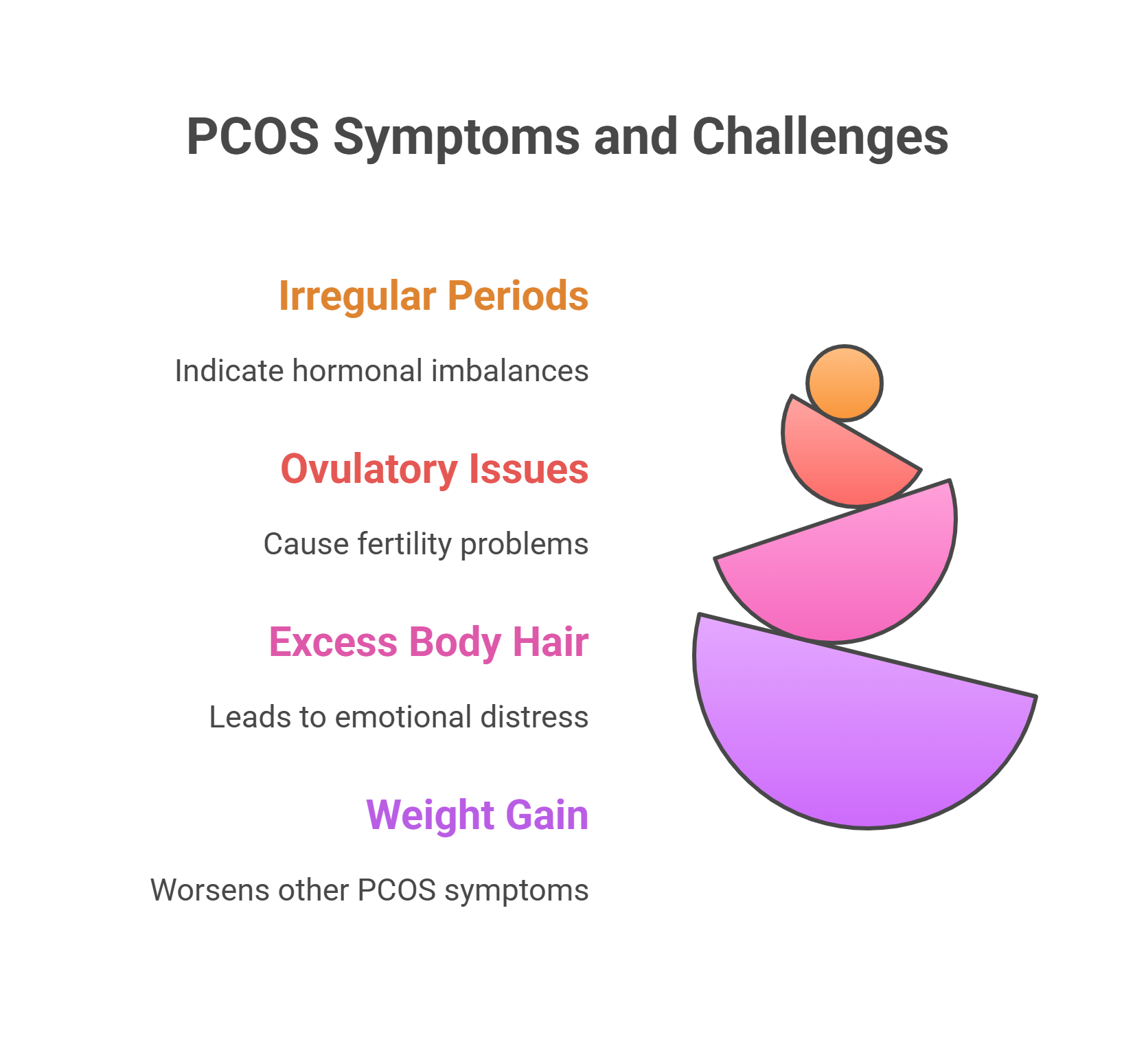
PCOS Symptoms and Challenges

Managing PCOS for Better Outcomes

Through lifestyle adjustments such as maintaining a healthy diet, regular exercise, and weight management, women can mitigate the impacts of PCOS. Moreover, medications may be prescribed to regulate menstrual cycles and promote ovulation, making it an essential aspect of fertility treatment. The empowering message is that while PCOS complicates fertility, with targeted management, many women can achieve their pregnancy goals.

Final Thoughts

PCOS is not just a women's issue; it is also a challenge that affects families and communities. Heightening awareness and understanding of this condition can lead to better healthcare support and outcomes. If you suspect you have PCOS or are struggling with fertility, seek guidance from healthcare professionals who can tailor a plan suited to your needs.

For more information on managing PCOS and improving your chances of conception, please consult a healthcare provider or specialist.

Fertility & Pregnancy

0 Comments

Write A Comment

*
*
Please complete the captcha to submit your comment.
Related Posts All Posts

Essential Insights on Premature Ovarian Insufficiency: Fertility and Health Implications

Explore premature ovarian insufficiency health implications. Understand fertility, estrogen's role, and emotional support.

Neural Tube Defects: Essential Insights for Health-Conscious Individuals

Update Understanding Neural Tube Defects and Their Impact Neural tube defects (NTDs) are serious conditions that arise when the neural tube, which ultimately forms the brain and spinal cord, fails to close properly during early embryonic development. These defects can lead to a range of complications, varying in severity from mild to life-threatening. The most common types of NTDs are spina bifida, where the spine doesn’t form completely, and anencephaly, where parts of the brain are missing.In 'Neural tube defects: Clinical Nursing Care,' the discussion dives into crucial insights surrounding neural tube defects, prompting a closer look at their implications and care strategies. Why Awareness About NTDs Matters Raising awareness about the causes and implications of NTDs is crucial—for both expectant parents and healthcare professionals. Understanding risk factors such as genetic predispositions, socio-economic status, and nutritional deficiencies can foster preventative strategies. Research highlights that taking folic acid supplements before conception and during the early stages of pregnancy significantly reduces the risk of these defects. Nevertheless, even with preventative measures, NTDs can still occur, emphasizing the need for advanced maternal care and education. Clinical Implications and Nursing Care Nurses and healthcare providers play a pivotal role in the management of NTDs. From early diagnosis through prenatal care, these professionals can guide families, offering vital support and information. Clinical nursing care might involve regular monitoring during pregnancy, providing emotional support, and educating families regarding treatment options available post-birth. For children diagnosed with NTDs, the role of nurses extends into long-term care, assisting with rehabilitation therapies and psychosocial support necessary for affected families. Future Trends in Managing Neural Tube Defects As medical technology advances, the strategies for diagnosing and managing neural tube defects continue to evolve. Innovations such as prenatal imaging can allow for earlier detection of NTDs, leading to timely interventions. Moreover, emerging research into gene therapy presents potential future avenues for preventing NTDs at a genetic level, offering hope to many families. This future-oriented approach emphasizes the importance of continued research and education in maternal health. Support and Community Resources For families affected by neural tube defects, connecting with support networks can be incredibly beneficial. Organizations and community groups can offer resources, counseling, and shared experiences to help navigate the complexities associated with NTDs. Such support systems foster a sense of community among affected families, providing both practical help and emotional reassurance during challenging times. Conclusion: Take Charge of Your Health Recognizing the implications of neural tube defects and seeking advice from healthcare professionals can make a crucial difference. Whether through preventative measures or informed care options, being proactive about maternal health is essential. We encourage our readers to stay informed about this crucial topic and consider exploring educational resources available through platforms like Osmosis. Knowledge empowers families to make better decisions for their health and the health of their future children.

Understanding Venous Thromboembolism (VTE): Key Insights for New Mothers

Explore the risks of Venous Thromboembolism VTE, its symptoms, prevention, and essential insights particularly for postpartum health.

Terms of Service

Privacy Policy

Core Modal Title

Sorry, no results found

You Might Find These Articles Interesting

T
Please Check Your Email
We Will Be Following Up Shortly
*
*
*