Add Row
Add Element
NC Wellness Hub
update
North Carolina Wellness Hub
update
Add Element
  • Home
  • Categories
    • Wellness
    • General Health
    • Holistic
    • News
    • Living & Travel
    • Lifestyle
    • Fitness & Exercise
    • Mental Health
    • Stress Management
    • FEATURE
    • Sleep
    • Allergies
    • Medicines & Supplements
    • Weight Loss
    • Kids Health
    • Fertility & Pregnancy
    • Cancer
    • Heart Health
    • Skin & Hair
    • Arthritis
    • Dental
    • Vision
  • Bone Health
  • Digestive
July 02.2025
3 Minutes Read

Unveiling Aloe Vera: Nature’s Versatile Healer and Its Benefits

Benefits of Aloe Vera: Slices and droplet in vibrant detail.


Aloe Vera: A Multifaceted Healing Marvel

Aloe vera, often dismissed as merely the green gel that soothes sunburns, is so much more than that. This plant's rich history and broad array of benefits position it as a true natural remedy. With origins tracing back over 6,000 years to ancient Egypt, it's no wonder aloe has earned its esteemed place in both traditional and modern medicine. Beyond its topical applications for the skin, aloe vera boasts impressive contributions to gastrointestinal health, immune defense, and even blood sugar regulation.


In Aloe Vera: The Green Gel That Does It All!, we explored the many facets of aloe vera, highlighting how it can positively impact your health from head to toe.

The Nutrient-Dense Composition of Aloe Vera

What's in aloe vera that makes it such a powerhouse? The gel from its leaves is packed with over 75 active compounds that provide various health benefits. Key nutrients include vitamins A, C, and E, which are known for their antioxidant properties, as well as vitamin B12, amino acids, and essential minerals like zinc and magnesium. Also noteworthy are polysaccharides like acetaminan, which may support immune function, showcasing aloe vera’s potential far extends beyond skin care.

Key Benefits of Aloe Vera: More Than Just Skin Deep

1. Soothes Skin Irritations: Aloe's reputation for calming sunburns stems from its natural anti-inflammatory properties. It hydrates the skin, helps wounds heal faster, and reduces irritation—making it a staple in household medicine cabinets.

2. Hydration and Healing: Aloe vera's deeply moisturizing gel can aid in collagen production, making it an excellent treatment for dry skin and acne. Adding aloe to skin-care routines can significantly improve skin texture and resilience.

3. Digestive Health Benefits: Aloe vera juice (note: not the latex) has been shown to soothe gastrointestinal tract issues, including acid reflux. Its anti-inflammatory properties could help create a balanced gut environment, offering relief from conditions such as constipation.

4. Immune System Support: Compounds found in aloe, such as acetaminan, are thought to stimulate white blood cell production, bolstering the immune system's capabilities.

5. Potential Blood Sugar Regulation: Early research suggests that aloe vera may help lower fasting blood sugar levels in individuals with type 2 diabetes. Although more studies are needed, the preliminary results are promising.

Risks and Precautions

While aloe vera boasts many advantages, it's crucial to approach its use with caution. Consuming aloe latex—found just beneath the skin—can lead to cramping, diarrhea, and dehydration. If you’re considering drinking aloe juice, it should be done in small, safe doses, and you should always opt for decolorized or purified forms to minimize risks. Allergic reactions can also occur, particularly when using aloe on open wounds or broken skin, so a patch test is highly recommended. Pregnant or breastfeeding individuals should refrain from consuming aloe unless they've consulted a healthcare professional.


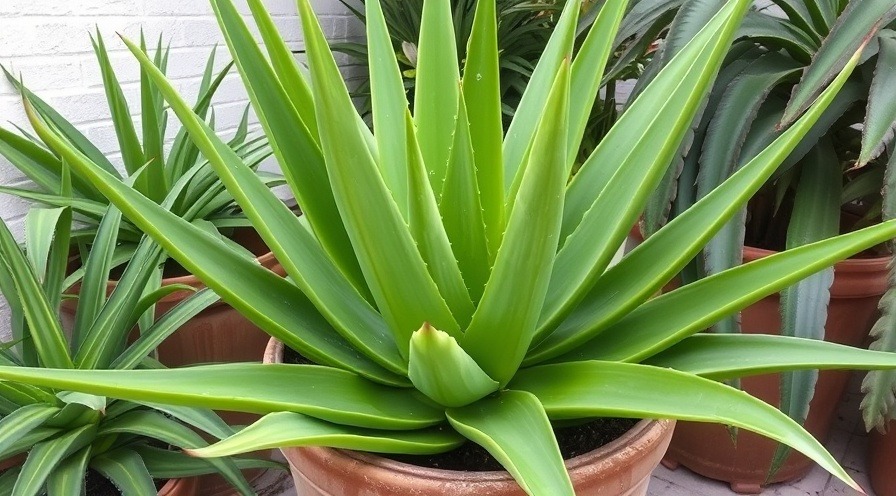
A large potted aloe vera plant showcasing its health benefits and skin care uses.


How to Incorporate Aloe Vera Into Your Routine

Whether you choose to apply it topically for skin benefits, drink aloe juice for digestion, or use capsules for general wellness, the possibilities are versatile. For hair care, aloe can help soothe the scalp and reduce dandruff, making it a beneficial ingredient in hair products. Always choose pure, preservative-free options for maximum benefit.

Transitioning Towards Better Health

In Aloe Vera: The Green Gel That Does It All!, we explored the many facets of aloe vera, highlighting how it can positively impact your health from head to toe. As herbal remedies gain popularity in public discourse, aloe vera continues to be a prime example of nature's healing abilities. Understanding its benefits could lead to better health choices for you and your family.

Conclusion: Explore Aloe Vera’s Wonders

If you haven’t integrated aloe vera into your daily regimen yet, now may be the perfect time to start. Whether it's for skin care, digestive health, or immune support, the plant offers a wide spectrum of healing properties. Remember, wellness starts with informed choices—consider the wonders of aloe vera and how it could enhance your family’s health.

Medicines & Supplements Skin & Hair

0 Comments

Write A Comment

*
*
Please complete the captcha to submit your comment.
Related Posts All Posts

Discover Turmeric Curcumin Benefits You Can’t Miss

Experiencing chronic inflammation personally revealed turmeric's true power to me. Its curcumin content isn’t just a health trend—it’s a natural remedy many overlook. Understanding these benefits can transform your well-being, offering relief and vitality in ways you might never have imagined.Unlocking Turmeric Curcumin Benefits: A Journey from Personal ExperienceFor many, turmeric and curcumin remain hidden gems in the world of natural health. When I encountered lingering joint pain and a family history of heart disease, I explored turmeric curcumin benefits beyond the headlines—and the results were profound. Daily use of turmeric supplement capsules containing piperine changed everything.Not only did my chronic inflammation subside, but my energy and mobility noticeably improved. Whether battling rheumatoid arthritis or seeking better gut health, understanding how curcumin—the active compound in turmeric—works can offer life-changing relief.“Turmeric’s curcumin has changed how I manage chronic inflammation—my patients often see significant results.” — Dr. Priya Mandal, Integrative Medicine SpecialistFrom scientific research on turmeric and curcumin’s antioxidant and anti-inflammatory effects, it’s clear that incorporating these elements into your health routine isn’t just a fad. As you’ll see, turmeric and curcumin supplement benefits extend far beyond what most expect, offering hope for those facing diverse health conditions. Let’s explore their full, evidence-backed health benefits below.For those especially interested in joint health and mobility, combining turmeric supplementation with targeted movement can be highly effective. Simple, arthritis-friendly exercises can further ease discomfort and make daily activities—like climbing stairs—more manageable. Explore practical strategies in this guide to exercises that help arthritis sufferers conquer stairs for a holistic approach to joint wellness.What You'll Learn About Turmeric Curcumin BenefitsScience-backed turmeric curcumin benefits for overall healthHow turmeric and curcumin address specific health conditionsPotential side effects and safe dosage guidelinesTips for taking turmeric and choosing turmeric supplementsExpert insights and latest research on curcumin haTurmeric and Curcumin: Understanding the Active CompoundWhat is Curcumin?Curcumin is the primary active compound found in the turmeric root, a golden-colored spice widely used in Indian and Southeast Asian cuisine. While turmeric contains hundreds of natural compounds, it’s curcumin that gives turmeric much of its potent anti-inflammatory and antioxidant power.Classified as a natural polyphenol, curcumin has been researched for decades due to its ability to influence a variety of biological pathways—including those involved in reducing inflammation, combating free radicals, and promoting gut health.Most turmeric powders typically contain 2–5% curcumin by weight, which is why many people opt for turmeric supplement capsules to experience optimal health benefits. Curcumin is not the only active compound in turmeric, but it is by far the most studied for its therapeutic effects.Why Curcumin is Considered the Key Active CompoundAmong all the compounds in turmeric, curcumin is considered the key active ingredient due to its ability to modulate inflammation and neutralize free radicals. Studies have shown that turmeric’s curcumin content interacts with numerous body systems, inhibiting inflammatory molecules and supporting antioxidant defense.When compared to eating turmeric root alone, supplementing with curcumin extract delivers more pronounced health benefits, such as reduced joint pain, support for heart disease prevention, and better gut health. While the potential benefits of other turmeric components (like turmerone) are still being investigated, curcumin remains at the center of current clinical interest.Comparison of Turmeric vs Curcumin Content and BenefitsTurmeric (Whole Root/Powder)Curcumin (Extract/Supplement)Active Compound Content2–5% CurcuminUp to 95% CurcuminHealth BenefitsGeneral wellness, mild inflammation supportTargeted therapeutic effects for inflammation, joint pain, cardiovascular health, neuroprotectionBioavailabilityLow (improved with black pepper)High (when formulated with piperine or liposomes)DosageGrams per day in food; slow effectMilligrams per day in supplements; faster, potent effects“Curcumin is responsible for most of turmeric’s acclaimed health benefits—it acts on multiple biological pathways.” — Dr. Alan Chu, PhD, Nutritional BiochemistryCore Health Benefits of Turmeric CurcuminMounting clinical research highlights a spectrum of turmeric curcumin benefits, from soothing chronic inflammation and easing joint pain to protecting heart health and supporting cognitive function. This multi-functional natural compound is highly valued by integrative medicine practitioners and researchers alike for its wide-ranging, science-backed effects. Here’s a breakdown of its most notable health benefits:Reducing Chronic InflammationChronic inflammation is linked to several health problems, including joint pain, heart disease, and metabolic syndrome. Curcumin’s remarkable anti-inflammatory properties inhibit key inflammation markers (such as NF-kB and COX-2 enzymes), providing potential relief for those struggling with conditions like rheumatoid arthritis or irritable bowel syndrome.Both dietary and supplemental turmeric can contribute, but high doses of curcumin, often delivered via turmeric supplements with black pepper extract (piperine), offer the strongest anti-inflammatory effects. Many patients report noticeable reductions in joint pain and swelling after just a few weeks of regular use.Research evidence supports curcumin’s efficacy in moderating immune activity and decreasing symptoms in various inflammatory health conditions. It’s important, however, to consult your doctor before taking high-dose turmeric or curcumin supplements—especially if you’re on medications or have a complex medical history.Antioxidant Properties of Turmeric and CurcuminFree radicals are unstable molecules that can damage proteins, DNA, and healthy cells—a process central to aging and chronic disease. Curcumin functions as a potent antioxidant, neutralizing free radicals and ramping up the body’s antioxidant enzymes.Studies have shown that turmeric and curcumin consumption helps protect against oxidative stress, supporting cellular health and slowing the damage caused by everyday toxins and pollution. Those looking for a simple route to elevate their antioxidant intake find that incorporating turmeric root into meals and taking a quality turmeric supplement can yield noticeable improvements in vitality and recovery.Supporting Joint Pain and MobilityOne of the most well-supported turmeric curcumin benefits is joint health support. Randomized controlled trials consistently show curcumin’s ability to decrease joint pain, swelling, and discomfort in patients with osteoarthritis and rheumatoid arthritis. Many people report regaining flexibility and enjoying activities that were previously limited by stiffness or pain.By targeting inflammation and providing antioxidant support, turmeric and curcumin promote joint comfort and mobility—often rivaling NSAID pain relievers without their side effects. A turmeric supplement with high curcumin content and piperine can dramatically amplify these beneficial effects for individuals living with chronic joint pain.Heart Disease and Cardiovascular SupportHeart disease remains a leading cause of death globally, but emerging research suggests curcumin may help lower risk factors such as high cholesterol, blood pressure, and inflammation. Turmeric and curcumin work by improving endothelial function (lining of the blood vessels), reducing free radical damage, and blocking inflammatory signals.Some studies have associated curcumin supplementation with improvements in arterial health, reduced LDL cholesterol, and support for a healthy cardiovascular system. These potential benefits make turmeric root and concentrated curcumin supplements attractive additions to a heart-healthy lifestyle—when guided by your healthcare provider.Promoting Brain Health and Cognitive FunctionCurcumin’s neuroprotective potential—supported by research—suggests turmeric may help prevent age-related cognitive decline and support mental clarity. By increasing levels of brain-derived neurotrophic factor (a key neurotrophic factor for learning and memory) and shielding neural tissues from oxidative stress, curcumin may reduce risk for diseases like Alzheimer’s and aid recovery from mental fatigue. Those interested in long-term brain health will find substantial evidence supporting daily use of turmeric supplements to maintain cognitive performance and protect against neurodegenerative changes.Boosting Immune Health Benefits with TurmericTurmeric and curcumin support immune health by regulating inflammation and promoting the formation of infection-fighting cells. Research points to improved resistance to illnesses and quicker recovery times for people supplementing with curcumin—especially during flu season.The antioxidant activity further safeguards immune cells from free radical damage, allowing your system to defend against viruses, bacteria, and other pathogens more effectively. Including turmeric powder in your daily smoothie or a targeted curcumin ha supplement can offer year-round immune resilience.Digestive Health: How Curcumin HelpsCurcumin soothes the digestive tract, aiding in conditions like irritable bowel syndrome and promoting overall gut health. Studies highlight its ability to calm abdominal pain, alleviate bloating, and support the natural balance of gut bacteria. Regularly taking turmeric—either as a spice or a supplement—has been shown to decrease symptom severity in bowel syndrome and promote better digestive comfort. For those with sensitive digestion or chronic gut concerns, turmeric curcumin benefits offer a gentle, natural approach to restoring gastrointestinal well-being.Other Health Conditions That May Benefit from CurcuminEmerging evidence hints that curcumin might also aid in managing metabolic syndrome, assisting with weight loss, and improving insulin sensitivity. Its antioxidant and anti-inflammatory properties are additionally being explored for skin health, certain autoimmune diseases, and even cancer prevention. While not a cure-all, curcumin’s beneficial effects cover a broad range of health conditions, making it one of the most versatile natural supplements available today.Summary Table: Studied Turmeric Curcumin Benefits by Health ConditionHealth ConditionPotential BenefitEvidence LevelJoint Pain (Arthritis)Reduced pain & inflammation, improved mobilityStrong (Multiple RCTs)Heart DiseaseLowered cholesterol, improved vessel healthModerateCognitive DeclineNeuroprotection, memory supportEmergingDigestive Issues (IBS, bowel syndrome)Decreased symptoms, reduced abdominal painModerateImmune FunctionBoosted resistance, faster recoveryModerate“I recommend turmeric supplements to many patients, especially for inflammatory and arthritic conditions.” — Dr. Laura Beck, RheumatologistTurmeric Curcumin for Specific Health ConditionsJoint Pain: Can Turmeric and Curcumin Ha Help?Curcumin ha, a specialized high-absorption curcumin supplement, is often recommended for chronic joint pain, especially in rheumatoid arthritis and osteoarthritis sufferers. By targeting the biological pathways involved in inflammation and oxidative stress, curcumin ha delivers rapid and lasting joint pain relief—sometimes outperforming conventional NSAIDs.Clinical studies have shown that regular supplementation reduces the need for pain medication and increases quality of life for those with debilitating arthritis. For best results, select a turmeric supplement with proven bioavailability and always consult a health professional about dosing and potential interactions.Heart Disease Prevention with Turmeric CurcuminTurmeric and curcumin play a notable role in preventing heart disease through multiple mechanisms: improving circulation, reducing bad LDL cholesterol, controlling high blood pressure, and limiting the formation of arterial plaque. In combination with a healthy diet and lifestyle, curcumin supplementation may lower the risk of cardiovascular events.This makes it a promising natural option for people with a family history of heart disease or those seeking an extra layer of cardiovascular protection. Discuss with your doctor if turmeric and curcumin could fit your specific heart health plan.Turmeric Curcumin Benefits for Skin and AgingCurcumin’s antioxidant and anti-inflammatory advantages also extend to skin health. Topical and oral intake of curcumin has been shown to improve skin elasticity, decrease redness, and delay visible signs of aging. With the ability to counteract free radical damage and lower systemic inflammation, turmeric curcumin is included in many natural skin care routines. Its beneficial effects are amplified when combined with a balanced diet rich in other antioxidants.Managing Metabolic Health and WeightEarly research into turmeric curcumin suggests it may help regulate blood sugar and improve metabolic markers associated with weight gain. Curcumin’s positive effects on fat metabolism and insulin sensitivity highlight its potential benefit as an adjunct to traditional weight loss strategies.Specifically, turmeric supplements enhanced with black pepper extract offer a practical and effective way to support metabolic balance. However, as with any supplement, results will be best when coupled with mindful nutrition and regular physical activity.Using Turmeric and Curcumin For Mental WellnessNot to be overlooked, turmeric and curcumin’s anti-inflammatory and antioxidant properties can foster improved mood and mental balance. Studies have linked higher dietary turmeric intake and regular curcumin supplementation with reduced symptoms of anxiety and depression.By supporting optimal brain function and lowering oxidative stress, curcumin becomes a helpful addition to mental wellness routines—especially for those navigating life’s pressures, stress, and hormonal shifts.Taking Turmeric: Dosage, Forms, and Best PracticesSuccessfully unlocking turmeric curcumin benefits depends on choosing the right form, dose, and support for absorption. While you can add turmeric powder to foods or brew turmeric tea at home, most health benefits—especially for chronic health conditions—are realized with concentrated turmeric supplements containing piperine (from black pepper), which dramatically increases bioavailability. Here's what you should know:Natural vs Supplemental Turmeric and CurcuminUsing turmeric as a spice is both delicious and beneficial for general wellness, but the concentration of curcumin is relatively low. To address specific health conditions—such as joint pain, heart disease, or chronic inflammation—specialized turmeric supplements are often recommended.These provide standardized curcumin ha (which stands for high absorbable or heat-activated forms) and are formulated for optimal effectiveness, especially when combined with piperine or other bioavailability boosters. Supplemental forms offer targeted relief and can deliver clinical-level benefits supported by studies.Turmeric Supplements: Forms, Bioavailability, and QualityThe most effective turmeric supplements contain high percentages of curcumin extract and include absorption enhancers like black pepper extract or phospholipids. Bioavailable forms, such as curcumin phytosome, micellar curcumin, and curcumin ha, are preferred for potent results.Look for quality certifications (third-party lab tested, GMP compliant) and avoid products with unnecessary fillers. For chronic inflammatory health conditions or for individuals seeking pronounced health effects, these supplements provide the strongest, most replicable outcomes.How to Incorporate Turmeric Curcumin in Your DietStart with dietary turmeric: add to curries, soups, smoothiesChoose high-quality turmeric supplements with piperineMonitor your body’s response as you increase the doseFor daily health maintenance, sprinkling turmeric into recipes provides a gentle, natural approach. When tackling existing health conditions, consider consulting your physician before starting supplementation—especially if you’re taking other medications.Potential Side Effects and Risks of Turmeric CurcuminWhile turmeric and curcumin are considered safe for most, taking high doses or long-term supplementing can lead to some side effects. Understanding these potential risks ensures you optimize benefits without unnecessary discomfort or danger.Common Side Effects: What to Watch ForThe majority of users tolerate turmeric and curcumin very well, but some may experience mild side effects, including digestive upset, abdominal pain, constipation, or diarrhea, particularly with high doses.If you notice changes in gut health or new symptoms soon after starting a turmeric supplement, lower the dose and monitor your body’s adjustment. Rarely, allergic reactions or skin rashes have been reported. Always purchase supplements from reputable brands to minimize contamination risks.Who Should Avoid Turmeric or Curcumin Supplements?Certain individuals should exercise caution or avoid turmeric supplements, including those with bleeding disorders, gallbladder disease, or those undergoing surgery. Turmeric can increase bleeding risk, especially when paired with blood thinner medications.Pregnant or breastfeeding women, people with active ulcers, and those taking medications for diabetes or acid reflux should also consult their doctor before taking turmeric or curcumin supplements, as interactions and side effects are possible.Addressing the Science: Turmeric Curcumin StudiesCitation of peer-reviewed clinical trials on turmeric and curcuminLinks to major meta-analyses from PubMedOriginal case study: John’s rheumatoid arthritis symptom improvement after three months on a turmeric supplementOriginal Case Study: John, age 55, was diagnosed with rheumatoid arthritis and aching joints that limited his daily activities. After starting a turmeric supplement regimen (containing 500mg curcumin with piperine, twice daily), he reported reduced joint pain, less morning stiffness, and greater mobility within three months—improvements confirmed by his rheumatologist who noted decreased inflammatory markers.Example Clinical Trial on Curcumin Efficacy – https://pubmed.ncbi.nlm.nih.gov/23235664/Meta-Analysis: Curcumin's Anti-Inflammatory Effects – https://pubmed.ncbi.nlm.nih.gov/26370186/Review of Turmeric Curcumin Benefits – https://www.ncbi.nlm.nih.gov/pmc/articles/PMC5664031/People Also Ask: Answers About Turmeric Curcumin BenefitsWhat are the benefits of turmeric curcumin?Answer: Turmeric curcumin benefits include reduced inflammation, pain relief, improved joint and heart health, antioxidant protection, immune support, and better digestion.What happens to your body when you start taking turmeric?Answer: Many users experience reduced joint pain and stiffness, increased energy, better digestion, and in some cases improved cognitive clarity.What are the top 10 health benefits of turmeric?Answer: 1) Reduces chronic inflammation, 2) Acts as a strong antioxidant, 3) Supports heart health, 4) Eases joint pain, 5) Improves digestion, 6) Boosts immune function, 7) Promotes brain health, 8) Aids in weight management, 9) Helps aging skin, 10) Supports metabolic balance.Does turmeric curcumin help with belly fat?Answer: Some human and animal studies suggest turmeric curcumin may support metabolic health and modestly reduce abdominal fat when combined with lifestyle changes.Frequently Asked Questions: Turmeric Curcumin BenefitsCan turmeric curcumin interact with medications?How long does it take to experience turmeric curcumin benefits?Is turmeric safe for daily use?Are turmeric supplements better than raw turmeric?Key Takeaways: Realizing Turmeric Curcumin BenefitsTurmeric curcumin is backed by science for diverse health benefitsProper supplementation is key for effectivenessMost people tolerate turmeric well with minimal side effectsAlways consult your healthcare provider before starting new supplementsReady to Experience the Benefits? Consult Your Healthcare Provider Today to Start Your Turmeric Curcumin JourneyUnlocking turmeric curcumin benefits can elevate your health—start the journey today with informed guidance.If you’re inspired to make turmeric a regular part of your wellness routine, why not take it a step further and enjoy it in a delicious, nourishing meal? Discover how to harness turmeric’s anti-inflammatory power in your kitchen with a vibrant turmeric soup recipe featuring chickpeas.This flavorful dish not only supports your health goals but also brings comfort and variety to your table. Exploring new ways to incorporate turmeric into your diet can deepen its benefits and make healthy living more enjoyable. Let your next step toward optimal wellness be as tasty as it is effective!Clinical Trial: Curcumin and Osteoarthritis – https://pubmed.ncbi.nlm.nih.gov/23235664/Meta-Analysis: Curcumin’s Anti-Inflammatory and Antioxidant Actions – https://pubmed.ncbi.nlm.nih.gov/26370186/Review: Turmeric (Curcuma longa) and Health Benefits – https://www.ncbi.nlm.nih.gov/pmc/articles/PMC5664031/Turmeric and its active compound, curcumin, have been extensively studied for their potential health benefits. According to Johns Hopkins Medicine, curcumin possesses antioxidant and anti-inflammatory properties that may help manage conditions like arthritis, colitis, and allergies. (hopkinsmedicine.org)In addition, the Cleveland Clinic highlights curcumin’s role in reducing inflammation, improving memory, and lowering the risk of heart disease. (health.clevelandclinic.org)However, it’s important to note that while these findings are promising, more research is needed to fully understand the extent of turmeric’s health benefits. NCWellnessHub.com

Dermatologists Finally Explain Why Apple Cider Vinegar Hair Rinses Work Better Than Salon Treatments

Growing tired of costly salon treatments, Sarah tried an apple cider vinegar hair rinse on a whim. To her surprise, her hair felt silkier and looked shinier within days. Dermatologists now reveal why this simple, natural remedy outperforms expensive products—and how it can transform your hair too.From Sarah’s Experience to Dermatologist Insights: The Rise of the Apple Cider Vinegar Hair RinseThe apple cider vinegar hair rinse is quickly becoming a staple in modern hair care routines. Once a little-known home remedy, it’s now hailed by both beauty influencers and medical experts. Sarah’s story isn’t unique: countless individuals frustrated by dull, weighed-down hair and scalp woes are looking for accessible, effective alternatives to harsh salon treatments.This rise isn’t accidental. With mounting concerns over synthetic ingredients, many are turning to solutions that are gentle, affordable, and delivered right from their kitchen cabinets. Dermatologists confirm that apple cider vinegar’s benefits address common hair concerns like product buildup, imbalanced scalp pH, persistent itchiness, and lackluster shine. Clinical experiences show that, compared to conventional products, this humble rinse provides consistent results across diverse hair types and lifestyles."Apple cider vinegar hair rinse can restore pH balance and enhance shine, something most commercial products fail at," says Dr. Lauren Kim, Board-Certified Dermatologist.How Apple Cider Vinegar Hair Rinse Works on Hair and ScalpThe magic of apple cider vinegar hair rinse lies in its natural ability to rebalance your hair and scalp. Our hair and scalp thrive when pH levels are slightly acidic, around 4.5–5.5, but commercial shampoos and conditioners—especially clarifying shampoo—often tip this balance, leaving strands prone to dryness, frizz, and irritation.Apple cider vinegar (ACV), packed with natural acetic acid, gently removes product buildup, seals the hair cuticle, and leaves your hair feeling smoother and shinier. That “squeaky clean” sensation isn’t just a feeling—it’s your scalp and hair returning to their optimal state.But the benefits of an apple cider vinegar hair rinse go beyond cleansing. By eliminating excessive oils without stripping natural moisture, it promotes a healthy scalp environment, reduces itchiness, and can even help manage mild dandruff in some users. Regular use removes product buildup—common with leave-in conditioners or styling sprays—and brings relief to those who experience heavy, dull hair or scalp discomfort. The result is hair that’s light, naturally shiny, and refreshed from root to tip.Reduces product buildupBalances scalp pHEnhances shinePromotes a healthy scalp environmentMinimizes frizz and smooths strands"I recommend an acv hair rinse for anyone experiencing itchy scalp or product residue—it’s gentle yet effective," notes Dr. Priya Banerjee, Trichologist.Comparing Apple Cider Vinegar Hair Rinse vs. Salon and Clarifying Shampoo TreatmentsWith so many options available—professional salon treatments, synthetic clarifying shampoos, and traditional home remedies—understanding how apple cider vinegar hair rinses stack up is key. Salon treatments often promise deep detox and shine but come at a high cost and sometimes expose hair and scalp to strong chemicals like cetrimonium chloride and disodium EDTA. Clarifying shampoos, while good at removing heavy buildup, can disrupt scalp pH, leading to dryness and irritation, especially for sensitive or color-treated hair types.The apple cider vinegar hair rinse, on the other hand, offers a purely natural solution that is effective, gentle, and budget-friendly. Its acetic acid clears away residue while preserving your hair’s essential oils and scalp balance. Unlike many clarifying products, an ACV rinse is less likely to leave hair feeling stripped and can aid in the recovery of scalp health. The cost comparison is staggering—a homemade rinse costs a fraction of a professional service and even most store-bought hair care products.If you’re interested in optimizing your entire shower routine for healthier skin and hair, you might find it helpful to explore how the timing and temperature of your showers can impact scalp health and product effectiveness. For more on this, see how to discover the perfect shower time for healthier skin.Comparison of apple cider vinegar hair rinse, clarifying shampoo, and salon treatmentsTreatment TypeCostChemical ContentScalp HealthResidueEffectivenessApple cider vinegar hair rinseLowNaturalpH balancingLowHighClarifying shampooModerateSyntheticMay irritateMediumMediumSalon treatmentsHighSyntheticVariesLowHighThe Science: Ingredients in Apple Cider Vinegar Hair RinseSo, what makes the apple cider vinegar hair rinse such a standout in the world of natural hair care? The answer is its unique composition. Apple cider vinegar contains acetic acid, which not only helps balance hair pH but also possesses mild antimicrobial properties that support scalp health. Along with this, vitamins B and C from unfiltered cider vinegar help nourish hair follicles, promoting natural shine and resilience across different hair types.Unlike many synthetic formulations, there are no harsh surfactants or artificial preservatives to inflame sensitive scalps or strip vibrant hair color. For consumers wary of hidden parabens, sulphates, and fragrances, using ACV as a hair rinse is a simple, straightforward route to healthy, glossy hair with no fillers—just pure, beneficial compounds Mother Nature provides. It’s these clean ingredients that give the rinse its edge over conventional clarifying shampoo and other salon products.Acetic acidVitamins B & CAntimicrobial properties"The acetic acid in cider vinegar hair rinse gently removes residue without stripping natural oils," explains Dr. Miguel Ortega, Cosmetic Chemist.Choosing the Best Apple Cider Vinegar Hair Rinse for Your Hair TypeEvery head of hair is unique, and finding the right apple cider vinegar hair rinse routine for your specific needs ensures optimal results. Oily hair and scalp often accumulate buildup faster, benefiting from a weekly ACV hair rinse that restores balance and keeps roots feeling fresh. For dry or brittle hair types, a diluted rinse (one part vinegar to three or even four parts water) every two weeks is ideal—less frequent use helps retain natural moisturizers while still banishing residue.Color-treated hair, on the other hand, requires a cautious approach. Apple cider vinegar hair rinse can be safe for colored strands, but it’s vital to consult with a professional before starting, especially if you’ve recently processed your hair or used salon dye treatments. The acidity can help seal the cuticle after coloring, which some stylists recommend, but overuse may fade color more rapidly. As always, patch testing before a full rinse is crucial to avoid surprise reactions on your scalp or hair.Oily hair: Weekly useDry hair: Bi-weekly or dilutedColor-treated hair: Consult with a professionalHow to Use an Apple Cider Vinegar Hair Rinse for Maximum ResultsThe secret to a successful ACV hair rinse is all in the preparation and technique. It’s not just about pouring vinegar over your head—the right dilution, timing, and water temperature all play a role in maximizing benefits while minimizing any potential side effects. Start by mixing one part apple cider vinegar with three parts water. You can prepare this in a squeeze bottle or cup for even distribution.Begin your hair care routine with a gentle shampoo to remove surface dirt and oils. Then, working section by section, pour or squeeze the ACV mixture over your scalp and hair, being careful to cover all areas evenly. Massage gently and let the solution sit for two to five minutes to allow the active compounds to break down product buildup and rebalance your scalp’s pH. Finish by rinsing thoroughly with lukewarm water. This step ensures no lingering vinegar scent and helps seal the cuticle for extra shine.Mix apple cider vinegar with water (1:3 ratio recommended)Shampoo as usualPour vinegar hair rinse over scalp and strandsLeave in for a few minutesRinse thoroughly with lukewarm water"Incorporating apple cider vinegar hair rinse into your hair care routine is simple and cost-effective," shares Dr. Emily Russo, Dermatologist.Expert Tips: Enhancing Your Hair Care Routine with ACV Hair RinseTo truly get the most out of your apple cider vinegar hair rinse, there are a few expert tricks you’ll want to keep in mind. Always use cool water for your final rinse—this not only locks in shine but also helps seal each hair’s cuticle, creating a smoother, more reflective surface. Be vigilant when applying the mixture: avoid contact with your eyes to prevent irritation, and if you have a sensitive scalp or damaged skin, do a small patch test first before treating your entire head.Between rinses, choose hair care products—like gentle shampoos or conditioners free of sulfates and parabens—to maintain your results. For those who love the fresh, invigorating feeling ACV provides, incorporating other natural ingredients such as aloe vera or a few drops of essential oil can elevate your at-home ritual. Remember, more is not always better: Overuse, especially in dry or sensitive hair types, may lead to over-drying or irritation.Use cool water for final rinse to lock in shineAvoid eyes during applicationPatch test for sensitive scalpsReal Results: Case Studies and Testimonials on Apple Cider Vinegar Hair RinseReal-world results give the apple cider vinegar hair rinse its credibility. Take Sarah, who struggled with dull, heavy hair weighed down by styling products—after three weeks of weekly ACV rinses, she reported smoother, lighter tresses that no longer felt sticky to the touch. James, who battled an oily scalp and persistent itchiness, saw his symptoms nearly disappear, with his scalp feeling clean and comfortable by week two. And Mia, who’d fought frizzy, hard-to-manage curls for years, found new definition and bounce without sticky residue from store-bought clarifiers.These experiences mirror what dermatologists and trichologists observe in clinical practice: apple cider vinegar hair rinse brings real, noticeable improvements in hair and scalp feel, reducing product buildup and promoting natural shine across different hair types. The results are grounded in both anecdotal success and scientific rationale, making this transitional hair care step a favorite among those seeking reliably healthy, beautiful hair.Sarah: Reduced product buildup, shinier hairJames: Relief from scalp itchinessMia: Less frizzy, more manageable curlsResults reported by users before and after using apple cider vinegar hair rinseUserHair TypeBeforeAfterSarahStraight, fineDull, heavy with residueSmooth, shiny, lightweightJamesOily, thinningItchy, flaky scalpComfortable, clean scalpMiaCurly, frizzyUnruly, dryDefined curls, moisturized strandsKey Considerations, Risks, and Safe Use of Vinegar Hair RinseDespite its natural credentials, apple cider vinegar hair rinse isn’t completely risk-free—especially for those with sensitive or compromised scalps. Overuse can lead to irritation or a feeling of excess dryness, particularly if you’re using a high-concentration rinse too frequently.Users with eczema, psoriasis, or open cuts should avoid applying any acidic solution, as it can cause pain or stinging. Always patch test on a small area behind your ear before your first full application.Moderation and personalization are central to safe use. Start with a lower concentration and gradually increase frequency as your scalp adjusts. If redness, burning, or persistent itchiness occur, stop usage and consult a dermatologist—especially before using on color-treated or chemically processed hair. A slow, thoughtful approach helps ensure your ACV hair rinse is both comfortable and effective, providing transformative results for all hair types.Scalp irritation in sensitive usersOver-drying if used too frequently"Apple cider vinegar hair rinse is generally safe but should be avoided on abraded or inflamed scalps," warns Dr. Michaela Hsu, MD, Dermatologist.People Also Ask: Apple Cider Vinegar Hair RinseWhat does an apple cider vinegar rinse do for hair?An apple cider vinegar hair rinse acts as a clarifying and balancing agent. It removes product buildup, restores scalp pH levels, detangles, promotes shine, and can calm scalp irritation more effectively than many synthetic treatments.How do you make apple cider vinegar hair rinse?To make an apple cider vinegar hair rinse, mix 1 part apple cider vinegar with 3 parts water. Optionally, add a few drops of essential oil for fragrance. Apply after shampooing, leave on for up to 5 minutes, then wash out thoroughly.How long should you leave apple cider vinegar rinse in hair?Ideally, leave apple cider vinegar hair rinse in your hair for 2–5 minutes. This duration is sufficient to reap the clarifying benefits without risking over-drying or irritation.Frequently Asked Questions About Apple Cider Vinegar Hair RinseCan everyone use a vinegar hair rinse?Most people can use an apple cider vinegar hair rinse safely, but it’s not universal. Anyone with extremely sensitive skin, eczema, psoriasis, open wounds on the scalp, or a history of contact dermatitis may experience irritation. ACV is acidic, and while diluted properly (usually 1–4 tablespoons in 1 cup of water), it’s gentle for many hair types—including curly and oily hair—it’s still smart to do a patch test first. If your scalp stings, burns, or stays red afterward, skip it.Is apple cider vinegar hair rinse safe for color-treated hair?Generally, yes—when properly diluted. A well-mixed ACV rinse won’t strip color the way harsh shampoos or clarifying treatments can. In fact, some colorists say diluted vinegar helps smooth the cuticle, which can make color look shinier.BUT overusing it or applying it too strong can fade color faster, especially reds and semi-permanent dyes. Stick to mild dilutions and don’t use it more than once a week if your hair is freshly colored.How often should I use vinegar hair rinse for optimal results?For most people, one to two times per week is the sweet spot. That’s enough to remove buildup, balance scalp pH, and add shine without over-drying.If you have very oily hair, you might benefit from slightly more frequent use. If your hair is dry, fine, or brittle, scale back to every other week. Think of ACV as a hair “tune-up,” not a daily treatment.Does the smell linger after rinsing?Nope—unless you’re using it at full strength (please don’t). With a proper dilution followed by a quick water rinse, the vinegar scent disappears as your hair dries. If you’re extra sensitive to the smell, add a drop or two of essential oil (like lavender or rosemary) to the mixture. Just don’t go overboard—essential oils are potent, too.Do dermatologists recommend apple cider vinegar for hair care?Dermatologists are cautiously supportive. Many acknowledge its benefits—such as reducing scalp buildup, helping with dandruff, and restoring pH balance—as long as it’s used correctly and diluted. The main concern is irritation, especially for people with underlying scalp conditions.Most dermatologists recommend starting slowly, using a mild mixture, and discontinuing use if you notice burning, dryness, flakes, or increased itching. ACV is a helpful tool, but it’s not a cure-all or a substitute for medical treatments.Key Takeaways: Why Experts Recommend Apple Cider Vinegar Hair RinseNatural, effective alternative to harsh treatmentsBalances scalp, restores shineAffordable and easy to useBacked by dermatologist insightsFinal Thoughts and Where to Learn More About Apple Cider Vinegar Hair RinseFrom Sarah’s story to expert studies, apple cider vinegar hair rinse emerges as a scientifically backed, dermatologist-approved solution for modern hair care needs. To continue your learning, you’ll find more articles and guides at NCWellnessHub.com.If you’re passionate about holistic beauty and want to take your self-care to the next level, consider exploring the ultimate anti-aging skincare routine recommended by Dr. Sam Ellis.This comprehensive guide goes beyond hair care, offering expert strategies for radiant, youthful skin that complements your healthy hair journey. Discover how to build a foolproof regimen and unlock advanced tips for lasting results by visiting the anti-aging skincare routine from Dr. Sam Ellis.SourcesHealthline – https://www.healthline.com/health/apple-cider-vinegar-hair-rinseMedical News Today – https://www.medicalnewstoday.com/articles/apple-cider-vinegar-for-hairNCBI – Apple Cider Vinegar: A Review – https://www.ncbi.nlm.nih.gov/pmc/articles/PMC6520897/Dermatology Times – https://www.dermatologytimes.com/view/the-science-of-hair-ph-and-the-role-of-vinegarIncorporating an apple cider vinegar (ACV) hair rinse into your routine can offer numerous benefits, including balancing scalp pH, enhancing shine, and reducing product buildup.For a comprehensive guide on creating your own ACV hair rinse, refer to the article “DIY Apple Cider Vinegar Hair Rinse” by The Coconut Mama, which provides step-by-step instructions and tips for optimal results. (thecoconutmama.com)In addition, “Using Apple Cider Vinegar to Rinse Your Hair: An Expert’s Take” by Marie Claire offers expert insights into the advantages of ACV rinses and how they compare to traditional hair care treatments. (marieclaire.com)If you’re looking to enhance your hair’s health naturally, these resources will provide valuable information and practical advice. NCWellnessHub.com

Unlock Herbal Hydration Hacks to Combat Adult Acne Naturally

Why Herbal Hydration Hacks to Combat Adult Acne Naturally Are a Game-ChangerDid you know that over 50% of adults struggle with acne? Herbal hydration isn’t just a trendy buzzword—it’s a proven, nature-powered way to treat acne, soothe irritated skin, and restore lasting confidence using natural remedies like tea tree oil, aloe vera, and green tea, all without harsh, drying chemicals. By tapping into plant-based remedies such as green tea, aloe vera, witch hazel, and tea tree oil, you can unlock gentle yet effective natural remedies for acne that also enhance overall skin health and hydration.This comprehensive guide will show you exactly how herbal hydration hacks to combat adult acne naturally can revamp your care routine, directly target clogged pores, balance oil, and help heal persistent blemishes the natural way.What You'll Learn in This Herbal Hydration Hacks to Combat Adult Acne Naturally GuideHow hydration influences skin health and acne breakoutsTop herbal remedies for adult acne — including green tea, aloe vera, witch hazel, and morePractical ways to incorporate herbal hydration into your daily skin care routineScience behind natural remedies in treating acneTips for customizing home remedies for all skin typesUnderstanding Adult Acne: Causes, Myths, and TruthsWhy Adult Acne HappensAdult acne isn’t just a teenage problem—factors like hormonal changes, chronic stress, environmental pollution, poor diet with a high glycemic index, and even inconsistent skin care can trigger acne breakouts past your twenties and thirties. Clogged pores develop when excess oil (sebum), dead skin cells, and bacteria accumulate, resulting in inflammation, blackheads, whiteheads, or painful cystic bumps.This skin condition may become worse with common triggers like certain medications, hormonal cycles, and modern lifestyle habits such as late nights or high-stress routines. It’s a myth that only “dirty” skin gets acne: over-cleansing or using harsh products (like benzoyl peroxide or salicylic acid in excess) can strip your skin, causing more oil production and further breakouts. Luckily, natural remedies target these issues gently, restoring balance and resilience to your complexion.Debunking Myths About Home Remedies and HydrationThere’s a lot of misinformation about home remedies for acne—some believe hydration isn’t vital, while others think only expensive products or prescriptions work. In reality, proper skin hydration is a foundation for treating acne. Well-hydrated skin is less likely to overproduce oil, limiting the risk of clogged pores and stubborn acne scars.While some “natural” treatments (like undiluted lemon juice or toothpaste) can irritate sensitive skin or worsen acne, herbal remedies for acne—when used knowledgeably—offer anti-inflammatory, antimicrobial, and complexion-balancing benefits. The key is understanding which herbal hydration hacks to combat adult acne naturally are supported by science and how to apply them safely.Skin Care Routine for Acne-Prone SkinAn effective skin care routine for adults with acne hinges on gentle cleansing, regular hydration with herbal remedies like witch hazel and aloe vera, and non-comedogenic (won’t clog pores) products. Start with a mild cleanser to remove excess oil and dead skin, followed by hydrating toners featuring green tea or witch hazel to support acne treatment and improve skin hydration. Incorporate soothing treatments like aloe vera gel or plant-based mists, and lock in moisture with creams or gels free of heavy oils.Always patch-test new home remedies, and introduce new herbal solutions gradually. Consistency is crucial; adapting your daily acne treatment and avoiding harsh chemicals helps your skin adapt and heal more effectively in the long run.For those interested in elevating their natural skincare routine, exploring the benefits of castor oil alongside herbal hydration remedies such as tea tree oil and aloe vera can complement your acne treatment and provide additional nourishment for acne-prone skin.How Proper Hydration Supports Skin Health and Reduces BreakoutsThe Connection Between Water Intake and Acne BreakoutsHydration is one of the simplest, yet most overlooked, factors in achieving clear skin and reducing acne breakouts. Water flushes out toxins, supports cell turnover, and keeps skin cells plump, which helps minimize the risk of acne breakouts. Studies confirm that inadequate hydration can lead to increased oil production—an underlying cause of clogged pores and pimples.Drinking enough water (aim for eight 8-ounce glasses daily) not only promotes a healthy body but also optimizes the effectiveness of topical remedies for acne like aloe vera and green tea. Combined with external hydrators like aloe vera or green tea, staying hydrated internally and externally sets the stage for smoother, more resilient skin.Top Hydration Mistakes That Impact Acne TreatmentA common error in pursuing clear skin is relying solely on topical products while neglecting internal hydration. Other missteps include overusing astringent products, skipping moisturizer in fear of making acne worse, or using harsh alcohol-based toners that strip away essential moisture.Many adults with acne mistakenly avoid hydrating products altogether or choose those that clog pores. In truth, the right balance of hydration—delivered through botanicals like witch hazel or green tea—can regulate oil without congestion. As Dr. Maxwell, board-certified dermatologist, notes: “Consistent hydration is a cornerstone of clear, resilient skin.”"Consistent hydration is a cornerstone of clear, resilient skin," says Dr. Maxwell, board-certified dermatologist.Top Herbal Hydration Hacks to Combat Adult Acne NaturallyGreen Tea: The Antioxidant Powerhouse in Acne TreatmentBenefits for skin health and acne breakouts: Green tea is packed with antioxidants like epigallocatechin gallate (EGCG) that help reduce inflammation, control excess oil, and fight acne-causing bacteria. It’s gentle on skin, supports healing, and may help fade old acne scars with consistent use.How to make and use green tea toners and mists: Brew a cup of pure green tea, cool completely, and decant into a spray bottle. Mist onto clean skin as a refreshing toner morning and night. Pat in to boost absorption, or blend with witch hazel for added pore refinement. Green tea can also be used as a compress to calm inflamed breakouts.Aloe Vera: Soothing Hydration and Skin RepairRole in treating acne breakout and boosting hydration: Aloe vera gel is rich in vitamins, enzymes, and amino acids that calm irritation, speed healing, and deeply hydrate skin without clogging pores. Its anti-inflammatory properties soothe red, angry blemishes, while polysaccharides within aloe help restore the skin’s moisture barrier.Homemade aloe vera mask recipe: Slice a fresh aloe leaf and extract the clear gel. Mix with a teaspoon of green tea or honey for added nourishment. Apply to clean skin, leave on for 15–20 minutes, then rinse with cool water. Use 2–3 times weekly to keep skin calm and resilient against acne.Tea Tree Oil and Essential Oils: Natural Remedies for AcneHow tea tree oil acts as a potent remedy: Tea tree oil is a potent antibacterial and anti-inflammatory essential oil proven to reduce acne breakouts and lesions effectively, making it a key natural remedy for acne-prone skin. Its active ingredient, terpinen-4-ol, eliminates acne bacteria and reduces redness. Dilute 1-2 drops in a carrier oil (like jojoba or grapeseed) before spot-treating breakouts to avoid irritation.Blending essential oils for adult acne management: Mix tea tree oil with soothing oils such as lavender (reduces inflammation) or chamomile (calms sensitive skin). Never apply undiluted, as essential oils are highly concentrated. Always patch-test for side effects like irritation, especially if you have sensitive or allergy-prone skin.Witch Hazel: Astringent Power for Hydrated, Clear SkinHow witch hazel controls excess oil while preserving moisture: Witch hazel is a natural astringent that shrinks pores and controls sebum production, while its high natural tannins tone skin gently without over-drying, supporting balanced skin care for acne. Used correctly, it preserves hydration, calms inflammation, and soothes post-acne redness.Application tips for home use: Use a cotton pad to dab pure witch hazel distillate on areas prone to breakouts or oiliness, preferably after cleansing and before other treatments. Avoid alcohol-heavy formulas and opt for organic or unscented versions for the best skin health results.Apple Cider Vinegar & Cider Vinegar: Balancing pH and Fighting AcneScientific evidence of apple cider vinegar in skin care: Apple cider vinegar (ACV) is a natural acidic remedy that helps rebalance skin’s pH and inhibit acne-causing bacteria, making it an effective addition to herbal hydration routines for acne treatment. Some studies suggest it can significantly reduce the bacteria responsible for acne breakouts, though it should be used cautiously to avoid burns or irritation.How to use safely for maximum results: Dilute ACV with three parts water. Apply lightly with a cotton ball to cleansed skin; never use full strength, especially if your skin is sensitive. Start with once a week, patch-testing for any side effects, and slowly increase frequency if no stinging occurs.Developing Your Herbal Hydration Skin Care RoutineStep-by-Step Guide to Building a Herbal-Infused RegimenCleansing with gentle, hydrating herbal washesApplying plant-based toners—green tea and witch hazelWeekly aloe vera or essential oil treatmentsDaily moisturizing with gel or cream-based natural remediesBegin your care routine with a mild cleanser to remove dirt without over-drying, then incorporate herbal hydration treatments like aloe vera gel and green tea toner to nourish acne-prone skin. Next, use a toner featuring green tea or witch hazel to refine pores and support balance. 1–2 times per week, apply a soothing aloe vera mask, or spot-treat stubborn pimples with diluted tea tree oil. Lock in hydration with a lightweight gel or cream (look for aloe, hyaluronic acid, or non-comedogenic oils). Stick to this schedule for several weeks while patch-testing all home remedies. Over time, herbal hydration not only reduces acne but improves overall skin health.DIY Home Remedies for Acne: What Works Best?Sample recipes for masks, spritzers, and balms: Create an acne-fighting mask by blending 2 tsp. green tea, 1 tsp. aloe vera gel, and a drop of tea tree oil. For a daily spritz, combine brewed green tea, witch hazel, and a splash of rosewater in a spray bottle. For a calming balm, mix a few drops of chamomile essential oil into a small jar of shea butter and apply at night.How to patch-test and troubleshoot home remedies: Apply a small amount to the inside of your forearm or behind your ear and wait 24 hours for any negative reaction. If itching, burning, or redness occurs, discontinue use. Adjust recipes by diluting with more carrier oil or water if sensitivity arises.Table: Comparison of Herbal Remedies for Acne and HydrationRemedyBenefitsHow to UseCautionsGreen TeaReduces inflammation; antioxidant; controls oilMist or toner; compress; mask ingredientUse pure, cool before skin contactAloe VeraHydrates; calms redness; heals acneMask, moisturizer, spot gelTest for allergies; use pure gelWitch HazelTightens pores; controls sebum; soothes skinToner; spot treatmentAvoid alcohol-based typesTea Tree OilFights acne bacteria; reduces swellingDiluted spot treatment; blend with carrierPatch-test; never use undilutedApple Cider VinegarBalances pH; antibacterialToner (diluted only)Irritating if undiluted; patch-test alwaysEssential OilsReduces inflammation; nourishes skinAdd to masks, moisturizers, bathsPatch-test for sensitivityExpert Quotes on Herbal Hydration Hacks to Combat Adult Acne Naturally"Herbal home remedies are gaining scientific credibility as part of comprehensive remedies for acne management."Lists: Must-Have Herbal Ingredients for Your Home RemediesGreen tea (leaves or extract)Fresh aloe vera gelOrganic witch hazel distillatePure tea tree (melaleuca) oilRaw apple cider vinegarCarrier oils and soothing essential oilsPeople Also Ask About Herbal Hydration Hacks to Combat Adult Acne NaturallyWhat natural herb gets rid of acne?Herbs like tea tree oil, green tea, and aloe vera are widely recognized natural remedies for acne because of their powerful antibacterial and anti-inflammatory properties that support effective acne treatment. Tea tree oil targets acne-causing bacteria, green tea soothes and repairs, and aloe vera reduces irritation and accelerates skin healing. These natural remedies often outshine harsh chemical spot treatments when incorporated appropriately into your skin care routine.What is a natural remedy for adult acne?Natural remedies such as green tea toner, aloe vera gel, witch hazel, and diluted apple cider vinegar are effective in reducing adult acne breakouts with minimal side effects. They hydrate, calm inflamed skin, and rebalance oil production, all while being generally safe for sensitive and acne-prone skin types. Remember to always patch-test and adjust your care routine for best results.How to hydrate acne-prone skin naturally?You can hydrate acne-prone skin by using water-based herbal gels like aloe vera, drinking ample fluids, and applying plant-based mists crafted from ingredients such as aloe vera and green tea. Lightweight, non-comedogenic moisturizers and regular use of gentle herbal spritzers can help maintain comfortable, balanced skin without clogging pores or making acne worse.What do Koreans use to fight acne?Koreans commonly use ingredients like green tea, centella asiatica, and fermented herbal extracts in their skin care routines to combat adult acne naturally. These botanical extracts, often featured within layered hydrating and soothing routines, support skin health and aid acne healing by reducing inflammation and boosting resilience.FAQs: Herbal Hydration Hacks to Combat Adult Acne NaturallyAre there side effects to using herbal hydration hacks for acne?While most herbal remedies for acne are gentle, some can cause side effects like irritation or allergic reaction—especially essential oils like tea tree or concentrated forms of vinegar. Always patch-test new products and start with diluted versions.How long do natural remedies take to show results?Patience is key—natural solutions for treating acne often require at least two to four weeks of regular use before visible improvements appear. However, redness and irritation may subside faster with consistent care.Can herbal remedies replace dermatologist treatments?While many herbal hydration hacks can help reduce acne and support skin health, they may not replace prescription medications for severe cases. For persistent or cystic acne, consult a dermatologist.Which essential oils are safe for sensitive skin?Oils like lavender, chamomile, and rosehip oil are generally considered safe for sensitive skin when diluted properly. Avoid high concentrations and perform a patch-test before full use.How often should I apply herbal hydration treatments?Most home remedies, such as green tea toner or aloe vera gel, can be used daily, while stronger remedies like tea tree oil or apple cider vinegar should start at 1–3 times per week and gradually increase if no irritation develops.Key Takeaways: Herbal Hydration Hacks to Combat Adult Acne NaturallyHerbal hydration can be a gentle, effective frontline remedy for adult acneIncorporate green tea, aloe vera, witch hazel, and apple cider vinegar into your routineConsistency and patch-testing are crucial when trying home remediesNatural methods often require patience for visible, sustainable resultsRecap and Next StepsReady to transform your complexion with herbal hydration? Start crafting your care routine today with the remedies and insights above, and enjoy clearer, healthier skin—naturally.If you’re eager to expand your knowledge of holistic skin health, consider exploring the latest advances in managing chronic skin conditions. Our in-depth guide on psoriasis symptoms and innovative treatment options offers valuable strategies that go beyond acne, helping you understand how to nurture resilient, radiant skin at every stage of life. Discover how integrating herbal and modern approaches can empower your journey toward lasting skin wellness.Sourceshttps://www.ncbi.nlm.nih.gov/pmc/articles/PMC5808310/https://www.healthline.com/nutrition/green-tea-for-acnehttps://www.aad.org/public/diseases/acne-causes/adult-acnehttps://www.medicalnewstoday.com/articles/320394Incorporating herbal hydration into your skincare routine can be a game-changer in combating adult acne naturally. For instance, the article “Skincare Tips: Herbal Hacks To Keep Your Skin Hydrated This Summer” highlights the benefits of aloe vera gel, cucumber, and green tea in maintaining skin hydration and reducing inflammation. (doctor.ndtv.com)Additionally, “Eliminate Adult Acne with the Power of Nature” discusses the effectiveness of tea tree oil, apple cider vinegar, and honey in treating acne due to their antibacterial and anti-inflammatory properties. (rosycheeked.com) By integrating these natural remedies, you can achieve clearer, healthier skin without relying on harsh chemicals.NCWellnessHub.com

Terms of Service

Privacy Policy

Core Modal Title

Sorry, no results found

You Might Find These Articles Interesting

T
Please Check Your Email
We Will Be Following Up Shortly
*
*
*