


Ready to identify these hidden signs and transform your interactions for the better? Let's explore the impact it has and how to overcome it

Unveiling Passive Aggressive Behavior in Relationships
Passive aggressive behavior in relationships is a hidden force that can quietly erode trust, create emotional distance, and sabotage genuine communication, making it a critical issue to address in any romantic relationship. Unlike overt aggression, passive aggression masks itself behind indirect behaviors—such as silent treatment, procrastination, or backhanded compliments.
If you've ever felt confused by your partner’s mixed messages or sensed resistance without open conflict, you're likely encountering passive aggressive patterns, a common sign of passive aggression in romantic relationships. Understanding the roots, signs, and impacts of this behavior is crucial for fostering authentic connections and navigating challenges within a romantic relationship or any close partnership.
In this comprehensive guide, we’ll break down what passive aggressive behavior in relationships really means. We’ll examine how it differs from direct aggression, explore psychological origins, and offer proven advice on recognizing, responding to, and overcoming these patterns. Whether you’re on the receiving end or suspect these tendencies in yourself, knowledge is the first step toward healthier ways of relating. Let's dive in for clarity, insight, and actionable solutions.

What You'll Learn About Passive Aggressive Behavior in Relationships
Definition of passive aggressive behavior in relationships
Recognizing signs of passive aggressive aggression
Examples of passive aggressive behavior in adults
The root causes and psychological background
Impacts on romantic relationships
Evidence-based strategies to respond
Research-backed insights and expert commentary
Defining Passive Aggressive Behavior in Relationships
Passive aggressive behavior involves expressing negative feelings, anger, or resentment indirectly rather than openly addressing the issue, which distinguishes it from more overt aggressive behavior. In relationships, this often means avoiding direct confrontation about frustrations. Instead, one partner may hide their anger through actions like procrastination, sulking, deliberate forgetfulness, or subtle digs that undermine the other person emotionally. This negative behavior can quietly escalate, damaging trust and making open dialogue increasingly difficult.
The core of passive aggressiveness lies in its covert nature—hiding hostile or resentful feelings behind a façade of compliance or indifference. Unlike aggressive people, who fail to show restraint in expressing anger, the passive aggressive individual relies on psychological manipulation and plausible deniability. This creates an environment where the recipient feels hurt, confused, or inadequate but cannot directly address the problem, leading to cycles of frustration for both partners.
It's important to note that passive aggressive patterns often emerge or intensify during periods of heightened stress, which can impact both emotional responses and communication styles. If you're interested in understanding how stress manifests physically and emotionally, you may find it helpful to explore key wellness insights on recognizing the signs your body is stressed and how this awareness can support healthier relationships.
Passive Aggress vs. Aggressive Behavior: Key Differences
Aspect |
Passive Aggressive Behavior |
Aggressive Behavior |
|---|---|---|
Expression of Anger |
Indirect, hidden, subtle actions (e.g., sulking, procrastination) |
Direct, open, often verbal or physical outbursts |
Communication Style |
Avoids confrontation, relies on hints or sarcasm |
Confrontational, blunt, unambiguous |
Impact on Partner |
Causes confusion, distrust, emotional withdrawal |
Creates fear, hurt, and sometimes resentment |
Resolution |
Issues remain unresolved, cycle may repeat |
May lead to temporary, dramatic conflict and faster resolution |

Psychological Roots: Why Passive Aggressive Behavior Develops in Relationships
Understanding the roots of passive aggressive behavior in relationships is key to addressing and overcoming it. According to clinical psychologists, passive aggression often develops in environments where direct confrontation is discouraged or even punished. Individuals may learn early on that openly expressing anger or negative feelings is unsafe or unacceptable, leading them to find indirect ways to communicate their resentment or opposition. Family dynamics, cultural expectations, or previous experiences of emotional abuse can contribute to this coping mechanism.
Research also links passive aggressive tendencies to certain personality traits, mental health issues, or underlying fears—such as a fear of losing control within relationships. For some, indirect behavior is an attempt to avoid hurt or protect oneself from perceived emotional threats. Unfortunately, these patterns, while intended as self-protection, often result in loneliness and isolation, undermining the relationship’s foundation of trust and mutual respect.
"Passive aggressive tendencies often arise from environments where direct communication is discouraged or unsafe." — Dr. Lisa Moritz, Clinical Psychologist
Common Signs of Passive Aggressive Behavior in Relationships
Recognizing the signs of passive aggressive behavior is essential for stopping its damaging cycle and improving communication in romantic relationships. Common manifestations in relationships include the infamous silent treatment, where one partner withdraws emotionally and refuses to communicate. Other behaviors involve intentional procrastination—delaying tasks or responsibilities to express resistance without outright saying “no.”
Backhanded compliments and sarcasm are forms of disguised hostility, while deliberate forgetfulness—such as “forgetting” an anniversary or important task—becomes a subtle way to convey discontent. Some may withhold affection or refuse to engage in meaningful conversation as a form of covert punishment. The results are always the same: confusion, emotional pain, and a growing divide between partners.
Silent treatment
Intentional procrastination
Backhanded compliments
Deliberate forgetfulness
Withholding affection or communication
"You may be experiencing passive aggressive behavior if you feel confused by mixed messages or notice chronic subtle resistance to requests," notes Dr. Josh Nguyen, Relationship Therapist.
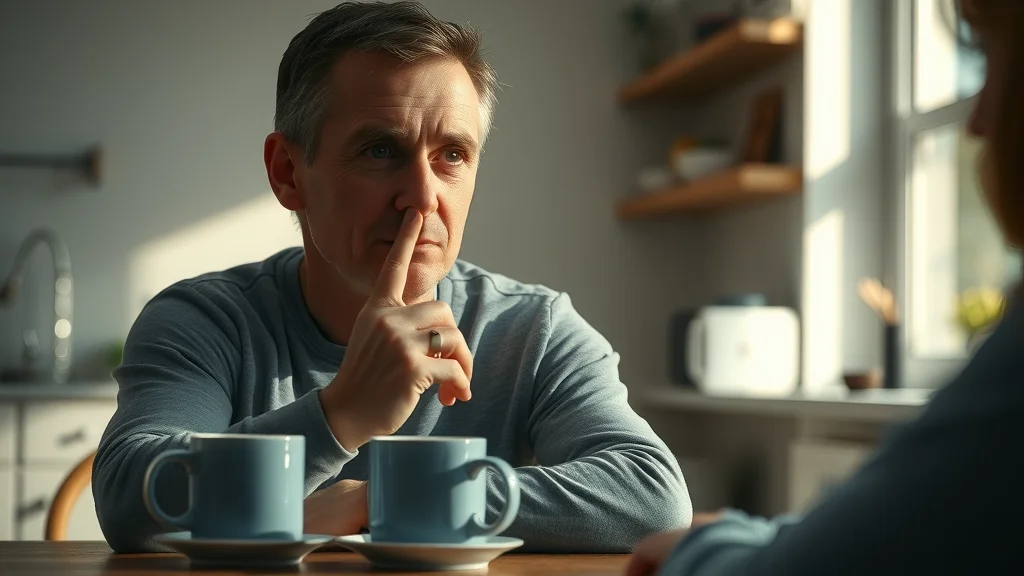
Spotting Passive Aggressive Behavior in Romantic Relationships
Distinguishing between occasional irritability and chronic passive aggressiveness in a romantic relationship can be tricky. In early stages, these patterns might look like minor annoyances—missed texts, forgotten plans, or sarcastic remarks.
Over time, however, the signs of passive aggressiveness become more pronounced: persistent avoidance of direct communication, regular withholding of affection, and repeated procrastination around important relationship commitments. These behaviors create an environment of emotional ambiguity, where one partner may feel they “can’t win” or are walking on eggshells.
Spotting passive aggressive behavior in relationships also means noticing when conflicts never seem fully resolved, a key indicator of passive aggressiveness that can harm emotional intimacy. Instead of healthy discussion, issues surface as grudges, resentment, or emotional withdrawal. The result is a partnership eroded by psychological manipulation and a sharp decline in intimacy and trust. Recognizing these patterns early is vital for choosing healthier ways to relate and communicate.
Signs of Passive Aggressive in Romantic Partnerships
In romantic partnerships, signs of passive aggression can be subtle yet deeply damaging. One partner may commonly “forget” important matters, dodge tough conversations, or agree to things and then undermine them indirectly. These repeated negative behaviors—masked as harmless mistakes or jokes—chip away at connection and build frustration.
The receiving end is often left feeling hurt, puzzled, and dissatisfied without a clear way to address the issues. When passive aggressive tendencies persist, resentment grows, and communication breaks down, making it harder to rebuild trust.
Aggressive People vs. Passive Aggressive Individuals
Directness vs indirectness
Open hostility vs covert manipulation
Impact on communication and trust
While aggressive people express anger openly, often in ways that can intimidate or emotionally harm others, those who are passive aggressive hide their anger behind subtle actions, making passive aggression harder to detect but equally damaging. Aggressive behavior may result in major confrontations, but at least the issues are out in the open and can be addressed.
Passive aggressiveness, conversely, breeds chronic resentment and emotional distance, as the problems remain hidden and unresolved. This indirectness erodes communication and trust over time, jeopardizing the health of any romantic relationship.
"Aggressive behavior is unmistakably direct, while passive aggression hides behind plausible deniability," says Dr. Monica Patel, Marriage Counselor.

Examples: How Passive Aggressive Behavior Manifests in Adults
Passive Aggressive Behavior in Daily Adult Interactions
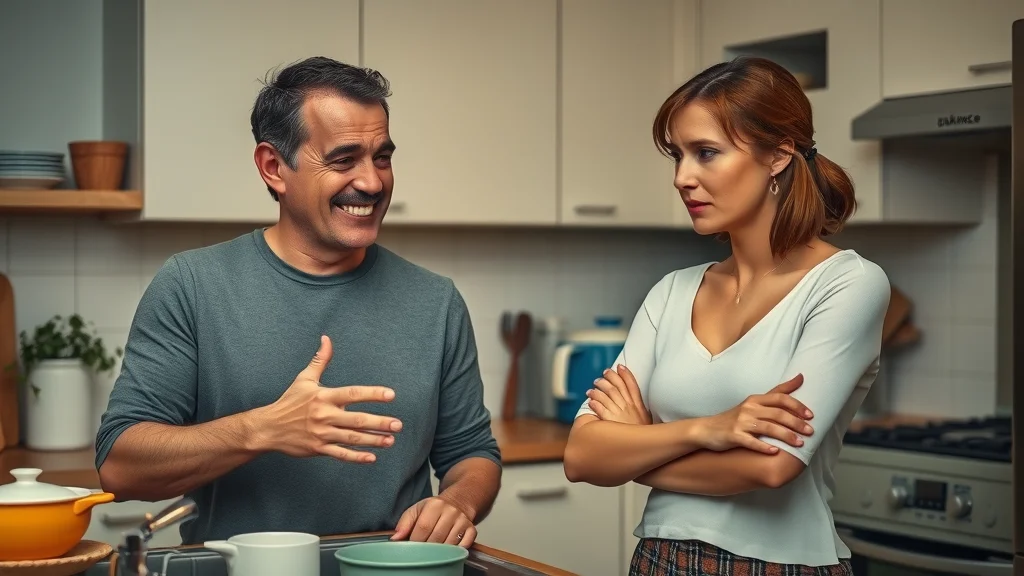
Passive aggressive behavior in adults can play out in many ordinary scenarios, demonstrating how passive aggression manifests beyond just romantic relationships. Imagine a partner who, after a disagreement, delivers a sarcastic remark like, “Well, I guess you know best.” Or the spouse who agrees to do the dishes, only to “forget” consistently, quietly expressing annoyance instead of voicing it.
In long-term relationships, these patterns grow more elaborate—a partner might intentionally delay responding to messages, drag their feet on joint projects, or use backhanded compliments as a way to dent self-esteem.
These behaviors don’t just stem from laziness; they’re negative ways to express anger or assert power without risking direct confrontation. Chronic passive aggressiveness can escalate to acts of psychological manipulation or emotional abuse, especially when left unaddressed in the home or in public settings.
Case vignette of passive aggressive behavior in a marriage or long-term relationship.
"A sarcastic remark after a disagreement or forgetting to do a chore on purpose are classic adult examples," shares Ellen Reed, Licensed Social Worker.
The Impact of Passive Aggressive Behavior on Relationships
Passive aggressive behavior in relationships chips away at emotional connection and mutual respect, often leading to long-term relationship distress and decreased trust. Partners on the receiving end of silent treatments, subtle sabotage, or chronic withholding of affection can feel isolated, powerless, or anxious. Over time, this negative behavior undermines trust and communication, making it harder to resolve conflicts or feel secure with one another. Passive aggressiveness is also linked to mental health challenges, such as anxiety or depression, for both partners.
Research shows that persistent passive aggressive patterns often lead to recurrent cycles of unresolved grievances and emotional withdrawal. When partners fear losing control or expressing anger openly, they may resort to indirect, negative strategies. Eventually, the relationship may experience loneliness and isolation, emotional abuse, or even a complete breakdown in intimacy. Prompt recognition and intervention can prevent these long-term consequences and restore healthier ways of relating.
"Long-term passive aggressiveness erodes emotional intimacy and increases relationship distress," reports Dr. Nisha Banerjee, Couples Researcher.

Recognizing Passive Aggressive People: Character Traits and Patterns
Spotting passive aggressive people requires looking for patterns that go beyond an occasional bad day, including chronic passive aggressiveness and subtle signs of passive aggression. Key character traits include chronic criticism masked as humor, where joking comments are used to undermine others or disguise negative feelings. Moodiness that’s out of proportion or disconnected from the current situation may reflect ongoing resentment being hidden beneath the surface.
These individuals often use deflection tactics—changing the subject or making excuses—when asked to discuss problems or feelings directly. Recognizing these patterns is the first step to setting healthy boundaries and encouraging more open, honest communication within your relationships.
Chronic criticism masked as humor
Moodiness disconnected from situations
Frequent use of deflection tactics
The Cycle of Passive Aggressiveness in Relationships
Passive aggressiveness in relationships usually develops into a repetitive, destructive cycle that undermines trust and communication, making it vital to recognize and address passive aggressive behavior early. Here’s how it unfolds: One partner, fearing direct confrontation or anxious about losing control, suppresses their true feelings. Instead of voicing concerns, they express anger or resentment through indirect actions—delayed responses, withdrawal, or subtle sabotage.
The other partner, unable to address the real issue, becomes frustrated and feels emotionally abused or confused. This leads to further withdrawal on both sides, escalating emotional distance and reinforcing the negative cycle.
Escaping this cycle requires both awareness and a willingness to adopt healthier ways of expressing needs and resolving conflict. If not addressed early, passive aggressive cycles can result in lasting damage and drive a permanent wedge between partners. Open communication and professional support can break the chain and restore connection.

Passive Aggressive Behavior in Relationships: Long-Term Consequences
If passive aggressive behavior is left unchecked, the repercussions on romantic relationships can be serious. Chronic passive aggression leads to constant unresolved tension and decreases emotional safety. Partners may begin to feel unworthy, anxious, and distrustful, leading to a loss of intimacy and connection.
Over time, these patterns may constitute emotional abuse, undermine self-esteem, and even influence long-term mental health outcomes. It’s vitally important to recognize and address passive aggressiveness before it becomes entrenched—and the foundation of the relationship is irreparably damaged.
Finally, couples stuck in a cycle of passive aggression often experience persistent loneliness and isolation, as both partners fail to communicate authentically. Proactively addressing the root causes restores hope and can pave a path toward healthier, more satisfying partnerships.
How to Respond to Passive Aggressive Behavior in Relationships
Setting healthy boundaries
Open, nonjudgmental communication
Seeking couples counseling
Practicing self-care strategies
Responding to passive aggressive behavior constructively is possible, but it requires intentional action. First, set clear and respectful boundaries about what behaviors are acceptable. Foster open, nonjudgmental communication—invite your partner to share their thoughts and feelings without fear of reprisal.
If patterns of passive aggression persist, consider couples counseling with a qualified mental health professional who can mediate and teach new coping mechanisms. Don’t forget to prioritize your own well-being through self-care, such as spending time with friends, pursuing hobbies, or practicing mindfulness.
"Addressing passive aggressiveness openly is the first step in breaking the cycle," advises Dr. Jenna Fields, Licensed Psychotherapist.

Effective Strategies: Overcoming Passive Aggressive Behavior in Relationships
Encouraging assertive expression of needs
Developing emotional intelligence
Building trust through vulnerability
Utilizing evidence-based interventions
Practical, research-backed approaches can help couples move beyond passive aggressive patterns. Encourage assertive expression—clearly and kindly state your needs without resorting to sarcasm, hints, or withdrawal. Developing emotional intelligence makes it easier to recognize and regulate your own negative feelings, leading to healthier, more productive conversations.
Share your vulnerabilities to rebuild trust, making it safer for both partners to express themselves authentically. Evidence-based interventions, such as cognitive-behavioral therapy (CBT), can help identify triggers and reframe thinking patterns, providing lifelong tools for respectful, direct communication.
Changing passive aggressive dynamics doesn't happen overnight, but consistent effort and willingness to grow—individually and together—set the stage for stronger, more resilient relationships.
When to Seek Professional Help for Passive Aggressive Behavior
If passive aggressive behavior has become frequent, severe, or leads to ongoing emotional distress and relationship conflict, don’t hesitate to seek professional support. Therapists and counselors are trained to help couples and individuals navigate negative behavior patterns, improve communication, and develop healthier coping mechanisms.
Early intervention can prevent years of resentment, unhappiness, and escalating emotional abuse. Remember, seeking therapy is a proactive step toward healing, not an admission of failure—it’s one of the best forms of relationship advice for addressing persistent issues.

People Also Ask: Questions About Passive Aggressive Behavior in Relationships
What does passive-aggressive behavior look like in a relationship?
Passive-aggressive behavior in a relationship often includes giving the silent treatment, making sarcastic remarks instead of addressing problems, and frequently "forgetting" promises or tasks. The person may avoid direct confrontation, hide negative feelings, and express anger through subtle, indirect actions that leave the partner feeling confused or hurt.
What is an example of passive-aggressive behavior in adults?
An example is agreeing to a request—like helping with chores—but intentionally delaying or doing the task poorly to express resentment. Other examples include backhanded compliments, stonewalling, or withdrawing emotionally without explanation after a disagreement.
What is the root cause of passive-aggressive behavior?
Root causes often stem from environments where expressing anger directly is discouraged or punished. Childhood experiences, learned coping mechanisms, fear of losing control, or avoidance of conflict can contribute to the emergence of passive-aggressive behaviors in adulthood.
How to respond to someone who is being passive-aggressive?
Respond with clear, calm communication and set definite boundaries. Encourage your partner to express their feelings openly and directly, avoid reacting emotionally to provocations, and if needed, seek support from a counselor to help break the cycle of hidden resentment.
Key Takeaways: Navigating Passive Aggressive Behavior in Relationships
Passive aggressive behavior undermines communication and trust in relationships.
Recognizing signs early can prevent long-term damage.
Professional help is available and effective strategies exist.
Frequently Asked Questions About Passive Aggressive Behavior in Relationships
-
Can passive aggressive behavior be changed?
Yes — passive aggressive behavior can be changed. It’s a learned pattern of coping, often rooted in fear of conflict, low assertiveness, or past environments where direct expression felt unsafe. With insight and practice, people can replace indirect resistance or sarcasm with clearer, more respectful communication. The first steps are recognizing the signs (silent treatment, procrastination, backhanded compliments), identifying triggers, and understanding the needs or emotions underneath (e.g., feeling overwhelmed, unappreciated, or afraid of rejection).
What are some books or resources for couples?
Helpful, research-based reads include:
Overcoming Passive-Aggression by Tim Murphy and Loriann Hoff Oberlin, which explains the patterns and offers step-by-step communication tools;
Living with the Passive-Aggressive Man by Scott Wetzler for understanding dynamics and setting limits;
The Dance of Anger by Harriet Lerner for boundary-setting without escalating conflict;
Nonviolent Communication by Marshall Rosenberg for de-escalating conversations;
Crucial Conversations for navigating high-stakes talks; and
The Assertiveness Workbook by Randy Paterson or
When I Say No, I Feel Guilty by Manuel Smith for building clear, respectful assertiveness.
For attachment and emotion-focused approaches that reduce defensiveness, Hold Me Tight by Sue Johnson is also excellent.
How can I tell if I’m being passive aggressive?
Common signs of passive-aggressive behavior include expressing anger or resistance indirectly rather than stating it plainly. You might say “I’m fine” while feeling upset, give the silent treatment, make sarcastic or backhanded comments, procrastinate on tasks to signal disapproval, or “forget” commitments you resent. Other cues include agreeing out loud but undermining the plan later, withholding information, rolling your eyes, sighing, or using vague language that forces others to guess what you really mean.
Does passive aggression always indicate deeper problems?
Not always. Passive-aggressive behavior can be a learned coping strategy rather than a sign of a deep psychological issue. People may resort to it when they feel powerless, fear conflict, or lack skills to express disagreement directly. Context matters too — workplace hierarchies, cultural norms, or high-stress situations can push otherwise straightforward communicators into indirect behavior.
That said, persistent or pervasive passive aggression can signal underlying problems. It may reflect chronic resentment, unaddressed anxiety or depression, unresolved trauma, or certain personality patterns where direct confrontation feels unsafe.
Is passive aggressiveness a mental illness?
Short answer: no — passive-aggressive behavior is not considered a mental illness. In modern diagnostic manuals (like the DSM-5), “passive-aggressive personality disorder” is no longer a recognized diagnosis. Instead, passive-aggressiveness is understood as a communication or coping style where negative feelings are expressed indirectly (e.g., procrastination, sarcasm, backhanded compliments, stonewalling) rather than addressed openly.
That said, frequent passive-aggressive behavior can be a sign of underlying issues — stress, resentment, poor communication skills, or other mental health conditions (such as depression, certain personality traits, or anxiety).
Summary Table: Signs, Causes, and Solutions for Passive Aggressive Behavior in Relationships
Signs |
Causes |
Solutions |
|---|---|---|
Silent treatment, procrastination, backhanded compliments, deliberate forgetfulness |
Fear of direct conflict, past emotional abuse, family/cultural norms discouraging open anger, coping mechanism |
Open communication, setting boundaries, therapy/counseling, building emotional intelligence |
Conclusion: Moving Forward After Identifying Passive Aggressive Behavior in Relationships
Identifying passive aggressive behavior is the first step to healing. By seeking understanding and professional support, couples can rebuild trust, repair emotional intimacy, and create healthier patterns for lasting connection.
If you’re committed to building stronger, more resilient relationships, it’s essential to look beyond just communication patterns and consider the broader factors that influence emotional well-being. Understanding how your body responds to stress can provide powerful clues for improving both your personal health and your interactions with loved ones.
For a deeper dive into holistic wellness and actionable strategies to support your mind and body, explore these key insights on recognizing stress signals. Taking this next step can empower you to nurture not only your relationships but your overall sense of balance and fulfillment.
Continue Your Journey: More Resources
To continue your learning, you’ll find more articles and guides at NCWellnessHub.com.
Sources
Psychology Today – https://www.psychologytoday.com/us/basics/passive-aggression
Verywell Mind – https://www.verywellmind.com/passive-aggressive-behavior-4174034
Healthline – https://www.healthline.com/health/passive-aggressive-behavior
Positive Psychology – https://positivepsychology.com/passive-aggressive-behavior/
NCBI Bookshelf – https://www.ncbi.nlm.nih.gov/books/NBK499922/
To deepen your understanding, consider exploring the following resources: The Mayo Clinic’s article, “Passive-aggressive behavior: What are the red flags?,” outlines key indicators of passive-aggressive actions, such as resentment, procrastination, and intentional mistakes, helping you identify these behaviors in your relationship.




Write A Comment