

Many trust grapefruit seed extract for health, but hidden controversies ignite doubt and concern. Understanding its true nature empowers you to make safe, informed choices for your wellness journey. Isn’t your health worth uncovering the truth behind this popular remedy?

Understanding What Is the Controversy with Grapefruit Seed Extract?
Grapefruit seed extract, often referred to as GSE, has gained a devoted following in wellness circles for its purported ability to combat microbes, boost immunity, and even ease skin conditions. However, beneath the surface, a storm of controversy rages, centered on whether these bold claims are justified, and more alarmingly,
if commercial grapefruit seed extract is actually what it claims to be. The heart of the question—what is the controversy with grapefruit seed extract?—lies in the gap between consumer expectations and the unsettling findings from scientific labs around the world.
Recent revelations point to a pattern of adulteration with synthetic chemicals, misleading labeling, and complex legal challenges, shaking consumer trust and raising red flags among health professionals. We need to understand the difference between natural product benefits and those created artificially, and why so many experts are sounding the alarm on everyday supplements.
Whether you’ve been integrating grapefruit seed extract into your daily health regimen or you’re just curious about this so-called ‘natural’ supplement, knowing the facts has never been more critical. As we dig deeper, you’ll discover why independent testing, clear labeling, and the expertise of licensed health professionals are absolutely vital for safe GSE use, and why many experts and regulatory agencies are pushing for greater transparency in the supplement world.
Opening the Debate: Why Grapefruit Seed Extract Sparks Concern
The debate surrounding grapefruit seed extract is more than an academic quarrel—it’s a public health issue. Proponents tout GSE as a miracle antimicrobial agent, but numerous studies have shown that commercial seed extracts often contain synthetic preservatives such as benzalkonium chloride and benzethonium chloride.
These findings raise serious concerns: if a product advertised as “natural” is actually an extract product adulterated with synthetic chemicals for artificial potency, can consumers really trust its safety?
Even more worrying, some batches have failed standard laboratory tests for authenticity, exposing users to unlisted synthetic chemicals that may interact dangerously with common medications or present unexpected side effects. This blend of scientific scrutiny, consumer expectation, and regulatory gray areas forms the complex root of the controversy around grapefruit seed extracts.
As you consider the potential risks and benefits of supplements like grapefruit seed extract, it's important to recognize that your body's response to stress and external factors can also influence how you process these products. For a deeper understanding of how stress manifests physically and what signs to watch for, explore these key wellness insights on recognizing stress in your body.
"Consumers deserve transparency with supplement ingredients—especially those as debated as grapefruit seed extract." – Dr. Clara Jennings, ND
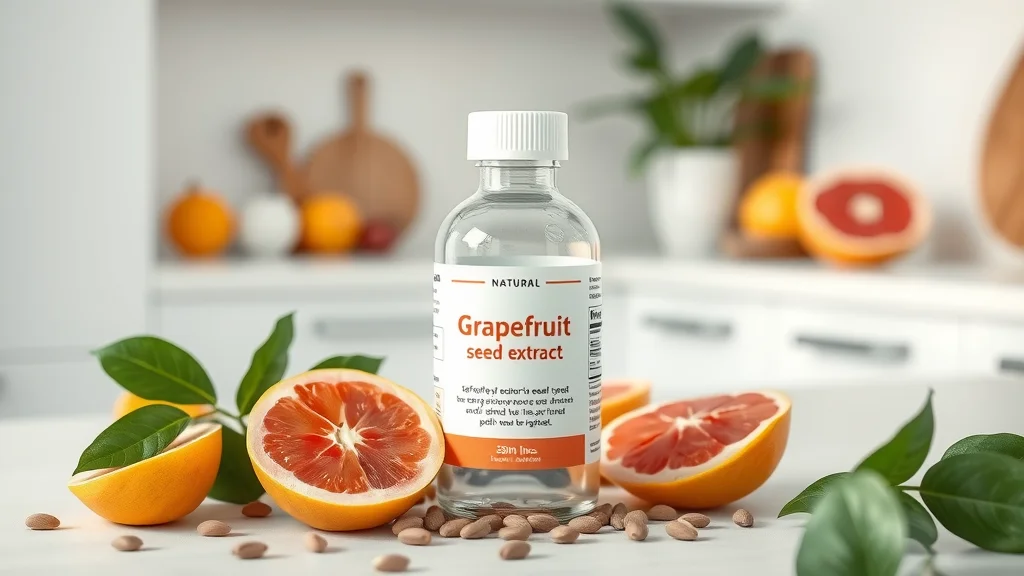
What You'll Learn About What Is the Controversy with Grapefruit Seed Extract?
Historical background of grapefruit seed extract
Alleged benefits vs. scientific evidence
Common concerns regarding commercial grapefruit seed extract products
Myths and reality: Adulteration with synthetic compounds
Insights from licensed medical professionals
How to evaluate the safety of grapefruit seed extract
The Origins and Uses of Grapefruit Seed Extract
History of Seed Extract Use in Alternative Medicine
Looking back, the use of seed extracts in healing predates modern medical science. Early herbalists recognized the power of fruit seeds, developing extracts from plant sources, including grape and grapefruit, to ward off infections and promote wellness.
Grapefruit seed, initially employed in folk medicine practices, was hailed for its supposed antimicrobial activity—long before today’s laboratory testing and chemical scrutiny. Historical testimonies, now preserved by organizations such as the american botanical council, reveal that while some practitioners witnessed anecdotal patient improvements, controlled evidence was often lacking.
As these practices evolved, a shift occurred with the commercialization of natural remedies. The move from simple pressed grapefruit seeds to highly processed, mass-marketed extract products left room for ambiguity in what, exactly, was in the bottle. Unlike pharmaceutical-grade drugs, supplements like grapefruit seed extract were—and often still are—lightly regulated.
This has set the stage for questions about ingredient integrity and authenticity, especially as claims for candida albicans treatment and immune support began to crop up in advertising without strong clinical backing.

Rise of Commercial Grapefruit Seed Extract Products
In the late 20th century, commercial grapefruit seed extract surged into the wellness market, advertised as a natural cure-all for everything from infections to skin conditions. Brands promised plant-based purity, harnessing the alleged antimicrobial activity found in the bitter seeds of grapefruits. But with popularity came scrutiny. The industry’s rapid expansion meant many commercial grapefruit seed products hit shelves with little third-party verification.
Detailed analyses—often using mass spectrometry and modern food chemistry techniques—started revealing disturbing patterns of adulteration with synthetic antimicrobials, raising red flags for researchers and health authorities.
As more consumers embraced these supplements, new questions surfaced: Are the benefits due to the naturally occurring compounds in the grapefruit seed extract? Or are synthetic additives giving the illusion of effectiveness but increasing the risk of medication interactions or allergic reactions? This growing complexity is central to the modern debate—and the need for robust evidence and honest marketing has never been more urgent.
Grapefruit Seed Extract Use |
Evidence Level |
Reported Benefit |
Potential Risk |
|---|---|---|---|
Immune Support |
Low–Moderate |
Infection prevention |
Possible chemical adulteration |
Antimicrobial Agent |
Low |
Bacterial/viral suppression |
Potential medication interaction |
Skin Remedies |
Low |
Acne, eczema relief |
Allergic reactions |
Examining the Major Controversies Around What Is the Controversy with Grapefruit Seed Extract?
Efficacy of Grapefruit Seed Extract: Claims vs. Clinical Evidence
For decades, proponents have championed grapefruit seed extract for its supposed broad-spectrum antimicrobial activity and natural healing properties. The promise? A plant-based, minimally processed alternative to synthetic chemical antimicrobials. Yet, a closer look at the evidence suggests caution.
Numerous studies published in journals like Food Chemistry and the Journal of Agricultural and Food Chemistry have tested GSE’s effect on pathogens such as candida albicans—with largely inconclusive or negative results when pure, natural extract is used.
Interestingly, when these same laboratories tested commercial gse, they detected significant antimicrobial activity—but, mass spectrometry revealed the presence of added synthetic chemicals such as quaternary ammonium (including benzalkonium chloride and benzethonium chloride).
The harsh reality: the acclaimed antimicrobial activity may be the result of these hidden synthetic additives, not the natural compounds of the grapefruit seed itself. This fact alone fuels concerns over misleading marketing and calls for more rigorous oversight in the supplement industry.

Contamination and Adulteration with Synthetic Compounds
The most alarming aspect of the grapefruit seed extract controversy is the issue of contamination and intentional adulteration. Investigations by regulatory bodies and research groups have uncovered a pattern: many seed extract products on the market, especially those labeled as “natural” or “pure,” contain potent synthetic preservatives not listed on the label.
Peer-reviewed studies, including several highlighted by the American Botanical Council, have detected chemicals such as benzalkonium chloride—a synthetic antimicrobial used in household disinfectants—in commercial GSE supplements. In some cases, their presence is so concentrated that the supplement’s effects are indistinguishable from a laboratory antiseptic rather than a botanical remedy.
This rampant use of unlisted synthetic additives not only violates consumer trust, but it also undermines the supplement industry as a whole. Medical professionals and scientists warn that consistent exposure to such chemicals, especially without medical supervision, raises risks for allergic reactions, liver toxicity, and potentially dangerous interactions with other medications. Whether due to cost savings or attempts to boost efficacy, the adulteration of grapefruit seed extract is a stark reminder that reliability in natural supplements cannot be assumed.
"Several commercial grapefruit seed extract products have been found to contain synthetic antimicrobials, raising safety and ethical questions." – Dr. Pauline Ng, PharmD
Labeling, Transparency, and Consumer Trust Issues
Transparency is a cornerstone of safe supplementation. Unfortunately, the history of commercial grapefruit seed extract is riddled with deceptive or incomplete labeling. Consumers seeking a natural product may instead receive a complex blend of synthetic preservatives and unverified plant compounds. Ingredient lists that fail to disclose synthetic additives—especially those as potent as ammonium chloride derivatives—make it nearly impossible for consumers and even doctors to gauge a product’s safety. This opacity undermines faith in not only individual brands, but also regulatory systems intended to protect public health.
The implications are profound: a consumer may think they are opting for a safe, plant-derived solution, but instead risk consuming strong antiseptic chemicals, leaving them vulnerable to side effects and medication interactions. Recognizing these gaps, the FDA and health advocacy groups have repeatedly called for stricter regulation, mandatory third-party laboratory testing, and severe penalties for companies that mislead consumers.
Safety Profile: Drug Interactions and Risks with Seed Extract Products
Another key element in what is the controversy with grapefruit seed extract revolves around safety risks—specifically, the potential for serious drug interactions. Grapefruit seed extract, like grapefruit juice itself, can interfere with the metabolism of many medications by inhibiting CYP3A4 enzymes in the liver.
This action can lead to dangerously high blood levels of statins, blood pressure medications, and certain psychiatric drugs, among others. When compounded with the presence of synthetic antimicrobials such as quaternary ammonium compounds, the potential for harm multiplies.
Patients taking prescription medications, particularly those with chronic conditions or compromised liver function, should be especially careful. Licensed healthcare professionals consistently warn that self-medicating with commercial grapefruit seed extract—especially those not independently tested—could result in preventable hospitalizations or serious medical complications.
Expert Opinions: What Medical Professionals Say About What Is the Controversy with Grapefruit Seed Extract?
"Lab results have repeatedly shown chemical additives in some seed extract products, undermining natural supplement claims." – Dr. Anthony Lewis, MD
Citations from peer-reviewed studies on grapefruit seed and seed extract safety and efficacy
Discussion of FDA stance on grapefruit seed extracts
Several prominent medical professionals have gone on record regarding grapefruit seed extract. Dr. Anthony Lewis, MD, emphasizes the risks uncovered through laboratory testing. Likewise, regulatory discussions, as documented by the FDA, highlight the need for stricter controls and independent validation, given the frequency by which commercial gse products contain undisclosed synthetic chemicals.
Major studies conducted in Food Chemistry and Journal of Agricultural and Food Chemistry confirm that product adulteration is not an isolated issue; it is a trend. These findings are echoed in the most recent reviews by the American Botanical Council. In short, authoritative viewpoints are remarkably consistent in advocating for consumer caution and industry reform.
Key Scientific Findings on Grapefruit Seed Extract Products
Studies Investigating Synthetic Antimicrobial Adulteration in Seed Extracts
Independent laboratory studies play a crucial role in uncovering the truth about grapefruit seed extracts. A seminal set of publications in the Journal of Agricultural and Food Chemistry utilized high-sensitivity techniques such as mass spectrometry to analyze dozens of commercial grapefruit seed extract products.
Results were striking: a significant proportion contained unlisted synthetic antimicrobials, including benzalkonium chloride and ammonium chloride derivatives, whose concentrations far surpassed what could be expected from any naturally occurring plant compound.
Another group of studies by the botanical council cross-referenced ingredient lists against test results, repeatedly confirming inconsistencies industry-wide. While a minority of products maintained a clean, plant-only profile, these were exceptions rather than the norm. This growing body of hard evidence underlines why experts demand standardized, mandatory product testing and why consumers are increasingly skeptical of “all-natural” supplement claims.

Comparing Natural vs. Commercial Grapefruit Seed Extract
A recurring question is whether pure, plant-derived grapefruit seed extract actually delivers the advertised health effects. Genuine, natural grapefruit seed extracts—those free of synthetic chemical additives—tend to show mild antimicrobial properties at best, with most clinical studies reporting low efficacy against bacteria, yeast, and fungi such as candida albicans.
In contrast, commercial grapefruit seed products with synthetic additives demonstrate much stronger and broader antimicrobial activity, but this effectiveness comes not from the grapefruit seed, but from powerful non-botanical chemicals blended into the mix.
The crux? Many users likely benefit not from a safe, natural product but from a synthetic pharmaceutical, delivered under the guise of an herbal supplement. A look at Food Chemistry and Journal of Agricultural and Food Chemistry reviews makes it clear: safer health outcomes depend on consumers being able to distinguish between genuinely natural and adulterated products.

FAQs on What Is the Controversy with Grapefruit Seed Extract?
Can grapefruit seed extract be harmful?
Yes, grapefruit seed extract can be harmful, particularly due to the risk of synthetic adulterants. Many commercial gse products contain potent synthetic chemical additives that may trigger allergic reactions, disrupt liver function, or interact unpredictably with medications.
Not to forget, excessive intake of contaminated seed extracts may lead to symptoms such as nausea, fatigue, rash, or chemical toxicity. Consumers are urged to choose only products from reputable brands that offer independent laboratory testing and transparent ingredient lists to avoid potential health hazards.
What medications cannot be taken with grapefruit seed extract?
Several important medications—including cholesterol-lowering statins, calcium channel blockers, immunosuppressants, and certain anti-anxiety or psychiatric drugs—can be dangerously affected by grapefruit seed extract.
This supplement, like grapefruit juice, can inhibit enzymes (namely CYP3A4) vital for drug metabolism, resulting in higher and sometimes toxic concentrations of pharmaceuticals in the bloodstream. It is vital to consult with a medical professional before combining commercial grapefruit seed extract or any related seed extract product with prescribed medications.
Who should not use grape seed extract?
Individuals taking prescription medications, those with chronic liver or kidney disease, pregnant or breastfeeding women, and people with a history of allergies to artificial preservatives or botanicals should avoid using grapefruit seed extract unless specifically cleared by their healthcare provider.
The unpredictable nature of commercial gse products means the risk of adverse effects is higher in these populations, particularly given the potential for unlisted synthetic chemical ingredients and interactions with other substances.
Does grapefruit seed extract contain benzalkonium chloride?
Many commercial grapefruit seed extract products have tested positive for benzalkonium chloride and related synthetic preservatives. These chemicals are not naturally found in fruit seeds; rather, they are added during manufacturing to boost perceived effectiveness or shelf stability. The presence of benzalkonium chloride in an extract product is a major driver of controversy, as it raises ethical, health, and legal concerns about labeling and product safety for consumers.
List: Safe Supplement Practices for Grapefruit Seed Extract Users
Research reputable supplement brands
Check for third-party testing certifications
Consult with a health professional before use
Stay updated on recall announcements and FDA advisories

Key Takeaways about What Is the Controversy with Grapefruit Seed Extract?
Many grapefruit seed extract products have faced scrutiny due to adulteration concerns.
There is limited scientific support for widespread health claims.
Ensuring product transparency and safety is critical for consumers.
Summary and Informed Steps: Your Wellness and Seed Extract Choices
The grapefruit seed extract controversy reminds us that consumer vigilance is paramount. Choose wisely, demand transparency, and always consult professionals before adding new supplements to your routine.
If you’re committed to making informed choices about your health, understanding the broader context of wellness is just as important as scrutinizing individual supplements. By learning to recognize the subtle signals your body sends—especially those related to stress and overall well-being—you can take proactive steps toward a more balanced lifestyle.
For a comprehensive look at how to identify and respond to the signs your body is stressed, visit our in-depth guide on key wellness insights for stress recognition. Empower yourself with knowledge that goes beyond supplements and supports your holistic health journey.
Explore Resources and Stay Informed on Grapefruit Seed Extract Safety
The controversy surrounding grapefruit seed extract (GSE) primarily revolves around the adulteration of products with synthetic antimicrobial chemicals. Investigations have revealed that many commercial GSE products contain substances like benzethonium chloride and triclosan, which are not naturally present in grapefruit seeds. These additives are often responsible for the antimicrobial properties attributed to GSE, raising concerns about product authenticity and consumer safety. (nutraingredients-usa.com)
Furthermore, the presence of these synthetic compounds can lead to potential health risks, including allergic reactions and interactions with medications. For instance, benzethonium chloride has been found to interfere with the effectiveness of blood-thinning medications like warfarin, posing significant health hazards. (consumerlab.com)
Given these findings, it’s crucial for consumers to exercise caution when considering GSE products. Opting for supplements that have undergone rigorous third-party testing and provide transparent ingredient lists can help mitigate potential risks. Consulting with healthcare professionals before incorporating GSE into your regimen is also advisable to ensure safety and efficacy. NCWellnessHub.com




Write A Comment