


Did you know that certificate of need laws regulate healthcare expansion in over 30 states, directly affecting business growth? Understanding these laws is crucial for making informed decisions that could save you time, money, and hassle in navigating healthcare market changes.

Whether you're contemplating opening a new clinic, expanding hospital services, or entering the healthcare market for the first time, certificate of need laws are likely to influence your strategic decisions. In an era of rapid healthcare transformation and increased demand for services, being aware of how these regulations work allows you to anticipate challenges, leverage advantages, and ensure compliance—protecting your investments and positioning your business for success.
Understanding Certificate of Need Laws: A Critical Issue for Health Care and Business
For business owners and healthcare administrators, knowing the ins and outs of certificate of need laws (CON laws) is no longer optional—it's essential for viability. These regulations determine whether new healthcare facilities can be built, how many hospital beds or nursing home slots are available, and which providers are allowed to offer certain care services.
Originally designed to control care costs and prevent unnecessary duplication, CON programs now stand at the crossroads of healthcare innovation, business expansion, and market competition. In every con state, the ability to break ground on new projects, secure investment, or add modern facilities is filtered through rigorous evaluation and state approval processes.
For businesses, this means more than just regulatory paperwork. It affects timelines, risk assessments, investment strategies, and even staffing. Whether your business is in a state with active con programs or considering moving into one, you need practical insights to effectively plan and thrive.
The impact goes beyond large hospitals and health systems; entrepreneurs, long-term care facilities, and outpatient centers all face the same hurdles. Navigating these regulations with clear knowledge is the first step toward aligning with state health planning and resource allocation agendas and avoiding costly setbacks.

The Basics of Certificate of Need Laws and Health Care Regulation
"Save time and capital by mastering the regulatory landscape. Because Certificate of Need laws govern expansion in over 30 states, knowing how to navigate them gives you a competitive edge. Turn potential regulatory roadblocks into opportunities for informed, strategic growth."
At their core, certificate of need laws require healthcare providers to demonstrate a clear necessity for new construction or expansion before receiving approval from state agencies. This applies to a broad spectrum of initiatives: opening new hospitals, adding hospital beds, launching new types of care facilities, and even acquiring costly medical technology.
The goal is straightforward—prevent an oversupply of services that could drive up care spending without benefiting patients. These regulations seek to coordinate health planning at the state level, which can mean either smoothing market entry for essential services or creating barriers for new entrants.
The application process varies by state, but generally includes detailed market analyses, proof of unmet community needs, and public hearings where existing care providers can support or challenge the project. This intersection between regulatory compliance, community interest, and economic opportunity is what makes navigating certificate of need law a high-stakes task for any health-related business.
As you consider how certificate of need laws might affect your business strategy, it's also important to recognize how broader healthcare quality measures can influence regulatory decisions and public perception. For example, understanding the significance of patient safety grades at leading hospitals can provide valuable context for aligning your facility’s goals with state and community expectations.
How Certificate of Need Laws Shape the Health Care Landscape

The influence of certificate of need laws goes well beyond individual businesses—it actively molds the healthcare delivery landscape in every con state. By regulating the expansion of hospital beds, nursing homes, long-term care services, and specialty programs, CON laws attempt to balance resource deployment with community needs and public interest. This oversight is especially significant in regions experiencing rapid population growth, demographic shifts, or disparities between urban and rural health care access.
For business strategists and healthcare entrepreneurs, understanding how these laws direct the growth—or in some cases, limit the growth—of care facilities is crucial. Success hinges on aligning with state priorities, gathering robust market evidence, and managing the time-intensive approval process.
When executed well, certificate of need compliance can enhance a provider's reputation, open doors to new partnerships, and position the business as a trusted community asset. But if overlooked or mismanaged, it can halt expansion plans, drain resources, and hand the competitive advantage to more established players.
History and Rationale: The Evolution of Certificate of Need Laws
Development of CON Programs: Purpose and Regulatory Intent
The roots of certificate of need laws trace back to the 1970s, when federal and state policymakers grappled with rising health care costs and unchecked facility proliferation. The 1974 National Health Planning and Resources Development Act encouraged all states to implement CON programs, aiming to bring systematic health planning and regulate new care providers.
The intent was clear: keep healthcare competitive but orderly, maintain high standards, and avoid the financial chaos of redundant investments. Over the years, CON laws have become both a gatekeeper for market entry and a tool for state-level policymakers to steer care resources where they are most needed.
While some states have eased or repealed these requirements, others view CON programs as crucial mechanisms for smart growth. Today, CON regulations cover a ever-shifting terrain—ranging from broad, strict regimes in places like North Carolina and South Carolina to more targeted or entirely absent regulation in other states. Business leaders must keep a finger on the pulse of changes in con laws to remain compliant and responsive to market conditions.
Timeline of Major Certificate of Need Law Milestones in Health Care
Year |
Milestone |
Impact on Businesses/Providers |
|---|---|---|
1974 |
National Health Planning & Resources Development Act |
States encouraged to adopt CON laws; nationwide push for cost controls |
1986 |
Repeal of federal CON mandate |
States given autonomy; some repeal CON programs, others strengthen them |
2000s |
Ongoing legal debates and reforms |
Shifts in state-level oversight, leading to regional disparities |
2020s |
Business/healthcare advocacy for reform or repeal |
Heightened dialogue about competition, innovation, and costs |
Who Benefits from Con Regulation? Stakeholder Perspectives

The impact of certificate of need regulation is felt differently depending on where you stand. Established care providers often support CON laws, seeing them as a way to prevent market saturation and protect investments. State health departments use CON laws to address gaps in care, preventing oversupply and encouraging strategic investment in underserved areas. Community activists might view these laws as an advocate for resource equity—ensuring all residents have access to necessary services, not just those in wealthier or urban locales.
However, for small businesses and healthcare entrepreneurs, the narrative can be more challenging. Navigating con requirements presents significant barriers to entry, including complex applications, public hearings, and legal challenges from incumbent providers. In some states, this has led to fewer hospitals and more centralized resources, often at the expense of rural or innovating service models. Understanding these perspectives is vital for business owners mapping their path to success or planning for future expansion.
Current State of Certificate of Need Laws Across the United States
States with and Without Active Con Programs
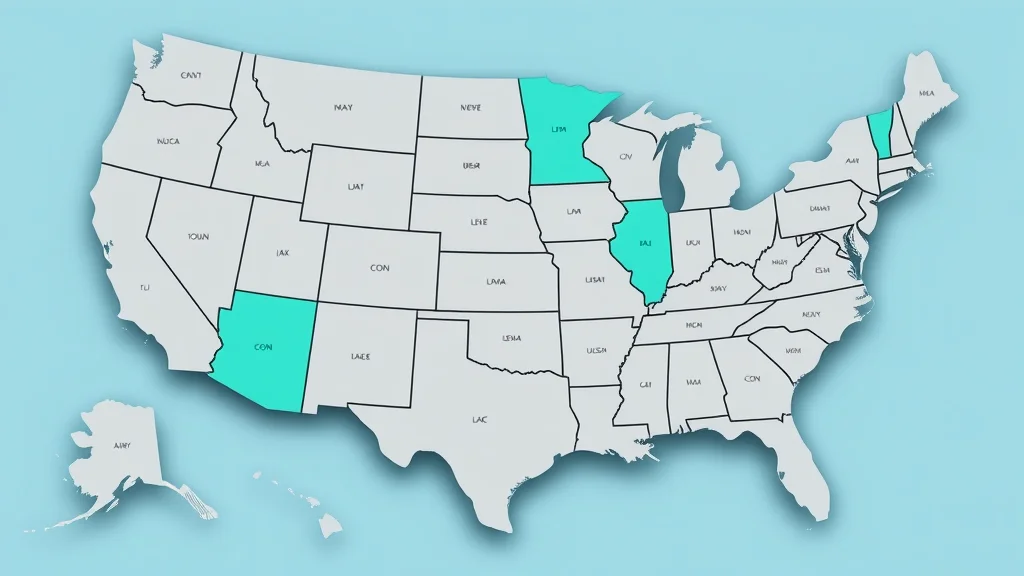
Currently, over 30 con states still have active certificate of need laws in place. These include high-profile markets like New York, Michigan, North Carolina, and Kentucky. Meanwhile, other regions, such as Texas, Idaho, and California, have either substantially scaled back or abandoned their con programs.
The result is a patchwork of regulatory approaches that can leave health care businesses uncertain about what’s required to operate or expand in different geographies. Careful attention to each state con program is critical, especially for organizations operating in multiple jurisdictions, as the differences in application procedures, evaluation standards, and approval timelines can be significant.
In con states, detailed needs assessments, market impact studies, and public comment periods are staples of the application process. In contrast, states without con requirements allow a more open-market approach, driving competition and, in theory, encouraging more rapid innovation.
However, critics argue this can also lead to facility overbuilding, inefficiency, and cost increases for consumers—a central theme in ongoing debates over the best regulatory direction for the country.
States of Debate: Iowa, Louisiana, and Regional Differences in Certificate of Need Law
Some states—such as Iowa and Louisiana—remain at the center of the debate. Both enforce certificate of need laws that shape facility development and service expansion, but their approaches and specific program requirements differ. Iowa’s con program emphasizes community health impact, while Louisiana’s process is more driven by cost containment and regional balance in healthcare infrastructure.
These differences demonstrate the regional variation in con laws and highlight why it's essential for healthcare businesses to stay informed about current regulation, policy changes, and legal trends at both state and regional levels.
Entrepreneurs and established health systems in these regions face different sets of opportunities and barriers. While some states seek to loosen con requirements to attract investment and encourage care provider competition, others tighten regulations to mitigate risks of service duplication or financial instability. The resulting patchwork of con laws means that proactive, state-by-state research is necessary—for every business considering expansion or building a new facility.
Certificate of Need Laws and Health Care Access
Do Certificate of Need Laws Improve Number of Hospitals and Nursing Homes?
One of the main goals of certificate of need regulation is to ensure that the community’s needs for hospitals and nursing homes are met efficiently. However, data shows that the impact on the number of hospital facilities is mixed: some states with strong con requirements have seen fewer hospitals and nursing homes constructed, while others report stable or even increased facility numbers.
Supporters of con programs argue that regulations promote smart growth and responsible resource allocation, discouraging unnecessary and costly expansion. Detractors, however, contend that these laws often limit access, particularly in fast-growing or underserved communities, potentially resulting in fewer hospital beds or long waitlists for nursing home placement.
The answer lies in balancing market forces with policy objectives. While con regulation may help reduce care spending by preventing surplus, it can unintentionally stifle innovation, delay needed expansion, and restrict choice. Health planning experts increasingly call for nuanced reforms that can adapt to the shifting landscape and better reflect community priorities in both urban and rural contexts.
Impacts on Rural vs. Urban Health Care Expansion

Certificate of need laws play a distinct role in shaping access to care, especially when comparing rural and urban environments. In rural areas, strict con requirements can intensify access issues—delaying the expansion of clinics or nursing homes that are badly needed to serve aging or underserved populations. In some cases, rural providers struggle to demonstrate the market need required to justify expansion, despite obvious local demand. Conversely, urban providers might face overwhelming competition and service overlap, prompting the need for regulatory oversight to ensure efficient allocation of healthcare resources.
This rural-urban divide underlines the importance of tailoring certificate of need regulation to regional realities. Policymakers, business owners, and health planners need to collaborate in designing flexible con programs that address the unique challenges of each community. For businesses, this means a keen understanding of local demographic trends, care needs, and the regulatory climate—a combination that can spell success or frustration depending on the approach.
-
Pros of Certificate of Need Laws for Health Care:
Helps control health care costs by avoiding costly duplication of facilities and services
Enables coordinated health planning and resource allocation
Potentially improves quality by limiting "low-volume" providers
Encourages provider accountability to communities
-
Cons of Certificate of Need Laws for Health Care:
Can restrict competition and hamper innovation
May limit access, particularly in rural or fast-growing areas
Slows down the approval process for new businesses and expansions
Gives established providers power to oppose new entrants
Certificate of Need Laws: Business Implications and Challenges
How Certificate of Need Laws Affect Business Planning and Investments

For anyone in the health care industry, certificate of need laws fundamentally shape the way business plans are conceived and executed. Investors, hospital boards, and independent operators must account for regulatory timelines, potential legal opposition, and the requirement to provide robust community need evidence—all before a single shovel hits the ground. These additional steps can extend project timelines by months or even years, influencing how resources are allocated and whether projects receive financial backing.
Moreover, con regulation influences the design of business models. Entrepreneurs may choose to focus on specialty services or underserved niches where the need can be best demonstrated.
Large health systems often dedicate teams to navigating compliance and advocacy, while smaller providers might band together or seek strategic partnerships to overcome entry barriers in con states. In short, understanding the impact of con requirements is central to risk management and growth for all health care businesses.
Barriers to Entry: Small Businesses vs. Established Providers in Con Programs
The playing field isn’t level when it comes to certificate of need law. Established organizations typically have greater resources, more political influence, and deeper relationships with regulators and stakeholders—all of which make regulatory compliance easier. Small businesses and startups, by contrast, may lack the bandwidth to manage the complexities of the CON application process.
They face high up-front costs, potential legal battles from existing providers contesting their applications, and often longer waits for decisions. This dynamic can discourage new entrants and limit the diversity of care providers in a given state.
Despite these hurdles, some innovative small businesses have succeeded by focusing on clear community needs, mobilizing local support, and seeking out expert guidance. For everyone considering entering a con state, proactive strategy and thorough preparation are essential.
Comparing States: Certificate of Need Law Requirements for Business Expansion
State |
CON Requirement |
Application Timeline |
Major Barriers |
|---|---|---|---|
North Carolina |
Yes |
6–12 months |
Stringent review, community competition |
Iowa |
Yes |
9–18 months |
High legal scrutiny, regional quotas |
Louisiana |
Yes |
6–10 months |
Complex application, public comment |
Texas |
No |
N/A |
None |
"For healthcare entrepreneurs, understanding the nuances of certificate of need laws is a must to avoid unexpected regulatory roadblocks."
Legal, Economic, and Ethical Arguments: Are Certificate of Need Laws Good Policy?
Certificate of Need Laws and Health Care Quality: The Evidence

The evidence regarding certificate of need laws and health care quality is complex. Proponents claim that by consolidating services and concentrating resources, con regulation improves outcomes, prevents unnecessary duplication, and ensures that providers have enough patient volume to maintain expertise. This may be especially critical for high-stakes services, like surgery or specialized treatments.
However, critics point to studies showing that states with strong con requirements don’t necessarily achieve better outcomes or lower costs. In some cases, the restrictions can lead to care gaps, patient delays, and unmet needs in both hospitals and nursing home settings.
Research consistently suggests that the success of con programs hinges on their adaptability and the effectiveness of their oversight—not simply on their existence. For businesses and consumers, the key is ensuring that any regulatory scheme is actively monitored, responsive to change, and genuinely supportive of high-quality care and efficient spending.
Con Regulation and Competition: Market Control or Necessary Oversight?
One of the most hotly debated aspects of certificate of need regulation is its impact on competition. Critics contend that con laws grant existing care providers excessive market power, limit the entry of new providers, and slow the introduction of innovative service models. These restrictions often spark legal challenges and calls for reform, particularly from entrepreneurs and advocacy groups hoping to shake up the status quo.
On the other hand, supporters argue that without con requirements, overbuilding and aggressive competition can fracture the marketplace—threatening financial sustainability and undercutting standards of care. Ultimately, the answer likely lies in the middle: a responsive, transparent system that supports beneficial expansion without enabling unchecked market domination by a few powerful interests.
-
Expert Opinions: Voices for and Against Certificate of Need Laws
“Well-designed CON programs can steer resources to areas most in need and prevent costly duplication.” – State Health Policy Analyst
“Rigid regulations discourage new ideas, driving up costs and reducing patient choice.” – Healthcare Entrepreneur
“More research and ongoing reform are needed to ensure CON law keeps up with market realities.” – Academic Health Economist
Navigating Certificate of Need Laws: Tips for Businesses
Research state- and region-specific certificate of need requirements before planning any expansion.
Engage with local authorities, community organizations, and established care providers early in the process.
Invest in professional advice from health care consultants and legal experts familiar with con law.
Build a compelling case for community need using robust market data and demographic trends.
Monitor policy and legislative changes regularly, as con regulations can shift quickly with state politics.

Best Practices for Navigating the Con Program Application Process
Applying for a certificate of need is a detailed, multi-step process. Begin by assembling a skilled team—including legal, clinical, and business experts—to guide your application from concept to approval. Connect with local stakeholders, both to garner community support and to preempt challenges from incumbent providers.
Prepare a thorough needs assessment, highlighting data on local demand, service gaps, and population growth. Tailor your application to align with state health planning and resource allocation goals for your region, and anticipate a lengthy review process with multiple rounds of questions or public hearings.
Staying proactive, organized, and engaged throughout the con program process significantly increases the chances of business success and positive impact on community health outcomes. Document each stage carefully, as appeals or legal scrutiny can arise at any point.
Legal Counsel: When to Seek Expert Advice on Certificate of Need Laws
Because con regulations frequently shift and can involve complex administrative procedures, seeking expert legal advice is vital—especially for new entrants or any business facing opposition from established providers. Attorneys with experience in certificate of need laws can help structure your strategy, craft your argument, manage compliance, and represent your interests in hearings or appeals. Many successful applications hinge as much on regulatory navigation as on market opportunity, making legal counsel a wise investment for any serious venture in con states.
If you’re expanding across state lines, make sure your legal team understands the nuances of each relevant con program. Stay updated with recent case law, policy updates, and state legislative activity to adapt your approach as rules evolve.
Case Studies: Businesses Impacted by Certificate of Need Laws
Success Stories: Navigating Certificate of Need Law to Enable Growth

Many healthcare businesses have successfully navigated the certificate of need process to accomplish significant growth. For example, a regional outpatient surgery center in North Carolina leveraged detailed market studies and built strategic partnerships with community organizations to support its entry application. The streamlined, data-backed case earned broad stakeholder approval and ultimately enabled the addition of much-needed specialty services.
Similarly, a group of rural health clinics in Louisiana banded together to prove a substantial unmet need for primary care, securing approval for new sites and expanding access for underserved patients. These stories showcase how persistence, community engagement, and careful legal preparation can turn the challenge of con laws into a platform for positive impact.
Lessons Learned: Overcoming Con Regulation Roadblocks
Other businesses have encountered setbacks—legal appeals, competitive resistance, or changes in political priorities—but learned to adapt through flexibility and ongoing advocacy.
*The biggest lesson is that success with certificate of need regulations often comes from anticipating opposition, staying agile in strategy, and maintaining open channels with regulatory agencies and stakeholders. For healthcare entrepreneurs, these insights are invaluable in not just surviving—but thriving—under con law regimes.

People Also Ask About Certificate of Need Laws
What is the purpose of the certificate of need law?
Answer: Certificate of need laws are designed to regulate the construction and expansion of health care facilities, aiming to control health care costs, prevent unnecessary duplication of services, and ensure equitable access to care.
Are certificate of need laws good?
Answer: The effectiveness and desirability of certificate of need laws are debated. Supporters say they prevent overbuilding and control costs, while critics argue they limit competition and innovation in health care.
Is Iowa a certificate of need state?
Answer: Yes, Iowa has certificate of need laws that regulate the development and expansion of certain health care facilities.
Is Louisiana a certificate of need state?
Answer: Louisiana also enforces certificate of need laws for various health care services and facilities.
Frequently Asked Questions (FAQ) on Certificate of Need Laws
What types of health care facilities require a certificate of need?
Typically, hospitals, nursing homes, outpatient clinics, ambulatory surgical centers, and large imaging centers may trigger con requirements, though specifics vary by state. Other projects—such as adding hospital beds, expanding existing facilities, or purchasing major medical equipment—often require a certificate of need as well.
How do certificate of need laws affect private investments?
Certificate of need laws can delay or restrict private investment in new health care facilities by requiring approval before construction or expansion. For investors, this means longer timelines, higher up-front costs, and potential opposition from competitors, all of which can influence decisions about where and how to invest resources in health care markets.
Can certificate of need regulations be challenged or changed?
Yes, certificate of need regulations are often the subject of legal challenges, state reform efforts, and policy debates. Business owners, advocacy groups, and policymakers regularly lobby for changes or even the repeal of con programs. Staying proactive and informed about ongoing legislative developments is key for any business affected by these laws.
Key Takeaways: Why Monitoring Certificate of Need Laws Is Vital for Your Business

Continual monitoring of CON laws is necessary for timely and strategic business decisions in the health care sector.
Legal and expert guidance can help businesses navigate complex and ever-changing con requirements.
Proactive planning, data-driven justifications, and stakeholder engagement can turn regulatory challenges into opportunities for growth.
Every business, regardless of size, can benefit from understanding how certificate of need laws shape competition, access, and investment potential.
Ready to take the next step? Consult with a healthcare policy expert to evaluate how certificate of need laws could impact your strategic business decisions.
If you’re interested in how regulatory frameworks like certificate of need laws fit into the broader transformation of healthcare, exploring the role of technology and innovation is a natural next step. The integration of artificial intelligence is rapidly changing how providers deliver care, optimize operations, and meet evolving patient needs.
For a deeper look at how these advancements are shaping the future of healthcare for both patients and professionals, discover the latest insights on the benefits of AI in healthcare. Gaining a strategic perspective on these trends can help your business stay ahead of regulatory shifts and seize new opportunities in a dynamic industry landscape.
Sources
NCSL – https://www.ncsl.org/health/certificate-of-need-state-laws
Health Affairs – https://www.healthaffairs.org/do/10.1377/hpb20180817.904821/full
American Hospital Association – https://www.aha.org/advocacy/policy-research/certificate-need
Certificate of Need (CON) laws are state regulatory mechanisms that require healthcare providers to obtain approval before initiating certain projects, such as building new facilities or expanding existing services. These laws aim to control healthcare costs by preventing unnecessary duplication of services and ensuring that new developments meet community needs. *As of April 2025, 35 states and Washington, D.C., maintain active CON programs, with regulations varying significantly across jurisdictions. (ncsl.org)
The effectiveness of CON laws is a subject of ongoing debate. Proponents argue that these regulations help manage healthcare expenditures and promote equitable access to services. However, critics contend that CON laws can stifle competition, leading to higher costs and limited options for patients.
Research indicates that states with CON laws often experience higher patient spending, fewer medical facilities, and inferior patient outcomes compared to states without such regulations. (standtogether.org)
Recent legislative trends show a movement toward reforming or repealing CON laws. For instance, in May 2023, South Carolina repealed its CON program, reflecting a growing recognition of the potential drawbacks associated with these regulations. (standtogether.org)
Similarly, in 2019, Florida eliminated significant portions of its CON program, removing many legal barriers to the expansion of healthcare services across the state. (en.wikipedia.org)
Understanding the landscape of CON laws is crucial for healthcare providers and businesses planning to expand or modify services. Staying informed about state-specific regulations and ongoing legislative changes can help navigate the complexities associated with these laws and make informed strategic decisions. NCWellnessHub.com


Write A Comment