NC Wellness Hub
update
North Carolina Wellness Hub
update
  • Home
  • Categories
    • Wellness
    • General Health
    • Holistic
    • News
    • Living & Travel
    • Lifestyle
    • Fitness & Exercise
    • Mental Health
    • Stress Management
    • FEATURE
    • Sleep
    • Allergies
    • Medicines & Supplements
    • Weight Loss
    • Kids Health
    • Fertility & Pregnancy
    • Cancer
    • Heart Health
    • Skin & Hair
    • Arthritis
    • Dental
    • Vision
  • Bone Health
  • Digestive
April 11.2026
1 Minute Read

Why Do My Feet Stink So Bad? Here’s the Real Reason

Ready to discover why your feet stink and how to fix it for good?

Understanding Why Do My Feet Stink So Bad: An Overview

The good news? You're absolutely not alone

The bottom line is this: foot odor doesn’t mean you’re dirty or careless. Even people with great hygiene can have stinky feet due to factors like sweat, bacteria, certain shoes and socks, or even medical issues. By learning about the real causes of foot odor and some practical, easy-to-follow solutions, you can stop foot odor at the source and start feeling more comfortable in your own skin (and shoes!). This guide breaks down the science, the causes, and the best ways to reduce foot odor—so you can walk with confidence again.

Young adult male examining their socked feet, curious and slightly embarrassed, sitting on a bedroom floor with socks half off, cozy home setting, natural daylight, focusing on why do my feet stink so bad

"Ever wondered why your feet smell so bad despite regular washing? Understanding the real causes can help you finally banish that odor and boost your confidence. Ready to discover why your feet stink and how to fix it for good?"

What You'll Learn About Why Do My Feet Stink So Bad

  • The scientific explanation for foot odor and smelly feet

  • Common causes of stinky feet

  • Effective solutions and preventive measures for feet that smell bad

  • When to seek professional treatment for foot odor

Why Do My Feet Stink So Bad? The Science of Foot Odor

How Sweat and Bacteria Lead to Smelly Feet

To understand why your feet smell bad, it helps to look at what’s happening on a microscopic level. Your feet have thousands of sweat glands—even more than under your arms! These glands are especially active, keeping your feet moist. When you wear shoes and socks all day, your feet sweat more, creating a warm and damp environment that’s perfect for bacteria to thrive.

The real culprit behind smelly feet isn’t just the sweat itself, but the bacteria that live naturally on your skin. These tiny organisms feed on sweat, breaking down its components. As they do this, they release strong-smelling acids and compounds that cause the bad odor you recognize as stinky feet. This is why even clean feet can start to smell after a while—your daily routine plus tight shoes give bacteria exactly what they need to multiply. Understanding this process is a powerful first step toward fresher feet.

Close-up of human skin pores on feet with sweat droplets and bacteria interaction demonstrating why do my feet stink so bad

Why Stinky Feet Are a Common Problem

Foot odor isn’t unusual—actually, it’s extremely common. Everyone produces sweat to cool down, but some people naturally experience more sweaty feet than others. Hormonal changes (especially in teenagers and pregnant women), physical activity, and stress all make your feet sweat more. When shoes or socks don’t allow moisture to escape, or if you’re wearing the same pair every day, your risk of stinky feet skyrockets.

Shoes made from synthetic material and closed-toe styles limit airflow and trap sweat, giving bacteria and sometimes even fungi a place to grow. Poor hygiene—not changing socks frequently or letting shoes dry out—lets these microbes multiply unchecked. In short, foot odor is a routine issue for people of all ages. Understanding environmental and personal factors that increase your risk helps you make smarter choices to keep foot odor under control.

Comparison of Common Causes of Feet That Smell Bad

Cause

How It Leads to Odor

Common Scenarios

Sweat

Keeps feet moist, supports bacteria growth

Warm weather, active lifestyle, closed shoes

Bacteria

Feeds on sweat, releases odor compounds

Not drying feet, reusing socks, tight shoes

Fungal Infections

Break down dead skin, release unpleasant smells

Athlete’s foot, persistent foot or ankle itching

Poor Hygiene

Lets sweat and bacteria build up

Infrequent washing, not changing socks regularly

Major Causes: Why Do My Feet Stink So Bad?

Sweaty Feet and Their Role in Foot Odor

Excessive sweating is the number one trigger for smelly feet. If you struggle with sweaty feet, expect bacteria to multiply, especially in dark, enclosed shoes. Everyone’s feet naturally sweat, but some people have a condition called hyperhidrosis—meaning their feet sweat excessively, no matter the temperature or season. Even if you don’t have this condition, playing sports or wearing non-breathable shoes can leave your socks wet and your feet smelling stronger than usual.

The simple fix? Keep your feet dry, rotate your shoes, and use foot powders or antiperspirants if you’re especially prone to sweaty feet

Active person removing sneakers after exercise in a gym setting, illustrating sweaty feet causing foot odor

The Impact of Hygiene on Smelly Feet

Good hygiene is crucial in preventing foot odor. Regularly washing your feet, making sure to scrub between your toes, and drying thoroughly afterwards can dramatically cut down on how bad your feet smell. When you leave feet wet or skip changing socks, you give bacteria and even fungi more opportunities to grow and produce foul odors.

Using foot soaps designed to break down sweat and kill odor-causing microbes is a game-changer for many. It’s also important to rotate your shoes and let them dry out fully between uses; damp, dark shoes are a paradise for bacteria, especially if you’re re-wearing them daily. By adding simple, consistent foot care steps to your daily routine, you can noticeably reduce foot odor.

Fungal Infections, Medical Factors, and Stinky Feet

Sometimes, smelly feet indicate more than just sweat and bacteria—fungal infections like athlete’s foot are a major hidden cause of foot odor. Fungi thrive in moist environments and feed on dead skin cells, producing a cheesy or sour smell. Infections often come with other symptoms, like itchy, red, or flaky skin between the toes or on the foot or ankle.

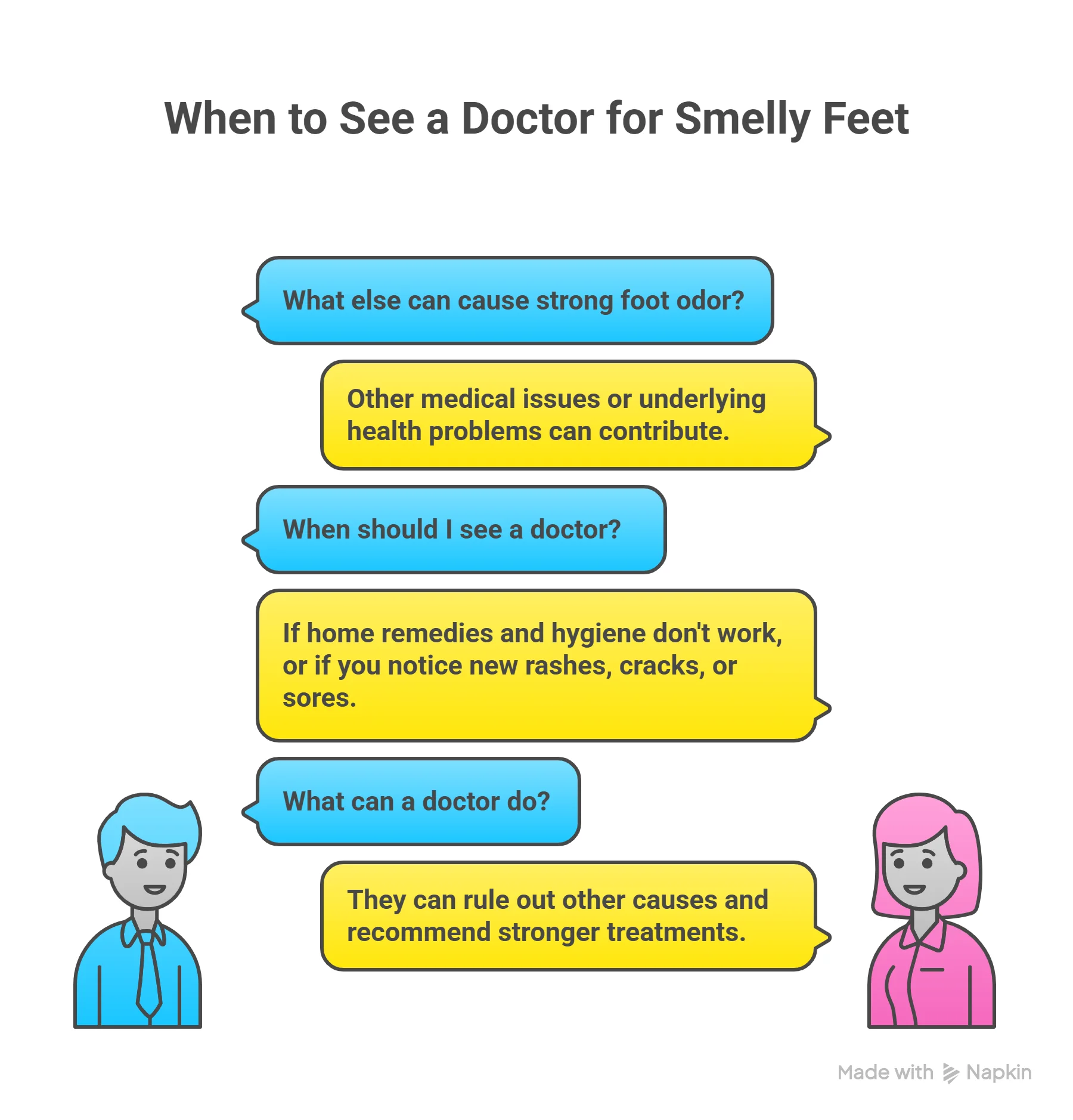
Other medical issues, such as excessive sweating disorders, or underlying health problems, can also make your feet smell extra strong. If you try home remedies and daily hygiene but still can’t beat the smell, or if you notice new foot or ankle rashes, cracks, or open sores, it might be time to see a doctor or a foot dr (podiatrist). They can rule out other causes and recommend stronger treatment options to keep stinky feet in check.

While addressing foot odor is essential, it's also important to consider other common foot health issues that can impact your comfort and mobility. For example, learning how to prevent bunions can help you maintain overall foot wellness and avoid future complications. Explore practical strategies in this guide to bunion prevention and care.

How Do I Get Rid of Smelly Feet?

Actionable Steps to Eliminate Stinky Feet

If you’re tired of wondering, "why do my feet stink so bad," the fix is often a combination of lifestyle changes and better foot care. First, always wash your feet well with soap and water each day—don’t skip between the toes. Dry thoroughly, since moisture feeds bacteria. Switch your socks daily, and choose moisture-wicking materials like cotton or bamboo to help keep feet dry. Alternate your shoes—never wear the same pair two days in a row—so they have time to dry out and reduce bacterial growth.

Try using antiperspirants or medicated foot powders to keep sweat in check and limit odor. Sprays and powders containing antibacterial agents also help reduce the bacteria that feed on the sweat and skin cells. If you still notice a bad odor, consider soaking your feet in a vinegar or saltwater bath once or twice a week. These home remedies can help keep bacteria, fungus, and stinky smells at bay—but remember, persistent cases may require a visit to a medical professional.

Person washing feet with soap and water in a modern bathroom, symbolizing how to get rid of smelly feet

Are Stinky Feet Unhealthy?

When Foot Odor Indicates a Bigger Problem

Stinky feet are usually harmless, but sometimes, persistent foot odor is a sign of an underlying health issue. If your feet smell especially strong or you notice other symptoms like sores, cracking, red skin, or itching, it could be a fungal infection or another foot or ankle condition. Left untreated, infections can spread and make odor worse—so don't ignore these warning signs!

In rare cases, ongoing, intense odor can be linked to conditions like diabetes or thyroid disorders that impact sweat glands. See your doctor if standard foot care and hygiene don't improve things in a week or two, or if you have pain, fever, or unusual swelling. Timely diagnosis ensures you get the right treatment options and keep your feet—and whole body—healthy.

Why Does My Foot Smell Bad Even After Washing?

Persistent Smelly Feet: Why Washing Isn’t Always Enough

If you wash your feet every day but still wonder, "why do my feet stink so bad?" you’re not alone

Washing alone won’t always solve the problem if your shoes and socks are holding old bacteria. Swap to clean, breathable socks daily, let your shoes dry completely between wears, and exfoliate dead skin from your feet regularly to break the cycle. If these strategies don’t help in a week or two, try stronger antibacterials or see a podiatrist for more targeted treatment.

Treatment Options for Smelly or Stinky Feet

Organized display of foot care products like creams, sprays, and powders to treat why do my feet stink so bad
  • Home remedies for foot odor: Regular foot washing, soaking in vinegar or saltwater, and exfoliating dead skin.

  • Over-the-counter products for stinky feet: Antiperspirant sprays or roll-ons for feet, medicated powders, and antibacterial soaps like specialized foot soaps.

  • When to visit a medical professional: If you have severe, persistent odor that doesn’t improve with home care, or signs of fungal infections, sores, or other foot and ankle health issues.

FAQ: Why Do My Feet Stink So Bad and How to Fix It?

What are simple daily practices to prevent smelly feet?

Preventing smelly feet is all about consistency. Wash and dry your feet each day, paying close attention to the spaces between your toes. Wear sandals or open, breathable shoes when possible to reduce sweat buildup. Change your socks daily—more often if you’re active or have sweaty feet. Let your shoes air out overnight, and use baking soda or foot powders to absorb extra moisture. These steps are easy, quick, and very effective at keeping foot odor under control.

Well-ventilated shoes and clean socks, tips to prevent feet smell and stinky feet

Can diet affect why my feet stink so bad?

Absolutely! Some foods increase sweat production or change its composition, which can make foot odor worse. Foods high in sulfur (like garlic and onions) and those that cause increased sweating (spicy foods, caffeine) can add to feet that smell bad. Drinking more water and eating a balanced diet can help reduce sweat and, in turn, keep your feet smelling fresher.

Key Takeaways: Why Do My Feet Stink So Bad?

  • Foot odor has multiple causes, mainly excess sweat and bacteria

  • Good hygiene and foot care reduce smelly feet

  • Some cases of stinky feet require medical attention

Conclusion: Steps to Stop Wondering Why Do My Feet Stink So Bad

Final Thoughts on Smelly and Stinky Feet Concerns

You can beat foot odor for good by combining smarter hygiene, shoe care, and the right products. If odor persists, don’t hesitate to seek medical guidance.

If you’re committed to improving your overall wellness, don’t stop at just your feet—your daily routines can have a big impact on your skin and health from head to toe. For instance, optimizing your shower habits can play a crucial role in maintaining healthy skin and preventing issues like dryness or irritation.

Discover how the right shower timing and techniques can elevate your self-care routine by exploring this in-depth guide to the ideal shower time for healthier skin. Taking these extra steps can help you feel fresher, more confident, and ready to tackle each day with your best foot forward.

Discover more trusted information like this at: NCWellnessHub.com

Sources

  • American Podiatric Medical Association – https://www.apma.org/learn/FootHealth/FootOdor.aspx

  • Mayo Clinic – https://www.mayoclinic.org/diseases-conditions/bromodosis/symptoms-causes/syc-20352792

  • Healthline – https://www.healthline.com/health/foot-odor

  • WebMD – https://www.webmd.com/skin-problems-and-treatments/foot-odor-causes-treatments

  • NHS – https://www.nhs.uk/conditions/smelly-feet/

Understanding the causes of foot odor is essential for effective management. The Cleveland Clinic’s article, 7 Reasons Why Your Feet Smell Bad, provides a comprehensive overview of factors contributing to smelly feet, including excessive sweating, bacterial growth, and fungal infections.

Additionally, the NHS offers practical advice in their guide, Smelly feet, detailing self-care measures and when to seek professional help. If you’re serious about addressing foot odor, these resources will equip you with the knowledge and strategies needed for fresher, healthier feet. NCWellnessHub.com

Wellness

0 Comments

Write A Comment

*
*
Please complete the captcha to submit your comment.
Related Posts All Posts

Stop Dreaming, Start Designing: The 4 Pillars of Your Future Self-Identity

Did you know nearly 80% of personal growth hinges on how vividly you define your future self-identity?Understanding and designing this identity can transform goals into reality, empowering you to shape your future with clarity and confidence. Let’s explore the four pillars that build this transformative foundation.Unlocking Future Self-Identity: Why It Matters for GrowthThe concept of future self-identity isn’t just a buzzword in psychology—it’s the secret engine that drives meaningful growth. Experts like Hal Hershfield from UCLA’s Anderson School of Management emphasize that how we envision our future identity dramatically shapes the choices we make today.This means that when you take time to define who you want to become, you’re more likely to adopt habits, values, and mindsets that propel you toward your goals. Research published by the York Times and highlighted in several TED Talks demonstrates that people who connect deeply with their future selves make better long-term decisions, whether in health, finances, or relationships.When you spend time visualizing and articulating your desired future, you activate neural pathways that increase motivation, resilience, and even your sense of control over change in the future.Far too often, people feel stuck because they believe change over time is slow or unpredictable. But studies led by behavioral scientists like Daniel Bartels and Oleg Urminsky at the University of Chicago prove just the opposite—clarity about your future self-identity is the bridge to decisive action.It’s about making tomorrow better today, not waiting for a distant future to materialize magically. When you take charge of your narrative, even small steps can create positive momentum. That’s the practical power of designing your future self-identity—making tomorrow better today, one intentional choice at a time.Connecting Your Current Actions to a Stronger Future Self-Identity"Clarity of future self-identity transforms long-term vision into daily motivation." – Dr. Angela Duckworth, psychologistWhy is motivation so often fleeting? The answer, according to psychologist Angela Duckworth, lies in our ability to connect daily actions with a well-defined vision of our future self. When you pinpoint your aspirations and values, routine tasks become stepping stones to a greater purpose.Instead of feeling directionless, your days fill with intention. Students, professionals, and even elite athletes regularly use future self-identity frameworks—journaling, visualization, and tracking core values—to reinforce constructive behaviors and decision making. The clearer your target, the easier it is to spend time on tasks that move you forward, not just keep you busy.This isn’t just theory. In studies involving high school and college students, those who engaged in future self exercises reported less procrastination, greater resilience, and higher long-term satisfaction.Linking today’s habits to the person you want to become can help you overcome negative emotions and see setbacks as temporary, not defining. The secret is to routinely ask: “Does this choice align with my future self?” That perspective grounds decision making and allows you to make today count—one action at a time, every day.As you work to clarify your future self-identity, it can be helpful to see how others have put these principles into practice. For a real-world example of how vision, values, and intentional design shape personal transformation, explore the story behind the Julian Price House in Greensboro, NC, where restoration and reinvention go hand in hand.What You’ll Learn About Future Self-IdentityThe pillars of future self-identityHow to harness the 'end of history' effect for positive changePractical exercises for defining your future selfReal-life self-identity examples and expert insightsIf you’re ready to transform your aspirations into achievable milestones, this article is for you. You’ll dive deep into the neuroscience, psychology, and practical methods for unlocking future self-identity, supported by expert advice and actionable case studies.From understanding how the “end of history” illusion holds us back to mastering the core habits and narratives that redefine what’s possible, you’ll learn how to turn vision into reality. By the end, you’ll have both the insights and actionable steps to design your next chapter—starting today.We’ll also cover expert-backed tips and answer key questions people ask about future self-identity so that no matter where you start, you’ll feel empowered to make tomorrow better today. Let’s dig in and start designing.Understanding Future Self-Identity: Definitions, Concepts, and Scientific RootsA solid foundation begins with clarity—and the science behind future self-identity offers that in abundance. Rooted in behavioral psychology, the concept examines how visualizing a detailed future self influences everything from personality traits to financial habits, as reported by York Times features on identity and change.Pioneers like Hal Hershfield and the team at Anderson School of Management have shown that when people feel connected to their future selves, they are more likely to adopt positive behaviors such as saving for retirement or practicing healthier routines.Studies using virtual reality simulations have even demonstrated that seeing an older version of yourself can dramatically increase contributions to a savings account. That’s because the mind, when prompted with a tangible vision of the distant future, becomes more accountable and responsive, making long-term goal setting more than just wishful thinking. Throughout this section, we'll explore definitions, key illusions that affect self-perception, and scientific experiments that demystify the art of designing your identity for lasting impact.What Is Your Future Identity?Your future identity is the composite of the values, dreams, habits, and goals you assign to the “you” who exists five, ten, or even fifty years from now. Think of it as your psychological blueprint: how you expect, hope, or intend to change over time. People often underestimate how much their personality traits, values, or desires will shift—a phenomenon philosopher Derek Parfit described and which modern psychologists have continued to explore. Tethering your present actions to your envisioned future self isn’t passive; it’s proactive self-authorship.Defining your future self-identity sets the stage for deliberate, value-driven decision making, rather than drifting through recurring patterns. For example, researchers at the school of management in several universities have found that individuals who can picture their future identity with clarity tend to be more resilient to negative emotions and less susceptible to self-doubt when setbacks occur. Harnessing this insight lets you make tomorrow better today, rather than waiting for an outside catalyst.Exploring: Future Self-Identity"Our brain’s ability to forecast self-continuity shapes decisions that last a lifetime." – Dr. Hal Hershfield, behavioral scientistFuture self-identity acts as the psychological thread connecting your past, present, and future. Dr. Hal Hershfield—renowned for his research at the Anderson School of Management—has proven that when you actively bridge the gap between your present and future selves, you’re less likely to succumb to the “end of history” illusion.This powerful insight reveals that while most people feel stable in their current identity, their preferences, aspirations, and even personality traits can undergo significant change in the future. Ignoring this connection can lead to poor decision making—delaying savings, avoiding health choices, or repeating past mistakes. Simply put, your future self-identity isn’t fixed—it’s a living narrative that you can design.Whether you’re a high school student mapping out career paths, or a seasoned executive planning the next life chapter, understanding and nurturing your future self-identity unlocks transformative growth. This clarity invites you to make choices today that serve your long-term well-being—in health, relationships, finances, and personal fulfillment.Examining the Concept of Future SelfThe concept of future self is anchored in accountability and self-continuity. Studies have shown that people generally underestimate just how much they will change over time—a bias documented in the “end of history” effect, as explained by philosopher Derek Parfit and psychologist Dan Gilbert in the York Times. This illusion convinces us that our current self is the final version, causing us to underinvest in habits and choices that could benefit our distant future.Yet, forward-thinking leaders and everyday individuals alike are learning to harness this concept for positive change. By grounding today’s decisions in a detailed, compassionate vision for their future selves, they disrupt harmful cycles and embrace deliberate, empowering new directions. If you recognize that your future self is as real and worthy of care as your present self, you’re far more likely to make tomorrow better today and break through the inertia that holds most people back.The “End of History” Illusion and Its Impact on Future Self-IdentityResearch insights; How this effect can hinder or help identity growthThe “end of history” illusion, named and popularized in a York Times favorite TED Talk, highlights our tendency to believe our current preferences, values, and personality traits are fixed, underestimating the potential for growth. Dr. Daniel Bartels and Oleg Urminsky conducted pivotal research at the University of Chicago’s Booth School of Business, showing that this illusion often leads people to make short-sighted choices—failing to save money, neglecting important relationships, and resisting healthy habits.When we realize that change over time is inevitable and that our future self-identity can be shaped by present actions, we’re empowered to disrupt these limiting beliefs. This effect isn’t set in stone—it can actually inspire change if we actively visualize our “distant future” self.Studies at Anderson School of Management found that interventions—like virtual reality aging simulations—prompted people to increase savings account contributions and make smarter, future-oriented decisions. By acknowledging that you’ll keep changing, you can use the illusion as motivation, not a roadblock, in your personal growth journey.How to Define Your Future SelfDefining your future self starts with a series of simple yet profound exercises. Begin by asking: What matters to me? Where do I want to be in five or ten years? Clarifying your vision allows you to set tangible, actionable goals, and tracking progress helps reinforce motivation and accountability. Grounding your process in your core values—like integrity, compassion, and growth—ensures your future self-identity remains authentic, even as you evolve.Behavioral scientist Dr. Oleg Urminsky recommends spending dedicated time journaling about your ideal future and mapping out specific habits that will bridge the present and the future self. Visualization techniques can deepen this process. Imagine confronting decisions as your future self would: What habits would they have? What relationships would matter most? By consciously designing your vision and tracking the journey, you make your transformation both manageable and inspiring.Exercises and Questions to Clarify Your Future Self-IdentityVisualization, journaling, and values mappingThree powerful exercises can jumpstart your journey: visualization, journaling, and values mapping. Visualization involves picturing your best future self—where you live, what you do, how you spend your time—and then reverse-engineering actions to get there. Journaling daily about your desires and setbacks provides clarity and reinforces self-awareness.Finally, mapping your values—identifying which beliefs guide your most important decisions—anchors your transformation in authenticity, as discussed by Dan Gilbert in his TED Talk. By weaving these exercises into your routine, you’ll start to close the gap between who you are and who you want to become, one choice and habit at a time.The Four Pillars of Future Self-IdentityVision: Defining Your Desired End StateValues: Anchoring Identity with Core PrinciplesHabits: Bridging Today to TomorrowNarrative: Crafting a Cohesive Self-StoryThese four pillars are the foundation for ongoing, positive change in self-identity. Each pillar is vital in its own right, but together, they create an evolving structure that continually adapts and strengthens over time. Whether your goals involve career transformation, personal health, or emotional growth, applying these principles makes change practical and sustainable.Let’s unpack each pillar in depth, adding personal stories, expert guidance, and examples to ensure you can put theory into practice right away. Remember, your future self-identity isn’t a static vision—it’s a living, breathing work in progress, shaped by the choices you make every day.Vision: Creating a Compelling Future Self-IdentityA detailed, inspiring vision is the heart of self-identity transformation. Setting your sights on a future you genuinely aspire to motivates persistence, even when progress feels slow or obstacles arise. Neuroscientist Dr. Tara Swart recommends taking time to crystallize this vision—imagining not just what success looks like, but how it feels, sounds, and even smells. This rich sensory detail recruits your subconscious mind, turning long-term goals into persistent drivers for change.Many successful people, from CEOs to Olympians, use vision boards or written manifestos to keep their eyes on the end goal. Whether you’re mapping career aims or seeking personal growth, revisit your vision regularly. It’s this anchor that will help you align daily decisions with long-term aspirations, making your future self-identity not just a dream but a living design.Setting Tangible, Measurable Goals for Your Future Self"Consciously designing your vision sets the groundwork for real, lasting change." – Dr. Tara Swart, neuroscientistTo turn your future self-identity vision into reality, set goals that are specific, measurable, attainable, relevant, and time-bound (SMART). Begin with broad aspirations—such as becoming more resilient, financially secure, or healthy—and then break them into actionable steps. For each long-term goal, set a sequence of milestones that you can track weekly or monthly, ensuring progress is visible and rewarding.For example, if your vision involves a leadership role, you might set goals around skill acquisition, networking, or public speaking. If you value emotional well-being, your milestones might include meditation practices, reducing negative self-talk, or journaling about gratitude.This approach, recommended by experts from the school of management, makes the journey less overwhelming and builds momentum. Celebrating small wins strengthens belief in change over time and helps you make tomorrow better today.Values: Aligning Your Core Beliefs with Future Self-IdentityValues are the compass guiding your choices when faced with uncertainty. They’re the underlying beliefs that persist even as circumstances, relationships, or ambitions shift. Dr. Lisa Feldman Barrett, a renowned psychologist, says that aligning your core values with your future self-identity ensures your pursuits are truly satisfying and meaningful—not just externally impressive.To identify your top values, start by reflecting on what brings you the most pride, fulfillment, or peace—then ask yourself which beliefs you refuse to compromise. It might be honesty, courage, learning, or compassion. The power of values is that they provide a consistent point of reference as you encounter new, challenging situations on the path to your future identity.Identifying and Prioritizing Your Guiding ValuesCommon ValueDescriptionRole in Self-IdentityIntegrityActing consistently with honesty and strong moral principlesBuilds trust and authenticity in decision makingGrowthPursuing learning and self-improvementDrives long-term change and adaptabilityCompassionDemonstrating kindness to self and othersFosters positive relationships and resilienceResponsibilityTaking ownership for actions and their outcomesIncreases accountability to your future selfCuriosityMaintaining an open, questioning mindsetEncourages exploration and innovationHabits: Building Effective Routines for Your Future Self-IdentityYour habits are the daily demonstrations of your core values and vision. As Dr. BJ Fogg points out, these “microhabits” may seem small in isolation—like making your bed, spending ten minutes journaling, or choosing fruit over junk food—but they compound into substantial transformation over time. Regular routines are essential for bridging the gap between intention and reality; they help shift your mindset from “I wish” to “I am becoming.”Pick two or three microhabits that mirror your future self’s behaviors. Perhaps it’s waking up early to exercise, dedicating weekly time for a new skill, or establishing a gratitude practice. These routines, reinforced by habit trackers or community support, reinforce the identity shifts you seek. The best habits are flexible, sustainable, and designed to evolve as your vision of self does.How Microhabits Shape Your Long-Term IdentityExamples of daily habits that reinforce future identity"Daily routines are the scaffolding of self-reinvention." – Dr. BJ Fogg, behavior scientistMicrohabits serve as incremental steps that drive sustained change. A York Times analysis found that people who track and celebrate daily wins, no matter how minor, are more likely to maintain positive behaviors over years. Examples include setting aside five minutes for reflection before bed, adding an extra fruit or vegetable to every meal, or reaching out to a mentor for feedback once a week. The key is consistency—habits anchored in future self-identity outlast temporary bursts of motivation.Over time, these routines not only build discipline but also shape your personality traits and outlook. They turn abstract goals into reality, making you feel more aligned with your ideals. Choose microhabits that connect to your unique vision; over months and years, these seemingly simple actions become the building blocks of the person you are becoming.Narrative: Writing and Owning Your Future Self-Identity StoryThe story you tell yourself about your past, present, and future is more powerful than any affirmation or goal-setting exercise. Narrative psychology shows that reframing past struggles and present setbacks as essential turning points gives you agency—and hope. Dr. Sharon Dekel, a trauma specialist at Harvard, notes that editing your life story can diminish negative emotions and strengthen resilience, especially following difficult transitions.To own your narrative, revisit old limiting stories—moments where you failed, felt ashamed, or doubted your capabilities—and recast them as learning opportunities or evidence of growth. Use storytelling techniques—journaling, creating vision boards, or even recording video diaries—to claim authorship of where you’re headed. By integrating your past and future into a cohesive narrative, you become both the protagonist and the narrator of your ongoing self-reinvention.Reframing Past and Present to Empower the FutureUsing storytelling techniques; Addressing limiting beliefsStorytelling is a practical antidote to the “end of history” illusion. Begin by writing a short letter from your future self to your present one, describing the struggles overcome and milestones achieved. Address any limiting beliefs directly, and reframe them as stepping stones rather than stopping points. When you make choices and reflect on them through narrative, you anchor your future self-identity in real experience—not just hope or vision.Case studies—like that of a medical student who adopts habits and core values of a hopeful physician—show how crafting a self-story accelerates transformation. As you continually update this narrative, aligning it with new core values and competencies, you fuel identity growth and motivation, even when outside circumstances feel uncertain.Addressing People Also Ask: Key Questions about Future Self-IdentityWhat is your future identity?Answer: An individualized vision rooted in your aspirations, values, and actions toward who you want to become.Your future identity is your personalized road map—a blend of who you dream of becoming and the actions, habits, and beliefs you commit to along the way. It's not determined by your current environment or past mistakes but by the direction you set deliberately today.What is the concept of future self?Answer: The psychological understanding that you are connected and accountable to the person you will become, influencing your choices and habits today.This concept, studied by Hal Hershfield and colleagues, means recognizing self-continuity: when you feel close to your future self, you are more likely to practice healthy behaviors, save money, and invest in growth—for both today and tomorrow.How to define your future self?Answer: By clarifying your long-term goals, values, and the narrative you want to embody, then aligning daily actions with this vision.Start with reflective questions, then break down the goals, habits, and core values that matter most. Use visualization, journaling, and values mapping to keep your progress visible and actionable, so change happens step by step, not all at once.What is an example of self identity in real life?Answer: A medical student who adopts the values and routines of a compassionate physician, shaping behaviors and decisions to reflect this future self.Case in point: A high school or college student who imagines their future as a trusted doctor and spends time volunteering, practicing empathy, and building consistent study habits is actually constructing their self-identity ahead of time. This proactive narrative makes tomorrow better today for themselves and the people they’ll serve."When I visualized my future as an industry leader, my daily commitments began to line up. That’s the power of future self-identity." – Michelle Obama, author and former First LadyExpert Strategies: Defining, Reinforcing, and Sustaining Future Self-IdentityCase studies on radical self-reinventionRecommended tools: journaling platforms, habit trackers, story-building templatesData-driven approaches and original research citationsLearning how to define and reinforce your future self-identity is a continuous process that benefits from expert insights. Case studies include leaders who have made late-life career changes, students who outperformed predicted trajectories through identity work, and people who reversed negative health patterns by visualizing their future.Modern tools—such as digital journals (like Day One app), habit trackers (like Habitica), and narrative templates—make it easier than ever to set, track, and adjust your goals. According to research published in the York Times and studies led by behavior scientists at the Anderson School of Management, journaling at least once a week and routinely reflecting on your values double your probability of meeting your long-term aims.Data also shows that using technology-enhanced reminders—like vision board apps or AI-powered calendar nudges—strengthens habit formation. The more often you enter your email to sign up for intentional progress check-ins, the more likely you are to integrate positive change into every day. Researchers like Dr. Oleg Urminsky and Dr. Daniel Bartels have proven that individuals who make tomorrow better today by consistently updating their self-narrative outperform those who spend time only on wishful thinking.Common Challenges in Shaping Your Future Self-IdentitySelf-doubt and the fear of changeThe 'end of history' illusion revisitedOvercoming external and internal barriersEven the most well-designed future self-identity plan faces challenges. Self-doubt, the fear of change, and perfectionism undermine progress. The “end of history” illusion can resurface when you achieve a milestone, tempting you to believe no further growth is required. External barriers—like unsupportive environments, financial stress, or social pressures—can also derail momentum.To counter these challenges, maintain a flexible mindset. Treat setbacks as feedback, not failure; adjust your goals and microhabits according to life’s realities. Community support—accountability partners, mentors, or online groups—can anchor your journey. Above all, remember that your self-identity is an ongoing process, not a fixed destination.FAQs on Future Self-IdentityIs future self-identity fixed or flexible?Future self-identity is highly flexible. Both scientific research and lived experience confirm that your values, habits, and even personality traits can change over time—especially when you set an intentional vision and adjust course as you learn and grow.Can strengthening future self-identity boost resilience?Yes. Building a clear, positive future self-identity increases resilience by providing a stable sense of direction during difficult times. It empowers you to view challenges as temporary and surmountable, supporting better long-term mental health.Who should use future self-identity frameworks?Anyone aiming for growth, whether in high school, college, or professional life, benefits from future self-identity work. It’s especially valuable for people facing major transitions or seeking a sense of control and purpose in rapidly changing environments.Key Takeaways for Mastering Future Self-IdentitySee future self as an active creationAnchor identity in unshakable valuesUse small habits to bridge present and futureCraft an empowering life narrativeConclusion: Embrace, Design, and Live Your Future Self-Identity"Identity isn't found; it's forged — one bold choice at a time." – Dr. Lisa Feldman Barrett, psychologistThe journey of future self-identity is ongoing. By embracing these four pillars—vision, values, habits, and narrative—you unlock your full potential to design and live the story you wish to tell.If you’re inspired to keep evolving and want to deepen your understanding of how intentional environments and personal stories can fuel transformation, consider exploring more resources at NCWellnessHub.Whether you’re seeking advanced strategies for self-growth or looking for inspiration from real-life reinventions, you’ll find a wealth of guidance to help you shape your next chapter. Take the next step in your journey and discover how the spaces and stories around you can empower your future self-identity.Find more quality content at: NCWellnessHub.comSourcesNew York Times – https://www.nytimes.com/2013/01/06/opinion/sunday/you-cant-escape-your-past.htmlUCLA Anderson School of Management – https://www.anderson.ucla.edu/faculty-and-research/faculty-directory/hal-hershfieldTED Talk – https://www.ted.com/talks/dan_gilbert_the_psychology_of_your_future_selfUrminsky, O. & Bartels, D., “The Psychology of Intertemporal Choices” Sage Journals – https://journals.sagepub.com/doi/abs/10.1177/0146167212457789National Library of Medicine – https://www.ncbi.nlm.nih.gov/pmc/articles/PMC7792351/NCWellnessHub.comTo deepen your understanding of future self-identity, consider exploring the Wikipedia article on “Future self,” which delves into the psychological processes and consequences associated with envisioning oneself in the future. (en.wikipedia.org)Additionally, the “Self-concept” entry provides insights into how one’s collection of beliefs about oneself, including future selves, shapes overall identity. (en.wikipedia.org)These resources offer comprehensive perspectives on the significance of future self-identity in personal development.

Beyond Fasting: 5 Science-Backed Benefits of Autophagy You’re Missing Out On (And How to Activate Them)

Feeling drained despite healthy habits? Discovering autophagy transformed my energy and wellness. Unlocking its benefits beyond intermittent fasting and day fast methods can renew your body at the cellular level, boosting vitality and longevity. This science-backed process isn’t just a trend—it’s a vital key to thriving health you can activate today.What You'll Learn About the Benefits of AutophagyThe core benefits of autophagy as supported by scientific researchHow autophagy interconnects with cellular rejuvenation, immune cell health, and cancer cell reductionMethods to activate autophagy beyond intermittent fastingDoctor- and expert-backed insights into the true health benefits of autophagySigns, duration, and real-life impacts of staying in autophagyUnlocking Vitality: Why Understanding the Benefits of Autophagy MattersFeeling tired despite healthy habits? Autophagy may hold the answerMany people commit to better nutrition, exercise, and rest, hoping these will unlock optimal energy and lasting wellness. Yet, despite these healthy habits, fatigue and plateaued progress remain common. One reason could be the overlooked benefits of autophagy—a powerful process most don’t even realize they can activate. By harnessing autophagy, you engage the body’s radical system for cellular renewal and regeneration. More than a wellness trend, autophagy is a cornerstone of modern health.Over decades, medical professionals and biologists have documented how autophagy clears out damaged cells and rejuvenates tissues, providing a sense of renewal deeper than any supplement could offer. Simply put, understanding and activating autophagy could be the missing piece in your vitality puzzle—a way to truly heal and energize from the inside out.The Science Explained: What Is Autophagy and Why Is It Crucial?Understanding Autophagy at a Cellular LevelAutophagy—literally meaning "self-eating"—is the body’s natural process for recycling damaged cell components and maintaining cellular health. Inside every human cell, autophagy acts as an internal recycling system, targeting and breaking down damaged organelles, misfolded proteins, and invasive pathogens. This process is crucial for the survival mechanism of our cells, promoting both healthy aging and disease resistance. When triggered, autophagy enables immune cells to identify and neutralize threats, supporting the broader immune system.Research even links robust autophagy to decreased cancer cell propagation, reduced neurodegenerative disease risk, and improved metabolic health. The process ensures damaged cells don’t accumulate and interfere with bodily functions, keeping tissues, stem cells, and organs in a revitalized state. By embracing the science of autophagy, you empower your body’s capacity for continual self-renewal on a cellular level, impacting overall health and longevity.Autophagy vs. Intermittent Fasting: The Link and the DifferenceIntermittent fasting and day fast routines are well-known for activating autophagy, but the health benefits of this process extend far beyond specific fasting windows or dietary restrictions. Engaging in practices like a day fast or calorie restriction not only promotes autophagy but also influences other cellular behaviors such as stem cell restoration and increased fatty acid oxidation. While intermittent fasting and day fast provide reliable stimuli, autophagy can also occur through exercise, sleep, and stress adaptation—methods that make this renewal cycle accessible beyond the kitchen table.Unlike calorie restriction or prolonged fasts, lifestyle routines seamlessly integrate autophagy’s advantages, making cellular regeneration a daily occurrence. This broadens our understanding of how to maintain robust immune cell activity, keep cancer cells in check, and support ongoing metabolic health. Ultimately, learning how various practices support autophagy helps you balance the process with your personal health goals and daily structure.While autophagy is a powerful mechanism for cellular renewal, it’s important to remember that overall health is also deeply influenced by the state of your gut and the foods you consume. For a closer look at how nutrition and gut health can drive healing and support your body’s natural processes, explore how a healthy gut can heal your body and mind through the “food as medicine” approach.“Autophagy is one of the most powerful maintenance mechanisms at our disposal, yet it's largely overlooked outside of medical circles.” —Dr. Miriam Cohen, MD, Cellular BiologistExploring the 5 Core Benefits of AutophagyBenefitHow Autophagy HelpsCellular RenewalRemoves dysfunctional components, rejuvenating cellsImmune System StrengtheningSupports immune cells and eliminates pathogensCancer Cell ReductionDestroys precancerous and cancer cellsInflammation ControlMitigates chronic inflammation through cellular cleanupEnhanced LongevityLinked with increased lifespan in animal studies1. Cellular Renewal: Revitalizing Your Body from WithinThe process of autophagy is foundational for ongoing cellular renewal. Every day, our bodies encounter environmental stressors and internal metabolic processes that damage lipids, proteins, and other cellular structures. Autophagy sweeps up this damaged debris—think of it as an internal housekeeper, collecting worn-out cell parts and repurposing amino acids and fatty acids for new construction.As a result, this recycling system enables the creation of healthy cells from the ground up, enhancing vitality, sustaining energy, and even promoting resilience against age-related wear. In fact, insufficient autophagy contributes to accelerated aging and an increased risk of chronic illness. So, when you activate autophagy, you’re actively endorsing a cycle of healthy aging and robust regeneration."Without adequate autophagy, aging and disease processes may accelerate." —Journal of Clinical Investigation2. Immune System Strengthening and the Role of Immune CellsAutophagy is directly intertwined with immune system function and the activity of immune cells. Research shows that this process bolsters immune cells, including macrophages and T-cells, enabling them to identify and neutralize pathogens more effectively. During times of infection or stress, immune cells leverage autophagy to digest invading bacteria and viruses, creating a robust internal line of defense.A well-functioning immune system relies on regular cleanup; as damaged organelles and proteins are cleared away, immune responses become sharper and less prone to errors. For those looking to resist illness and reduce susceptibility to chronic conditions, enhancing autophagy is essential. Active autophagy ensures immune cells remain efficient, ready to protect the body through both day-to-day encounters and extraordinary challenges."Autophagy is integral to immune cell function, ensuring our body’s defense remains efficient and robust." —Dr. Emily Grant, Immunologist3. Cancer Cell Reduction: Autophagy’s Protective RoleAutophagy plays a unique role in limiting the growth and survival of cancer cells, contributing to cancer cell reduction. By promoting the breakdown and removal of dysfunctional cells—including those at risk of becoming cancerous—autophagy helps prevent the unchecked cell division that leads to tumor formation. Cellular cleanup includes removing precancerous elements and even combating established cancer cells, making autophagy a potential ally in both prevention and complementary therapy.While research continues, early evidence suggests that a functioning autophagic process may reduce the onset and spread of some cancers, especially when combined with caloric restriction or day fast regimens. However, overactive or dysregulated autophagy can sometimes play a role in established cancer cell survival, highlighting why a balanced approach and medical professional input is crucial in cancer prevention and care."Autophagy can be a double-edged sword, but its capacity to eliminate early cancer cells is an exciting frontier." —Dr. Aisha N., Oncology Researcher4. Inflammation Control for Long-Term HealthChronic inflammation is a root cause of numerous age-related and metabolic diseases—including heart disease and neurodegenerative diseases. By clearing away cellular debris and removing damaged immune cells, autophagy disrupts the feedback loop driving ongoing inflammation. Instead of lingering, inflammatory triggers are broken down and recycled, which supports better metabolic health, improves heart health, and may lower risk factors for diseases linked to oxidative stress.Those seeking sustained wellness and increased healthspan will find that leveraging the anti-inflammatory effects of autophagy can provide lasting benefits, contributing in turn to more energy, better recovery from exercise, and stronger immune responses.5. Enhanced Longevity: Science-Backed Health Benefits of AutophagyResearch in animal studies and emerging human data indicate that sustained autophagy is associated with longer, healthier life. By promoting cellular renewal and clearing precancerous and damaged cells, autophagy supports healthy aging—delaying the onset of neurodegenerative diseases, metabolic slowdowns, and degenerative tissue changes.Practices like intermittent fasting, day fast cycles, and regular physical activity are linked with increased autophagic activity and thus, greater health benefits including enhanced longevity. While no intervention guarantees immortality, integrating strategies to reliably induce autophagy is a smart, science-backed path to more vibrant years ahead.How to Activate The Benefits of Autophagy—Beyond Intermittent FastingPracticing day fast or intermittent fastingRegular movement and exercise to stimulate cellular processesAdopting a nutrient-dense, low-sugar dietBringing in periodic stress adaptation (cold & heat exposure, for example)Prioritizing restorative sleepUnlocking the health benefits of autophagy doesn’t require a strict, prolonged fast; incorporating day fasts and intermittent fasting can effectively stimulate autophagy. Science supports a blend of intermittent fasting, day fasts, calorie restriction, consistent exercise, and supportive routines like sauna, cold showers, and adequate sleep as effective ways to stimulate autophagic activity. Focusing on nutrient-dense foods while minimizing processed sugar and empty calories can prime your metabolic pathways for efficient cellular cleanup.Combining movement, quality nutrition, and environmental stress adaptation ensures sustained benefits and makes autophagy a flexible wellness tool for everyday life. Adopting these principles, guided by evidence from clinicians and researchers, will help you build an easy-to-follow blueprint that optimizes renewal, immune cell resilience, and disease prevention.“You don’t have to fast endlessly. Smart lifestyle tweaks can reliably promote autophagy every day.” —Dr. Jason Wong, Registered DieticianPeople Also Ask About the Benefits of AutophagyHow long should you stay in autophagy for benefits?Most research suggests the optimal autophagy window occurs after 16–24 hours of fasting, though longer prolonged fast periods are not always necessary. However, the actual benefits build up cumulatively, and shorter but regular activation can be highly effective over time. The ideal schedule depends on personal health status, lifestyle, and goals—working with a medical professional helps tailor safe and sustainable approaches for your needs.How do I know I'm in autophagy?There’s no simple “on-off” switch for autophagy, but common signs include elevated mental clarity, more stable energy, enhanced recovery from physical activity, and sometimes mild appetite suppression. Laboratory markers—such as specific proteins and cellular indicators—are available for clinical testing, yet most people notice benefits through everyday improvement. Always consult with healthcare providers if you want more precise measurement or tailored protocols.Can autophagy heal the body?While not a panacea, autophagy supports fundamental healing by removing cellular debris and prompting fresh cell regeneration. Research shows its role in mitigation of inflammation, immune system strengthening, and possibly repairing tissues after damage—especially muscle, skin, and even organs. It forms a foundational survival mechanism for both short-term repair and long-term wellness, contributing to healthy aging if activated consistently.Can autophagy help ED (Erectile Dysfunction)?Emerging studies indicate that autophagy might play a role in supporting vascular and cellular health—two core factors influencing erectile function. While not a guaranteed therapy for ED, inducing autophagy through intermittent fasting, a healthy diet, and lifestyle modification may contribute to better circulation and endothelial function. For best results, integrate these protocols with broader approaches to men’s health, and consult a clinician for guidance.FAQs About the Benefits of AutophagyWhat exactly happens to cells during autophagy? During autophagy, cells form autophagosomes that engulf damaged proteins, lipids, and organelles before fusing with lysosomes for breakdown and recycling. This process maintains cellular function and energy.Are there risks to inducing autophagy frequently? For most healthy individuals, mild autophagy activation is safe. However, excessive fasting or calorie restriction can cause nutrient deficiencies and metabolic issues. Always individualize your regimen with expert guidance.Can autophagy help with weight management? Yes, activating autophagy often accompanies calorie restriction or intermittent fasting, both of which promote fat breakdown and can support healthy body weight alongside cellular cleanup.Does exercise boost autophagy benefits? Absolutely. Both resistance and aerobic exercise stimulate autophagy—especially high-intensity routines. This effect complements dietary methods, making an active lifestyle highly synergistic with autophagy’s health effects.Key Highlights: Why the Benefits of Autophagy Shouldn’t Be MissedAutophagy is a body-wide, proven process for maintaining cellular health.The health benefits of autophagy include renewal, immune support, cancer cell reduction, inflammation control, and promoting longevity.Activation methods go beyond intermittent fasting—lifestyle habits can help, too.Ready to Activate the Benefits of Autophagy?Discover more trusted information like this at: NCWellnessHub.comSourcesNature Cell Biology – https://www.nature.com/articles/ncb2536National Institutes of Health – https://www.ncbi.nlm.nih.gov/pmc/articles/PMC3539573/Cell – https://www.cell.com/fulltext/S0092-8674(12)01400-6Journal of Clinical Investigation – https://www.jci.org/articles/view/20169Frontiers in Cell and Developmental Biology – https://www.frontiersin.org/articles/10.3389/fcell.2019.00283/fullIf you’re inspired to take your wellness journey even further, consider how movement and daily habits can amplify the effects of cellular renewal. Simple routines—like a full-body wall stretch—can complement autophagy by improving circulation, posture, and overall vitality.Discover an easy, science-backed approach to movement with our guide to full-body wall stretches for better posture, and see how integrating mindful activity can elevate your health from the inside out. Every step you take toward holistic self-care brings you closer to lasting energy and resilience. Explore more strategies to transform your health and unlock your body’s full potential.Takeaway:Activating the benefits of autophagy through smart, sustainable lifestyle strategies can renew your energy, boost immunity, and add healthy years to your life. The future of wellness truly begins at the cellular level.Autophagy, the body’s natural process of recycling damaged cell components, offers numerous health benefits. The article “Autophagy: Definition, Diet, Fasting, Cancer, Benefits, and More” provides a comprehensive overview of autophagy, detailing its role in cellular maintenance and its potential in preventing neurodegenerative diseases like Parkinson’s and Alzheimer’s. (healthline.com)Additionally, the Cleveland Clinic’s article “Autophagy: Definition, Process, Fasting & Signs” explains how autophagy contributes to cellular repair and maintenance, emphasizing its importance in overall health. (my.clevelandclinic.org)Additional ResourcesHow Coffee Boosts Autophagy and May Extend Your LifespanThe Truth About Pills for Autophagy and Their Effects on LongevityUnlock Your Health: 6 Tips to Eliminate Zombie Cells NaturallyCan Intermittent Fasting Reverse Type 2 Diabetes? Research Shows Surprising Results

Unlock the Truth: Why You Shouldn't Trust Your Blood Pressure Numbers

Explore Blood Pressure Monitoring Accuracy and learn how to better manage your heart health with practical tips and insights.

Terms of Service

Privacy Policy

Core Modal Title

Sorry, no results found

You Might Find These Articles Interesting

T
Please Check Your Email
We Will Be Following Up Shortly
*
*
*