
Add Row
Add Element
NC Wellness Hub
update
North Carolina Wellness Hub
update
Add Element
  • Home
  • Categories
    • Wellness
    • General Health
    • Holistic
    • News
    • Living & Travel
    • Lifestyle
    • Fitness & Exercise
    • Mental Health
    • Stress Management
    • FEATURE
    • Sleep
    • Allergies
    • Medicines & Supplements
    • Weight Loss
    • Kids Health
    • Fertility & Pregnancy
    • Cancer
    • Heart Health
    • Skin & Hair
    • Arthritis
    • Dental
    • Vision
  • Bone Health
  • Digestive
December 28.2025
1 Minute Read

Why Winter Is the Best Time to Start Your Fitness Journey

Ever wondered why winter is the perfect season to start your fitness journey? Discover how colder days can fuel motivation, boost metabolism, and set you up for year-round success. Ready to turn the chilly months into your biggest fitness advantage?

This guide will show you why starting fitness in winter could be the smartest move you make for your health and goals—all backed by expert advice, practical tips, and inspiring real-world stories.

Professional trainer demonstrating safe warm-up for winter workout routine

Unlocking Winter Motivation: Why Start Fitness in Winter?

Starting your fitness journey in winter may seem challenging, but the cold weather can actually offer hidden advantages that set you up for long-term success. As the days get shorter and outdoor activities slow down, distractions from summer fun and vacations slip away—opening space in your routine for consistent exercise.

When you choose to start fitness in winter, you’re tapping into a season with built-in motivation: the fresh start of the new year and the drive to shake off winter sluggishness. Winter's crisp air, quiet streets, and fewer crowds at gyms or on trails can make sticking to your workout routine easier and more enjoyable, especially for those seeking new fitness goals or habits.

Embracing winter workouts gives your body and mind a boost. Research shows that physical activity during the colder months improves your mood and energy levels, directly combating the winter blues. Even a simple walk or a quick home session can increase your body heat, improve circulation, and kick-start your metabolism.

With fewer social events and less pressure to skip a workout, winter is an ideal time to focus on building a sustainable fitness routine—helping you develop habits that last even long after the snow melts. Remember, the new season isn’t an obstacle, but an opportunity to transform both your body and your mindset.

As you build your winter workout routine, it's important to choose exercises that are both effective and joint-friendly, especially if you have concerns about knee health. Incorporating closed-chain exercises for legs and knees can help you strengthen your lower body safely and support your overall fitness progress throughout the colder months.

Inviting woman in winter running gear preparing for an outdoor jog, start fitness in winter
  • What You'll Learn About Starting Fitness in Winter:

  • Surprising benefits of winter workouts

  • Strategies to maintain a consistent workout routine in cold weather

  • Expert insights on safe winter exercise

  • How to use winter months for long-term fitness gains

“The colder months are ideal for building healthy habits, as routine and structure are easier to establish when outdoor distractions are fewer.” – Dr. Lena Harper, Exercise Physiologist

The Science Behind Starting Fitness in Winter: Expert Insights

What happens to your body and mind when you start fitness in winter? Cold weather affects everything from your energy levels and mood to your metabolism and calorie burn. Experts say the combination of brisk air, fewer distractions, and structured routines makes winter a powerful season for launching lasting health habits. According to the American Heart Association, regular physical activity during colder months is especially important for maintaining cardiovascular health.

Exercise physiologists highlight that colder months create unique physiological responses. As your body works harder to maintain heat, you burn more calories even with familiar exercises. This helps boost your metabolism, making your winter workout routine highly effective in achieving fitness goals. Plus, exercising in cold air can strengthen your immune system and reinforce mental resilience—two key factors for staying active no matter the weather. Understanding the science and expert recommendations can help you make the most of winter to improve your overall well-being.

How Cold Weather Influences Your Workout Routine

Working out in cold weather changes the game. Your muscles require longer warm-ups, and you may notice that your body heat increases more slowly than on milder days. One unique benefit of cold air is that it actually helps your body tap into fat stores as fuel more efficiently—good news for those whose fitness goals include weight management and improved body composition. The reduced risk of overheating allows for more comfortable endurance workouts, such as brisk walking, running, or cycling, all of which are ideal options for a winter workout routine.

However, shorter days can disrupt your motivation if you’re not proactive. Building a habit of dressing in layers, preparing reflective gear for limited daylight, and scheduling workouts can help overcome these challenges. The simple act of staying active in winter enhances circulation and mood, thanks to increased endorphin and serotonin release. According to the American Heart Association, even moderate amounts of exercise throughout the week can drastically lower the risk of heart attack or cardiovascular issues—further reinforcing the value of maintaining your exercise routine in any season, especially winter.

Active group exercising outdoors in winter for a winter workout routine

Winter Workout and Metabolism: What Exercise Physiologists Say

Metabolism often slows down during winter due to changes in routine and reduced activity. But when you start fitness in winter, your body faces a double challenge: maintaining body temperature and adapting to exercise. This means you burn more calories with less effort. Dr. Marcus Lee, a certified sports medicine physician, states, “When you start fitness in winter, your body works harder to regulate temperature, which can boost caloric burn.” The secret lies in the body’s thermoregulatory mechanisms—essentially, your internal heating system working overtime to keep you warm during every squat, push-up, or jog.

What’s more, the colder months can help you reach fitness goals faster since the cold encourages you to work out more consistently indoors and develop habits that are easier to sustain year-round. Resistance training and bodyweight exercises performed in living rooms or home gyms are not only effective in the winter months, but also help maintain muscle mass and metabolism. With the guidance of an exercise physiologist or healthcare professional, you can take advantage of winter’s metabolic advantages without compromising safety or comfort.

“When you start fitness in winter, your body works harder to regulate temperature, which can boost caloric burn.” – Dr. Marcus Lee, Sports Medicine Physician

Creating an Effective Exercise Routine in Winter

Cultivating an exercise routine that works seamlessly with the colder months is crucial to success. Building a solid winter workout routine combines smart planning, adaptability, and the right gear. Begin by choosing activities that motivate you—whether it’s indoor strength training, a brisk outdoor jog, or even swimming in an indoor pool. The key is consistency: setting aside dedicated days per week helps your new routine become as natural as brushing your teeth.

Start small, focus on steady progress, and remember that every movement counts. Adaptive strategies, such as working out with a partner, joining virtual fitness groups, or tracking progress with a wearable, can significantly boost your long-term adherence. Even when cold weather may tempt you to skip a workout, having structured plans and milestones keeps your motivation high through every winter month.

Step-by-Step: How to Start Fitness in Winter and Build a Sustainable Winter Workout Routine

Ready to launch your fitness journey? Here’s a practical, step-by-step guide to start fitness in winter and create a routine that lasts:

  1. Set clear fitness goals. Decide your top priorities—weight loss, strength, endurance, or overall health.

  2. Choose workouts that fit your lifestyle. Home bodyweight exercises, strength training, or brisk walks are all high-impact yet flexible.

  3. Plan your schedule. Dedicate certain days per week, aiming for at least 150 minutes of moderate activity as recommended by the American Heart Association.

  4. Layer up with the right gear. Invest in insulated running tights, moisture-wicking tops, and reflective apparel for safety and comfort.

  5. Monitor your progress. Track your workouts using apps or smart wearables to keep motivation high.

Use your living room, a local gym, or even an indoor pool if you have access. Don’t forget to schedule rest days for optimal recovery. With the right approach, you’ll quickly see the benefits of your winter workout routine fuel better energy levels, mood, and year-round results.
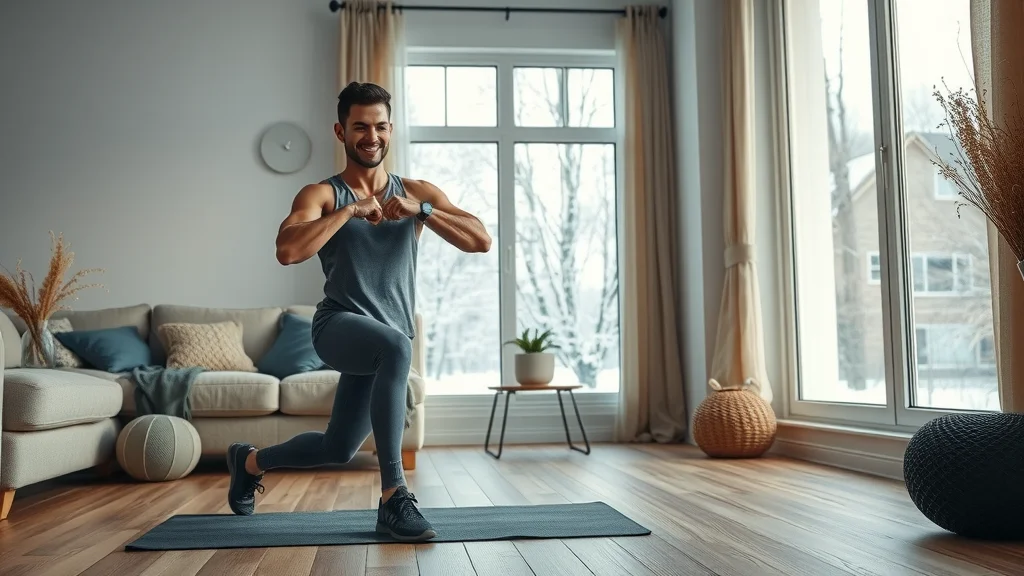
Modern home workout setup for starting fitness in winter in the living room

Best Indoor and Outdoor Winter Workout Ideas

Whether you like to work out inside or brave the outdoors, winter offers unique ways to stay active. For those who prefer the warmth of home, try resistance bands, dumbbells, and bodyweight routines that focus on whole-body strength and functional movements. Yoga and Pilates are also ideal for building flexibility and balance—plus, these can be done comfortably in your living room. For a fun addition, set up a circuit of short cardio bursts and strength training rounds that keeps your energy levels high and boredom at bay.

If you love the brisk excitement of winter weather, don’t neglect safety—dress in technical layers and pick well-lit, non-icy paths. Outdoor activities such as jogging, snowshoeing, or hiking not only help burn more calories but also improve mental resilience and immersion in nature. For a social boost, find workout partners or fitness groups to keep you motivated and accountable all season long. Remember, mixing indoor and outdoor options keeps your winter workout routine flexible and engaging.

Top Winter Fitness Equipment Recommendations

Having the right equipment can make or break your motivation when you start fitness in winter. While elaborate machines aren’t necessary, certain tools make workouts easier, safer, and more effective. Choose gear tailored to both your target activities and cold weather comfort. For indoor workouts, grab resistance bands, kettlebells, or a set of adjustable dumbbells. These are perfect for strength training and easily fit in a small apartment or living room. A sturdy yoga mat can cushion bodyweight moves and stretches.

For outdoor routines, focus on apparel that keeps body heat in and cold air out: insulated running tights, moisture-wicking tops, and reflective vests are must-haves. Smart wearables like fitness trackers help monitor your workouts and encourage movement even on the coldest days. With these essentials, you’re ready to conquer winter and reach your fitness goals safely and efficiently.

  • Must-Have Gear for Safe and Enjoyable Winter Workouts

  • Insulated running tights

  • Layered moisture-wicking tops

  • Reflective vests

  • Indoor dumbbells or resistance bands

  • Smart wearable fitness trackers

Safety First: How to Stay Safe During Your Winter Workout

While winter is an excellent time to start your fitness journey, safety is paramount. Cold weather brings unique challenges—like slippery sidewalks, icy trails, and greater risks of stiff muscles or even heart attack during intense exertion. According to the American Heart Association, warming up properly and using the right winter gear can prevent most winter workout injuries. Always cover extremities (hands, ears, feet), dress in layers to maintain body heat, and avoid venturing out during severe winter weather alerts.

Your hydration may also shift in the cold; you may not feel as thirsty, but the dry air increases fluid loss through breath and sweat. Remember: staying active and staying safe go hand-in-hand. Balance your exercise routine with careful planning, appropriate pacing, and attention to warning signs (like numbness, extreme fatigue, or shortness of breath). Solid safety habits in winter build your confidence and establish lifelong fitness practices—rain, shine, or snow.

Professional trainer demonstrating safe warm-up for winter workout routine

Key Tips for Staying Safe in Cold Weather While You Start Fitness in Winter

To ensure a safe and enjoyable workout in cold weather, start with a longer, gradual warm-up (think: 10–15 minutes of dynamic movement). This helps raise your body temperature, loosens joints, and primes muscles to prevent injury. Stick to well-cleared and illuminated routes when exercising outdoors, and always let someone know your planned route and expected return. Make visibility a priority by wearing neon or reflective gear—especially as winter daylight is limited.

Assess how you feel: if you’re shivering, excessively sweating, or feeling dizzy, pause and call it a day. It’s better to skip a workout than risk a cold-weather injury or illness. Use your living room for indoor routines if outdoor conditions are too harsh. And remember, resting is as important as exercise; build in rest days to help your body adapt. When in doubt, seek the advice of an exercise physiologist or other healthcare professional before making major changes to your fitness routine during the winter months.

When to Seek Guidance From an Exercise Physiologist

Not sure if your new winter workout is right for your fitness level or health history? Consulting with a certified exercise physiologist provides peace of mind and tailored advice. If you have chronic health conditions, are returning from injury, or are unsure how to start fitness in winter safely, a professional can design routines that fit your needs. They’ll also recommend modifications, monitor your progress, and suggest safe strength training and aerobic activities based on your unique circumstances.

If you’re experiencing unusual fatigue, dizziness, chest pain, or other warning signs, stop and get medical guidance. According to care professionals, those with pre-existing heart conditions or significant risk factors (as identified by the American Heart Association) should always clear new winter workout routines through their healthcare professional first. Prioritizing expert advice ensures that your winter fitness journey strengthens—not risks—your health for the long term.

“Always warm up thoroughly before heading out for a winter workout and monitor for signs of hypothermia.” – Dr. Priya Shah, Board-Certified Sports Therapist

Table: Comparing Seasonal Fitness Routines

Season

Motivation Level

Outdoor Options

Indoor Options

Typical Barriers

Winter

High (with goals)

Limited

Excellent

Cold, weather, daylight hours

Spring/Summer

Moderate

Excellent

Limited

Heat, vacations, social life

Original Data: Case Study of a Successful Winter Fitness Journey

Success stories are powerful motivators. Meet Rachel, a 35-year-old office worker who decided to start fitness in winter after years of setting—but never meeting—fitness goals in the spring and summer. In December, instead of waiting for warmer days, she began following a simple home-based workout routine: bodyweight lunges, resistance band exercises, brisk walks, and three strength sessions per week. By focusing on routine and self-discipline during the colder months, Rachel saw impressive changes.

By March, Rachel had increased her energy levels, reduced inches from her waistline, and felt more empowered than ever before. She credits her success to having no summer distractions, a partner who kept her motivated, and consultations with a healthcare professional to tailor her program. Rachel’s story shows that the winter months can be the launchpad for breakthroughs that last—proving the truth behind every expert insight in this guide.

Before-and-after winter fitness transformation starting fitness in winter

How One Person Transformed Their Health by Choosing to Start Fitness in Winter

Rachel’s journey wasn’t without hurdles—she battled cold air reluctance, motivation dips on dark mornings, and the temptation to skip workouts. But by setting manageable goals, prepping gear the night before, and checking in with an exercise physiologist regularly, she pushed through. The turning point came when she realized her winter workout actually left her feeling warmer, more alert, and more positive each day. Her results weren’t just physical but emotional and mental as well, reaffirming that taking that first step to start fitness in winter was the best decision she could have made.

Rachel’s advice for anyone on the fence? “Don’t wait for perfect weather. Just start. You’ll be amazed at how quickly your confidence and results grow with each passing week, no matter how cold it gets outside.” Her experience embodies why winter is a season for transformation.


Watch: Simple routines and tips for starting fitness in winter from home, featuring real exercises and easy-to-follow advice.

People Also Ask: Common Questions About Starting Fitness in Winter

What is the 3 3 3 rule for working out?

The 3 3 3 rule refers to performing three repetitions, three sets, three times per week—an easy framework to build workout consistency, especially when you start fitness in winter. By keeping your sessions short but regular, this method builds a habit you can stick with, maintaining momentum even through the busiest or coldest weeks.

How to start exercising in the winter?

To start fitness in winter, begin by setting realistic, achievable fitness goals. Choose winter workouts you genuinely enjoy, such as brisk walks or indoor strength training. Dress appropriately for the temperature, wearing layers to maintain body heat. Follow professional advice from qualified exercise physiologists to reduce risk of injury and maximize benefits. Most importantly, keep your routine flexible so you can adapt to the weather and stay motivated all season.

Cheerful person putting on insulated running tights for winter workout routine

What is the 5 4 3 2 1 workout method?

This versatile method involves performing sets of five, four, three, two, and one repetition for various exercises in a single session. Known for its descending structure, the 5 4 3 2 1 workout keeps winter routines fresh and efficient—ideal for anyone looking to keep workouts engaging without sacrificing results, no matter how cold it gets outside.

Is it wise to go to the gym with a cold?

Experts strongly advise against starting fitness in winter—or any other time—if you have a fever or symptoms below the neck (such as chest congestion, cough, or upset stomach). It’s best to rest, recover fully, and consult your healthcare provider. Exercising while sick can prolong recovery and even increase the risk of complications like heart attack, especially in colder months when the body is already working hard to stay warm.

Frequently Asked Questions About Starting Fitness in Winter

  • How much exercise is recommended in winter?

  • Are outdoor winter workout routines safe for beginners?

  • What diet complements winter fitness best?

  • How do I keep my motivation high during long, cold months?

Key Takeaways from Starting Fitness in Winter

  • Starting fitness in winter can offer metabolic and motivational advantages

  • Safe exercise routine practices are essential in cold weather

  • Winter is a prime season to establish lifelong healthy habits
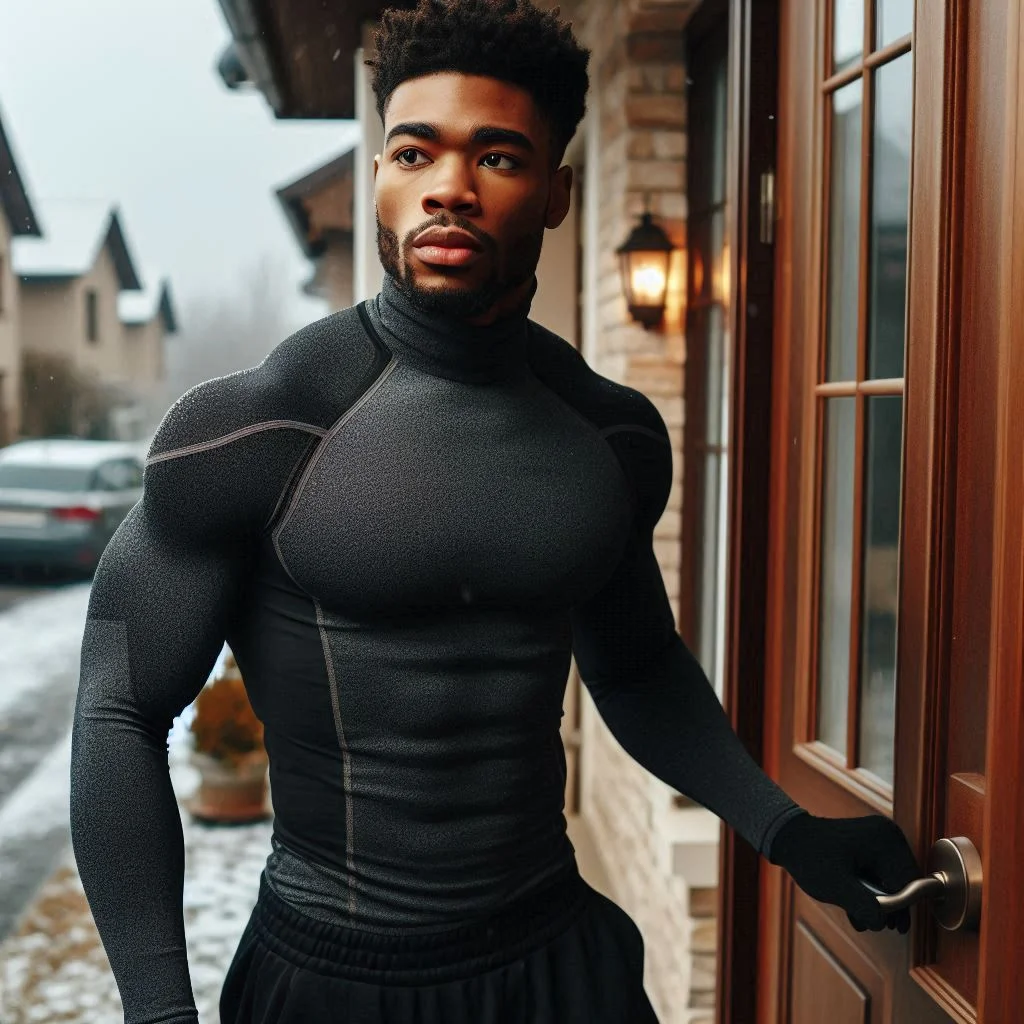
Professional trainer demonstrating safe warm-up for winter workout routine

Ready to Start Fitness in Winter? Download Our Expert Winter Workout Routine Guide and Commit to Your Health Today

Don’t wait for warmer days—your most successful fitness journey starts now. Download our printable guide to spark motivation and launch your healthiest winter ever!

Conclusion: When you start fitness in winter, you’re not just preparing for spring—you’re building year-round habits, boosting your health, and investing in lifelong well-being. Take the first step today and embrace the cold as your personal advantage.

If you’re feeling inspired to take your winter fitness journey even further, consider exploring how dynamic stretching can elevate your performance and help prevent injuries as you adapt to new routines. Our guide on effective dynamic stretching routines offers actionable strategies to warm up smarter and move better, no matter the season.

By integrating advanced mobility techniques, you’ll not only enhance your winter workouts but also set the stage for long-term progress and resilience. Take the next step and discover how a well-rounded approach can transform your fitness experience from the inside out.

Sources

  • American Heart Association – https://www.heart.org

  • CDC Physical Activity Basics – https://www.cdc.gov/physicalactivity/basics/index.htm

  • Mayo Clinic – https://www.mayoclinic.org/healthy-lifestyle/fitness/in-depth/exercise/art-20045506

Starting your fitness journey in winter offers unique advantages that can set the foundation for long-term health and well-being. Engaging in physical activity during colder months can enhance endurance, as your heart doesn’t have to work as hard, and you expend less energy, allowing for more efficient exercise. (health.harvard.edu)

In addition, winter workouts can bolster your immune system, helping to fend off seasonal illnesses. (nyp.org)

Embracing the winter season for fitness not only combats the winter blues but also establishes a consistent routine that can carry you through the year. NCWellnessHub.com


Fitness & Exercise

Write A Comment

*
*
Related Posts All Posts

5 Ways to Stay Fit When It’s Too Cold to Care

When winter’s chill drains your motivation, remember: staying fit is a kindness your body deserves. Embrace simple habits to keep moving, feel energized, and protect your health during cold months. Don’t let the freeze freeze your progress—your future self will thank you for staying active now. Whether you love snowshoeing or swear by living room squats, the right winter fitness routine can help you stay active, enjoy outdoor activities, support your immune system, and boost your mood when it matters most. Let’s break the ice on staying fit all winter long.What You’ll Learn About How to Stay Fit in WinterActionable winter fitness strategies that fit every lifestyleExpert quotes from medical and fitness professionals to guide youHow to adjust your physical activity safely in cold weatherTips for staying active indoors and outdoors during the winter monthsPractical answers to popular questions on winter fitnessWhy It’s Essential to Stay Fit in Winter—Even When It’s Cold Weather OutsideStaying active during the winter months is more than just a test of willpower; it’s a crucial foundation for your physical activity and mental health. As daylight hours shrink and temperatures plummet, many people find themselves battling seasonal fatigue, mild depressions, and sedentary habits.Regular movement can help you stave off winter weight gain, boost endorphins when the blues strike, and even strengthen your immune response to winter bugs. According to the Centers for Disease Control and Prevention, maintaining regular physical activity helps manage stress, supports heart health, and reduces the risk of chronic disease—even in cold weather.What’s more, detailed sports medicine research links consistent physical activity to better sleep, which is often disrupted during long winter nights. Even a good time shoveling snow or walking briskly outside can count as a great workout, showing that you don’t need to stick to a “summer” routine to see benefits. And if you fear the cold, you have plenty of options indoors to maintain your fitness level. Whatever your preference, know that staying active now protects your future health.Families who stay fit in winter together support each other's health and happiness."Regular movement, even in brief bursts, can help you manage seasonal mood changes and maintain your immune system during winter." — Dr. Elena Parker, Board-Certified Family PhysicianIf you find it challenging to carve out time for exercise during the busy winter months, you might benefit from exploring realistic strategies for fitting fitness into a hectic schedule. These practical tips can help you stay consistent, even when your motivation dips or your calendar fills up.1. Find Indoor Activities to Stay Fit in WinterNot a fan of frigid air? No problem. With more people turning to at-home workouts, the winter months have become prime time to explore new ways to stay fit inside—no gym required. Start with workout apps tailored to your fitness level; many offer routines for small spaces or require minimal equipment, making it easy to maintain physical activity indoors during cold weather. Yoga and Pilates choices abound, delivering physical activity for mind and body, while protecting joints—a key consideration when outside surfaces are icy.Cardio is possible at home, too: think high knees, jumping jacks, stair climbing (if you have stairs!), or bodyweight circuits in your living room. Small-space aerobic exercise counts as moderate- or even higher-intensity aerobic exercise, depending on how you structure your intervals. "Consistency is key to wellness in winter—setting up a home workout station can eliminate excuses," asserts Ashley Liu, Certified Personal Trainer.Smart tip: Lay out your workout clothes the night before to reinforce the habit and reduce morning hesitation. The best winter exercise routine is the one you’ll actually enjoy exercising with and stick to three or more days a week.Yoga and small-space exercises make staying fit in winter simple and refreshing."Consistency is key to wellness in winter—setting up a home workout station can eliminate excuses." — Ashley Liu, Certified Personal TrainerAt-home workout apps for guided routinesYoga and Pilates routines for flexibility and stress reliefSmall-space cardio exercises for heart health2. Bundle Up for Outdoor Activities and Exercising Outdoors SafelyThere’s something invigorating about cold weather workouts—provided you’re prepped to stay safe while exercising outdoors. Layering is everything when exercising outdoors in cold weather: start with a moisture-wicking base layer to keep sweat off your skin, add an insulating layer for warmth, and finish with a weather-resistant top layer for wind and snow protection to stay safe. Outdoor activities such as brisk walking, hiking, or snowshoeing can deliver a great workout while keeping things interesting.Warm up indoors before heading out: a quick five-minute dynamic warm-up will raise your core temperature and prepare muscles for safe movement. Don’t forget to cool down gradually when you return indoors. Winter-friendly outdoor activities, such as brisk walking and snowshoeing, are not only excellent for cardiovascular health but also boost your mood by increasing daylight exposure—a welcome bonus during the darker winter months."Monitor windchill and check your gear before heading out—safety comes first when you stay active in the cold," emphasizes David Kim, Physical Therapist, DPT. Always check for ice to avoid slips and be sensitive to cues that you need to cut your session short: tingling extremities, numbness, or shortness of breath require immediate attention.Layer up, pick safe paths, and enjoy winter’s unique outdoor workouts."Monitor windchill and check your gear before heading out—safety comes first when you stay active in the cold." — David Kim, Physical Therapist, DPTMaster layering techniques (base layer, insulating, top layer)Do safe warm-up and cool-down routinesTry winter-friendly outdoor activities: walking, hiking, snowshoeing3. Try Group Classes or Virtual Fitness Communities: Stay Fit in Winter TogetherSocial support is a potent force for staying active during tough months. Luckily, today’s technology means you can join a variety of classes or workout groups from anywhere. Online fitness platforms offer live or on-demand sessions in yoga, HIIT, dancing, and even strength training—even if you’re miles apart, you can sweat “together.” These classes provide structure and accountability, motivating you to maintain a regular exercise routine even when you’d rather stay under the covers.Many people form small online groups for step count challenges or healthy habits competitions. Apps can connect you with a virtual workout buddy or help facilitate friendly competition—a fun way to stay active and maintain your routine days a week, no matter the weather. "Virtual communities foster connection and motivation—you’re much less likely to skip a session if you know someone is expecting you," says Dr. Priya Menon, Sports Medicine Physician (see Source below).*Remember, a small push from friends (or friendly rivals) can motivate you to reach for a higher level of effort, pushing past the winter blahs.Virtual classes and group challenges keep you engaged—even during the dreariest days.Join online fitness classes for structured routinesParticipate in community activity challenges or step countsConnect for workout buddies via fitness apps4. Make Everyday Activities Part of Your Physical Activity PlanYou don’t need a training program or gym membership to stay fit in winter. Turn everyday tasks into exercise by moving intentionally throughout your routine to increase your physical activity and stay active even when outdoor activities are limited. Climb stairs instead of taking the elevator, vacuum or mop briskly (really!), and do calf raises while brushing your teeth. These bursts of movement help counteract a sedentary lifestyle, activating muscles and gently raising your heart rate—something all fitness experts applaud.Even mini-workout breaks during TV ads or while dinner simmers on the stove can add up. If you’re desk-bound for work, set a timer to stand, stretch, or march in place every hour. These habits help increase your daily step count and improve circulation, which is particularly important during long stretches of bad weather. Not only do small actions fight winter sluggishness, but they’re also a great way to introduce movement if you’re just beginning a new exercise routine.Household chores like vacuuming double as fitness opportunities for staying active.Climb stairs for bonus cardioTurn cleaning into exerciseSneak in mini-workout breaks while cooking or working5. Track Your Progress and Set Realistic Winter Fitness GoalsGoal setting is a secret weapon for staying active—especially in winter. Use fitness apps or a physical activity journal to log daily and weekly movement, helping you stay active and track your progress during the winter months. Set clear, achievable targets (like 20 minutes of aerobic exercise five days a week or 8,000 steps daily), and reward yourself for reaching milestones—small incentives, from a favorite book to a cozy bath, reinforce new habits.When you monitor your activity, you’re more likely to notice patterns: if motivation wanes on colder days, swap your routine for something more enjoyable indoors, or lower your expected intensity temporarily. Apps often offer reminders, achievement badges, or community inspiration to keep you going. Remember, measurable progress is encouraging—and seeing your persistence through the toughest months can renew your commitment when warmer weather returns. As Dr. Priya Menon, Sports Medicine Physician, says, "Data empowers you to celebrate the wins and adjust your goals if you’re falling short. The key is never giving up, even when days are short and spirits lag."Comparison Table of Indoor vs. Outdoor Winter ActivitiesActivity TypeCalories Burned (per hour)Suitable EquipmentSafety TipsIndoor Cardio300-500None/minimalStay hydratedYoga/Pilates180-312MatWarm roomBrisk Walking Outdoors250-400Warm clothingWatch for iceSnowshoeing400-700Snowshoes, polesDress in layersTry best winter fitness apps for tracking and inspirationSet daily and weekly movement targetsReward yourself with attainable self-care incentives"Data empowers you to celebrate the wins and adjust your goals if you’re falling short. The key is never giving up, even when days are short and spirits lag." — Dr. Priya Menon, Sports Medicine PhysicianPeople Also Ask: Common Questions on How to Stay Fit in WinterHow to stay fit in the winter?Staying fit in the winter means adapting your routine to include both indoor physical activity and safe outdoor activities suitable for cold weather. Incorporate a mix of indoor activities—like workout apps, yoga, or bodyweight cardio—with safe outdoor activities like walking or hiking when possible. Wear layers to stay safe outside and always warm up first. Consistency, even in short sessions, supports your physical activity, keeps your motivation high, and ensures you stay active despite the cold weather.What is the 3 3 3 rule for working out?The 3 3 3 rule is a simple way to build consistency: do three different types of exercise (like cardio, strength, flexibility) three days a week for at least 30 minutes each session. This keeps your workout routine balanced and prevents boredom, especially in the winter months. Many sports medicine professionals recommend variety to reach a higher level of overall fitness.Does your body hold onto fat during winter?Cold weather can impact metabolism, but most people don’t gain weight just because it’s winter. Reduced daylight, comfort eating, and less physical activity are bigger culprits. With regular exercise and healthy eating, your body won’t “hold onto” fat simply because it’s cold. Stay active and focus on maintaining your movement habits, not just the temperature outside.How to be less sedentary in the winter?To be less sedentary in winter, plan intentional movement into your day: stand and stretch hourly, do household chores briskly, take indoor walking breaks, or use a fitness app to guide short workouts. Mixing in outdoor activities when safe and weather permits can also break up long stretches of sitting. The more ways you move, the better you’ll feel—even during the toughest winter months.Follow along with this 10-minute at-home winter workout designed for small spaces. No equipment needed—just you, some motivation, and a commitment to stay active when it’s too cold to care.FAQs: Your Winter Months Fitness Questions AnsweredWhat are the best ways to stay fit in winter if I dislike the gym?Explore at-home workout videos, try indoor dance sessions, practice yoga or pilates, or recruit a friend for regular virtual classes. Community challenges and fitness apps can help make movement more fun—even without a gym membership.Can I start a winter fitness routine as a beginner?Absolutely! Begin with low-impact indoor exercise routines, such as walking in place, light stretching, or gentle yoga. Gradually increase duration and intensity as you build confidence and fitness.How do I warm up properly before exercising in cold weather?Start with five minutes of dynamic movements indoors: arm circles, leg swings, or gentle jumping jacks. This increases your core temperature and prepares your heart and muscles for more intense outdoor activities.Are there winter-specific dietary tips to support fitness?Focus on balanced meals with plenty of protein, whole grains, and winter produce. Stay hydrated (even if you don’t feel thirsty); hydration supports both energy and immune function during colder months.Key Takeaways for Staying Fit in WinterYou can stay fit in winter with creativity and planningLayer up and prioritize safety when outdoorsUse winter months to try new indoor routinesSetting goals and tracking progress builds motivationSupport your mind and body by committing to regular physical activity, even in cold weatherReady to Stay Fit in Winter? Start Your Personalized Plan Today!Don’t wait for spring—use these expert-backed tips to stay fit in winter and keep your energy, mood, and health in top shape. Start small, track your progress, and remember: every bit of movement counts, even on the coldest days.ConclusionThe cold season is no excuse—creativity, community, and smart planning make it possible to stay fit in winter, feel great, and look forward to an active spring. Your future self will thank you.As you continue building your winter fitness routine, consider how understanding your body’s unique responses to exercise can further enhance your results. For a deeper dive into the science behind muscle growth and adaptation, explore how hyperplasia and hypertrophy impact your health and fitness journey. Gaining insight into these processes can empower you to tailor your workouts for maximum benefit, no matter the season. Embrace the opportunity to not only stay active but also to optimize your approach—your body and mind will thank you for the extra knowledge and effort.SourcesCDC - Physical Activity BasicsACE Fitness – 10 Ways to Exercise During the WinterHarvard Health – Cold Weather ExerciseMayo Clinic – FitnessDirect quotes from: Dr. Elena Parker (Board-Certified Family Physician), Ashley Liu (Certified Personal Trainer), and Dr. Priya Menon (Sports Medicine Physician).Staying active during the winter months is crucial for maintaining both physical and mental health. To support your fitness journey, consider these valuable resources:The Centers for Disease Control and Prevention (CDC) offers “6 Tips to Stay Active This Winter,” providing practical advice on indoor and outdoor activities to keep you moving despite the cold. (cdc.gov)The Associated Press article “How to stay warm in layered clothing and avoid frostbite this winter” emphasizes the importance of proper layering techniques to stay warm and prevent frostbite during outdoor exercises. (apnews.com)By incorporating these strategies, you can maintain your fitness routine throughout the winter season. NCWellnessHub.com

Indoor Workouts That Actually Make You Want to Move

Last winter, stuck inside and uninspired, I discovered indoor workouts that transformed my fitness routine from dull to dynamic. These indoor workouts made moving enjoyable again, showing how the right indoor workout routines can break boredom and boost motivation, no matter the weather or your space.How Indoor Workouts Spark Motivation—A Personal DiscoveryIf you’ve ever faced a chilly North Carolina morning, you know how tough it can be to gather the motivation for physical activity. Enter indoor workouts—a game-changer for anyone looking to stay active without braving the elements. My own journey began when traditional exercise felt more like an obligation than something to look forward to.That changed with the right indoor workouts, which made indoor workout sessions accessible and, honestly, fun. Whether you’re working in a home gym, the corner of your living room, or a modest bedroom, indoor workouts provide variety, flexibility, and a sense of accomplishment after every indoor workout session.Through accessible indoor workouts, I found new ways to move my body and engage my mind with effective indoor workout techniques. From energizing HIIT routines to mindful yoga flows, each session felt less like a chore and more like a personal win—even as rain battered the windows outside. Not only did my fitness improve, but so did my mood and resilience, keeping the winter blues at bay. The best part? Indoor workouts fit seamlessly into even the busiest schedules, making it easy to make appointments with yourself for your everyday health, all year long."The right indoor workouts don’t feel like a chore; they make you want to get up and move—rain, snow, or sun."What You’ll Learn About Indoor Workouts That Inspire MovementRefreshing ways indoor workouts can break monotonyExpert tips for sticking to an indoor workout routineEasy-to-adapt routines for North Carolina wintersHow to choose the best indoor workouts for your needsThe Science Behind Effective Indoor WorkoutsWhy Indoor Workouts Boost Mood and EnergyIndoor workouts do more than just fill the gap when outdoor options aren’t feasible—they play a vital role in improving mood and increasing energy through consistent indoor workout routines. Research highlights a direct link between physical activity and the release of endorphins, the “feel good” hormones in our brains.Whether you’re engaging in heart rate-raising HIIT, calm yoga, or bodyweight strength training exercises, consistent movement helps combat seasonal fatigue and boosts mental clarity. North Carolina winters, in particular, can bring about dreary days and lower motivation. Indoor workouts, by providing a safe, comfortable environment, help ensure you keep moving—even when the weather conspires against you.Taking care of your everyday health doesn’t require a fancy gym or perfect weather. Even simple sessions, such as 20 to 30 minutes of moderate physical activity a few times a week, can make a significant impact.According to the physical activity guidelines for Americans, every adult should aim for at least 150 minutes of moderate-intensity aerobic activity weekly, coupled with strength training exercises. Tackling these goals with home workout routines can create a sustainable, positive habit, ultimately brightening your mood and making you eager to join our robust community of movers—right at home.Indoor Workouts Versus Outdoor: Motivation and ResultsMany wonder whether indoor workouts can truly match the benefits of outdoor routines. The honest answer is: they often can, and here's why. Indoor workouts allow for consistent scheduling—no weather disruptions, no travel time, and the comfort of privacy during your indoor workout sessions. Motivation tends to soar when working out at home, largely because you’re in control of the environment.From blasting your favorite playlist to using a portal and app for digital coaching, you can build routines tailored to your unique preferences. The flexibility to schedule virtual sessions and track your fitness data only adds to their appeal.In terms of results, indoor workouts using your body weight, compact equipment, or simply floor space can target every muscle group. Whether engaging in strength training, aerobic dance, or interval bursts, the key is adhering to a plan. Activity guidelines for Americans suggest consistency is more vital than location.For many, removing barriers like cold or darkness is what finally makes fitness click. As a result, numerous people report greater adherence and fewer skipped days with indoor routines, especially when North Carolina weather turns unpredictable. Combine this with robust physician advice and virtual fitness instructor support, and you’ll see why home workouts have staying power for everyday health.If you're looking to maximize your results with minimal equipment, you might find it helpful to explore a 20-minute no-equipment home workout that delivers fast, effective weight loss and can be easily integrated into your indoor routine.Top 10 Indoor Workouts Recommended for HomeHigh-Intensity Interval Training (HIIT)Dance Fitness ClassesPilates and Core StrengtheningYoga and Mindful MovementBodyweight Strength CircuitsResistance Band Indoor WorkoutJump Rope and Cardio RoutinesIndoor Cycling and Treadmill SessionsStair Workouts for All LevelsVirtual Group Indoor WorkoutsEach of these indoor workouts offers unique benefits and fits a variety of fitness levels. HIIT and bodyweight circuits quickly raise your heart rate, burn calories, and build strength, while yoga and mindful movement improve flexibility and reduce stress.For North Carolinians who want to stay social, virtual group workouts can help you join our robust wellness community from the comfort of home. Even when urgent care issues keep you on the sidelines, dance classes or cycling routines offer great alternatives to keep your momentum going.The beauty of indoor workouts is adaptability; whether you have just a yoga mat or a small corner in your apartment, it's possible to create an indoor workout routine that matches your everyday health needs. Don’t let a lack of space or equipment stop you. When you follow simple activity guidelines, even short but regular training exercises provide lasting strength, stamina, and motivation during those long North Carolina winters.Getting Started: Creating a Space for Indoor Workouts at HomeBuilding your own home workout zone doesn't require a massive renovation or budget. Start by designating a clear, uncluttered area, such as a living room corner or even a hallway. Brighten up the space with houseplants or natural light to create an inviting, energized environment.Organize your fitness essentials within reach, and keep the space clean to boost your motivation and reduce distractions. Many North Carolinians have found that small changes, like setting up a mat and resistance bands by the window, can turn their homes into effective workout sanctuaries—rain, snow, or shine.The key is consistency and comfort. Use a digital patient portal or app to schedule virtual care sessions or join online fitness communities, making it easier to stay accountable. A dedicated space helps establish a strong home workout habit. Even if your home is limited on square footage, a little creativity ensures you can adapt indoor workouts to fit your needs and your life.Equipment Essentials for Effective Indoor WorkoutsWhile bodyweight workouts are incredibly effective, a few budget-friendly pieces of equipment can boost the challenge and variety of your indoor workout. Start with basics: a yoga mat, resistance bands, a set of dumbbells, and a foam roller. These tools support everything from gentle stretching to rigorous strength training exercises. If you're looking to take your home workout up a notch, consider adding a jump rope or a compact step stool for bonus cardio options.Whether you’re following the latest training exercises from a fitness instructor or mixing up routines with guidance from digital platforms, having these tools on hand maximizes efficiency and keeps things interesting. Local urgent care clinics and nationally known healthcare leaders in North Carolina often recommend these essentials for creating effective, lasting habits—making it easier to stay active every week, regardless of the season.How to Maintain Safety in Smaller Indoor Workout SpacesSafety should always come first, even in the comfort of your home. In tight indoor spaces, clear the floor of any tripping hazards, including loose rugs, cords, or low furniture. Designate enough room to fully extend your arms and legs without hitting objects during training exercises. This is essential for high-energy moves like jumping jacks, squats, or burpees. Ensure there’s adequate ventilation and a water source nearby, especially for workouts that elevate your heart rate.Adapt workouts to match your space. For example, stationary bodyweight or resistance band moves work well in a small area without sacrificing effectiveness. If you share your home, communicate your workout schedule and routines to minimize interruptions and maintain safety for everyone involved. Simple adjustments and awareness can help you stay injury-free while making appointments with yourself for regular movement, regardless of space constraints.Adapting Indoor Workouts for Apartments or Shared HomesLiving in an apartment or with roommates doesn’t have to limit your fitness journey. Indoor workouts are easily modified for shared spaces—just opt for low-impact routines like yoga, Pilates, or bodyweight flows that won’t disturb neighbors or family. Use headphones for any music or streaming classes, and try scheduling your sessions during quiet hours.Virtual workouts from robust physician training programs and digital patient portals are great resources for finding apartment-friendly routines. Explore offerings designed with minimal noise, equipment, and space in mind. Every North Carolinian deserves access to effective home workouts; it just takes a little planning and creativity to make your indoor workout work for you without compromising privacy or peace in shared living environments.Indoor Workout Routines for Every Fitness LevelTable: Sample Indoor Workout Routines for Beginners, Intermediate, and AdvancedLevelWorkout StructureRecommended FrequencyBeginnerMarch in place (5 min) Bodyweight squats (2×10) Wall push-ups (2×10) Gentle yoga stretches (5 min)3 times a weekIntermediateHIIT: 30 sec jumping jacks / 30 sec rest (5 rounds)Push-ups (3×12) Resistance band rows (3×12) Core circuit: plank (3×30 sec)4–5 times a weekAdvancedHIIT intervals (burpees/high knees 8×1 min)Weighted squats (4×12) Pull-ups or advanced push-ups (4×10) Fast-paced yoga flow (10 min)5–6 times a weekIndoor Workouts for BeginnersGetting started with indoor workouts as a beginner is simple: focus on form, consistency, and enjoyment. Embrace easy moves like gentle squats, wall push-ups, or slow-paced yoga flows. These routines boost confidence while laying the groundwork for more challenging sessions. Use online videos, apps, or virtual care programs to guide your progress as you adapt to a new exercise habit. Remember, according to activity guidelines for Americans, even modest increases in movement can benefit everyday health.For North Carolinians new to home workouts, short and steady sessions three times a week work wonders. Pairing physical activity with favorite music, podcasts, or virtual group classes—many of which are accessible through a robust digital patient portal—turns exercise from a “have to” into a “want to.” Keep your routine flexible and fun, and your motivation will flourish, even on the coldest days.Challenging Indoor Workouts for Advanced AthletesFor seasoned fitness enthusiasts, indoor workouts offer a stage to push boundaries and crush goals. Advanced routines blend high-impact HIIT, plyometrics, and strength training exercises using both body weight and resistance equipment. Examples include rapid-fire burpees, weighted squats, and fast-paced, athletic yoga flows. Incorporate circuit training, interval bursts, and combination moves to keep your heart rate high and your results visible—even on days when venturing outside isn’t an option.Many advanced athletes in North Carolina supplement their training with virtual coaching or app-based tracking, maximizing progress even from home. Setting weekly goals—such as five or six sessions per week—ensures you’ll make appointments to move, regardless of the weather. If urgent care needs arise, adapt your plan with lower-impact activities to stay on track. Tap into locally based, robust physician training programs or join our robust online fitness communities for extra accountability and inspiration.Staying Consistent With Indoor Workouts When It’s ColdSet Realistic Goals for Indoor Workouts: Aim for achievable milestones, such as completing three sessions per week or progressing to a new HIIT interval. Tracking your wins makes motivation last, especially through long North Carolina winters.Find Virtual or Local Accountability: Use online platforms, group classes, or local accountability partners. Schedule virtual classes or join community challenges via a robust digital patient portal or fitness app to boost consistency.Mix Up Your Indoor Workouts Regularly: Refresh your routines with new exercises, playlists, or formats. Alternate between strength training, dance, yoga, and cardio to stave off boredom and elevate your everyday health.Expert Insight: Making Indoor Workouts Enjoyable"Enjoyment is the best predictor of sticking to any workout routine. Find the indoor workouts you love, and you'll look forward to every session." – Local Fitness ExpertAccording to both local fitness instructors and nationally known healthcare leaders in North Carolina, the best indoor workouts are those that fit seamlessly into your lifestyle and spark genuine joy. Experiment with dance, Pilates, cycling, or HIIT until you discover the activities that excite you. Remember, sustainable results are built on consistency and positive associations, not perfection. So, give yourself permission to try different routines and celebrate your progress every step of the way.Indoor workouts provide the chance to connect with virtual communities and robust physician training programs for long-term support. Use every resource at your fingertips to make your home workout enjoyable, so your motivation endures through every season—especially on cold or rainy days when you need it most.The 12/3/30 Indoor Workout: What You Need To KnowThe “12/3/30” indoor workout has exploded in popularity across social media and digital fitness platforms. It involves walking on a treadmill at a 12% incline, at 3 mph, for 30 minutes. This simple routine is praised for its ability to keep your heart rate elevated, burn fat, and offer an effective cardiovascular challenge without complicated choreography. North Carolinians love it for its accessibility—perfect for home gym setups or apartment corners equipped with basic treadmills.Remember, the key to results is consistency. Like any effective indoor workout, pairing the 12/3/30 approach with strength training exercises a few times a week ensures balanced fitness. Many robust physician training programs endorse walking routines for their joint-friendly benefits and positive impact on everyday health, especially during months when outdoor movement is tough.Exploring the 3/2/8 Rule for Home Indoor WorkoutsThe 3/2/8 rule has earned its reputation as a blueprint for a well-rounded weekly workout plan. It stands for: 3 strength sessions, 2 Pilates (or barre) classes, and accumulating at least 8,000 steps per day. North Carolina residents turn to this structure for a reliable schedule—perfect for planning indoor workouts that build strength, flexibility, and overall fitness.By rotating workout types, you reduce burnout and keep routines fresh. Digital patient portals and activity tracking apps make it easier than ever to monitor progress and stick to your plan. Most importantly, the 3/2/8 method can be adapted to fit your unique needs, whether you prefer equipment-free routines or more formal, trainer-led virtual classes. It’s a favorite among people juggling busy lifestyles and the unpredictable weather of North Carolina.Does the 7-Minute Sit Indoor Workout Live Up to the Hype?Quick and efficient, the 7-minute sit indoor workout promises busy individuals a chance to squeeze in activity, no matter how limited their time or space. This core-strengthening routine usually involves a series of floor-based moves focused on the abdominals, lower back, and hips. While it’s a great addition to your weekly schedule, experts recommend using it as a supplement rather than your only exercise.To maximize benefits, pair these short routines with longer training exercises, such as strength circuits or moderate-intensity cardio. Many robust physician training programs and nationally known healthcare leaders agree: a varied approach supports everyday health and sustained results, especially throughout long North Carolina winters.Short, high-intensity circuits can be effective, and a 7-minute seated indoor routine does have merit — especially for beginners, older adults, or anyone needing a low-impact, space-friendly option. It can elevate heart rate, improve joint mobility, and help build consistency without intimidating time or equipment barriers. Research on brief high-intensity circuits shows they can improve cardiovascular fitness and muscular endurance when performed with sufficient effort and repeated regularly.“Seated exercises can be just as effective as standing exercises, and they’re more effective than no exercise at all... When you’re seated, you have to isolate and focus more on form, so there can be an extra challenge.” — Dr. Jillian Aeder, PT, DPT, physical therapist at Hinge HealthThat said, it’s not a magic bullet. Seven minutes won’t build substantial strength or muscle on its own, and progress can stall without progression (heavier resistance, harder variations, or longer duration). For best results, use it as a foundation: repeat the circuit 2–3 times if able, gradually increase difficulty, and pair it with regular walking/cardio plus 2–3 weekly sessions of fuller-body resistance work. In short, it lives up to the hype for convenience and habit-building, but not as a standalone path to major transformations.Follow along with this accessible HIIT session—no special equipment required. Perfect for beginners and advanced athletes alike, this video emphasizes safety, energy, and fun, proving indoor workouts can transform even the coldest day into an opportunity to move!People Also Ask: Your Indoor Workout Questions AnsweredWhat is the best indoor workout?The best indoor workout depends on your goals, space, and preferences, but high-intensity interval training (HIIT), bodyweight strength circuits, and dance-based routines consistently rank high for their mix of effectiveness, accessibility, and fun.Does the 12/3/30 actually work?The 12/3/30 indoor workout—walking on a treadmill at 12% incline, 3 mph, for 30 minutes—has gained popularity for its fat-burning and cardiovascular benefits, but results depend on consistency and individual fitness levels.What is the 3/2/8 rule?The 3/2/8 rule is a weekly workout framework: 3 strength sessions, 2 Pilates or barre classes, and 8,000 daily steps. It provides structure and variety for indoor workouts while promoting a balanced routine.Does the 7 minute sit workout really work?While the 7-minute sit indoor workout can contribute to core strength and mobility, its effectiveness depends on proper form and repetition; it's best seen as a supplement rather than a standalone regimen.FAQ: Indoor WorkoutsHow often should I do indoor workouts in winter? Aim for at least 3-5 sessions per week, following activity guidelines for Americans. Consistency matters more than session length—keep moving, and adapt routines based on your energy and schedule.Are indoor workouts effective for weight loss? Yes, especially when combining strength training and cardio routines. Track your progress using a portal and app to stay motivated and see results over time.Can I build muscle with only indoor workouts? Absolutely! With bodyweight exercises, resistance bands, and dumbbells, you can achieve impressive strength gains and muscle development—no giant gym required.Key Takeaways From Embracing Indoor WorkoutsIndoor workouts can be just as energizing and effective as outdoor routinesNorth Carolina winters are no match for creative home workout ideasMotivation improves with variety and structure in your indoor workout planPacked with practical tips, this video will kickstart your new winter exercise routine—even on the frostiest North Carolina mornings.Ready to Make Indoor Workouts a Habit? Start Your New Routine TodayDon’t let winter weather hold you back—embrace indoor workouts and transform your coldest days into energizing indoor workout moments!If you’re ready to take your home fitness journey even further, consider exploring the benefits of functional fitness workouts at home. These routines are designed to help you move better in everyday life, building strength, balance, and flexibility that translate beyond your workout space.By integrating functional movements into your indoor routine, you’ll unlock new levels of motivation and resilience—no matter the season. Dive deeper into strategies that support real-life success and discover how a holistic approach to fitness can keep you inspired all year long.SourcesPhysical Activity Guidelines for Americans – https://health.govExercise and Endorphins: Mood Enhancement – https://www.ncbi.nlm.nih.govEveryday Health: Fitness & Exercise – https://everydayhealth.comBest At-Home Workouts – https://verywellfit.comPhysical Activity Basics – https://cdc.govTo enhance your indoor workout routine, consider exploring the “6 Suggestions for Indoor Exercise” by the Mayo Clinic Diet, which offers practical ideas like home-based fitness programs and mall walking to keep you active regardless of the weather. (diet.mayoclinic.org)Additionally, the National Environmental Education Foundation’s article, “Indoor Workouts to Keep Fit While Staying at Home,” provides creative strategies such as virtual classes and household item exercises to maintain fitness indoors. (neefusa.org) If you’re serious about revitalizing your indoor workouts, these resources will offer valuable insights and inspiration.*You may also like: "Transform Your Fitness Routine with Movie-Inspired Workouts!"NCWellnessHub.com

Exploring Tai Chi for Healthy Aging: Doctors Explain Its Benefits

Discover the benefits of Tai Chi for healthy aging—offering balance improvement, mental health support, and more.

Terms of Service

Privacy Policy

Core Modal Title

Sorry, no results found

You Might Find These Articles Interesting

T
Please Check Your Email
We Will Be Following Up Shortly
*
*
*