


Feeling drained, despite rest? Chronic fatigue steals life’s joy, but you’re not alone. Discovering natural herbs that boost stamina can renew your vitality and reclaim your energy. Embrace a journey towards strength and resilience with proven remedies that truly ignite your inner power.
Overcoming Chronic Fatigue: How the Best Herbs for Energy Offer a Natural Boost
Chronic fatigue affects millions, disrupting lives with persistent exhaustion, mental fog, and a constant lack of motivation. The quest for sustained energy has many people turning away from artificial stimulants and sugar-laden energy drinks in favor of herbs for energy and science-backed natural remedies. These best herbs for energy don’t just provide a quick spike – they support the nervous system, repair energy metabolism, and bolster resilience against everyday stress.
By incorporating these powerful, proven botanicals into your daily routine, you embrace holistic energy support that unlocks both physical vitality and mental clarity. Unlike quick fixes that fade fast, herbs like rhodiola, panax ginseng, and ashwagandha are supported by medical research for their adaptogenic properties. They work with your body’s natural cycles to optimize energy levels, mitigate the stress response, and boost endurance.
For those battling chronic fatigue or seeking a healthy energy boost, choosing the right herbal supplements can be a life-changer. Read on to learn how the best herbs for energy can help overcome persistent tiredness and support long-lasting stamina.

What You'll Learn in This Guide on the Best Herbs for Energy
The science behind chronic fatigue and low energy
Key benefits of the best herbs for energy and stamina
Mechanisms of action: How herbs for energy support the nervous system and cognitive function
Potential side effects, drug interactions, and safety tips for herbal supplements
Expert perspectives and critical research on herbs for energy
Understanding Low Energy: Causes and the Role of Herbs for Energy
If you constantly feel worn out or find everyday tasks draining, you’re not alone. Persistent low energy often stems from multiple causes: lack of quality sleep, nutritional deficits, unmanaged stress, sedentary lifestyle, and underlying medical issues. Common culprits include thyroid disorders, chronic stress hormone elevation (like cortisol), or fluctuating blood sugar levels.
These factors not only disrupt the body’s energy balance but also impair cognitive function and affect the central nervous system, making recovery a challenge. Turning to the best herbs for energy can provide natural support for energy levels without the jitters or crashes of synthetic stimulants.
Herbs such as rhodiola rosea, panax ginseng, and gotu kola work by enhancing cellular energy production, supporting healthy stress adaptation, and helping regulate the nervous system’s response to fatigue. By exploring the synergistic effects of these botanical remedies, individuals with chronic fatigue or lack of energy can find safer, effective alternatives to boost their energy and regain their zest for life.

Low Energy and Lack of Energy: Common Culprits
Chronic tiredness is rarely due to one simple issue. Stress, poor dietary choices, hormone imbalances, and chronic medical conditions play significant roles in depleting energy levels. Prolonged exposure to stress hormones drains the central nervous system, while lack of nutrients—especially B vitamins and minerals—impacts energy metabolism. Poor sleep, dehydration, and even overuse of stimulants or energy drinks can compound the lack of energy, leading to a cycle of exhaustion and low mood.
Understanding these causes is essential before turning to any remedy—including the best herbs for energy. Addressing low energy requires a holistic approach: lifestyle changes, medical evaluation for chronic fatigue, and leveraging nature’s support through targeted herbs for energy. With expert guidance, you can select the right blend of adaptogenic and nootropic herbs—such as those described below—to optimize both physical stamina and mental clarity for daily wellness.
Herbs for Energy: The Science Explained
Scientific research into herbs for energy focuses on how plant compounds help regulate energy metabolism, balance the nervous system, and support cognitive function. Adaptogenic herbs like rhodiola rosea and ashwagandha interact with stress response mechanisms, supporting healthy cortisol levels and reducing fatigue. Other botanicals, such as bacopa monnieri, boost neurotransmitter activity and protect the central nervous system, which is vital for mental alertness and energy.
Many of these herbs are recognized for their ability to enhance physical performance and stamina. For instance, panax ginseng is known to support both the nervous system and energy-boosting metabolic pathways. The modern approach to energy support combines these traditional herbs for energy with sound nutritional and lifestyle choices, creating a balanced path to overcoming fatigue and maintaining resilience throughout life’s challenges.
Herbal Tea, Herbal Supplements, and Essential Oil Approaches
There are various ways to incorporate the best herbs for energy into your daily routine. Herbal teas, made from roots and leaves of energy-boosting herbs, provide gentle, sustained support throughout the day and hydrate the body. Herbal supplements, available in capsules, powders, and tinctures, deliver concentrated extracts for consistent energy boost effects.
Some individuals benefit from essential oil aromatherapy using invigorating scents like rosemary or peppermint, which can improve alertness.
“While lifestyle changes play a major role in overcoming chronic fatigue, evidence suggests certain herbs for energy can support stamina and mental clarity. ” – Dr. Anna Carter, Integrative Medicine Specialist
Choosing the right form—tea, supplement, or essential oil—depends on your preferences, metabolism, and specific energy needs. Consulting a health professional ensures safe and effective use, especially for those with health conditions or taking medications.
For those seeking to address low energy from multiple angles, it’s worth noting that sleep quality and gut health also play pivotal roles in overall vitality. Exploring how your gut’s microbiome influences your sleep can provide additional strategies for overcoming fatigue—discover more in this guide on the gut-sleep connection.
The 5 Best Herbs for Energy: Science-Backed Picks
1. Rhodiola Rosea: Stamina, Cognitive Function, and Stress Support
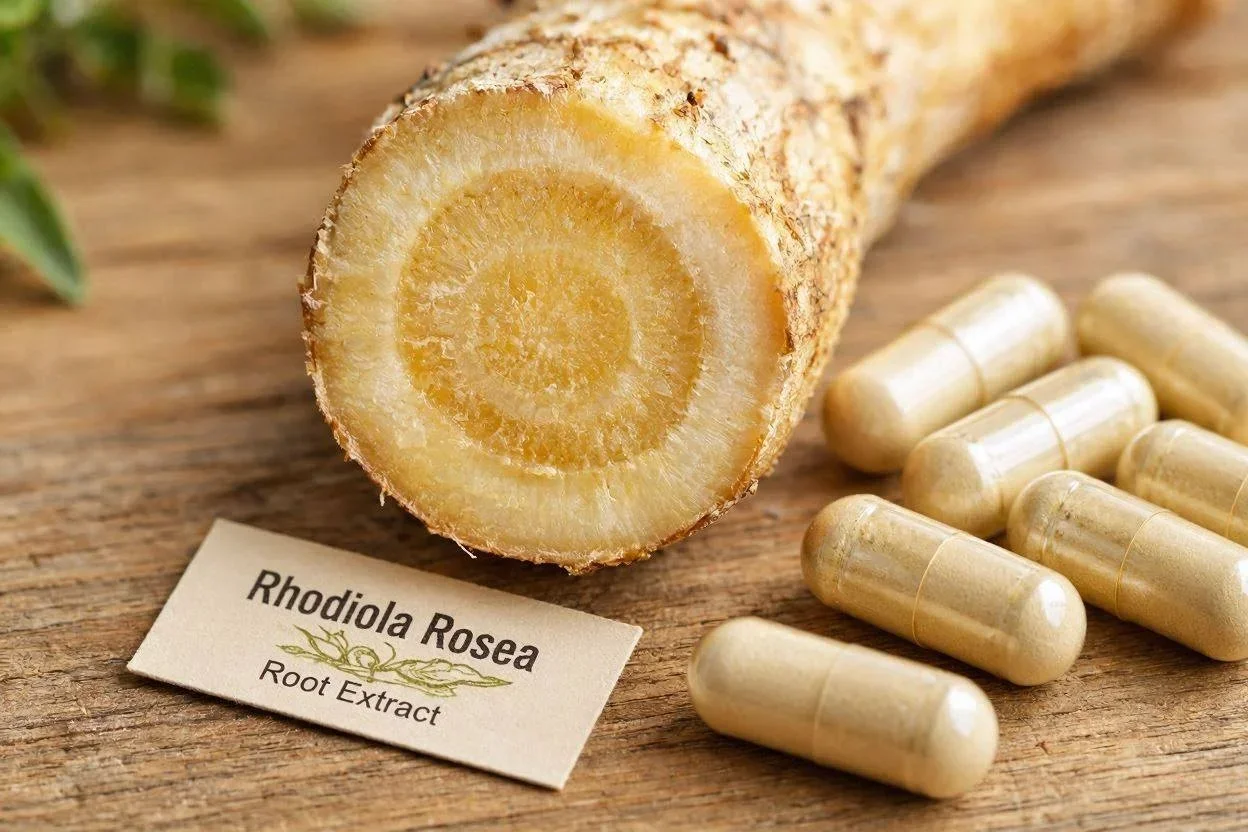
Rhodiola rosea is celebrated for reducing fatigue, supporting cognitive function, and regulating stress hormones. As an adaptogenic herb, rhodiola helps the body adapt to physical and mental stress, restoring optimal energy levels and supporting the nervous system. Clinical studies have demonstrated its effectiveness in improving symptoms of chronic fatigue and increasing endurance, making it one of the most trusted herbs for energy.
Its active compounds, salidrosides and rosavins, enhance mitochondrial function—the energy powerhouses of cells. This translates to improved stamina for athletes and heightened mental clarity for those enduring periods of stress or lack of energy. Regular intake of rhodiola rosea as a herbal supplement or tea can boost your energy without causing overstimulation or subsequent crashes.
“Clinical studies highlight rhodiola rosea’s positive effects on stress and mental energy, especially in individuals suffering from low energy and chronic fatigue.” – Journal of Alternative and Complementary Medicine
2. Panax Ginseng: Traditional Powerhouse Herb for Energy
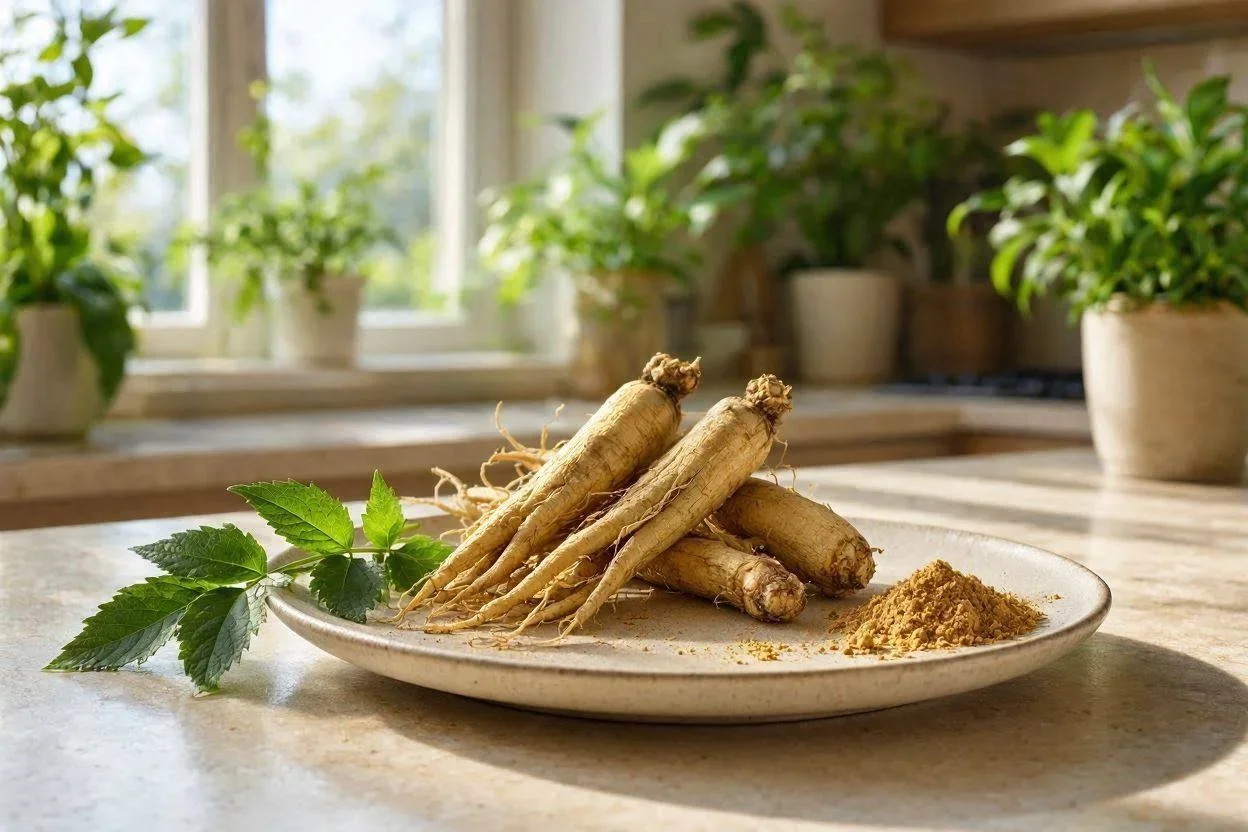
Panax ginseng is among the oldest and best-researched herbs for energy. Revered in traditional Eastern medicine, panax ginseng has been shown to boost energy, support immune resilience, and enhance physical performance by improving the body’s ability to adapt to stressors. Saponin compounds called ginsenosides are behind its broad health benefits and energizing effects.
Modern studies support the use of panax ginseng for combating chronic fatigue and improving cognitive function, rendering it valuable for students, athletes, and overworked professionals alike. This powerhouse herb for energy can be consumed as an herbal tea, in capsules, or even incorporated into daily routines as a health-nourishing tonic.
“Ginseng is one of the most popular herbal supplements for increasing vitality, improving the body’s ability to fight fatigue, and enhancing cognitive performance.” – Mayo Clinic
3. Bacopa Monnieri: Energizing the Nervous System and Cognitive Function

Bacopa monnieri may be best known as a nootropic, but its effects extend beyond memory and mental function. This herb for energy supports neurotransmitter balance, protects the nervous system, and may increase energy by reducing stress-induced mental fatigue. The active bacoside compounds enhance communication between brain cells, resulting in better focus, learning, and resistance to mental exhaustion.
Used in Ayurvedic medicine for centuries, bacopa monnieri is available in various herbal supplement forms, including teas and capsules. When used consistently, it may foster not just sharper cognitive function, but also more balanced energy and improved resilience to stress.
4. Gotu Kola: Revitalizing Mental Clarity and the Nervous System
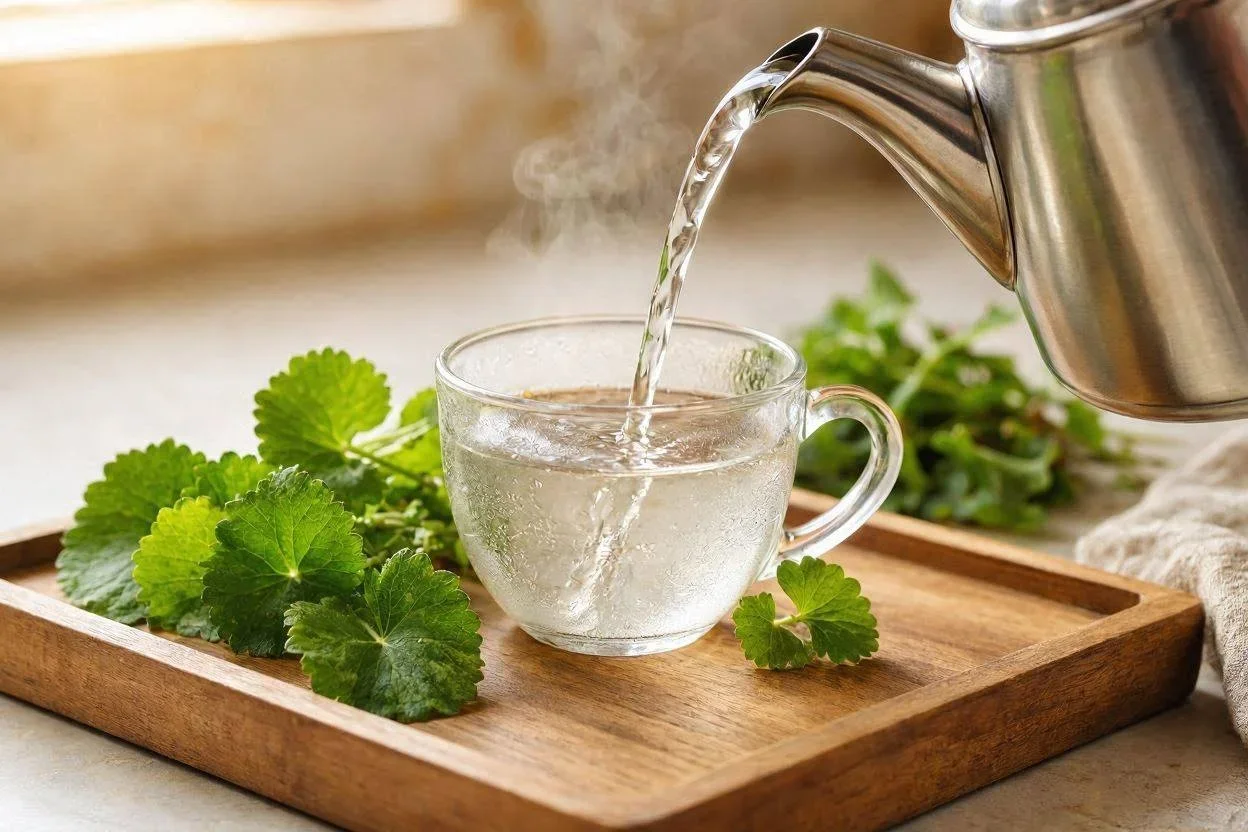
Gotu kola, a staple in both Traditional Chinese Medicine and Ayurveda, is valued for its ability to revitalize the mind and body while supporting the central nervous system. Its adaptogenic and anti-inflammatory effects help counteract low energy and mental fatigue. Research suggests that gotu kola can enhance blood circulation and improve cognitive function, making it ideal for students, knowledge workers, and anyone facing brain fog or prolonged stress.
Taken as a herbal tea or supplement, gotu kola helps maintain mental clarity, stamina, and even supports recovery after physical exertion. Its gentle tonifying action on the nervous system provides an energy boost suitable for long-term use, with minimal risk of overstimulation or negative side effects.
5. Ashwagandha: Herbal Adaptogen for Lasting Energy Boost
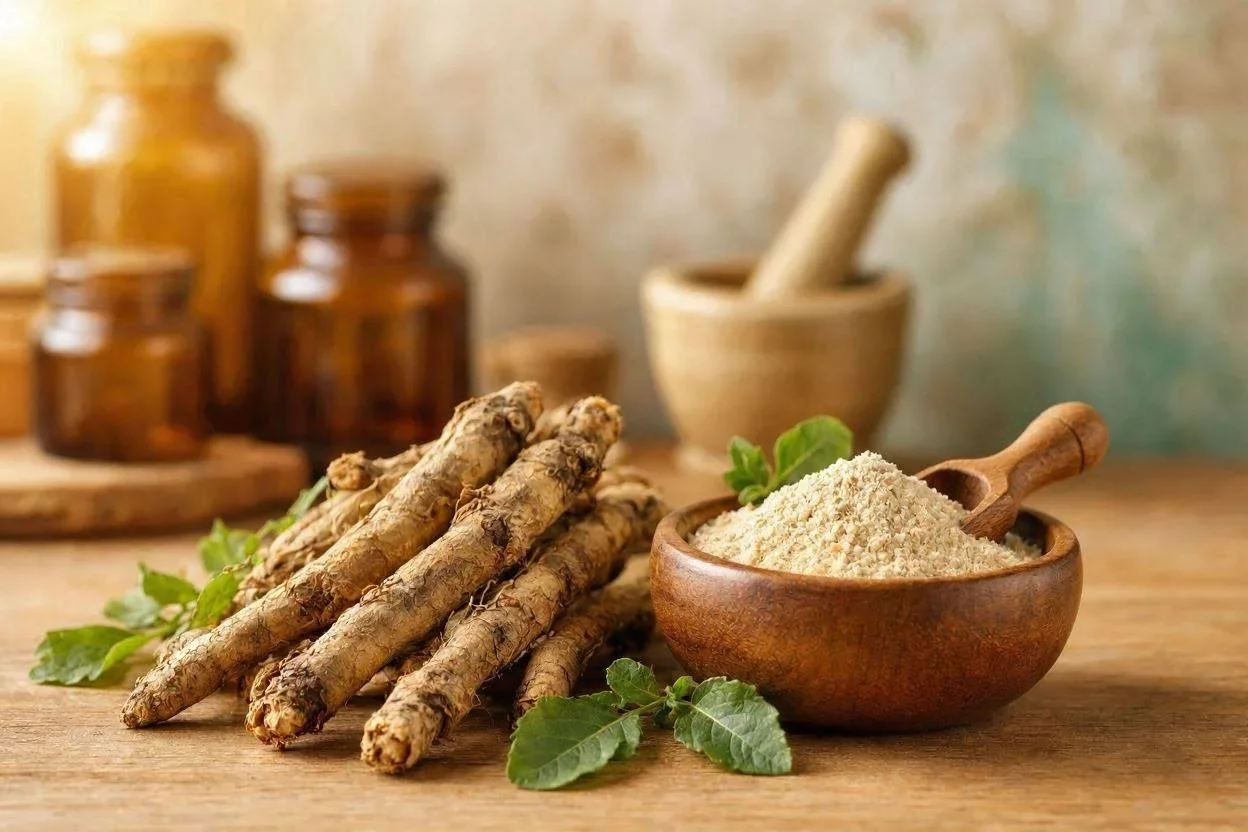
Ashwagandha (Withania somnifera) is an adaptogenic herb renowned for its restorative power against chronic fatigue and persistent low energy. By regulating stress hormones, notably cortisol, ashwagandha balances the stress response and supports sustained healthy energy levels. Its bioactive compounds, withanolides, help improve physical performance and support both the central nervous and immune systems.
As a versatile herb for energy, ashwagandha is used globally in powdered, capsule, and tea forms, and is suitable for many individuals seeking vitality through natural, plant-based remedies. Consistent use is associated with improved sleep quality, greater resilience to stress, and enhanced overall well-being.
Energy Boost Benefits of the Best Herbs for Energy
Physical and Mental Energy: What Sets These Herbs Apart

Not all herbs for energy are created equal. What sets the best apart is their ability to impart both physical stamina and mental clarity—without excessive stimulation. Adaptogenic herbs like rhodiola rosea and panax ginseng naturally calibrate the body’s response to physical, mental, and emotional stress, supporting stable energy levels that last all day. They act on the hypothalamic-pituitary-adrenal (HPA) axis and central nervous system to promote resilience, maintain focus, and reduce the sense of fatigue.
Meanwhile, nootropic herbs such as bacopa monnieri and gotu kola sharpen attention and enhance brain function. This dual action not only helps with lack of energy, but also provides an edge in demanding environments—whether at work, school, or during physical activity. With ongoing use, these best herbs for energy can underpin a foundation of healthy energy and improved quality of life.
Supporting Stamina and Combating Lack of Energy
Chronic tiredness impacts everything from physical performance to daily decision-making. Herbs for energy, as highlighted earlier, help the body build reserves against both physical exertion and mental stress. Panax ginseng, for example, improves oxygen utilization and muscle endurance, making it a favorite for athletic stamina. Ashwagandha, meanwhile, is prized for restoring energy spent on stress responses, helping prevent the “wired-but-tired” phenomenon common in modern lifestyles.
Regular incorporation of these herbs into your daily routine—whether as herbal teas, supplements, or part of nourishing meals—helps combat the ongoing lack of energy associated with chronic fatigue and everyday stress. Their supportive roles for the nervous system and central energy pathways are what makes them uniquely valuable for a long-term, balanced energy boost.
Herbs for Energy and Cognitive Function Enhancement
One of the lesser-known benefits of the best herbs for energy is their capacity to support cognitive function. Research shows that regular use of bacopa monnieri and rhodiola rosea not only improves recall and learning, but also bolsters mood and resilience to mental fatigue. These herbs interact with neurotransmitter systems in the brain, making them effective for enhancing focus, mental clarity, and overall alertness.
For professionals, students, or anyone seeking to offset brain fog and improve productivity, these herbs for energy offer an evidence-based approach to holistic mental health. Their adaptogenic qualities mean they can be safely used in synergy, often amplifying the benefits for both the nervous system and energy metabolism.
Choosing and Using Herbal Supplements for Energy Boost
Forms and Dosage: Herbal Teas, Capsules, and Essential Oils

The best herbs for energy are available in multiple forms—each offering unique advantages for different lifestyles. Herbal teas are ideal for gentle, sustained support, featuring herbs like gotu kola and ginseng steeped into a daily routine. Capsules and powder supplements deliver standardized doses for those needing convenience and consistent effects. Essential oils, used in aromatherapy, provide rapid mental clarity by stimulating the senses and supporting cognitive performance.
Choosing the best form depends on your goals, health status, and personal preferences. Teas and tinctures absorb quickly, while capsules allow for more precise dosing. Essential oils can complement oral supplements, providing instant alertness during low energy slumps. Always adhere to product guidelines and consult with healthcare professionals about appropriate dosages—especially when combining multiple herbs for energy or if you have chronic health conditions.
Smart Stacking: Combining the Best Herbs for Energy Safely
Mixing multiple herbs for energy—or “herb stacking”—can amplify beneficial outcomes when done thoughtfully. Synergistic combinations such as rhodiola rosea with ashwagandha, or ginseng with gotu kola, often provide more comprehensive support, balancing both mental and physical energy. Care must be taken, however, to avoid excessive dosages and check for overlapping side effects or interactions.
Before starting any herbal stack, review ingredient lists, consider your existing medications, and observe how your body responds to each component. Those with sensitive nervous systems or chronic health concerns should always consult healthcare providers before combining herbs for energy. This personalized approach helps you maximize the energy boost while minimizing risks.
Side Effects and Safety: What to Know Before Using Herbs for Energy
Potential Side Effects and Drug Interactions

While generally safe, herbal supplements for energy are not risk-free. Potential side effects can include digestive upset, insomnia, changes in blood pressure, or headaches—especially if herbs are taken in high doses or combined inappropriately. Certain herbs for energy, such as panax ginseng and ashwagandha, may interact with blood-thinners, diabetes medications, or SSRIs (antidepressants).
Always read supplement labels, monitor for unusual reactions, and consult with healthcare providers before beginning any new regimen. “Always consult with a qualified healthcare provider before starting herbal supplements, particularly if you have chronic health issues or are on medications. ” – Dr. Simone Lee, Nutritionist
This is especially important for those managing complex medical conditions or who are pregnant, nursing, or elderly. Most side effects are mild and subside after adjustment, but caution and professional guidance ensure safe, effective energy support.
Precautions for Individuals with Chronic Conditions
People with chronic illnesses—including diabetes, cardiovascular disease, autoimmune conditions, or liver issues—should be particularly cautious with herbal supplements. Some herbs for energy, like ginseng, may alter blood sugar or interact with common drug regimens, affecting drug administration and efficacy.
Herbal medicine may also not be appropriate for individuals with hepatitis B or those undergoing immunosuppressive therapy.
Your doctor or a qualified herbalist can help tailor a safe plan, guiding you towards the best herbs for energy that won’t interfere with current treatments or exacerbate symptoms. Regular monitoring and an open, ongoing dialogue with a healthcare provider are key to harnessing the full benefits of these natural remedies while avoiding risks.

What Research and Doctors Say About Herbs for Energy
Key Clinical Findings: Efficacy of Popular Herbs for Energy
Recent studies in integrative medicine journals highlight the genuine promise of adaptogenic and nootropic herbs for fatigue and energy support. For example, clinical trials of rhodiola rosea demonstrate rapid improvement in fatigue scores and cognitive function for adults with stress-related tiredness.
Panax ginseng’s ginsenosides support immune health and stamina, while ashwagandha has been shown in trials to reduce cortisol and restore energy in individuals experiencing burnout. Dr. Logan Bennett, ND, functional medicine practitioner, remarks,
“Emerging research consistently supports the role of adaptogenic herbs for energy and mood balance, underscoring the importance of blends that combine traditional herbs like rhodiola, ginseng, and bacopa. ”
By considering the available evidence, individuals can make informed decisions on which herbal supplements offer the best match for their personal health goals.
Professional Guidelines for Herbal Supplement Use
Health institutions such as the National Center for Complementary and Integrative Health and the Mayo Clinic recommend approaching herbal energy supplements with caution: begin at low doses, never combine multiple new herbs at once, and monitor energy level and side effects closely. Emphasis is placed on individual variability; what works for one may not work for another, so professional supervision is always advised.
Combining the best herbs for energy with lifestyle modifications—including nutritious diet, exercise, and adequate sleep—yields optimal, sustainable benefits. Trusted resources like NCWellnessHub.com and direct consultation with integrative practitioners ensure you’re using these botanicals effectively and safely.
Comparing the Best Herbs for Energy: Features and Unique Benefits
Herb Name |
Proven Benefits |
Typical Use |
Side Effects |
Best For |
|---|---|---|---|---|
Rhodiola Rosea |
Reduces fatigue, counters stress, supports mental clarity |
Capsules, teas, tinctures |
Mild jitters, headache (rare) |
Chronic fatigue, stress-induced tiredness |
Panax Ginseng |
Boosts energy, enhances stamina, supports immune health |
Teas, capsules, powder |
Insomnia, blood pressure changes |
Physical stamina, immune support |
Bacopa Monnieri |
Improves memory, mental focus, supports the nervous system |
Capsules, teas, extracts |
Digestive upset, dry mouth |
Mental clarity, academic performance |
Gotu Kola |
Revitalizes cognitive function, supports circulation |
Teas, capsules, tinctures |
Skin irritation (rare), drowsiness |
Focus, reducing brain fog |
Ashwagandha |
Stabilizes energy, lowers stress hormones, improves sleep |
Powder, capsules, teas |
Digestive upset, drowsiness |
Burnout, chronic fatigue |
What People Also Ask About the Best Herbs for Energy
What is the most powerful herb for energy?
Among the best herbs for energy, panax ginseng is often considered the most powerful due to its long-standing reputation and robust research backing. It significantly boosts physical stamina and cognitive function, making it ideal for those with chronic fatigue or looking for a noticeable energy boost. However, the optimal herb for each person may differ based on specific needs and lifestyle factors.
What herbs interact with SSRI?
Some herbs for energy, such as rhodiola rosea and St. John’s Wort (not detailed in this list), may interact with SSRIs (selective serotonin reuptake inhibitors), potentially affecting serotonin levels or the drug’s efficacy. Always consult your physician or a clinical herbalist before combining herbal supplements with prescription antidepressants.
Can hepatitis B patients take herbal medicine?
The safety of herbal medicine for hepatitis B patients depends on the specific herbs used and individual health status. Some herbs for energy can affect liver function or interact with antiviral medications. It’s critical for those with hepatitis B to talk to their healthcare provider before using any herbal supplements, ensuring that the chosen remedy is safe and appropriate for their condition.
What herbs are good for stiff knees?
While this guide focuses on herbs for energy, some traditional herbs can also aid joint health and stiffness. Turmeric and ginger (not included in our primary list) are frequently used to relieve joint discomfort and stiffness, sometimes alongside energy-boosting herbs for overall vitality. Consult your provider for a safe, personalized plan.
FAQs: Common Questions on Best Herbs for Energy, Herbal Tea, and Herbal Supplements
Are there any age restrictions for using herbal supplements for energy?
Most herbal supplements are researched in adults; children, teens, and the elderly require special dosing and medical oversight to ensure safety.Can best herbs for energy be combined with conventional medications?
Some herbs may interact with prescription drugs, so always check with your doctor before using herbs alongside conventional treatments.How quickly do herbs for energy take effect?
Most people experience subtle benefits within days to weeks, depending on dosage, form, and individual metabolism.Do all best herbs for energy support cognitive function and the nervous system?
While most listed here aid the nervous system and cognition, some have more pronounced mental effects than others (e.g., bacopa vs. ashwagandha).Can herbal teas provide the same benefits as capsules or tinctures?
Herbal teas deliver beneficial compounds more gently; capsules and tinctures yield concentrated doses for faster, more pronounced results.
Watch this short video to learn practical ways to include the best herbs for energy in your day: easy herbal tea recipes, supplement tips, and smoothie add-ins—all designed for lasting stamina and clarity.
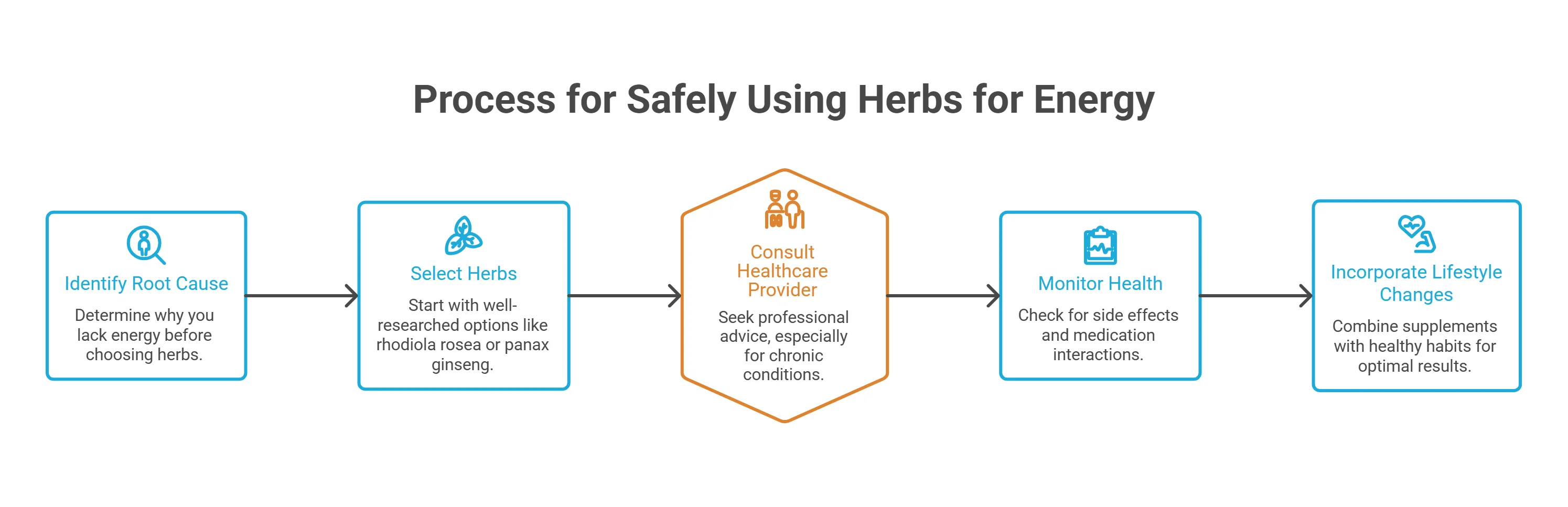
Key Takeaways on Using the Best Herbs for Energy Safely and Effectively
Identify the root cause of your lack of energy before choosing herbal support.
Start with well-researched herbs for energy such as rhodiola rosea or panax ginseng.
Monitor for side effects and check for interactions with current medications.
Consult with a healthcare provider, especially if you have chronic conditions.
Incorporate lifestyle changes alongside herbal supplements for optimal results.
Embrace Renewed Vitality: Next Steps on Your Path with the Best Herbs for Energy
Harnessing the best herbs for energy is a proactive step towards vitality, stamina, and improved mental clarity. Start with evidence-based botanicals, consult trusted healthcare experts, and combine these herbal allies with a healthy lifestyle for powerful, natural energy.
Discover more trusted information like this at: NCWellnessHub.com
If you’re inspired to take your wellness journey even further, consider how movement and gentle exercise can complement the benefits of herbal energy support. Incorporating activities like walking or chair exercises can enhance stamina, improve mood, and support overall wellbeing—especially for those managing chronic fatigue or seeking a holistic approach to health.
For practical routines and expert advice tailored to all fitness levels, explore our comprehensive resource on senior fitness and accessible exercise strategies. By combining the power of nature with mindful movement, you can unlock a more vibrant, energized life.





Write A Comment