
NC Wellness Hub
North Carolina Wellness Hub
  • Home
  • Categories
    • Wellness
    • General Health
    • Holistic
    • News
    • Living & Travel
    • Lifestyle
    • Fitness & Exercise
    • Mental Health
    • Stress Management
    • FEATURE
    • Sleep
    • Allergies
    • Medicines & Supplements
    • Weight Loss
    • Kids Health
    • Fertility & Pregnancy
    • Cancer
    • Heart Health
    • Skin & Hair
    • Arthritis
    • Dental
    • Vision
    • Digestive
    • Bone Health
    • Sports Performance
  • About Us
  • Editorial Standards
October 20.2026
1 Minute Read

Do THC Drinks Get You High? What You Need to Know Now

Ever wondered if that trendy THC drink truly delivers the high you expect? Many feel unsure and curious about these new products. Understanding how THC drinks affect you can change the way you enjoy them—ensuring a safe, enjoyable experience that matches your expectations. This guide will take you through what THC drinks are, how they work, and what to expect—equipping you with must-know details for making smart, informed choices.

Ever Wondered: Do THC Drinks Get You High?

Many people who buy or consider trying THC drinks often ask: Do THC drinks get you high? While the answer is generally yes, understanding why and how is essential. Cannabis-infused beverages—now found everywhere from social settings to store shelves—contain THC (tetrahydrocannabinol), the active compound responsible for the “high” in marijuana. But compared to classic methods like smoking or eating edibles, these drinks offer a different experience and timeline of effects. The science behind this comes down to the way your body absorbs THC in liquid form. Different brands make various promises about quick onset or unique formulations, but most commercially produced THC beverages are designed to provide noticeable, though sometimes milder, psychoactive effects than other consumption methods. If you’re curious or new to these products, learning about their strengths, effects, and how to start low to ensure safety can help you navigate your first sip—or your next. Read on for everything you need to know about THC drinks and their effect on your body.

Understanding THC Drinks and Their Growing Popularity

THC drinks have rapidly gained popularity as alternatives to alcohol and traditional cannabis use. You’ll find them at social gatherings, wellness retreats, or sold as a modern “glass of wine” for the cannabis crowd. One key reason for this surge is their ease of use and discretion; THC beverages typically come in cans or bottles, making them as convenient as any other soft drink. Another is that many people are seeking alcohol alternatives—and cannabis drinks offer a social buzz without the hangover. New THC seltzer and infused beverage options have also made it easier to choose a dose that matches your comfort level, allowing for a more controlled, often milder high. Still, their effects vary based on potency, your metabolism, and how your body absorbs THC in liquid form. Understanding these factors demystifies what’s inside each can or bottle—helping you make smarter, more satisfying choices.

Modern diverse group of adults socializing, holding colorful THC cannabis drinks at a rooftop lounge

Why People Are Curious About THC Drink Effects

The curiosity around THC drinks comes down to their novelty and the different experience they provide compared to smoking or edibles. Many wonder if drinks get you high as quickly or noticeably. Beyond the “high,” people are also interested in how the effects of THC drinks unfold: Are they slower, milder, or somehow cleaner than a smoked joint or edible? Cannabis drinks appeal to those seeking an alcohol alternative and a more discreet way to enjoy THC, whether for relaxation, creativity, or social connection. Yet, with questions about shelf life, timing, potency, and safe consumption, many want to know what to expect before trying them. As more brands make creative THC beverages, understanding their impact becomes more important for people seeking a pleasant and responsible cannabis experience.

As THC beverages become more mainstream, their presence is even being felt in local establishments. For example, Charlotte breweries are now embracing the trend of THC drinks, offering new options for those interested in cannabis-infused beverages in social settings. If you're curious about how this shift is impacting local communities and what parents should know, explore how Charlotte breweries are adapting to the rise of THC beverages for a closer look at this evolving landscape.

What You’ll Learn About THC Drinks and Getting High

  • How THC drinks are made, consumed, and absorbed in your body.
  • The timeline of effects and how a THC drink “high” compares to other forms.
  • Potential side effects, best practices for dosing, and what expert research says.
  • Benefits, drawbacks, and responsible use tips—so you can enjoy THC drinks with confidence.

Key Takeaways on THC Drink Effects

If you’re new to THC beverages or looking to refine your experience, here’s what you should know: THC drinks do get you high, but the time, strength, and overall feeling can be different from smoking or edibles. These beverages typically start working within 30 minutes to 2 hours, with most people feeling the effects from just one standard drink. The onset is often smoother and easier to manage—making them popular for those who want more control or a milder buzz. However, overconsumption or not waiting for full effects can lead to unintended or intense highs. Always start low and go slow, especially if you’re new or unsure of your tolerance. Pay close attention to the drink’s potency and always check the label for THC and CBD content to ensure you’re making a safe choice.

Summary of Benefits and Risks of THC Drinks

Cannabis drinks offer multiple benefits: they’re discreet, easy to dose, and often act more quickly than edibles, making them a compelling alcohol alternative in social settings. Still, there are risks—overconsumption due to delayed onset, variable potency between brands, and the potential for side effects like anxiety or dizziness. Additionally, the experience is highly individual, influenced by your body’s metabolism, experience with THC, and even whether you’ve eaten. Following a THC drinks guide and reading labels for freshness and potency can help you manage the experience. Above all, use caution: unlike alcohol, the effects of THC can build unexpectedly, so patience and moderation are key to a safe and enjoyable journey.

THC Drink Basics: How These Drinks Get You High

What Is a THC Drink?

A THC drink is any liquid infused with tetrahydrocannabinol (THC), the main psychoactive compound found in cannabis. These beverages may look like your favorite seltzer, soda, or iced tea but are specially formulated to deliver controlled doses of THC. From teas and sodas to sparkling waters and juices, brands make a wide range of THC beverages to suit any taste or lifestyle. THC and CBD are often listed on the label, allowing you to choose the cannabinoid balance you prefer. Commercially produced and properly sealed THC drinks often have a reliable shelf life and are crafted for safety and consistent potency—making them a more predictable option than homemade edibles or infused drinks. Whether used socially or privately, most users find they can absorb quickly, enjoy a steady high, and tailor the experience for work, play, or relaxation.
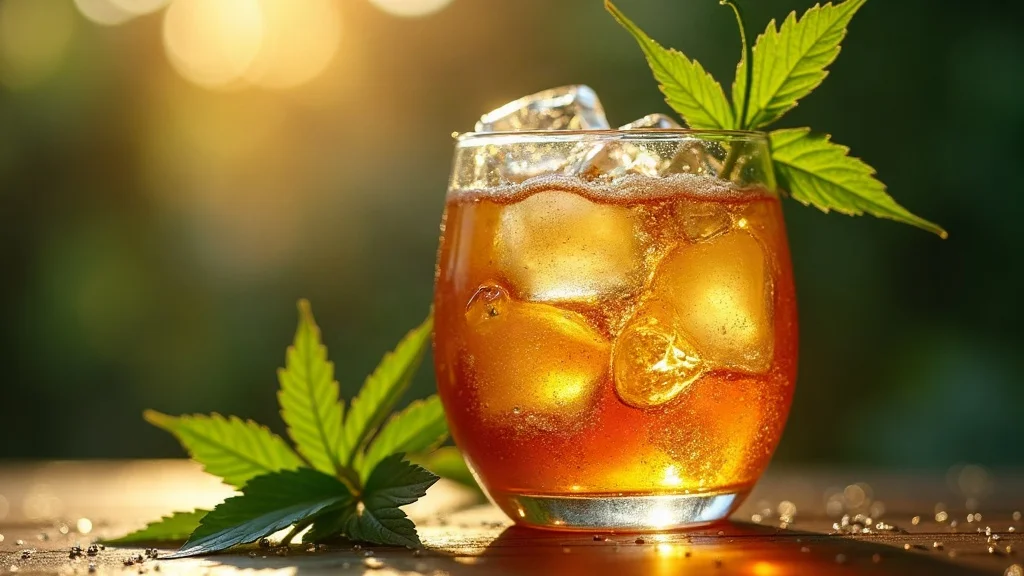
Ice-cold THC-infused beverage with cannabis leaves and condensation visible

How Are THC Drinks Made and Consumed?

Making a THC drink involves infusing a liquid with a THC concentrate, oil, or nanoemulsified THC—tiny particles designed to be mixed evenly into water-based drinks. Commercial options ensure freshness and potency by using advanced extraction and emulsification techniques, which maintain stability even through transportation or months of shelf life. Most THC drinks are ready to consume right from the can or bottle, but some powdered mixes and syrups can also be added to water or juice. Taste and onset speed can vary, but many brands market their beverages as more “predictable” than edibles. As with all cannabis drinks, it’s essential to read the label for the potency of the THC and start with a single serving, waiting to see how it affects you before considering more. This approach ensures you’re not caught off guard by the unique effects of THC beverages.

How THC Is Absorbed in Liquid Form

Unlike smoking or vaping, THC drinks go through your digestive system. When you drink a THC-infused beverage, the active compounds are absorbed through your stomach and intestines before being transported to the liver. Here, THC is converted into a different form—one that crosses into your bloodstream and ultimately makes its way to your brain, causing the “high. ” Thanks to new nanoemulsion technologies, many beverages will stay adequately mixed, allowing the body to absorb the THC more quickly and predictably than classic edibles. Still, the effects of THC drinks can take time to emerge, so always remind yourself: start low and be patient. Some users notice subtle mood shifts or physical sensations as soon as 30 minutes, while for others, the full experience may not peak until up to two hours later. The time can vary based on your metabolism, the food you’ve eaten, and the potency and overall quality of your beverage.

The Science: How Do THC Drinks Get You High?

How Your Body Processes THC From Drinks

When you consume a THC beverage, the active compounds leave the drink, move through your digestive system, and ultimately reach your bloodstream. THC is initially absorbed in the gastrointestinal tract, then processed by the liver, where it’s converted into 11-hydroxy-THC—a metabolite known to produce a longer-lasting and sometimes stronger high than when THC is smoked. The “high” from drinking THC doesn’t hit as quickly as smoking, but once it takes effect, it may last longer and come on in a manner that feels gentler but can also sometimes feel surprisingly strong. Because your liver plays a key role, factors like your metabolism, any food in your stomach, and your overall body chemistry can influence both the onset and the duration of effects.

How Quickly Do THC Drinks Make You Feel High?

Onset time is a major topic in any THC drinks guide. While smoking or vaping delivers THC almost instantly to your bloodstream, the effects of THC drinks take time because of the digestion process. Most users begin to feel the effects of a THC drink within 30 minutes to 2 hours of consumption. However, the precise time can vary by individual—factors such as tolerance, metabolic rate, what you’ve eaten, and the drink’s THC concentration all play a role. In general, THC drinks hit faster than traditional edibles but slower than smoking. It’s crucial to wait and be patient, as overconsumption is a common risk for those who expect immediate results. This slow onset is why experts always say: start low and wait for the full experience before considering a second round.

Medical illustration showing THC molecules being absorbed through digestive tract after drinking THC beverage

Difference Between Drinking THC and Smoking or Eating Edibles

THC drinks occupy a unique space between smoking (fast onset, short duration) and edibles (slow onset, longer-lasing). Drinking THC delivers effects that are generally smoother and less intense than edibles, as THC enters your bloodstream both through your stomach and intestines. Smoking bypasses the digestive tract and delivers THC rapidly through your lungs; edibles typically metabolize more slowly, but because more THC is converted in the liver, they can produce a more profound and sometimes overwhelming high. THC drinks may provide a more manageable experience—one that absorbs quickly enough for easy titration, but with less risk of the long, intense unpredictable highs sometimes reported with edibles. For many, THC drinks are the perfect middle ground for enjoying the effects of THC in social settings or for those who want a discreet cannabis option without the downsides of smoking or powerful edibles.

THC Drink Effects: What to Expect

The ‘High’ from THC Drinks: Physical Sensations and Mental Changes

The “high” you get from a THC drink is often described as uplifting, relaxing, and mildly euphoric. People report effects ranging from gentle waves of body relaxation to enhanced mood, creative thoughts, or an improved sense of well-being. Unlike alcohol, which may lower inhibitions and cause a more social buzz, THC drinks typically bring on a clearer, more controlled headspace—but this can vary widely person to person. Some may notice a warming sensation, heightened sensory perception, or mild giggles, while others may feel only a slight shift in mood. How strong the high feels depends on the potency of the THC, how much you consume, and your personal physiology. The thoughtful user pays special attention to dosing and waits for the onset—a big reason many prefer drinks for their more controlled and predictable effects compared to other cannabis products.

Calm adult relaxing with a THC drink, feeling euphoria in a cozy living room

How Strong Are THC Drinks Compared to Edibles and Smoking?

When it comes to strength, THC drinks are generally milder than edibles but can still deliver a noticeable and enjoyable high. Edibles tend to be much stronger because as THC passes through the digestive system, it undergoes a transformation in the liver, increasing the intensity and duration of the high. However, with advances in formulation, some THC drinks are engineered to hit more quickly but not as hard as edibles. Compared to smoking, which delivers THC to your bloodstream almost immediately—often resulting in a faster, more intense experience—THC beverages are said to offer a balanced, “slow-burn” effect. This makes them a good entry point for new users, those with lower tolerances, or anyone seeking a milder, more controlled experience. It’s always wise to check potency, go slow, and never underestimate the delayed effects of any THC beverage or seltzer.

Potential Side Effects From THC Drinks

While most users enjoy a positive, mellow experience, THC drinks can cause side effects if misused or overconsumed. Common side effects of THC drinks include dry mouth, red eyes, dizziness, hunger (“the munchies”), anxiety, and, in rare instances, nausea. Factors like how much you consume, potency of the THC, and whether you are new to cannabis will shape your risk of unpleasant effects. Unlike alcohol, you won’t typically risk a hangover, but sensitive users may notice lingering drowsiness or mood changes. If you’re ever unsure, stick to a low dose, avoid mixing with alcohol, and consume in a safe, comfortable environment. As with all cannabis drinks, responsible use means reading the label, being aware of how your body feels, and never driving or operating machinery while under the influence.

Table: Comparing Effects – Drinking THC vs. Eating Edibles vs. Smoking

Consumption Method Onset Time Duration Strength Predictability Typical Social Use
THC Drinks 30–120 min 2–6 hrs Mild to Moderate Moderate High (alcohol alternative)
Edibles 45–120 min 4–8 hrs Strong Low–Moderate Low (indoor/private use)
Smoking 1–5 min 1–3 hrs Moderate to Strong High High (traditional social use)

Benefits and Drawbacks of THC Drinks

Positives: Discreet, Quick-Acting, and Easy to Dose

There are clear perks to choosing a THC drink over other cannabis forms. First, they’re incredibly discreet—few notice the difference between a can of THC seltzer and a regular sparkling water. This makes THC beverages ideal for parties, picnics, or relaxed evenings at home, allowing you to blend in seamlessly in social settings. Many drinks are also formulated for quick absorption, offering a faster onset than traditional edibles. Plus, dosing is easier and more precise; each can or bottle is clearly labeled so you know exactly how much THC and CBD you’re getting, supporting smarter, safer choices. For people seeking alcohol alternatives, THC drinks provide a buzz with fewer negative aftereffects, supporting a modern shift toward mindful, responsible socializing.

Negatives: Overconsumption, Variable Potency, and Delayed Effects

On the downside, THC drinks can catch users off guard with their slow onset and sometimes unpredictable strength. The effects of THC drinks can take time, so impatient drinkers chasing a faster high might unintentionally overconsume and end up too high or uncomfortable. Variable potency between brands, changes in freshness, or improper storage (such as leaving drinks in a light or warm area rather than a dark place) can all influence the consistency of your experience. If a THC beverage isn’t commercially produced and properly stored, its shelf life and potency can suffer. As with any cannabis product, responsible use is crucial: read the label fully, respect your personal limits, and avoid mixing THC drinks with alcohol or other intoxicants. Mindful, informed use can help you avoid downsides and ensure your THC drink experience is a positive one.

Split image showing responsible enjoyment and anxiety from overconsuming THC drinks

Expert Quotes on THC Drinks and Their Effects

“THC drinks offer a unique and often milder experience compared to other methods, but users should be aware of delayed onset time.” – Cannabis Research Specialist

People Also Ask: Answers About THC Drinks Getting You High

How many THC drinks will get you high?

Most people feel the effects of one standard THC drink, but your experience can be influenced by your tolerance, the beverage’s potency, and metabolism. If you’re new, always start with one drink and wait at least an hour before considering another. For some, even a single serving is enough for a satisfying buzz. The time can vary for everyone, so patience and moderation are key.

Do THC drinks give you a buzz like alcohol?

THC drinks produce a high that is different from an alcohol buzz—expect more of a relaxed, euphoric effect rather than the sociable, disinhibited feeling of alcohol. Many people prefer this clearheaded uplift as an alternative to alcohol alternatives, especially in social settings where clarity and calm are appreciated. Always remember: unlike alcohol, THC’s high is generally more inward and less about loss of control.

What do THC drinks make you feel like?

Effects can range from mild relaxation and heightened senses to euphoria, depending on dose and individual sensitivity. Some users experience subtle body calmness, creative thinking, a happy mood, or enhanced appreciation of music and food. The potency and overall quality of the drink, as well as your mood at the time, can influence whether your high is energizing, mellow, or somewhere in between.

Are THC drinks as strong as edibles?

THC drinks may be milder and have a different onset profile than edibles; edibles are often stronger due to how the body metabolizes THC. While both go through the digestive system, edibles generally involve more conversion of THC into powerful metabolites, leading to a deeper, longer-lasting, and sometimes more unpredictable high. THC beverages, in contrast, are often designed for a more controlled and sociable experience.

FAQs About THC Drinks and Getting High

Can you control your high with THC drinks?

Yes, THC drinks make it easier to dose compared to edibles or smoking, as serving sizes are clear and effects come on gradually. Start low, monitor your response, and adjust future consumption accordingly. This precise control helps new and experienced users avoid unwanted side effects and tailor the experience to their comfort zone.

Are THC drinks legal everywhere?

No. THC drinks are only legal in certain states or countries where recreational or medicinal cannabis is permitted. Always check local laws before purchasing or consuming. Even in legal regions, you must be of legal age to buy or possess cannabis drinks. Never attempt to carry THC beverages across state or country borders.

What should you look for on THC beverage labels?

Always check for clear THC and CBD content, serving size, manufacturing date, best-by date, and any allergen warnings. Brands that list third-party lab testing and shelf life info show extra commitment to safety and quality. Make sure the product is sealed and stored in a dark place to retain its potency and freshness.

Is it safe to mix THC drinks with alcohol?

Generally, no. Mixing THC drinks with alcohol can increase the risk of overconsumption and unpredictable effects, including nausea, dizziness, or heightened intoxication. For a safer experience, enjoy your THC drink alone and avoid combining with alcohol or other intoxicants.

Best Practices: Enjoying THC Drinks Responsibly

Tips Before You Try a THC Drink

Start by reading the THC drinks guide on the label, paying close attention to the potency and serving size. Only buy commercially produced and properly labeled beverages from reputable brands. Store your THC drinks in a cool, dark place to ensure freshness and potency. Choose a relaxed setting for your first experience, and never combine cannabis drinks with alcohol or operate vehicles afterward. If you’re new, consume only a half or single serving and give yourself plenty of time to notice the effects before drinking more. Sharing with friends? Encourage everyone to start low and watch for signs of overconsumption.

Adult reading THC drink label before consumption in a well-lit kitchen

How to Gauge Your Dose and Wait for Effects

Patience is your best friend when enjoying a THC beverage. Pour or open a single serving, sip slowly, and note the time. Wait at least 60–90 minutes for full effects before considering another drink. Remember, the effects of THC drinks can build over time, and taking more too soon is the quickest way to risk discomfort. By starting low and waiting, you allow your body to fully metabolize the active compounds and ensure a safe, controllable high every time.

Key Points to Remember About THC Drinks Getting You High

  • THC drinks get most people high—but onset and intensity vary by individual.
  • Aim for responsible use: check labels, gauge your dose, and always wait for effects.
  • THC beverages are discreet and great alcohol alternatives, but overconsumption is a real risk—start low and go slow.

Conclusion – Summing Up if THC Drinks Get You High

THC drinks can get you high, but the experience depends on your body, the drink’s potency, and how much you consume—be informed, cautious, and enjoy responsibly.

If you’re interested in how THC drinks are shaping local culture and social experiences, there’s even more to discover. The rise of cannabis-infused beverages is influencing not just individual choices, but also how communities and businesses adapt to new trends. For a deeper dive into how THC drinks are being embraced by local breweries and what this means for families and social spaces, check out our feature on the growing presence of THC beverages in Charlotte breweries. Exploring these broader shifts can help you stay informed, make mindful decisions, and understand the evolving landscape of cannabis wellness in your area.

Discover more trusted information like this at: NCWellnessHub.com

Sources

  • Everything You Need to Know About Cannabis Drink
  • Do THC Drinks Get You High? (The Real Answer + What to ...
  • Cannabis drinks: How do they compare to alcohol?
  • THC Drink Guide | It it Legal? How Will it Make you Feel?
  • Guide to THC-Infused Beverages
  • THC Drink Effects: A Beginner's Guide to the High, ...
  • See The Effects: Does THC Seltzer Make You High?
  • Do THC-Infused Drinks Get You High
Medicines & Supplements

0 Comments

Write A Comment

*
*
Please complete the captcha to submit your comment.
Related Posts All Posts

5 Science-Backed Herbs for Chronic Fatigue and Stamina

Feeling drained, despite rest? Chronic fatigue steals life’s joy, but you’re not alone. Discovering natural herbs that boost stamina can renew your vitality and reclaim your energy. Embrace a journey towards strength and resilience with proven remedies that truly ignite your inner power.Overcoming Chronic Fatigue: How the Best Herbs for Energy Offer a Natural BoostChronic fatigue affects millions, disrupting lives with persistent exhaustion, mental fog, and a constant lack of motivation. The quest for sustained energy has many people turning away from artificial stimulants and sugar-laden energy drinks in favor of herbs for energy and science-backed natural remedies. These best herbs for energy don’t just provide a quick spike – they support the nervous system, repair energy metabolism, and bolster resilience against everyday stress.By incorporating these powerful, proven botanicals into your daily routine, you embrace holistic energy support that unlocks both physical vitality and mental clarity. Unlike quick fixes that fade fast, herbs like rhodiola, panax ginseng, and ashwagandha are supported by medical research for their adaptogenic properties. They work with your body’s natural cycles to optimize energy levels, mitigate the stress response, and boost endurance.For those battling chronic fatigue or seeking a healthy energy boost, choosing the right herbal supplements can be a life-changer. Read on to learn how the best herbs for energy can help overcome persistent tiredness and support long-lasting stamina.What You'll Learn in This Guide on the Best Herbs for EnergyThe science behind chronic fatigue and low energyKey benefits of the best herbs for energy and staminaMechanisms of action: How herbs for energy support the nervous system and cognitive functionPotential side effects, drug interactions, and safety tips for herbal supplementsExpert perspectives and critical research on herbs for energyUnderstanding Low Energy: Causes and the Role of Herbs for EnergyIf you constantly feel worn out or find everyday tasks draining, you’re not alone. Persistent low energy often stems from multiple causes: lack of quality sleep, nutritional deficits, unmanaged stress, sedentary lifestyle, and underlying medical issues. Common culprits include thyroid disorders, chronic stress hormone elevation (like cortisol), or fluctuating blood sugar levels.These factors not only disrupt the body’s energy balance but also impair cognitive function and affect the central nervous system, making recovery a challenge. Turning to the best herbs for energy can provide natural support for energy levels without the jitters or crashes of synthetic stimulants.Herbs such as rhodiola rosea, panax ginseng, and gotu kola work by enhancing cellular energy production, supporting healthy stress adaptation, and helping regulate the nervous system’s response to fatigue. By exploring the synergistic effects of these botanical remedies, individuals with chronic fatigue or lack of energy can find safer, effective alternatives to boost their energy and regain their zest for life.Low Energy and Lack of Energy: Common CulpritsChronic tiredness is rarely due to one simple issue. Stress, poor dietary choices, hormone imbalances, and chronic medical conditions play significant roles in depleting energy levels. Prolonged exposure to stress hormones drains the central nervous system, while lack of nutrients—especially B vitamins and minerals—impacts energy metabolism. Poor sleep, dehydration, and even overuse of stimulants or energy drinks can compound the lack of energy, leading to a cycle of exhaustion and low mood.Understanding these causes is essential before turning to any remedy—including the best herbs for energy. Addressing low energy requires a holistic approach: lifestyle changes, medical evaluation for chronic fatigue, and leveraging nature’s support through targeted herbs for energy. With expert guidance, you can select the right blend of adaptogenic and nootropic herbs—such as those described below—to optimize both physical stamina and mental clarity for daily wellness.Herbs for Energy: The Science ExplainedScientific research into herbs for energy focuses on how plant compounds help regulate energy metabolism, balance the nervous system, and support cognitive function. Adaptogenic herbs like rhodiola rosea and ashwagandha interact with stress response mechanisms, supporting healthy cortisol levels and reducing fatigue. Other botanicals, such as bacopa monnieri, boost neurotransmitter activity and protect the central nervous system, which is vital for mental alertness and energy.Many of these herbs are recognized for their ability to enhance physical performance and stamina. For instance, panax ginseng is known to support both the nervous system and energy-boosting metabolic pathways. The modern approach to energy support combines these traditional herbs for energy with sound nutritional and lifestyle choices, creating a balanced path to overcoming fatigue and maintaining resilience throughout life’s challenges.Herbal Tea, Herbal Supplements, and Essential Oil ApproachesThere are various ways to incorporate the best herbs for energy into your daily routine. Herbal teas, made from roots and leaves of energy-boosting herbs, provide gentle, sustained support throughout the day and hydrate the body. Herbal supplements, available in capsules, powders, and tinctures, deliver concentrated extracts for consistent energy boost effects.Some individuals benefit from essential oil aromatherapy using invigorating scents like rosemary or peppermint, which can improve alertness.“While lifestyle changes play a major role in overcoming chronic fatigue, evidence suggests certain herbs for energy can support stamina and mental clarity. ” – Dr. Anna Carter, Integrative Medicine SpecialistChoosing the right form—tea, supplement, or essential oil—depends on your preferences, metabolism, and specific energy needs. Consulting a health professional ensures safe and effective use, especially for those with health conditions or taking medications.For those seeking to address low energy from multiple angles, it’s worth noting that sleep quality and gut health also play pivotal roles in overall vitality. Exploring how your gut’s microbiome influences your sleep can provide additional strategies for overcoming fatigue—discover more in this guide on the gut-sleep connection.The 5 Best Herbs for Energy: Science-Backed Picks1. Rhodiola Rosea: Stamina, Cognitive Function, and Stress SupportRhodiola rosea is celebrated for reducing fatigue, supporting cognitive function, and regulating stress hormones. As an adaptogenic herb, rhodiola helps the body adapt to physical and mental stress, restoring optimal energy levels and supporting the nervous system. Clinical studies have demonstrated its effectiveness in improving symptoms of chronic fatigue and increasing endurance, making it one of the most trusted herbs for energy.Its active compounds, salidrosides and rosavins, enhance mitochondrial function—the energy powerhouses of cells. This translates to improved stamina for athletes and heightened mental clarity for those enduring periods of stress or lack of energy. Regular intake of rhodiola rosea as a herbal supplement or tea can boost your energy without causing overstimulation or subsequent crashes. “Clinical studies highlight rhodiola rosea’s positive effects on stress and mental energy, especially in individuals suffering from low energy and chronic fatigue.” – Journal of Alternative and Complementary Medicine2. Panax Ginseng: Traditional Powerhouse Herb for EnergyPanax ginseng is among the oldest and best-researched herbs for energy. Revered in traditional Eastern medicine, panax ginseng has been shown to boost energy, support immune resilience, and enhance physical performance by improving the body’s ability to adapt to stressors. Saponin compounds called ginsenosides are behind its broad health benefits and energizing effects.Modern studies support the use of panax ginseng for combating chronic fatigue and improving cognitive function, rendering it valuable for students, athletes, and overworked professionals alike. This powerhouse herb for energy can be consumed as an herbal tea, in capsules, or even incorporated into daily routines as a health-nourishing tonic. “Ginseng is one of the most popular herbal supplements for increasing vitality, improving the body’s ability to fight fatigue, and enhancing cognitive performance.” – Mayo Clinic3. Bacopa Monnieri: Energizing the Nervous System and Cognitive FunctionBacopa monnieri may be best known as a nootropic, but its effects extend beyond memory and mental function. This herb for energy supports neurotransmitter balance, protects the nervous system, and may increase energy by reducing stress-induced mental fatigue. The active bacoside compounds enhance communication between brain cells, resulting in better focus, learning, and resistance to mental exhaustion.Used in Ayurvedic medicine for centuries, bacopa monnieri is available in various herbal supplement forms, including teas and capsules. When used consistently, it may foster not just sharper cognitive function, but also more balanced energy and improved resilience to stress.4. Gotu Kola: Revitalizing Mental Clarity and the Nervous SystemGotu kola, a staple in both Traditional Chinese Medicine and Ayurveda, is valued for its ability to revitalize the mind and body while supporting the central nervous system. Its adaptogenic and anti-inflammatory effects help counteract low energy and mental fatigue. Research suggests that gotu kola can enhance blood circulation and improve cognitive function, making it ideal for students, knowledge workers, and anyone facing brain fog or prolonged stress.Taken as a herbal tea or supplement, gotu kola helps maintain mental clarity, stamina, and even supports recovery after physical exertion. Its gentle tonifying action on the nervous system provides an energy boost suitable for long-term use, with minimal risk of overstimulation or negative side effects.5. Ashwagandha: Herbal Adaptogen for Lasting Energy BoostAshwagandha (Withania somnifera) is an adaptogenic herb renowned for its restorative power against chronic fatigue and persistent low energy. By regulating stress hormones, notably cortisol, ashwagandha balances the stress response and supports sustained healthy energy levels. Its bioactive compounds, withanolides, help improve physical performance and support both the central nervous and immune systems.As a versatile herb for energy, ashwagandha is used globally in powdered, capsule, and tea forms, and is suitable for many individuals seeking vitality through natural, plant-based remedies. Consistent use is associated with improved sleep quality, greater resilience to stress, and enhanced overall well-being.Energy Boost Benefits of the Best Herbs for EnergyPhysical and Mental Energy: What Sets These Herbs ApartNot all herbs for energy are created equal. What sets the best apart is their ability to impart both physical stamina and mental clarity—without excessive stimulation. Adaptogenic herbs like rhodiola rosea and panax ginseng naturally calibrate the body’s response to physical, mental, and emotional stress, supporting stable energy levels that last all day. They act on the hypothalamic-pituitary-adrenal (HPA) axis and central nervous system to promote resilience, maintain focus, and reduce the sense of fatigue.Meanwhile, nootropic herbs such as bacopa monnieri and gotu kola sharpen attention and enhance brain function. This dual action not only helps with lack of energy, but also provides an edge in demanding environments—whether at work, school, or during physical activity. With ongoing use, these best herbs for energy can underpin a foundation of healthy energy and improved quality of life.Supporting Stamina and Combating Lack of EnergyChronic tiredness impacts everything from physical performance to daily decision-making. Herbs for energy, as highlighted earlier, help the body build reserves against both physical exertion and mental stress. Panax ginseng, for example, improves oxygen utilization and muscle endurance, making it a favorite for athletic stamina. Ashwagandha, meanwhile, is prized for restoring energy spent on stress responses, helping prevent the “wired-but-tired” phenomenon common in modern lifestyles.Regular incorporation of these herbs into your daily routine—whether as herbal teas, supplements, or part of nourishing meals—helps combat the ongoing lack of energy associated with chronic fatigue and everyday stress. Their supportive roles for the nervous system and central energy pathways are what makes them uniquely valuable for a long-term, balanced energy boost.Herbs for Energy and Cognitive Function EnhancementOne of the lesser-known benefits of the best herbs for energy is their capacity to support cognitive function. Research shows that regular use of bacopa monnieri and rhodiola rosea not only improves recall and learning, but also bolsters mood and resilience to mental fatigue. These herbs interact with neurotransmitter systems in the brain, making them effective for enhancing focus, mental clarity, and overall alertness.For professionals, students, or anyone seeking to offset brain fog and improve productivity, these herbs for energy offer an evidence-based approach to holistic mental health. Their adaptogenic qualities mean they can be safely used in synergy, often amplifying the benefits for both the nervous system and energy metabolism.Choosing and Using Herbal Supplements for Energy BoostForms and Dosage: Herbal Teas, Capsules, and Essential OilsThe best herbs for energy are available in multiple forms—each offering unique advantages for different lifestyles. Herbal teas are ideal for gentle, sustained support, featuring herbs like gotu kola and ginseng steeped into a daily routine. Capsules and powder supplements deliver standardized doses for those needing convenience and consistent effects. Essential oils, used in aromatherapy, provide rapid mental clarity by stimulating the senses and supporting cognitive performance.Choosing the best form depends on your goals, health status, and personal preferences. Teas and tinctures absorb quickly, while capsules allow for more precise dosing. Essential oils can complement oral supplements, providing instant alertness during low energy slumps. Always adhere to product guidelines and consult with healthcare professionals about appropriate dosages—especially when combining multiple herbs for energy or if you have chronic health conditions.Smart Stacking: Combining the Best Herbs for Energy SafelyMixing multiple herbs for energy—or “herb stacking”—can amplify beneficial outcomes when done thoughtfully. Synergistic combinations such as rhodiola rosea with ashwagandha, or ginseng with gotu kola, often provide more comprehensive support, balancing both mental and physical energy. Care must be taken, however, to avoid excessive dosages and check for overlapping side effects or interactions.Before starting any herbal stack, review ingredient lists, consider your existing medications, and observe how your body responds to each component. Those with sensitive nervous systems or chronic health concerns should always consult healthcare providers before combining herbs for energy. This personalized approach helps you maximize the energy boost while minimizing risks.Side Effects and Safety: What to Know Before Using Herbs for EnergyPotential Side Effects and Drug InteractionsWhile generally safe, herbal supplements for energy are not risk-free. Potential side effects can include digestive upset, insomnia, changes in blood pressure, or headaches—especially if herbs are taken in high doses or combined inappropriately. Certain herbs for energy, such as panax ginseng and ashwagandha, may interact with blood-thinners, diabetes medications, or SSRIs (antidepressants).Always read supplement labels, monitor for unusual reactions, and consult with healthcare providers before beginning any new regimen. “Always consult with a qualified healthcare provider before starting herbal supplements, particularly if you have chronic health issues or are on medications. ” – Dr. Simone Lee, NutritionistThis is especially important for those managing complex medical conditions or who are pregnant, nursing, or elderly. Most side effects are mild and subside after adjustment, but caution and professional guidance ensure safe, effective energy support.Precautions for Individuals with Chronic ConditionsPeople with chronic illnesses—including diabetes, cardiovascular disease, autoimmune conditions, or liver issues—should be particularly cautious with herbal supplements. Some herbs for energy, like ginseng, may alter blood sugar or interact with common drug regimens, affecting drug administration and efficacy.Herbal medicine may also not be appropriate for individuals with hepatitis B or those undergoing immunosuppressive therapy.Your doctor or a qualified herbalist can help tailor a safe plan, guiding you towards the best herbs for energy that won’t interfere with current treatments or exacerbate symptoms. Regular monitoring and an open, ongoing dialogue with a healthcare provider are key to harnessing the full benefits of these natural remedies while avoiding risks.What Research and Doctors Say About Herbs for EnergyKey Clinical Findings: Efficacy of Popular Herbs for EnergyRecent studies in integrative medicine journals highlight the genuine promise of adaptogenic and nootropic herbs for fatigue and energy support. For example, clinical trials of rhodiola rosea demonstrate rapid improvement in fatigue scores and cognitive function for adults with stress-related tiredness.Panax ginseng’s ginsenosides support immune health and stamina, while ashwagandha has been shown in trials to reduce cortisol and restore energy in individuals experiencing burnout. Dr. Logan Bennett, ND, functional medicine practitioner, remarks, “Emerging research consistently supports the role of adaptogenic herbs for energy and mood balance, underscoring the importance of blends that combine traditional herbs like rhodiola, ginseng, and bacopa. ”By considering the available evidence, individuals can make informed decisions on which herbal supplements offer the best match for their personal health goals.Professional Guidelines for Herbal Supplement UseHealth institutions such as the National Center for Complementary and Integrative Health and the Mayo Clinic recommend approaching herbal energy supplements with caution: begin at low doses, never combine multiple new herbs at once, and monitor energy level and side effects closely. Emphasis is placed on individual variability; what works for one may not work for another, so professional supervision is always advised. Combining the best herbs for energy with lifestyle modifications—including nutritious diet, exercise, and adequate sleep—yields optimal, sustainable benefits. Trusted resources like NCWellnessHub.com and direct consultation with integrative practitioners ensure you’re using these botanicals effectively and safely.Comparing the Best Herbs for Energy: Features and Unique BenefitsHerb NameProven BenefitsTypical UseSide EffectsBest ForRhodiola RoseaReduces fatigue, counters stress, supports mental clarityCapsules, teas, tincturesMild jitters, headache (rare)Chronic fatigue, stress-induced tirednessPanax GinsengBoosts energy, enhances stamina, supports immune healthTeas, capsules, powderInsomnia, blood pressure changesPhysical stamina, immune supportBacopa MonnieriImproves memory, mental focus, supports the nervous systemCapsules, teas, extractsDigestive upset, dry mouthMental clarity, academic performanceGotu KolaRevitalizes cognitive function, supports circulationTeas, capsules, tincturesSkin irritation (rare), drowsinessFocus, reducing brain fogAshwagandhaStabilizes energy, lowers stress hormones, improves sleepPowder, capsules, teasDigestive upset, drowsinessBurnout, chronic fatigueWhat People Also Ask About the Best Herbs for EnergyWhat is the most powerful herb for energy?Among the best herbs for energy, panax ginseng is often considered the most powerful due to its long-standing reputation and robust research backing. It significantly boosts physical stamina and cognitive function, making it ideal for those with chronic fatigue or looking for a noticeable energy boost. However, the optimal herb for each person may differ based on specific needs and lifestyle factors.What herbs interact with SSRI?Some herbs for energy, such as rhodiola rosea and St. John’s Wort (not detailed in this list), may interact with SSRIs (selective serotonin reuptake inhibitors), potentially affecting serotonin levels or the drug’s efficacy. Always consult your physician or a clinical herbalist before combining herbal supplements with prescription antidepressants.Can hepatitis B patients take herbal medicine?The safety of herbal medicine for hepatitis B patients depends on the specific herbs used and individual health status. Some herbs for energy can affect liver function or interact with antiviral medications. It’s critical for those with hepatitis B to talk to their healthcare provider before using any herbal supplements, ensuring that the chosen remedy is safe and appropriate for their condition.What herbs are good for stiff knees?While this guide focuses on herbs for energy, some traditional herbs can also aid joint health and stiffness. Turmeric and ginger (not included in our primary list) are frequently used to relieve joint discomfort and stiffness, sometimes alongside energy-boosting herbs for overall vitality. Consult your provider for a safe, personalized plan.FAQs: Common Questions on Best Herbs for Energy, Herbal Tea, and Herbal SupplementsAre there any age restrictions for using herbal supplements for energy?Most herbal supplements are researched in adults; children, teens, and the elderly require special dosing and medical oversight to ensure safety.Can best herbs for energy be combined with conventional medications?Some herbs may interact with prescription drugs, so always check with your doctor before using herbs alongside conventional treatments.How quickly do herbs for energy take effect?Most people experience subtle benefits within days to weeks, depending on dosage, form, and individual metabolism.Do all best herbs for energy support cognitive function and the nervous system?While most listed here aid the nervous system and cognition, some have more pronounced mental effects than others (e.g., bacopa vs. ashwagandha).Can herbal teas provide the same benefits as capsules or tinctures?Herbal teas deliver beneficial compounds more gently; capsules and tinctures yield concentrated doses for faster, more pronounced results.Watch this short video to learn practical ways to include the best herbs for energy in your day: easy herbal tea recipes, supplement tips, and smoothie add-ins—all designed for lasting stamina and clarity.Key Takeaways on Using the Best Herbs for Energy Safely and EffectivelyIdentify the root cause of your lack of energy before choosing herbal support.Start with well-researched herbs for energy such as rhodiola rosea or panax ginseng.Monitor for side effects and check for interactions with current medications.Consult with a healthcare provider, especially if you have chronic conditions.Incorporate lifestyle changes alongside herbal supplements for optimal results.Embrace Renewed Vitality: Next Steps on Your Path with the Best Herbs for EnergyHarnessing the best herbs for energy is a proactive step towards vitality, stamina, and improved mental clarity. Start with evidence-based botanicals, consult trusted healthcare experts, and combine these herbal allies with a healthy lifestyle for powerful, natural energy.Discover more trusted information like this at: NCWellnessHub.comIf you’re inspired to take your wellness journey even further, consider how movement and gentle exercise can complement the benefits of herbal energy support. Incorporating activities like walking or chair exercises can enhance stamina, improve mood, and support overall wellbeing—especially for those managing chronic fatigue or seeking a holistic approach to health.For practical routines and expert advice tailored to all fitness levels, explore our comprehensive resource on senior fitness and accessible exercise strategies. By combining the power of nature with mindful movement, you can unlock a more vibrant, energized life.SourcesThe 10 Best Herbs to Boost Energy and Focus - https://www.healthline.com/nutrition/herbs-for-energyVitality Traditions - https://www.herbco.com/s-3115-vitality-traditions.aspx10 Best Herbs for Energy: How to Fight General Fatigue - https://www.lifeextension.com/wellness/herbs-spices/herbs-for-energyFinding the Best Herb for Energy and Sustained Vitality - https://cymbiotika.com/blogs/health-hub/discovering-the-best-herb-for-energy-a-natural-path-to-vitality

Herbal Weight Loss Supplements: Red Flags, Side Effects, and Claims You Should Question

Herbal weight loss supplements aren't as safe as 'natural' sounds. Learn the real red flags, hidden risks, and claims doctors say to question first. #SupplementSafety

Discover the Impact of Mushrooms on Immune Function Today

Boost immunity naturally with medicinal mushrooms. Discover how these powerful fungi enhance your body's natural defenses and why they belong in your daily wellness routine.

NCWellnessHub.com

Discover Your Hub for NC Health & Wellness info, your go-to resource for comprehensive insights, tips, and updates on healthcare, nutrition, fitness, and overall well-being in North Carolina.

COMPANY

  • Privacy Policy
  • Terms of Use
  • Advertise
  • Contact Us
  • Menu 5
  • Menu 6
NC Wellness Hub


Raleigh, North Carolina

ABOUT US

At NC Wellness Hub, we are more than just a resource; we are a community united by a shared passion for health and well-being. Our journey began with a simple yet profound belief: that everyone deserves access to the knowledge and support necessary to lead a fulfilling life.

© 2026 NC Wellness Hub All Rights Reserved. Richardson Drive , Raleigh, NC 27603 . Contact Us . Terms of Service . Privacy Policy

eyJjb21wYW55IjoiTkMgV2VsbG5lc3MgSHViIiwiYWRkcmVzcyI6IlJpY2hhcmRzb24gRHJpdmUgIiwiY2l0eSI6IlJhbGVpZ2giLCJzdGF0ZSI6Ik5DIiwiemlwIjoiMjc2MDMiLCJlbWFpbCI6Im1pa2VjZXJ0bWFuQGdtYWlsLmNvbSIsInRvcyI6IlBIQStQSE4wY205dVp6NDhaVzArVjJobGJpQjViM1VnYzJsbmJpMXBiaUIzYVhSb0lIVnpMQ0I1YjNVZ1lYSmxJR2RwZG1sdVp5WnVZbk53T3lCNWIzVnlJSEJsY20xcGMzTnBiMjRnWVc1a0lHTnZibk5sYm5RZ2RHOGdjMlZ1WkNCNWIzVWdaVzFoYVd3Z1lXNWtMMjl5SUZOTlV5QjBaWGgwSUcxbGMzTmhaMlZ6TGlCQ2VTQmphR1ZqYTJsdVp5QjBhR1VnVkdWeWJYTWdZVzVrSUVOdmJtUnBkR2x2Ym5NZ1ltOTRJR0Z1WkNCaWVTQnphV2R1YVc1bklHbHVJSGx2ZFNCaGRYUnZiV0YwYVdOaGJHeDVJR052Ym1acGNtMGdkR2hoZENCNWIzVWdZV05qWlhCMElHRnNiQ0IwWlhKdGN5QnBiaUIwYUdseklHRm5jbVZsYldWdWRDNDhMMlZ0UGp3dmMzUnliMjVuUGp3dmNENEtDanh3UGp4aElHaHlaV1k5SW1oMGRIQTZMeTkzZDNjdVoyOXZaMnhsTG1OdmJTSSthSFIwY0RvdkwzZDNkeTVuYjI5bmJHVXVZMjl0UEM5aFBqd3ZjRDRLQ2p4d1BpWnVZbk53T3p3dmNENEtDanh3UGp4emRISnZibWMrVTBWU1ZrbERSVHd2YzNSeWIyNW5Qand2Y0Q0S0NqeHdQbGRsSUhCeWIzWnBaR1VnWVNCelpYSjJhV05sSUhSb1lYUWdZM1Z5Y21WdWRHeDVJR0ZzYkc5M2N5QjViM1VnZEc4Z2NtVmpaV2wyWlNCeVpYRjFaWE4wY3lCbWIzSWdabVZsWkdKaFkyc3NJR052YlhCaGJua2dhVzVtYjNKdFlYUnBiMjRzSUhCeWIyMXZkR2x2Ym1Gc0lHbHVabTl5YldGMGFXOXVMQ0JqYjIxd1lXNTVJR0ZzWlhKMGN5d2dZMjkxY0c5dWN5d2daR2x6WTI5MWJuUnpJR0Z1WkNCdmRHaGxjaUJ1YjNScFptbGpZWFJwYjI1eklIUnZJSGx2ZFhJZ1pXMWhhV3dnWVdSa2NtVnpjeUJoYm1RdmIzSWdZMlZzYkhWc1lYSWdjR2h2Ym1VZ2IzSWdaR1YyYVdObExpQlpiM1VnZFc1a1pYSnpkR0Z1WkNCaGJtUWdZV2R5WldVZ2RHaGhkQ0IwYUdVZ1UyVnlkbWxqWlNCcGN5QndjbTkyYVdSbFpDQW1jWFZ2ZER0QlV5MUpVeVp4ZFc5ME95QmhibVFnZEdoaGRDQjNaU0JoYzNOMWJXVWdibThnY21WemNHOXVjMmxpYVd4cGRIa2dabTl5SUhSb1pTQjBhVzFsYkdsdVpYTnpMQ0JrWld4bGRHbHZiaXdnYldsekxXUmxiR2wyWlhKNUlHOXlJR1poYVd4MWNtVWdkRzhnYzNSdmNtVWdZVzU1SUhWelpYSWdZMjl0YlhWdWFXTmhkR2x2Ym5NZ2IzSWdjR1Z5YzI5dVlXeHBlbUYwYVc5dUlITmxkSFJwYm1kekxqd3ZjRDRLQ2p4d1BsbHZkU0JoY21VZ2NtVnpjRzl1YzJsaWJHVWdabTl5SUc5aWRHRnBibWx1WnlCaFkyTmxjM01nZEc4Z2RHaGxJRk5sY25acFkyVWdZVzVrSUhSb1lYUWdZV05qWlhOeklHMWhlU0JwYm5admJIWmxJSFJvYVhKa0lIQmhjblI1SUdabFpYTWdLSE4xWTJnZ1lYTWdVMDFUSUhSbGVIUWdiV1Z6YzJGblpYTXNJRWx1ZEdWeWJtVjBJSE5sY25acFkyVWdjSEp2ZG1sa1pYSWdiM0lnWTJWc2JIVnNZWElnWVdseWRHbHRaU0JqYUdGeVoyVnpLUzRnV1c5MUlHRnlaU0J5WlhOd2IyNXphV0pzWlNCbWIzSWdkR2h2YzJVZ1ptVmxjeXdnYVc1amJIVmthVzVuSUhSb2IzTmxJR1psWlhNZ1lYTnpiMk5wWVhSbFpDQjNhWFJvSUhSb1pTQmthWE53YkdGNUlHOXlJR1JsYkdsMlpYSjVJRzltSUdWaFkyZ2dVMDFUSUhSbGVIUWdiV1Z6YzJGblpTQnpaVzUwSUhSdklIbHZkU0JpZVNCMWN5NGdTVzRnWVdSa2FYUnBiMjRzSUhsdmRTQnRkWE4wSUhCeWIzWnBaR1VnWVc1a0lHRnlaU0J5WlhOd2IyNXphV0pzWlNCbWIzSWdZV3hzSUdWeGRXbHdiV1Z1ZENCdVpXTmxjM05oY25rZ2RHOGdZV05qWlhOeklIUm9aU0JUWlhKMmFXTmxJR0Z1WkNCeVpXTmxhWFpsSUhSb1pTQlRUVk1nZEdWNGRDQnRaWE56WVdkbGN5NGdWMlVnWkc4Z2JtOTBJR05vWVhKblpTQmhibmtnWm1WbGN5Qm1iM0lnWkdWc2FYWmxjbmtnYjJZZ1pXMWhhV3dnYjNJZ1UwMVRMaUJVYUdseklHbHpJR0VnWm5KbFpTQnpaWEoyYVdObElIQnliM1pwWkdWa0lHSjVJSFZ6TGlCSWIzZGxkbVZ5TENCd2JHVmhjMlVnWTJobFkyc2dkMmwwYUNCNWIzVnlJR2x1ZEdWeWJtVjBJSE5sY25acFkyVWdjSEp2ZG1sa1pYSWdZVzVrSUdObGJHeDFiR0Z5SUdOaGNuSnBaWElnWm05eUlHRnVlU0JqYUdGeVoyVnpJSFJvWVhRZ2JXRjVJR2x1WTNWeUlHRnpJR0VnY21WemRXeDBJR1p5YjIwZ2NtVmpaV2wyYVc1bklHVnRZV2xzSUdGdVpDQlRUVk1nZEdWNGRDQnRaWE56WVdkbGN5QjBhR0YwSUhkbElHUmxiR2wyWlhJZ2RYQnZiaUI1YjNWeUlHOXdkQzFwYmlCaGJtUWdjbVZuYVhOMGNtRjBhVzl1SUhkcGRHZ2diM1Z5SUdWdFlXbHNJR0Z1WkNCVFRWTWdjMlZ5ZG1salpYTXVJRmx2ZFNCallXNGdZMkZ1WTJWc0lHRjBJR0Z1ZVNCMGFXMWxMaUJLZFhOMElIUmxlSFFnSm5GMWIzUTdVMVJQVUNaeGRXOTBPeUIwYnladVluTndPenhvYVdkb2JHbG5hSFFnWTJ4aGMzTTlJbU52YlhCaGJubFRUVk5RYUc5dVpWVndaR0YwWlNJK2JuVnNiRHd2YUdsbmFHeHBaMmgwUGk0Z1FXWjBaWElnZVc5MUlITmxibVFnZEdobElGTk5VeUJ0WlhOellXZGxJQ1p4ZFc5ME8xTlVUMUFtY1hWdmREc2dkRzhnZFhNc0lIZGxJSGRwYkd3Z2MyVnVaQ0I1YjNVZ1lXNGdVMDFUSUcxbGMzTmhaMlVnZEc4Z1kyOXVabWx5YlNCMGFHRjBJSGx2ZFNCb1lYWmxJR0psWlc0Z2RXNXpkV0p6WTNKcFltVmtMaUJCWm5SbGNpQjBhR2x6TENCNWIzVWdkMmxzYkNCdWJ5QnNiMjVuWlhJZ2NtVmpaV2wyWlNCVFRWTWdiV1Z6YzJGblpYTWdabkp2YlNCMWN5NDhMM0ErQ2dvOGNENDhjM1J5YjI1blBsbFBWVklnVWtWSFNWTlVVa0ZVU1U5T0lFOUNURWxIUVZSSlQwNVRQQzl6ZEhKdmJtYytQQzl3UGdvS1BIQStTVzRnWTI5dWMybGtaWEpoZEdsdmJpQnZaaUI1YjNWeUlIVnpaU0J2WmlCMGFHVWdVMlZ5ZG1salpTd2dlVzkxSUdGbmNtVmxJSFJ2T2p3dmNENEtDanh2YkQ0S0NUeHNhVDV3Y205MmFXUmxJSFJ5ZFdVc0lHRmpZM1Z5WVhSbExDQmpkWEp5Wlc1MElHRnVaQ0JqYjIxd2JHVjBaU0JwYm1admNtMWhkR2x2YmlCaFltOTFkQ0I1YjNWeWMyVnNaaUJoY3lCd2NtOXRjSFJsWkNCaWVTQjBhR1VnVTJWeWRtbGpaU1lqTXprN2N5QnlaV2RwYzNSeVlYUnBiMjRnWm05eWJTQW9jM1ZqYUNCcGJtWnZjbTFoZEdsdmJpQmlaV2x1WnlCMGFHVWdKbkYxYjNRN1VtVm5hWE4wY21GMGFXOXVJRVJoZEdFbWNYVnZkRHNwSUdGdVpEd3ZiR2srQ2drOGJHaytiV0ZwYm5SaGFXNGdZVzVrSUhCeWIyMXdkR3g1SUhWd1pHRjBaU0IwYUdVZ1VtVm5hWE4wY21GMGFXOXVJRVJoZEdFZ2RHOGdhMlZsY0NCcGRDQjBjblZsTENCaFkyTjFjbUYwWlN3Z1kzVnljbVZ1ZENCaGJtUWdZMjl0Y0d4bGRHVXVJRWxtSUhsdmRTQndjbTkyYVdSbElHRnVlU0JwYm1admNtMWhkR2x2YmlCMGFHRjBJR2x6SUhWdWRISjFaU3dnYVc1aFkyTjFjbUYwWlN3Z2JtOTBJR04xY25KbGJuUWdiM0lnYVc1amIyMXdiR1YwWlN3Z2IzSWdkMlVnYUdGMlpTQnlaV0Z6YjI1aFlteGxJR2R5YjNWdVpITWdkRzhnYzNWemNHVmpkQ0IwYUdGMElITjFZMmdnYVc1bWIzSnRZWFJwYjI0Z2FYTWdkVzUwY25WbExDQnBibUZqWTNWeVlYUmxMQ0J1YjNRZ1kzVnljbVZ1ZENCdmNpQnBibU52YlhCc1pYUmxMQ0IzWlNCb1lYWmxJSFJvWlNCeWFXZG9kQ0IwYnlCemRYTndaVzVrSUc5eUlEeHpkSEp2Ym1jK1BITndZVzRnYzNSNWJHVTlJbU52Ykc5eU9pTkdSakF3TURBN0lqNTBaWEp0YVc1aGRHVWdlVzkxY2lCaFkyTnZkVzUwTDNCeWIyWnBiR1VnWVc1a0lISmxablZ6WlNCaGJua2dZVzVrSUdGc2JDQmpkWEp5Wlc1MElHOXlJR1oxZEhWeVpTQjFjMlVnYjJZZ2RHaGxJRk5sY25acFkyVWdLRzl5SUdGdWVTQndiM0owYVc5dUlIUm9aWEpsYjJZcExqd3ZjM0JoYmo0OEwzTjBjbTl1Wno0OEwyeHBQZ284TDI5c1Bnb0tQSEErSm01aWMzQTdQQzl3UGdvOGFHbG5hR3hwWjJoMElHTnNZWE56UFNKamIyMXdZVzU1VG1GdFpWVndaR0YwWlNJK1RrTWdWMlZzYkc1bGMzTWdTSFZpUEM5b2FXZG9iR2xuYUhRK1BHSnlJQzgrQ2p4b2FXZG9iR2xuYUhRZ1kyeGhjM005SW1OdmJYQmhibmxCWkdSeVpYTnpWWEJrWVhSbElqNVNhV05vWVhKa2MyOXVJRVJ5YVhabElDd2dVbUZzWldsbmFDd2dUa01nTWpjMk1ETThMMmhwWjJoc2FXZG9kRDQ4WW5JZ0x6NEtQR2hwWjJoc2FXZG9kQ0JqYkdGemN6MGlZMjl0Y0dGdWVWQm9iMjVsVlhCa1lYUmxJajRyTVRrNE5ESXdOVGMxT1RrOEwyaHBaMmhzYVdkb2RENDhZbklnTHo0S1BHaHBaMmhzYVdkb2RDQmpiR0Z6Y3owaVkyOXRjR0Z1ZVVWdFlXbHNWWEJrWVhSbElqNXRhV3RsWTJWeWRHMWhia0JuYldGcGJDNWpiMjA4TDJocFoyaHNhV2RvZEQ0PSIsInByaXZhY3kiOiJQSEErUEhOMGNtOXVaejVRVWtsV1FVTlpQQzl6ZEhKdmJtYytQQzl3UGdvS1BIQStQSE4wY205dVp6NVVhR1VnYVc1bWIzSnRZWFJwYjI0Z2NISnZkbWxrWldRZ1pIVnlhVzVuSUhSb2FYTWdjbVZuYVhOMGNtRjBhVzl1SUdseklHdGxjSFFnY0hKcGRtRjBaU0JoYm1RZ1kyOXVabWxrWlc1MGFXRnNMQ0JoYm1RZ2QybHNiQ0J1WlhabGNpQmlaU0JrYVhOMGNtbGlkWFJsWkN3Z1kyOXdhV1ZrTENCemIyeGtMQ0IwY21Ga1pXUWdiM0lnY0c5emRHVmtJR2x1SUdGdWVTQjNZWGtzSUhOb1lYQmxJRzl5SUdadmNtMHVJRlJvYVhNZ2FYTWdiM1Z5SUdkMVlYSmhiblJsWlM0OEwzTjBjbTl1Wno0OEwzQStDZ284Y0Q0OGMzUnliMjVuUGtsT1JFVk5Ua2xVV1R3dmMzUnliMjVuUGp3dmNENEtDanh3UGp4bGJUNVpiM1VnWVdkeVpXVWdkRzhnYVc1a1pXMXVhV1o1SUdGdVpDQm9iMnhrSUhWekxDQmhibVFnYVhSeklITjFZbk5wWkdsaGNtbGxjeXdnWVdabWFXeHBZWFJsY3l3Z2IyWm1hV05sY25Nc0lHRm5aVzUwY3l3Z1kyOHRZbkpoYm1SbGNuTWdiM0lnYjNSb1pYSWdjR0Z5ZEc1bGNuTXNJR0Z1WkNCbGJYQnNiM2xsWlhNc0lHaGhjbTFzWlhOeklHWnliMjBnWVc1NUlHTnNZV2x0SUc5eUlHUmxiV0Z1WkN3Z2FXNWpiSFZrYVc1bklISmxZWE52Ym1GaWJHVWdZWFIwYjNKdVpYbHpKaU16T1RzZ1ptVmxjeXdnYldGa1pTQmllU0JoYm5rZ2RHaHBjbVFnY0dGeWRIa2daSFZsSUhSdklHOXlJR0Z5YVhOcGJtY2diM1YwSUc5bUlFTnZiblJsYm5RZ2VXOTFJSEpsWTJWcGRtVXNJSE4xWW0xcGRDd2djbVZ3Ykhrc0lIQnZjM1FzSUhSeVlXNXpiV2wwSUc5eUlHMWhhMlVnWVhaaGFXeGhZbXhsSUhSb2NtOTFaMmdnZEdobElGTmxjblpwWTJVc0lIbHZkWElnZFhObElHOW1JSFJvWlNCVFpYSjJhV05sTENCNWIzVnlJR052Ym01bFkzUnBiMjRnZEc4Z2RHaGxJRk5sY25acFkyVXNJSGx2ZFhJZ2RtbHZiR0YwYVc5dUlHOW1JSFJvWlNCVVQxTXNJRzl5SUhsdmRYSWdkbWx2YkdGMGFXOXVJRzltSUdGdWVTQnlhV2RvZEhNZ2IyWWdZVzV2ZEdobGNpNDhMMlZ0UGp3dmNENEtDanh3UGp4emRISnZibWMrUkVsVFEweEJTVTFGVWlCUFJpQlhRVkpTUVU1VVNVVlRQQzl6ZEhKdmJtYytQQzl3UGdvS1BIQStQSE4wY205dVp6NVpUMVVnUlZoUVVrVlRVMHhaSUZWT1JFVlNVMVJCVGtRZ1FVNUVJRUZIVWtWRklGUklRVlE2UEM5emRISnZibWMrUEM5d1Bnb0tQRzlzUGdvSlBHeHBQbGxQVlZJZ1ZWTkZJRTlHSUZSSVJTQlRSVkpXU1VORklFbFRJRUZVSUZsUFZWSWdVMDlNUlNCU1NWTkxMaUJVU0VVZ1UwVlNWa2xEUlNCSlV5QlFVazlXU1VSRlJDQlBUaUJCVGlBbWNYVnZkRHRCVXlCSlV5WnhkVzkwT3lCQlRrUWdKbkYxYjNRN1FWTWdRVlpCU1V4QlFreEZKbkYxYjNRN0lFSkJVMGxUTGlBc0xpQkJUa1FnVlZNc0lFbFVKaU16T1R0VElFTlZVMVJQVFVWU1V5d2dSVmhRVWtWVFUweFpJRVJKVTBOTVFVbE5VeUJCVEV3Z1YwRlNVa0ZPVkVsRlV5QlBSaUJCVGxrZ1MwbE9SQ3dnVjBoRlZFaEZVaUJGV0ZCU1JWTlRJRTlTSUVsTlVFeEpSVVFzSUVsT1EweFZSRWxPUnl3Z1FsVlVJRTVQVkNCTVNVMUpWRVZFSUZSUElGUklSU0JKVFZCTVNVVkVJRmRCVWxKQlRsUkpSVk1nVDBZZ1RVVlNRMGhCVGxSQlFrbE1TVlJaTENCR1NWUk9SVk5USUVaUFVpQkJJRkJCVWxSSlExVk1RVklnVUZWU1VFOVRSU0JCVGtRZ1RrOU9MVWxPUmxKSlRrZEZUVVZPVkM0OEwyeHBQZ29KUEd4cFBrMUJTMFZUSUU1UElGZEJVbEpCVGxSWklGUklRVlFnS0drcElGUklSU0JUUlZKV1NVTkZJRmRKVEV3Z1RVVkZWQ0JaVDFWU0lGSkZVVlZKVWtWTlJVNVVVeXdnS0dscEtTQlVTRVVnVTBWU1ZrbERSU0JYU1V4TUlFSkZJRlZPU1U1VVJWSlNWVkJVUlVRc0lGUkpUVVZNV1N3Z1UwVkRWVkpGTENCUFVpQkZVbEpQVWkxR1VrVkZMQ0FvYVdscEtTQlVTRVVnVWtWVFZVeFVVeUJVU0VGVUlFMUJXU0JDUlNCUFFsUkJTVTVGUkNCR1VrOU5JRlJJUlNCVlUwVWdUMFlnVkVoRklGTkZVbFpKUTBVZ1YwbE1UQ0JDUlNCQlEwTlZVa0ZVUlNCUFVpQlNSVXhKUVVKTVJTd2dRVTVFSUNocGRpa2dRVTVaSUVWU1VrOVNVeUJKVGlCVVNFVWdVMDlHVkZkQlVrVWdWMGxNVENCQ1JTQkRUMUpTUlVOVVJVUXVQQzlzYVQ0S0NUeHNhVDVCVGxrZ1RVRlVSVkpKUVV3Z1JFOVhUa3hQUVVSRlJDQlBVaUJQVkVoRlVsZEpVMFVnVDBKVVFVbE9SVVFnVkVoU1QxVkhTQ0JVU0VVZ1ZWTkZJRTlHSUZSSVJTQlRSVkpXU1VORklFbFRJRVJQVGtVZ1FWUWdXVTlWVWlCUFYwNGdSRWxUUTFKRlZFbFBUaUJCVGtRZ1VrbFRTeUJCVGtRZ1ZFaEJWQ0JaVDFVZ1YwbE1UQ0JDUlNCVFQweEZURmtnVWtWVFVFOU9VMGxDVEVVZ1JrOVNJRUZPV1NCRVFVMUJSMFVnVkU4Z1dVOVZVaUJEVDAxUVZWUkZVaUJUV1ZOVVJVMGdUMUlnVEU5VFV5QlBSaUJFUVZSQklGUklRVlFnVWtWVFZVeFVVeUJHVWs5TklGUklSU0JFVDFkT1RFOUJSQ0JQUmlCQlRsa2dVMVZEU0NCTlFWUkZVa2xCVEM0OEwyeHBQZ29KUEd4cFBrNVBJRUZFVmtsRFJTQlBVaUJKVGtaUFVrMUJWRWxQVGl3Z1YwaEZWRWhGVWlCUFVrRk1JRTlTSUZkU1NWUlVSVTRzSUU5Q1ZFRkpUa1ZFSUVKWklGbFBWU0JHVWs5TklFOVNJRlJJVWs5VlIwZ2dUMUlnUmxKUFRTQlVTRVVnVTBWU1ZrbERSU0JUU0VGTVRDQkRVa1ZCVkVVZ1FVNVpJRmRCVWxKQlRsUlpJRTVQVkNCRldGQlNSVk5UVEZrZ1UxUkJWRVZFSUVsT0lGUklSU0JVVDFNdVBDOXNhVDRLUEM5dmJENEtDanh3UGp4emRISnZibWMrVEVsTlNWUkJWRWxQVGlCUFJpQk1TVUZDU1V4SlZGazhMM04wY205dVp6NDhMM0ErQ2dvOGNENVpUMVVnUlZoUVVrVlRVMHhaSUZWT1JFVlNVMVJCVGtRZ1FVNUVJRUZIVWtWRklGUklRVlFnUVU1RUlGTklRVXhNSUU1UFZDQkNSU0JNU1VGQ1RFVWdSazlTSUVGT1dTQkVTVkpGUTFRc0lFbE9SRWxTUlVOVUxDQkpUa05KUkVWT1ZFRk1MQ0JUVUVWRFNVRk1MQ0JEVDA1VFJWRlZSVTVVU1VGTUlFOVNJRVZZUlUxUVRFRlNXU0JFUVUxQlIwVlRMQ0JKVGtOTVZVUkpUa2NnUWxWVUlFNVBWQ0JNU1UxSlZFVkVJRlJQTENCRVFVMUJSMFZUSUVaUFVpQk1UMU5USUU5R0lGQlNUMFpKVkZNc0lFZFBUMFJYU1V4TUxDQlZVMFVzSUVSQlZFRWdUMUlnVDFSSVJWSWdTVTVVUVU1SFNVSk1SU0JNVDFOVFJWTWdLRVZXUlU0Z1NVWWdTRUZUSUVKRlJVNGdRVVJXU1ZORlJDQlBSaUJVU0VVZ1VFOVRVMGxDU1V4SlZGa2dUMFlnVTFWRFNDQkVRVTFCUjBWVEtTd2dVa1ZUVlV4VVNVNUhJRVpTVDAwNlBDOXdQZ29LUEc5c1Bnb0pQR3hwUGxSSVJTQlZVMFVnVDFJZ1ZFaEZJRWxPUVVKSlRFbFVXU0JVVHlCVlUwVWdWRWhGSUZORlVsWkpRMFU3UEM5c2FUNEtDVHhzYVQ1VVNFVWdRMDlUVkNCUFJpQlFVazlEVlZKRlRVVk9WQ0JQUmlCVFZVSlRWRWxVVlZSRklFZFBUMFJUSUVGT1JDQlRSVkpXU1VORlV5QlNSVk5WVEZSSlRrY2dSbEpQVFNCQlRsa2dSMDlQUkZNc0lFUkJWRUVzSUVsT1JrOVNUVUZVU1U5T0lFOVNJRk5GVWxaSlEwVlRJRkJWVWtOSVFWTkZSQ0JQVWlCUFFsUkJTVTVGUkNCUFVpQk5SVk5UUVVkRlV5QlNSVU5GU1ZaRlJDQlBVaUJVVWtGT1UwRkRWRWxQVGxNZ1JVNVVSVkpGUkNCSlRsUlBJRlJJVWs5VlIwZ2dUMUlnUmxKUFRTQlVTRVVnVTBWU1ZrbERSVHM4TDJ4cFBnb0pQR3hwUGxWT1FWVlVTRTlTU1ZwRlJDQkJRME5GVTFNZ1ZFOGdUMUlnUVV4VVJWSkJWRWxQVGlCUFJpQlpUMVZTSUZSU1FVNVRUVWxUVTBsUFRsTWdUMUlnUkVGVVFUczhMMnhwUGdvSlBHeHBQbE5VUVZSRlRVVk9WRk1nVDFJZ1EwOU9SRlZEVkNCUFJpQkJUbGtnVkVoSlVrUWdVRUZTVkZrZ1QwNGdWRWhGSUZORlVsWkpRMFU3SUU5U1BDOXNhVDRLQ1R4c2FUNUJUbGtnVDFSSVJWSWdUVUZVVkVWU0lGSkZURUZVU1U1SElGUlBJRlJJUlNCVFJWSldTVU5GTGp3dmJHaytDand2YjJ3K0NnbzhjRDQ4ZFQ1Q2VTQnlaV2RwYzNSbGNtbHVaeUJoYm1RZ2MzVmljMk55YVdKcGJtY2dkRzhnYjNWeUlHVnRZV2xzSUdGdVpDQlRUVk1nYzJWeWRtbGpaU3dnWW5rZ2IzQjBMV2x1TENCdmJteHBibVVnY21WbmFYTjBjbUYwYVc5dUlHOXlJR0o1SUdacGJHeHBibWNnYjNWMElHRWdZMkZ5WkN3Z0puRjFiM1E3ZVc5MUlHRm5jbVZsSUhSdklIUm9aWE5sSUZSRlVrMVRJRTlHSUZORlVsWkpRMFVtY1hWdmREc2dZVzVrSUhsdmRTQmhZMnR1YjNkc1pXUm5aU0JoYm1RZ2RXNWtaWEp6ZEdGdVpDQjBhR1VnWVdKdmRtVWdkR1Z5YlhNZ2IyWWdjMlZ5ZG1salpTQnZkWFJzYVc1bFpDQmhibVFnWkdWMFlXbHNaV1FnWm05eUlIbHZkU0IwYjJSaGVTNDhMM1UrUEM5d1Bnb0tQSEErSm01aWMzQTdQQzl3UGdvOGFHbG5hR3hwWjJoMElHTnNZWE56UFNKamIyMXdZVzU1VG1GdFpWVndaR0YwWlNJK1RrTWdWMlZzYkc1bGMzTWdTSFZpUEM5b2FXZG9iR2xuYUhRK1BHSnlJQzgrQ2p4b2FXZG9iR2xuYUhRZ1kyeGhjM005SW1OdmJYQmhibmxCWkdSeVpYTnpWWEJrWVhSbElqNVNhV05vWVhKa2MyOXVJRVJ5YVhabElDd2dVbUZzWldsbmFDd2dUa01nTWpjMk1ETThMMmhwWjJoc2FXZG9kRDQ4WW5JZ0x6NEtKbTVpYzNBNyJ9

Terms of Service

Privacy Policy

Core Modal Title

Sorry, no results found

You Might Find These Articles Interesting

T
Please Check Your Email
We Will Be Following Up Shortly
*
*
*