Add Row
Add Element
NC Wellness Hub
update
North Carolina Wellness Hub
update
Add Element
  • Home
  • Categories
    • Wellness
    • General Health
    • Holistic
    • News
    • Living & Travel
    • Lifestyle
    • Fitness & Exercise
    • Mental Health
    • Stress Management
    • FEATURE
    • Sleep
    • Allergies
    • Medicines & Supplements
    • Weight Loss
    • Kids Health
    • Fertility & Pregnancy
    • Cancer
    • Heart Health
    • Skin & Hair
    • Arthritis
    • Dental
    • Vision
  • Bone Health
  • Digestive
July 13.2025
4 Minutes Read

Adaptogenic Mushrooms: Precious Allies for Stress and Immunity

Close-up of textured Reishi mushrooms for immune support, stress reduction, and energy.


What Are Adaptogenic Mushrooms and Why Are They Important?

In recent years, adaptogenic mushrooms have captured the attention of health enthusiasts and are emerging as a crucial supplement in the wellness community. These fungi are ancient allies in the journey to maintaining balance in our bodies, traditionally utilized in various cultures for centuries. What makes them so special is their ability to help our bodies adapt to various stresses, both physical and emotional.

In 'Adaptogenic Mushrooms: Benefits and Risks You Should Know Before Using,' the video explores crucial insights about these wellness-boosting fungi that prompted us to delve deeper into their potential advantages and considerations.

Essentially, adaptogens are natural substances that assist the body in responding to stress, and adaptogenic mushrooms are among the most effective sources. Packed with beneficial compounds, these mushrooms can enhance immune function, boost energy levels, and promote overall well-being, making them a valuable addition to our health regimen.

Understanding the Benefits of Adaptogenic Mushrooms

As with any supplement, it's essential to understand how adaptogenic mushrooms can positively affect health. Here are some key benefits:

Reducing Stress and Enhancing Mood

Stress management is crucial for maintaining overall health, and one of the primary benefits of adaptogenic mushrooms is their potential to reduce stress levels. They can help regulate cortisol, a hormone released during stressful times, thus promoting a sense of calm and balance within the mind and body. This regulation can lead to improved mood and reduced fatigue.

Boosting Immune Function

Many adaptogenic mushrooms are high in beta-glucans, compounds that support the immune system by activating immune cells that fight infections. This immune support is vital, especially during cold and flu seasons or for those with weakened immune systems.

Enhancing Cognitive Function

Some adaptogenic mushrooms, notably lion's mane, are known for their cognitive benefits. They may promote nerve growth and help improve memory, focus, and overall brain function. For parents and busy adults, this cognitive boost can be particularly valuable in navigating daily responsibilities.

Increasing Energy and Stamina

For those who struggle with fatigue, cordyceps is particularly recognized for its energy-boosting properties. This mushroom is popular among athletes and individuals who need an extra push to power through their day. It helps enhance stamina, making it an appealing option for busy parents juggling multiple tasks.

Anti-Inflammatory and Antioxidant Effects

Aging and chronic disease often correlate with inflammation and oxidative stress. Luckily, many adaptogenic mushrooms exhibit anti-inflammatory and antioxidant properties that help reduce these risks, potentially safeguarding your health in the long run.

Top Adaptogenic Mushrooms to Consider

With so many options available, here’s a quick overview of some of the most popular adaptogenic mushrooms:

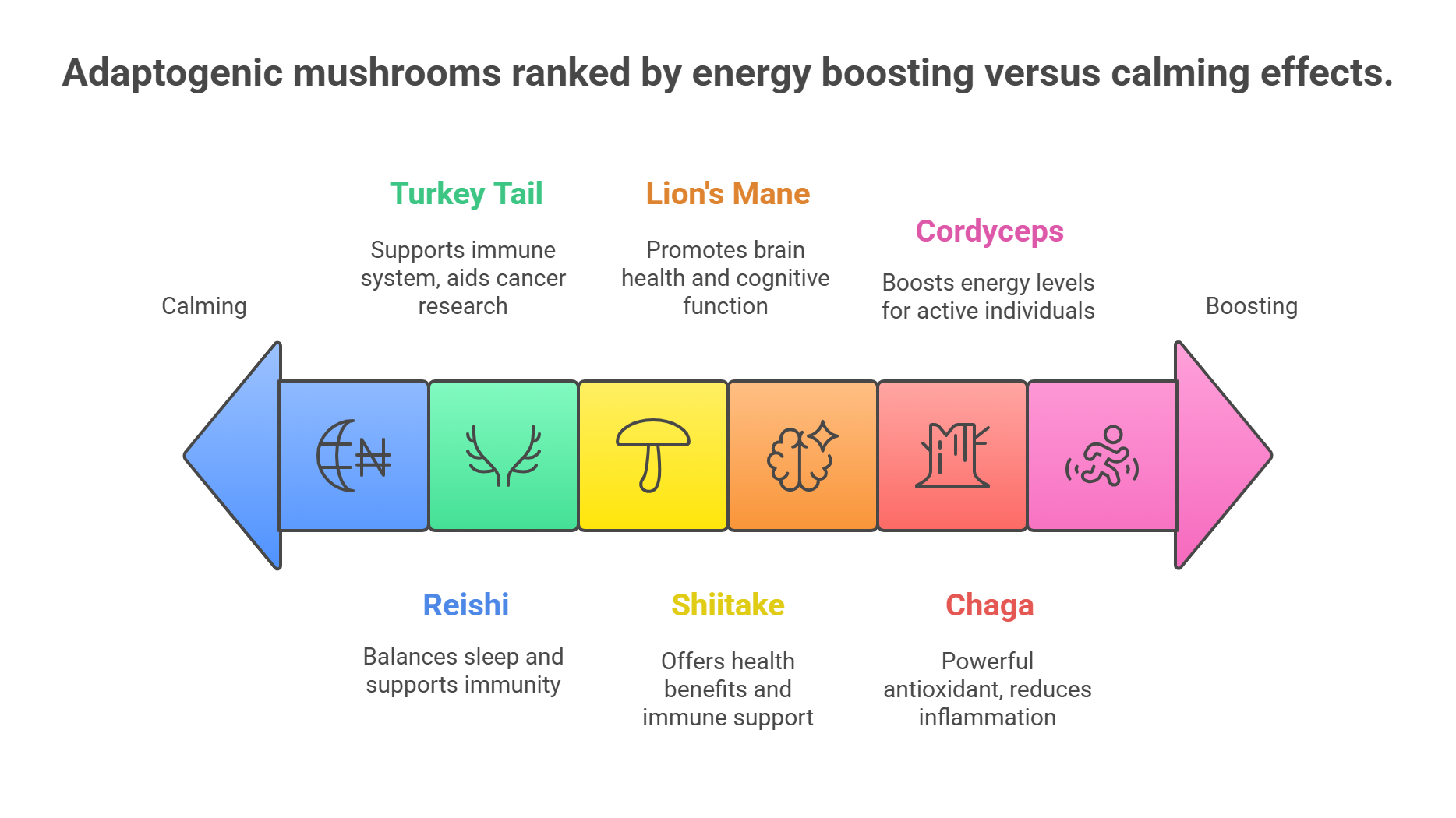
  • Lion's Mane: Promotes brain health, memory, and cognitive function.

  • Reishi: Known for its calming effects, balancing sleep, and immune support.

  • Chaga: A powerful antioxidant that can help with inflammation.

  • Cordyceps: Boosts energy levels, making it ideal for active individuals.

  • Turkey Tail: Noted for its immune-supporting properties, especially in cancer research.

  • Shiitake: While common in culinary uses, it also offers health benefits and immune support.


Adaptogenic Mushroom types

Risks and Considerations to Keep in Mind

While adaptogenic mushrooms present several health benefits, it’s important to proceed with caution. Here are some risks and considerations to keep in mind:

Possible Allergic Reactions

Though rare, allergic reactions can occur, so it’s advisable to start with small doses to assess your body's response. This is particularly relevant for parents looking to introduce adaptogens into their families’ routines.

Interactions with Medications

Adaptogenic mushrooms may interact with certain medications, particularly immune suppressants, diabetes drugs, and blood thinners. Always consult your healthcare provider if you’re taking medication or have underlying health conditions before trying new supplements.

Quality Control Issues

Since adaptogenic mushrooms fall under dietary supplements, they are not regulated by the FDA. Therefore, consumers should be vigilant about sourcing products from reputable manufacturers that offer third-party testing to ensure quality and purity.

Not a Cure-All

Finally, although adaptogenic mushrooms have shown potential, they are not replacements for traditional medical treatments. Parents should remain informed and consult healthcare professionals regarding any health concerns.

Conclusion: Integrating Adaptogenic Mushrooms into Wellness Routines

In conclusion, adaptogenic mushrooms offer various benefits, including stress reduction, improved immunity, and cognitive boosts. As long as you approach their use with an informed perspective and seek products from dependable sources, these mushrooms can be a valuable addition to your health toolbox. As you navigate the complexities of wellness for yourself and your family, consider adapting your approach to include these powerful fungi.


Disclaimer: The information provided on this website is for general informational purposes only and should not be considered medical advice, diagnosis, or treatment. Always consult a qualified healthcare professional before making any decisions or taking actions related to your health, including but not limited to medical conditions, treatments, diets, supplements, or exercise programs. The content on this site is not intended to replace professional medical guidance. The website and its authors are not responsible for any actions taken based on the information provided. Ask your doctor or licensed medical professional first.

Wellness Stress Management

Write A Comment

*
*
Related Posts All Posts

Why Small Habits in December Lead to Big Health Wins All Year

Research shows that adopting even minor healthy habits in December can boost your wellbeing all year long. Discover how small, consistent changes now create lasting health benefits, setting you up for success beyond the holiday season. This comprehensive guide empowers you with science-backed insights, practical examples, and motivating stories—so the small steps you take this month can lead to big wins in the year ahead.Why Start Healthy Habits in December?December, often defined by the holiday season and year-end events, is a crucial time of year to adopt healthy habits and prioritize your wellbeing with guidance from experts like Lee Health and Ohio State. But increasingly, health professionals—including those at Lee Health, Ohio State, and MedStar Health—recommend embracing healthy habits December for year-round wellness.Why wait for January’s resolutions when research from Ohio State and Lee Health highlights significant benefits of starting healthy habits in December, setting a strong foundation for year-round health? As routines shift and family gatherings abound, establishing small, meaningful changes can have a profound ripple effect on your overall wellbeing.Motivating year-end reflection isn't just about regret over past choices—it’s about recognizing the unique opportunity this time of year brings to lay a solid foundation for future success. By adjusting eating habits, upgrading your sleep schedule, and integrating mindful practices, you’ll not only feel better through the busy season but kick off the new year already in motion.Even amidst festive events during this busy time of year, making time for physical activity, balanced eating, and self-care—key components of healthy habits recommended by MedStar Health—can lead to sustainable results and a healthier lifestyle for months to come.The science behind adopting healthy habits in DecemberPractical ideas for building healthy habits during the holiday seasonHow healthy habits december lead to sustainable well-beingReal examples of healthy eating and lifestyle changes you can tryThe Science: How Small Healthy Habits December Influence Your Year-Round WellbeingLeading institutions like Ohio State University and Lee Health have demonstrated that making small yet deliberate healthy habits in December helps create new pathways in the brain and establishes lasting routines, supported by valuable health information. According to research gathered by MedStar Health and the Centers for Disease Control, behavior change is mediated by consistency, especially during emotionally charged times of the year. The holiday season is when routines shift, obstacles arise, and self-awareness increases—making it an optimal window to experiment with new healthy habits.Rather than overhauling your entire lifestyle overnight, science demonstrates that engaging in micro-habits—like reaching for a glass of water instead of a second cookie, or taking a brisk walk after dinner—can trigger long-term neural adaptation. The library for health information at major medical centers highlights that reinforcing positive cues, even amid festive distractions, increases the likelihood that these behaviors will stick.By aligning your healthy habits in December with your values and personal goals, you ensure your physical and mental health is prioritized during this critical time of year, supported by expert advice from MedStar Health and Lee Health, laying the groundwork for a healthier and more balanced year.As you focus on building new routines this season, it’s important to remember that quality sleep is a cornerstone of overall wellness. For a deeper understanding of how much rest your body truly needs and expert-backed strategies to improve your sleep habits, explore these insights on optimal sleep from leading health professionals."Research from leading institutions such as Ohio State and Lee Health confirms that embedding healthy habits during the holiday season creates a foundation for success all year."Top Healthy Habits December: Simple Changes for Long-Term ResultsSmall, intentional steps during December can yield major health gains as the months roll on. The most impactful habits are attainable and sustainable, recommended by experts at Lee Health and MedStar Health. It’s not about making drastic changes, but about introducing practical shifts that support your body and mind during the busiest time of year. Preparing extra portions of vegetables, scheduling regular movement, and setting sleep reminders all contribute to a more balanced routine.Holiday stress, travel, and unpredictability can disrupt your normal eating habits or sleep schedule, but strategies recommended by MedStar Health and Lee Health can help you stay on track with your healthy habits December. That’s why focusing on accessible, repeatable activities—like prioritizing hydration, consistent bedtimes, and mindful treats—creates a safety net for your health information toolbox.Remember, the key is to build momentum slowly. By leveraging December’s unique atmosphere, you can pave the way for lasting achievements without sacrificing joy or connection during the holiday season.Healthy eating habit adjustments for festive events: Before gatherings, have a healthy snack and bring a nutritious dish. Use smaller plates for portion control.Creating a consistent sleep schedule: Go to bed and wake up at the same time, even on weekends, to support your body’s natural rhythms.Building mindful eating habits and routines: Slow down, savor bites, and check in with your hunger cues during meals.Staying active despite holiday season busyness: Schedule walks, stretch breaks, or mini home workouts—even 10 minutes counts.Setting achievable, realistic wellness goals (Inspired by MedStar Health and Lee Health): Make goals specific, measurable, and flexible to account for holiday plans.Healthy Eating Habits in December: Staying Nourished in the Holiday SeasonPracticing healthy eating habits during December doesn't mean missing out on the magic of the holidays—it means enjoying the season with intention. By prioritizing a variety of food groups, filling half your plate with vegetables, and incorporating festive fruits, you can manage both appetite and nutrition.Eating habits set during this month have a ripple effect well into the new year, especially as January often brings the temptation for rigid restrictions. By planning nourishing meals, drinking extra water, and being mindful with treats, you establish a more resilient and forgiving relationship with food.Nutritionists at MedStar Health and Lee Health remind us that success depends not on avoiding favorite festive foods, but on balancing them with smarter choices—think roasted vegetables alongside traditional fare, or swapping soda for a glass of water. This season, stress less about calorie counts and focus more on how different dishes fuel your physical and mental health. In turn, healthy eating in December supports digestion, energy, and stress management, giving your immune system a boost when you need it most.Comparing Healthy Eating Habits in December vs. Other MonthsMonthFocused Eating HabitsCommon ChallengesTips for SuccessDecemberMindful, festive choicesAbundant treatsPrepare healthy alternativesJanuaryReset, portion controlLack of motivationSet realistic resolutionsMaintaining Healthy Habits December: Overcoming Common ObstaclesBusy schedules, travel plans, and a parade of treats can make it hard to follow through on your healthy habits December, but leveraging health information and expert advice from Lee Health and MedStar Health can help you maintain consistency. It’s easy to slip into old eating habits or abandon physical activity, but anticipatory strategies can help you stay on track. This time of year comes with increased temptations and social pressures, so be proactive: make time for self-care, communicate your health needs to loved ones, and plan alternatives when routines get disrupted. Recognizing common pitfalls is the first step toward designing gentle, resilient responses that keep your health a priority.Success comes from consistency, not perfection. Experts—including registered dietitians at Lee Health and MedStar Health—suggest keeping healthy snacks on hand, scheduling downtime to recharge, and saying “yes” to selective indulgences you truly enjoy. Be flexible: if you miss a workout or overeat at a gathering, focus on your very next choice rather than dwelling on setbacks. The journey to well-being in December is about building grace and adaptability into your wellness toolkit.Sleep Schedule and Wellness Routines During DecemberYour body craves predictability, yet the holiday season is notorious for disrupted sleep schedules that can impact your physical and mental health, making a consistent sleep schedule essential according to MedStar Health. Sticking to a regular sleep schedule, even with late-night festivities, supports physical and mental health. Try winding down with soothing music, herbal tea, or journaling, and aim to wake up and go to sleep at similar times. Studies from MedStar Health show that restorative sleep bolsters immunity, mood, and weight management—crucial benefits as winter germs circulate and midnight feasts tempt you off track.If balancing a packed calendar feels overwhelming, think of a wellness routine as a series of small, achievable habits. Even a gentle ten-minute stretch or reading before bed can signal your body to downshift. The Centers for Disease Control recommends adults seek 7-9 hours of quality sleep year-round.Remember, small consistent actions in December often yield outsized health information benefits by spring, supporting everything from energy levels to resilience under stress."Healthy habits aren’t about perfection, they're about consistency—especially during the busiest time of year.” – Lee Health DietitianNothing beats the power of community inspiration. Watch a short video series spotlighting real people who decided December was the prime time to prioritize their health. They share testimonials—cooking healthy dishes together, enjoying brisk winter walks, or making time for self-care despite the holiday hustle and bustle.Their stories prove ordinary changes, made during a hectic season, can spark a year of positive transformation. The journey to better health isn’t just for New Year’s resolutions; it starts with small choices today.People Also Ask: Answers on Healthy Habits DecemberWhat are the healthy habits of December?Some of the most beneficial healthy habits december include balanced eating (with lots of colorful vegetables and fruits), staying active through walks or winter sports, and keeping a regular sleep schedule. Mindful self-care—like pausing for a glass of water or carving out quiet moments—helps maintain wellbeing as well. Experts at MedStar Health and Lee Health encourage small, repeatable healthy habits so that eating habit changes last well beyond the holiday season.Emphasize balanced eating habits, staying active, mindful sleep schedules, and self-care routines aligned with healthy habits december.What health awareness is December?December is marked by numerous health campaigns, focusing on awareness of mental health, healthy eating habits, and fostering resilience during the emotionally taxing close of the year, with valuable health information provided by the Centers for Disease Control and Ohio State. Organizations like the Centers for Disease Control and Ohio State offer health information and encouragement to navigate social pressures and prioritize physical and mental wellness. The message is clear—your health matters just as much now as at any time of year, if not more so.December is notable for holiday season health campaigns, mental health awareness, and reminders about maintaining healthy eating and lifestyle habits.What is the mental health theme for December?December’s mental health theme, as identified by state and federal agencies, centers on stress management, building resilience, and practicing self-compassion despite increased social and financial pressures. The holiday season can be joyful but also emotionally complex—so the focus is on finding balance, setting boundaries, and accessing resources for support. Mental health professionals urge individuals to make time for restorative activities and to check in with their own emotional needs regularly.December’s mental health theme centers on stress management, building resilience, and practicing self-care amidst festive and year-end pressures.What is celebrated in December month?From religious observances to cultural traditions and family reunions, December is filled with celebration. This can make sticking to healthy habits december feel challenging, but reinforces the importance of planning ahead. By honoring your health alongside your social calendar, you can fully enjoy the season’s richness—without neglecting your own wellness. Remember, every small step matters, from a mindful meal to a refreshing winter walk.The holiday season features a range of celebrations, making it important to uphold healthy habits december amid busy social calendars.Leading voices from Lee Health, MedStar Health, and the Centers for Disease Control share actionable advice in this quick video. Learn how to reset your eating habits, keep moving in cold weather, and manage stress effectively—all without sacrificing holiday joy. These professionals provide realistic, science-backed strategies that can fit into any busy December schedule, showing you how small commitments add up to a strong health information foundation for the new year.Tips & Lists: Your Easy Checklist for Healthy Habits DecemberSometimes, lasting change starts with a simple list. Use this December Healthy Habits Checklist, promoted by nutritionists at Lee Health and MedStar Health, to focus your attention on what matters most. Keep it visible—on your fridge, in your planner, or on your phone—and check off each item for an extra sense of accomplishment. Little by little, you’ll build confidence and momentum, turning healthy intentions into automatic habits that last long past the holiday season.Plan nutritious holiday meals in advanceStay hydrated throughout festivitiesPractice mindful portion sizesPrioritize physical activitiesMaintain a regular sleep scheduleCarve out time for relaxationFAQs: Everything to Know About Healthy Habits DecemberHow can I stick to good eating habits during December?Build a plan before the holidays: snack on veggies before parties, prepare your own healthy alternatives, and enjoy treats mindfully. Prioritize food groups like whole grains, lean proteins, and seasonal produce, and fill half your plate with veggies to lower temptations for overindulgence.Are there any quick ways to boost healthy habits at the end of the year?Yes! Keep a water bottle handy, schedule short movement breaks, and practice gratitude journaling. Setting small, achievable daily goals fosters quick wins that build confidence and sustainable routines—perfect for the busy holiday season.Is it OK to splurge on holidays and still keep healthy habits december?Absolutely. Experts agree that flexible, balanced approaches beat strict rules. Savor special holiday foods, then resume your healthy eating habit afterward. The goal is consistency, not perfection, so one indulgence won’t break your progress if you get back on track quickly.Key Takeaways: Building Healthy Habits December for a Healthier YearStart small, stay consistent, and celebrate each positive change—healthy habits december set the stage for long-term wellbeing, helping you thrive well beyond the holiday season.Final Thoughts: Start Small with Healthy Habits December for Big ResultsChoose one or two habits to begin with this December. Every step you take today supports a healthier, happier you all year.Ready to transform your year? Start your healthy habits December journey today with our expert resources and support.If you’re inspired to keep building on your December momentum, consider how holistic wellness practices can support your health journey at any age. Discover how a comprehensive approach—combining nutrition, movement, and mindful routines—can help you regain strength and vitality well beyond the holidays.For practical strategies and essential tips tailored for thriving after 60, explore these holistic solutions for lifelong strength and wellness. Your commitment to small changes today can unlock a healthier, more vibrant tomorrow.SourcesOhio State University Wexner Medical Center – https://wexnermedical.osu.edu/blog/healthy-holiday-tipsLee Health News Blog – https://www.leehealth.org/health-and-wellness/healthy-news-blogMedStar Health Holiday Nutrition – https://www.medstarhealth.org/health-blog/healthy-holiday-eating-tipsCenters for Disease Control: Healthy Eating – https://www.cdc.gov/healthyweight/healthy_eating/index.htmlLibrary for Health Information (NIH) – https://www.nlm.nih.gov/medlineplus/nutrition.htmlIncorporating small, consistent healthy habits during December can set the foundation for year-round wellness. The article “5 Nutrition Tips to Stay Healthy During Winter from a NYC Dietitian” (nycnutritionist.net) offers practical advice, such as consuming vitamin C-rich foods and staying hydrated, to maintain health throughout the colder months.Additionally, the “Ten Tips For a Guilt-Free December” (clevelandymca.org) provides strategies like eating before attending events and staying active, helping you navigate holiday indulgences without compromising your health goals.By integrating these expert recommendations, you can enjoy the festive season while laying the groundwork for a healthier year ahead. NCWellnessHub.com

The Invisible Aging Accelerator: 3 Ways Chronic Stress Is Quietly Fueling Systemic Inflammation and Shortening Your Lifespan

Did you know chronic stress triggers systemic inflammation and inflammatory cytokines, accelerating aging and increasing disease risk? Understanding this hidden link empowers you to reduce stress, protect your health, and potentially extend your lifespan. Discover practical strategies to fight inflammation and reclaim your vitality before it’s too late.Why Understanding Stress Inflammation Matters: Opening Insights"Did you know chronic stress triggers systemic inflammation and inflammatory cytokines, accelerating aging and increasing disease risk?" – Dr. Marilyn Wu, Clinical ImmunologistOver the past decade, scientific research has increasingly revealed a critical yet often overlooked link: chronic stress and inflammation together act as a biological accelerator of aging. Chronic stress inflammation occurs when sustained psychological stress or physical tension triggers the body’s immune system, resulting in a constant, low-grade inflammatory response.This background inflammation, unlike the temporary spikes seen with infection or injury, quietly drives tissue damage over many years. Evidence now shows that stress inflammation raises the risk of heart disease, autoimmune disorders, and faster aging at a cellular level.Today, as acute stress and chronic stress levels rise in the United States and worldwide, understanding how stress and inflammation interact is essential for safeguarding long-term wellbeing. In this article, you’ll discover the science behind stress inflammation, compelling real-world cases, and practical ways to break the vicious cycle and add healthy years to your life.What You’ll Learn in This Deep Dive on Stress InflammationThe relationship between chronic stress, stress inflammation, and your immune systemThree subtle but dangerous ways stress inflammation accelerates agingData-backed ways to break the cycle, including stress management techniquesExpert opinions and case studies validating the stress inflammation–aging connectionAcute Stress vs Chronic Stress: Key Differences in Immune and Inflammatory ResponseTypeImmune ResponseInflammatory ResponseLong-term Health EffectsAcute StressTemporary enhancement; boosts immune system for quick actionShort surge in inflammation, resolves as stress passesGenerally beneficial or neutral, unless very frequentChronic StressSuppression and dysregulation; weakens defense, may misfirePersistent, low-grade inflammation; constant activationIncreased risk: heart disease, metabolic syndrome, faster agingThe Stress-Inflammation Connection: How Chronic Stress Alters Your Immune SystemStress inflammation is a silent disruptor. It occurs when chronic stress—whether from ongoing work pressure, difficult relationships, or life changes—causes the body’s stress response to stay "switched on." Under normal circumstances, the nervous system’s “fight or flight response” rapidly elevates stress hormones like cortisol and adrenaline, directing the body to respond.For acute stress, this system resets quickly, helping the immune system neutralize threats. However, when stress becomes chronic, the stress response persists. Scientific studies published in major journals like Nature Medicine show that sustained cortisol exposure dysregulates immune cell function, creates overactive inflammatory cytokines, and triggers “inflammatory overdrive.”Blood cells, especially white blood cells, release signals that increase inflammatory cytokines, altering blood vessel health and weakening the immune system’s ability to distinguish between real threats and self-tissue. Chronic stress also disrupts the HPA axis, the nervous system and hormonal relay that governs our body’s stress response, resulting in persistent grade inflammation and higher risk of age-related diseases. This hidden cascade explains why stress inflammation is now recognized as a central driver of chronic disease and early aging."Chronic stressors can trigger persistent low-grade inflammation, quietly damaging tissues over decades." – Dr. Ellen Bardwell, Board-Certified RheumatologistFor those interested in how mind-body practices can directly influence the stress response, immune system, and reduce inflammation, exploring the neurological effects of meditation offers valuable insight. In fact, research has shown that regular meditation can help rewire the brain to better manage stress and support immune health.You can learn more about these transformative effects in this article on how meditation changes your brain for better mental health.The Common Pathway: Acute vs. Chronic Stress and Their Impact on InflammationAcute Stress vs Chronic Stress ResponseIt’s important to distinguish between acute stress and chronic stress to understand their unique effects on stress and inflammation. Acute stress involves a short-term challenge or threat—a close call in traffic, a public speaking event, or a surprise deadline. This triggers a temporary burst in stress hormones (adrenaline and cortisol), which mobilizes energy and even enhances certain aspects of the immune response.For brief moments, acute stress sharpens focus and coordinates immune cells to fight infection or injury, a phenomenon described as beneficial stress response. However, when those stressors become a constant feature of daily life—through long-term caregiving, workplace hostility, or socio-economic adversity—chronic stress takes hold. Now, the stress response never fully resets.The sympathetic nervous system stays overactive, leading to dysregulated immune function and increased inflammation that doesn’t resolve. Prolonged exposure to elevated stress hormones results in a chronic inflammatory response, with immune cells continuing to pump out inflammatory cytokines and damaging healthy tissue.According to recent research in the United States, only chronic, unrelenting stress—not acute stress—drives this pattern of persistent inflammation, making it a common pathway toward disease and accelerated aging."Short bursts of acute stress can enhance immune function, but chronic stress does the opposite—sustained inflammation erodes resilience." – Dr. Ravi Patel, Integrative PhysicianThree Hidden Ways Stress Inflammation Speeds Up Aging and Shortens Lifespan1. Social Stress and Its Effect on Inflammatory CytokinesSocial stress—whether isolation, relationship conflict, or ongoing workplace strain—is one of the most insidious drivers of chronic stress and inflammation. Harvard researchers and experts worldwide have documented how negative social interactions and persistent loneliness are linked to higher levels of pro-inflammatory cytokines, such as IL-6 and TNF-alpha, which undermine healthy aging.A study in the Proceedings of the National Academy of Sciences found that older adults experiencing chronic isolation had higher inflammatory markers and shorter telomeres—biological indicators of cellular age.Chronic social stress works by amplifying the stress response in the brain and immune system, often via the HPA axis, which heightens blood pressure and induces grade inflammation in blood vessel walls.Over time, these inflammatory responses contribute to breakdown of tissue repair mechanisms, reduce resilience, and significantly increase risk for diseases like heart disease and dementia. Thus, social stress is not just an emotional hardship—it’s a biological trigger for chronic inflammation and fast-tracked aging.2. Psychological Stress and Low-Grade InflammationDaily psychological stress—from job insecurity to information overload and daily hassles—can act as a persistent, invisible trigger for low-grade inflammation and dysregulated immune response. While a single stressful event may be resolved quickly, accumulating pressures lead to a continued release of stress hormones and chronic nervous system activation.Studies confirm that psychological stress initiates a “common pathway” of immune dysregulation: inflammatory cytokines are produced in excess even when no external threat exists, creating a feedback loop of immune overactivity and tissue damage. Over time, this low-grade inflammation becomes a baseline state, silently eroding health and impacting biological age. Hallmarks include fatigue, joint pain, reduced immune resilience, and increased susceptibility to infections and chronic conditions.As the inflammatory response continues unabated, even subtle psychological stress can drive persistent increases in biomarkers like C-reactive protein (CRP) and white blood cell counts. This grade inflammation helps explain why chronic psychological stress is so closely associated with higher risk for metabolic syndrome and neurodegenerative diseases.3. Hormonal Imbalance and Accelerated Inflammatory AgingFew people realize how profoundly chronic stress disrupts the body’s delicate hormonal balance. Persistent stress ensures that cortisol and adrenaline remain elevated—what should be a brief stress hormone surge now becomes a permanent feature. This hormonal imbalance amplifies the stress response, driving continuous inflammation at the cellular level.Because the HPA axis and sympathetic nervous system are on overdrive, inflammatory cytokines are produced in surplus, overwhelming the normal regulatory systems in blood cells and tissues. Research consistently ties this state to premature onset of age-related conditions: heart disease, type 2 diabetes, osteoporosis, and even certain cancers.When grade inflammation overtakes the body, cell repair slows down, organs become more vulnerable to wear and tear, and the nervous system’s ability to recover from stressors is weakened. Medical experts emphasize that reversing this pro-inflammatory loop should be a top priority for anyone hoping to slow biological aging and protect long-term health."Chronic stress flips the body into a state of inflammatory overdrive, setting the stage for cardiovascular and neurodegenerative disease." – Dr. Felicia Montrose, EndocrinologistHow the Immune System Fuels the Cascade of Stress InflammationCytokine Storms: Immune System Gone AwryInflammatory cytokines are small proteins created by immune cells in response to stress and infection. In a healthy person, this immune response is tightly regulated, scaling up to fight threats and subsiding once balance is restored. Under chronic stress, however, cytokine production spirals out of control.The cycle looks like this: stress triggers immune system dysregulation, leading to more inflammation, which further weakens resilience to future stress. As the sympathetic nervous system and the HPA axis stay continually activated, blood vessel and tissue health are compromised. Blade-thin lines between defense and self-attack erode, causing increased inflammation and risk for organ damage.In severe cases (like COVID-19), uncontrolled cytokine storms are life-threatening. More often, a subtle but unrelenting tide of low-to-moderate grade inflammation quietly damages tissues, primes the body for autoimmune disease, and hastens the decline associated with aging.Long-Term Consequences: Inflammatory Cytokines and DiseaseThe ongoing presence of inflammatory cytokines doesn’t just create temporary discomfort—it sets the stage for lifelong health risks. Research links chronic, low-grade inflammation to conditions such as autoimmune disorders (like rheumatoid arthritis or lupus), cardiovascular disease (including heart attack and hypertension), and metabolic syndrome (a cluster of risk factors for diabetes and obesity).Persistent activation of the immune system through repeated stress responses means organs are in a near-constant state of repair and inflammation, unable to heal fully between bouts. Over time, this environment of increased inflammatory response accelerates tissue aging, impairs function, and makes it significantly harder to bounce back from everyday illness or injury.In short, stress and inflammation together form a destructive feedback loop that ages the body from within and underpins most modern chronic health challenges.Case Studies and Data: Real-World Impact of Stress Inflammation on AgingCase Study 1: A middle-aged executive presented with fatigue and joint pain. Lab results revealed elevated C-reactive protein (CRP) and interleukin-6—both stress inflammation markers. After three months of stress management therapy and improved sleep, levels normalized and symptoms improved, showing how intervention can reverse chronic inflammation (PMID: 34355536).Case Study 2: Longitudinal research following 3,000 workers in high-stress jobs over ten years found much higher rates of heart disease, autoimmune disorders, and elevated inflammatory cytokines compared to low-stress counterparts (JAMA 2022).Seminal 2022 Study: A 2022 study in Nature Medicine identified causal links between workplace stress, increased CRP, TNF-alpha, and shortened telomere length—firmly connecting stress inflammation to accelerated biological aging (View Study)."We see elevated inflammatory markers in patients with persistent psychological or social stress—intervention can reverse and even prevent chronic disease onset." – Dr. Angela Lin, Preventive Medicine SpecialistStress Management: Proven Strategies to Break the Stress Inflammation CycleMindfulness, Cognitive Techniques, and Lifestyle ShiftsFortunately, stress inflammation and its impact on the immune system is not an unbreakable fate. Decades of research underscore the power of evidence-based stress management and lifestyle change. Mindfulness meditation, for instance, has been shown in controlled studies to reduce both perceived psychological stress and inflammation biomarkers, improving immune response (PMC8863394).Cognitive Behavioral Therapy (CBT) helps reframe stressful thoughts, interrupting the stress response at its root. Regular aerobic exercise lowers stress hormones and modulates immune activity, resulting in reduced inflammatory cytokines. Social engagement—connecting with friends, family, or community—counteracts the negative effects of isolation and lowers chronic stress.And prioritizing sleep hygiene restores the body’s natural systems for repair and immune resilience. Together, these methods decrease nervous system activation, promote healthy hormonal balance, and bring inflammation back into healthy range. Stress management isn’t just psychological: it’s a proven anti-aging intervention that can add quality years to life.Dietary Choices and Inflammatory ResponseAnti-Inflammatory Foods and Supplements: Berries, leafy greens, fatty fish (like salmon), walnuts, turmeric, olive oil, green tea, and probiotics all demonstrate evidence for reducing inflammatory response (Harvard Health). Omega-3 supplements, vitamin D, and curcumin are also supported by clinical data.Habits That Worsen Stress Inflammation: Diets high in refined sugar, trans fats, and processed meats increase inflammation. Chronic lack of sleep, social isolation, and sedentary lifestyle magnify the stress response and grade inflammation. Limiting alcohol, managing screen time, and enjoying fiber-rich foods can all support healthier aging.People Also Ask: Can Stress Cause Inflammation?Yes, chronic stress initiates a hormonal and immune system response that triggers systemic inflammation over time, increasing the risk of chronic diseases. Stress inflammation is now recognized as a core pathway in many age-related illnesses.People Also Ask: How Do I Get Rid of Inflammation in My Body?Reducing stress, adopting an anti-inflammatory diet, regular exercise, sufficient sleep, and practicing stress management techniques are proven ways to bring down inflammation. Consulting healthcare professionals helps tailor strategies for individual health needs.People Also Ask: Can Stress Cause Inflammation Markers to Be High?Yes. Chronic psychological, social, or workplace stress can raise laboratory biomarkers of inflammation, such as C-reactive protein (CRP) and cytokines, indicating systemic stress inflammation in the body.FAQs About Stress Inflammation, Aging, and WellnessHow does stress inflammation differ from short-term immune responses?Stress inflammation involves persistent, low-grade immune activation, while short-term responses are brief and typically help the body heal. Chronic activation wears down tissues and accelerates aging.What are symptoms of stress inflammation I should look for?Fatigue, joint pain, sleep disturbances, frequent colds, headaches, mood changes, and slow recovery from illness are common signs of systemic inflammation driven by stress.Is stress inflammation reversible with lifestyle change?Yes. Research shows that sustained lifestyle changes—stress management, diet, exercise, and social engagement—can lower inflammation and help reverse damage over time.How soon can stress inflammation impact my health?Effects can begin within weeks or months of chronic stress exposure, but most consequences appear gradually over years. Early prevention is key.Does everyone experience aging from stress inflammation the same way?No. Genetic factors, social support, coping skills, and baseline health all influence individual aging trajectories related to stress and inflammation.Key Takeaways: Protecting Longevity from Stress InflammationChronic stress is a proven accelerator of systemic inflammation and agingAddressing stress inflammation is possible with science-backed methodsEarly prevention and intervention can safeguard health and prolong lifespanFinal Thoughts: Challenging the Silent Epidemic of Stress InflammationAwareness and proactive management of stress inflammation are crucial to stop this silent epidemic. Prioritize daily stress reduction, healthy routines, and regular checkups to defend your vitality and promote lifelong wellness.If you’re ready to take your wellness journey further, consider exploring how seasonal factors and environmental triggers can also impact inflammation and overall health. Our comprehensive guide on managing seasonal allergies and reducing symptoms offers practical advice that complements your efforts to control stress-related inflammation.By understanding the broader landscape of immune health, you can build a more resilient foundation for lifelong vitality.For well-curated articles and expert perspectives, visit NCWellnessHub.comSourcesNature Medicine – https://www.nature.com/articles/s41591-022-01914-8JAMA – https://jamanetwork.com/journals/jama/fullarticle/2794061PMC8863394 – https://www.ncbi.nlm.nih.gov/pmc/articles/PMC8863394/Harvard Health – https://www.health.harvard.edu/staying-healthy/foods-that-fight-inflammationNCBI – https://www.ncbi.nlm.nih.gov/pmc/articles/PMC8436961/Chronic stress is a significant contributor to systemic inflammation, which can accelerate aging and increase the risk of various diseases. Understanding this connection is crucial for developing strategies to mitigate its impact on health.The article “How Stress Harms the Heart” discusses a study presented at the American College of Cardiology’s 65th Annual Scientific Session, revealing a link between elevated stress levels and increased arterial inflammation, thereby raising the risk of heart disease. (time.com)Additionally, the National Institutes of Health’s article “Stress links poverty to inflammation and heart disease” highlights research indicating that individuals with lower incomes experience more stress-related brain activity, which is associated with greater inflammation in the body and a higher risk of heart problems. (nih.gov)If you're tired of feeling like your body's stuck in "fight-or-flight" mode 24/7 and want to know why that’s quietly speeding up aging, messing with your immune system, and setting the stage for pretty much every disease we dread—these resources will actually connect the dots for you (in a way that doesn’t feel like reading a medical textbook). And find more helpful health and wellness content at: NCWellnessHub.com

How to Reduce Stress Fast Without Losing Control

We’ve all felt stress swallowing us whole, leaving us desperate for relief yet afraid to lose control. Discover how to quickly reduce stress and relieve stress effectively while staying calm and composed, reclaiming your peace without sacrificing your sense of self. It’s time to breathe easy and take charge.What You'll Learn: Quick Ways to Reduce Stress FastThe science-backed methods to reduce stress fastHow to relieve stress instantly and sustainablyPractical mental health strategies that anyone can usePhysical activity techniques proven to reduce stress fast without sacrificing controlUnderstanding How to Reduce Stress Fast: The Urgency & ImpactWhen stress hits you like a tidal wave, fast relief to improve your mental health can feel impossible. But the need to reduce stress fast is more urgent than ever in modern daily life. High stress levels not only strain your mind but ripple through your body, raising your heart rate, spiking blood pressure, and even triggering mood disorders when left unchecked. Quick, mindful action can protect your mental health and prevent long-term damage to both mind and body. You don’t need fancy tools or hours of spare time—just a few actionable techniques to regain calm and control, restoring your sense of self even on your most stressful days."Stress is a reaction, but relief can be a decision." – Dr. Morgan Hill, mental health expertWhile these fast-acting stress relief techniques are essential, it’s also important to recognize the difference between healthy and unhealthy coping mechanisms. If you’re interested in exploring more about effective strategies for managing emotional challenges, you might find this guide on healthy ways of coping with trauma especially insightful for building resilience and long-term well-being.The Power of Breath: Fast-Acting Techniques to Reduce Stress FastOne of the fastest ways to reduce stress levels is to harness the power of your breath. Breathing techniques like diaphragmatic breathing and box breathing trigger your body’s relaxation response, quickly easing your pressure and heart rate, and calming both mental and physical health symptoms of stress. When you focus on your breath, you signal to your body and brain that it’s okay to dial down the stress response. A few slow, deep breaths can lower blood pressure, help you regain control, and keep you grounded even during chaos.Diaphragmatic breathing for immediate relief: Place one hand on your belly, inhale deeply through your nose, and feel your abdomen rise. This signals your nervous system to relax.Box breathing to regain composure: Inhale for 4 seconds, hold for 4, exhale for 4, hold for 4. Repeat several cycles to quickly reduce stress fast.Simple at-home exercises: Even just closing your eyes, focusing on your breath, and slowing your inhales and exhales can instantly relieve stress at any time of day.Not only does intentional breathing decrease cortisol levels, it offers a reliable way to tackle acute anxiety and reduce stress without stepping away from your life or responsibilities. The best part? These methods are free, take less than five minutes, and are easy to teach to anyone—even children.Next time stress starts to tighten its grip, try one of these breathing techniques and notice the immediate difference in your stress level and overall composure.Move Your Body: Physical Activity Methods to Reduce Stress FastYour body can help your mind reduce stress fast through physical activity—sometimes even faster than you’d expect. Physical activity floods your system with feel-good endorphins, lowers blood pressure, and supports mental health by helping regulate mood disorders often triggered by stress. You don’t need a gym membership or an hour of free time; research shows as little as five minutes of movement can lower cortisol and shift your state from frantic to focused. When stress hits, a stretch or stroll can reset your entire day and protect your behavioral health.Try brisk walking or light stretching: Just a short walk or a guided stretching routine can relieve tension and calm your nervous system quickly.The mental health benefits of quick workouts: Even dancing around your living room, shaking out your limbs, or a five-minute stretch improves your mood and lowers stress levels on the spot.Dance, shake, or take a stroll to relieve stress: Moving your body helps discharge nervous energy fast, stabilizes your heart rate, and boosts your overall mental and physical health.The next time you feel stress bubbling over, stand up and move—however you want. It isn’t just about working out; it’s about signaling to your brain and body that you’re taking action to relieve stress. These quick activities create a bridge between mental health and physical health, helping you feel grounded and in control when you need it most. Movement, even when minimal, is a game-changer for stress relief and keeping your stress levels manageable.Mindfulness and Mental Health: Calm Your Mind to Reduce Stress FastIf your mind is caught in a loop of worry, mindfulness can offer fast, effective relief. Mindful awareness techniques bring your attention gently back to the present, breaking cycles of anxiety and calming racing thoughts.Whether you’re sitting quietly, writing, or simply listing things you’re grateful for, mindfulness helps you bring clarity and calm to the chaos of daily life—essential for reduce stress fast strategies that really work. Mindfulness is like a reset button for your mind and body, instantly reducing pressure and helping you regain your composure.Mindful awareness and guided imagery: Spend one minute visualizing a peaceful scene, or listen to a short guided meditation for fast relief.Journaling for instant emotional relief: Write down what’s stressing you out and what you can control, letting go of the rest.Using gratitude lists to reduce stress: List three things you’re thankful for right now—this simple act rewires your brain toward positive thinking and lowers your stress level almost instantly.By focusing on present sensations or jotting down your thoughts, you not only relieve stress in the moment but also build resilience for the long term. When stress threatens to spiral, pause, breathe, and pick up your pen or tune into a meditation. With practice, you’ll cultivate a calm, grounded mindset that makes it easier to respond (not just react) when stress levels rise.Social Connections: Relieve Stress Fast Through SupportHumans are wired for social connection—even if you’re an introvert at heart. Reaching out to a friend or family member for grounding offers immediate relief and helps lower your stress levels in the heat of the moment. Social support works because it shifts your perspective, lightens your emotional load, and often brings laughter—one of nature’s best ways to relieve stress and boost mental health. Whether you call, text, or join an online group, sharing what you’re feeling can help reduce stress fast for lasting behavioral health benefits.Call a friend or loved one for grounding: Even a two-minute conversation can lower blood pressure and create a sense of safety.Join online communities for shared mental health tips: Platforms abound for quick, digital support from peers who want to help you relieve stress.Why laughter is powerful for reducing stress quickly: Laughter sparks physiological changes that decrease cortisol, relax your muscles, and make stress feel manageable again.It’s not about having the “perfect” support circle but about making one connection when you need it most. Even virtual support groups can make a real difference in your stress level and boost resilience. Don’t underestimate the power of human connection to reduce stress fast and give you new tools for handling everyday pressures.Quick Environmental Changes to Reduce Stress FastSometimes your surroundings fuel your stress without you realizing it. Making simple, intentional tweaks to your environment can help you reduce stress fast and support your mental health—often in less than five minutes. Adjusting lighting, bringing in calming scents, or creating tidier spaces are all proven to lower stress levels and improve mental health. When you declutter or create a calming vibe, your mind and body instantly register the change, making it easier to relax and focus.Adjust lighting and sound for calm: Soft, diffused light and gentle music or nature sounds can transform your mood in seconds.Essential oils or calming teas: Aromatherapy using lavender or chamomile can help relieve stress by lowering your heart rate and creating a serene ambiance.Declutter your space: Removing clutter physically (and digitally) helps reduce anxiety and makes your environment feel safer and more manageable.If you can’t change your whole home, just clear off your desktop or light a candle—these small, fast adjustments regulate your mood and stress level, supporting your mental and physical health throughout the day.Relieve Stress Fast with Technology: Best Tools & AppsIn the digital age, your smartphone can do more than distract you—it can help you reclaim calm. The right meditation, breathing, and therapy apps offer guided relief to relieve stress quickly and support your mental health, accessible whether you’re at work, home, or on the go. Taking a short digital detox is also a powerful way to reset your brain, especially if you’re feeling overwhelmed by constant notifications. With expert-designed tools right at your fingertips, technology can be your ally in fast, effective stress reduction and improved behavioral health.Meditation and breathing apps for fast relief: Try apps like Calm, Headspace, or Insight Timer for guided practices that lower blood pressure and relieve stress almost instantly.Digital detox techniques: Set your phone to “do not disturb,” close your eyes, and step away from your devices for five minutes to give your brain a genuine break.Therapy platforms for immediate support: Text or video therapy platforms like BetterHelp or Talkspace offer on-demand help when your stress level is high and you need to talk.With trusted apps on hand, you can access expert-crafted guidance to reduce stress fast and protect your mental health, even in your busiest daily life moments. Sometimes a single breathing session or micro-break makes all the difference.Top 10 List: The Best Ways to Reduce Stress Fast (At a Glance)Box breathingFive-minute walkGratitude journalingCalling a friendGuided meditationAromatherapyProgressive muscle relaxationQuick laughter therapyStretching routineDigital detox micro-breakComparison Table: How Fast Different Methods Reduce StressTechniqueTime to ReliefBest ForEvidence LevelBox breathing2 minsAcute anxietyHighStretching5 minsBody tensionMediumCalling a friend10 minsEmotional overwhelmHighJournaling7 minsMental clarityMediumQuotes from Experts: Why Reduce Stress Fast Matters"Reducing stress fast isn’t just a quick fix – it's a necessary tool for modern mental health." – Dr. Samantha Lee, Clinical PsychologistThe 4-7-8 breathing technique, popularized by Dr. Andrew Weil is a simple way to calm the nervous system. It’s designed to activate the parasympathetic “rest and digest” response, helping to reduce anxiety, lower heart rate, and ease you into sleep. It’s especially useful for moments of stress, evening wind-downs, or waking at night.People Also Ask About How to Reduce Stress FastWhat are the 3 C's of stress?The 3 C's: Control, Commitment, and Challenge. They represent approaches to reduce stress fast by reframing your response to pressure.What are 5 warning signs of stress?HeadachesTrouble sleepingIrritabilityDigestive issuesTrouble concentratingSpotting these signs early allows you to reduce stress fast with targeted interventions.What are the 5 R's of stress?RecognizeReverseResilienceRelaxReplanUsing the 5 R’s strategy can help anyone reduce stress fast and stay composed.What to do when you can't handle stress?Reach out for supportUse deep breathing and groundingTry a change of scenerySeek professional helpAll together, these steps can help reduce stress fast even in the most overwhelming moments.FAQs: Reduce Stress FastCan you really reduce stress instantly?Yes, many people experience immediate relief with the right strategies, like box breathing, guided imagery, or a quick walk. Acting quickly when stress hits can lower your stress level fast.How do experts relieve stress fast?Experts recommend combining physical activity, deep breathing, journaling, and social connection—proven methods to relieve stress and enhance mental health for quick calm and balance.What's the fastest physical activity to relieve stress?Stretching or brisk walking for a few minutes can instantly lower blood pressure and heart rate, helping you relieve stress and boost mental and physical health.Key Takeaways: How to Reduce Stress Fast and Stay in ControlReducing stress fast is possible with the right strategiesBalance mental health strategies with physical activity methodsQuick, easy habits can relieve stress and protect well-beingFor More Support to Reduce Stress FastReady for less stress? Download our science-backed Reduce Stress Fast Toolkit and take back your peace today!Conclusion: Reduce Stress Fast Without Losing ControlWith simple yet powerful tools, including physical activity and mental health techniques, you can reduce stress fast, regain your composure, and face future challenges with resilience.If you’re ready to take your well-being to the next level, consider how your daily habits and lifestyle choices can impact not just stress, but your overall health. For a deeper dive into how nutrition and long-term changes can transform your body and mind, explore our comprehensive resource on diet changes that can help reverse heart disease.By integrating these broader wellness strategies, you’ll empower yourself to not only manage stress in the moment but also build a foundation for lasting vitality and resilience. Your journey to a healthier, more balanced life starts with small, informed steps—keep exploring and investing in your well-being.Watch a guided demonstration of breathing techniques for reducing stress quickly,Try quick exercises such as stretches and posture resets that you can do almost anywhere for immediate relief. No equipment needed, just feel the tension ease away fast!SourcesVeryWellMind – How to Relieve Stress FastAPA – How to Manage StressHealthline – How to Lower CortisolNIMH – Stress: Coping With Everyday ProblemsCDC – Coping with StressTo further enhance your understanding of rapid stress reduction techniques, consider exploring the following resources:“Stress relievers: Tips to tame stress” (mayoclinic.org)“How to lower stress in 5 minutes” (nationalgeographic.com)These articles provide practical, science-backed methods to help you manage stress effectively. We hope this was helpful. NCWellnessHub.com

Terms of Service

Privacy Policy

Core Modal Title

Sorry, no results found

You Might Find These Articles Interesting

T
Please Check Your Email
We Will Be Following Up Shortly
*
*
*