
NC Wellness Hub
update
North Carolina Wellness Hub
update
  • Home
  • Categories
    • Wellness
    • General Health
    • Holistic
    • News
    • Living & Travel
    • Lifestyle
    • Fitness & Exercise
    • Mental Health
    • Stress Management
    • FEATURE
    • Sleep
    • Allergies
    • Medicines & Supplements
    • Weight Loss
    • Kids Health
    • Fertility & Pregnancy
    • Cancer
    • Heart Health
    • Skin & Hair
    • Arthritis
    • Dental
    • Vision
  • Bone Health
  • Digestive
May 30.2026
1 Minute Read

Beyond Fasting: 5 Science-Backed Benefits of Autophagy You’re Missing Out On (And How to Activate Them)

Feeling drained despite healthy habits? Discovering autophagy transformed my energy and wellness. Unlocking its benefits beyond intermittent fasting and day fast methods can renew your body at the cellular level, boosting vitality and longevity. This science-backed process isn’t just a trend—it’s a vital key to thriving health you can activate today.

What You'll Learn About the Benefits of Autophagy

  • The core benefits of autophagy as supported by scientific research

  • How autophagy interconnects with cellular rejuvenation, immune cell health, and cancer cell reduction

  • Methods to activate autophagy beyond intermittent fasting

  • Doctor- and expert-backed insights into the true health benefits of autophagy

  • Signs, duration, and real-life impacts of staying in autophagy

Unlocking Vitality: Why Understanding the Benefits of Autophagy Matters

Feeling tired despite healthy habits? Autophagy may hold the answer

benefits of autophagy: Vibrant, healthy middle-aged person sitting cross-legged on a yoga mat, looking content and relaxed in a sunlit modern living room with houseplants, post-exercise glow

Many people commit to better nutrition, exercise, and rest, hoping these will unlock optimal energy and lasting wellness. Yet, despite these healthy habits, fatigue and plateaued progress remain common. One reason could be the overlooked benefits of autophagy—a powerful process most don’t even realize they can activate. By harnessing autophagy, you engage the body’s radical system for cellular renewal and regeneration. More than a wellness trend, autophagy is a cornerstone of modern health.

Over decades, medical professionals and biologists have documented how autophagy clears out damaged cells and rejuvenates tissues, providing a sense of renewal deeper than any supplement could offer. Simply put, understanding and activating autophagy could be the missing piece in your vitality puzzle—a way to truly heal and energize from the inside out.

The Science Explained: What Is Autophagy and Why Is It Crucial?

Understanding Autophagy at a Cellular Level
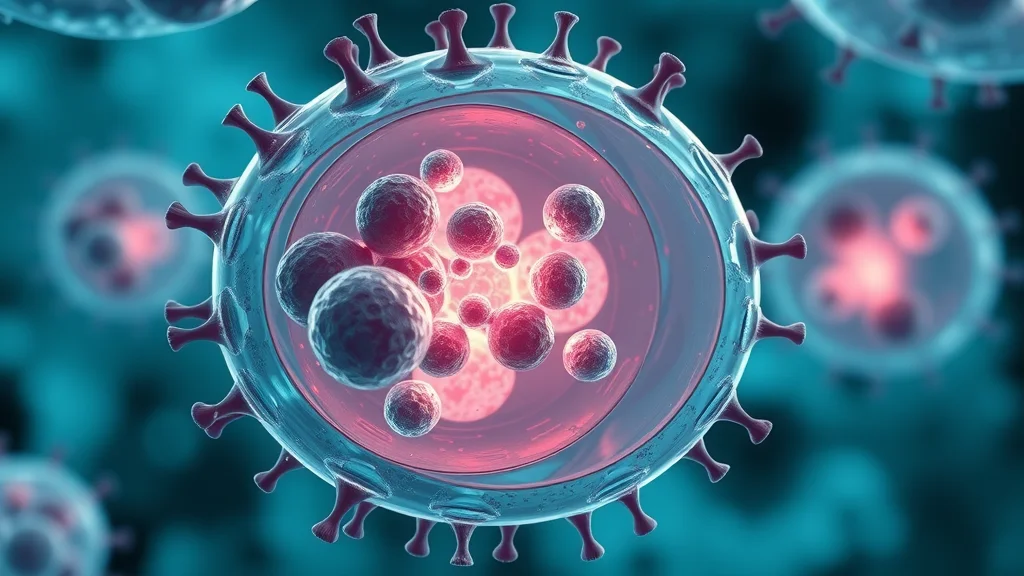
benefits of autophagy: Detailed illustration of autophagy at a cellular level, displaying autophagosomes cleaning up damaged organelles in a human cell

Autophagy—literally meaning "self-eating"—is the body’s natural process for recycling damaged cell components and maintaining cellular health. Inside every human cell, autophagy acts as an internal recycling system, targeting and breaking down damaged organelles, misfolded proteins, and invasive pathogens. This process is crucial for the survival mechanism of our cells, promoting both healthy aging and disease resistance. When triggered, autophagy enables immune cells to identify and neutralize threats, supporting the broader immune system.

Research even links robust autophagy to decreased cancer cell propagation, reduced neurodegenerative disease risk, and improved metabolic health. The process ensures damaged cells don’t accumulate and interfere with bodily functions, keeping tissues, stem cells, and organs in a revitalized state. By embracing the science of autophagy, you empower your body’s capacity for continual self-renewal on a cellular level, impacting overall health and longevity.

Autophagy vs. Intermittent Fasting: The Link and the Difference

Intermittent fasting and day fast routines are well-known for activating autophagy, but the health benefits of this process extend far beyond specific fasting windows or dietary restrictions. Engaging in practices like a day fast or calorie restriction not only promotes autophagy but also influences other cellular behaviors such as stem cell restoration and increased fatty acid oxidation. While intermittent fasting and day fast provide reliable stimuli, autophagy can also occur through exercise, sleep, and stress adaptation—methods that make this renewal cycle accessible beyond the kitchen table.

Unlike calorie restriction or prolonged fasts, lifestyle routines seamlessly integrate autophagy’s advantages, making cellular regeneration a daily occurrence. This broadens our understanding of how to maintain robust immune cell activity, keep cancer cells in check, and support ongoing metabolic health. Ultimately, learning how various practices support autophagy helps you balance the process with your personal health goals and daily structure.

While autophagy is a powerful mechanism for cellular renewal, it’s important to remember that overall health is also deeply influenced by the state of your gut and the foods you consume. For a closer look at how nutrition and gut health can drive healing and support your body’s natural processes, explore how a healthy gut can heal your body and mind through the “food as medicine” approach.

“Autophagy is one of the most powerful maintenance mechanisms at our disposal, yet it's largely overlooked outside of medical circles.” —Dr. Miriam Cohen, MD, Cellular Biologist

Exploring the 5 Core Benefits of Autophagy

Benefit

How Autophagy Helps

Cellular Renewal

Removes dysfunctional components, rejuvenating cells

Immune System Strengthening

Supports immune cells and eliminates pathogens

Cancer Cell Reduction

Destroys precancerous and cancer cells

Inflammation Control

Mitigates chronic inflammation through cellular cleanup

Enhanced Longevity

Linked with increased lifespan in animal studies

1. Cellular Renewal: Revitalizing Your Body from Within

The process of autophagy is foundational for ongoing cellular renewal. Every day, our bodies encounter environmental stressors and internal metabolic processes that damage lipids, proteins, and other cellular structures. Autophagy sweeps up this damaged debris—think of it as an internal housekeeper, collecting worn-out cell parts and repurposing amino acids and fatty acids for new construction.

As a result, this recycling system enables the creation of healthy cells from the ground up, enhancing vitality, sustaining energy, and even promoting resilience against age-related wear. In fact, insufficient autophagy contributes to accelerated aging and an increased risk of chronic illness. So, when you activate autophagy, you’re actively endorsing a cycle of healthy aging and robust regeneration.

"Without adequate autophagy, aging and disease processes may accelerate." —Journal of Clinical Investigation

benefits of autophagy: Energetic adult stretching arms in a park, looking revitalized and refreshed in the golden morning light

2. Immune System Strengthening and the Role of Immune Cells

Autophagy is directly intertwined with immune system function and the activity of immune cells. Research shows that this process bolsters immune cells, including macrophages and T-cells, enabling them to identify and neutralize pathogens more effectively. During times of infection or stress, immune cells leverage autophagy to digest invading bacteria and viruses, creating a robust internal line of defense.

A well-functioning immune system relies on regular cleanup; as damaged organelles and proteins are cleared away, immune responses become sharper and less prone to errors. For those looking to resist illness and reduce susceptibility to chronic conditions, enhancing autophagy is essential. Active autophagy ensures immune cells remain efficient, ready to protect the body through both day-to-day encounters and extraordinary challenges.
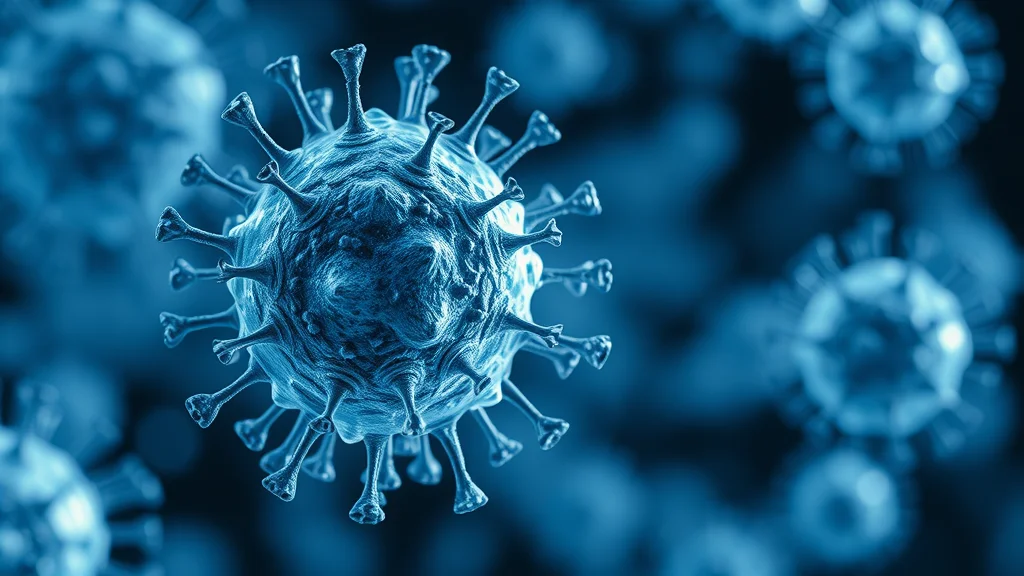
immune cell illustration: T-cell visually targeting and neutralizing a pathogen, autophagy in immune cell function

"Autophagy is integral to immune cell function, ensuring our body’s defense remains efficient and robust." —Dr. Emily Grant, Immunologist

3. Cancer Cell Reduction: Autophagy’s Protective Role

Autophagy plays a unique role in limiting the growth and survival of cancer cells, contributing to cancer cell reduction. By promoting the breakdown and removal of dysfunctional cells—including those at risk of becoming cancerous—autophagy helps prevent the unchecked cell division that leads to tumor formation. Cellular cleanup includes removing precancerous elements and even combating established cancer cells, making autophagy a potential ally in both prevention and complementary therapy.

While research continues, early evidence suggests that a functioning autophagic process may reduce the onset and spread of some cancers, especially when combined with caloric restriction or day fast regimens. However, overactive or dysregulated autophagy can sometimes play a role in established cancer cell survival, highlighting why a balanced approach and medical professional input is crucial in cancer prevention and care.

cancer cell reduction: Researcher analyzes healthy cells and highlights autophagic activity on digital monitor, cancer prevention concept

"Autophagy can be a double-edged sword, but its capacity to eliminate early cancer cells is an exciting frontier." —Dr. Aisha N., Oncology Researcher

4. Inflammation Control for Long-Term Health

Chronic inflammation is a root cause of numerous age-related and metabolic diseases—including heart disease and neurodegenerative diseases. By clearing away cellular debris and removing damaged immune cells, autophagy disrupts the feedback loop driving ongoing inflammation. Instead of lingering, inflammatory triggers are broken down and recycled, which supports better metabolic health, improves heart health, and may lower risk factors for diseases linked to oxidative stress.

Those seeking sustained wellness and increased healthspan will find that leveraging the anti-inflammatory effects of autophagy can provide lasting benefits, contributing in turn to more energy, better recovery from exercise, and stronger immune responses.

inflammation control: Illustration of peaceful human heart surrounded by dispersed fog symbolizing inflammation reduced through autophagy

5. Enhanced Longevity: Science-Backed Health Benefits of Autophagy

Research in animal studies and emerging human data indicate that sustained autophagy is associated with longer, healthier life. By promoting cellular renewal and clearing precancerous and damaged cells, autophagy supports healthy aging—delaying the onset of neurodegenerative diseases, metabolic slowdowns, and degenerative tissue changes.

Practices like intermittent fasting, day fast cycles, and regular physical activity are linked with increased autophagic activity and thus, greater health benefits including enhanced longevity. While no intervention guarantees immortality, integrating strategies to reliably induce autophagy is a smart, science-backed path to more vibrant years ahead.

health benefits of autophagy: Joyful older adults walking outdoors, radiating health and vitality from active autophagy lifestyle

How to Activate The Benefits of Autophagy—Beyond Intermittent Fasting

  • Practicing day fast or intermittent fasting

  • Regular movement and exercise to stimulate cellular processes

  • Adopting a nutrient-dense, low-sugar diet

  • Bringing in periodic stress adaptation (cold & heat exposure, for example)

  • Prioritizing restorative sleep

benefits of autophagy: Balanced lifestyle collage showing exercise, nourishing meals, restful sleep—all stimulating autophagy

Unlocking the health benefits of autophagy doesn’t require a strict, prolonged fast; incorporating day fasts and intermittent fasting can effectively stimulate autophagy. Science supports a blend of intermittent fasting, day fasts, calorie restriction, consistent exercise, and supportive routines like sauna, cold showers, and adequate sleep as effective ways to stimulate autophagic activity. Focusing on nutrient-dense foods while minimizing processed sugar and empty calories can prime your metabolic pathways for efficient cellular cleanup.

Combining movement, quality nutrition, and environmental stress adaptation ensures sustained benefits and makes autophagy a flexible wellness tool for everyday life. Adopting these principles, guided by evidence from clinicians and researchers, will help you build an easy-to-follow blueprint that optimizes renewal, immune cell resilience, and disease prevention.

“You don’t have to fast endlessly. Smart lifestyle tweaks can reliably promote autophagy every day.” —Dr. Jason Wong, Registered Dietician

People Also Ask About the Benefits of Autophagy

How long should you stay in autophagy for benefits?

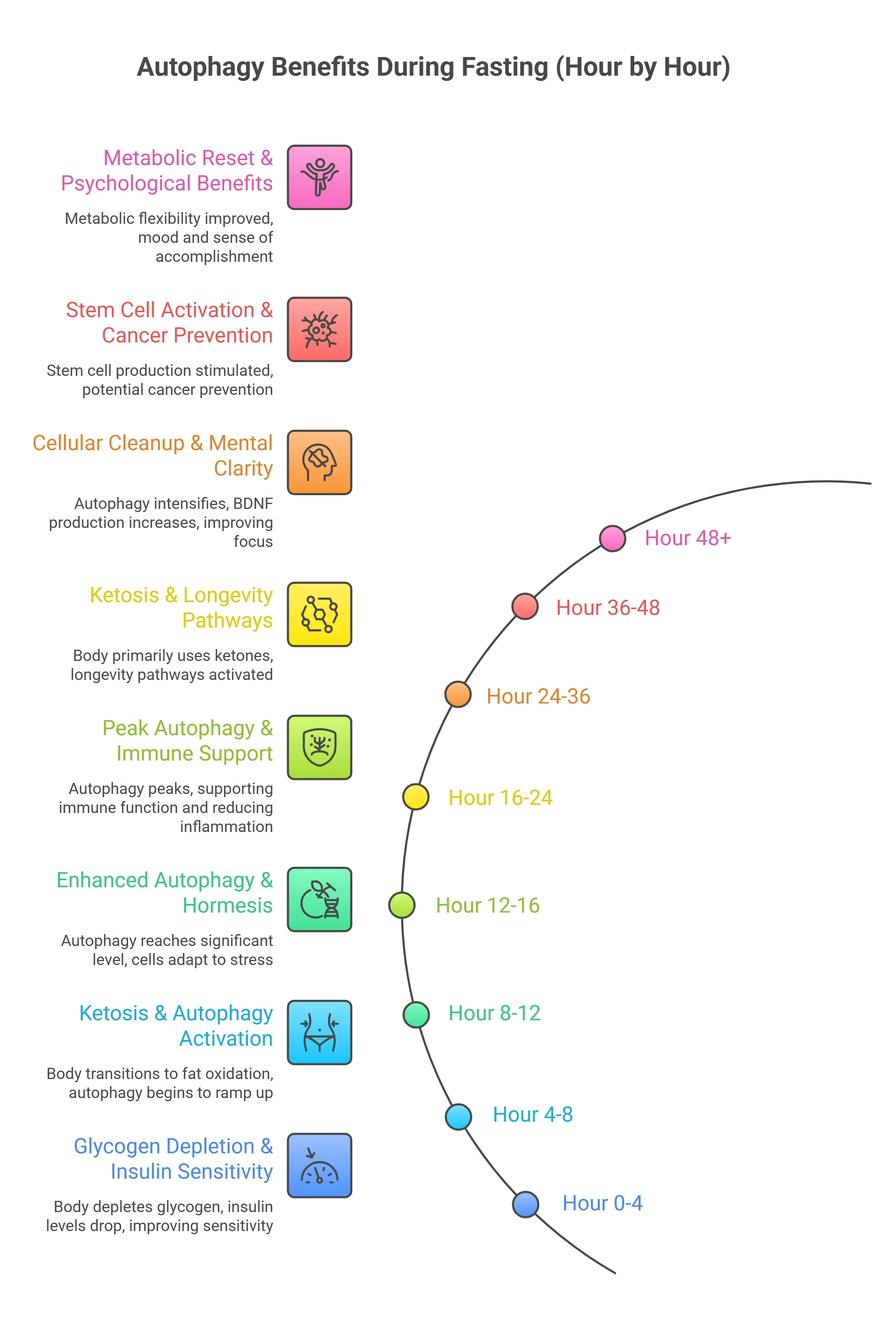
Most research suggests the optimal autophagy window occurs after 16–24 hours of fasting, though longer prolonged fast periods are not always necessary. However, the actual benefits build up cumulatively, and shorter but regular activation can be highly effective over time. The ideal schedule depends on personal health status, lifestyle, and goals—working with a medical professional helps tailor safe and sustainable approaches for your needs.

How do I know I'm in autophagy?

There’s no simple “on-off” switch for autophagy, but common signs include elevated mental clarity, more stable energy, enhanced recovery from physical activity, and sometimes mild appetite suppression. Laboratory markers—such as specific proteins and cellular indicators—are available for clinical testing, yet most people notice benefits through everyday improvement. Always consult with healthcare providers if you want more precise measurement or tailored protocols.

Can autophagy heal the body?

While not a panacea, autophagy supports fundamental healing by removing cellular debris and prompting fresh cell regeneration. Research shows its role in mitigation of inflammation, immune system strengthening, and possibly repairing tissues after damage—especially muscle, skin, and even organs. It forms a foundational survival mechanism for both short-term repair and long-term wellness, contributing to healthy aging if activated consistently.

autophagy healing: Hopeful individual resting post-exercise, symbolizing cellular healing and recovery through autophagy

Can autophagy help ED (Erectile Dysfunction)?

Emerging studies indicate that autophagy might play a role in supporting vascular and cellular health—two core factors influencing erectile function. While not a guaranteed therapy for ED, inducing autophagy through intermittent fasting, a healthy diet, and lifestyle modification may contribute to better circulation and endothelial function. For best results, integrate these protocols with broader approaches to men’s health, and consult a clinician for guidance.

FAQs About the Benefits of Autophagy

  • What exactly happens to cells during autophagy? During autophagy, cells form autophagosomes that engulf damaged proteins, lipids, and organelles before fusing with lysosomes for breakdown and recycling. This process maintains cellular function and energy.

  • Are there risks to inducing autophagy frequently? For most healthy individuals, mild autophagy activation is safe. However, excessive fasting or calorie restriction can cause nutrient deficiencies and metabolic issues. Always individualize your regimen with expert guidance.

  • Can autophagy help with weight management? Yes, activating autophagy often accompanies calorie restriction or intermittent fasting, both of which promote fat breakdown and can support healthy body weight alongside cellular cleanup.

  • Does exercise boost autophagy benefits? Absolutely. Both resistance and aerobic exercise stimulate autophagy—especially high-intensity routines. This effect complements dietary methods, making an active lifestyle highly synergistic with autophagy’s health effects.
Key Highlights: Why the Benefits of Autophagy Shouldn’t Be Missed

  • Autophagy is a body-wide, proven process for maintaining cellular health.

  • The health benefits of autophagy include renewal, immune support, cancer cell reduction, inflammation control, and promoting longevity.

  • Activation methods go beyond intermittent fasting—lifestyle habits can help, too.

Ready to Activate the Benefits of Autophagy?

Discover more trusted information like this at: NCWellnessHub.com

Sources

  • Nature Cell Biology – https://www.nature.com/articles/ncb2536

  • National Institutes of Health – https://www.ncbi.nlm.nih.gov/pmc/articles/PMC3539573/

  • Cell – https://www.cell.com/fulltext/S0092-8674(12)01400-6

  • Journal of Clinical Investigation – https://www.jci.org/articles/view/20169

  • Frontiers in Cell and Developmental Biology – https://www.frontiersin.org/articles/10.3389/fcell.2019.00283/full

If you’re inspired to take your wellness journey even further, consider how movement and daily habits can amplify the effects of cellular renewal. Simple routines—like a full-body wall stretch—can complement autophagy by improving circulation, posture, and overall vitality.

Discover an easy, science-backed approach to movement with our guide to full-body wall stretches for better posture, and see how integrating mindful activity can elevate your health from the inside out. Every step you take toward holistic self-care brings you closer to lasting energy and resilience. Explore more strategies to transform your health and unlock your body’s full potential.

Takeaway:

Activating the benefits of autophagy through smart, sustainable lifestyle strategies can renew your energy, boost immunity, and add healthy years to your life. The future of wellness truly begins at the cellular level.

Autophagy, the body’s natural process of recycling damaged cell components, offers numerous health benefits. The article “Autophagy: Definition, Diet, Fasting, Cancer, Benefits, and More” provides a comprehensive overview of autophagy, detailing its role in cellular maintenance and its potential in preventing neurodegenerative diseases like Parkinson’s and Alzheimer’s. (healthline.com)

Additionally, the Cleveland Clinic’s article “Autophagy: Definition, Process, Fasting & Signs” explains how autophagy contributes to cellular repair and maintenance, emphasizing its importance in overall health. (my.clevelandclinic.org)

Additional Resources

How Coffee Boosts Autophagy and May Extend Your Lifespan

The Truth About Pills for Autophagy and Their Effects on Longevity

Unlock Your Health: 6 Tips to Eliminate Zombie Cells Naturally

Can Intermittent Fasting Reverse Type 2 Diabetes? Research Shows Surprising Results

Wellness

0 Comments

Write A Comment

*
*
Please complete the captcha to submit your comment.
Related Posts All Posts

The Healing Power of Saying "I Don't Know"

Performing certainty is draining your energy. Discover why saying "I don't know" is a powerful mindfulness practice that builds trust, reduces stress, and supports your mental wellness.

Why Do My Feet Stink So Bad? Here’s the Real Reason

Ready to discover why your feet stink and how to fix it for good?Understanding Why Do My Feet Stink So Bad: An OverviewThe good news? You're absolutely not aloneThe bottom line is this: foot odor doesn’t mean you’re dirty or careless. Even people with great hygiene can have stinky feet due to factors like sweat, bacteria, certain shoes and socks, or even medical issues. By learning about the real causes of foot odor and some practical, easy-to-follow solutions, you can stop foot odor at the source and start feeling more comfortable in your own skin (and shoes!). This guide breaks down the science, the causes, and the best ways to reduce foot odor—so you can walk with confidence again."Ever wondered why your feet smell so bad despite regular washing? Understanding the real causes can help you finally banish that odor and boost your confidence. Ready to discover why your feet stink and how to fix it for good?"What You'll Learn About Why Do My Feet Stink So BadThe scientific explanation for foot odor and smelly feetCommon causes of stinky feetEffective solutions and preventive measures for feet that smell badWhen to seek professional treatment for foot odorWhy Do My Feet Stink So Bad? The Science of Foot OdorHow Sweat and Bacteria Lead to Smelly FeetTo understand why your feet smell bad, it helps to look at what’s happening on a microscopic level. Your feet have thousands of sweat glands—even more than under your arms! These glands are especially active, keeping your feet moist. When you wear shoes and socks all day, your feet sweat more, creating a warm and damp environment that’s perfect for bacteria to thrive.The real culprit behind smelly feet isn’t just the sweat itself, but the bacteria that live naturally on your skin. These tiny organisms feed on sweat, breaking down its components. As they do this, they release strong-smelling acids and compounds that cause the bad odor you recognize as stinky feet. This is why even clean feet can start to smell after a while—your daily routine plus tight shoes give bacteria exactly what they need to multiply. Understanding this process is a powerful first step toward fresher feet.Why Stinky Feet Are a Common ProblemFoot odor isn’t unusual—actually, it’s extremely common. Everyone produces sweat to cool down, but some people naturally experience more sweaty feet than others. Hormonal changes (especially in teenagers and pregnant women), physical activity, and stress all make your feet sweat more. When shoes or socks don’t allow moisture to escape, or if you’re wearing the same pair every day, your risk of stinky feet skyrockets.Shoes made from synthetic material and closed-toe styles limit airflow and trap sweat, giving bacteria and sometimes even fungi a place to grow. Poor hygiene—not changing socks frequently or letting shoes dry out—lets these microbes multiply unchecked. In short, foot odor is a routine issue for people of all ages. Understanding environmental and personal factors that increase your risk helps you make smarter choices to keep foot odor under control.Comparison of Common Causes of Feet That Smell BadCauseHow It Leads to OdorCommon ScenariosSweatKeeps feet moist, supports bacteria growthWarm weather, active lifestyle, closed shoesBacteriaFeeds on sweat, releases odor compoundsNot drying feet, reusing socks, tight shoesFungal InfectionsBreak down dead skin, release unpleasant smellsAthlete’s foot, persistent foot or ankle itchingPoor HygieneLets sweat and bacteria build upInfrequent washing, not changing socks regularlyMajor Causes: Why Do My Feet Stink So Bad?Sweaty Feet and Their Role in Foot OdorExcessive sweating is the number one trigger for smelly feet. If you struggle with sweaty feet, expect bacteria to multiply, especially in dark, enclosed shoes. Everyone’s feet naturally sweat, but some people have a condition called hyperhidrosis—meaning their feet sweat excessively, no matter the temperature or season. Even if you don’t have this condition, playing sports or wearing non-breathable shoes can leave your socks wet and your feet smelling stronger than usual.The simple fix? Keep your feet dry, rotate your shoes, and use foot powders or antiperspirants if you’re especially prone to sweaty feetThe Impact of Hygiene on Smelly FeetGood hygiene is crucial in preventing foot odor. Regularly washing your feet, making sure to scrub between your toes, and drying thoroughly afterwards can dramatically cut down on how bad your feet smell. When you leave feet wet or skip changing socks, you give bacteria and even fungi more opportunities to grow and produce foul odors.Using foot soaps designed to break down sweat and kill odor-causing microbes is a game-changer for many. It’s also important to rotate your shoes and let them dry out fully between uses; damp, dark shoes are a paradise for bacteria, especially if you’re re-wearing them daily. By adding simple, consistent foot care steps to your daily routine, you can noticeably reduce foot odor.Fungal Infections, Medical Factors, and Stinky FeetSometimes, smelly feet indicate more than just sweat and bacteria—fungal infections like athlete’s foot are a major hidden cause of foot odor. Fungi thrive in moist environments and feed on dead skin cells, producing a cheesy or sour smell. Infections often come with other symptoms, like itchy, red, or flaky skin between the toes or on the foot or ankle.Other medical issues, such as excessive sweating disorders, or underlying health problems, can also make your feet smell extra strong. If you try home remedies and daily hygiene but still can’t beat the smell, or if you notice new foot or ankle rashes, cracks, or open sores, it might be time to see a doctor or a foot dr (podiatrist). They can rule out other causes and recommend stronger treatment options to keep stinky feet in check.While addressing foot odor is essential, it's also important to consider other common foot health issues that can impact your comfort and mobility. For example, learning how to prevent bunions can help you maintain overall foot wellness and avoid future complications. Explore practical strategies in this guide to bunion prevention and care.How Do I Get Rid of Smelly Feet? Actionable Steps to Eliminate Stinky FeetIf you’re tired of wondering, "why do my feet stink so bad," the fix is often a combination of lifestyle changes and better foot care. First, always wash your feet well with soap and water each day—don’t skip between the toes. Dry thoroughly, since moisture feeds bacteria. Switch your socks daily, and choose moisture-wicking materials like cotton or bamboo to help keep feet dry. Alternate your shoes—never wear the same pair two days in a row—so they have time to dry out and reduce bacterial growth.Try using antiperspirants or medicated foot powders to keep sweat in check and limit odor. Sprays and powders containing antibacterial agents also help reduce the bacteria that feed on the sweat and skin cells. If you still notice a bad odor, consider soaking your feet in a vinegar or saltwater bath once or twice a week. These home remedies can help keep bacteria, fungus, and stinky smells at bay—but remember, persistent cases may require a visit to a medical professional.Are Stinky Feet Unhealthy? When Foot Odor Indicates a Bigger ProblemStinky feet are usually harmless, but sometimes, persistent foot odor is a sign of an underlying health issue. If your feet smell especially strong or you notice other symptoms like sores, cracking, red skin, or itching, it could be a fungal infection or another foot or ankle condition. Left untreated, infections can spread and make odor worse—so don't ignore these warning signs!In rare cases, ongoing, intense odor can be linked to conditions like diabetes or thyroid disorders that impact sweat glands. See your doctor if standard foot care and hygiene don't improve things in a week or two, or if you have pain, fever, or unusual swelling. Timely diagnosis ensures you get the right treatment options and keep your feet—and whole body—healthy.Why Does My Foot Smell Bad Even After Washing? Persistent Smelly Feet: Why Washing Isn’t Always EnoughIf you wash your feet every day but still wonder, "why do my feet stink so bad?" you’re not aloneWashing alone won’t always solve the problem if your shoes and socks are holding old bacteria. Swap to clean, breathable socks daily, let your shoes dry completely between wears, and exfoliate dead skin from your feet regularly to break the cycle. If these strategies don’t help in a week or two, try stronger antibacterials or see a podiatrist for more targeted treatment.Treatment Options for Smelly or Stinky FeetHome remedies for foot odor: Regular foot washing, soaking in vinegar or saltwater, and exfoliating dead skin.Over-the-counter products for stinky feet: Antiperspirant sprays or roll-ons for feet, medicated powders, and antibacterial soaps like specialized foot soaps.When to visit a medical professional: If you have severe, persistent odor that doesn’t improve with home care, or signs of fungal infections, sores, or other foot and ankle health issues.FAQ: Why Do My Feet Stink So Bad and How to Fix It?What are simple daily practices to prevent smelly feet?Preventing smelly feet is all about consistency. Wash and dry your feet each day, paying close attention to the spaces between your toes. Wear sandals or open, breathable shoes when possible to reduce sweat buildup. Change your socks daily—more often if you’re active or have sweaty feet. Let your shoes air out overnight, and use baking soda or foot powders to absorb extra moisture. These steps are easy, quick, and very effective at keeping foot odor under control.Can diet affect why my feet stink so bad?Absolutely! Some foods increase sweat production or change its composition, which can make foot odor worse. Foods high in sulfur (like garlic and onions) and those that cause increased sweating (spicy foods, caffeine) can add to feet that smell bad. Drinking more water and eating a balanced diet can help reduce sweat and, in turn, keep your feet smelling fresher.Key Takeaways: Why Do My Feet Stink So Bad?Foot odor has multiple causes, mainly excess sweat and bacteriaGood hygiene and foot care reduce smelly feetSome cases of stinky feet require medical attentionConclusion: Steps to Stop Wondering Why Do My Feet Stink So BadFinal Thoughts on Smelly and Stinky Feet ConcernsYou can beat foot odor for good by combining smarter hygiene, shoe care, and the right products. If odor persists, don’t hesitate to seek medical guidance.If you’re committed to improving your overall wellness, don’t stop at just your feet—your daily routines can have a big impact on your skin and health from head to toe. For instance, optimizing your shower habits can play a crucial role in maintaining healthy skin and preventing issues like dryness or irritation. Discover how the right shower timing and techniques can elevate your self-care routine by exploring this in-depth guide to the ideal shower time for healthier skin. Taking these extra steps can help you feel fresher, more confident, and ready to tackle each day with your best foot forward.Discover more trusted information like this at: NCWellnessHub.comSourcesAmerican Podiatric Medical Association – https://www.apma.org/learn/FootHealth/FootOdor.aspxMayo Clinic – https://www.mayoclinic.org/diseases-conditions/bromodosis/symptoms-causes/syc-20352792Healthline – https://www.healthline.com/health/foot-odorWebMD – https://www.webmd.com/skin-problems-and-treatments/foot-odor-causes-treatmentsNHS – https://www.nhs.uk/conditions/smelly-feet/Understanding the causes of foot odor is essential for effective management. The Cleveland Clinic’s article, 7 Reasons Why Your Feet Smell Bad, provides a comprehensive overview of factors contributing to smelly feet, including excessive sweating, bacterial growth, and fungal infections. Additionally, the NHS offers practical advice in their guide, Smelly feet, detailing self-care measures and when to seek professional help. If you’re serious about addressing foot odor, these resources will equip you with the knowledge and strategies needed for fresher, healthier feet. NCWellnessHub.com

What Dogs Bring to Our Lives (That Therapy and Self-Help Books Can’t)

Did you know owning a dog can reduce stress levels by up to 50%, surpassing many traditional therapies? Discover what dogs uniquely bring to our lives that therapy and self-help books simply can't provideThe Unique Value of Dogs in People’s LivesFrom ancient times to modern society, humans have shared their lives with dogs in a relationship that is both practical and profoundly emotional. Recent research confirms what many have felt intuitively: what dogs bring to people’s lives often surpasses the benefits found in therapy sessions and self-help books. Unlike typical therapeutic tools, dogs offer a combination of unconditional love, instant companionship, emotional support, and physical health improvements. In fact, multiple studies highlight that spending time with a dog can reduce stress, lower blood pressure, and promote a sense of well-being in ways other interventions simply cannot match. Compared to reading a chapter or attending a counseling appointment, the everyday presence of a furry friend provides comfort, routine, and spontaneous moments of happiness—often communicated with a wagging tail and gentle body language. As more people seek holistic and evidence-based ways to improve mental health and quality of life, the unique role of dogs takes on even greater importance for people of all ages, from children to older adults.“A dog’s presence has been clinically proven to reduce cortisol, a stress hormone, more reliably than some therapeutic interventions.” — Dr. Karen Gordon, Clinical PsychologistWhat You’ll Learn About What Dogs Bring to People’s LivesEvidence-backed benefits of dogs beyond traditional therapyHow dogs impact physical health, mental health, and emotional supportExpert insights and quotes from leading professionalsAnswers to the most common questions about what dogs bring to people’s livesTable: Comparing Dog Companionship to Therapy and Self-Help BooksBenefitDogsTherapySelf-Help BooksStress Reduction✔️✔️✔️Physical Activity✔️⚪️⚪️Unconditional Love✔️⚪️⚪️Instant Companionship✔️⚪️⚪️Social Connection✔️✔️⚪️While the physical and emotional benefits of dog ownership are clear, it's also important to consider how overall wellness strategies can complement the positive impact pets have on our lives. For those interested in holistic approaches to health, exploring simple strategies for improving blood sugar and circulation can further enhance your daily vitality alongside the joys of canine companionship.List: 12 Unmatched Things Dogs Bring to People’s LivesUnconditional love and acceptance: Experience the power of unconditional love from dogs—regardless of appearance, mood, or social status, a dog’s affection is unwavering, forming the foundation of what dogs bring to people’s lives.Companionship and reduced loneliness: Dogs act as true furry friends, reducing feelings of isolation and providing social support that things dogs and humans alike crave.Physical health improvements: Owning a dog increases daily physical activity, with dog breeds encouraging regular walks and games, improving cardiovascular health and fitness.Boosting mental health and reducing anxiety: Study after study shows that having a dog lowers symptoms of depression and anxiety by providing a calming presence and routine.Enhanced emotional support: From emotional support dogs to therapy dog interventions, canine companions provide comfort in times of need that is unmatched by traditional approaches.Greater social connection and outgoing opportunities: Walking a dog opens doors to conversations and friendships, as certain dog breeds naturally attract attention and community interaction.Routine, responsibility, and structure: Dogs bring daily rhythms, teaching consistency and discipline—traits that improve both work and personal life.Physical safety and personal security: Protective dog breeds not only deter threats, but also offer genuine peace of mind—perfect for those who wonder “what kind of dog will protect you.”Development of empathy, patience, and nurturing skills: Both children and adults learn to care for another being, deepening their emotional intelligence and patience. Natural mood enhancement: Many things dogs do—like wagging tails and enthusiastic greetings—brighten your day and boost positivity without effort.Healing in times of grief or trauma: Dogs offer comfort after the loss of a loved one or during trauma, providing support that is gentle and constant.Motivation to engage with the natural world: Dog ownership gets you into parks, on long walks, and helps you appreciate daily beauty outdoors—in ways a book or therapy session cannot.Unconditional Love: The Heart of What Dogs Bring to People’s LivesUnlike any other companion, dogs offer unwavering loyalty and affection no matter the circumstances. The beauty of unconditional love from a dog is in its freedom from judgment—your dog doesn’t care about job titles, past mistakes, or appearance. This form of loyalty, present in all dog breeds, creates a powerful emotional safety net that encourages healing and builds confidence. In tough times, a wagging tail or loving cuddle can provide comfort more directly and reliably than many therapeutic approaches, making dogs an indispensable presence for people navigating changes or hardships. The instant connection formed with a furry friend not only soothes the soul but is a fundamental reason why dogs bring such deep joy and meaning to people’s lives. Their everyday presence reminds us that love and acceptance can be simple, unreserved, and pure.“The love from a dog isn’t transactional—that’s why it’s so powerful in promoting healing and happiness.” — Dr. Stella Diaz, Animal-Assisted TherapistPhysical Health: How Dogs Bring Physical Health BenefitsDog owners walk an average of 22 more minutes per day, significantly improving cardiovascular fitness. This increase in physical activity has a ripple effect—lowering blood pressure, reducing cholesterol, and helping prevent chronic issues such as heart disease. According to a study published in the Journal of Physical Activity & Health, pet owners, and especially those with active dog breeds, are more likely to reach recommended daily exercise targets. Owning a dog also encourages outdoor adventures, ranging from a long walk in the park to an impromptu fetch game—all contributing to improved overall physical health and even quicker recovery after illness for older adults. Beyond exercise, a dog’s calming presence has been shown to lower levels of the stress hormone cortisol, supporting immune function and boosting quality of life for all pet owners. These cumulative benefits clearly demonstrate that dogs bring physical health boosts that go far beyond what’s possible with self-help routines alone.Mental Health: Why Dogs Bring Calm and ClarityInteractions with dogs have been shown in studies by the American Psychological Association (2023) to trigger serotonin and dopamine release in the brain, creating feelings of happiness, reducing symptoms of depression, and anxiety. Dogs naturally provide structure through daily routines, a calming presence, and emotional cues that encourage mindfulness—helping both children and adults manage stress and uncertainty. Whether watching a fuzzy companion’s gentle body language or simply petting them during a tough day, the positive effects ripple outward, supporting overall mental health. Unlike the sometimes passive approach of reading a self-help book, the active, mutual relationship with a dog provides immediate relief and a stronger sense of purpose for people struggling with motivation or negative thought patterns. For older adults especially, dogs help reduce feelings of loneliness, building a bridge to community and everyday joy.“I prescribe time with a dog for many clients; the evidence is overwhelming that dogs reduce anxiety and panic attacks.” — Barbara Chen, Licensed Clinical Social WorkerEmotional Support: What Dogs Bring in Comfort and SecurityFrom registered emotional support animals to gentle companion canines, dogs bridge gaps that self-help books and even the most talented therapists can't always fill. Dogs offer comfort through their silent intuition, sensing when their human needs a kind nuzzle, quiet presence, or simply a reason to laugh. Therapy dogs are now regular features in hospitals, schools, and disaster relief zones, where their unique power to soothe is backed by data showing lower heart rates and decreased cortisol in those they visit. Their nonjudgmental support is especially valuable for children, older adults, or trauma survivors who may have difficulty expressing themselves. The reliability of a furry friend’s emotional support provides a grounding influence that’s hard to find anywhere else, helping people recover, cope, and move forward during life’s toughest challenges.The Companionship Factor: Dogs as Furry Friends for LifeThe presence of a loyal dog reduces feelings of isolation, making tough days easier and joyful moments more frequent. For children, growing up with dogs is correlated with increased emotional intelligence and empathy, while adults experiencing major life transitions often credit their pets for providing needed stability. Dogs are always nearby, eager to join in play, listen quietly, or simply sit in companionable silence. For people who have lost a loved one or moved to a new city, this companionship offers grounding and the courage to forge new social bonds. Whether through a wagging tail that greets you at the door or the unspoken understanding between human and pet, the bond between a person and their furry friend resonates throughout all stages of life, creating lifelong memories and a sense of belonging that few other relationships provide.“My dog got me through cancer recovery—he was there for every step. The support was both physical and emotional.” — Sandra Paulson, AuthorResponsibility and Personal Growth: How Dogs Shape Our CharacterOwning and caring for a dog fosters discipline, patience, and empathy. Feeding, walking, training, and attending to veterinary needs require daily commitment—skills that spill over into work, family, and community relationships. For children, these responsibilities offer invaluable lessons in empathy, patience, and nurturing, which are crucial for developing strong human bonds later in life. Adults, especially busy professionals or new parents, also benefit from the routine and sense of purpose that dog ownership brings. Dogs bring an increased awareness of another being’s needs and feelings, promoting emotional maturity in pet owners. As you learn to interpret your pet’s body language—every tail wag, head tilt, or cuddling nuzzle—you deepen your own communication and caregiving skills. This daily interaction supports personal growth, reminding people to slow down, pay attention, and give of themselves freely; lessons that strengthen connections with humans and animals alike.Enhanced Social Connection: The Social Power of DogsDog owners are 60% more likely to meet new people through walks, dog parks, or community events—turning simple daily routines into opportunities for building friendships. The shared love of dogs creates easy conversation starters and common ground for people from all walks of life. According to Harvard Medical School, people who own dogs often have more robust social support networks, which are strongly linked to mental health and longevity. Whether you’re an introvert or extrovert, the natural curiosity inspired by a friendly dog breed or playful puppy encourages you to engage with neighbors, attend dog-friendly events, and participate in your community. The increased social connection that dogs bring isn’t just about making new friends—it also fosters a deeper sense of belonging and support during life’s highs and lows.Safety and Security: What Kind of Dog Will Protect You?While every dog instills a certain sense of safety by simply being present, certain dog breeds are renowned for their protective instincts, making them ideal family guardians. German Shepherds, Rottweilers, Boxers, and Dobermans are commonly recognized for loyalty and courage—often letting you rest easier at night. However, a dog’s personality, training, and relationship with the family are just as important as breed. Beyond physical protection, knowing a loyal companion is watching over your loved ones provides intangible feelings of security and comfort. Families with children or members who spend time alone at home often find their anxieties reduced simply by having a vigilant dog on the property, ready to alert or defend as needed. The knowledge that a protective dog breed stands guard adds a layer of serenity that’s impossible with books or security systems alone.Dogs and the Natural World: Benefits from the OutdoorsDaily walks with a dog increase exposure to natural light and green spaces, both of which are proven to reduce stress and boost overall wellbeing. Numerous studies have linked time spent outdoors with lower cortisol, improved mood, and even better immune system functioning. Dogs are natural motivators, encouraging people—especially city dwellers—to discover local parks, trails, and greenways that they may have overlooked otherwise. Time with a furry friend outside promotes mindfulness (simply by following their lead and responding to their enthusiasm), which science links to lower risk of anxiety and depression. Beyond physical health, shared walks serve as a form of daily meditation, allowing both owner and pet to stay present, listen to the environment, and regulate their breathing.“Dog walks are my daily meditation—they keep me grounded and connected to my environment.” — Dr. James Fischer, Psychiatrist & ResearcherHealing After Trauma: Therapy Dogs and RecoveryDogs support people through life’s hardest moments, offering solace after trauma, illness, or personal loss. Therapy dogs are now integral in hospitals, disaster zones, and trauma recovery centers, where they help lower anxiety, accelerate healing, and restore hope to people in crisis. Their gentle presence brings comfort that is instinctive and unspoken. The American Kennel Club reports that patients who spent time with therapy dogs experienced faster physical recovery and improved emotional resilience compared to those who received traditional therapy alone. The power of these dogs lies in their unwavering support, intuitive empathy, and immediate, physical affection—which create a safe space for healing often beyond the reach of talk therapy or medication.Featuring medical professionals, animal behaviorists, and dog owners sharing the science and personal stories behind what dogs bring to people’s lives. This lively round-table includes personal anecdotes, data on physical and mental health, and actionable ways to enhance your bond with your own dog companion.People Also Ask: What Dogs Bring to People’s LivesWhat do dogs bring to your life?Dogs bring unconditional love, companionship, physical and emotional health benefits, increased social interaction, and opportunities for personal growth—benefits that therapies or books can seldom replicate in full. Their constant, loving presence enhances wellbeing, reduces stress, and adds purpose and joy to daily routines.What does God say about dogs?While the Bible doesn’t focus extensively on dogs, some interpretations suggest dogs exemplify loyalty and unconditional love—two qualities that many faiths encourage in people’s lives. Throughout history, dogs have symbolized devotion and faithfulness, serving as reminders of virtues many traditions hold dear.Why do dogs sniff your cooch?Dogs use scent as their primary way to interact with the world and gather information, including detecting health and hormonal changes. This instinctive behavior is not personal or sexual but is driven by their acute sense of smell, which can identify subtle physical changes in humans.What kind of dog will protect you?Protective dog breeds include German Shepherds, Dobermans, Rottweilers, and Boxers—though a dog’s temperament and training are just as important as breed. When choosing a guardian, consider both the breed’s reputation and the specific dog’s personality, ensuring a positive fit for your family.FAQs: What Dogs Bring to People’s LivesWhat is the evidence that dogs improve mental health?Scientific studies cited by the American Psychological Association and other peer-reviewed journals confirm dogs significantly reduce anxiety, depression, and symptoms of PTSD in both adults and children by promoting social interaction, routine, and positive neurochemical changes.Can dogs substitute for medication or therapy?While dogs provide unique and substantial emotional support, experts advise that they should complement—not replace—formal therapy or prescribed medication for serious mental health issues. However, for many, dogs enhance traditional treatment outcomes.Are some dog breeds better for support than others?Yes, breeds with calm temperaments—like Golden Retrievers, Labradors, and Poodles—often excel as therapy or support dogs due to their sociability, patience, and ease of training. However, any breed can become an excellent companion with proper training and care.Do dogs help children develop social skills?Absolutely—studies indicate children who grow up with dogs tend to have higher emotional intelligence, better communication skills, and increased empathy compared to those without pets. Dogs teach responsibility, patience, and nonverbal communication.How can people with allergies benefit from dogs?Some dog breeds are more hypoallergenic than others, shedding less dander and hair. Consulting with allergists and breeders can lead to safe solutions, allowing even those with sensitivities to experience the benefits of dog ownership.Key Takeaways: The Enduring Gifts Dogs Bring to People’s LivesDogs offer unique health and emotional benefits that can surpass traditional therapiesExpert insight and scientific research underline the value of dog companionshipPhysical, mental, and social improvements are not only possible but likely with dog ownershipA collection of real stories from people who credit their recovery, happiness, or newfound purpose to their dogs, with a focus on powerful transformations. Listen as families, medical professionals, and everyday owners share how dogs became irreplaceable pillars of support through bereavement, illness, and major life changes.Conclusion: Why Dogs Continue to Bring Joy and Meaning to People’s LivesResearch and expert consensus highlight that what dogs bring to people’s lives is irreplaceable. While therapy and self-help have their place, the instinctive, loving, and immediate companionship of a dog cannot be matched.If you’re inspired by the profound ways dogs enrich our lives, you might also be interested in how broader wellness trends are shaping the future of health and happiness. For a deeper dive into the latest evidence-based approaches and community-driven insights, explore the NC Wellness Hub’s collection of wellness news and resources. Discover how integrating pet companionship with other holistic practices can create a more balanced, fulfilling lifestyle—one that supports both your physical and emotional wellbeing. Let your journey toward optimal health continue with expert guidance and fresh perspectives from the wider world of wellness.Ready to Learn More About What Dogs Bring to People’s Lives?Explore more evidence based wellness content at: NCWellnessHub.comSourcesJournal of Physical Activity & Health – https://journals.humankinetics.com/view/journals/jpah/7/5/article-p618.xmlAmerican Psychological Association – https://www.apa.org/monitor/2023/11/pets-mental-healthHarvard Medical School – https://www.health.harvard.edu/blog/why-having-a-dog-or-cat-is-good-for-your-health-2019022117197American Kennel Club – https://www.akc.org/expert-advice/health/the-power-of-pet-therapy/In exploring the unique benefits that dogs bring to our lives, two authoritative resources offer valuable insights:The American Kennel Club’s article, “Unleashing the Healing Power: The Health Benefits of Being a Dog Owner,” discusses how dog ownership can lead to increased physical activity, reduced stress levels, and enhanced social interactions.The American Humane Society’s piece, “Benefits of Owning A Dog,” highlights the positive impacts of dogs on physical health, mental well-being, and overall happiness.If you’re interested in understanding how canine companionship can enrich your life beyond traditional therapies, the resources above provide comprehensive information. NCWellnessHub.com

Terms of Service

Privacy Policy

Core Modal Title

Sorry, no results found

You Might Find These Articles Interesting

T
Please Check Your Email
We Will Be Following Up Shortly
*
*
*