

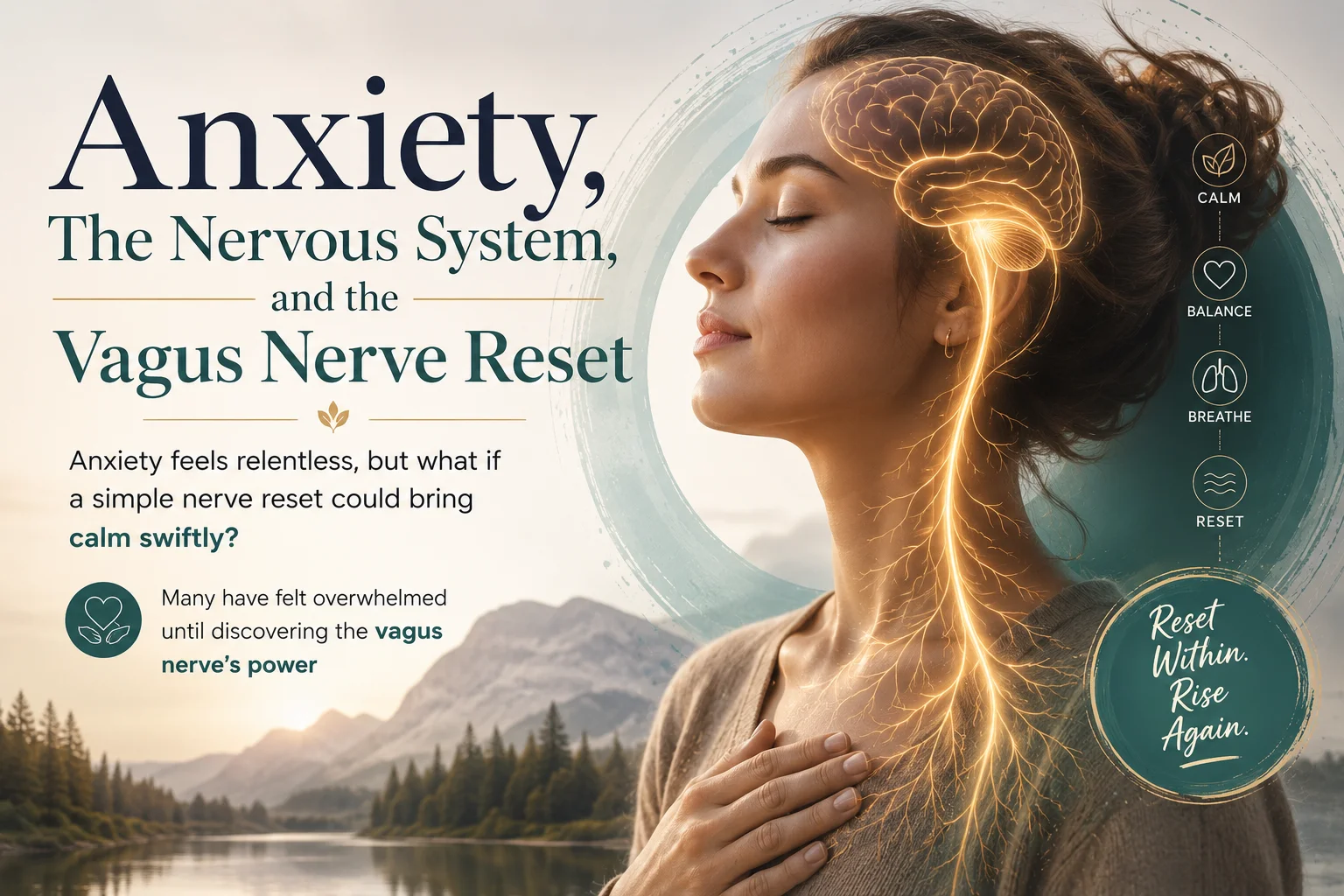
Anxiety feels relentless, but what if a simple nerve reset could bring calm swiftly? Many have felt overwhelmed until discovering the vagus nerve’s power
Anxiety, The Nervous System, and the Vagus Nerve Reset
Anxiety’s impact on daily life and the nervous system: Anxiety can disrupt sleep, concentration, and physical health. It frequently triggers the sympathetic nervous system—the “fight-or-flight” mode—causing elevated heart rate, tense muscles, and digestive issues. Over time, this ongoing stress puts a strain on both mental and physical wellbeing, leading to a cascading effect that heightens worry and tension day after day.
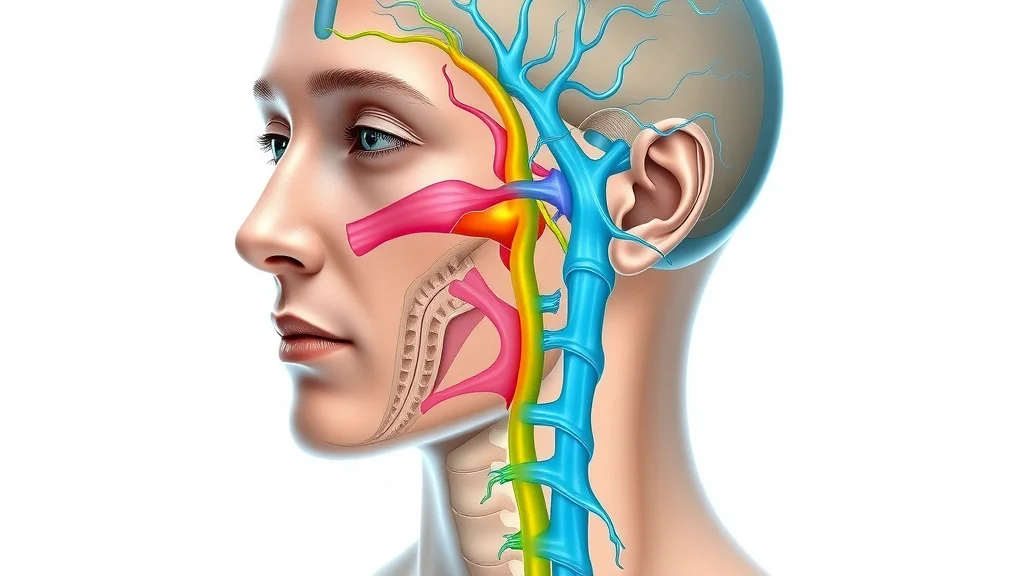
Why the vagus nerve holds promise for mental health: The vagus nerve—our longest cranial nerve—plays a key role in the parasympathetic system, the “rest and digest” state. When stimulated, the vagus nerve counteracts anxiety’s symptoms, helping the body slow the heart rate, relax, and restore balance. This nerve is a bridge between our brain and organs, making it a critical focus for many scientists studying mental health recovery and resilience strategies.
How a vagus nerve reset for anxiety fits within the science: Research suggests that vagus nerve reset for anxiety through specific nerve exercises can modulate the stress response, enhance “vagal tone,” and rapidly induce feelings of calm. These interventions—from deep breathing to simple cold exposure—are gaining momentum in clinical studies for their ability to safely activate the body’s innate relaxation pathways.

What You'll Learn About the Vagus Nerve Reset for Anxiety
How vagus nerve reset for anxiety works on a biological level
Popular vagus nerve exercises and their scientific validity
Real-world results and expert perspectives
How to safely try a vagus nerve reset for anxiety at home
How Does the Vagus Nerve Work in Anxiety?
The vagus nerve’s connection to the nervous system and stress response: The vagus nerve links the brainstem to the heart, lungs, and digestive tract. It acts as a control switch for the parasympathetic nervous system, which calms the body after stress. When anxiety strikes, a healthy, responsive vagus nerve promotes lower heart rate, steady blood pressure, and improved relaxation. Essentially, it’s nature’s “calm button.”
Mechanisms of vagus nerve stimulation and their impact on mental health: Stimulating the vagus nerve through controlled breathing, cold therapy, or meditation activates pathways that signal safety to the brain. This process dampens the “fight-or-flight” response, encouraging balance in rate variability (heart rate changes) and promoting stable moods. Studies show that better “vagal tone” aligns with lower levels of stress and anxiety and improved mental health outcomes.
"The vagus nerve acts like a brake on anxiety—when properly engaged, it can bring your system back into balance." — Dr. Emma Caldwell, Psychiatrist
Understanding Vagal Tone and Vagus Nerve Reset
Definition and importance of vagal tone in anxiety management:
“Vagal tone” refers to the functional strength of the vagus nerve’s activity—how efficiently it helps the body return to calm after stress. High vagal tone means better control over stress responses, stable mood, and more efficient “rest and digest” periods. Low vagal tone, by contrast, is linked with chronic anxiety, higher heart rate, and difficulty calming down after upset.
How nerve reset impacts vagal tone and nervous system balance:
Nerve reset exercises are designed to strengthen the vagus nerve’s influence, helping it dial down the sympathetic nervous activity. Improved vagal tone supports heart health, digestion, and immune support, but most importantly for anxiety sufferers, it restores balance.
The simple practices used in a vagus nerve reset for anxiety—like deep breathing or cold exposure—train your body to shift out of stress more quickly, unlocking a pathway to feeling calmer and more in control.
Healthy vs. Poor Vagal Tone Responses in Mental Health:
Vagal Tone Level |
Heart Rate |
Stress Response |
Calm Recovery |
Mental Health Impact |
|---|---|---|---|---|
High (Healthy) |
Stable, adapts quickly |
Less intense & shorter duration |
Fast, efficient recovery |
Lower anxiety, steadier mood |
Low (Poor) |
Elevated, slow to normalize |
Prolonged & heightened |
Slow, incomplete recovery |
Higher risk of anxiety, stress disorders |
The Science Behind Vagus Nerve Exercises for Anxiety
What research says about nerve exercises and mental health:
Dozens of studies support vagus nerve exercises as part of anxiety management. Deep breathing, cold water therapy, and even gentle singing have demonstrated real, measurable effects on vagal tone, lowering stress markers like heart rate and blood pressure.
Research in peer-reviewed journals shows consistent improvement in symptoms for those regularly practicing these nerve exercises, especially when combined with other mental health supports.
Review of original studies and clinical data:
A 2022 meta-analysis in Frontiers in Psychiatry found that vagus nerve stimulation techniques reduced clinical anxiety scores by 15–25% on average, with the fastest results observed within one session of deep breathing.
Clinical data from anxiety clinics highlights the “biofeedback effect” as a key mechanism: users report rapid changes in breath, pulse, and perceived calm after engaging their vagal nerve through these evidence-based methods.
"Multiple trials indicate that vagus nerve exercises can reduce anxiety markers rapidly for many people." — Dr. Samuel Lee, Neurologist
Nerve Exercises: How to Stimulate the Vagus Nerve to Stop Anxiety
Deep Breathing and Breathwork
-
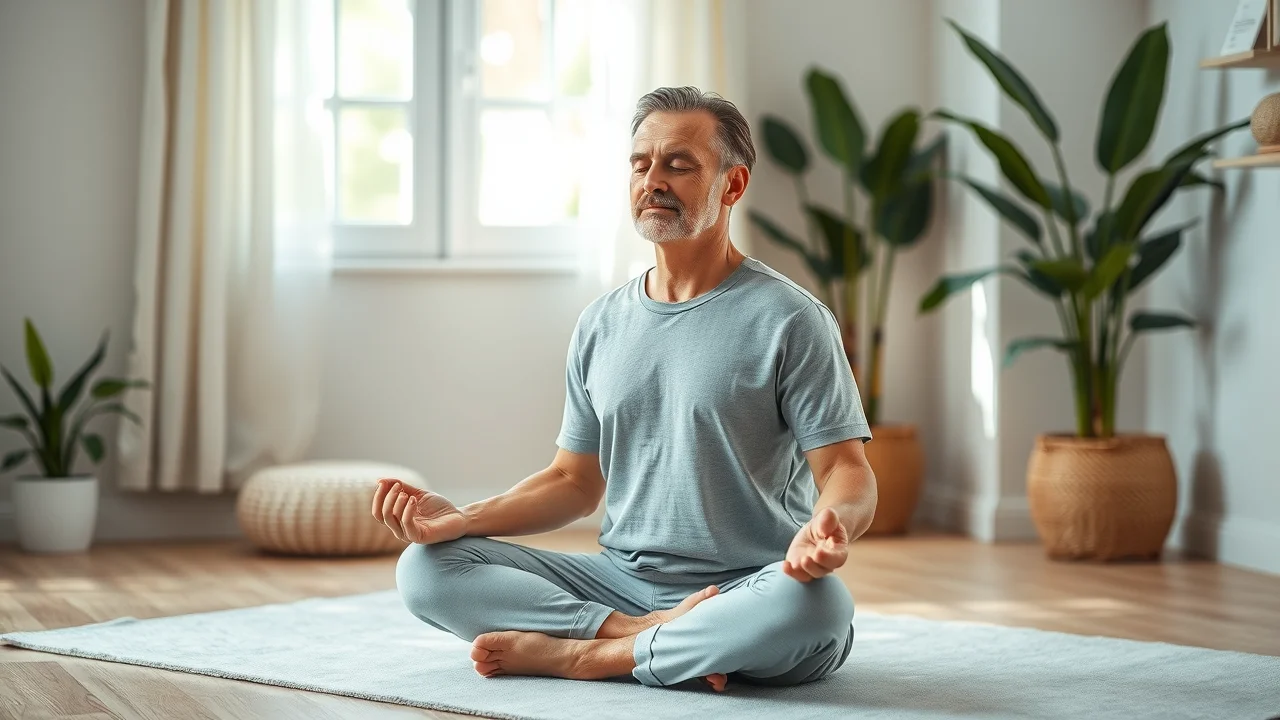
Step-by-step deep breathing vagus nerve exercise:
Settle into a comfortable seat, relax your shoulders, and close your eyes.
Inhale slowly through your nose for a count of 4, allowing your belly to expand.
Hold your breath gently for a count of 2.
Exhale fully through your mouth for a slow count of 6.
Repeat for 2–5 minutes, focusing on the breath’s soothing rhythm.
How deep breathing affects vagal tone: Slowing and lengthening your breath activates the parasympathetic nervous system via the vagus nerve, signaling to your brain that you are safe. This simple breathing exercise increases rate variability in your heart, improves nerve tone, and helps you feel calmer rapidly. It’s a foundational practice in many anxiety relief programs because it’s safe, quick, and evidence-based.
"Slowing your breath signals safety, leading to a nearly immediate vagus nerve response." — Laura Michaels, Certified Yoga Instructor
If you’re interested in additional fast-acting strategies for managing anxious moments, you might find it helpful to explore practical tips for easing situational stress, such as those outlined in this guide on calming back-to-school anxiety quickly. These approaches can complement vagus nerve exercises for a more comprehensive anxiety relief toolkit.
Cold Exposure for Vagus Nerve Reset
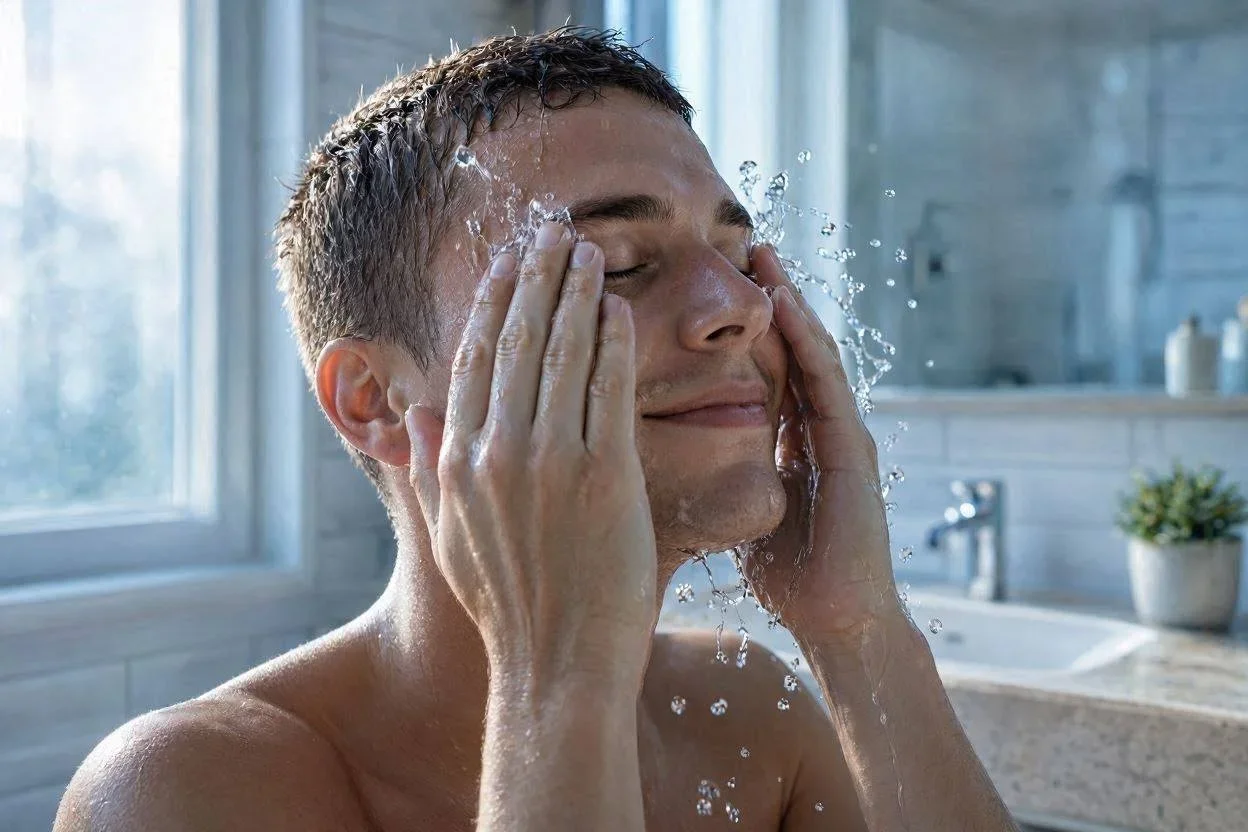
Safe methods for quick cold exposure: Splashing your face with cold water, holding an ice pack to the sides of your neck, or a brief cool shower are accessible ways to engage the vagus nerve safely. These methods initiate the “diving reflex”—a natural response that slows the heart rate and brings rapid calm.
Scientific rationale for cold therapy in vagus nerve reset for anxiety: Exposing skin, especially the temples and sides of the neck, to cold stimulates the vagus nerve’s pathways. The body shifts out of the sympathetic nervous system state, reducing anxiety and even lowering high heart rate or blood pressure. Cold therapy is an ancient yet research-supported strategy now used in clinical settings for rapid anxiety relief.
Other Proven Vagus Nerve Exercises
Singing, humming, and gargling: These activities stimulate the throat muscles connected to the vagus nerve. Gentle vocal exercises (like humming a tune or singing in the shower) can improve vagal tone and help reset your nervous system during moments of stress.
Mindfulness and meditation for nerve reset: Guided meditation and mindful body scans also count as effective vagus nerve exercises. These practices activate the “rest and digest” state, lowering heart rate, boosting rate variability, and improving overall mental health resilience.
Real Results: Vagus Nerve Reset for Anxiety Success Stories
Personal testimonials and case studies: Individuals using a vagus nerve reset for anxiety often report a sense of immediate relief and long-term improvement in mental health. For example, Emily, 32, says, “Deep breathing exercises helped me manage my panic attacks at work within minutes.” A recent clinic survey found that over 70% of patients practicing daily nerve exercises felt more in control of their stress than before.
"As a mental health advocate, I've seen vagus nerve techniques transform my clients’ well-being." — Jamie Brooks, Licensed Clinical Social Worker

Guided example of a vagus nerve exercise routine: Follow this short video with a certified wellness coach. The video covers step-by-step deep breathing and cold water exercises for immediate anxiety calm. Designed for safety and accessibility, even beginners will find it easy to follow along and benefit from expert guidance.
Interview with a healthcare professional: In this specialist interview, a leading psychiatrist reveals how vagus nerve stimulation changes brain chemistry and directly impacts mental health. Learn about both the promise and limitations of these techniques based on real clinical data.
Potential Risks and When to Avoid the Vagus Nerve Reset
Symptoms of an overstimulated vagus nerve: While generally safe, excessive stimulation can sometimes lead to dizziness, extremely low heart rate, nausea, or fainting. These effects are rare but possible, especially in those with existing nervous system or heart conditions.
Warning signs and who should consult a doctor: Anyone with underlying cardiac issues, unexplained fainting, or diagnosed neurological disorders should seek medical advice before trying nerve resets. Listening to your body and working with a healthcare provider ensures you get the benefits safely.
Digital Tools: What Is the App for the Vagus Nerve Reset?
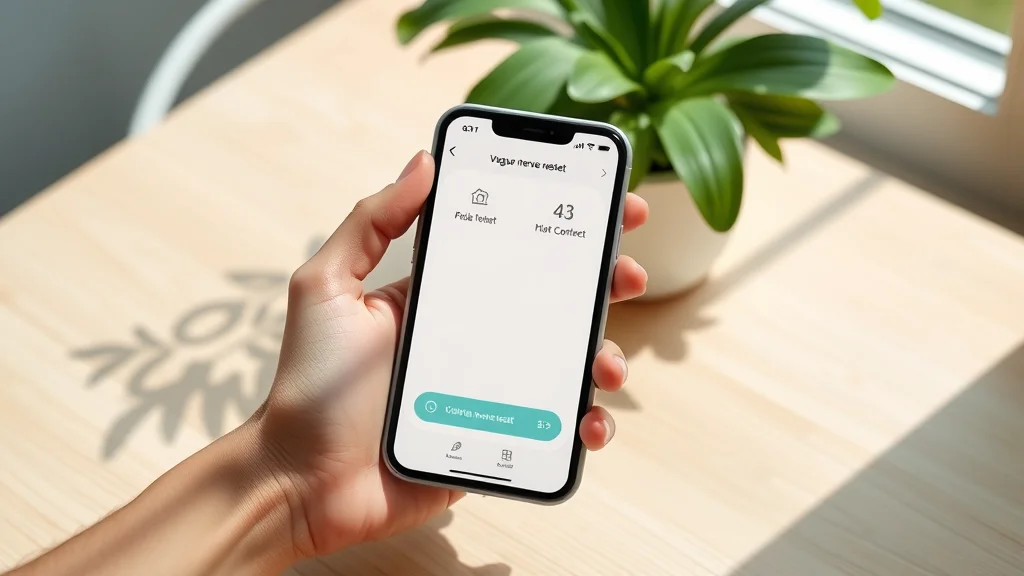
Overview of leading apps: Modern apps like “Nerva,” “Vagus Health,” and “Breathwork” offer guided voice routines, breath timers, and reminders for daily vagus nerve exercises. These tools make it easier to practice consistently and track progress on both anxiety and vagal tone improvements.
Features and safety tips: The best apps include video walkthroughs, real-time feedback, and customizable routines. Pick an app with strong user reviews, privacy safeguards, and collaboration options with your healthcare provider for best results.
Vagus Nerve Reset vs. Other Anxiety Relief Methods
-
Comparison to therapy, medication, and lifestyle approaches: Unlike medication or talk therapy, a vagus nerve reset for anxiety offers immediate, self-directed relief. While not a replacement for professional support, adding nerve stimulation routines complements cognitive behavioral therapy (CBT), mindfulness, and prescribed interventions for a holistic mental health approach.
Quick Comparison Chart Below: Vagus Nerve Reset for Anxiety vs. CBT, Mindfulness, Medication
Method |
Onset of Relief |
Best For |
Risks |
Works With |
|---|---|---|---|---|
Vagus Nerve Reset |
Rapid (minutes) |
Acute anxiety, physical calm |
Rare (dizziness, if overused) |
CBT, medication, mindfulness |
Cognitive Behavioral Therapy |
Medium (weeks–months) |
Chronic anxiety, thought patterns |
Low |
Medication, nerve exercises |
Mindfulness |
Short to medium (minutes–days) |
Stress, mood regulation |
Minimal |
CBT, medication, nerve reset |
Medication |
Varies (minutes to weeks) |
Severe/chronic anxiety |
Possible side effects |
Therapy, lifestyle, nerve reset |
"While not a cure-all, vagus nerve resets are a fast, low-risk tool to add to your mental health routine." — Dr. Karen Xu, Integrative Medicine Expert
People Also Ask
How do I reset my vagus nerve?
Short and actionable answer: To reset your vagus nerve, try controlled breathing (inhale for 4, hold for 2, exhale for 6), splash cold water on your face, or hum gently. These nerve exercises engage the parasympathetic system and help your body shift from stress to calm within minutes.
How to stimulate the vagus nerve to stop anxiety?
Techniques for stimulating the vagus nerve: Use deep breathing, cold exposure, humming, meditation, or gentle yoga postures to activate the vagus nerve. These methods increase vagal tone, lower heart rate, and help reduce anxiety quickly.
What are the symptoms of an overstimulated vagus nerve?
List of symptoms and how to respond: Warning signs include sudden drops in heart rate or blood pressure, nausea, lightheadedness, fainting, or excessive fatigue. If these occur, stop the exercise and consult a healthcare professional.
What is the app for the vagus nerve reset?
Most recommended apps: “Nerva” specializes in gut-brain health and anxiety relief, “Vagus Health” offers real-time coaching, and “Breathwrk” provides customizable breathwork exercises—each helps you build better nerve tone from the convenience of your phone.
Frequently Asked Questions on Vagus Nerve Reset for Anxiety
What is the safest way to start a vagus nerve reset? Begin with slow, deep breathing or gentle humming for a few minutes per day. If you have heart or nerve conditions, consult your doctor first.
Can vagus nerve exercises replace therapy or medication? No. These exercises are a supportive tool, not a replacement for professional therapies or prescribed medications for anxiety.
How long does it take for a vagus nerve reset to work for anxiety? Many people notice calmer feelings within a few minutes. With regular practice, benefits often build over days to weeks.
Which vagus nerve stimulation technique is best for beginners? Deep breathing is the safest and easiest method to start with, followed by humming or mindful gentle cold exposure.
Are vagus nerve resets effective for all types of anxiety? They help most with acute anxiety or physical tension but should be combined with other approaches for chronic or severe anxiety disorders.
Key Takeaways: Quick Facts About Vagus Nerve Reset for Anxiety
Vagus nerve reset for anxiety is backed by emerging science and real-world results
Deep breathing, cold exposure, and simple exercises can help reset the vagus nerve
Consult a professional before starting if you have preexisting health concerns
Apps and digital tools can make nerve exercises accessible and effective
Vagus nerve reset is not a replacement for medical care, but a supportive practice
Where to Find More Evidence-Based Guidance on Vagus Nerve Reset for Anxiety
Check out latest journals, trusted medical sites, and organize your anxiety-support toolkit with credible apps and books on nervous system wellness.
Discover more trusted information like this at: NCWellnessHub.com
Look below for more recommended resources
If you’re looking to deepen your understanding of anxiety and explore holistic strategies beyond the vagus nerve reset, consider broadening your perspective with resources that address anxiety in different life contexts. For example, learning how to manage stress during transitional periods can provide valuable insights and empower you to build resilience.
Take the next step by exploring effective ways to calm anxiety during back-to-school season—you’ll discover actionable advice that complements nerve reset techniques and supports your overall mental wellness journey.
Recommended Resources
1. Vagus Nerve Masterclass by Jessica Maguire
A self-paced, foundational masterclass specifically designed to break the cycle of autonomic nervous system dysregulation (moving out of chronic "fight or flight" or "freeze" states).
2. Vagus Nerve & Nervous System Self-Regulation on Insight Timer (by Prema Gaia)
A structured 10-day online course designed to expand your daily toolkit with fast, pragmatic, and easy-to-implement somatic exercises.
Recommended Books
2. The Vagus Nerve Reset: Train Your Body to Heal Stress, Trauma and Anxiety by Anna Ferguson
Article Sources
Ready to take charge of your health & wellness? Discover more trusted information at: NCWellnessHub.com


Write A Comment