



Embracing heart healthy dinner recipes is more than following a diet—it's an invitation to express love, care, and the desire for longevity with someone you cherish. Whether it’s Valentine’s Day, an anniversary, or a simple Tuesday night, preparing nutritious meals can transform how we connect.
"Nothing brings people closer than sharing a meal, especially when it nourishes the heart and soul. Let’s cook to connect and thrive together."
The playful chopping of vegetables, the aroma of fresh herbs, and the warmth that fills the kitchen set the stage for both culinary creativity and lasting memories. In this comprehensive guide, you'll discover how the foods you choose together can nurture your hearts, your health, and your relationship.
What You'll Learn From These Heart Healthy Dinner Recipes
How to choose ingredients for optimal heart health
Why heart healthy dinner recipes can strengthen relationships
Tips from the American Heart Association, Baylor Scott, and leading cardiologists
Recipes that lower blood pressure and support cardiovascular health
Easy heart-friendly swaps for classic favorite meals

The Importance of Heart Healthy Dinner Recipes for a Loving Lifestyle
Cooking with heart healthy dinner recipes isn’t just about reducing saturated fat or watching mg of sodium—it’s about establishing a lifestyle that supports both your well-being and the connections that matter most. Research from the American Heart Association and Baylor Scott consistently shows that shared mealtimes lead to improved nutrition, lower stress, and a greater sense of partnership.
This is especially significant for couples managing a heart condition or aiming to prevent heart disease together. By making deliberate choices in the kitchen, you foster habits that benefit both heart health and relationship health, creating moments of joy, laughter, and meaningful conversation over meals that truly nourish.
Sharing these experiences sets a foundation for longevity and quality of life. As you master new recipes or experiment with heart-friendly ingredient swaps, you build memories and traditions. This time together encourages accountability—if one partner forgets to add fresh green onions or measure olive oil accurately, the other can offer gentle reminders.
These small acts are the building blocks of trust, care, and mutual commitment. The heart and vascular care professionals at Baylor Scott remind us that every step, no matter how small, contributes to a lifetime of wellness and connection, especially when your meals are designed with both love and health in mind.
While focusing on heart-healthy meals at home is essential, it's also important to consider how your daily routines outside the kitchen impact cardiovascular wellness. If you're interested in practical ways to support your heart health throughout the workday, explore these simple strategies for making your job healthier and protecting your heart—a helpful complement to your efforts in the kitchen.

Heart Health: Sharing Meals, Sharing Longevity
Studies referenced by the American Heart Association confirm that couples who regularly enjoy heart healthy dinner recipes together are more likely to maintain healthy blood pressure and cholesterol levels. When you sit down as a pair, distraction-free, your dinner becomes an act of self-care for every individual at the table.
The ritual of passing dishes, pouring water, or commenting on flavors encourages mindful eating, which benefits digestive and heart health. Beyond nutrients, these interactions reinforce emotional bonds and positive habits. The joy of a multi-generational family dinner, filled with lively conversation and delicious yet healthful options, sets a powerful example for all.
In environments where heart disease is a concern, such as families with a history or existing diagnosis, shared meals offer a safe space to practice new dietary habits and keep spirits high. If you’re living with a heart condition, adopting this lifestyle can make a significant difference.
The American Heart Association reports that simple changes—like increasing fiber, swapping white health staples for whole grains, or using heart-healthy fats—help reduce risks over time. By bringing love and intention to cooking, you add another layer of care, one that supports both emotional wellness and cardiovascular strength.

Guidance from the American Heart Association and Baylor Scott for Healthy Recipes
The American Heart Association and health systems like Baylor Scott offer actionable guidelines for creating healthy recipes that are both delicious and beneficial for heart health. They advocate incorporating more plant-based foods, lean proteins, and healthy fats such as olive oil instead of butter. Monitoring mg of sodium, reading labels, and removing excess saturated fat can make a substantial difference in blood pressure and cholesterol profiles.
Both organizations emphasize making heart healthy dinners a family affair—preparing, cooking, and enjoying food together enhances habit formation and increases the chances of long-term adherence.
For individuals with specific health needs, such as those under the care of primary care doctors or cardiovascular specialists, following these expert-backed recommendations ensures both safety and satisfaction. The services that Baylor Scott provide, alongside the educational resources from the heart association, empower couples and families to make smarter choices, add creative touches (like flavored vinegars or home-grown herbs), and have fun along the way. Adopting this dynamic shift in how meals are built and shared transforms the dinner table into a launching point for a healthier, happier future together.
Essential Ingredients for Heart Healthy Dinner Recipes
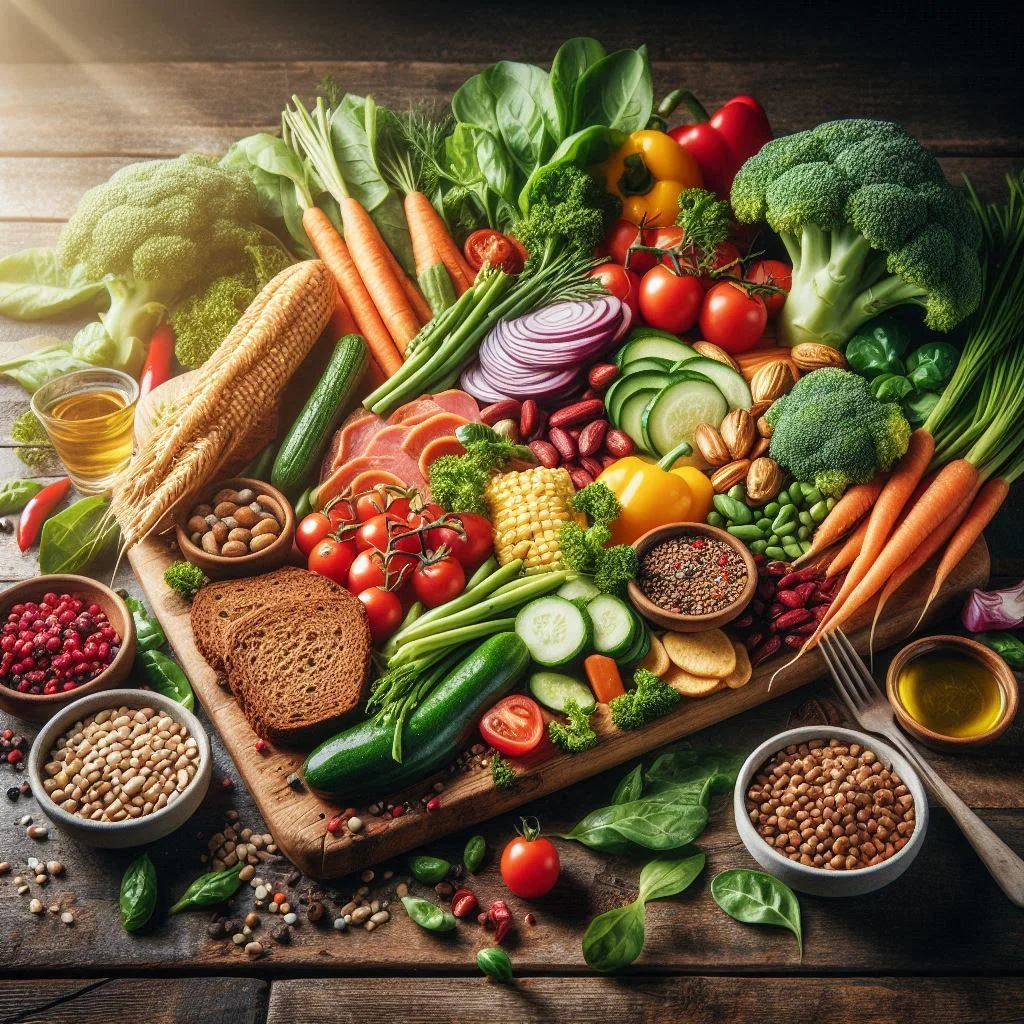
The best heart healthy dinner recipes start with carefully selected ingredients. Swapping out processed and high-sodium items for more natural, nutrient-rich foods can lower your risk of heart disease and support the management of existing heart conditions. According to guidance from vascular care and cardiology experts, choices like whole grains instead of refined grains, lean proteins rather than fatty cuts, and olive oil as the primary fat source are foundational.
Incorporating a rainbow of colorful fruits and vegetables also boosts your intake of antioxidants and fiber, both critical for maintaining a healthy cardiovascular system. These small adjustments not only support your heart but make meals more vibrant and delicious.
The impact on your health is profound. Reducing saturated fat, adding more green onions, and using egg substitute where applicable are just a few examples of simple but effective swaps. These changes, championed by the American Heart Association and medical professionals at Baylor Scott, can lead to meaningful improvements in blood pressure, cholesterol, and overall vitality. By focusing on these ingredients, you empower yourself and your partner to thrive—one balanced, colorful meal at a time.
Table: Heart-Healthy Ingredient Swaps
Traditional Ingredient |
Heart-Healthy Swap |
Benefit for Heart Health & Blood Pressure |
|---|---|---|
Butter |
Olive Oil |
Reduces saturated fat, helps lower cholesterol |
Refined Grains (white rice, pasta) |
Whole Grains (brown rice, quinoa) |
Increases fiber, stabilizes blood sugar, promotes fullness |
Red Meat |
Skinless Chicken, Fish, or Plant Proteins |
Reduces saturated fat, supports vascular health |
Full-Fat Dairy |
Low-Fat or Dairy Alternatives |
Lowers saturated fat intake, supports heart health |
Salt |
Herbs & Spices, Lemon Juice |
Reduces sodium, helps control blood pressure |
Romantic and Nourishing Heart Healthy Dinner Recipes to Make Together
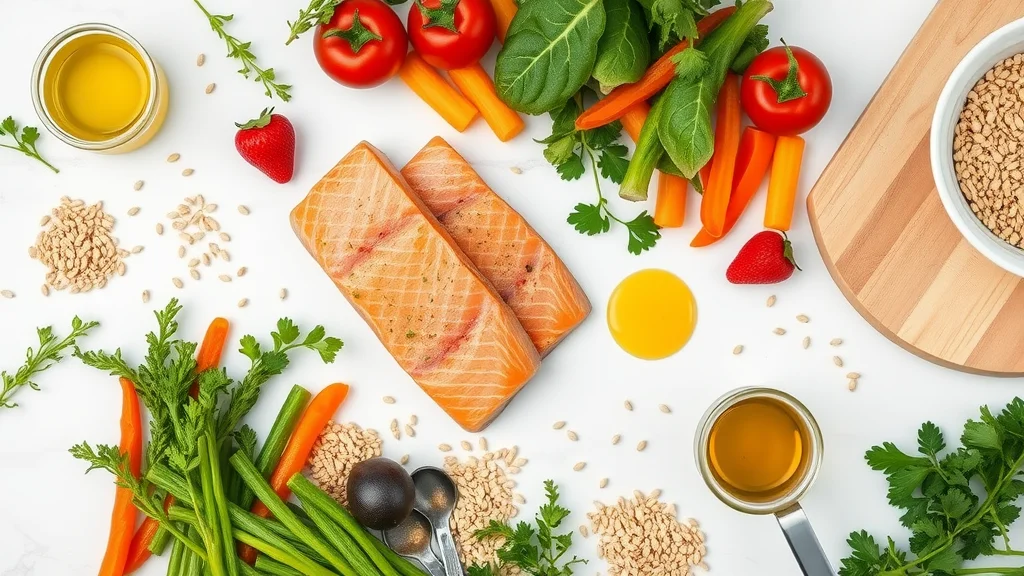
Cooking together is a powerful way to connect—and heart healthy dinner recipes make these moments even more meaningful and delicious. The following meal ideas are designed with fresh, wholesome ingredients and plenty of flavor.
Each recipe incorporates low mg of sodium, healthy oils, and plenty of colorful produce as recommended by the American Heart Association, Baylor Scott, and medical professionals specializing in heart and vascular care. Whether it’s a cozy date night at home or a daily ritual, these dishes are as good for your relationship as they are for your heart.
Grilled salmon with quinoa and roasted vegetables
Stuffed bell peppers with lean turkey and brown rice
Whole wheat pasta primavera
Baked chicken breast with garlic and spinach
Lentil and vegetable stew
Each of these recipes brings together balanced nutrition, bold flavors, and opportunities for teamwork. For example, preparing whole wheat pasta primavera is a chance to chop and sauté vegetables side-by-side, while grilling salmon invites conversation during marination and plating.
Sharing responsibility for prepping, tasting, and serving ensures the process is collaborative and filled with connection. These healthy recipes show that a heart-focused meal plan doesn’t mean sacrificing taste or enjoyment. Instead, it amplifies the pleasure and purpose behind dinner for two.
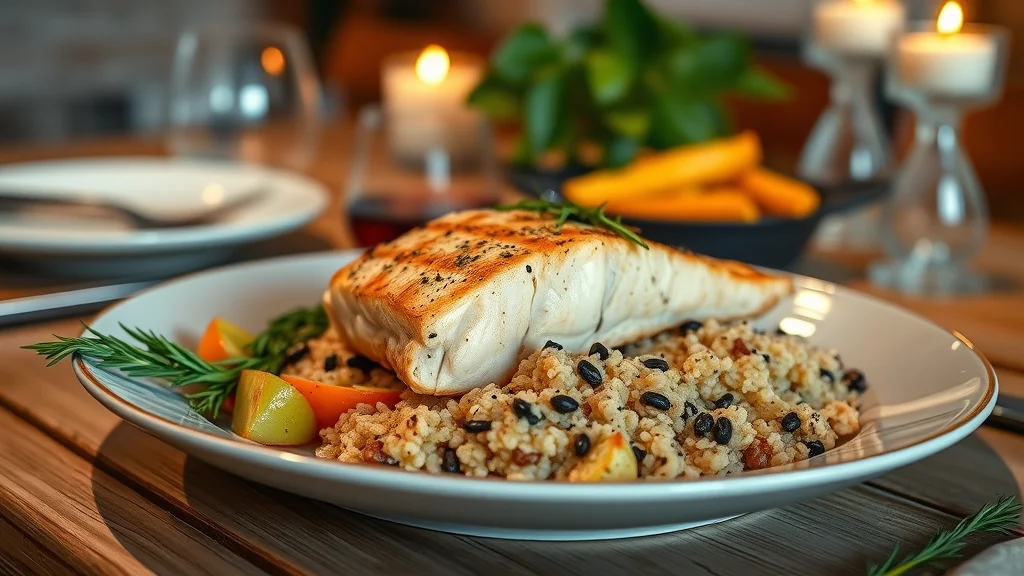
For those who learn visually or prefer a guided approach, a step-by-step video can be invaluable. This demonstration walks you through selecting ingredients, mastering heart healthy swaps, and using simple cooking techniques to maximize flavor and nutrition. Watch as each stage—from prepping vegetables to final plating—turns your kitchen into a classroom and your table into a celebration.
Clear directions, cheerful music, and a bright atmosphere make the process as enjoyable as the meal itself. Following along together fosters teamwork, shared achievement, and a little bit of fun competition over who can dice the green onions the fastest!
People Also Ask
What is the best dinner for a heart patient?
The best dinner for a heart patient is one that is rich in lean protein (like grilled fish or skinless chicken), whole grains (such as brown rice or quinoa), and a variety of vegetables. Meals should be low in saturated fat and sodium, as recommended by the American Heart Association and vascular care experts.
Flavor meals with herbs and spices instead of salt, and use heart-healthy oils like olive oil in place of butter. Dishes such as baked salmon with steamed vegetables or a lentil and vegetable stew are excellent examples, approved by cardiologists and primary care doctors alike.
What are considered heart-healthy meals?
Heart-healthy meals prioritize fresh ingredients, focusing on vegetables, whole grains, lean proteins, and healthy fats. Meals that limit processed foods, added sugars, and excess salt are ideal. For instance, a whole wheat pasta primavera loaded with fresh tomatoes, green onions, and leafy spinach is a perfect example.
According to both Baylor Scott and the American Heart Association, a heart-healthy plate should be brightly colored, with a balance of nutrients that support lower blood pressure and cholesterol. Replacing red meat with fish or plant-based proteins often makes meals even healthier.
What is the one snack cardiologists want you to eat for a healthier heart?
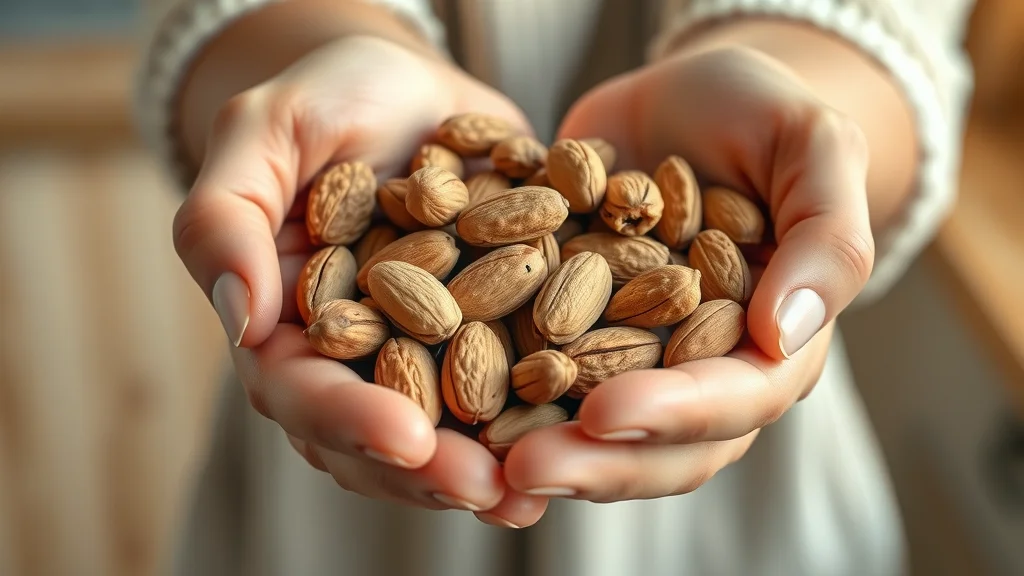
Many cardiologists recommend a snack of unsalted nuts—particularly almonds and walnuts—for a healthier heart. These nuts are rich in unsaturated fats, fiber, and omega-3 fatty acids, which may help reduce cholesterol and improve overall vascular health.
Consuming nuts in moderation, as supported by medical professionals at Baylor Scott, can also help manage blood pressure and provide sustained energy between meals. Remember to stick to small handfuls and opt for raw or dry-roasted varieties without added salt to maximize heart benefits without excess sodium.
What diet do most cardiologists recommend?
Most cardiologists advocate dietary patterns similar to the Mediterranean diet, emphasizing fruits, vegetables, whole grains, fish, olive oil, and nuts. The American Heart Association mirrors this advice and suggests limiting processed foods, red meats, and foods high in saturated fat.
The goal is to prioritize minimally processed foods rich in antioxidants, omega-3s, and fiber. This approach reduces heart disease risk and supports optimal blood pressure. It’s not just a diet but a framework for a long, vibrant life—especially when these meals are shared.
Tips for Creating Connection in the Kitchen with Heart Healthy Dinner Recipes
Making dinner is an act of care—and when you collaborate, you open the door for laughter, learning, and teamwork. Involving your partner in meal prep strengthens bonds and transforms everyday routines into special opportunities for connection. Try alternating tasks, like washing produce or setting the table with intention. Sharing stories or creating a playlist can make cooking even more memorable and enjoyable.
Don’t be afraid to experiment with new heart healthy swaps—turn mistakes into learning moments and celebrate your successes together. This spirit of collaboration benefits not just your relationship, but your shared heart health journey as well.
Cook together and involve your partner in fun kitchen tasks
Experiment with heart healthy ingredient swaps
Set the table with intention—enjoy the moment
Share stories or playlist during cooking

Heart Healthy Dinner Recipes: Key Takeaways for Couples
Heart healthy dinner recipes foster connection and wellness
Small ingredient changes yield big benefits for heart health and blood pressure
Collaborative cooking makes meal times more meaningful
FAQs: Heart Healthy Dinner Recipes for Every Couple
Can heart healthy dinner recipes improve blood pressure?
Yes! By replacing high-sodium ingredients with herbs and spices, using whole grains in place of refined options, and prioritizing vegetables and lean proteins, heart healthy dinners have a measurable effect on blood pressure. The American Heart Association and Baylor Scott both highlight the role of diet in managing hypertension and improving cardiovascular outcomes.What are quick heart healthy dinner recipes for weeknights?
Some of the fastest include grilled salmon with pre-cooked quinoa and steamed vegetables, or whole wheat pasta tossed with cherry tomatoes, spinach, and olive oil. These meals require less than 30 minutes and deliver both flavor and heart health benefits. Utilize pre-chopped produce or frozen veggies for extra convenience.Are plant-based heart healthy recipes effective?
Absolutely! Plant-based dinners—such as lentil stews, veggie-packed stir-fries, or stuffed bell peppers—are rich in fiber, antioxidants, and minerals that support optimal heart function. Medical professionals emphasize that even a few plant-based meals per week can contribute to lower blood pressure and reduced heart disease risk.
Get inspired with a video collection of romantic, heart healthy dinners! Discover meals perfect for Valentine’s Day or any night you want to celebrate your love—showcasing ingredients, simple techniques, and presentation tips to create truly memorable shared meals.

Conclusion
Cooking heart healthy dinner recipes together is more than a habit—it's a celebration of love, health, and the moments that matter. Start your journey now for a healthier, happier life together.
As you continue to prioritize heart health in your home, remember that every small change—whether in the kitchen or beyond—can have a lasting impact on your well-being. If you’re curious about how reducing sugar intake can further support your cardiovascular goals and overall vitality, discover what really happens when you quit sugar and how your body responds in positive ways by visiting this in-depth guide to life after sugar.
Expanding your knowledge and making mindful choices empowers you and your loved ones to thrive together, one healthy habit at a time. NCWellnessHub.com
Sources:
Baylor Scott & White Health – https://www.bswhealth.com/specialties/heart-and-vascular-care
CDC: Heart Disease Prevention – https://www.cdc.gov/heartdisease/prevention.htm
To further enhance your journey toward heart-healthy cooking, consider exploring these valuable resources:
The American Heart Association’s “Quick. Easy. Healthy. Recipes for real life.” collection offers a curated selection of quick-and-easy, heart-healthy recipes designed to fit your busy lifestyle. (recipes.heart.org)
The American Diabetes Association’s “Heart Healthy” recipe collection provides a variety of dishes designed to keep your diabetes in check while promoting heart health. (diabetesfoodhub.org)
Good food, good company, and a happy heart. Check out these guides to turn your next dinner into a healthful experience that tastes as good as it feels. NCWellnessHub.com




Write A Comment