


Did you know cardiac ablation offers up to an 80% success rate in treating atrial fibrillation, providing renewed hope for lasting relief? Understanding this procedure could transform your approach to managing heart rhythm issues and improve your quality of life.
In this comprehensive guide, you’ll explore how cardiac ablation for atrial fibrillation restores normal heart rhythm, what the procedure involves, who qualifies, and what outcomes you can realistically expect.

Whether you or a loved one face persistent symptoms, this article is your roadmap to informed decisions and meaningful conversations with your care provider.
Unlocking Relief: How Cardiac Ablation for Atrial Fibrillation Improves Quality of Life
Atrial fibrillation is a common heart rhythm disorder that can drain energy, trigger palpitations, cause chest pain, and increase the risk of dangerous blood clots. As symptoms worsen or fail to respond to medication, people often feel trapped by fatigue, anxiety, and activity restrictions.
For many, cardiac ablation for atrial fibrillation offers a way out. This minimally invasive procedure is designed to restore the heart’s normal electrical pattern, aiming to reduce symptoms, prevent complications, and dramatically enhance the quality of life for patients struggling with both paroxysmal (occasional) and persistent atrial fibrillation.
Modern advances—in both catheter ablation and pulsed field ablation—provide higher success rates with fewer side effects. Data suggests that up to 80% of patients with paroxysmal AFib and 60–70% with persistent AFib achieve long-term normal heart rhythm after ablation.
Patients often report more energy, less shortness of breath, and the ability to enjoy favorite activities again. With risks carefully managed by skilled teams, ablation is now a mainstay in the treatment of serious heart rhythm disturbances, delivering hope and optimism to millions.

"Cardiac ablation has revolutionized our approach to atrial fibrillation, offering transformative results for patients struggling with persistent symptoms." – Dr. Rebecca Lin, Cardiologist
What You’ll Learn About Cardiac Ablation for Atrial Fibrillation
Definition and overview of cardiac ablation for atrial fibrillation
How catheter ablation and pulsed field ablation differ
Candidacy, risks, and benefits
Step-by-step details on the ablation procedure
Recovery timeline and expected quality of life improvements
Expert perspectives and current research
Understanding Atrial Fibrillation and Heart Rhythm Disorders
What Is Atrial Fibrillation?
Atrial fibrillation, often called AFib, is an abnormal heart rhythm that arises from irregular electrical impulses in the heart's upper chambers (atria). Instead of the steady beat controlled by the heart’s natural electrical impulse system, the atria quiver or beat chaotically. This can cause a rapid or irregular heart rate, palpitations, fatigue, dizziness, and sometimes dangerous complications like blood clots or heart failure.
AFib isn’t just an inconvenience—it’s a potentially serious condition that can diminish energy, disrupt daily life, and raise the risk of stroke if not properly controlled. The difference between paroxysmal and persistent atrial fibrillation matters. In paroxysmal AFib, irregular episodes come and go. Persistent AFib lasts longer and may resist conventional treatments such as medication or simple lifestyle adjustments.
Normal Heart Rhythm vs. Atrial Fibrillation
A normal heart rhythm, called sinus rhythm, is steady and well-orchestrated. Each heartbeat starts in the right atrium’s sinus node and travels through the left atrium and ventricles, leading to a coordinated contraction. But in atrial fibrillation, multiple rogue electrical impulses race chaotically through the upper chambers, especially near the pulmonary veins. This storm of activity causes the atria to fibrillate rather than contract smoothly—so blood flow and heart function both suffer. The result: confusion between normal electrical signals and abnormal electrical patterns, leading to the symptoms patients live with every day.
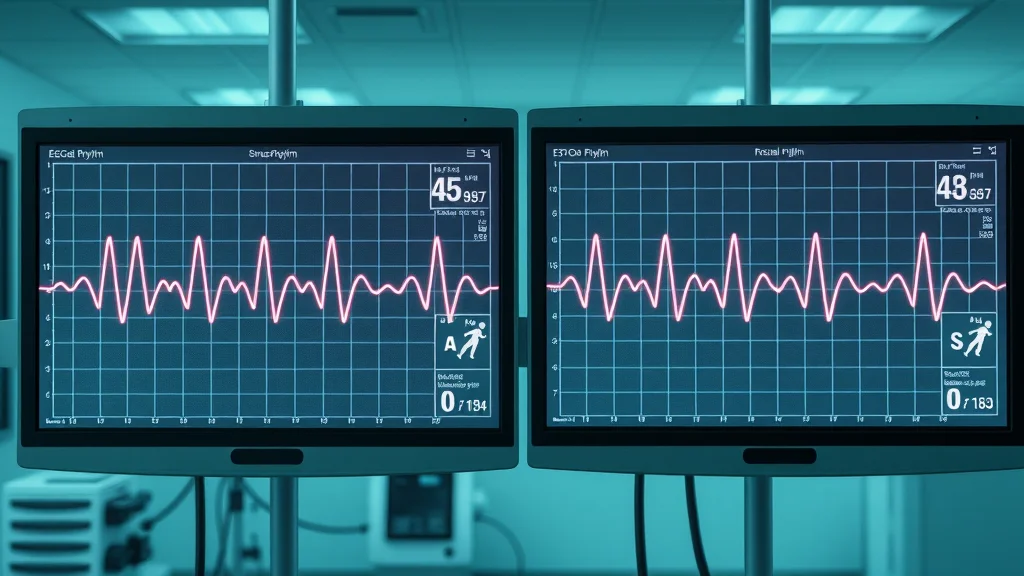
Causes and Risk Factors for Persistent Atrial Fibrillation
Persistent atrial fibrillation can develop for multiple reasons. Common triggers include high blood pressure, underlying heart failure, valve problems, sleep apnea, or excessive alcohol use. People with diabetes, obesity, or a family history of AFib are also at higher risk. Sometimes, even athletes who push their heart rate to extremes develop AFib over time.
Structural heart changes, especially in the area around the pulmonary veins and within the left atrium, make the heart more prone to erratic rhythms. If left untreated, persistent AFib persists despite attempts to restore normal heart rhythm with medicine or short electrical shocks.
"Patients often underestimate how much restoring a normal heart rhythm can enhance everyday activities and overall health." – Dr. Sara McConnell, Electrophysiologist
Cardiac Ablation for Atrial Fibrillation: The Basics
How Cardiac Ablation for Atrial Fibrillation Works
Cardiac ablation for atrial fibrillation is a targeted procedure to treat the abnormal heart rhythm at its electrical source. The goal is to destroy or “ablate” the areas in the left atrium around the pulmonary veins that create erratic electrical impulses. By creating tiny scars with heat, cold, or electrical energy, ablation blocks the faulty signals so the heart can return to its natural rhythm.
This ablation procedure doesn’t involve surgical incisions: most cases use thin tubes (catheters) inserted through a blood vessel in the groin or wrist. Cardiac ablation is considered a minimally invasive procedure with careful monitoring throughout for optimal safety and precision.
By targeting these problematic spots, especially at the junctions between the pulmonary veins and the left atrium, the ablation restores normal timing and reduces the likelihood of further AFib episodes. For many who haven’t responded to medications—or who experience side effects—ablation offers a chance at a life with fewer symptoms and a stronger sense of well-being.
Catheter Ablation: Procedure and Technology
Catheter ablation is the most widely used and proven approach for treating AFib. Guided by imaging, the cardiologist threads fine, flexible tubes through a blood vessel until they reach the heart’s upper chambers. Specialized tools then deliver either heat (radiofrequency ablation) or extreme cold (cryoablation) to create micro-scars at trouble spots. This process disrupts abnormal electrical signals around the pulmonary veins or other triggers in the left atrium.
The precision of the catheter ablation procedure reduces collateral damage—meaning healthy heart tissue is preserved. Most patients remain comfortable thanks to sedation, and risks are low when done by experienced electrophysiologists. Imaging and mapping systems help doctors pinpoint exactly where to ablate, offering the possibility of restored normal heart rhythm and lasting symptom relief.
For a deeper understanding of what patients experience before, during, and after a cardiac procedure, you may find it helpful to explore real-world perspectives on the patient journey through surgery and recovery. These insights can provide valuable context as you consider your own options for atrial fibrillation treatment.

Pulsed Field and Radiofrequency Ablation: Advanced Techniques
Recent innovations have enhanced safety and success rates for cardiac ablation for atrial fibrillation. Pulmonary vein isolation remains the cornerstone, but two advanced techniques stand out. Radiofrequency ablation uses electrical energy to heat heart tissue and block abnormal heart rhythm sources. Pulsed field ablation, a newer “non-thermal” technology, uses short, high-voltage pulses to specifically disrupt heart cells without generating heat. Field ablation methods like these target only what’s necessary, sparing nearby structures and lowering risk.
Ongoing research shows pulsed field techniques may minimize collateral tissue injury and speed recovery compared to traditional radiofrequency ablation. This is crucial for patients who need a safe, quick, and effective way to reclaim an active life.
Comparison of Cardiac Ablation Techniques (Catheter, Pulsed Field, Radiofrequency)
Technique |
Energy Source |
Main Target Area |
Advantages |
Potential Side Effects |
|---|---|---|---|---|
Catheter Ablation |
Heat (Radiofrequency) or Cold (Cryoablation) |
Pulmonary veins/Left atrium |
Well-studied, effective for paroxysmal and persistent AFib |
Minor bleeding, bruising, rare major complications |
Pulsed Field Ablation |
Non-thermal electric field |
Pulmonary veins/Left atrium |
Low collateral damage, rapid energy delivery, fewer nerve side effects |
Still new, long-term data pending |
Radiofrequency Ablation |
Radiofrequency current (heat) |
Pulmonary veins/Left atrium |
Precise, widely available, good long-term data |
Potential for tissue injury, rare esophageal injury |
Am I a Candidate for Cardiac Ablation for Atrial Fibrillation?
Who Should Consider Catheter Ablation?
Catheter ablation is recommended for a range of people with atrial fibrillation. The best candidates include those whose symptoms aren’t controlled by medication or who experience significant side effects from drugs. Ablation is especially effective in younger patients and those with paroxysmal (intermittent) AFib. However, it’s also a strong option for individuals with persistent atrial fibrillation who have not improved after attempts to restore normal heart rhythm by other means.
If you have ongoing fatigue, frequent palpitations, breathlessness, or are unable to enjoy usual activities due to symptoms, your care provider may recommend ablation to avoid long-term heart failure and stroke. Ultimately, candidacy depends on the underlying cause of your AFib, heart structure, comorbidities, and previous therapies. Consulting a healthcare provider who specializes in heart rhythm disorders is the first step.

Considerations for Persistent and Paroxysmal Atrial Fibrillation
Distinguishing between paroxysmal and persistent atrial fibrillation helps set expectations for success. Paroxysmal AFib, which comes and goes, typically has higher ablation success rates and may require fewer procedures. Persistent atrial fibrillation lasts longer and may be harder to treat, sometimes needing multiple ablations or additional medications even after initial success. Risk factors like underlying structural heart disease, left atrial enlargement, or long-standing abnormal rhythms make the decision more complex.
Your care provider will assess your health history, how long you’ve had AFib, prior therapies, and overall heart rhythm status. Those with uncontrolled symptoms, intolerance to medication, or a high stroke risk can benefit greatly from a consultation at a cardiac electrophysiology center.
Evaluation by Your Healthcare Provider or Care Provider
An experienced healthcare provider is crucial in determining your suitability for ablation. They’ll order imaging, stress tests, and possibly blood work to look for underlying heart failure, evaluate upper chambers and left atrium size, and screen for conditions like sleep apnea or thyroid issues. Open communication with your care provider ensures a tailored approach focused on your goals and minimizing complications.
You should discuss expectations, recovery time, risks, and realistic outcomes during your consultation. Once determined to be a candidate, you’ll get a full ablation procedure plan that fits your health needs and lifestyle.
The Cardiac Ablation for Atrial Fibrillation Procedure: Step-by-Step
Pre-Procedure Preparation and Safety
Before your ablation procedure, your team will ensure you’re medically optimized and fully informed. You’ll receive step-by-step guidance about medication adjustments, fasting before the procedure, and what to bring for your hospital stay. Your care team may ask about allergies, prior reactions to anesthesia, or changes in medication. Blood work and possibly imaging will confirm there are no other cardiac or pulmonary issues to address.
Preparing for a catheter ablation is about safety and comfort. Most importantly, you’ll have a chance to ask questions and voice concerns so you arrive feeling confident and prepared. Many centers will also provide educational materials or videos to help set your expectations and allay anxiety.

What Happens During Cardiac Ablation for Atrial Fibrillation?
During a catheter ablation procedure, you’ll be sedated and may receive general or conscious anesthesia depending on your healthcare provider’s assessment. A thin catheter is inserted through a blood vessel in your groin or wrist and carefully advanced to the left atrium using live imaging.
Specialized mapping tools pinpoint the source of abnormal heart rhythm—often around the pulmonary veins—and deliver energy to create tiny scars. This blocks errant signals and helps the heart return to its normal electrical pattern. The entire process can last from 2 to 4 hours, with careful monitoring throughout to reduce risks.
Once the abnormal tissue has been treated, mapping is repeated to check for any lingering electrical impulses. Most patients experience no pain during the procedure itself, and teams are ready to quickly address any complications. Afterward, the catheter is removed and you’ll rest for several hours under observation.
Duration, Hospital Stay, and Immediate Aftercare
The length of stay for a cardiac ablation for atrial fibrillation is usually brief. Many patients are discharged the same day or after an overnight observation. The ablation procedure is minimally invasive, meaning a quick recovery and low infection risk for most.
Immediately post-procedure, you’ll be monitored for bleeding, chest discomfort, changes in heart rhythm, or any signs of rare side effects like infection. You may have minor bruising where the catheter was inserted, but most side effects are mild and resolve quickly. Within a day or two, light activities can resume, but you’ll be advised to avoid strenuous exertion for at least a week.
"Ablation procedures are now safer and more effective than ever, with robust protocols to maximize patient outcomes." – Dr. Javier Ortega, Interventional Cardiologist
Expected Outcomes and Quality of Life After Cardiac Ablation for Atrial Fibrillation
Success Rates and Return to Normal Heart Rhythm
Success with cardiac ablation for atrial fibrillation is now common, with studies reporting 70–80% effectiveness in restoring normal heart rhythm for paroxysmal AFib and 60–70% for persistent atrial fibrillation. This means fewer debilitating symptoms and a marked reduction in long-term heart failure or stroke risk.
It’s not uncommon for some patients to require more than one ablation, as residual abnormal electrical signals can persist—especially in those with longstanding AFib or underlying heart changes. However, most report a dramatic improvement in daily life within weeks. Ongoing follow-up with your healthcare provider ensures the best outcome and rapid response to any recurrence.

Quality of Life Enhancements Post-Ablation
Regaining a steady heart rhythm eliminates fatigue, palpitations, and anxiety for many people. Patients often return to hobbies, regular exercise, work, and social events with less worry about their heart rate or sudden symptoms. Notably, relief from chest pain or breathlessness removes daily stressors that eroded confidence.
Beyond physical improvement, mental health often rebounds. The ability to plan trips, see friends, and enjoy family time without fear can be just as transformative as the procedure itself. Long-term studies link ablation to fewer hospitalizations, a lower need for medication, and a more independent lifestyle.
Case Study: Life After Cardiac Ablation for Atrial Fibrillation
Consider Jane, age 67, who battled persistent AFib and frequent heart failure episodes despite trying multiple antiarrhythmic medications over four years. After her ablation, Jane’s symptoms vanished. Her energy level returned to what she remembered a decade ago, and she’s back to gardening, walking with friends, and traveling.
With routine checkups and minimal medications, Jane says the ablation “gave my freedom back.” This positive scenario is echoed among thousands—especially when procedures are done promptly with highly skilled teams.
Typical Timeline for Recovery from Cardiac Ablation for Atrial Fibrillation
Time After Procedure |
What to Expect |
|---|---|
1–3 Days |
Monitor for minor bruising or swelling; most patients discharged within 24 hours |
1–2 Weeks |
Return to light activity, avoid strenuous exercise; symptoms noticeably improve |
3–8 Weeks |
Full return to normal activity; ongoing rhythm monitoring with your healthcare provider |
2–3 Months |
Final rhythm assessment; most patients stabilized on a reduced medication regimen if needed |
Risks, Side Effects, and Downsides of Cardiac Ablation for Atrial Fibrillation
Possible Complications to Discuss with Your Healthcare Provider
While catheter ablation is generally very safe, every invasive procedure carries some risk. Most side effects are minor—such as bruising, mild swelling, or temporary fatigue. Rare but serious complications can include major bleeding, blood vessel damage, infection, or, very rarely, damage to the heart or the pulmonary veins. There is also a small risk of abnormal heart rhythm recurrence.
Your healthcare provider will review your risk factors and explain ways to reduce them—such as careful pre-procedural planning and ongoing rhythm monitoring. Understanding what to look for after discharge, such as worsening chest pain, high fever, or signs of stroke, enables you to respond promptly and safely.
Long-Term Considerations and Risk Mitigation
Most people recover without lasting problems, but a small group may need repeat ablations or continue on medication for a time. Recurrence rates are highest in people with long-standing or persistent atrial fibrillation and an enlarged left atrium. Still, outcomes favor early intervention with good pre-procedural planning and follow-up care.
Your care provider will discuss mitigation strategies—including optimal management of chronic conditions, regular exercise, and heart-healthy lifestyle changes. Shared decision-making and a partnership with your healthcare provider are crucial for lasting benefits.
"Every procedure carries risks, but the long-term benefits for atrial fibrillation often outweigh the temporary side effects." – Dr. Bonnie Matsumura, Cardiac Electrophysiologist
Alternative Approaches to Managing Atrial Fibrillation
Medication vs. Cardiac Ablation for Atrial Fibrillation
For some, medications like rate or rhythm control drugs and blood thinners may be enough to manage AFib. However, ongoing side effects, incomplete symptom relief, or progressive symptoms often mean catheter ablation becomes the recommended next step. Decision-making is individualized—your healthcare provider will weigh medication response, risk of blood clots, and your goals before recommending ablation.
Lifestyle and Non-Ablative Interventions
Lifestyle plays a significant role in managing atrial fibrillation. Achieving a healthy weight, exercising regularly, limiting alcohol and caffeine, and treating sleep apnea all contribute to heart stability. Stress reduction and a Mediterranean-style diet can help lower AFib recurrence and improve long-term outcomes—even for those undergoing ablation. Not all AFib requires ablation—sometimes, non-invasive changes are enough when symptoms are mild and risk is low.

Recent Advances: Field Ablation and Pulsed Field Ablation
Newer technologies—like pulsed field ablation—offer rapid, targeted treatment with less risk to surrounding structures and nerves. These innovations may allow more people to undergo ablation safely and recover faster. Ongoing clinical trials show encouraging results for both paroxysmal and persistent atrial fibrillation, supporting a future where advanced energy sources and imaging boost success rates even higher.
People Also Ask
Educational Animation: "Cardiac ablation explained—an animated guide to atrial fibrillation treatment, showing the difference between normal rhythm and AFib, and how catheter therapy restores heart rhythm."
What is the recovery time for atrial fibrillation ablation?
Recovery from cardiac ablation for atrial fibrillation typically spans 1–2 weeks for light activity and up to 8 weeks for a full return to pre-procedure stamina. Most patients notice improvements in normal heart rhythm within days to weeks.
What is the downside of an ablation?
Common downsides include minor bruising and fatigue post-procedure, with rare complications such as bleeding, infection, or recurrence of persistent atrial fibrillation. Your healthcare provider will review individual risks.
Can the heart go back into AFib after ablation?
Yes, recurrent atrial fibrillation can occur in some cases, especially within the initial months. However, repeated ablation or tailored medication may restore normal heart rhythm.
How successful is ablation for atrial fibrillation?
Success rates of cardiac ablation for atrial fibrillation range from 70–80% for paroxysmal forms and 60–70% for persistent atrial fibrillation, depending on individual factors.
Frequently Asked Questions About Cardiac Ablation for Atrial Fibrillation
Does insurance cover cardiac ablation for atrial fibrillation?
When should I see a care provider about ablation options?
Will I need medication after ablation?
How can I find an experienced healthcare provider for cardiac ablation?
Are there warning signs after ablation that need urgent attention?
Comprehensive List: Preparing for Cardiac Ablation for Atrial Fibrillation
Schedule a consultation with your healthcare provider
Review your medical history and current medication
Discuss treatment goals and expected outcomes
Undergo necessary pre-procedure tests
Prepare for transportation and post-procedure support

Key Takeaways: Cardiac Ablation for Atrial Fibrillation
Cardiac ablation for atrial fibrillation is a safe and effective way to restore normal heart rhythm
It offers significant quality of life improvements for many patients
Candidacy depends on your heart’s health and history of atrial fibrillation
Collaboration with a skilled healthcare provider is critical
Summary and Further Resources
"Educating patients about their options empowers them to make the best decisions for their cardiac health." – Dr. Thomas Gray, Cardiac Surgeon
To continue your learning, you’ll find more articles and guides at NCWellnessHub.com
If you or a loved one suffers from atrial fibrillation, learning about cardiac ablation can guide you toward lasting relief and optimal heart health.
If you’re interested in how community wellness initiatives can support heart health and recovery, consider exploring the broader impact of workplace and community environments on well-being. Our feature on the importance of the 2025 Charlotte Top Workplaces for community health highlights how supportive networks and healthy environments can play a vital role in your journey to better health. By understanding the connection between personal medical care and the larger wellness ecosystem, you can take proactive steps not only for your own recovery but also to foster a healthier community around you.
Sources
NIH: Catheter and Field Ablation Success Rates – https://www.ncbi.nlm.nih.gov
American College of Cardiology: Pulsed Field Ablation – https://www.acc.org
NCWellnessHub: Patient Guides to Cardiac Procedures – https://NCWellnessHub.com
Cardiac ablation is a minimally invasive procedure that uses energy to create small scars in the heart tissue, blocking irregular electrical signals and restoring normal heart rhythm. This treatment is particularly effective for individuals with atrial fibrillation (AFib) who haven’t responded well to medications.
The American Heart Association provides a comprehensive overview of ablation for arrhythmias, detailing the procedure, its benefits, and potential risks. They explain how catheter ablation uses radiofrequency energy to destroy small areas of heart tissue causing rapid and irregular heartbeats, thereby restoring the heart’s regular rhythm. (heart.org)
Johns Hopkins Medicine offers insights into pulsed field ablation, a newer technique that uses electrical pulses instead of thermal energy to treat AFib. This method aims to improve safety and efficiency, especially in areas near critical structures like nerves or the esophagus. (hopkinsmedicine.org)
You might find the following Mayo Clinic video helpful:




Write A Comment