

Add Row
Add Element
NC Wellness Hub
update
North Carolina Wellness Hub
update
Add Element
  • Home
  • Categories
    • Wellness
    • General Health
    • Holistic
    • News
    • Living & Travel
    • Lifestyle
    • Fitness & Exercise
    • Mental Health
    • Stress Management
    • FEATURE
    • Sleep
    • Allergies
    • Medicines & Supplements
    • Weight Loss
    • Kids Health
    • Fertility & Pregnancy
    • Cancer
    • Heart Health
    • Skin & Hair
    • Arthritis
    • Dental
    • Vision
  • Bone Health
  • Digestive
April 15.2025
3 Minutes Read

Create Lasting Change: How to Build Habits that Stick

Athletic woman smiling while holding a smoothie


Unlocking Lasting Change: Habits That Stick

We often step into new chapters of life excited about the positive changes we're eager to make. Whether it's committing to a fitness routine, eating more greens, or simply carving out time for relaxation, we set lofty goals, filled with good intentions. But then reality hits: life gets busy, motivation fades, and old habits creep back in. So, how do we create habits that stick and truly transform our lives? The answer lies not in sheer willpower, but in a strategic and gentle approach.

Start Small & Build Specificity

Many of us falter by attempting too much too soon. The path to sustainable habits is paved with manageable, specific steps. Instead of declaring, "I want to work out every day," you might say, "I will walk for at least 10 minutes each day." This small commitment is achievable and makes it harder to say no, laying a firm foundation for what’s to come. Embrace the power of specificity: change your vague desire for healthy eating into an actionable goal like, "I will add a serving of veggies to my lunch every day." It's these little shifts that make a big difference!

Creative Habit Stacking for Easy Integration

Next up is a nifty trick known as habit stacking. Picture this: you want to start journaling every morning. Why not pair it with something you already do, like brushing your teeth? By attaching your new habit to an established routine, you create a seamless transition that makes it feel almost automatic. Want to drink more water? Why not have a glass right before your morning coffee? This stacking technique keeps everything flowing without overwhelming your schedule.



habit forming strategies for healthy routines


Streamlining Your Path to Success

Now, let’s talk about simplicity. If your new habit feels cumbersome, it’ll likely fall off your radar entirely. Make your goals effortless by removing any potential hurdles. For instance, if you want to exercise in the morning, could you lay out your workout clothes the night before? Or if you’re aiming to eat healthier, how about prepping some tasty, nutritious snacks ahead of time? Ease is critical; the easier your habits, the more effortlessly they become part of your daily life!

Track Your Journey to Stay Motivated

Tracking progress is vital! Fun fact: keeping an eye on your advancements—like using a fitness app or a simple planner—can boost motivation significantly. It feels great to visually see how far you’ve come. If you slip up occasionally, it’s okay! The goal here isn't perfection; it’s about consistency and celebrating your small wins. Remember: every step counts!

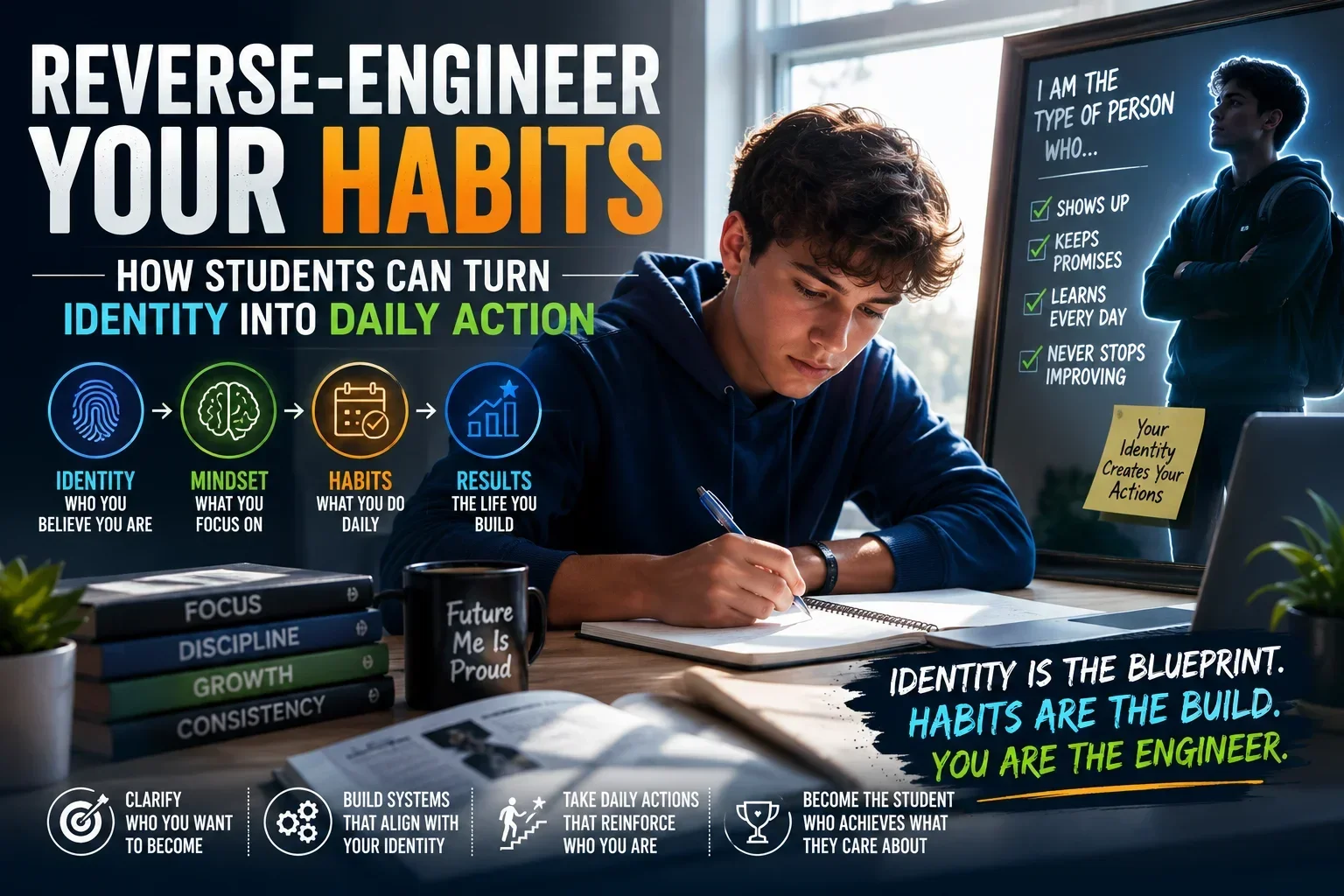
The Power of Identity in Habit Formation

Lastly, the focus should be on who you want to become, not just the actions you want to take. Instead of framing your goal as "I want to exercise more," think, "I am a healthy person who enjoys staying active." Shifting your mindset reinforces your new habits and helps them stick, as they become intertwined with your identity.

So, whether you're dreaming of a healthier lifestyle or maybe just trying to carve out some "me time," remember that the strategy is key to mastering those habits that truly stick. Start small, stack those habits, keep things simple, and celebrate each milestone on your journey!


Lifestyle

0 Comments

Write A Comment

*
*
Please complete the captcha to submit your comment.
Related Posts All Posts

How to Disinfect Your Mobile Devices Safely and Fast

Did you know your mobile device carries over 20,000 times more bacteria than a toilet seat? Learning how to disinfect your mobile devices safely and quickly using effective methods like soapy water is essential to protect your health and keep your gadgets germ-free without damaging them.In this comprehensive guide, you’ll discover evidence-backed cleaning methods, which items and products you should use, common mistakes to avoid, and pro tips for disinfecting your mobile phone without harming its hardware or protective coating. Read on for fast solutions that keep both you and your devices healthy.Why You Need to Disinfect Your Mobile DevicesOur mobile devices are one of the most touched surfaces we use daily. From texting to browsing and using apps, our phones go everywhere with us—public restrooms, grocery stores, gyms—and pick up countless germs and bacteria along the way.According to health experts and multiple studies, touching a contaminated phone and then your face increases your exposure to potentially harmful bacteria and virus particles, including those that cause colds, flu, and more serious illnesses. Regularly cleaning your phone and using proper techniques to sanitize your phone is just as important as washing your hands. The Centers for Disease Control and Prevention (CDC) and other disease control and prevention agencies recommend frequent disinfection of high-touch electronics as a preventive measure—especially during flu season or outbreaks of contagious illnesses. Keeping your phone clean also helps prevent oil buildup, smudges, and damage to your device’s sensitive components."Mobile devices can harbor more bacteria than a typical toilet seat, making regular disinfection crucial for health." – Infection Control SpecialistUnderstanding Germs on Your Devices: How Often to Clean Your PhoneEvery time you pick up your phone with dirty hands, set it on a public table, or place it in your bag, germs and bacteria are transferred to its surface. Studies reveal that a typical smartphone harbors a surprising number of microbes, often far more than items considered dirty, like a toilet seat. This buildup occurs because phones aren’t washed as frequently as hands, yet are constantly exposed to new environments and surfaces. The CDC and global health authorities emphasize the role of proper electronics hygiene in disease control and prevention. Whether you use your phone at the gym, school, workplace, or public transport, paying attention to when and how often you disinfect your mobile devices with soapy water or sanitizing wipes can dramatically decrease your chances of getting sick or spreading germs to others.Common Bacteria and Viruses Found When You Don't Disinfect Your Mobile DevicesPathogens like E. coli, Staphylococcus aureus, and various viruses easily find a home on your mobile phone’s touch screen and case. These bacteria and viruses—commonly left behind from unwashed hands or shared surfaces—can linger for hours or even days. If you don’t regularly clean your phone using recommended methods like soapy water or disinfecting wipes, these microbes multiply and may increase your risk of infection. In one notable study, researchers discovered mobile devices can contain more bacteria per square inch than most kitchen counters, pet food bowls, or even toilet seats. Many viruses, including flu and cold-causing ones, can survive on glass and plastic for extended periods. That means your phone can easily become a reservoir for illness unless you integrate routine sanitizing practices, such as using soapy water or UV light, into your cleaning regimen.Recommended Frequency to Disinfect Your PhoneExperts recommend that you disinfect your mobile devices at least once a day using effective solutions such as soapy water or alcohol wipes, especially during times of widespread illness, before meals, after visiting public spaces, or touching potentially contaminated surfaces. High-frequency cleaning is particularly important for users who travel often, work in healthcare, or share devices among multiple people. If you have been in high-risk environments or around sick individuals, consider increasing the frequency. Additionally, always wash your hands before and after using your phone to further reduce the transfer of germs. Remember, establishing a daily cleaning habit ensures your phone stays clean and helps protect both your health and those around you.What You Need to Disinfect Your Mobile DevicesBefore you begin, gather the right items to ensure a safe and effective clean. Using the correct products and tools like soapy water and microfiber cloths helps you disinfect your mobile devices without causing harm to screens, ports, and the protective coating. Here are the supplies you’ll need:Isopropyl alcohol (at least 70%)Microfiber clothSoapy waterSanitizing wipes (like Clorox wipes)Cotton swabsProtective gloves (optional)Isopropyl alcohol at the correct concentration is the safest solution for most phones, but always check your device’s manufacturer guidelines before use. A microfiber cloth gently lifts dirt, grime, and germs without scratching the screen or removing any special coatings.Soapy water—specifically mild hand soap mixed with water—can be a good alternative for sensitive devices when paired with a soft cloth. Sanitizing wipes, such as a Clorox wipe, provide convenience and rapid action but should never be overly wet. Cotton swabs are perfect for cleaning ports and crevices, while gloves give extra protection for sensitive users.Step-by-Step Guide: How to Disinfect Your Mobile Devices SafelyCleaning your phone correctly with soapy water or sanitizing wipes removes both dirt and harmful microbes while preserving your device’s finish and screen. Here’s a comprehensive process you can follow every time you need to disinfect your mobile devices efficiently:How to Clean Your Phone Effectively Without DamageTurn off the device and unplug it from chargers or accessories. Removing power helps prevent electrical accidents and protects your phone’s sensitive electronics during cleaning.Remove cases and accessories. Clean and sanitize these separately using soapy water or alcohol wipes, then dry thoroughly before putting them back on.Gently wipe down your phone with a microfiber cloth lightly dampened with a 70% isopropyl alcohol solution or sanitizing wipe. Never let liquid pool or enter openings like charging ports, speakers, or headphone jacks.Use cotton swabs dipped in alcohol or soapy water for crevices and tight corners around buttons and camera lenses.Allow the device to dry completely before turning it back on or replacing its case.Using Soapy Water vs. Alcohol Wipes for Disinfecting Your PhoneBoth soapy water and isopropyl alcohol are recognized as effective methods to clean your phone and sanitize your phone, but each has its pros and cons. Soapy water (a mild hand soap diluted with water) is less likely to damage protective coatings and is usually safe for most screens—but may require more effort for thorough germ removal. Use a barely damp microfiber cloth and dry the device completely afterwards to prevent internal moisture buildup. Alcohol wipes (at least 70% isopropyl alcohol) provide rapid action against viruses and bacteria, including COVID-19, but using an overly wet wipe or excessive pressure can degrade screen coatings over time. Some phone manufacturers endorse the use of disinfecting wipes (such as Clorox disinfectant wipes), but it’s wise to consult your warranty or support documentation before use. UV light sanitizers offer a no-contact, chemical-free approach—destroying 99% of germs and bacteria with minimal risk to screens or electronic parts.Table: Comparing Ways to Disinfect Your Mobile DevicesCleaning MethodEffectivenessSpeedSafe for Screens?Soapy WaterModerateModerateYes70% Isopropyl AlcoholHighFastYesClorox/Sanitizing WipesHighFastUsually Yes*UV SanitizersHighFastYesWatch:Precautions: What Not to Do When Disinfecting Your Mobile DevicesProper cleaning ensures a safe and long-lasting phone, but certain mistakes can permanently damage your device or void the warranty. To keep your mobile device in top shape while eliminating germs, avoid these common cleaning Don’ts:Avoid bleach or abrasive cleanersDo not submerge devices in waterDo not use paper towels or rough materialsDon’t spray cleaners directly onto your deviceUsing harsh chemicals, rough materials, or excess moisture can scratch screens, weaken adhesives, erode the protective coating, or cause internal water damage. Always apply the cleaner to a soft cloth, never directly onto the phone, and use minimal liquid to prevent drips that could get into ports or speakers."Using improper cleaning methods can erode screen coatings or damage internal components." – Tech Repair ProfessionalAdditional Tips to Safely Clean and Sanitize Your PhoneAlways power off before cleaningRemove any cases and clean separatelyLet the device dry completely before turning onRepeat the cleaning process regularlyTaking these simple steps to clean your phone regularly helps protect your device, improve cleaning effectiveness, and prevent accidental damage. Incorporate these habits to ensure your phone is clean after every disinfecting session. Consistency matters: even quick wipe downs help maintain hygiene in the long run.People Also Ask: How to Disinfect Your Mobile DevicesWhat is the best way to disinfect your phone?Answer: The most effective way to disinfect your mobile devices is to use a 70% isopropyl alcohol wipe or a UV sanitizer. Gently wipe the surface, including edges and buttons, and avoid any liquid getting into ports.Can I use alcohol wipes to sanitize my phone?Answer: Yes, alcohol wipes with at least 70% isopropyl alcohol can be safely used to sanitize your phone provided they're not overly wet. Ensure your phone manufacturer permits alcohol usage.Can you use 70% isopropyl alcohol to clean phone screens?Answer: 70% isopropyl alcohol is effective for cleaning phone screens and will not harm the glass or protective coating if wiped gently with a microfiber cloth.Are Clorox wipes safe for phones?Answer: Most modern smartphones are compatible with Clorox wipes, but always check the manufacturer's recommendations.FAQs on How to Disinfect Your Mobile DevicesHow often should I disinfect my mobile devices? – Daily, especially after visiting public places, before eating, or after contact with sick individuals.Can disinfecting wipes damage my phone's oleophobic coating? – Over time, using harsh or excessively wet disinfecting wipes might degrade the protective coating. Always use gentle, recommended wipes and avoid rubbing too hard.What to do if liquid gets inside your device during cleaning? – Power off the device immediately, remove cases and accessories, and let it air dry in a well-ventilated area. Avoid using heat (like hair dryers) which can damage internal components and contact a tech professional if issues persist.Conclusion: Keep Your Devices and Yourself Safe – Disinfect Your Mobile Devices RegularlyStaying Consistent to Lower Germ RiskThe best way to keep yourself and your gadgets healthy is to disinfect your mobile devices regularly using soapy water or sanitizing wipes, combine proper handwashing, and avoid unnecessary exposure to germs.Adopt Smart Habits for a Healthier TomorrowBuild regular phone sanitizing into your day. The effort is quick, easy, and pays lasting dividends for both your health and your device.SourcesCDC – Cleaning and Disinfection for HouseholdsWHO – Cleaning and Disinfecting Surfaces in Non-health Care SettingsApple – How to clean your Apple productsSamsung – Mobile Device Safety PrecautionsTo ensure your mobile devices remain germ-free without causing damage, it’s essential to follow proper cleaning methods. The article “How to Disinfect Your Phone to Avoid Germs and Getting Sick” provides a comprehensive guide on safely sanitizing your phone, including step-by-step instructions and recommended products. (livestrong.com)Additionally, the Federal Communications Commission’s guide, “How to Sanitize Your Phone and Other Devices,” offers valuable insights into effective cleaning practices and precautions to take during the process. (fcc.gov)By consulting these resources, you can adopt best practices to keep your devices clean and maintain your health. NCWellnessHub.com

High Standards vs Perfectionism: The Difference That Changes Everything (And Why One Helps You Grow While the Other Keeps You Stuck)

Learn why high standards help you grow while perfectionism keeps you stuck. Start living fully today, imperfectly. #Perfectionism #PersonalGrowth

Understanding Female Sexual Dysfunction: Exploring Endocrine and Psychological Causes

Explore the complexities of Female Sexual Dysfunction, uncovering the crucial hormonal and psychological factors that impact sexual health and well-being.

Terms of Service

Privacy Policy

Core Modal Title

Sorry, no results found

You Might Find These Articles Interesting

T
Please Check Your Email
We Will Be Following Up Shortly
*
*
*