


Feeling sluggish after meals? I once believed pizza was a guilty pleasure until I found high-protein pizzas that nourish my body and energize my day. Discover how these tasty, protein-packed options can transform your meals and fuel your active lifestyle effortlessly.
With the right ingredients and a simple approach, high protein pizza options let you satisfy your pizza craving while helping you achieve your nutrition and fitness goals—no guilt required.
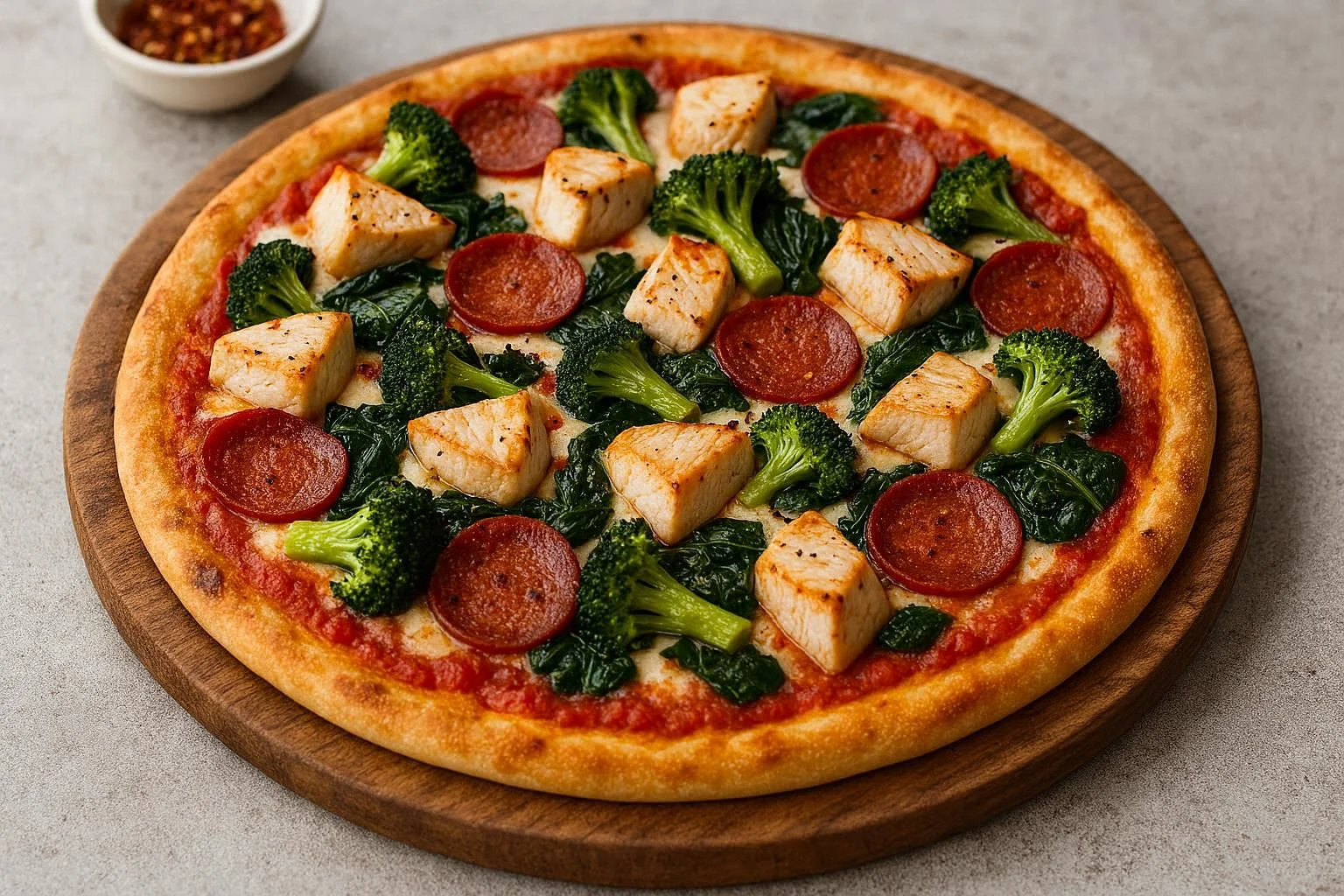
Why High-Protein Pizzas Are a Game Changer for Active Lifestyles
High-protein pizzas are revolutionizing the typical pizza night, turning what was once considered a comfort indulgence into a legitimate source of nutritious, high-energy fuel. Unlike traditional options that often leave you sluggish, high-protein pizza recipes are crafted for those who want to feel energized—whether you’re a busy professional, athlete, or simply striving for better health. By swapping out refined bases and high-fat meats for protein-rich crusts, sauces, and toppings, you can enjoy your favorite food without abandoning your goals.
What sets high-protein pizzas apart is their incredible balance of flavor and nutrition. The addition of ingredients such as greek yogurt, cottage cheese, and lean meats not only increases protein per serving but also keeps you satisfied longer, stabilizing energy and curbing overeating.
For anyone seeking extra protein, these pizzas fit seamlessly into a high-protein diet, with customizable options for a wide range of dietary needs and preferences. Dietitians frequently recommend high-protein meals to support muscle repair and sustained energy—making this pizza a winning choice both for recovery and daily vitality.
"Feeling sluggish after meals? I once believed pizza was a guilty pleasure until I found high-protein pizzas that nourish your body and energize your day."
What Makes a Pizza High-Protein? Essential Ingredients and Nutrition
A true high-protein pizza isn’t just about adding chicken or turkey pepperoni on top—it’s built from the ground up to maximize protein in every bite. The secret starts with the high protein pizza crust, often made using greek yogurt or cottage cheese combined with rising flour or self-rising flour.
These ingredients provide not only a notable protein boost but also a creamy texture and satisfying chew. Next comes the sauce: a high protein pizza sauce might blend in cottage cheese, greek yogurt, or even finely ground lean meats or plant-based alternatives for an extra protein punch.
Toppings complete the transformation, with options ranging from diced chicken breast to turkey pepperoni, lean ground beef, or plant-based meat alternatives—all keeping the focus on protein without sacrificing taste. Each innovative swap delivers more grams of protein than you’d expect in a traditional slice.
Whether you’re following a structured fitness plan or just want your meals to work harder for you, the blend of high-protein ingredients creates a pizza that not only fuels your body but also delivers comfort and satisfaction for every pizza craving.
If you’re looking to further streamline your healthy eating habits, especially at the start of your day, you might find inspiration in simple, protein-rich breakfast ideas. For practical tips on building a nutritious morning routine that complements your high-protein pizza nights, explore these easy breakfast strategies for better health.
Key high-protein ingredients: Greek yogurt, cottage cheese, lean meats, high protein pizza crust, protein pizza sauce
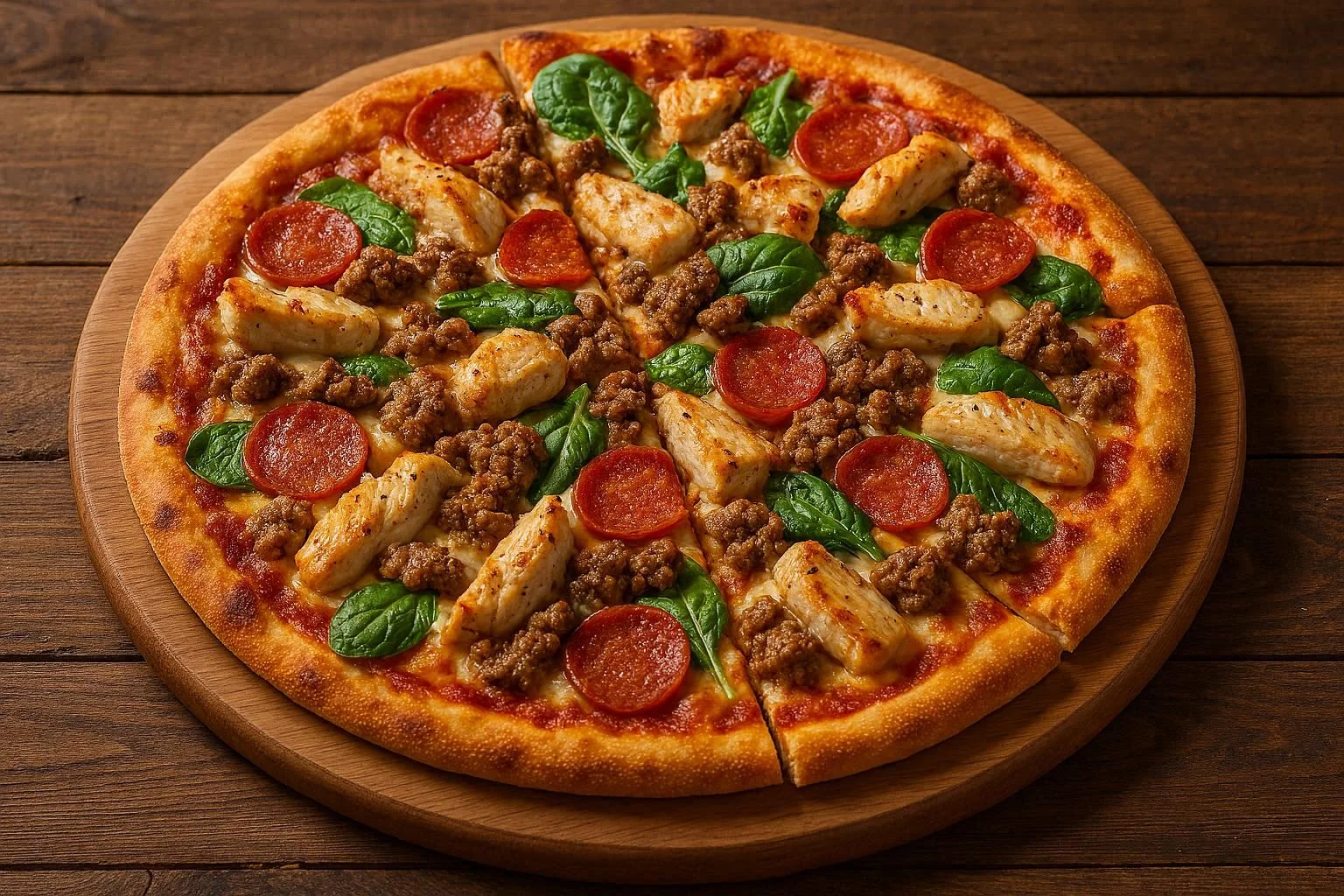
High-Protein Pizza Crust: From Rising Flour to Greek Yogurt Innovations
The backbone of any high-protein pizza starts with the crust. Classic pizza crust uses all-purpose flour, but high-protein versions swap in rising flour fortified with extra protein—often through the creative addition of greek yogurt or cottage cheese.
These innovations infuse the crust with greater protein density and a delightfully chewy texture without compromising the golden brown finish pizza lovers crave. You can even find store-bought options or recipes that use high-protein flour blends, making it easy to boost your protein intake while enjoying your favorite comfort food.
Another advantage of high-protein pizza crust recipes is their simplicity. Many require just a handful of ingredients—greek yogurt, self-rising flour (or rising flour with baking powder), and sometimes cottage cheese—resulting in a dough that’s easy to make, requires no long proofing time, and bakes up fluffy and golden.
Substituting these high protein ingredients for traditional flour-based pizza crusts not only provides more grams of protein per serving but also supports your active lifestyle, making every pizza night an opportunity to nourish your body and satisfy your pizza craving the smart way.

Comparing High-Protein Pizza Crust Recipes: Which Is Best for You?
With so many variations available, choosing the best high-protein pizza crust for your needs can be exciting and delicious. Greek yogurt-based pizza crusts are wildly popular—they deliver a pillowy rise and subtle tang that perfectly complements savory toppings.
Cottage cheese crusts, meanwhile, create a slightly denser, ultra-moist foundation with even more protein per bite. Both options outperform standard pizza dough in nutritional value, but the right choice depends on your desired taste and dietary needs.
If you want a gluten-free or lower-carb option, consider using protein blends or almond flour mixed with greek yogurt for added structure. Making the dough at home lets you experiment with combinations that fit your lifestyle, such as including egg whites for extra protein or mixing in whole grain flour for fiber.
Ultimately, high-protein pizza crust innovations let you enjoy classic flavors with a boost that supports muscle-building goals, active routines, and the satisfaction of wholesome, nutrient-rich pizza.
"Incorporating ingredients like greek yogurt and cottage cheese into pizza dough turns a classic favorite into a protein powerhouse."
Making the Dough: Building Protein Pizza Dough and Crust at Home
Crafting high protein pizza dough at home is surprisingly easy to make and yields incredible results. Start with basic ingredients: greek yogurt, self-rising flour (or a combo of all-purpose flour and baking powder), and, for an extra protein boost, add cottage cheese. Blend until just combined, then transfer to a lightly floured surface for kneading. Use gentle, steady pressure to create a soft, pliable dough—don’t overwork it, or you’ll miss out on that signature tender texture.
Once kneaded, let your pizza dough rest beneath a sheet of plastic wrap or a clean towel to relax the gluten and allow moisture to distribute evenly. This step ensures a silky, uniform pizza crust when rolled out and baked. For best results, roll your dough onto parchment paper to prevent sticking and achieve even cooking. Try adjusting the ratios—add a little more greek yogurt for a softer bite or extra baking powder for more rise. With just a few steps and minimal ingredients, you can make the dough that supports your nutrition and performance goals.
Step-by-step high protein pizza dough recipe
Ingredients: greek yogurt, self-rising flour, cottage cheese, and more
Tips for kneading and texture
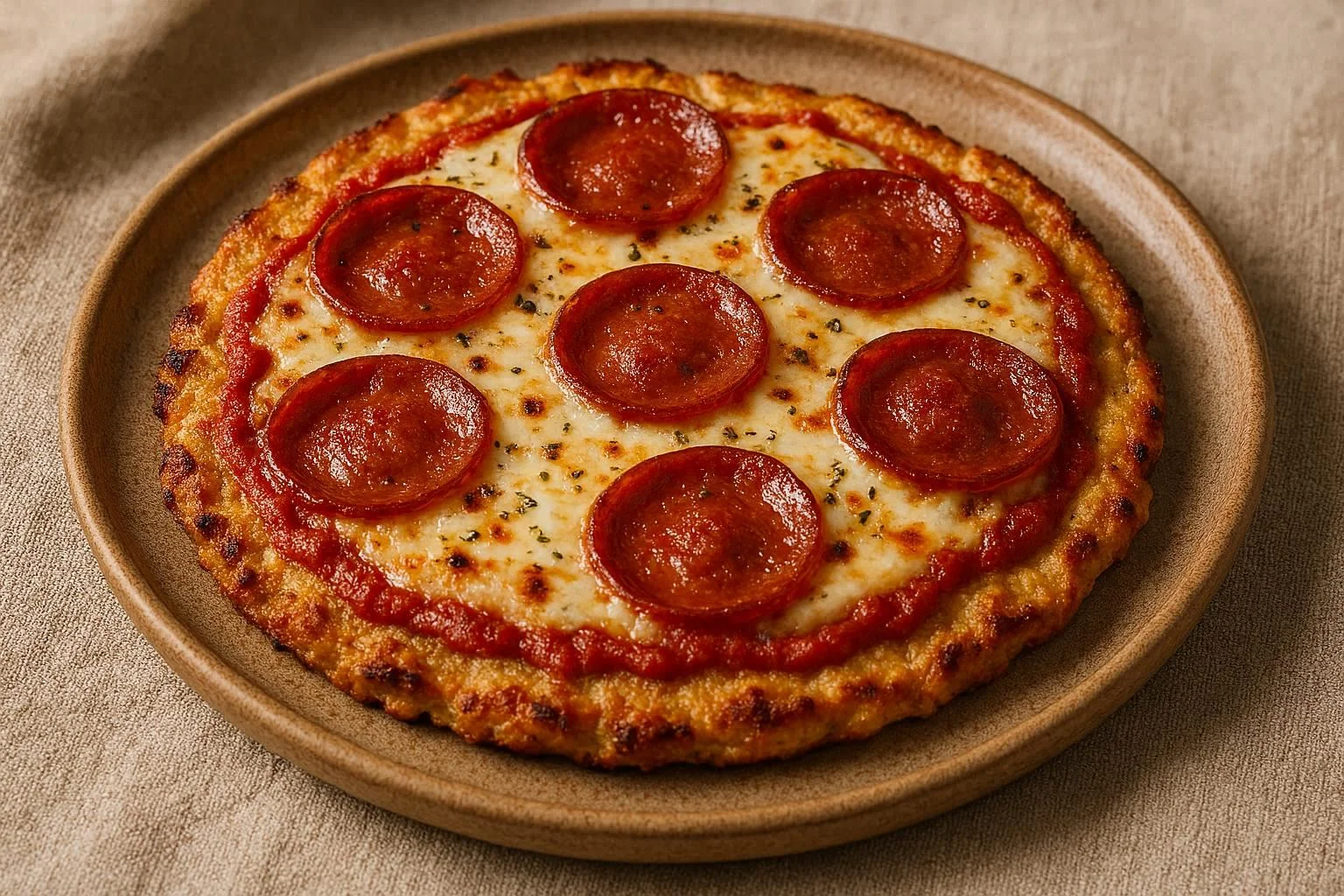
Ground Chicken Crust Pizza Recipe
You can make a solid, high-protein chicken crust with just a few ingredients. Mix 1 lb ground chicken with 1 egg, 1/4 cup grated Parmesan, 1/2 cup shredded mozzarella (optional but helps bind), 1 tsp each garlic powder and Italian seasoning, plus salt and pepper.
Line a sheet pan with parchment, lightly oil it, then press the mixture into a thin, even circle (about 10–12 inches). Bake at 425°F (220°C) for 12–15 minutes until set and lightly browned, carefully flip (peel off parchment if needed), and bake another 5–10 minutes to get it golden and firm.
Add a thin layer of sauce, cheese, and pre-cooked toppings (avoid watery veggies), then bake 5–8 minutes more until melty. Pro tips: squeeze moisture from the chicken if it’s very wet, don’t make the crust too thick, let it rest a few minutes before slicing, and broil briefly for crispy edges. Shortcut version: use well-drained canned chicken, dry it in a skillet or microwave, then mix with egg and Parmesan and bake the same way.
Crafting High-Protein Pizza Sauce: Easy Boosts for Every Slice
Standard tomato-based pizza sauce delivers classic flavor, but with a little kitchen creativity, you can easily turn it into a high-protein powerhouse. Try blending cottage cheese or greek yogurt into your pizza sauce for creaminess and a subtle tang—this simple swap adds valuable protein per serving while maintaining a familiar taste. Another clever approach: cook lean ground turkey into your sauce for even more protein, or stir in pureed white beans for a plant-based twist.
Layering these high-protein upgrades doesn’t complicate pizza night, either. With just a few extra steps, your pizza sauce can deliver both nutrition and bold flavor. Consider using reduced-sodium tomato sauce as your base, then whisk in your chosen protein sources until smooth.
Season with herbs, garlic, and red pepper flakes—then spread generously atop your high-protein pizza crust before adding toppings. Whether blending, mixing, or sautéing, making the most out of your pizza sauce is a small trick that brings big nutritional benefits to every slice.
Ways to add protein to pizza sauce (blended cottage cheese, high protein Greek yogurt, lean ground turkey, and beans)
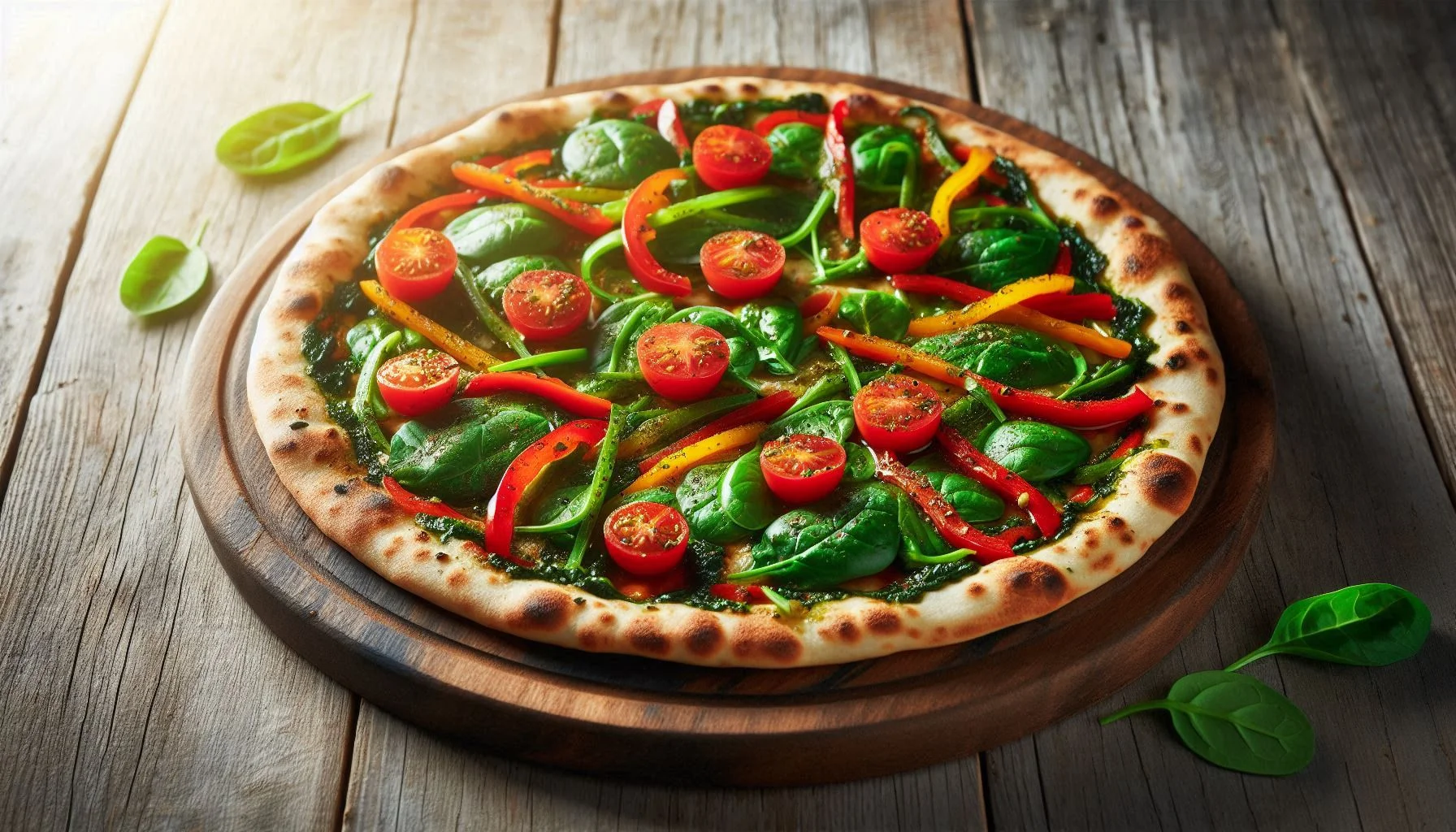
Top High-Protein Pizza Toppings for Maximum Nutritional Impact
Once your crust and sauce are set, it’s time to pile on the best high-protein pizza toppings. Each topping can contribute to your daily grams of protein, and choosing lean cuts like chicken breast or turkey pepperoni is key.
Lean ground beef provides hearty flavor while keeping calories in check. For a creamy element, dollops of greek yogurt or crumbles of cottage cheese add texture and moisture as well as essential nutrients.
For plant-forward eaters or those craving variety, modern meat alternatives pack impressive protein—think tofu cubes or plant-based sausage. Layer these with your favorite vegetables for even more color and nutrition.
Whether you’re planning a fully loaded pizza night or a simple weeknight meal, these toppings transform every slice into nutritious, muscle-friendly fuel. Mix and match these components, adjust for dietary preferences, and get creative with your favorite topping combos—your high-protein pizza can be as unique as your goals.
Chicken breast
Turkey pepperoni
Lean ground beef
Greek yogurt dollops
Cottage cheese crumbles
Plant-based meat alternatives
List: 5 Creative High-Protein Pizza Recipes to Try Tonight
Variety is the spice of great pizza. Discover these five creative high-protein pizza recipes that blend delicious taste with robust nutrition, ideal for fueling your next workout or simply enjoying an upgraded pizza night:
Each protein pizza recipe focuses on maximizing protein content while offering familiar, crowd-pleasing flavors for every palate. Experiment with dough bases and topping combinations for meals that work hard for you—delivering everything you love about pizza, plus the added benefit of high-protein fuel.
Table: Comparing Protein, Calories & Taste in Popular Protein Pizza Brands
Pizza Brand |
Protein per Serving |
Calories |
Main High-Protein Ingredient |
Taste Rating |
|---|---|---|---|---|
PowerCrust Pizza |
20g |
290 |
Whey protein crust |
4.5/5 |
Mighty Slice |
18g |
300 |
Greek yogurt and chicken |
4.3/5 |
LeanCrust |
21g |
285 |
Cottage cheese dough |
4.2/5 |
Fitness Pie Co. |
22g |
320 |
Plant-based protein blend |
4.0/5 |
People Also Ask: What Pizza Has the Most Protein?
Answer: Meat-loaded protein pizzas featuring lean chicken or turkey, high-protein crusts, and cheese alternatives typically offer the most protein per slice.
If maximum protein is your goal, choose protein pizza recipes or brands combining lean meats, high protein pizza crust, and lower-fat cheese substitutes. These stacked slices can deliver well over 20 grams of protein per serving—often more than double traditional pizza. Experiment with topping quantities and crust choices to create your personal high-protein champion.
People Also Ask: Is Pizza Good for a High Protein Diet?
Answer: Yes, when made with lean protein toppings, high-protein crusts (often containing greek yogurt or cottage cheese), and reduced-fat cheese, pizza can be part of a high-protein diet.
A well-constructed high protein pizza becomes a fitness-friendly meal that fits right into your nutrition plan, supporting your muscle-building or weight management journey. Simply choose recipes focused on lean and clean ingredients, and enjoy pizza night without compromise.
People Also Ask: What Meat Is Highest in Protein for Pizza?
Answer: Chicken breast, lean ground turkey, and extra-lean beef provide the highest protein per ounce for pizza toppings.
When selecting meats for your next homemade or store-bought protein pizza, opt for chicken breast or lean ground turkey to get the most protein with the least additional fat. These protein-packed options are easy to prepare, universally loved, and deliver top nutrition for gym-goers, athletes, and families alike.
People Also Ask: What Are High Protein Pizza Toppings?
Answer: High protein pizza toppings include grilled chicken, turkey pepperoni, cottage cheese, greek yogurt, tofu, plant-based sausage, and eggs.
Go beyond basic meat—diversify your pizza with cottage cheese crumbles, dollops of greek yogurt, or cubes of tofu for plant-based protein. Topping with eggs adds both flavor and nutritional value, making every pizza highly customizable and protein-focused.
How to Store and Reheat High-Protein Pizza for Best Results
Proper storage is the secret to keeping your high-protein pizza at peak freshness and texture, whether you’re saving leftovers for lunch or meal-prepping ahead. Always cool your pizza completely before transferring slices to an airtight container or sealable glass box. This step prevents condensation and sogginess, keeping your pizza crust golden brown and tender.
When reheating, skip the microwave for best results—instead, warm slices in the oven or a skillet to retain their chewy texture and vibrant flavor. To preserve the nutrients in your high-protein ingredients, cover with foil if reheating in the oven, or reheat gently over low heat if using a stovetop pan. This process keeps protein sources intact and maintains a freshly baked feel, guaranteeing a crave-worthy slice every time.
Storage best practices for maintaining protein freshness
Best ways to reheat without losing texture or nutrients
Debunking Myths: High-Protein Pizza vs. Traditional Pizza
It’s a common myth that healthy pizza can’t taste as good—or that high-protein options are just another fleeting trend. In reality, high-protein pizzas are engineered for flavor, satisfaction, and nutrition—without unnecessary carbs, fats, or fillers. They deliver everything you love about classic pizza but with smarter, body-friendly choices.
Whether you’re swapping rising flour for greek yogurt, trading fatty meats for lean ground turkey, or creatively blending plant-based alternatives, high-protein recipes have something for everyone. Consider this your permission slip to eat pizza—and feel great about it. With every slice, you’re feeding your muscle, satisfying your pizza craving, and transforming dinner into a health-boosting event.
"High-protein pizzas are not just another health trend—they can deliver the satisfaction you crave without sacrificing nutrition."

FAQs About High-Protein Pizzas
How much protein is in a typical high-protein pizza slice?
Depending on the crust and toppings, a single slice can pack from 12g to 22g of protein—over double the amount in most traditional pizzas. Ingredients like greek yogurt in the dough and chicken or plant-based meat alternatives on top contribute to this boost.Do high protein pizzas taste like regular pizza?
With smart ingredient swaps and balanced seasoning, high-protein pizzas taste remarkably similar to, or even better than traditional pies. Expect a slightly creamier crust and a heartier, more satisfying bite with every slice.Are there gluten-free high-protein pizza options?
Absolutely! Many recipes use almond flour blends, chickpea flour, or gluten-free self-rising flour combined with greek yogurt or cottage cheese to create delicious gluten-free, high-protein bases suitable for any diet.
Key Takeaways: How High-Protein Pizzas Can Fuel Your Body Fast
High-protein pizzas are easy to make, nutritious, and energizing
Main high-protein components include pizza crust, dough, sauce, and toppings
Customizable for dietary preferences and lifestyle goals
Conclusion: Upgrade Your Routine With High-Protein Pizzas
Transform your meals, boost your energy, and indulge guilt-free with high-protein pizzas.
If you’re ready to take your nutrition and fitness journey even further, consider exploring the science behind effective fat loss and how strategic food choices can accelerate your results. High-protein pizzas are just one piece of the puzzle—understanding the latest research on supplements and holistic approaches can help you optimize your health goals.
For a deeper dive into evidence-based strategies and the top fat loss supplements for the coming year, check out this comprehensive guide to the best fat loss supplements of 2025. Empower your routine with advanced insights and make every meal—and every effort—count.
Sources
High-protein pizzas are transforming traditional comfort food into nutritious meals that support active lifestyles. By incorporating protein-rich ingredients like Greek yogurt, cottage cheese, and lean meats, these pizzas offer sustained energy and aid in muscle repair.
For a variety of high-protein pizza recipes, consider exploring Healthline’s article, “5 High-Protein Pizzas.” This resource provides diverse options, including chicken pesto and buffalo chickpea pizzas, each containing over 22 grams of protein per serving.
Also, Eliya Eats offers a recipe for a “High Protein Pizza” that boasts over 40 grams of protein and less than 500 calories for the entire pizza, making it a quick and satisfying meal option.
If you’re ready to upgrade your meals with something that’s both tasty and muscle-friendly, these resources have your back. Think of them as your personal menu of high-protein pizza creations—perfect for keeping you energized, satisfied, and feeling like a fitness-loving foodie. 🍕💪 NCWellnessHub.com


Write A Comment