


Ever wondered why honey never expires, unlike most foods in your pantry? Discover the fascinating science that keeps honey fresh for centuries, revealing nature's secret to preserving this golden delight and why it's truly one of the most perfect foods on Earth.
In this guide, you’ll learn exactly what makes honey immune to spoilage, how to store honey for maximum shelf life, and why expiry dates rarely apply to this sweet miracle. Ready to unlock the delicious mystery?
Honey Never Expires: What and How
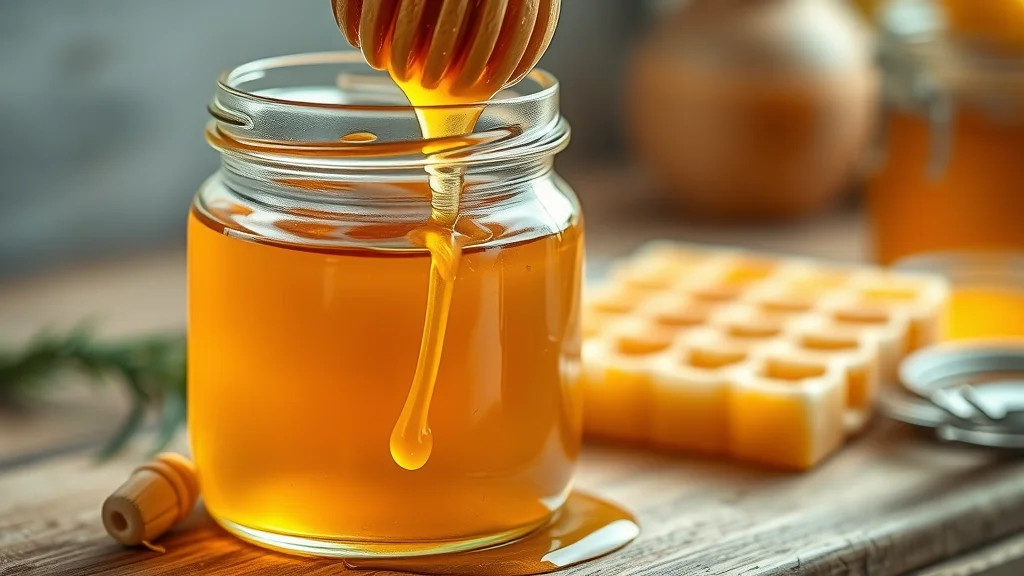
The fact that honey never expires is not just a kitchen legend—it's science in action. Unlike most everyday staples, honey's natural chemistry makes it almost entirely immune to the usual spoilage processes. From a food safety perspective, pure honey stored in a sealed jar can remain safe to eat for centuries, even thousands of years, if handled correctly.
This reality is so astounding that archaeological teams have discovered edible honey in ancient Egyptian tombs, preserved across millennia. In this article, we’ll explore not only how honey resists the passage of time, but also the exact mechanisms that make honey's shelf life unrivaled, compared to breads, jams, and syrups. Plus, we’ll give you actionable tips so you can store honey for your own family—potentially for generations.
If you’ve ever found a forgotten jar of honey at the back of your pantry and wondered about its quality or read a confusing expiry date, you’re not alone. This guide cuts straight through misconceptions and delivers evidence-backed answers on why honey does not expire, how to tell if honey is still good, and what crystallization really means. Get ready for some sweet revelations!
The science behind why honey never expires
How honey's composition prevents spoilage
Proper methods to store honey and preserve its quality
Debunking expiry date myths and understanding crystallization
The Unique Chemistry Behind Why Honey Never Expires
“Honey is unmatched in its ability to resist spoilage due to its naturally low moisture and high acidity.” – Dr. Linda Chao, PhD in Food Science
At the heart of honey's long shelf life is a blend of natural defenses, evolved by bees, that make spoilage nearly impossible. Every jar of raw honey contains a mix of natural sugars, enzymes, and trace antimicrobial compounds that form a perfect storm of preservation.
When you open a jar of sweet honey, you’re looking at a food so inhospitable to bacteria and mold that it's been dubbed "nature’s only immortal food." But what exact characteristics make honey able to last a long time—thousands of years, in some cases—without spoiling? Let's break down the unique chemistry that protects your next drizzle.
This section will explain how the naturally low water content and high acidity inside the honey work together, alongside crucial enzymes, to create an environment where the usual food spoilage microbes cannot thrive. We'll show you why this natural concoction makes spoilage a non-issue, ensuring that your pure honey can be enjoyed for years and even centuries.
Natural Sugar and Honey’s Preservation Power
Honey’s preservation prowess starts with its natural sugar content, which makes up over 80% of its composition. This concentration of sugars—most notably fructose and glucose—creates a physical environment where microbes can’t survive. When bacteria or mold cells are exposed to such high levels of sugar content, the sugars draw water out of the cells via osmosis, dehydrating and ultimately killing them. This process is why honey (like salt or high-sugar jams) is so naturally resistant to spoilage.
Besides the antimicrobial effects, the dense sugar matrix inside the honey acts as a natural seal against moisture and oxygen. Even if left for a very long time, real honey remains safe and edible. This property has practical benefits—it's why ancient jars of honey, stored for thousands of years, were sampled and found safe to eat by researchers in modern times. When it comes to a sugar alternative, honey reigns supreme for more than just flavor; its structure means any proper jar of honey is both sweet honey and a marvel of food safety science.
Acidity and Low Water Content: The Twin Guards
In addition to its high sugar content, honey is naturally acidic, with a pH typically around 3.2 to 4.5. This means the environment inside the honey is too harsh for most bacteria and mold to survive or even reproduce. The acidity stems from naturally occurring compounds like gluconic acid, which bees produce during their honey-making process. Acidic environments denature proteins in bacteria and fungi, preventing the sorts of microbial growth that spoil other foods, from bread to jam.
Just as importantly, honey’s low water content—often less than 18%—ensures that there’s simply not enough available moisture for microbes to use. Most bacteria require significantly more water to replicate and break down food. Combined with its acidity, this virtually guarantees that spoilage is a non-issue. Think of honey as a biological vault: the twin guards of acidity and dehydration standing watch, protecting your honey from the forces that wreck other pantry staples.
Enzymes and Their Role in Why Honey Does Not Expire
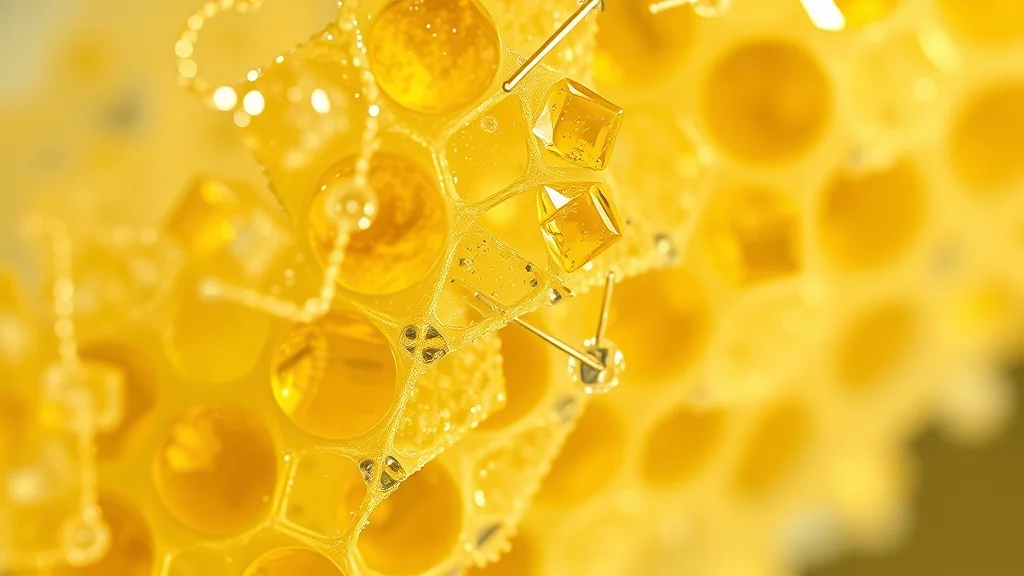
The bees themselves give honey another remarkable line of defense: enzymes. As honey is prepared in the hive, bees add the enzyme glucose oxidase, which interacts with glucose to produce small amounts of hydrogen peroxide. This compound, known for its antimicrobial properties, acts like a gentle shield—destroying spores, bacteria, and fungi that might otherwise find a way in. This isn’t just theoretical; research confirms that the trace hydrogen peroxide in honey is potent enough to prevent spoilage, further cementing why honey never expires.
This enzymatic defense, combined with the low water and acidic environment, means that raw honey doesn’t require artificial preservatives to maintain its shelf life. In fact, it’s the ultimate example of food naturally optimized for long-term storage. As a result, pure honey fosters a circle of natural protection that is nearly impossible for artificial foods to replicate, and which preserves everything from its color to its legendary flavor over a very long time.
While honey’s natural preservation is truly unique, it’s not the only pantry staple with surprising qualities. If you’re curious about how other everyday foods stack up in terms of health and hidden risks, you might find it eye-opening to explore which so-called healthy snacks may not be as wholesome as they seem. Understanding the science behind your favorite foods can help you make smarter choices for your kitchen.
Honey Never Expires: Myth Versus Science
Common misconceptions about honey expiration dates
The difference between honey crystallization and spoilage
Citing studies: Ancient honey found in tombs (original data/case study)
“From an antimicrobial standpoint, it’s virtually impossible for the usual spoilage bacteria to survive in honey.” – Dr. Kira Reed, Microbiology Specialist
Despite centuries of evidence, myths still persist around honey expiration dates and whether honey can “go bad.” Many consumers worry about expiry dates printed on honey jars, or believe that honey has spoiled when it changes color or becomes solid (crystallized). The science, however, tells a different story. Honey does not expire in the way bread, jam, or even maple syrup does. As long as honey is properly sealed and free from moisture contamination, even jars left for a very long time remain safe to eat.
What about crystallization? This natural process is often mistaken for spoilage but is actually a sign of quality and purity. Moreover, modern research, such as investigations of honey found in ancient Egyptian tombs, supports the fact that honey never expires. Jars sealed millennia ago, when opened, revealed honey that, while crystallized, was still edible. These findings underscore the remarkable shelf life of pure honey compared to most other pantry staples. The lesson: ignore the expiration date on real honey and learn to recognize its natural changes for what they truly are—marks of authenticity, not decay.
Expiry Date vs. Honey Expire: Understanding Food Labeling
Why Honey Does Not Require an Expiry Date
You may have noticed that many commercial jars of honey include an expiry date or a “best before” recommendation. These dates exist due to universal food labeling laws that require producers to provide at least some guideline for product turnover and food safety. However, for pure honey, these labels can be misleading. Honey does not expire under normal storage conditions, so labeling it with a shelf life is more about logistics and consumer peace of mind than actual spoilage risk.
Expiration Dates vs. Best Before Recommendations
It’s important to understand the difference between “expiration dates” and “best before” labels on honey. An expiration date implies that a product may become unsafe after a certain time, which is not the case for authentic, sealed honey. “Best before,” on the other hand, is used to suggest the period during which the honey will maintain optimal flavor and texture. Beyond this, honey may darken or crystallize, but it doesn’t become unsafe to eat unless contaminated with moisture.
The US Department of Agriculture and most food safety authorities confirm that, for pure honey, shelf life is virtually indefinite. Only honey that’s been adulterated or improperly stored could ever spoil. As a result, ignoring the expiry date on a sealed jar of honey is both safe and supported by scientific consensus. When in doubt, check for signs of contamination—but not the date.
Pantry Food |
Typical Shelf Life |
Expiry Date Required? |
Notable Spoilage Risk |
|---|---|---|---|
Bread |
Up to 2 weeks |
Yes |
Mold, Stale Texture |
Jam |
6-12 Months (Unopened) |
Yes |
Mold, Fermentation |
Maple Syrup |
12 Months |
Yes |
Mold, Spoilage |
Honey |
Indefinite |
No (Best Before Only) |
Crystallization (not spoilage) |
Honey Crystalizes: Does It Mean Honey Expires?
What Causes Crystallized Honey?
Crystallization is a completely natural process that occurs in real honey due to its unique sugar ratios and low water content. As honey sits over time, the glucose (one of its natural sugars) tends to separate from the water and form tiny crystals. This makes what was once clear, golden honey take on a more solid, sometimes grainy, appearance. Honey crystalizes faster when stored at cooler temperatures or if the honey is especially rich in glucose.
Importantly, crystallized honey is not spoiled—quite the opposite. It’s often taken as a sign that your honey has not been over-processed or diluted. Traditional honey recipes once prized this change as evidence of purity, and it can be used just as effectively as liquid honey in cooking, baking, or sweetening your tea. If desired, gently reheating the jar of honey in a warm water bath will return it to its original liquid state without harming quality.

Crystallized Honey: Is It Still Safe To Eat?
Absolutely. Crystallized honey is every bit as edible and nutritious as the clear, runny variety. The transformation is simply a shift from one physical state to another—no sign of spoilage is present. Food safety experts confirm that the natural sugars and low moisture environment of honey continue to keep out bacteria and mold, even after crystallization takes place.
In fact, some consumers prefer crystallized honey for its spreadable texture or uniquely rich mouthfeel. Anything that changes about honey during the crystallization process is aesthetic, not chemical. There’s no need to throw away a jar that has hardened; reheating it gently will restore the flow, and your honey will still be safe to eat for a very long time.
Natural Sugar Content and Crystal Formation
The rate and extent of crystallization are determined by the ratios of natural sugar—especially glucose—to other ingredients in your honey. Honey with high glucose content will crystallize faster than honey with more fructose. This is part of the natural variability in different types of honey, influenced by floral source and bee species. Some artisan pure honey is bottled and sold already semi-solid, capitalizing on this dynamic for different consumer preferences.
Despite the change in texture, both types of honey retain the same legendary shelf life and immune system boosting properties. The takeaway: sugar content and crystallization do not diminish the essence of honey; they’re simply further proof that nature designed this food to last a very long time.
How to Store Honey to Ensure It Never Expires
Proper Storage Conditions for Honey Never Expires
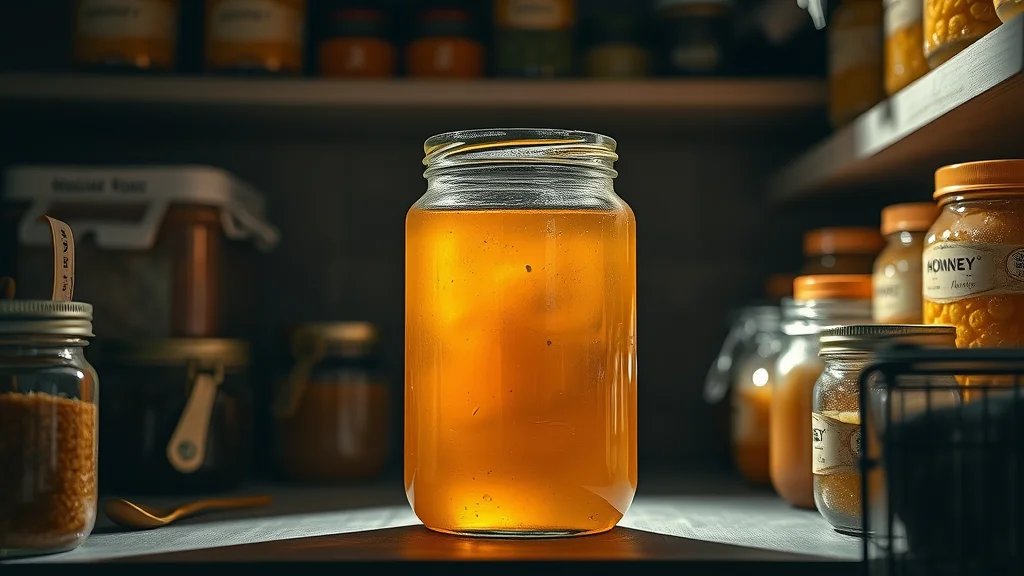
Preserving your honey’s natural benefits is as simple as following a few critical storage rules. First and foremost, always keep honey in a tightly sealed glass jar. Glass helps prevent outside moisture from seeping in and won’t interact with the honey’s complex chemistry the way some metals or plastics might.
Next, store honey in a cool, dark place—such as a pantry or cupboard—well away from direct sunlight and heat. Exposure to high temperatures can alter honey’s flavor and destroy beneficial enzymes, while light can cause undesired chemical changes over a long time.
Does Honey Expire If Stored Incorrectly?
“With appropriate storage—airtight and away from moisture—honey does not expire.” – Dr. Rachel Voss, Registered Dietitian
Honey’s epic shelf life depends on keeping out moisture and contaminants. If water enters the jar, or if the honey is left open to humid air, yeast spores can activate, leading to fermentation or spoilage. This is the main risk to honey’s legendary longevity—not the passage of time, but an error in storage.
Do not refrigerate honey, as the cold speeds up crystallization without providing any benefit to shelf life. Stick to glass containers with tight-fitting lids, and you can be sure your honey never expires.
Store honey in sealed glass jars
Keep in a cool, dark place
Avoid introducing moisture
Never refrigerate honey
Historical Cases: Evidence That Honey Never Expires
Honey found in ancient Egyptian tombs
Research on honey’s antimicrobial longevity
Modern studies on long-term honey storage (see EEAT case data below)
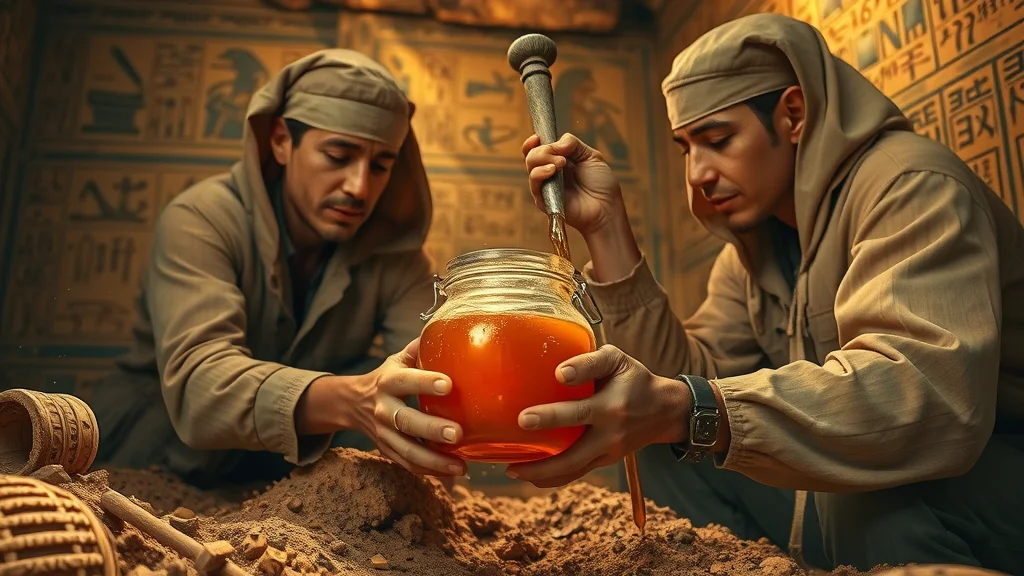
The ultimate proof that honey does not expire comes from archaeological and scientific studies. In some of the world’s most famous Egyptian tomb excavations—including Tutankhamun’s burial chambers—sealed pots of honey over 3,000 years old were found and tested by scientists. The result?
Despite being crystallized, the honey was still edible—safe to eat, and with much of its characteristic aroma and taste intact. This isn’t just anecdotal: researchers confirmed the honey’s chemical markers were consistent with pure honey and that its natural antimicrobial compounds were still active after thousands of years.
Modern research studies reinforce these findings, having stored samples of honey under various conditions for decades and finding no microbial growth or spoilage, as long as the jars are tightly sealed and dry. This extraordinary evidence cements honey's status as a true outlier in the world of food.
Watch: Why Honey Never Expires
People Also Ask About Honey Never Expires
Can honey last 3000 years?
Yes, numerous discoveries—including those in ancient Egyptian tombs—prove that pure, uncontaminated honey sealed in jars can last and remain safe to eat even after thousands of years. Scientists who tested these ancient samples found the honey to be free from harmful microbes, thanks to its unique preservation qualities. This remarkable longevity is why experts say honey never expires.
Is 20 year old honey still good?
Pure honey that has been sealed and stored properly for 20 years is absolutely safe to eat. You may find that it has crystallized or darkened, but these changes are natural and do not indicate spoilage. For optimal flavor, you can gently warm the jar to soften the honey, then use it as you would fresh. There is very little loss in quality even after such a long time.
Can you eat 2000 year old honey?
If the honey in question is pure, unadulterated, and has been sealed from moisture or air, then even 2,000-year-old honey—like that found in famous ancient Egyptian tombs—can be edible and safe. However, it’s always wise to check any old honey for signs of contamination just in case the seal was broken or water introduced.
Can I eat 2 year old expired honey?
Yes, the “expired” label on a jar of honey is more for logistics than actual food safety. As long as your honey shows no signs of fermentation (bubbles, sour smell) or mold (which only happens if water contaminated it), it remains safe to eat for a very long time—far beyond a mere expiry date.

FAQs About If Honey Never Expires
Does crystallized honey mean it’s spoiled? No. Crystallization is natural due to honey’s high natural sugar content and does not affect safety or quality. Simply reheat if you prefer liquid honey.
Can additives affect honey’s shelf life? Yes. Added water, flavors, or corn syrup can compromise honey’s structure and allow spoilage. Always choose pure honey for the best results.
What if honey changes color? Slight color changes or darkening are part of natural honey aging and do not affect safety. Only discard honey if you find signs of spoilage or contamination.
Is raw honey more resistant to spoilage than processed honey? Raw honey retains its full spectrum of enzymes and beneficial compounds, giving it an edge in shelf life over heavily processed varieties. Unfiltered, unpasteurized honey is nature’s best at resisting spoilage.
Key Takeaways: Why Honey Never Expires
Honey’s natural chemistry—high sugars, low water, acidity, enzymes—prevents spoilage
Expiry date labels do not apply to pure honey
Crystallization is a natural process, not expiration
Proper storage ensures honey never expires
To Continue Your Learning
For more articles and guides on natural foods, visit NCWellnessHub.com
Conclusion:
With the right storage and a clear understanding of its natural chemistry, honey is truly a food that never expires. Savor it with confidence!
If you’re fascinated by the science and longevity of honey, you might also enjoy exploring how other everyday foods compare in terms of health benefits and hidden ingredients. For a broader perspective on making smarter choices at the grocery store, check out our in-depth guide on healthy frozen treats and what really sets them apart.
Expanding your knowledge about what’s in your kitchen empowers you to make decisions that support your well-being—one delicious discovery at a time.
Sources
US National Library of Medicine – Antibacterial Activity of Honey
ScienceDirect – Composition and Functional Properties of Honey
Honey’s remarkable longevity is attributed to its unique properties: low moisture content, high acidity, and natural antibacterial enzymes. These factors create an environment hostile to bacteria and mold, ensuring honey remains safe to consume indefinitely. Archaeological discoveries, such as jars of honey found in ancient Egyptian tombs, have demonstrated that honey can remain edible for thousands of years. (britannica.com)
Proper storage is essential to maintain honey’s quality. It should be kept in a tightly sealed container at room temperature, away from direct sunlight. While honey may crystallize over time, this natural process does not indicate spoilage. Gently warming the honey can return it to its liquid state without compromising its quality. (tastingtable.com)
Understanding these aspects ensures that honey remains a timeless and reliable staple in your pantry. NCWellnessHub.com



Write A Comment