NC Wellness Hub
North Carolina Wellness Hub
  • Home
  • Categories
    • Wellness
    • General Health
    • Holistic
    • News
    • Living & Travel
    • Lifestyle
    • Fitness & Exercise
    • Mental Health
    • Stress Management
    • FEATURE
    • Sleep
    • Allergies
    • Medicines & Supplements
    • Weight Loss
    • Kids Health
    • Fertility & Pregnancy
    • Cancer
    • Heart Health
    • Skin & Hair
    • Arthritis
    • Dental
    • Vision
    • Digestive
    • Bone Health
    • Sports Performance
  • About Us
  • Editorial Standards
June 25.2025
3 Minutes Read

Discover How Polyphenol-Rich Foods Can Slow Down Aging

woman in athletic gear, smiling, representing dietary choices for aging and anti-aging foods.

Unlocking the Secrets to Slowing Down Aging

As we navigate through life, the signs of aging start to become more apparent. Wrinkles, sagging skin, and other visible changes can be daunting. However, there’s good news! Recent studies suggest that incorporating polyphenol-rich foods into our diets can significantly impact how we age.

In THIS WILL SLOW DOWN AGING, the discussion dives into the impactful role of dietary choices on our aging process, providing key insights that sparked deeper analysis on our end.

The Role of Polyphenols in Aging

Research shows that populations consuming the highest levels of antioxidant polyphenols tend to display fewer signs of aging. That means embracing foods like berries—raspberries, strawberries, and blueberries—to tap into these powerful compounds. Not only do these vibrant fruits brighten your plate, but they also do wonders for your skin and overall health.

What Are Polyphenols and Why Do They Matter?

Polyphenols are naturally occurring compounds found in various foods, particularly in fruits, vegetables, nuts, and even dark chocolate. They are celebrated for their antioxidant properties, which help protect our DNA, combat cellular stress, and reduce inflammation—key factors that can accelerate aging.

Fiber and Anti-Aging Advantages

Another hero in our anti-aging journey is dietary fiber. Foods that are high in fiber, such as fruits and nuts, foster a healthy gut, which plays a substantial role in our overall health, including our skin’s vitality. Eating nuts like almonds, cashews, and macadamia nuts adds delightful crunch while delivering nutrients that help our bodies resist visible aging.

Viewing the Results: Skin Health and Appearance

Studies compared berry eaters with those who did not include berries in their diets. The difference was striking: those who feasted on berries often had fewer wrinkles and firmer skin. It’s not just abstract science; these results are visible, making it all the more motivating to change our eating habits.

Making Smart Dietary Choices

So, how can you leverage the power of polyphenols and fiber in your life? Start by incorporating these age-defying foods into your daily regimen. Snack on berries, add nuts to your meals, and treat yourself to dark chocolate (in moderation, of course!). Observing a vibrant diet rich in these foods may not only nourish your body but also provide a glow that comes from within.

Charting the Path for Wellness

Embracing polyphenol-rich foods can transform not just how we look but also how we feel. The journey to a healthier, more youthful appearance starts with our choices at the grocery store and continues in the kitchen. Each decision can lead to a brighter, more vibrant future.

With the right knowledge and simple dietary adjustments, we can collectively slow down the aging process and promote overall well-being. Let’s celebrate food as our best ally in this journey towards health!

Start making these dietary choices today and unlock the secrets to youthful living!

Disclaimer: The information provided on this website is for general informational purposes only and should not be considered medical advice, diagnosis, or treatment. Always consult a qualified healthcare professional before making any decisions or taking actions related to your health, including but not limited to medical conditions, treatments, diets, supplements, or exercise programs. The content on this site is not intended to replace professional medical guidance. The website and its authors are not responsible for any actions taken based on the information provided.

Nutrition & Foods

0 Comments

Write A Comment

*
*
Please complete the captcha to submit your comment.
Related Posts All Posts

Missing Flavor? How Often Taste Buds Change and Why Taste Fades After 50

Worried about food tasting bland? Discover how often taste buds change, the truth behind a decreased sense of taste after 50, and simple biological tricks to wake up your palate today.

Discover the Impact of Mushrooms on Immune Function Today

Boost immunity naturally with medicinal mushrooms. Discover how these powerful fungi enhance your body's natural defenses and why they belong in your daily wellness routine.

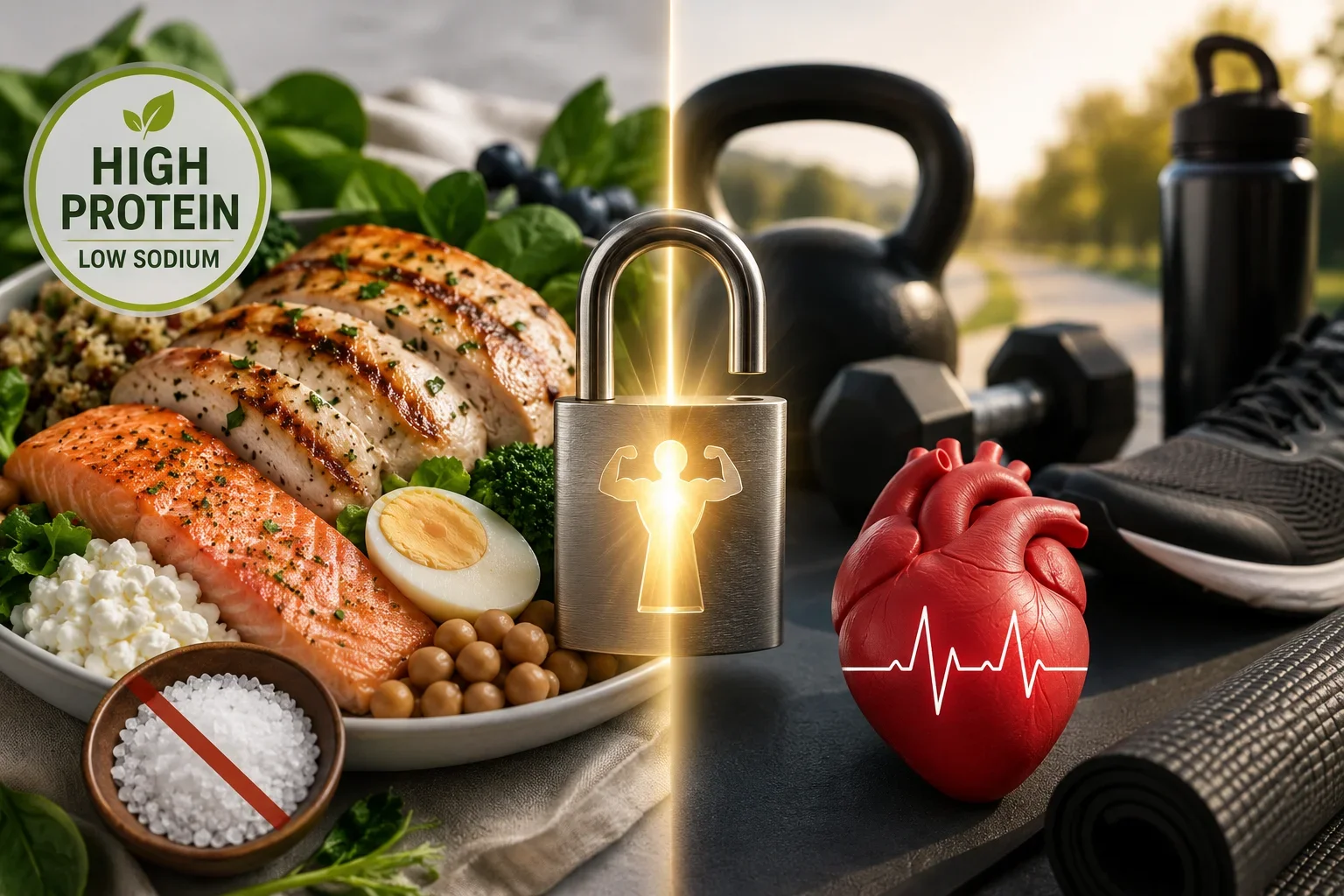
The Salt-Smart Protein Guide: Best Low-Sodium Foods to Hit Your Macros

Did you know most protein-rich foods are loaded with salt, risking your health? Discover the best high protein foods low sodium to power your workouts and protect your heart. Mastering this balance transforms your diet and boosts your fitness journey—salt-smart, muscle-strong, and health-focused.Unlocking the Power of High Protein Foods Low Sodium: Why Salt Matters for Fitness and Heart HealthFor anyone passionate about fitness or aiming to improve their heart health, the salt content in your favorite protein source can be a hidden roadblock. Many high protein foods are packed with sodium to enhance flavor or extend shelf life, but this extra salt can raise your blood pressure and increase your risk of heart disease. The best high protein foods low sodium provide all the muscle-building benefits without jeopardizing cardiovascular health.Selecting low sodium options is about more than taste—it’s a step toward a balanced lifestyle. When you choose foods that are both high in protein and low in sodium, you’re supporting strong muscles, healthy fat metabolism, and keeping high blood pressure at bay. This guide will help you navigate these choices so your nutrition doesn’t come at the expense of your long-term health. “Finding high protein foods low sodium isn’t just about fitness—it's central to supporting your heart health while achieving your muscle-building goals.”What You'll Learn: Mastering High Protein Foods Low Sodium for a Salt-Smart DietHow high protein foods low sodium impact heart health and blood pressureKey foods that boost protein intake without excess saltTips for choosing high protein, low sodium options at the storeExpert recommendations on balancing macros and sodium intakeThe Link Between High Protein Foods Low Sodium, Heart Health, and Blood PressureHow sodium affects your heart health and blood pressureSodium is an essential electrolyte in the body, but an excess intake—mostly from processed foods—can wreak havoc on heart health. High sodium levels lead to water retention, which raises blood pressure (the force your blood exerts against your arteries). Persistent high blood pressure increases your risk of heart disease, stroke, and other forms of cardiovascular disease.By focusing on high protein foods low sodium, you lower your risk of heart issues while still fueling muscle recovery and growth. For example, replacing processed or salted meats with fresh or frozen cuts, and using unsalted nut butter instead of regular peanut butter, helps maintain better cardiovascular health. Add chopped vegetables like bell peppers and fiber-rich beans to your meals to further support your heart. Balancing protein per serving with low sodium choicesWhen managing your macros, it’s important to consider not just the protein per serving but also the sodium content. Many convenient protein sources, such as protein powder, protein bars, and deli meats, may be high in protein but sneak in a significant dose of salt and even added sugar. This can undermine your health goals over time.Instead, opt for less processed foods: lean meats, Greek yogurt, unsalted nut butter, and legumes are reliable choices for high protein and lower sodium. Pay close attention to nutrition labels—look for options with less than 140mg sodium per serving. Balancing macros doesn’t mean compromising on taste or health; it’s about making conscious, informed decisions that support both muscle growth and your heart’s long-term wellbeing.For those interested in a deeper dive into how dietary choices impact heart health, especially when it comes to protein and sodium, exploring the principles of the Pritikin Diet can offer valuable, evidence-based strategies. Learn more about heart-focused nutrition in the Pritikin Diet guide for heart health and see how it aligns with salt-smart eating.Top High Protein Foods Low Sodium for Every DietLean meats and poultry: High protein, low sodium basicsLean meats, such as skinless chicken breast, turkey, and pork tenderloin, are some of the most classic high protein foods low sodium. When you choose fresh or frozen cuts over pre-seasoned or processed options, you avoid added salt and preservatives. These proteins provide all nine essential amino acids for muscle repair and can be easily seasoned with herbs, spices, olive oil, and lemon juice for flavor and healthy fats.If you’re meal prepping for fitness goals, bake or grill your meats and pair with fiber-rich sides like beans or chopped vegetables, minimizing extra sodium. Eggs make another excellent protein source that's low in sodium and can be incorporated into scrambles, salads, or breakfast wraps. Remember, moderation is key—rotate different animal proteins for variety and overall nutrient balance.Seafood and fish: Omega-3s and protein with less sodiumSeafood, particularly fresh fish like salmon, tilapia, cod, and trout, stands out as both high in protein and naturally low in sodium. These fish not only support muscle growth but also provide omega-3 fatty acids, renowned for their benefits to heart health and for lowering inflammation. Avoid smoked, pickled, or pre-seasoned fish, which are typically much higher in sodium.Grilling or baking fish with a brush of olive oil, chopped fresh herbs, and a squeeze of lemon juice adds flavor without salt. Shrimp, scallops, and crab are also good options, just ensure you select fresh or frozen varieties rather than canned or pre-cooked. Enjoying seafood a few times a week is an easy way to hit your protein per serving targets and support cardiovascular wellness. Dairy powerhouses: Greek yogurt and cottage cheese for high protein, low sodium dietsDairy products like Greek yogurt and cottage cheese can be powerful allies in a high protein foods low sodium diet—when you choose the right varieties. Greek yogurt is naturally high in protein, low in sugar (if unsweetened), and can be found in unsalted, plain forms that dramatically lower your sodium intake. Mix in fresh fruit and a drizzle of olive oil for healthy fat.Cottage cheese is another star, with many brands now offering “no salt added” or “low sodium” options that give you plenty of protein per serving without overloading on salt. Both Greek yogurt and cottage cheese can be enjoyed as snacks, smoothie bases, or meal additions for breakfast and lunch. Always read the label for sodium and added sugar content before purchasing.Greek yogurtCottage cheesePlant-based stars: Nut butter, peanut butter, legumes, and seedsPlant-based protein sources help diversify your diet and support heart health. Unsweetened nut butter and peanut butter are excellent for protein and healthy fat, but always check labels for added salt or added sugar. Opting for “no salt added” or unsalted versions gives you a filling, satisfying snack or meal ingredient.Pairing beans, lentils, and chickpeas with whole grains brings not just a protein boost but also fiber and antioxidants, both crucial to lowering the risk of heart disease and supporting blood sugar stabilization. Don’t forget chia seeds and hemp hearts—they’re small, but they pack protein, omega-3s, and minerals.Nut butter (always check for added salt)Peanut butter (preferably unsalted)Beans and lentilsChia seeds, hemp heartsComparing Protein per Serving: Table of High Protein Foods Low SodiumFoodProtein per ServingSodium (mg)Notable NutrientsChicken breast (skinless, grilled, 3oz)26g60Iron, B12Atlantic salmon (wild, 3oz)19g40Omega-3s, Vitamin DLow-sodium cottage cheese (1/2 cup)13g50Calcium, SeleniumPlain Greek yogurt (6oz)16g60Probiotics, CalciumEgg whites (3 large)11g55RiboflavinLentils (cooked, 1 cup)18g5Fiber, FolateUnsalted peanut butter (2 tbsp)7g0Healthy fats, MagnesiumChia seeds (2 tbsp)4g0Omega-3s, Fiber Label Reading 101: Avoiding Added Sugar and Sneaky Sodium in High Protein FoodsWatch out for added sugar and sodium in protein bars, nut butters, and processed proteinsPackaged foods—even those marketed as high in protein—can hide surprisingly large amounts of sodium and added sugar. Protein bars, processed nut butter, and convenience items like deli meats or protein powder blends are notorious for this. Some protein bars, for example, offer impressive protein per serving but pack more sodium than a serving of chips. Always check both the sodium and sugar lines on the label, as frequent consumption can increase your risk of heart disease and elevated blood pressure.For nut butter (including peanut butter), the simplest ingredient lists—just nuts, or nuts and a touch of olive oil—are usually the best choice. Skip those with “salt added,” “honey roasted,” or “flavored” versions, as they are likely higher in sodium and sweeteners. Taking a few minutes to read labels and compare products helps you make better choices for heart health and your fitness goals. Tips and Lists: How to Choose & Prepare High Protein Foods Low SodiumAlways check nutrition labels for sodium contentOpt for fresh or frozen over canned or pre-seasoned productsDIY snacks—roast your chickpeas, prep your Greek yogurt parfaitsWhen shopping or cooking, aim for foods that are naturally low in sodium and high in protein, like fresh poultry, fish, legumes, and unsalted nut butter. Preparing meals at home allows you to control not just salt but also healthy fat sources like olive oil. Try prepping batches of high protein snacks: Greek yogurt parfaits layered with berries and chia seeds, or snack boxes featuring sliced veggies and hummus made with limited sodium.Choosing fresh or frozen proteins lets you enjoy more flavor and fewer preservatives. When using canned beans or legumes, drain and rinse thoroughly to lower sodium content. Adding seasonings like citrus juice, black pepper, garlic, and herbs can boost taste without raising salt. Simple swaps like these make your meals heart health-friendly and supportive of your fitness journey.Nutrition Expert: Prioritizing Heart Health and Blood Pressure“When choosing high protein foods low sodium, you’re not just fueling recovery—you’re investing in long-term health.” People Also Ask about High Protein Foods Low SodiumHow to eat high-protein but low sodium?Choose fresh or minimally processed foods such as grilled chicken, steamed fish, eggs, lentils, and dairy like plain Greek yogurt. Avoid processed meats, flavored protein bars, and canned soups. Season with herbs, olive oil, or lemon juice instead of salt to keep both protein and sodium levels in check for heart health.Strategy and example meals for maximizing protein and minimizing sodiumA great strategy is to prep breakfast bowls with egg whites and chopped vegetables, Greek yogurt with chia seeds and berries, or lunch salads topped with grilled chicken and unsalted nuts. For dinner, try baked salmon with steamed broccoli, lentil stew, or plant-based stir-fry. Focus on variety and rotating between animal and plant proteins.What protein has the least amount of sodium?Egg whites, unsalted nut butters (like almond or peanut), plain Greek yogurt, and many fresh lean meats and fish are naturally lowest in sodium. Always check labels—plain, unprocessed options almost always have less sodium than pre-packaged or flavored protein products.Overview of protein options lowest in sodium (e.g., egg whites, certain fish, unsalted nuts, unprocessed meats)Top low sodium protein picks include egg whites, plain Greek yogurt, unsalted peanut or almond butter, most unprocessed meats (like chicken breast or lean beef), white fish like cod or tilapia, lentils, and cooked beans. Chia and hemp seeds are also smart additions for plant-based diets.How much sodium per day for CKD stage 3?For those with stage 3 chronic kidney disease (CKD), sodium intake should generally be limited to 2,000 mg or less per day, but always follow your healthcare provider’s advice. Focus on naturally low sodium, high protein options such as egg whites, lentils, unseasoned poultry, Greek yogurt, and low sodium cottage cheese to protect kidney and heart health.Explaining sodium recommendations for CKD and protein choices that fit those needsWith CKD, reducing sodium helps manage blood pressure and prevents extra strain on kidneys. Protein choices should be mainly fresh, unseasoned meats, beans, or dairy alternatives with limited sodium—plan meals with careful label reading, and avoid canned or processed items unless labeled “low sodium. ”What is the best protein for diabetics?The best high protein foods low sodium for diabetics are unsweetened dairy (plain Greek yogurt, low sodium cottage cheese), fresh lean proteins (chicken, eggs), beans, and plant-based proteins without added sugar or salt. These support stable blood sugar while minimizing cardiovascular risk.Ideal high protein foods low sodium for diabetic health (unsweetened dairy, lean meats, legumes)Greek yogurt, cottage cheese, lentils, chickpeas, skinless poultry, eggs, and fish like salmon or cod are all smart choices. Monitor sodium and sugar in all packaged foods, and prepare meals at home using fresh ingredients for the best balance. FAQs: Common Questions About High Protein Foods Low SodiumHow do I spot hidden sodium in packaged protein foods?Check nutrition labels carefully—look for sodium content per serving and beware of terms like “seasoned,” “flavored,” or “marinated.” Ingredients lists can also reveal added salt, sodium nitrate, or soy sauce.Are plant-based proteins typically lower in sodium?Most plain plant-based proteins—such as beans, lentils, and seeds—are naturally low in sodium, but canned or flavored options can be much higher. Always choose plain or rinse canned products well.What are quick low sodium high protein snacks?Greek yogurt with berries, unsalted nut butter spread on apple slices, hard-boiled eggs, homemade trail mix with seeds, or roasted chickpeas are all quick and salt-smart.Enjoy a visual guide that shows simple, weekly meal prep using chicken breast, salmon, Greek yogurt parfaits, and lentil stews for effortless high protein, low sodium meals.Key Takeaways for Incorporating High Protein Foods Low Sodium into Your LifestylePrioritize unprocessed, naturally low sodium proteinsMonitor labels for both salt and added sugarBalance and variety are key—choose from animal and plant-based optionsProtect Your Heart—Start Small: Transform Your Diet with High Protein Foods Low SodiumCurious about better health? Discover in-depth articles and tips at: NCWellnessHub.comTake control of your macros and your health today—swap in high protein foods low sodium, read your labels, and prep meals that work for your goals and your heart.If you’re inspired to take your wellness journey further, consider exploring a broader range of fitness and nutrition strategies that go beyond protein and sodium. The NC Wellness Hub fitness resource center offers actionable tips, holistic routines, and advanced insights to help you optimize every aspect of your health.Whether you’re looking to refine your workout plan, discover new meal prep ideas, or deepen your understanding of balanced living, you’ll find expert guidance to support your next steps. Dive in and unlock the tools you need for a stronger, healthier you.SourcesCDC – Tips for Reducing Sodium – https://www.cdc.gov/salt/reduce_sodium_tips.htmAmerican Heart Association – How to Eat Less Sodium – https://www.heart.org/en/healthy-living/healthy-eating/eat-smart/sodium/how-to-eat-less-sodiumNational Kidney Foundation – Sodium and Your CKD Diet – https://www.kidney.org/atoz/content/sodiumAmerican Diabetes Association – Protein and Diabetes – https://www.diabetes.org/healthy-living/recipes-nutrition/eating-well/what-to-eat/proteinTo further enhance your understanding of high-protein, low-sodium foods, consider exploring the following resources:The article “Good Protein-Rich Foods for a Healthy Lifestyle” provides a comprehensive list of protein sources, including their nutritional content, helping you make informed dietary choices.For practical snack ideas, “20 Best High Protein, Low Sodium Snacks for Healthy Living” offers a variety of options that are both nutritious and convenient.These resources will equip you with valuable information to effectively incorporate high-protein, low-sodium foods into your diet. NCWellnessHub.com


NCWellnessHub.com

Discover Your Hub for NC Health & Wellness info, your go-to resource for comprehensive insights, tips, and updates on healthcare, nutrition, fitness, and overall well-being in North Carolina.

COMPANY

  • Privacy Policy
  • Terms of Use
  • Advertise
  • Contact Us
  • Menu 5
  • Menu 6
NC Wellness Hub


Raleigh, North Carolina

ABOUT US

At NC Wellness Hub, we are more than just a resource; we are a community united by a shared passion for health and well-being. Our journey began with a simple yet profound belief: that everyone deserves access to the knowledge and support necessary to lead a fulfilling life.

© 2026 NC Wellness Hub All Rights Reserved. Richardson Drive , Raleigh, NC 27603 . Contact Us . Terms of Service . Privacy Policy

eyJjb21wYW55IjoiTkMgV2VsbG5lc3MgSHViIiwiYWRkcmVzcyI6IlJpY2hhcmRzb24gRHJpdmUgIiwiY2l0eSI6IlJhbGVpZ2giLCJzdGF0ZSI6Ik5DIiwiemlwIjoiMjc2MDMiLCJlbWFpbCI6Im1pa2VjZXJ0bWFuQGdtYWlsLmNvbSIsInRvcyI6IlBIQStQSE4wY205dVp6NDhaVzArVjJobGJpQjViM1VnYzJsbmJpMXBiaUIzYVhSb0lIVnpMQ0I1YjNVZ1lYSmxJR2RwZG1sdVp5WnVZbk53T3lCNWIzVnlJSEJsY20xcGMzTnBiMjRnWVc1a0lHTnZibk5sYm5RZ2RHOGdjMlZ1WkNCNWIzVWdaVzFoYVd3Z1lXNWtMMjl5SUZOTlV5QjBaWGgwSUcxbGMzTmhaMlZ6TGlCQ2VTQmphR1ZqYTJsdVp5QjBhR1VnVkdWeWJYTWdZVzVrSUVOdmJtUnBkR2x2Ym5NZ1ltOTRJR0Z1WkNCaWVTQnphV2R1YVc1bklHbHVJSGx2ZFNCaGRYUnZiV0YwYVdOaGJHeDVJR052Ym1acGNtMGdkR2hoZENCNWIzVWdZV05qWlhCMElHRnNiQ0IwWlhKdGN5QnBiaUIwYUdseklHRm5jbVZsYldWdWRDNDhMMlZ0UGp3dmMzUnliMjVuUGp3dmNENEtDanh3UGp4aElHaHlaV1k5SW1oMGRIQTZMeTkzZDNjdVoyOXZaMnhsTG1OdmJTSSthSFIwY0RvdkwzZDNkeTVuYjI5bmJHVXVZMjl0UEM5aFBqd3ZjRDRLQ2p4d1BpWnVZbk53T3p3dmNENEtDanh3UGp4emRISnZibWMrVTBWU1ZrbERSVHd2YzNSeWIyNW5Qand2Y0Q0S0NqeHdQbGRsSUhCeWIzWnBaR1VnWVNCelpYSjJhV05sSUhSb1lYUWdZM1Z5Y21WdWRHeDVJR0ZzYkc5M2N5QjViM1VnZEc4Z2NtVmpaV2wyWlNCeVpYRjFaWE4wY3lCbWIzSWdabVZsWkdKaFkyc3NJR052YlhCaGJua2dhVzVtYjNKdFlYUnBiMjRzSUhCeWIyMXZkR2x2Ym1Gc0lHbHVabTl5YldGMGFXOXVMQ0JqYjIxd1lXNTVJR0ZzWlhKMGN5d2dZMjkxY0c5dWN5d2daR2x6WTI5MWJuUnpJR0Z1WkNCdmRHaGxjaUJ1YjNScFptbGpZWFJwYjI1eklIUnZJSGx2ZFhJZ1pXMWhhV3dnWVdSa2NtVnpjeUJoYm1RdmIzSWdZMlZzYkhWc1lYSWdjR2h2Ym1VZ2IzSWdaR1YyYVdObExpQlpiM1VnZFc1a1pYSnpkR0Z1WkNCaGJtUWdZV2R5WldVZ2RHaGhkQ0IwYUdVZ1UyVnlkbWxqWlNCcGN5QndjbTkyYVdSbFpDQW1jWFZ2ZER0QlV5MUpVeVp4ZFc5ME95QmhibVFnZEdoaGRDQjNaU0JoYzNOMWJXVWdibThnY21WemNHOXVjMmxpYVd4cGRIa2dabTl5SUhSb1pTQjBhVzFsYkdsdVpYTnpMQ0JrWld4bGRHbHZiaXdnYldsekxXUmxiR2wyWlhKNUlHOXlJR1poYVd4MWNtVWdkRzhnYzNSdmNtVWdZVzU1SUhWelpYSWdZMjl0YlhWdWFXTmhkR2x2Ym5NZ2IzSWdjR1Z5YzI5dVlXeHBlbUYwYVc5dUlITmxkSFJwYm1kekxqd3ZjRDRLQ2p4d1BsbHZkU0JoY21VZ2NtVnpjRzl1YzJsaWJHVWdabTl5SUc5aWRHRnBibWx1WnlCaFkyTmxjM01nZEc4Z2RHaGxJRk5sY25acFkyVWdZVzVrSUhSb1lYUWdZV05qWlhOeklHMWhlU0JwYm5admJIWmxJSFJvYVhKa0lIQmhjblI1SUdabFpYTWdLSE4xWTJnZ1lYTWdVMDFUSUhSbGVIUWdiV1Z6YzJGblpYTXNJRWx1ZEdWeWJtVjBJSE5sY25acFkyVWdjSEp2ZG1sa1pYSWdiM0lnWTJWc2JIVnNZWElnWVdseWRHbHRaU0JqYUdGeVoyVnpLUzRnV1c5MUlHRnlaU0J5WlhOd2IyNXphV0pzWlNCbWIzSWdkR2h2YzJVZ1ptVmxjeXdnYVc1amJIVmthVzVuSUhSb2IzTmxJR1psWlhNZ1lYTnpiMk5wWVhSbFpDQjNhWFJvSUhSb1pTQmthWE53YkdGNUlHOXlJR1JsYkdsMlpYSjVJRzltSUdWaFkyZ2dVMDFUSUhSbGVIUWdiV1Z6YzJGblpTQnpaVzUwSUhSdklIbHZkU0JpZVNCMWN5NGdTVzRnWVdSa2FYUnBiMjRzSUhsdmRTQnRkWE4wSUhCeWIzWnBaR1VnWVc1a0lHRnlaU0J5WlhOd2IyNXphV0pzWlNCbWIzSWdZV3hzSUdWeGRXbHdiV1Z1ZENCdVpXTmxjM05oY25rZ2RHOGdZV05qWlhOeklIUm9aU0JUWlhKMmFXTmxJR0Z1WkNCeVpXTmxhWFpsSUhSb1pTQlRUVk1nZEdWNGRDQnRaWE56WVdkbGN5NGdWMlVnWkc4Z2JtOTBJR05vWVhKblpTQmhibmtnWm1WbGN5Qm1iM0lnWkdWc2FYWmxjbmtnYjJZZ1pXMWhhV3dnYjNJZ1UwMVRMaUJVYUdseklHbHpJR0VnWm5KbFpTQnpaWEoyYVdObElIQnliM1pwWkdWa0lHSjVJSFZ6TGlCSWIzZGxkbVZ5TENCd2JHVmhjMlVnWTJobFkyc2dkMmwwYUNCNWIzVnlJR2x1ZEdWeWJtVjBJSE5sY25acFkyVWdjSEp2ZG1sa1pYSWdZVzVrSUdObGJHeDFiR0Z5SUdOaGNuSnBaWElnWm05eUlHRnVlU0JqYUdGeVoyVnpJSFJvWVhRZ2JXRjVJR2x1WTNWeUlHRnpJR0VnY21WemRXeDBJR1p5YjIwZ2NtVmpaV2wyYVc1bklHVnRZV2xzSUdGdVpDQlRUVk1nZEdWNGRDQnRaWE56WVdkbGN5QjBhR0YwSUhkbElHUmxiR2wyWlhJZ2RYQnZiaUI1YjNWeUlHOXdkQzFwYmlCaGJtUWdjbVZuYVhOMGNtRjBhVzl1SUhkcGRHZ2diM1Z5SUdWdFlXbHNJR0Z1WkNCVFRWTWdjMlZ5ZG1salpYTXVJRmx2ZFNCallXNGdZMkZ1WTJWc0lHRjBJR0Z1ZVNCMGFXMWxMaUJLZFhOMElIUmxlSFFnSm5GMWIzUTdVMVJQVUNaeGRXOTBPeUIwYnladVluTndPenhvYVdkb2JHbG5hSFFnWTJ4aGMzTTlJbU52YlhCaGJubFRUVk5RYUc5dVpWVndaR0YwWlNJK2JuVnNiRHd2YUdsbmFHeHBaMmgwUGk0Z1FXWjBaWElnZVc5MUlITmxibVFnZEdobElGTk5VeUJ0WlhOellXZGxJQ1p4ZFc5ME8xTlVUMUFtY1hWdmREc2dkRzhnZFhNc0lIZGxJSGRwYkd3Z2MyVnVaQ0I1YjNVZ1lXNGdVMDFUSUcxbGMzTmhaMlVnZEc4Z1kyOXVabWx5YlNCMGFHRjBJSGx2ZFNCb1lYWmxJR0psWlc0Z2RXNXpkV0p6WTNKcFltVmtMaUJCWm5SbGNpQjBhR2x6TENCNWIzVWdkMmxzYkNCdWJ5QnNiMjVuWlhJZ2NtVmpaV2wyWlNCVFRWTWdiV1Z6YzJGblpYTWdabkp2YlNCMWN5NDhMM0ErQ2dvOGNENDhjM1J5YjI1blBsbFBWVklnVWtWSFNWTlVVa0ZVU1U5T0lFOUNURWxIUVZSSlQwNVRQQzl6ZEhKdmJtYytQQzl3UGdvS1BIQStTVzRnWTI5dWMybGtaWEpoZEdsdmJpQnZaaUI1YjNWeUlIVnpaU0J2WmlCMGFHVWdVMlZ5ZG1salpTd2dlVzkxSUdGbmNtVmxJSFJ2T2p3dmNENEtDanh2YkQ0S0NUeHNhVDV3Y205MmFXUmxJSFJ5ZFdVc0lHRmpZM1Z5WVhSbExDQmpkWEp5Wlc1MElHRnVaQ0JqYjIxd2JHVjBaU0JwYm1admNtMWhkR2x2YmlCaFltOTFkQ0I1YjNWeWMyVnNaaUJoY3lCd2NtOXRjSFJsWkNCaWVTQjBhR1VnVTJWeWRtbGpaU1lqTXprN2N5QnlaV2RwYzNSeVlYUnBiMjRnWm05eWJTQW9jM1ZqYUNCcGJtWnZjbTFoZEdsdmJpQmlaV2x1WnlCMGFHVWdKbkYxYjNRN1VtVm5hWE4wY21GMGFXOXVJRVJoZEdFbWNYVnZkRHNwSUdGdVpEd3ZiR2srQ2drOGJHaytiV0ZwYm5SaGFXNGdZVzVrSUhCeWIyMXdkR3g1SUhWd1pHRjBaU0IwYUdVZ1VtVm5hWE4wY21GMGFXOXVJRVJoZEdFZ2RHOGdhMlZsY0NCcGRDQjBjblZsTENCaFkyTjFjbUYwWlN3Z1kzVnljbVZ1ZENCaGJtUWdZMjl0Y0d4bGRHVXVJRWxtSUhsdmRTQndjbTkyYVdSbElHRnVlU0JwYm1admNtMWhkR2x2YmlCMGFHRjBJR2x6SUhWdWRISjFaU3dnYVc1aFkyTjFjbUYwWlN3Z2JtOTBJR04xY25KbGJuUWdiM0lnYVc1amIyMXdiR1YwWlN3Z2IzSWdkMlVnYUdGMlpTQnlaV0Z6YjI1aFlteGxJR2R5YjNWdVpITWdkRzhnYzNWemNHVmpkQ0IwYUdGMElITjFZMmdnYVc1bWIzSnRZWFJwYjI0Z2FYTWdkVzUwY25WbExDQnBibUZqWTNWeVlYUmxMQ0J1YjNRZ1kzVnljbVZ1ZENCdmNpQnBibU52YlhCc1pYUmxMQ0IzWlNCb1lYWmxJSFJvWlNCeWFXZG9kQ0IwYnlCemRYTndaVzVrSUc5eUlEeHpkSEp2Ym1jK1BITndZVzRnYzNSNWJHVTlJbU52Ykc5eU9pTkdSakF3TURBN0lqNTBaWEp0YVc1aGRHVWdlVzkxY2lCaFkyTnZkVzUwTDNCeWIyWnBiR1VnWVc1a0lISmxablZ6WlNCaGJua2dZVzVrSUdGc2JDQmpkWEp5Wlc1MElHOXlJR1oxZEhWeVpTQjFjMlVnYjJZZ2RHaGxJRk5sY25acFkyVWdLRzl5SUdGdWVTQndiM0owYVc5dUlIUm9aWEpsYjJZcExqd3ZjM0JoYmo0OEwzTjBjbTl1Wno0OEwyeHBQZ284TDI5c1Bnb0tQSEErSm01aWMzQTdQQzl3UGdvOGFHbG5hR3hwWjJoMElHTnNZWE56UFNKamIyMXdZVzU1VG1GdFpWVndaR0YwWlNJK1RrTWdWMlZzYkc1bGMzTWdTSFZpUEM5b2FXZG9iR2xuYUhRK1BHSnlJQzgrQ2p4b2FXZG9iR2xuYUhRZ1kyeGhjM005SW1OdmJYQmhibmxCWkdSeVpYTnpWWEJrWVhSbElqNVNhV05vWVhKa2MyOXVJRVJ5YVhabElDd2dVbUZzWldsbmFDd2dUa01nTWpjMk1ETThMMmhwWjJoc2FXZG9kRDQ4WW5JZ0x6NEtQR2hwWjJoc2FXZG9kQ0JqYkdGemN6MGlZMjl0Y0dGdWVWQm9iMjVsVlhCa1lYUmxJajRyTVRrNE5ESXdOVGMxT1RrOEwyaHBaMmhzYVdkb2RENDhZbklnTHo0S1BHaHBaMmhzYVdkb2RDQmpiR0Z6Y3owaVkyOXRjR0Z1ZVVWdFlXbHNWWEJrWVhSbElqNXRhV3RsWTJWeWRHMWhia0JuYldGcGJDNWpiMjA4TDJocFoyaHNhV2RvZEQ0PSIsInByaXZhY3kiOiJQSEErUEhOMGNtOXVaejVRVWtsV1FVTlpQQzl6ZEhKdmJtYytQQzl3UGdvS1BIQStQSE4wY205dVp6NVVhR1VnYVc1bWIzSnRZWFJwYjI0Z2NISnZkbWxrWldRZ1pIVnlhVzVuSUhSb2FYTWdjbVZuYVhOMGNtRjBhVzl1SUdseklHdGxjSFFnY0hKcGRtRjBaU0JoYm1RZ1kyOXVabWxrWlc1MGFXRnNMQ0JoYm1RZ2QybHNiQ0J1WlhabGNpQmlaU0JrYVhOMGNtbGlkWFJsWkN3Z1kyOXdhV1ZrTENCemIyeGtMQ0IwY21Ga1pXUWdiM0lnY0c5emRHVmtJR2x1SUdGdWVTQjNZWGtzSUhOb1lYQmxJRzl5SUdadmNtMHVJRlJvYVhNZ2FYTWdiM1Z5SUdkMVlYSmhiblJsWlM0OEwzTjBjbTl1Wno0OEwzQStDZ284Y0Q0OGMzUnliMjVuUGtsT1JFVk5Ua2xVV1R3dmMzUnliMjVuUGp3dmNENEtDanh3UGp4bGJUNVpiM1VnWVdkeVpXVWdkRzhnYVc1a1pXMXVhV1o1SUdGdVpDQm9iMnhrSUhWekxDQmhibVFnYVhSeklITjFZbk5wWkdsaGNtbGxjeXdnWVdabWFXeHBZWFJsY3l3Z2IyWm1hV05sY25Nc0lHRm5aVzUwY3l3Z1kyOHRZbkpoYm1SbGNuTWdiM0lnYjNSb1pYSWdjR0Z5ZEc1bGNuTXNJR0Z1WkNCbGJYQnNiM2xsWlhNc0lHaGhjbTFzWlhOeklHWnliMjBnWVc1NUlHTnNZV2x0SUc5eUlHUmxiV0Z1WkN3Z2FXNWpiSFZrYVc1bklISmxZWE52Ym1GaWJHVWdZWFIwYjNKdVpYbHpKaU16T1RzZ1ptVmxjeXdnYldGa1pTQmllU0JoYm5rZ2RHaHBjbVFnY0dGeWRIa2daSFZsSUhSdklHOXlJR0Z5YVhOcGJtY2diM1YwSUc5bUlFTnZiblJsYm5RZ2VXOTFJSEpsWTJWcGRtVXNJSE4xWW0xcGRDd2djbVZ3Ykhrc0lIQnZjM1FzSUhSeVlXNXpiV2wwSUc5eUlHMWhhMlVnWVhaaGFXeGhZbXhsSUhSb2NtOTFaMmdnZEdobElGTmxjblpwWTJVc0lIbHZkWElnZFhObElHOW1JSFJvWlNCVFpYSjJhV05sTENCNWIzVnlJR052Ym01bFkzUnBiMjRnZEc4Z2RHaGxJRk5sY25acFkyVXNJSGx2ZFhJZ2RtbHZiR0YwYVc5dUlHOW1JSFJvWlNCVVQxTXNJRzl5SUhsdmRYSWdkbWx2YkdGMGFXOXVJRzltSUdGdWVTQnlhV2RvZEhNZ2IyWWdZVzV2ZEdobGNpNDhMMlZ0UGp3dmNENEtDanh3UGp4emRISnZibWMrUkVsVFEweEJTVTFGVWlCUFJpQlhRVkpTUVU1VVNVVlRQQzl6ZEhKdmJtYytQQzl3UGdvS1BIQStQSE4wY205dVp6NVpUMVVnUlZoUVVrVlRVMHhaSUZWT1JFVlNVMVJCVGtRZ1FVNUVJRUZIVWtWRklGUklRVlE2UEM5emRISnZibWMrUEM5d1Bnb0tQRzlzUGdvSlBHeHBQbGxQVlZJZ1ZWTkZJRTlHSUZSSVJTQlRSVkpXU1VORklFbFRJRUZVSUZsUFZWSWdVMDlNUlNCU1NWTkxMaUJVU0VVZ1UwVlNWa2xEUlNCSlV5QlFVazlXU1VSRlJDQlBUaUJCVGlBbWNYVnZkRHRCVXlCSlV5WnhkVzkwT3lCQlRrUWdKbkYxYjNRN1FWTWdRVlpCU1V4QlFreEZKbkYxYjNRN0lFSkJVMGxUTGlBc0xpQkJUa1FnVlZNc0lFbFVKaU16T1R0VElFTlZVMVJQVFVWU1V5d2dSVmhRVWtWVFUweFpJRVJKVTBOTVFVbE5VeUJCVEV3Z1YwRlNVa0ZPVkVsRlV5QlBSaUJCVGxrZ1MwbE9SQ3dnVjBoRlZFaEZVaUJGV0ZCU1JWTlRJRTlTSUVsTlVFeEpSVVFzSUVsT1EweFZSRWxPUnl3Z1FsVlVJRTVQVkNCTVNVMUpWRVZFSUZSUElGUklSU0JKVFZCTVNVVkVJRmRCVWxKQlRsUkpSVk1nVDBZZ1RVVlNRMGhCVGxSQlFrbE1TVlJaTENCR1NWUk9SVk5USUVaUFVpQkJJRkJCVWxSSlExVk1RVklnVUZWU1VFOVRSU0JCVGtRZ1RrOU9MVWxPUmxKSlRrZEZUVVZPVkM0OEwyeHBQZ29KUEd4cFBrMUJTMFZUSUU1UElGZEJVbEpCVGxSWklGUklRVlFnS0drcElGUklSU0JUUlZKV1NVTkZJRmRKVEV3Z1RVVkZWQ0JaVDFWU0lGSkZVVlZKVWtWTlJVNVVVeXdnS0dscEtTQlVTRVVnVTBWU1ZrbERSU0JYU1V4TUlFSkZJRlZPU1U1VVJWSlNWVkJVUlVRc0lGUkpUVVZNV1N3Z1UwVkRWVkpGTENCUFVpQkZVbEpQVWkxR1VrVkZMQ0FvYVdscEtTQlVTRVVnVWtWVFZVeFVVeUJVU0VGVUlFMUJXU0JDUlNCUFFsUkJTVTVGUkNCR1VrOU5JRlJJUlNCVlUwVWdUMFlnVkVoRklGTkZVbFpKUTBVZ1YwbE1UQ0JDUlNCQlEwTlZVa0ZVUlNCUFVpQlNSVXhKUVVKTVJTd2dRVTVFSUNocGRpa2dRVTVaSUVWU1VrOVNVeUJKVGlCVVNFVWdVMDlHVkZkQlVrVWdWMGxNVENCQ1JTQkRUMUpTUlVOVVJVUXVQQzlzYVQ0S0NUeHNhVDVCVGxrZ1RVRlVSVkpKUVV3Z1JFOVhUa3hQUVVSRlJDQlBVaUJQVkVoRlVsZEpVMFVnVDBKVVFVbE9SVVFnVkVoU1QxVkhTQ0JVU0VVZ1ZWTkZJRTlHSUZSSVJTQlRSVkpXU1VORklFbFRJRVJQVGtVZ1FWUWdXVTlWVWlCUFYwNGdSRWxUUTFKRlZFbFBUaUJCVGtRZ1VrbFRTeUJCVGtRZ1ZFaEJWQ0JaVDFVZ1YwbE1UQ0JDUlNCVFQweEZURmtnVWtWVFVFOU9VMGxDVEVVZ1JrOVNJRUZPV1NCRVFVMUJSMFVnVkU4Z1dVOVZVaUJEVDAxUVZWUkZVaUJUV1ZOVVJVMGdUMUlnVEU5VFV5QlBSaUJFUVZSQklGUklRVlFnVWtWVFZVeFVVeUJHVWs5TklGUklSU0JFVDFkT1RFOUJSQ0JQUmlCQlRsa2dVMVZEU0NCTlFWUkZVa2xCVEM0OEwyeHBQZ29KUEd4cFBrNVBJRUZFVmtsRFJTQlBVaUJKVGtaUFVrMUJWRWxQVGl3Z1YwaEZWRWhGVWlCUFVrRk1JRTlTSUZkU1NWUlVSVTRzSUU5Q1ZFRkpUa1ZFSUVKWklGbFBWU0JHVWs5TklFOVNJRlJJVWs5VlIwZ2dUMUlnUmxKUFRTQlVTRVVnVTBWU1ZrbERSU0JUU0VGTVRDQkRVa1ZCVkVVZ1FVNVpJRmRCVWxKQlRsUlpJRTVQVkNCRldGQlNSVk5UVEZrZ1UxUkJWRVZFSUVsT0lGUklSU0JVVDFNdVBDOXNhVDRLUEM5dmJENEtDanh3UGp4emRISnZibWMrVEVsTlNWUkJWRWxQVGlCUFJpQk1TVUZDU1V4SlZGazhMM04wY205dVp6NDhMM0ErQ2dvOGNENVpUMVVnUlZoUVVrVlRVMHhaSUZWT1JFVlNVMVJCVGtRZ1FVNUVJRUZIVWtWRklGUklRVlFnUVU1RUlGTklRVXhNSUU1UFZDQkNSU0JNU1VGQ1RFVWdSazlTSUVGT1dTQkVTVkpGUTFRc0lFbE9SRWxTUlVOVUxDQkpUa05KUkVWT1ZFRk1MQ0JUVUVWRFNVRk1MQ0JEVDA1VFJWRlZSVTVVU1VGTUlFOVNJRVZZUlUxUVRFRlNXU0JFUVUxQlIwVlRMQ0JKVGtOTVZVUkpUa2NnUWxWVUlFNVBWQ0JNU1UxSlZFVkVJRlJQTENCRVFVMUJSMFZUSUVaUFVpQk1UMU5USUU5R0lGQlNUMFpKVkZNc0lFZFBUMFJYU1V4TUxDQlZVMFVzSUVSQlZFRWdUMUlnVDFSSVJWSWdTVTVVUVU1SFNVSk1SU0JNVDFOVFJWTWdLRVZXUlU0Z1NVWWdTRUZUSUVKRlJVNGdRVVJXU1ZORlJDQlBSaUJVU0VVZ1VFOVRVMGxDU1V4SlZGa2dUMFlnVTFWRFNDQkVRVTFCUjBWVEtTd2dVa1ZUVlV4VVNVNUhJRVpTVDAwNlBDOXdQZ29LUEc5c1Bnb0pQR3hwUGxSSVJTQlZVMFVnVDFJZ1ZFaEZJRWxPUVVKSlRFbFVXU0JVVHlCVlUwVWdWRWhGSUZORlVsWkpRMFU3UEM5c2FUNEtDVHhzYVQ1VVNFVWdRMDlUVkNCUFJpQlFVazlEVlZKRlRVVk9WQ0JQUmlCVFZVSlRWRWxVVlZSRklFZFBUMFJUSUVGT1JDQlRSVkpXU1VORlV5QlNSVk5WVEZSSlRrY2dSbEpQVFNCQlRsa2dSMDlQUkZNc0lFUkJWRUVzSUVsT1JrOVNUVUZVU1U5T0lFOVNJRk5GVWxaSlEwVlRJRkJWVWtOSVFWTkZSQ0JQVWlCUFFsUkJTVTVGUkNCUFVpQk5SVk5UUVVkRlV5QlNSVU5GU1ZaRlJDQlBVaUJVVWtGT1UwRkRWRWxQVGxNZ1JVNVVSVkpGUkNCSlRsUlBJRlJJVWs5VlIwZ2dUMUlnUmxKUFRTQlVTRVVnVTBWU1ZrbERSVHM4TDJ4cFBnb0pQR3hwUGxWT1FWVlVTRTlTU1ZwRlJDQkJRME5GVTFNZ1ZFOGdUMUlnUVV4VVJWSkJWRWxQVGlCUFJpQlpUMVZTSUZSU1FVNVRUVWxUVTBsUFRsTWdUMUlnUkVGVVFUczhMMnhwUGdvSlBHeHBQbE5VUVZSRlRVVk9WRk1nVDFJZ1EwOU9SRlZEVkNCUFJpQkJUbGtnVkVoSlVrUWdVRUZTVkZrZ1QwNGdWRWhGSUZORlVsWkpRMFU3SUU5U1BDOXNhVDRLQ1R4c2FUNUJUbGtnVDFSSVJWSWdUVUZVVkVWU0lGSkZURUZVU1U1SElGUlBJRlJJUlNCVFJWSldTVU5GTGp3dmJHaytDand2YjJ3K0NnbzhjRDQ4ZFQ1Q2VTQnlaV2RwYzNSbGNtbHVaeUJoYm1RZ2MzVmljMk55YVdKcGJtY2dkRzhnYjNWeUlHVnRZV2xzSUdGdVpDQlRUVk1nYzJWeWRtbGpaU3dnWW5rZ2IzQjBMV2x1TENCdmJteHBibVVnY21WbmFYTjBjbUYwYVc5dUlHOXlJR0o1SUdacGJHeHBibWNnYjNWMElHRWdZMkZ5WkN3Z0puRjFiM1E3ZVc5MUlHRm5jbVZsSUhSdklIUm9aWE5sSUZSRlVrMVRJRTlHSUZORlVsWkpRMFVtY1hWdmREc2dZVzVrSUhsdmRTQmhZMnR1YjNkc1pXUm5aU0JoYm1RZ2RXNWtaWEp6ZEdGdVpDQjBhR1VnWVdKdmRtVWdkR1Z5YlhNZ2IyWWdjMlZ5ZG1salpTQnZkWFJzYVc1bFpDQmhibVFnWkdWMFlXbHNaV1FnWm05eUlIbHZkU0IwYjJSaGVTNDhMM1UrUEM5d1Bnb0tQSEErSm01aWMzQTdQQzl3UGdvOGFHbG5hR3hwWjJoMElHTnNZWE56UFNKamIyMXdZVzU1VG1GdFpWVndaR0YwWlNJK1RrTWdWMlZzYkc1bGMzTWdTSFZpUEM5b2FXZG9iR2xuYUhRK1BHSnlJQzgrQ2p4b2FXZG9iR2xuYUhRZ1kyeGhjM005SW1OdmJYQmhibmxCWkdSeVpYTnpWWEJrWVhSbElqNVNhV05vWVhKa2MyOXVJRVJ5YVhabElDd2dVbUZzWldsbmFDd2dUa01nTWpjMk1ETThMMmhwWjJoc2FXZG9kRDQ4WW5JZ0x6NEtKbTVpYzNBNyJ9

Terms of Service

Privacy Policy

Core Modal Title

Sorry, no results found

You Might Find These Articles Interesting

T
Please Check Your Email
We Will Be Following Up Shortly
*
*
*