NC Wellness Hub
North Carolina Wellness Hub
  • Home
  • Categories
    • Wellness
    • General Health
    • Holistic
    • News
    • Living & Travel
    • Lifestyle
    • Fitness & Exercise
    • Mental Health
    • Stress Management
    • FEATURE
    • Sleep
    • Allergies
    • Medicines & Supplements
    • Weight Loss
    • Kids Health
    • Fertility & Pregnancy
    • Cancer
    • Heart Health
    • Skin & Hair
    • Arthritis
    • Dental
    • Vision
    • Digestive
    • Bone Health
    • Sports Performance
  • About Us
  • Editorial Standards
August 14.2025
3 Minutes Read

Discover the Best Vitamin for Arthritis Relief and Wellness!

Best Vitamin for Arthritis: Middle-aged man discussing health.

Unlocking Relief: The Best Vitamin for Arthritis

If you’re one of the millions navigating the persistent pain of arthritis, you’re likely in search of effective remedies. Nutritional science hints that one specific vitamin may hold significant promise in alleviating symptoms associated with this condition. Let's delve into this vitamin and explore how it can enhance your quality of life.

Vitamin D: The Unsung Hero

Among the myriad of vitamins, Vitamin D consistently stands out for its myriad health benefits, particularly its role in managing arthritis. Numerous studies have indicated that adequate levels of Vitamin D can reduce inflammation, a key contributor to arthritis pain. Not only does it support immune function, but it also aids in calcium absorption, which is crucial for bone health.

The Connection Between Vitamin D and Arthritis

Researchers have noted a striking correlation: individuals with lower Vitamin D levels often experience increased severity of arthritis symptoms. A recent meta-analysis published in The Journal of Clinical Rheumatology highlights how supplementation can significantly diminish joint pain and improve function in those living with osteoarthritis and rheumatoid arthritis. For health-conscious individuals looking for natural ways to alleviate their discomfort, Vitamin D proves to be a valuable ally.

"More vitamin D might help if you have inflammatory arthritis." - The Arthritis Foundation

How Much Vitamin D Do We Need?

For the average adult, a daily intake of around 600 to 800 IU (International Units) of Vitamin D is recommended, but specific needs can vary based on factors such as age, geographic location, and existing health conditions. It’s essential to consult with a healthcare professional to identify the appropriate dosage tailored to personal health goals and conditions.

Where to Find Vitamin D

Aside from supplements, incorporating Vitamin D-rich foods into your diet is a delicious way to bolster your intake. Fatty fish—such as salmon and mackerel—egg yolks, fortified dairy products, and some mushrooms can all contribute to your daily needs. Engaging in outdoor activities and absorbing sunlight is also a natural method, as the skin synthesizes Vitamin D from sunlight exposure. However, it's vital to balance sun exposure with skin care to prevent damage.

Aligning Vitamin D with a Holistic Approach to Wellness

While Vitamin D is instrumental in managing arthritis symptoms, it's equally important to consider a comprehensive wellness regimen. Incorporating physical activity, maintaining a balanced diet, and practicing mindfulness can further elevate your health. Gentle exercises, such as yoga or swimming, can minimize pain while enhancing flexibility and strength.

Personal Stories of Transformation

Many individuals report life-changing experiences upon increasing their Vitamin D intake. One such story comes from Steve, a 54-year-old who struggled with severe joint pain for years. After consulting his doctor and starting a regimen of Vitamin D supplements along with dietary adjustments, his inflammation levels dropped, and he began enjoying activities he had previously abandoned. Narratives like Steve's underline the potential of nutritional approaches to transform health outcomes.

"More than three fourths of all Americans are vitamin D deficient." - John Cannell, MD

Conclusion: Take Action for Your Health!

Exploring the benefits of Vitamin D not only offers a path to alleviating arthritis symptoms but also embodies a proactive approach to health. By staying informed and advocating for your well-being, you can take substantial steps toward a pain-free life. Speak to your healthcare provider today about incorporating Vitamin D into your routine and discover the impact it can have on your health and vitality.

Start prioritizing your Vitamin D intake today and embrace a more comfortable lifestyle every day!

Disclaimer: The information provided on this website is for general informational purposes only and should not be considered medical advice, diagnosis, or treatment. Always consult a qualified healthcare professional before making any decisions or taking actions related to your health, including but not limited to medical conditions, devices, treatments, diets, supplements, or exercise programs. The website and its authors are not responsible for any actions taken based on the information provided. Ask your doctor or licensed medical professional first.

Arthritis

0 Comments

Write A Comment

*
*
Please complete the captcha to submit your comment.
Related Posts All Posts

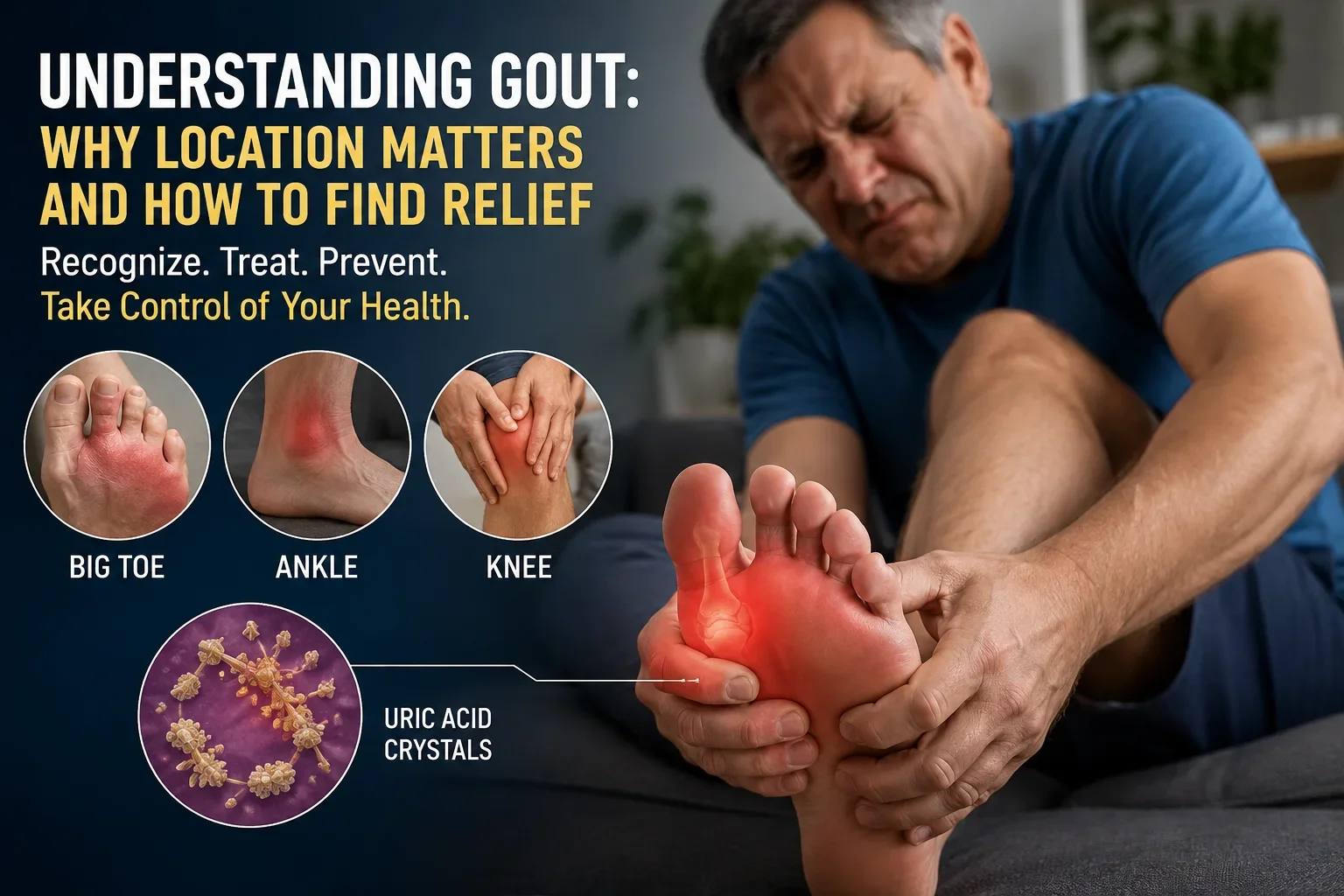
Is It Gout in Your Toe or Ankle? How Location Changes the Triggers

The sharp pain in your toe or ankle isn’t just a flare-up—it’s a signal your body desperately wants you to understand. Knowing how gout’s triggers differ by location can change how you cope and heal, turning confusion into relief and empowering you to reclaim your mobility. If you’ve ever wondered why your big toe is swollen one day and your ankle throbs the next, you’re not alone. This comprehensive guide unpacks the science and practical steps for recognizing, treating, and preventing gout attacks, tailored by joint location.Understanding the Difference Between Gout in Big Toe vs Ankle CausesThe difference between gout in big toe vs ankle causes lies at the very foundation of how gout develops and manifests throughout the body. Gout, a type of inflammatory arthritis, results from high uric acid levels in the blood, which accumulate and form needle-shaped crystals in joints. While both the big toe and ankle are susceptible to these painful attacks, the symptoms, triggers, and risk factors can vary significantly depending on the affected joint.This guide will equip you with actionable knowledge to not only differentiate between gout in these locations but to also recognize the subtle signs that could save you from prolonged pain and joint damage. By understanding your body’s signals and the unique triggers for each joint, you can prevent future gout flares and protect your mobility for the long run.The Shared Cause: Uric Acid Buildup in Toe Joint and AnkleAt the core of every gout flare, whether in the big toe or ankle, is uric acid buildup. Uric acid, a byproduct of purine breakdown (from foods like red meat, seafood, and certain beverages), normally dissolves in the bloodstream and exits via the kidneys.If the body produces too much uric acid, or the kidneys fail to remove enough, uric acid crystals begin to deposit in cooler joints like the big toe or larger joints such as the ankle. These sharp acid crystals provoke an intense immune response, resulting in pain, swelling, and redness—classic hallmarks of a gout attack.The difference in how these crystals trigger flares in the big toe compared to the ankle often stems from anatomy, blood flow, and joint usage patterns. While both locations share the root cause (hyperuricemia), understanding their unique triggers can improve how you manage and prevent recurrent attacks. Recognizing the early signals of uric acid buildup is crucial for targeting your treatment and preserving joint function.For those seeking additional ways to support joint health and manage arthritis symptoms, exploring the role of nutrients can be highly beneficial. In fact, understanding how vitamin D contributes to arthritis relief may offer complementary strategies alongside traditional gout management.Recognizing Signals From Your Body“The sharp pain associated with a gout flare in your toe or ankle is not just discomfort—it’s your body alerting you to a deeper imbalance.”Core similarities and differences between gout attacks in the big toe and ankleTriggers that uniquely affect each locationWays to distinguish gout flares vs other joint conditions such as rheumatoid arthritisPractical strategies for targeted prevention and reliefBig Toe Gout: Why the Big Toe is Most Often AffectedBig Toe Joint Anatomy and Vulnerability to Gout AttacksThe big toe joint, medically termed the first metatarsophalangeal (MTP) joint, is particularly prone to gout attacks due to a combination of anatomical and physiological factors. This joint bears significant weight during walking and running, making it subject to micro-traumas and daily wear. Its location at the body’s periphery means it has a slightly lower temperature compared to other joints, one reason uric acid crystals form here more easily.Reduced blood flow in this area can slow the clearance of uric acid, so microscopic deposits can build up over time. When the accumulation reaches a tipping point, the immune system attacks the uric acid crystals, causing intense pain and inflammation. Recognizing the unique vulnerability of the big toe joint allows for proactive steps in mitigating the risk of future gout flares, especially for those with a history of recurrent attacks in this location.Uric Acid Crystal Formation in the Big ToeUric acid crystals develop in the big toe when the concentration of uric acid in blood exceeds the threshold for solubility, leading to the formation of painful deposits. The cooler temperature of the toe joint acts as a catalyst for this process. As the crystals accumulate, the body’s defenses trigger strong inflammatory responses—resulting in extreme tenderness, heat, and swelling at the site. Over time, repeated flares can lead to chronic inflammation and, if underestimated or untreated, progressive joint damage.Those with repeated big toe gout flares often have additional risk factors such as dehydration, heavy alcohol intake, high-purine diets (think red meat and seafood), or underlying conditions like kidney disease, which alter uric acid handling. Understanding why the big toe is commonly the first target provides clarity in how to approach both prevention and treatment of future attacks.Common Triggers for Gout Attack in the Big ToeSeveral lifestyle and dietary factors can spark a gout attack in the big toe. Dehydration is a major culprit, reducing the kidneys’ ability to filter out uric acid. High-purine meals featuring red meat, seafood, or alcohol (especially beer and spirits) can rapidly raise uric acid levels. Sudden weight loss or fasting may also mobilize stored uric acid, precipitating flares.Other triggers include trauma (even minor stubbing or bumping of the toe), certain medications that alter uric acid excretion, and systemic illnesses that temporarily affect the body’s fluid balance. By tracking these risk factors, gout sufferers can better anticipate and sometimes prevent painful attacks, focusing on dietary moderation, proper hydration, and attention to other underlying health issues.Difference Between Gout in Big Toe vs Ankle Causes: Why the Ankle is TargetedAnkle Joint Characteristics and SusceptibilityThe ankle joint is another common site for gout flares but is often targeted for slightly different reasons than the big toe. The ankle is a large, complex joint with multiple bones and supporting soft tissues. While not as peripheral as the big toe, its extensive motion range and susceptibility to injury increase its risk for uric acid deposits—especially after trauma or in settings of longstanding high uric acid levels.Ankle flares are sometimes preceded by a history of sprains, fractures, or overuse injuries that make the joint environment more vulnerable. Additionally, those with more severe or poorly controlled hyperuricemia (chronically high blood uric acid) are at higher risk for gout episodes in the ankle. Because the ankle supports much of the body’s weight, inflammation here can be especially debilitating, often requiring prompt attention for relief and preservation of mobility.Uric Acid Buildup in Ankle vs Big ToeWhile uric acid buildup is the root cause for both big toe and ankle gout, the process can differ in its intensity and chronicity. The ankle is often affected in individuals with a history of persistent high uric acid levels or those who have experienced previous joint trauma. Unlike the big toe, where a single dietary indiscretion may provoke a flare, ankle involvement may signal a more advanced or systemic issue requiring long-term management.Understanding this distinction helps tailor prevention. For those with ankle involvement, evaluating for underlying conditions (such as kidney disease or high blood pressure) is crucial. Managing acid levels through dietary modification and appropriate medications, in consultation with a healthcare provider, can greatly reduce the frequency and severity of future attacks.Specific Triggers That Set Off Ankle Gout FlaresTriggers for gout flares in the ankle can overlap with those in the big toe but certain factors stand out. Prior joint injuries, such as sprains, can create a localized environment that fosters uric acid crystal formation. Major changes in hydration status, intense physical stress, or even prolonged immobility may also set the stage for ankle flares.Dietary excesses, especially those involving high-purine foods and alcohol, still play a significant role. However, systemic illnesses, medication changes, or poorly managed chronic health conditions (like high blood pressure or kidney disease) can more readily tip the balance for ankle involvement. Recognizing these triggers is key for both patients and clinicians aiming to prevent recurrent attacks.Previous Joint Trauma, Hydration Status, and Systemic StressorsPast joint trauma increases scar tissue and structural changes in the ankle, which can make it easier for uric acid crystals to settle. Similarly, systemic stressors like severe illness, surgery, or dehydration elevate uric acid concentration in the blood and joint fluid, priming the ankle joint for an attack.Regular physical activity with adequate hydration protects both the big toe and the ankle, but the need is heightened for the ankle due to its size and complexity. Individuals should take special precautions after ankle injuries or during times of bodily stress, ensuring their uric acid management plan is closely followed to minimize the risk of gout flares.Table: Side-by-Side Comparison – Difference Between Gout in Big Toe vs Ankle CausesCharacteristicBig Toe (1st MTP Joint)Ankle JointTriggering CausesRapid uric acid rise, dehydration, high-purine meals, joint stressChronic high uric acid, prior joint trauma, systemic illness, dehydrationSymptomsIntense pain, swelling, redness, warmth, sudden onsetPainful swelling, redness (sometimes less severe), possible reduced motionRisk FactorsDiet, obesity, kidney disease, alcohol, dehydrationPrior injuries, chronic hyperuricemia, systemic triggers, underlying diseaseOther Joint SignsOften the first joint affected, classic site for initial gout flareMay occur after big toe involvement or be associated with frequent attacks elsewhereRecognizing and Responding to Gout Flare Symptoms in Each LocationIntense Pain, Redness, and Swelling: How Symptoms Differ by LocationIntense pain, sudden redness, warmth, and swelling are the signature symptoms of a gout attack, but their presentation can vary depending on whether the big toe or ankle is affected. Big toe flares typically present with abrupt, severe pain—so acute that even the weight of a bedsheet feels intolerable. The area quickly appears red and swollen, sometimes accompanied by fever or chills if inflammation is severe.In the ankle, pain and swelling may develop more gradually, and can be mistaken for a sprain or other joint problem at first glance. There may be less redness compared to the toe, yet the discomfort is significant enough to hinder walking. Distinguishing these differences is vital for timely intervention, as the right diagnosis reduces the risk of long-term joint damage and ensures the most effective treatment is started quickly.Joint Fluid Analysis and Other Diagnostic ToolsWhen diagnosing the source of joint pain, joint fluid analysis remains the gold standard. Using a fine needle, a small sample of fluid is withdrawn from the affected joint and examined under a microscope for the presence of uric acid crystals. This quick test can confirm gout and also help rule out infections or other types of inflammatory arthritis, such as rheumatoid arthritis.Blood tests measuring uric acid levels, along with ultrasound or specialized imaging, may further support the diagnosis. Clinical evaluation and a thorough patient history round out the diagnostic process, helping differentiate between gout, sprains, infection, and other joint disorders that might mimic a gout attack—especially in less classic locations like the ankle.Distinguishing Gout from Rheumatoid Arthritis and Other ConditionsBecause symptoms can overlap, distinguishing gout attacks from other types of arthritis—especially rheumatoid arthritis—is crucial. Unlike gout, rheumatoid arthritis typically causes chronic, symmetrical joint swelling and stiffness, and is less likely to present as a sudden, one-sided attack. Blood tests for inflammatory markers and rheumatology panels can help clarify the diagnosis.Misdiagnosis may delay effective treatment, worsening pain and joint damage. Hence, if you’re unsure whether pain in your big toe or ankle is gout, don’t hesitate to consult your provider and request tests for uric acid and joint fluid analysis. Swift and accurate identification ensures the best chance for swift relief and long-term joint health.Treatment Options and Prevention, Tailored by LocationTreatment Options for Big Toe Gout FlaresThe mainstays of big toe gout treatment begin with aggressive pain management and inflammation control. Nonsteroidal anti-inflammatory drugs (NSAIDs), colchicine, or corticosteroids may be prescribed for rapid symptom relief, while ice packs and rest provide further comfort. Reducing physical activity and elevating the affected foot can minimize swelling. Long-term management focuses on lowering uric acid through medications and dietary changes, preventing future episodes in the vulnerable big toe joint.Since big toe attacks often have clear dietary or dehydration triggers, patients are encouraged to maintain adequate hydration and avoid high-purine foods and alcohol. Regular follow-ups with your healthcare provider help monitor uric acid levels and adjust therapy to minimize risks of future flares and joint destruction.Treatment Approaches for Ankle Gout AttacksAnkle gout flares follow similar treatment options as big toe attacks, but often require a more comprehensive approach. Due to the ankle’s weight-bearing function and complexity, immobilization, rest, and sometimes the short-term use of walking aids (like a cane or crutches) are beneficial. Cold compresses and NSAIDs offer immediate pain relief, while severe cases may call for corticosteroid injections or oral therapy.Long-term ankle gout control prioritizes strict uric acid management and careful monitoring for any signs of joint damage. Addressing underlying risk factors—such as managing high blood pressure or improving kidney function—helps to prevent recurrence. Collaboration with a rheumatologist is often recommended if ankle gout is severe, frequent, or chronic.Lifestyle Strategies: Diet, Hydration, and Physical ActivityRegardless of the affected joint, lifestyle strategies are cornerstone therapies for both preventing future attacks and aiding recovery. Staying consistently hydrated dilutes uric acid concentration, making crystal formation less likely. Modifying your diet by reducing intake of red meat, shellfish, and alcohol directly lowers the building blocks for uric acid production. Incorporating fruits, vegetables, whole grains, and low-fat dairy supports overall joint health and reduces flare risk.Physical activity should be balanced—gentle range-of-motion exercises keep joints flexible, while avoiding overuse and repetitive injuries helps protect vulnerable sites. Regular medical monitoring, including uric acid measurement and kidney checks, further supports sustainable, long-lasting control. “Personalized treatment—especially when guided by your unique triggers—can drastically reduce gout attacks, wherever they occur. ”Key Differences and Takeaways: Gout Attacks in Big Toe vs AnkleUric acid is the root cause, but unique triggers for each site existThe big toe is the ‘classic’ site due to anatomy and lower temperatureAnkle involvement often relates to trauma or severe hyperuricemiaQuick recognition and response can speed recoveryFrequently Asked Questions About the Difference Between Gout in Big Toe vs Ankle CausesWhat stops gout immediately?Immediate relief from a gout flare starts with rest, elevation of the affected joint (toe or ankle), and applying a cold compress to reduce inflammation. Anti-inflammatory medications like NSAIDs or colchicine—when prescribed and taken promptly—can stop or reduce acute symptoms quickly. Always consult with your healthcare provider before starting new medications, especially if this is your first attack or you have other underlying health conditions.How to tell if ankle pain is gout?Gout-related ankle pain tends to come on suddenly, with intense pain, redness, swelling, and warmth at the joint. It often follows a period of dietary excess, alcohol intake, dehydration, or recent illness. Compared to sprains or strains, gout pain is sharper, more intense, and accompanied by visible inflammation. When in doubt, joint fluid analysis and a healthcare evaluation are essential to confirm the diagnosis.What is the number one trigger for gout?The most common trigger for a gout attack in both the big toe and ankle is a rapid rise in uric acid levels, often following consumption of high-purine foods (like red meat and seafood), excessive alcohol, or dehydration. Other triggers like surgery, trauma, or sudden illness can also provoke attacks, particularly in predisposed joints. Staying hydrated and moderating purine-rich foods is your best defense against future gout flares.Will toe gout go away on its own?Mild gout in the big toe may resolve on its own after several days, but the pain can be severe and joint damage may result from repeated or untreated attacks. Prompt treatment shortens flare duration, reduces complication risk, and helps prevent chronic joint injury. Ankle gout, due to its larger size and support role, often needs more active management. If you suspect gout, seek medical advice for both rapid relief and lasting joint health.Discover more trusted information like this at: NCWellnessHub.comConclusion: Understanding the difference between gout in big toe vs ankle causes is the first step to faster relief, smarter prevention, and healthier joints. Stay alert to your body’s signals, act fast, and seek out strategies tailored to your unique triggers for the best chance at long-term comfort and mobility.If you’re interested in expanding your knowledge of how systemic health conditions can impact your overall well-being, you may find it valuable to explore related topics such as managing esophageal disorders for health-conscious adults. Taking a holistic approach to your health empowers you to recognize early warning signs, make informed lifestyle choices, and proactively address potential issues before they escalate.By connecting the dots between joint health and broader wellness, you can build a foundation for lasting vitality and resilience. Continue your journey toward optimal health by exploring more expert insights and practical strategies tailored to your needs.Discover more trusted information like this at: NCWellnessHub.comSourcesGout - Symptoms and causes - https://www.mayoclinic.org/diseases-conditions/gout/symptoms-causes/syc-20372897Can Gout Cause Ankle Pain? - https://www.cascadeutah.com/post/can-gout-cause-ankle-painGout vs Arthritis - https://www.bluebonnetfootandankleinstitute.com/blog/differences-between-gout-and-arthritisGout in Ankle: Symptoms, Causes, Treatments - https://www.hingehealth.com/resources/articles/gout-in-ankle/Signs of Gout in the Ankle: Symptoms, Causes, Next Steps - https://achillesfootandankle.com/signs-of-gout-in-the-ankle/Gout vs. Hallux Rigidus: Causes & Relief - https://www.riversideonline.com/en/patients-and-visitors/healthy-you-blog/blog/g/gout-or-hallux-rigidus-how-to-tell-whats-causing-your-toe-painGout/Gouty Arthritis In Depth: Risk Factors, Treatment - https://www.hss.edu/health-library/conditions-and-treatments/gout-risk-factors-diagnosis-treatment5 Signs That Your Big Toe Pain Could Be Gout - https://www.patelfootandanklecare.com/blog/5-signs-that-your-big-toe-pain-could-be-gout


Copper Bracelets and Arthritis: Do They Actually Work? Insights from Two Doctors

Update Do Copper Bracelets Help with Arthritis Pain? Arthritis sufferers often seek various ways to alleviate their pain, and one tool that has caught attention in recent years is the humble copper bracelet. But how effective are they really? Let’s dive into the science and opinions surrounding this trending topic.In 'Copper Bracelets For Arthritis: Do They Actually Work?', the discussion dives into the effectiveness of this popular alternative therapy, exploring key insights that sparked deeper analysis on our end. The Science Behind Copper Bracelets Copper is a metal that has been utilized for centuries, believed by many to possess healing properties. Some researchers suggest that the skin absorbs small amounts of copper when in contact with copper jewelry. This, in theory, could help reduce inflammation and pain. However, the scientific community remains divided. What Doctors Are Saying When it comes to health solutions, it's always wise to consult professionals. Two doctors were interviewed about the effectiveness of copper bracelets. Both highlighted that while some patients report a decrease in pain, these effects could largely be attributed to the placebo effect. The placebo effect is when a person feels better simply because they believe they are receiving treatment, regardless of whether the treatment is effective. Nevertheless, the doctors encourage staying in touch with health professionals while exploring various pain management techniques. Why Some People Believe in Copper Bracelets For many, wearing a copper bracelet can provide a sense of control over their arthritis. The idea that you can wear something that could potentially help can be empowering. It’s also important to note that shifting your mindset towards wellness and exploring alternative options can create positive health perspectives. Taking a Holistic Approach to Arthritis While copper bracelets might not be a cure-all, they can be part of a well-rounded approach to managing arthritis. Regular exercise, a healthy diet, and open communication with healthcare professionals are all critical in maintaining joint health. Arm yourself with knowledge: talking with doctors about all available options can lead to finding the right balance for your lifestyle. Your Experience Matters! Have you tried copper bracelets for arthritis? Your experiences could help others on similar journeys. Sharing your story can foster connections and offer support within the community. As you can see, while the jury is still out on the physical benefits of copper bracelets, they may hold psychological benefits that shouldn’t be overlooked. Whether you choose to wear one or not, remember: every individual's path to wellness is unique.

Shockwave vs. Cortisone: Which Knee Therapy Actually Lasts (And Is It Worth the Cost?)

Is Extracorporeal Shockwave Therapy for Knee Pain Better Than Cortisone?Extracorporeal shockwave therapy for knee pain provides longer-lasting pain relief than cortisone shots, requiring fewer repeat treatments and making it a preferred wave therapy for knee osteoarthritis.Systematic reviews and studies suggest that shockwave therapy effectively reduces knee osteoarthritis symptoms and improves mobility, whereas cortisone injections primarily target inflammation with short-term effects.Shockwave therapy may stimulate healing and promote cartilage regeneration, establishing itself as a leading extracorporeal shockwave therapy for knee osteoarthritis and other chronic joint conditions.Did you know extracorporeal shockwave therapy can stimulate knee healing without drugs? Unlike cortisone injections, its effects may last longer and might reduce the need for repeat treatments. If you’re struggling with knee pain—especially from knee osteoarthritis—choosing the right therapy could save your knee from more damage and your wallet from recurring costs.In this opinion-driven guide, I’ll share a detailed comparison based on the latest research, clinical experience, and real patient outcomes. Let’s explore whether extracorporeal shockwave therapy for the knee could be the future of lasting knee relief—or if cortisone still deserves its place as a go-to solution.What You'll Learn About Extracorporeal Shockwave Therapy Knee TreatmentsHow extracorporeal shockwave therapy knee works versus cortisone shotsEffectiveness, duration, and costs for both therapiesFirst-hand opinion and insights on choosing knee pain reliefCommon patient mistakesLatest research and systematic reviews of therapy for knee osteoarthritisIntroduction: Comparing Knee Pain Relief—Extracorporeal Shockwave Therapy Knee vs. Cortisone"Did you know extracorporeal shockwave therapy can stimulate knee healing without drugs? Unlike cortisone, its effects may last longer, potentially reducing repeat treatments. Understanding which therapy offers lasting relief could save your knee—and your wallet."Knee pain is one of the most common complaints that drive people to seek treatment—particularly those with knee osteoarthritis. For years, cortisone injections have been a staple, providing quick relief from stubborn pain and inflammation. However, recent systematic reviews and patient experiences suggest that extracorporeal shockwave therapy (ESWT) may offer a better, longer-lasting solution for many.This modern, non-drug approach uses sound waves to stimulate tissue healing, possibly even encouraging some cartilage regrowth. But is it really the superior therapy for knee pain? Below, we break down the science, real-world results, and costs—so you can decide what’s best for your health, activity levels, and finances.How Extracorporeal Shockwave Therapy Knee Works: Healing Beyond InjectionsWhat is extracorporeal shockwave therapy for knee?Wave therapy for knee pain: Mechanism and scienceExtracorporeal shockwave and knee osteoarthritis: Systematic review findingsShock wave therapy and its critical role in tissue regeneration for patients with knee osteoarthritisExtracorporeal shockwave therapy knee is a non-invasive wave therapy that uses high-energy shock waves generated outside the body to target the knee joint, stimulating tissue repair and pain relief. Unlike cortisone, which simply masks inflammation, this therapy triggers biological changes in the tissues.Studies have found that ESWT increases blood circulation, stimulates the release of growth factors, and can even promote the repair of damaged cartilage and bone (NCBI – https://www. ncbi. nlm. nih. gov).For patients suffering from chronic knee osteoarthritis, research points to a statistically significant reduction in both pain and stiffness—outperforming placebo and sometimes even matching the effects of surgical intervention.What sets wave therapy for knee pain apart is its multi-level approach. Its physical shockwaves disrupt pain signals, encourage tissue metabolism, and reduce calcifications or scar tissue. Systematic reviews of clinical studies consistently report durable improvements in symptoms after as few as three to six sessions.“In patients with knee osteoarthritis, ESWT is thought to be effective and secure for reducing pain and enhancing knee joint function… ESWT is regarded as a successful short‑term treatment strategy for reducing pain and restoring function in KOA patients.” — Silva A. G., MD, summarizing clinical data on ESWT for knee osteoarthritis in a 2024 review.Some research even hints at an increase in joint space and subchondral bone healing—key factors for delaying or avoiding knee surgery. For patients with knee osteoarthritis who have tried other treatment options without success, ESWT has emerged as a safe, low-risk, and science-backed approach rooted in decades of sports medicine innovation.For those considering a comprehensive approach to knee osteoarthritis, incorporating targeted movement can further enhance therapy outcomes. Discover practical, beginner-friendly routines in this guide to exercises for managing knee osteoarthritis safely—a valuable complement to both shockwave and cortisone treatments.Cortisone Injections: Quick Relief but Short-Term Results for Knee PainHow cortisone injections address knee osteoarthritis symptomsPain relief mechanism and treatment timelinePotential risks for patients with knee osteoarthritisPros and cons vs. shockwave therapy for knee painCortisone injections for knee pain are widely used due to their rapid anti-inflammatory effects. The steroid is injected directly into the joint, swiftly calming swelling and allowing quick restoration of mobility. For patients experiencing a flare-up or acute pain that interrupts daily activities, cortisone can feel life-changing—often providing relief within a few days.Yet, this quick fix comes with major caveats. Research indicates that the effects of a single cortisone injection typically last only 1–3 months and may diminish with repeat treatments (Arthritis Foundation – https://www. arthritis. org).Additionally, cortisone does not address the underlying degeneration in knee osteoarthritis. Excessive or frequent steroid injections can even weaken the cartilage and subchondral bone over time, potentially accelerating joint damage. The risk of post-injection infection, tissue atrophy, or spike in blood sugar in susceptible patients also warrants caution.While cortisone is less expensive per shot and beloved for its immediacy, it often translates into repeat procedures, more visits, and a greater total cost for patients with stubborn or progressive knee pain. For these reasons, leading sports med experts now recommend reserving cortisone for specific cases rather than as a long-term knee therapy solution.Effectiveness Showdown: Extracorporeal Shockwave Therapy Knee vs. Cortisone (With Real Results)TherapyPain ReliefDuration of EffectRepeat TreatmentsSafety ProfileCost per Session/InjectionShockwave TherapyModerate-High6-12+ monthsFewerLow risk$200–$400Cortisone InjectionHigh1–3 monthsMoreSome risks$100–$300"As someone who has seen both therapies in clinical practice, I believe shockwave therapy offers superior long-term results for active patients seeking more than a quick fix."Comparing extracorporeal shockwave therapy knee and cortisone injections reveals distinct advantages, with shockwave therapy offering superior pain relief duration and fewer repeat treatments for patients with knee pain. Shockwave therapy for knee often requires a short series of sessions, after which many patients experience relief that can persist for up to a year or longer.In clinical experiments and systematic reviews, the experimental group receiving ESWT frequently outperformed the control group receiving a placebo or other conservative therapies, recording a statistically significant reduction in pain and improved function for knee OA sufferers.In contrast, cortisone provides overwhelming relief initially, but most patients will need another round of treatment when symptoms return—about every 2–4 months for chronic osteoarthritis. While it is less invasive and may be easier to access, repeated shots carry growing risks of tissue weakening and diminishing returns.Importantly, the financial cost adds up over time and can even exceed that of ESWT when considering a one-year window. Patient testimonials and outcomes reinforce that those looking for sustainable improvement are often more satisfied with shockwave therapy—especially if they value returning to active lifestyles and delaying surgery.Who Should (and Shouldn’t) Choose Extracorporeal Shockwave Therapy for Knee Osteoarthritis?Best candidates: Chronic knee pain, mild-to-moderate knee osteoarthritis, those avoiding surgeryWhen cortisone injections are a better fitContraindications and safety concerns for shockwave therapyExpert opinion: How to make the callExtracorporeal shockwave therapy knee is ideal for individuals experiencing persistent pain, especially with early- to moderate-stage knee osteoarthritis. If your goal is to delay or avoid surgical intervention and you’ve exhausted conservative options (like physical therapy and oral medications), ESWT is a promising option. Candidates include people who want natural, drug-free healing or those who can’t tolerate frequent cortisone due to metabolic or joint risks.“Using ESWT for treatment of knee OA has a beneficial effect on pain relief and physical function for up to 12 months, and only minor complications occurred after ESWT treatment.” — Li S., MD, orthopaedic specialist, in a systematic review on the efficacy and safety of ESWT for knee osteoarthritis.Cortisone injections still have their place. They are best suited for acute flare-ups, severe swelling that demands immediate relief, or patients with medical contraindications to ESWT (such as active infection, blood clotting disorders, or pregnancy). Some may benefit from a one-time cortisone injection while arranging or trialing wave therapy for knee pain. As always, collaborating with your orthopedic or sports medicine provider for a personalized assessment is key to balancing risks, benefits, and your specific activity goals.Cost Comparison: Is Extracorporeal Shockwave Therapy Knee Actually Worth the Investment?Insurance coverage and out-of-pocket costs for wave therapy vs. cortisoneHow many treatments are typically needed?Potential cost savings from longer-lasting effectsPatient perspective: Is shockwave therapy for knee pain truly worth it?The cost analysis of extracorporeal shockwave therapy knee vs. cortisone shows that upfront pricing for ESWT ($200–$400 per session) is higher, especially since many insurance plans still classify it as experimental and may not cover it. However, most patients need only 3 to 6 sessions for long-lasting benefits, while cortisone injections (at $100–$300 each) may be required multiple times a year. When you tally the repeat office visits, time off work, and risks of cortisone overuse, the investment in ESWT can actually result in cost savings and fewer healthcare system burdens.Many patients report that the longer-lasting relief from ESWT justifies the upfront expense, providing both economic and lifestyle advantages. Still, personal financial circumstances and insurance nuances should be considered—be sure to ask your provider if they offer payment plans or if your policy covers all or part of the therapy for knee osteoarthritis.Common Misconceptions: The Biggest Mistakes When Treating Knee PainThe #1 mistake that makes bad knees worseMisunderstanding therapy for knee conditions: Wave therapy mythsHow to avoid repeat injury and poor healingThe most common pitfall for patients with knee OA and chronic pain is leaning on rest or injections alone, which can actually worsen symptoms and lead to muscle weakness or joint stiffness. Another widespread myth is that wave therapy is only for athletes or is “experimental” with little scientific backing. In reality, systematic reviews confirm shockwave therapy’s ability to meaningfully reduce pain and improve function in diverse patient populations.“Extracorporeal shockwave therapy appears to be a useful adjunct to the eccentric drop‑squat strength protocol in the treatment of chronic patellar tendinopathy.” — J. K. S. Wong, MD, sports medicine physician, in a clinical trial on patellar tendinopathy.Failing to follow rehabilitation protocols or misunderstanding the timing of activity modifications can sabotage even the best treatments. For true healing, pairing extracorporeal shockwave therapy with a tailored exercise plan and guidance from a specialist is essential. Beware of sources or clinics that promise instant cartilage regrowth or claim a “one-shot cure”—healing knees requires an individualized, research-based plan.People Also Ask: Your Knee Therapy Questions AnsweredDoes shockwave therapy work on knees?Summary of clinical and systematic review data on shockwave therapy and knee painFirst-hand expert insights: What patients with knee issues reportAbsolutely—shockwave therapy for knee pain is supported by systematic reviews and randomized controlled trials across countries. Studies regularly show that the experimental group undergoing ESWT achieves significant reduction in pain and improved knee mobility compared to the control group (placebo, standard care).Most patients report that their knees are less stiff, daily activities become easier, and their need for pain relievers drops. From firsthand clinic experience, the best results come when ESWT is combined with ongoing movement and strengthening, leading to a far higher patient satisfaction than with short-acting remedies.What is the #1 mistake that makes bad knees worse?Analysis of improper rest/activity balanceWhy non-compliance with therapy for knee leads to poor resultsThe top mistake? Too much rest or avoidance of movement, believing that inactivity will let the knee heal. In truth, joints need graded movement and strength to stimulate repair and maintain function. Skipping therapy, halting exercises after a few pain-free days, or trying to “tough it out” leads to muscle loss, more pain, and poorer long-term recovery. Following your provider’s plan and being patient with your body is crucial for optimal healing.How much does shockwave therapy cost for knees?Range of costs for extracorporeal shockwave therapy knee treatmentsWhen insurance may cover wave therapy for kneeFor most clinics in the U. S. , extracorporeal shockwave therapy knee sessions cost between $200–$400 each. A typical treatment plan includes 3–6 sessions, so the total investment ranges from $600–$2,400. Insurance may cover part or all of the treatment if knee OA meets certain medical necessity criteria and the provider is in-network, but you’ll need to check your policy—many categorize ESWT as experimental or require prior authorization.Can shockwave therapy regrow cartilage?What research says about cartilage regeneration with extracorporeal shockwave therapy and knee osteoarthritisLimitations and expert opinionSome animal and early human studies suggest extracorporeal shockwave therapy can stimulate growth factors involved in cartilage repair and increase joint space in knee osteoarthritis patients. However, the degree of actual cartilage regrowth in humans is still under study, and experts agree it’s not a cure for severe cartilage loss. ESWT is best viewed as a way to reduce pain, slow progression, and possibly protect existing knee cartilage—not as a full regrowth solution.Pros and Cons List: Extracorporeal Shockwave Therapy Knee vs. CortisoneShockwave therapy for knee pain:Benefits: Long-lasting relief, low risk of side effects, may aid healing/regenerationRisks: Not for every patient, cost/insurance limitations, some mild soreness post-treatmentCortisone injection:Strengths: Fast relief, low cost per injection, useful for acute flare-upsWeaknesses: Short-lived results, risks with repeated use (cartilage weakening, infection), does not heal underlying tissueWhich therapy aligns with your goals? Create a relief plan with your healthcare provider based on activity level, severity, and long-term health.Key Takeaways: Choosing the Right Knee Therapy for YouShockwave therapy for knee pain not only provides longer-lasting relief than cortisone but also promotes natural healing and tissue regeneration.Cortisone injections offer rapid relief but often require repeat treatments.Consult a knee specialist to determine the best therapy for knee osteoarthritis.Conclusion: Is Extracorporeal Shockwave Therapy Knee the Future of Knee Pain Relief?Final opinion: Which therapy for knee provides real value?How ongoing research is shaping knee osteoarthritis treatmentFor lasting knee pain relief and enhanced tissue health, extracorporeal shockwave therapy knee outperforms cortisone injections, particularly benefiting active adults aiming to delay or avoid knee surgery. Ongoing research continues to clarify its potential, making it a powerful tool on the path to pain-free movement.FAQs: More About Extracorporeal Shockwave Therapy Knee and Knee Pain OptionsIs shockwave therapy for the knee safe for seniors?Yes, when performed by an experienced provider, ESWT is generally very safe for seniors with knee pain or osteoarthritis. Mild soreness is possible, but serious side effects are rare.How soon does pain relief begin after extracorporeal shockwave therapy?Many patients notice improvement within a week or two of their first session. Full benefit may take up to a month as tissue healing progresses.Is shockwave therapy for knees approved by sports med experts?Yes, many sports medicine providers and orthopedic specialists now recommend ESWT for select patients, supported by growing research and systematic reviews.How does extracorporeal shockwave therapy compare to surgery?ESWT is non-invasive and aims to reduce pain and restore function, often postponing or preventing knee surgery for patients with mild-to-moderate OA. It’s not a replacement for advanced surgical needs.Explore More: Your Path to Knee WellnessYour path to better wellness continues—browse additional topics at: NCWellnessHub.comIf you’re interested in taking a more holistic approach to joint health, consider how lifestyle and preventive strategies can impact your overall well-being. From nutrition to innovative therapies, there’s a wealth of information that can empower your health journey.For those curious about the latest research on how everyday medications might influence chronic disease risk, explore the emerging science behind metformin’s potential role in preventing blood cancer. Expanding your knowledge on these topics can help you make more informed decisions and stay ahead in your pursuit of optimal health.SourcesNCBI – https://www.ncbi.nlm.nih.govArthritis Foundation – https://www.arthritis.orgExtracorporeal shockwave therapy (ESWT) has been extensively studied for its effectiveness in treating knee osteoarthritis (OA). A randomized controlled trial published in PubMed demonstrated that ESWT significantly reduces pain and improves knee function over a 12-week period compared to placebo treatments. (pubmed. ncbi. nlm. nih. gov)Additionally, a meta-analysis in BMC Musculoskeletal Disorders found that ESWT effectively alleviates pain and enhances functional outcomes in patients with knee tendinopathies and other soft tissue disorders. (bmcmusculoskeletdisord. biomedcentral. com)These studies provide valuable insights into the potential benefits of ESWT for individuals suffering from knee OA.Enhance your health literacy with additional content available at: NCWellnessHub.com

NCWellnessHub.com

Discover Your Hub for NC Health & Wellness info, your go-to resource for comprehensive insights, tips, and updates on healthcare, nutrition, fitness, and overall well-being in North Carolina.

COMPANY

  • Privacy Policy
  • Terms of Use
  • Advertise
  • Contact Us
  • Menu 5
  • Menu 6
NC Wellness Hub


Raleigh, North Carolina

ABOUT US

At NC Wellness Hub, we are more than just a resource; we are a community united by a shared passion for health and well-being. Our journey began with a simple yet profound belief: that everyone deserves access to the knowledge and support necessary to lead a fulfilling life.

© 2026 NC Wellness Hub All Rights Reserved. Richardson Drive , Raleigh, NC 27603 . Contact Us . Terms of Service . Privacy Policy

eyJjb21wYW55IjoiTkMgV2VsbG5lc3MgSHViIiwiYWRkcmVzcyI6IlJpY2hhcmRzb24gRHJpdmUgIiwiY2l0eSI6IlJhbGVpZ2giLCJzdGF0ZSI6Ik5DIiwiemlwIjoiMjc2MDMiLCJlbWFpbCI6Im1pa2VjZXJ0bWFuQGdtYWlsLmNvbSIsInRvcyI6IlBIQStQSE4wY205dVp6NDhaVzArVjJobGJpQjViM1VnYzJsbmJpMXBiaUIzYVhSb0lIVnpMQ0I1YjNVZ1lYSmxJR2RwZG1sdVp5WnVZbk53T3lCNWIzVnlJSEJsY20xcGMzTnBiMjRnWVc1a0lHTnZibk5sYm5RZ2RHOGdjMlZ1WkNCNWIzVWdaVzFoYVd3Z1lXNWtMMjl5SUZOTlV5QjBaWGgwSUcxbGMzTmhaMlZ6TGlCQ2VTQmphR1ZqYTJsdVp5QjBhR1VnVkdWeWJYTWdZVzVrSUVOdmJtUnBkR2x2Ym5NZ1ltOTRJR0Z1WkNCaWVTQnphV2R1YVc1bklHbHVJSGx2ZFNCaGRYUnZiV0YwYVdOaGJHeDVJR052Ym1acGNtMGdkR2hoZENCNWIzVWdZV05qWlhCMElHRnNiQ0IwWlhKdGN5QnBiaUIwYUdseklHRm5jbVZsYldWdWRDNDhMMlZ0UGp3dmMzUnliMjVuUGp3dmNENEtDanh3UGp4aElHaHlaV1k5SW1oMGRIQTZMeTkzZDNjdVoyOXZaMnhsTG1OdmJTSSthSFIwY0RvdkwzZDNkeTVuYjI5bmJHVXVZMjl0UEM5aFBqd3ZjRDRLQ2p4d1BpWnVZbk53T3p3dmNENEtDanh3UGp4emRISnZibWMrVTBWU1ZrbERSVHd2YzNSeWIyNW5Qand2Y0Q0S0NqeHdQbGRsSUhCeWIzWnBaR1VnWVNCelpYSjJhV05sSUhSb1lYUWdZM1Z5Y21WdWRHeDVJR0ZzYkc5M2N5QjViM1VnZEc4Z2NtVmpaV2wyWlNCeVpYRjFaWE4wY3lCbWIzSWdabVZsWkdKaFkyc3NJR052YlhCaGJua2dhVzVtYjNKdFlYUnBiMjRzSUhCeWIyMXZkR2x2Ym1Gc0lHbHVabTl5YldGMGFXOXVMQ0JqYjIxd1lXNTVJR0ZzWlhKMGN5d2dZMjkxY0c5dWN5d2daR2x6WTI5MWJuUnpJR0Z1WkNCdmRHaGxjaUJ1YjNScFptbGpZWFJwYjI1eklIUnZJSGx2ZFhJZ1pXMWhhV3dnWVdSa2NtVnpjeUJoYm1RdmIzSWdZMlZzYkhWc1lYSWdjR2h2Ym1VZ2IzSWdaR1YyYVdObExpQlpiM1VnZFc1a1pYSnpkR0Z1WkNCaGJtUWdZV2R5WldVZ2RHaGhkQ0IwYUdVZ1UyVnlkbWxqWlNCcGN5QndjbTkyYVdSbFpDQW1jWFZ2ZER0QlV5MUpVeVp4ZFc5ME95QmhibVFnZEdoaGRDQjNaU0JoYzNOMWJXVWdibThnY21WemNHOXVjMmxpYVd4cGRIa2dabTl5SUhSb1pTQjBhVzFsYkdsdVpYTnpMQ0JrWld4bGRHbHZiaXdnYldsekxXUmxiR2wyWlhKNUlHOXlJR1poYVd4MWNtVWdkRzhnYzNSdmNtVWdZVzU1SUhWelpYSWdZMjl0YlhWdWFXTmhkR2x2Ym5NZ2IzSWdjR1Z5YzI5dVlXeHBlbUYwYVc5dUlITmxkSFJwYm1kekxqd3ZjRDRLQ2p4d1BsbHZkU0JoY21VZ2NtVnpjRzl1YzJsaWJHVWdabTl5SUc5aWRHRnBibWx1WnlCaFkyTmxjM01nZEc4Z2RHaGxJRk5sY25acFkyVWdZVzVrSUhSb1lYUWdZV05qWlhOeklHMWhlU0JwYm5admJIWmxJSFJvYVhKa0lIQmhjblI1SUdabFpYTWdLSE4xWTJnZ1lYTWdVMDFUSUhSbGVIUWdiV1Z6YzJGblpYTXNJRWx1ZEdWeWJtVjBJSE5sY25acFkyVWdjSEp2ZG1sa1pYSWdiM0lnWTJWc2JIVnNZWElnWVdseWRHbHRaU0JqYUdGeVoyVnpLUzRnV1c5MUlHRnlaU0J5WlhOd2IyNXphV0pzWlNCbWIzSWdkR2h2YzJVZ1ptVmxjeXdnYVc1amJIVmthVzVuSUhSb2IzTmxJR1psWlhNZ1lYTnpiMk5wWVhSbFpDQjNhWFJvSUhSb1pTQmthWE53YkdGNUlHOXlJR1JsYkdsMlpYSjVJRzltSUdWaFkyZ2dVMDFUSUhSbGVIUWdiV1Z6YzJGblpTQnpaVzUwSUhSdklIbHZkU0JpZVNCMWN5NGdTVzRnWVdSa2FYUnBiMjRzSUhsdmRTQnRkWE4wSUhCeWIzWnBaR1VnWVc1a0lHRnlaU0J5WlhOd2IyNXphV0pzWlNCbWIzSWdZV3hzSUdWeGRXbHdiV1Z1ZENCdVpXTmxjM05oY25rZ2RHOGdZV05qWlhOeklIUm9aU0JUWlhKMmFXTmxJR0Z1WkNCeVpXTmxhWFpsSUhSb1pTQlRUVk1nZEdWNGRDQnRaWE56WVdkbGN5NGdWMlVnWkc4Z2JtOTBJR05vWVhKblpTQmhibmtnWm1WbGN5Qm1iM0lnWkdWc2FYWmxjbmtnYjJZZ1pXMWhhV3dnYjNJZ1UwMVRMaUJVYUdseklHbHpJR0VnWm5KbFpTQnpaWEoyYVdObElIQnliM1pwWkdWa0lHSjVJSFZ6TGlCSWIzZGxkbVZ5TENCd2JHVmhjMlVnWTJobFkyc2dkMmwwYUNCNWIzVnlJR2x1ZEdWeWJtVjBJSE5sY25acFkyVWdjSEp2ZG1sa1pYSWdZVzVrSUdObGJHeDFiR0Z5SUdOaGNuSnBaWElnWm05eUlHRnVlU0JqYUdGeVoyVnpJSFJvWVhRZ2JXRjVJR2x1WTNWeUlHRnpJR0VnY21WemRXeDBJR1p5YjIwZ2NtVmpaV2wyYVc1bklHVnRZV2xzSUdGdVpDQlRUVk1nZEdWNGRDQnRaWE56WVdkbGN5QjBhR0YwSUhkbElHUmxiR2wyWlhJZ2RYQnZiaUI1YjNWeUlHOXdkQzFwYmlCaGJtUWdjbVZuYVhOMGNtRjBhVzl1SUhkcGRHZ2diM1Z5SUdWdFlXbHNJR0Z1WkNCVFRWTWdjMlZ5ZG1salpYTXVJRmx2ZFNCallXNGdZMkZ1WTJWc0lHRjBJR0Z1ZVNCMGFXMWxMaUJLZFhOMElIUmxlSFFnSm5GMWIzUTdVMVJQVUNaeGRXOTBPeUIwYnladVluTndPenhvYVdkb2JHbG5hSFFnWTJ4aGMzTTlJbU52YlhCaGJubFRUVk5RYUc5dVpWVndaR0YwWlNJK2JuVnNiRHd2YUdsbmFHeHBaMmgwUGk0Z1FXWjBaWElnZVc5MUlITmxibVFnZEdobElGTk5VeUJ0WlhOellXZGxJQ1p4ZFc5ME8xTlVUMUFtY1hWdmREc2dkRzhnZFhNc0lIZGxJSGRwYkd3Z2MyVnVaQ0I1YjNVZ1lXNGdVMDFUSUcxbGMzTmhaMlVnZEc4Z1kyOXVabWx5YlNCMGFHRjBJSGx2ZFNCb1lYWmxJR0psWlc0Z2RXNXpkV0p6WTNKcFltVmtMaUJCWm5SbGNpQjBhR2x6TENCNWIzVWdkMmxzYkNCdWJ5QnNiMjVuWlhJZ2NtVmpaV2wyWlNCVFRWTWdiV1Z6YzJGblpYTWdabkp2YlNCMWN5NDhMM0ErQ2dvOGNENDhjM1J5YjI1blBsbFBWVklnVWtWSFNWTlVVa0ZVU1U5T0lFOUNURWxIUVZSSlQwNVRQQzl6ZEhKdmJtYytQQzl3UGdvS1BIQStTVzRnWTI5dWMybGtaWEpoZEdsdmJpQnZaaUI1YjNWeUlIVnpaU0J2WmlCMGFHVWdVMlZ5ZG1salpTd2dlVzkxSUdGbmNtVmxJSFJ2T2p3dmNENEtDanh2YkQ0S0NUeHNhVDV3Y205MmFXUmxJSFJ5ZFdVc0lHRmpZM1Z5WVhSbExDQmpkWEp5Wlc1MElHRnVaQ0JqYjIxd2JHVjBaU0JwYm1admNtMWhkR2x2YmlCaFltOTFkQ0I1YjNWeWMyVnNaaUJoY3lCd2NtOXRjSFJsWkNCaWVTQjBhR1VnVTJWeWRtbGpaU1lqTXprN2N5QnlaV2RwYzNSeVlYUnBiMjRnWm05eWJTQW9jM1ZqYUNCcGJtWnZjbTFoZEdsdmJpQmlaV2x1WnlCMGFHVWdKbkYxYjNRN1VtVm5hWE4wY21GMGFXOXVJRVJoZEdFbWNYVnZkRHNwSUdGdVpEd3ZiR2srQ2drOGJHaytiV0ZwYm5SaGFXNGdZVzVrSUhCeWIyMXdkR3g1SUhWd1pHRjBaU0IwYUdVZ1VtVm5hWE4wY21GMGFXOXVJRVJoZEdFZ2RHOGdhMlZsY0NCcGRDQjBjblZsTENCaFkyTjFjbUYwWlN3Z1kzVnljbVZ1ZENCaGJtUWdZMjl0Y0d4bGRHVXVJRWxtSUhsdmRTQndjbTkyYVdSbElHRnVlU0JwYm1admNtMWhkR2x2YmlCMGFHRjBJR2x6SUhWdWRISjFaU3dnYVc1aFkyTjFjbUYwWlN3Z2JtOTBJR04xY25KbGJuUWdiM0lnYVc1amIyMXdiR1YwWlN3Z2IzSWdkMlVnYUdGMlpTQnlaV0Z6YjI1aFlteGxJR2R5YjNWdVpITWdkRzhnYzNWemNHVmpkQ0IwYUdGMElITjFZMmdnYVc1bWIzSnRZWFJwYjI0Z2FYTWdkVzUwY25WbExDQnBibUZqWTNWeVlYUmxMQ0J1YjNRZ1kzVnljbVZ1ZENCdmNpQnBibU52YlhCc1pYUmxMQ0IzWlNCb1lYWmxJSFJvWlNCeWFXZG9kQ0IwYnlCemRYTndaVzVrSUc5eUlEeHpkSEp2Ym1jK1BITndZVzRnYzNSNWJHVTlJbU52Ykc5eU9pTkdSakF3TURBN0lqNTBaWEp0YVc1aGRHVWdlVzkxY2lCaFkyTnZkVzUwTDNCeWIyWnBiR1VnWVc1a0lISmxablZ6WlNCaGJua2dZVzVrSUdGc2JDQmpkWEp5Wlc1MElHOXlJR1oxZEhWeVpTQjFjMlVnYjJZZ2RHaGxJRk5sY25acFkyVWdLRzl5SUdGdWVTQndiM0owYVc5dUlIUm9aWEpsYjJZcExqd3ZjM0JoYmo0OEwzTjBjbTl1Wno0OEwyeHBQZ284TDI5c1Bnb0tQSEErSm01aWMzQTdQQzl3UGdvOGFHbG5hR3hwWjJoMElHTnNZWE56UFNKamIyMXdZVzU1VG1GdFpWVndaR0YwWlNJK1RrTWdWMlZzYkc1bGMzTWdTSFZpUEM5b2FXZG9iR2xuYUhRK1BHSnlJQzgrQ2p4b2FXZG9iR2xuYUhRZ1kyeGhjM005SW1OdmJYQmhibmxCWkdSeVpYTnpWWEJrWVhSbElqNVNhV05vWVhKa2MyOXVJRVJ5YVhabElDd2dVbUZzWldsbmFDd2dUa01nTWpjMk1ETThMMmhwWjJoc2FXZG9kRDQ4WW5JZ0x6NEtQR2hwWjJoc2FXZG9kQ0JqYkdGemN6MGlZMjl0Y0dGdWVWQm9iMjVsVlhCa1lYUmxJajRyTVRrNE5ESXdOVGMxT1RrOEwyaHBaMmhzYVdkb2RENDhZbklnTHo0S1BHaHBaMmhzYVdkb2RDQmpiR0Z6Y3owaVkyOXRjR0Z1ZVVWdFlXbHNWWEJrWVhSbElqNXRhV3RsWTJWeWRHMWhia0JuYldGcGJDNWpiMjA4TDJocFoyaHNhV2RvZEQ0PSIsInByaXZhY3kiOiJQSEErUEhOMGNtOXVaejVRVWtsV1FVTlpQQzl6ZEhKdmJtYytQQzl3UGdvS1BIQStQSE4wY205dVp6NVVhR1VnYVc1bWIzSnRZWFJwYjI0Z2NISnZkbWxrWldRZ1pIVnlhVzVuSUhSb2FYTWdjbVZuYVhOMGNtRjBhVzl1SUdseklHdGxjSFFnY0hKcGRtRjBaU0JoYm1RZ1kyOXVabWxrWlc1MGFXRnNMQ0JoYm1RZ2QybHNiQ0J1WlhabGNpQmlaU0JrYVhOMGNtbGlkWFJsWkN3Z1kyOXdhV1ZrTENCemIyeGtMQ0IwY21Ga1pXUWdiM0lnY0c5emRHVmtJR2x1SUdGdWVTQjNZWGtzSUhOb1lYQmxJRzl5SUdadmNtMHVJRlJvYVhNZ2FYTWdiM1Z5SUdkMVlYSmhiblJsWlM0OEwzTjBjbTl1Wno0OEwzQStDZ284Y0Q0OGMzUnliMjVuUGtsT1JFVk5Ua2xVV1R3dmMzUnliMjVuUGp3dmNENEtDanh3UGp4bGJUNVpiM1VnWVdkeVpXVWdkRzhnYVc1a1pXMXVhV1o1SUdGdVpDQm9iMnhrSUhWekxDQmhibVFnYVhSeklITjFZbk5wWkdsaGNtbGxjeXdnWVdabWFXeHBZWFJsY3l3Z2IyWm1hV05sY25Nc0lHRm5aVzUwY3l3Z1kyOHRZbkpoYm1SbGNuTWdiM0lnYjNSb1pYSWdjR0Z5ZEc1bGNuTXNJR0Z1WkNCbGJYQnNiM2xsWlhNc0lHaGhjbTFzWlhOeklHWnliMjBnWVc1NUlHTnNZV2x0SUc5eUlHUmxiV0Z1WkN3Z2FXNWpiSFZrYVc1bklISmxZWE52Ym1GaWJHVWdZWFIwYjNKdVpYbHpKaU16T1RzZ1ptVmxjeXdnYldGa1pTQmllU0JoYm5rZ2RHaHBjbVFnY0dGeWRIa2daSFZsSUhSdklHOXlJR0Z5YVhOcGJtY2diM1YwSUc5bUlFTnZiblJsYm5RZ2VXOTFJSEpsWTJWcGRtVXNJSE4xWW0xcGRDd2djbVZ3Ykhrc0lIQnZjM1FzSUhSeVlXNXpiV2wwSUc5eUlHMWhhMlVnWVhaaGFXeGhZbXhsSUhSb2NtOTFaMmdnZEdobElGTmxjblpwWTJVc0lIbHZkWElnZFhObElHOW1JSFJvWlNCVFpYSjJhV05sTENCNWIzVnlJR052Ym01bFkzUnBiMjRnZEc4Z2RHaGxJRk5sY25acFkyVXNJSGx2ZFhJZ2RtbHZiR0YwYVc5dUlHOW1JSFJvWlNCVVQxTXNJRzl5SUhsdmRYSWdkbWx2YkdGMGFXOXVJRzltSUdGdWVTQnlhV2RvZEhNZ2IyWWdZVzV2ZEdobGNpNDhMMlZ0UGp3dmNENEtDanh3UGp4emRISnZibWMrUkVsVFEweEJTVTFGVWlCUFJpQlhRVkpTUVU1VVNVVlRQQzl6ZEhKdmJtYytQQzl3UGdvS1BIQStQSE4wY205dVp6NVpUMVVnUlZoUVVrVlRVMHhaSUZWT1JFVlNVMVJCVGtRZ1FVNUVJRUZIVWtWRklGUklRVlE2UEM5emRISnZibWMrUEM5d1Bnb0tQRzlzUGdvSlBHeHBQbGxQVlZJZ1ZWTkZJRTlHSUZSSVJTQlRSVkpXU1VORklFbFRJRUZVSUZsUFZWSWdVMDlNUlNCU1NWTkxMaUJVU0VVZ1UwVlNWa2xEUlNCSlV5QlFVazlXU1VSRlJDQlBUaUJCVGlBbWNYVnZkRHRCVXlCSlV5WnhkVzkwT3lCQlRrUWdKbkYxYjNRN1FWTWdRVlpCU1V4QlFreEZKbkYxYjNRN0lFSkJVMGxUTGlBc0xpQkJUa1FnVlZNc0lFbFVKaU16T1R0VElFTlZVMVJQVFVWU1V5d2dSVmhRVWtWVFUweFpJRVJKVTBOTVFVbE5VeUJCVEV3Z1YwRlNVa0ZPVkVsRlV5QlBSaUJCVGxrZ1MwbE9SQ3dnVjBoRlZFaEZVaUJGV0ZCU1JWTlRJRTlTSUVsTlVFeEpSVVFzSUVsT1EweFZSRWxPUnl3Z1FsVlVJRTVQVkNCTVNVMUpWRVZFSUZSUElGUklSU0JKVFZCTVNVVkVJRmRCVWxKQlRsUkpSVk1nVDBZZ1RVVlNRMGhCVGxSQlFrbE1TVlJaTENCR1NWUk9SVk5USUVaUFVpQkJJRkJCVWxSSlExVk1RVklnVUZWU1VFOVRSU0JCVGtRZ1RrOU9MVWxPUmxKSlRrZEZUVVZPVkM0OEwyeHBQZ29KUEd4cFBrMUJTMFZUSUU1UElGZEJVbEpCVGxSWklGUklRVlFnS0drcElGUklSU0JUUlZKV1NVTkZJRmRKVEV3Z1RVVkZWQ0JaVDFWU0lGSkZVVlZKVWtWTlJVNVVVeXdnS0dscEtTQlVTRVVnVTBWU1ZrbERSU0JYU1V4TUlFSkZJRlZPU1U1VVJWSlNWVkJVUlVRc0lGUkpUVVZNV1N3Z1UwVkRWVkpGTENCUFVpQkZVbEpQVWkxR1VrVkZMQ0FvYVdscEtTQlVTRVVnVWtWVFZVeFVVeUJVU0VGVUlFMUJXU0JDUlNCUFFsUkJTVTVGUkNCR1VrOU5JRlJJUlNCVlUwVWdUMFlnVkVoRklGTkZVbFpKUTBVZ1YwbE1UQ0JDUlNCQlEwTlZVa0ZVUlNCUFVpQlNSVXhKUVVKTVJTd2dRVTVFSUNocGRpa2dRVTVaSUVWU1VrOVNVeUJKVGlCVVNFVWdVMDlHVkZkQlVrVWdWMGxNVENCQ1JTQkRUMUpTUlVOVVJVUXVQQzlzYVQ0S0NUeHNhVDVCVGxrZ1RVRlVSVkpKUVV3Z1JFOVhUa3hQUVVSRlJDQlBVaUJQVkVoRlVsZEpVMFVnVDBKVVFVbE9SVVFnVkVoU1QxVkhTQ0JVU0VVZ1ZWTkZJRTlHSUZSSVJTQlRSVkpXU1VORklFbFRJRVJQVGtVZ1FWUWdXVTlWVWlCUFYwNGdSRWxUUTFKRlZFbFBUaUJCVGtRZ1VrbFRTeUJCVGtRZ1ZFaEJWQ0JaVDFVZ1YwbE1UQ0JDUlNCVFQweEZURmtnVWtWVFVFOU9VMGxDVEVVZ1JrOVNJRUZPV1NCRVFVMUJSMFVnVkU4Z1dVOVZVaUJEVDAxUVZWUkZVaUJUV1ZOVVJVMGdUMUlnVEU5VFV5QlBSaUJFUVZSQklGUklRVlFnVWtWVFZVeFVVeUJHVWs5TklGUklSU0JFVDFkT1RFOUJSQ0JQUmlCQlRsa2dVMVZEU0NCTlFWUkZVa2xCVEM0OEwyeHBQZ29KUEd4cFBrNVBJRUZFVmtsRFJTQlBVaUJKVGtaUFVrMUJWRWxQVGl3Z1YwaEZWRWhGVWlCUFVrRk1JRTlTSUZkU1NWUlVSVTRzSUU5Q1ZFRkpUa1ZFSUVKWklGbFBWU0JHVWs5TklFOVNJRlJJVWs5VlIwZ2dUMUlnUmxKUFRTQlVTRVVnVTBWU1ZrbERSU0JUU0VGTVRDQkRVa1ZCVkVVZ1FVNVpJRmRCVWxKQlRsUlpJRTVQVkNCRldGQlNSVk5UVEZrZ1UxUkJWRVZFSUVsT0lGUklSU0JVVDFNdVBDOXNhVDRLUEM5dmJENEtDanh3UGp4emRISnZibWMrVEVsTlNWUkJWRWxQVGlCUFJpQk1TVUZDU1V4SlZGazhMM04wY205dVp6NDhMM0ErQ2dvOGNENVpUMVVnUlZoUVVrVlRVMHhaSUZWT1JFVlNVMVJCVGtRZ1FVNUVJRUZIVWtWRklGUklRVlFnUVU1RUlGTklRVXhNSUU1UFZDQkNSU0JNU1VGQ1RFVWdSazlTSUVGT1dTQkVTVkpGUTFRc0lFbE9SRWxTUlVOVUxDQkpUa05KUkVWT1ZFRk1MQ0JUVUVWRFNVRk1MQ0JEVDA1VFJWRlZSVTVVU1VGTUlFOVNJRVZZUlUxUVRFRlNXU0JFUVUxQlIwVlRMQ0JKVGtOTVZVUkpUa2NnUWxWVUlFNVBWQ0JNU1UxSlZFVkVJRlJQTENCRVFVMUJSMFZUSUVaUFVpQk1UMU5USUU5R0lGQlNUMFpKVkZNc0lFZFBUMFJYU1V4TUxDQlZVMFVzSUVSQlZFRWdUMUlnVDFSSVJWSWdTVTVVUVU1SFNVSk1SU0JNVDFOVFJWTWdLRVZXUlU0Z1NVWWdTRUZUSUVKRlJVNGdRVVJXU1ZORlJDQlBSaUJVU0VVZ1VFOVRVMGxDU1V4SlZGa2dUMFlnVTFWRFNDQkVRVTFCUjBWVEtTd2dVa1ZUVlV4VVNVNUhJRVpTVDAwNlBDOXdQZ29LUEc5c1Bnb0pQR3hwUGxSSVJTQlZVMFVnVDFJZ1ZFaEZJRWxPUVVKSlRFbFVXU0JVVHlCVlUwVWdWRWhGSUZORlVsWkpRMFU3UEM5c2FUNEtDVHhzYVQ1VVNFVWdRMDlUVkNCUFJpQlFVazlEVlZKRlRVVk9WQ0JQUmlCVFZVSlRWRWxVVlZSRklFZFBUMFJUSUVGT1JDQlRSVkpXU1VORlV5QlNSVk5WVEZSSlRrY2dSbEpQVFNCQlRsa2dSMDlQUkZNc0lFUkJWRUVzSUVsT1JrOVNUVUZVU1U5T0lFOVNJRk5GVWxaSlEwVlRJRkJWVWtOSVFWTkZSQ0JQVWlCUFFsUkJTVTVGUkNCUFVpQk5SVk5UUVVkRlV5QlNSVU5GU1ZaRlJDQlBVaUJVVWtGT1UwRkRWRWxQVGxNZ1JVNVVSVkpGUkNCSlRsUlBJRlJJVWs5VlIwZ2dUMUlnUmxKUFRTQlVTRVVnVTBWU1ZrbERSVHM4TDJ4cFBnb0pQR3hwUGxWT1FWVlVTRTlTU1ZwRlJDQkJRME5GVTFNZ1ZFOGdUMUlnUVV4VVJWSkJWRWxQVGlCUFJpQlpUMVZTSUZSU1FVNVRUVWxUVTBsUFRsTWdUMUlnUkVGVVFUczhMMnhwUGdvSlBHeHBQbE5VUVZSRlRVVk9WRk1nVDFJZ1EwOU9SRlZEVkNCUFJpQkJUbGtnVkVoSlVrUWdVRUZTVkZrZ1QwNGdWRWhGSUZORlVsWkpRMFU3SUU5U1BDOXNhVDRLQ1R4c2FUNUJUbGtnVDFSSVJWSWdUVUZVVkVWU0lGSkZURUZVU1U1SElGUlBJRlJJUlNCVFJWSldTVU5GTGp3dmJHaytDand2YjJ3K0NnbzhjRDQ4ZFQ1Q2VTQnlaV2RwYzNSbGNtbHVaeUJoYm1RZ2MzVmljMk55YVdKcGJtY2dkRzhnYjNWeUlHVnRZV2xzSUdGdVpDQlRUVk1nYzJWeWRtbGpaU3dnWW5rZ2IzQjBMV2x1TENCdmJteHBibVVnY21WbmFYTjBjbUYwYVc5dUlHOXlJR0o1SUdacGJHeHBibWNnYjNWMElHRWdZMkZ5WkN3Z0puRjFiM1E3ZVc5MUlHRm5jbVZsSUhSdklIUm9aWE5sSUZSRlVrMVRJRTlHSUZORlVsWkpRMFVtY1hWdmREc2dZVzVrSUhsdmRTQmhZMnR1YjNkc1pXUm5aU0JoYm1RZ2RXNWtaWEp6ZEdGdVpDQjBhR1VnWVdKdmRtVWdkR1Z5YlhNZ2IyWWdjMlZ5ZG1salpTQnZkWFJzYVc1bFpDQmhibVFnWkdWMFlXbHNaV1FnWm05eUlIbHZkU0IwYjJSaGVTNDhMM1UrUEM5d1Bnb0tQSEErSm01aWMzQTdQQzl3UGdvOGFHbG5hR3hwWjJoMElHTnNZWE56UFNKamIyMXdZVzU1VG1GdFpWVndaR0YwWlNJK1RrTWdWMlZzYkc1bGMzTWdTSFZpUEM5b2FXZG9iR2xuYUhRK1BHSnlJQzgrQ2p4b2FXZG9iR2xuYUhRZ1kyeGhjM005SW1OdmJYQmhibmxCWkdSeVpYTnpWWEJrWVhSbElqNVNhV05vWVhKa2MyOXVJRVJ5YVhabElDd2dVbUZzWldsbmFDd2dUa01nTWpjMk1ETThMMmhwWjJoc2FXZG9kRDQ4WW5JZ0x6NEtKbTVpYzNBNyJ9

Terms of Service

Privacy Policy

Core Modal Title

Sorry, no results found

You Might Find These Articles Interesting

T
Please Check Your Email
We Will Be Following Up Shortly
*
*
*