


The sharp pain in your toe or ankle isn’t just a flare-up—it’s a signal your body desperately wants you to understand. Knowing how gout’s triggers differ by location can change how you cope and heal, turning confusion into relief and empowering you to reclaim your mobility. If you’ve ever wondered why your big toe is swollen one day and your ankle throbs the next, you’re not alone. This comprehensive guide unpacks the science and practical steps for recognizing, treating, and preventing gout attacks, tailored by joint location.
Understanding the Difference Between Gout in Big Toe vs Ankle Causes
The difference between gout in big toe vs ankle causes lies at the very foundation of how gout develops and manifests throughout the body. Gout, a type of inflammatory arthritis, results from high uric acid levels in the blood, which accumulate and form needle-shaped crystals in joints. While both the big toe and ankle are susceptible to these painful attacks, the symptoms, triggers, and risk factors can vary significantly depending on the affected joint.
This guide will equip you with actionable knowledge to not only differentiate between gout in these locations but to also recognize the subtle signs that could save you from prolonged pain and joint damage. By understanding your body’s signals and the unique triggers for each joint, you can prevent future gout flares and protect your mobility for the long run.
The Shared Cause: Uric Acid Buildup in Toe Joint and Ankle
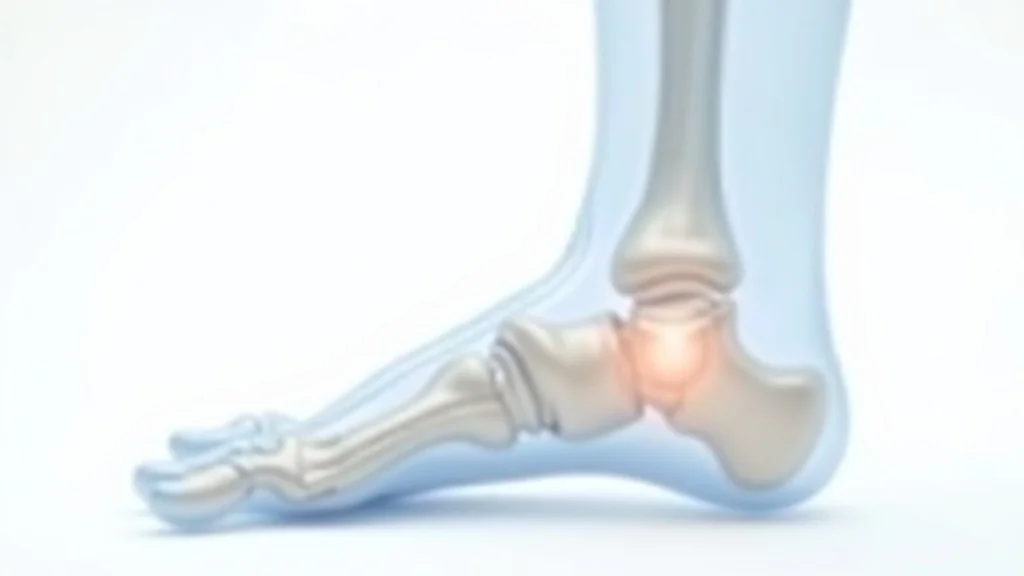
At the core of every gout flare, whether in the big toe or ankle, is uric acid buildup. Uric acid, a byproduct of purine breakdown (from foods like red meat, seafood, and certain beverages), normally dissolves in the bloodstream and exits via the kidneys.
If the body produces too much uric acid, or the kidneys fail to remove enough, uric acid crystals begin to deposit in cooler joints like the big toe or larger joints such as the ankle. These sharp acid crystals provoke an intense immune response, resulting in pain, swelling, and redness—classic hallmarks of a gout attack.
The difference in how these crystals trigger flares in the big toe compared to the ankle often stems from anatomy, blood flow, and joint usage patterns. While both locations share the root cause (hyperuricemia), understanding their unique triggers can improve how you manage and prevent recurrent attacks. Recognizing the early signals of uric acid buildup is crucial for targeting your treatment and preserving joint function.
For those seeking additional ways to support joint health and manage arthritis symptoms, exploring the role of nutrients can be highly beneficial. In fact, understanding how vitamin D contributes to arthritis relief may offer complementary strategies alongside traditional gout management.
Recognizing Signals From Your Body
“The sharp pain associated with a gout flare in your toe or ankle is not just discomfort—it’s your body alerting you to a deeper imbalance.”
Core similarities and differences between gout attacks in the big toe and ankle
Triggers that uniquely affect each location
Ways to distinguish gout flares vs other joint conditions such as rheumatoid arthritis
Practical strategies for targeted prevention and relief
Big Toe Gout: Why the Big Toe is Most Often Affected
Big Toe Joint Anatomy and Vulnerability to Gout Attacks
The big toe joint, medically termed the first metatarsophalangeal (MTP) joint, is particularly prone to gout attacks due to a combination of anatomical and physiological factors. This joint bears significant weight during walking and running, making it subject to micro-traumas and daily wear. Its location at the body’s periphery means it has a slightly lower temperature compared to other joints, one reason uric acid crystals form here more easily.
Reduced blood flow in this area can slow the clearance of uric acid, so microscopic deposits can build up over time. When the accumulation reaches a tipping point, the immune system attacks the uric acid crystals, causing intense pain and inflammation. Recognizing the unique vulnerability of the big toe joint allows for proactive steps in mitigating the risk of future gout flares, especially for those with a history of recurrent attacks in this location.

Uric Acid Crystal Formation in the Big Toe
Uric acid crystals develop in the big toe when the concentration of uric acid in blood exceeds the threshold for solubility, leading to the formation of painful deposits. The cooler temperature of the toe joint acts as a catalyst for this process. As the crystals accumulate, the body’s defenses trigger strong inflammatory responses—resulting in extreme tenderness, heat, and swelling at the site. Over time, repeated flares can lead to chronic inflammation and, if underestimated or untreated, progressive joint damage.
Those with repeated big toe gout flares often have additional risk factors such as dehydration, heavy alcohol intake, high-purine diets (think red meat and seafood), or underlying conditions like kidney disease, which alter uric acid handling. Understanding why the big toe is commonly the first target provides clarity in how to approach both prevention and treatment of future attacks.
Common Triggers for Gout Attack in the Big Toe
Several lifestyle and dietary factors can spark a gout attack in the big toe. Dehydration is a major culprit, reducing the kidneys’ ability to filter out uric acid. High-purine meals featuring red meat, seafood, or alcohol (especially beer and spirits) can rapidly raise uric acid levels. Sudden weight loss or fasting may also mobilize stored uric acid, precipitating flares.
Other triggers include trauma (even minor stubbing or bumping of the toe), certain medications that alter uric acid excretion, and systemic illnesses that temporarily affect the body’s fluid balance. By tracking these risk factors, gout sufferers can better anticipate and sometimes prevent painful attacks, focusing on dietary moderation, proper hydration, and attention to other underlying health issues.
Difference Between Gout in Big Toe vs Ankle Causes: Why the Ankle is Targeted
Ankle Joint Characteristics and Susceptibility
The ankle joint is another common site for gout flares but is often targeted for slightly different reasons than the big toe. The ankle is a large, complex joint with multiple bones and supporting soft tissues. While not as peripheral as the big toe, its extensive motion range and susceptibility to injury increase its risk for uric acid deposits—especially after trauma or in settings of longstanding high uric acid levels.
Ankle flares are sometimes preceded by a history of sprains, fractures, or overuse injuries that make the joint environment more vulnerable. Additionally, those with more severe or poorly controlled hyperuricemia (chronically high blood uric acid) are at higher risk for gout episodes in the ankle. Because the ankle supports much of the body’s weight, inflammation here can be especially debilitating, often requiring prompt attention for relief and preservation of mobility.

Uric Acid Buildup in Ankle vs Big Toe
While uric acid buildup is the root cause for both big toe and ankle gout, the process can differ in its intensity and chronicity. The ankle is often affected in individuals with a history of persistent high uric acid levels or those who have experienced previous joint trauma. Unlike the big toe, where a single dietary indiscretion may provoke a flare, ankle involvement may signal a more advanced or systemic issue requiring long-term management.
Understanding this distinction helps tailor prevention. For those with ankle involvement, evaluating for underlying conditions (such as kidney disease or high blood pressure) is crucial. Managing acid levels through dietary modification and appropriate medications, in consultation with a healthcare provider, can greatly reduce the frequency and severity of future attacks.
Specific Triggers That Set Off Ankle Gout Flares
Triggers for gout flares in the ankle can overlap with those in the big toe but certain factors stand out. Prior joint injuries, such as sprains, can create a localized environment that fosters uric acid crystal formation. Major changes in hydration status, intense physical stress, or even prolonged immobility may also set the stage for ankle flares.
Dietary excesses, especially those involving high-purine foods and alcohol, still play a significant role. However, systemic illnesses, medication changes, or poorly managed chronic health conditions (like high blood pressure or kidney disease) can more readily tip the balance for ankle involvement. Recognizing these triggers is key for both patients and clinicians aiming to prevent recurrent attacks.
Previous Joint Trauma, Hydration Status, and Systemic Stressors
Past joint trauma increases scar tissue and structural changes in the ankle, which can make it easier for uric acid crystals to settle. Similarly, systemic stressors like severe illness, surgery, or dehydration elevate uric acid concentration in the blood and joint fluid, priming the ankle joint for an attack.
Regular physical activity with adequate hydration protects both the big toe and the ankle, but the need is heightened for the ankle due to its size and complexity. Individuals should take special precautions after ankle injuries or during times of bodily stress, ensuring their uric acid management plan is closely followed to minimize the risk of gout flares.
Table: Side-by-Side Comparison – Difference Between Gout in Big Toe vs Ankle Causes
Characteristic |
Big Toe (1st MTP Joint) |
Ankle Joint |
|---|---|---|
Triggering Causes |
Rapid uric acid rise, dehydration, high-purine meals, joint stress |
Chronic high uric acid, prior joint trauma, systemic illness, dehydration |
Symptoms |
Intense pain, swelling, redness, warmth, sudden onset |
Painful swelling, redness (sometimes less severe), possible reduced motion |
Risk Factors |
Diet, obesity, kidney disease, alcohol, dehydration |
Prior injuries, chronic hyperuricemia, systemic triggers, underlying disease |
Other Joint Signs |
Often the first joint affected, classic site for initial gout flare |
May occur after big toe involvement or be associated with frequent attacks elsewhere |
Recognizing and Responding to Gout Flare Symptoms in Each Location
Intense Pain, Redness, and Swelling: How Symptoms Differ by Location
Intense pain, sudden redness, warmth, and swelling are the signature symptoms of a gout attack, but their presentation can vary depending on whether the big toe or ankle is affected. Big toe flares typically present with abrupt, severe pain—so acute that even the weight of a bedsheet feels intolerable. The area quickly appears red and swollen, sometimes accompanied by fever or chills if inflammation is severe.
In the ankle, pain and swelling may develop more gradually, and can be mistaken for a sprain or other joint problem at first glance. There may be less redness compared to the toe, yet the discomfort is significant enough to hinder walking. Distinguishing these differences is vital for timely intervention, as the right diagnosis reduces the risk of long-term joint damage and ensures the most effective treatment is started quickly.

Joint Fluid Analysis and Other Diagnostic Tools
When diagnosing the source of joint pain, joint fluid analysis remains the gold standard. Using a fine needle, a small sample of fluid is withdrawn from the affected joint and examined under a microscope for the presence of uric acid crystals. This quick test can confirm gout and also help rule out infections or other types of inflammatory arthritis, such as rheumatoid arthritis.
Blood tests measuring uric acid levels, along with ultrasound or specialized imaging, may further support the diagnosis. Clinical evaluation and a thorough patient history round out the diagnostic process, helping differentiate between gout, sprains, infection, and other joint disorders that might mimic a gout attack—especially in less classic locations like the ankle.
Distinguishing Gout from Rheumatoid Arthritis and Other Conditions
Because symptoms can overlap, distinguishing gout attacks from other types of arthritis—especially rheumatoid arthritis—is crucial. Unlike gout, rheumatoid arthritis typically causes chronic, symmetrical joint swelling and stiffness, and is less likely to present as a sudden, one-sided attack. Blood tests for inflammatory markers and rheumatology panels can help clarify the diagnosis.
Misdiagnosis may delay effective treatment, worsening pain and joint damage. Hence, if you’re unsure whether pain in your big toe or ankle is gout, don’t hesitate to consult your provider and request tests for uric acid and joint fluid analysis. Swift and accurate identification ensures the best chance for swift relief and long-term joint health.
Treatment Options and Prevention, Tailored by Location
Treatment Options for Big Toe Gout Flares
The mainstays of big toe gout treatment begin with aggressive pain management and inflammation control. Nonsteroidal anti-inflammatory drugs (NSAIDs), colchicine, or corticosteroids may be prescribed for rapid symptom relief, while ice packs and rest provide further comfort. Reducing physical activity and elevating the affected foot can minimize swelling. Long-term management focuses on lowering uric acid through medications and dietary changes, preventing future episodes in the vulnerable big toe joint.
Since big toe attacks often have clear dietary or dehydration triggers, patients are encouraged to maintain adequate hydration and avoid high-purine foods and alcohol. Regular follow-ups with your healthcare provider help monitor uric acid levels and adjust therapy to minimize risks of future flares and joint destruction.
Treatment Approaches for Ankle Gout Attacks
Ankle gout flares follow similar treatment options as big toe attacks, but often require a more comprehensive approach. Due to the ankle’s weight-bearing function and complexity, immobilization, rest, and sometimes the short-term use of walking aids (like a cane or crutches) are beneficial. Cold compresses and NSAIDs offer immediate pain relief, while severe cases may call for corticosteroid injections or oral therapy.
Long-term ankle gout control prioritizes strict uric acid management and careful monitoring for any signs of joint damage. Addressing underlying risk factors—such as managing high blood pressure or improving kidney function—helps to prevent recurrence. Collaboration with a rheumatologist is often recommended if ankle gout is severe, frequent, or chronic.

Lifestyle Strategies: Diet, Hydration, and Physical Activity
Regardless of the affected joint, lifestyle strategies are cornerstone therapies for both preventing future attacks and aiding recovery. Staying consistently hydrated dilutes uric acid concentration, making crystal formation less likely. Modifying your diet by reducing intake of red meat, shellfish, and alcohol directly lowers the building blocks for uric acid production. Incorporating fruits, vegetables, whole grains, and low-fat dairy supports overall joint health and reduces flare risk.
Physical activity should be balanced—gentle range-of-motion exercises keep joints flexible, while avoiding overuse and repetitive injuries helps protect vulnerable sites. Regular medical monitoring, including uric acid measurement and kidney checks, further supports sustainable, long-lasting control. “Personalized treatment—especially when guided by your unique triggers—can drastically reduce gout attacks, wherever they occur. ”
Key Differences and Takeaways: Gout Attacks in Big Toe vs Ankle
Uric acid is the root cause, but unique triggers for each site exist
The big toe is the ‘classic’ site due to anatomy and lower temperature
Ankle involvement often relates to trauma or severe hyperuricemia
Quick recognition and response can speed recovery
Frequently Asked Questions About the Difference Between Gout in Big Toe vs Ankle Causes

What stops gout immediately?
Immediate relief from a gout flare starts with rest, elevation of the affected joint (toe or ankle), and applying a cold compress to reduce inflammation. Anti-inflammatory medications like NSAIDs or colchicine—when prescribed and taken promptly—can stop or reduce acute symptoms quickly. Always consult with your healthcare provider before starting new medications, especially if this is your first attack or you have other underlying health conditions.
How to tell if ankle pain is gout?
Gout-related ankle pain tends to come on suddenly, with intense pain, redness, swelling, and warmth at the joint. It often follows a period of dietary excess, alcohol intake, dehydration, or recent illness. Compared to sprains or strains, gout pain is sharper, more intense, and accompanied by visible inflammation. When in doubt, joint fluid analysis and a healthcare evaluation are essential to confirm the diagnosis.
What is the number one trigger for gout?
The most common trigger for a gout attack in both the big toe and ankle is a rapid rise in uric acid levels, often following consumption of high-purine foods (like red meat and seafood), excessive alcohol, or dehydration. Other triggers like surgery, trauma, or sudden illness can also provoke attacks, particularly in predisposed joints. Staying hydrated and moderating purine-rich foods is your best defense against future gout flares.
Will toe gout go away on its own?
Mild gout in the big toe may resolve on its own after several days, but the pain can be severe and joint damage may result from repeated or untreated attacks. Prompt treatment shortens flare duration, reduces complication risk, and helps prevent chronic joint injury. Ankle gout, due to its larger size and support role, often needs more active management. If you suspect gout, seek medical advice for both rapid relief and lasting joint health.
Discover more trusted information like this at: NCWellnessHub.com
Conclusion: Understanding the difference between gout in big toe vs ankle causes is the first step to faster relief, smarter prevention, and healthier joints. Stay alert to your body’s signals, act fast, and seek out strategies tailored to your unique triggers for the best chance at long-term comfort and mobility.
If you’re interested in expanding your knowledge of how systemic health conditions can impact your overall well-being, you may find it valuable to explore related topics such as managing esophageal disorders for health-conscious adults. Taking a holistic approach to your health empowers you to recognize early warning signs, make informed lifestyle choices, and proactively address potential issues before they escalate.
By connecting the dots between joint health and broader wellness, you can build a foundation for lasting vitality and resilience. Continue your journey toward optimal health by exploring more expert insights and practical strategies tailored to your needs.
Discover more trusted information like this at: NCWellnessHub.com




Write A Comment