 Add Row
  Add
Add 


Gratitude transforms us—boosting happiness and health. Thanksgiving is more than tradition; it’s a powerful practice that nurtures well-being. Embracing this holiday’s deeper benefits can enrich your life, fostering connection and resilience. Ready to discover how gratitude during Thanksgiving can truly uplift your mind and body?

The Transformative Power of Gratitude: How the Benefits of Thanksgiving Shape Wellbeing
Thanksgiving is often seen as a time of feasting—but the real nourishment it provides goes far beyond the table. The benefits of thanksgiving are deeply intertwined with the power of gratitude. Practicing gratitude helps us shift our focus from what’s missing to what we have, fostering contentment, resilience, and a more optimistic outlook. According to Harvard Medical School, regularly acknowledging our blessings significantly improves overall well-being, including mood and emotional balance.
During Thanksgiving, expressing gratitude isn’t just a feel-good exercise; it nurtures both emotional health and relationships. Scientific research shows that grateful people are more likely to be optimistic and filled with joy, resulting in stronger connections with others. By openly giving thanks—whether through spoken words, gratitude journals, or shared rituals—families and friends deepen their bonds, making the holiday memorable for all the right reasons.
"Gratitude turns what we have into enough." – Aesop
A Tradition Beyond Turkey: Examining the Psychological Benefits of Thanksgiving

How the Benefits of Thanksgiving Impact Mental Health
The psychological benefits of thanksgiving stretch well beyond the holiday dinner. Thanksgiving provides us with a structured opportunity to intentionally reflect on life's positives, which can significantly impact mental health. Researchers at the University of California found that gratitude works to decrease feelings of envy, bitterness, and regret, while increasing feelings of well-being and happiness. Creating gratitude journals or simply counting your blessings can relieve pain and stress, as documented by multiple clinical studies.
Moreover, gratitude helps to guard your hearts against negativity and rumination. Regularly pausing to express gratitude—even silently or through prayer—can reduce symptoms of depression and anxiety, according to recent reports by Harvard Medical School. The psychological benefits are both immediate and long-term: you not only feel better in the moment, but also build mental habits that support resilience and emotional balance throughout the year.
Incorporating gratitude into your daily routine can be a game-changer for mental health. If you're interested in practical strategies to uplift your mood and emotional well-being, you might find these daily habits for boosting mood and mental health especially helpful alongside your Thanksgiving gratitude practices.
Why Practicing Gratitude Helps Build Resilience During the Holidays
The holidays, while joyful, can also bring challenges—stress, family conflict, or reminders of loss. In these moments, the practice of gratitude becomes especially powerful. Studies from top medical schools reveal that gratitude helps reframe difficulties, making it easier to adapt and thrive during tough times. When you acknowledge the great things in your life, you anchor yourself in positivity, which acts as a buffer against seasonal blues or overwhelm.
Practicing gratitude improves resilience by shifting your focus from what’s lacking to what deserves appreciation—a strategy that is especially useful during the high-pressure holiday season. Small rituals, such as creating gratitude journals or reflecting on personal progress, reinforce the mind’s natural capacity to recover and grow. Those who cultivate gratitude habits are not only more cheerful, but also better equipped to face setbacks with grace and optimism.
The Social Benefits of Thanksgiving: Deepening Connections with Family and Friends
Strengthening Bonds: Cultivate Gratitude Through Shared Traditions
At its heart, Thanksgiving is about community—coming together with friends and family to celebrate shared experiences. The benefits of thanksgiving are profoundly social, as gratitude and appreciation help us build stronger, deeper relationships. Participating in shared traditions, whether it’s saying a prayer of thanks, reflecting on blessings, or passing dishes around the table, fosters mutual understanding and creates lasting memories.
Researchers from Harvard Medical School and other institutions emphasize that expressing gratitude helps open channels of communication among loved ones. When people express gratitude to each other, it increases trust and empathy within groups, making everyone feel more valued and supported. This is especially true when traditions include opportunities for everyone—children and adults alike—to share what they are thankful for, further enhancing the emotional warmth of the holiday gathering.

Ways to Cultivate Gratitude in Group Settings
Thanksgiving offers a unique chance to introduce gratitude rituals into group settings. One popular approach is to invite each person to share something they are thankful for before the meal begins—a small gesture that inspires inclusive connection. Other ways to cultivate gratitude include collaborative gratitude jars, where guests write down blessings and read them aloud together, or team-based gratitude games that prompt laughter and togetherness.
These simple activities don’t just boost group morale; they also teach children to value thankfulness, setting a positive example for future holidays. Research shows that gratitude works to bridge generational gaps, with even small rituals filling your life and your home with lasting warmth. The echoes of Thanksgiving can ripple into everyday interactions, encouraging a year-round culture of appreciation among family and friends.
Comparison of Social, Emotional, and Physical Benefits of Thanksgiving
Benefit Category |
Examples |
How Thanksgiving Enhances It |
|---|---|---|
Social |
Bonding, trust, communication |
Shared meals, group gratitude rituals, increased empathy |
Emotional |
Reduced stress, improved mood |
Mental reflection, expressing thanks, resilience boosts |
Physical |
Lower blood pressure, improved sleep |
Stress relief, positive behaviors, increased activity |
Physical Health and the Benefits of Thanksgiving: More Than Just a Feast
Scientific Evidence: Gratitude Helps Improve Physical Health
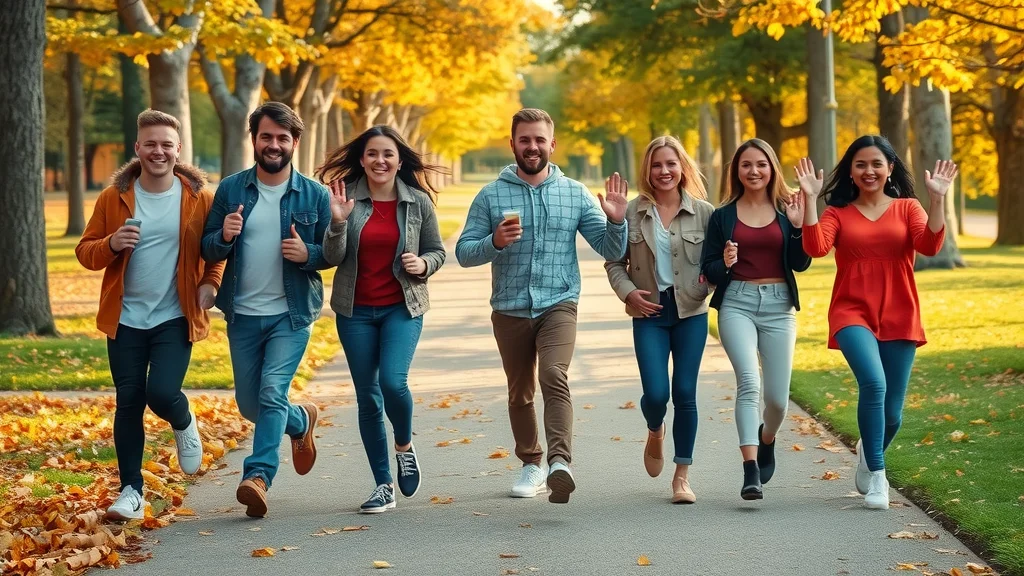
Surprisingly, giving thanks is good for your body, too. Medical research—including studies by Harvard Medical School and the University of California—has shown that practicing gratitude helps lower blood pressure, improve immune function, and support better sleep. Grateful people are also less likely to experience aches and pains, possibly because gratitude works to lower stress hormones like cortisol that can impact physical health.
Regularly practicing gratitude, such as through writing in a gratitude journal or reflecting on blessings, can lead to healthier behaviors like exercising more regularly, eating mindfully, and maintaining a more active social life. These daily practices help relieve pain, improve mood, and foster a sense of accomplishment—all benefits that can be traced back to the simple act of giving thanks. Truly, Thanksgiving offers a template for optimally caring for both mind and body.
Ways to Cultivate Gratitude for a Healthier Lifestyle
If you’re searching for simple ways to cultivate gratitude for better health, consider integrating gratitude into daily self-care routines. This might mean jotting down thank-you notes, keeping a gratitude journal, or starting meals with a brief acknowledgment of blessings. Such rituals have proven benefits, from boosting motivation to supporting longer-term healthy lifestyle changes.
Additional research highlights that gratitude works as a motivator for activities known to improve physical health, such as regular walking or joining family in outdoor games. When you associate positive emotions with these actions, you’re more likely to maintain them beyond the holiday. Even small choices—like savoring a warm beverage or taking time to rest—take on deeper meaning when approached with a grateful mindset. Making gratitude a daily habit is one of the most effective ways to fill your life with vitality and health.
"It is not joy that makes us grateful; it is gratitude that makes us joyful." – David Steindl-Rast
Ways to Cultivate Gratitude: Integrating Thanksgiving Practices Year-Round

Keep a gratitude journal: Write down three things you’re grateful for every morning or evening.
Practice mindful appreciation: Pause before meals to acknowledge the food and company at your table.
Share gratitude aloud: Tell family or friends what you appreciate about them regularly.
Create a gratitude jar: Drop in notes about positive moments and read them monthly as a family ritual.
Express thanks in writing: Send thank-you notes to those who’ve made an impact, big or small.
Engage in “count your blessings” exercises: List out your blessings, especially during stressful times.
Situate gratitude in prayer or meditation: Many find spiritual benefits in giving thanks to God or celebrating blessings daily.
By infusing these ways to cultivate gratitude into your life, the “spirit of Thanksgiving” endures long after the holiday ends. These habits can relieve pain from daily stress, fill your life with meaning, and strengthen both your spiritual and social circles. Gratitude is more than a fleeting feeling—it’s an anchor for joy, health, and lasting resilience.
Personal Insights: The Lasting Benefits of Thanksgiving in My Life
As someone who has intentionally practiced gratitude during and beyond Thanksgiving, I’ve witnessed tangible changes in my outlook and relationships. Taking time to express gratitude—whether through prayer, journaling, or simple words of appreciation—has helped me navigate both triumphs and challenges with greater ease.
The benefits of thanksgiving have gradually seeped into every area of my life. I’ve noticed improved communication with loved ones, more patience during stressful periods, and an ability to see silver linings in situations that once seemed overwhelming. Most importantly, gratitude has become a shield, guarding my heart and mind against negativity, and reminding me daily of the countless reasons to be thankful. Adopting Thanksgiving’s deeper meaning has truly enriched my spiritual life and well-being.
People Also Ask: The Benefits of Thanksgiving and Associated Practices
What are some benefits of thanksgiving?
The benefits of thanksgiving include improved mental health, stronger social bonds, lower stress, and multiple physical health benefits, such as better sleep and reduced blood pressure. Practicing gratitude helps people become more optimistic, filled with joy, and resilient in the face of challenges. Thanksgiving traditions encourage people to express gratitude, which can foster a lasting sense of fulfillment and happiness both during the holiday and throughout the year.
What are the 7 benefits of gratitude?
Gratitude benefits include: 1) improved emotional well-being, 2) enhanced relationships, 3) better physical health, 4) greater resilience in adversity, 5) sharper focus and awareness, 6) stronger spiritual life, and 7) increased optimism. Studies show that gratitude helps lower anxiety and depression, improve sleep, boost immunity, and promote healthier habits, making it one of the most powerful ways to cultivate happiness.
Why is thanksgiving so powerful?
Thanksgiving’s power lies in its ability to shift attention away from stress or lack, refocusing on abundance and connection. Giving thanks nurtures psychological and social well-being while bringing families and communities together around meaningful rituals. By encouraging gratitude, Thanksgiving helps build resilience, fosters deeper relationships, and fills your life with joy and meaning—far beyond what any single meal or event can provide.
What is the significance of thanksgiving to God?
In many faith traditions—especially those referencing the King James Version or New Living Translation of the Bible—Thanksgiving holds deep spiritual significance. It is a time to give thanks to God for blessings and guidance, to sing praise, and to reflect on both everyday mercies and great things received.
Many believe that expressing gratitude to God strengthens spiritual life, brings peace, and helps guard your hearts amid life’s challenges, as highlighted in the stories of Jesus and his teachings.

FAQs on the Benefits of Thanksgiving
Is gratitude linked to better health?
Yes. Studies by Harvard Medical School and others show that gratitude helps lower stress, improve sleep, and promote healthier behaviors like exercise.How does Thanksgiving help relationships?
Thanksgiving rituals encourage expressing gratitude toward others, which strengthens bonds, builds empathy, and enhances group communication.Can gratitude relieve pain or stress?
Clinical research indicates that practicing gratitude works to relieve pain and stress by reducing inflammation and boosting the body’s natural resilience.What are simple ways to start a gratitude habit?
Keep a gratitude journal, share thanks at meals, start a gratitude jar, or verbally express appreciation to friends, family, or colleagues.Does gratitude have spiritual benefits?
Yes. Many people find that gratitude improves their spiritual life, brings peace, and helps them find joy in everyday blessings.
Conclusion: Embracing the Benefits of Thanksgiving for Enhanced Wellbeing
Adopt gratitude year-round—let the benefits of thanksgiving inspire connection, resilience, and joy that transcends the holiday table.
If you’re inspired to make gratitude a cornerstone of your well-being, consider exploring how small, consistent habits can further elevate your mental and emotional health. Building on the spirit of Thanksgiving, integrating daily practices that nurture positivity can create lasting change.
For a deeper dive into actionable routines that support happiness and resilience, discover the transformative impact of daily habits designed to boost your mood and mental health. Let these insights guide you toward a more joyful, balanced, and connected life—one grateful moment at a time.
"Thanksgiving, after all, is a word of action." – W.J. Cameron
Sources
Psychology Today – https://www.psychologytoday.com/us/basics/gratitude
King James Version Bible – https://www.biblegateway.com/passage/?search=Luke+17%3A11-19&version=KJV
Thanksgiving is more than just a time for feasting; it’s an opportunity to enhance your well-being through gratitude. In his article, “Deepak Chopra on Why Gratitude is Good For You”, Chopra explains how expressing gratitude can reduce stress and improve both physical and spiritual health.
Additionally, the USC Leonard Davis School of Gerontology’s piece, “Six Thanksgiving Traditions that Can Boost Health and Wellness for All Ages”, offers practical traditions to incorporate gratitude into your holiday, such as serving others and engaging in physical activities. By embracing these practices, you can transform Thanksgiving into a catalyst for lasting health and happiness. NCWellnessHub.com



Write A Comment