Add Row
Add Element
NC Wellness Hub
update
North Carolina Wellness Hub
update
Add Element
  • Home
  • Categories
    • Wellness
    • General Health
    • Holistic
    • News
    • Living & Travel
    • Lifestyle
    • Fitness & Exercise
    • Mental Health
    • Stress Management
    • FEATURE
    • Sleep
    • Allergies
    • Medicines & Supplements
    • Weight Loss
    • Kids Health
    • Fertility & Pregnancy
    • Cancer
    • Heart Health
    • Skin & Hair
    • Arthritis
    • Dental
    • Vision
  • Bone Health
  • Digestive
February 19.2026
1 Minute Read

Discover the Hidden Power of Gene Therapy Today

Gene therapy has the potential to cure diseases once deemed untreatable, offering hope to millions worldwide. Understanding its power can transform healthcare, opening doors to revolutionary treatments that target the root causes of genetic disorders. Discover why this breakthrough science matters more than ever.

Genetic Diseases and gene therapy,

In this comprehensive guide, we’ll dive deep into the what and how of gene therapy—explaining not only what gene therapy is, but also how it works, why it stands out among other medical advances, and its real-world applications.

You’ll learn about landmark case studies, current clinical trials, as well as the exciting yet complex regulatory landscape in the United States. Whether you’re a student, patient, or simply curious, read on to uncover the latest in gene therapy innovation.

Gene Therapy: What It Is and How It Works

Gene therapy is a revolutionary medical treatment that involves inserting, removing, or altering genetic material within a person’s cells to treat or prevent disease. Unlike treatments that only address symptoms, gene therapy aims to correct the root cause of a genetic disorder by providing healthy copies of faulty genes or by silencing defective ones. By targeting genetic material instead of just managing symptoms, gene therapy opens the door to lasting cures—potentially eliminating diseases altogether.

This innovation leverages sophisticated tools like viral vectors—engineered viruses that deliver corrected genes into patient cells. Once inside, these healthy genes work to replace missing or malfunctioning instructions, restoring the cell's normal function.

Clinical trials in the United States are already showing promising results, especially for rare genetic diseases such as spinal muscular atrophy and sickle cell disease. With advances in gene editing technology, more patients stand to benefit from tailored therapies designed for their unique genetic code.

Futuristic laboratory interior showing scientists observing gene therapy—gene therapy in a state-of-the-art biotech facility with advanced microscope and living cell displays
  • What You'll Learn:

    • The definition and fundamental process of gene therapy

    • Major breakthroughs and real-world applications

    • Key genetic diseases treated with gene therapies

    • Answers to frequently asked questions about gene therapy

Opening the Door to Revolutionary Treatments: The Significance of Gene Therapy

Gene therapy represents one of the most significant advances in medical science today. By targeting diseases at the genetic level, this approach has the potential to completely change the way we understand, diagnose, and treat a wide range of genetic diseases. Instead of lifelong management with regular medications or invasive procedures, gene therapy could mean single-dose treatments that deliver a permanent or long-lasting cure.

The impact is especially profound for rare and previously untreatable conditions. Breakthroughs in gene therapy are empowering both patients and clinicians, with new hope emerging for families affected by illnesses like cystic fibrosis, hemophilia, and spinal muscular atrophy.

These advances hinge on extensive research and clinical trials, which continue to expand our understanding of how modified human gene sequences can restore health. With ongoing innovation, gene therapy is now seen as a turning point, not just for genetic medicine but for modern healthcare as a whole.

"Gene therapy represents a turning point in how we approach genetic diseases by addressing the underlying genetic material rather than just symptoms." — Dr. Alan Byrne, Clinical Geneticist

Hopeful patient with family discussing gene therapy options—doctor and family in a modern consultation room, showing optimism and support

Gene Therapy and Gene Editing: Understanding the Difference

While often mentioned in the same conversation, gene therapy and gene editing are distinct yet complementary approaches that are changing the face of medicine. Gene therapy typically focuses on introducing new or corrected genetic material to treat a disease, while gene editing employs tools like CRISPR to make precise changes to the existing DNA within a cell. Both strategies have demonstrated incredible promise for combating genetic disorders, but their applications, techniques, and regulatory paths can differ widely.

In gene therapy, common tools involve viral vectors—engineered viruses that transfer healthy genes into cells. These therapies have been extensively tested in clinical trials to ensure safety and effectiveness before reaching patients. Gene editing, by contrast, can make permanent changes to the genome, removing or repairing problematic sequences directly at the DNA level.

As research advances, the distinction between these fields becomes increasingly crucial in understanding future treatment options and their implications for patients across the United States and worldwide.

As gene therapy and gene editing continue to evolve, other innovative treatments are also transforming the landscape of modern medicine. For example, immunotherapy is harnessing the body’s own immune system to fight diseases like cancer—learn how this approach is making a difference in head and neck cancer by exploring the role of immunotherapy in empowering the immune response against cancer.

Gene Editing vs Gene Therapy: Distinct Technologies Changing Medicine

Comparison Table: Gene Therapy vs Gene Editing

Aspect

Gene Therapy

Gene Editing

Main Objective

Correct or replace

Modify specific genes

Tools Used

Vectors, viruses

CRISPR, TALENs, ZFNs

Clinical Trials

Yes

Yes

How Gene Therapy Works: Process, Methods, and Mechanisms

The process of gene therapy involves delivering healthy genetic material into the patient’s body using sophisticated technologies. At its core, gene therapy begins with identifying the faulty or missing genes responsible for a particular genetic disease. Scientists then engineer a carrier—often a viral vector—to deliver the correct version of the gene directly into the patient's affected cells. These vectors are specially designed to be safe and non-replicating, ensuring they deliver their "genetic package" without causing harm.

Once the healthy gene is delivered, the target cell uses the new instructions to produce proteins or enzymes that were previously missing, thereby correcting the underlying cause of the disease. This mechanism is already being used in clinical trials for conditions such as sickle cell disease and certain inherited forms of blindness.

Some emerging methods involve stem cell technology, where modified stem cells are transplanted into the patient to regenerate healthy tissue. This multi-step approach requires careful planning, from vector selection to precise delivery methods, all monitored under stringent safety regulations in the United States and abroad.

How Gene Therapy Delivers Genetic Material to Target Cells

The success of gene therapy hinges on the efficient and accurate delivery of genetic material to the affected cells. To do this, researchers often use a viral vector, modified so that it’s harmless but retains its ability to enter cells.

Once injected or infused, the vector locates the target tissue—like blood, muscle, or nerve cells—and releases the corrected gene payload. The new DNA then uses the cell’s own machinery to produce properly functioning proteins, restoring health at the molecular level.

There are several ways to deliver these vectors. Some gene therapies are administered directly into the patient’s bloodstream, while others are injected into specific tissues. Researchers are also exploring non-viral methods, such as lipid nanoparticles, that may reduce the risk of immune reactions.

Throughout clinical trials, scientists closely monitor how well the gene delivery system works and whether it can create lasting benefits for patients with complex genetic diseases. Innovations in vector design continue to move this field forward, making gene therapy safer and more effective with each new generation.

"Sophisticated vectors help us deliver therapeutic genes efficiently, but safety remains paramount throughout clinical trials." — Dr. Priya Desai, Senior Research Scientist
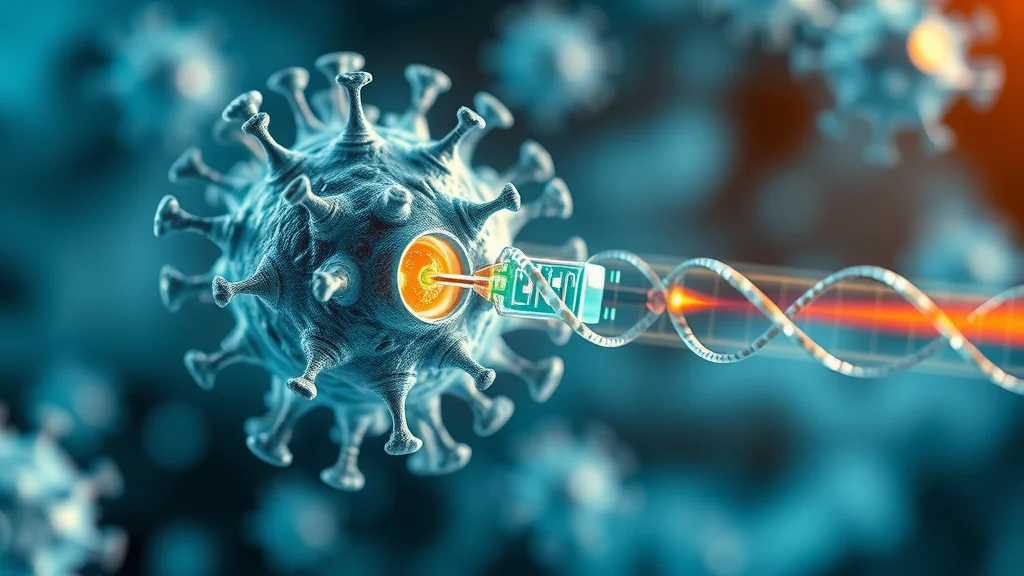
Virus vector carrying healthy genetic material injecting DNA into a human cell—highly photorealistic medical visualization of gene therapy mechanisms

Breakthroughs in Gene Therapy: Success Stories

Recent clinical breakthroughs have propelled gene therapy from research labs to reality, with several therapies approved for patient use and many more in advanced clinical trials. One of the most notable success stories is the development of gene therapy treatments for spinal muscular atrophy (SMA), a rare genetic condition that once meant a lifetime of progressive muscle weakness, respiratory failure, or early death.

Thanks to gene therapy, many affected children are now regaining muscle strength, achieving developmental milestones, and experiencing an improved quality of life.

Other genetic diseases benefiting from these advances include cystic fibrosis, hemophilia, and sickle cell disease. In these cases, gene therapy can replace or repair the faulty gene, essentially halting disease progression.

These therapies are often developed alongside or in combination with stem cell and cell therapy approaches, offering customized solutions for individuals based on their unique genetic profile. The remarkable progress made in these fields is helping change expectations and, in many cases, saving lives.

Spinal Muscular Atrophy: A Milestone for Gene Therapies

The approval of gene therapy for spinal muscular atrophy (SMA) marked a historic moment in genetic medicine. By delivering a functioning copy of the SMN1 gene via viral vector, this treatment restores nerve-muscle communication and slows or even reverses the progression of muscular atrophy.

Children who would have previously faced severe disability are now walking, talking, and—most importantly—living longer, healthier lives. This success demonstrates the tangible promise of gene therapy as a transformative healthcare technology, with ongoing research expanding SMA therapy to older patients and broader populations.

  • Other Genetic Diseases Impacted:

    • Cystic Fibrosis

    • Hemophilia

    • Sickle Cell Disease

Joyful pediatric patient after gene therapy—child with supportive parents in bright rehabilitation room, representing success in spinal muscular atrophy treatment

"Clinical trials in the United States have accelerated access to ground-breaking gene therapies for previously incurable genetic diseases." — Dr. Jean Matthews, Genetics Policy Expert

Challenges to Widespread Gene Therapy Adoption

Despite the remarkable promise of gene therapy, several key barriers must be addressed before these treatments become widely available. The most significant challenge is cost—current gene therapy treatments can run into hundreds of thousands, or even millions, of dollars for a single dose, making equitable access a major concern. Additionally, the process of manufacturing gene therapy products at scale is complex, requiring strict quality controls and highly specialized facilities.

Other hurdles include stringent regulatory approval processes designed to ensure safety, variability in how patients’ immune systems respond to new genetic material, and the ethical questions raised by altering human DNA.

Each patient’s genetic makeup can influence both the effectiveness and potential risks of therapy, meaning that some solutions will require ultra-personalized approaches. Beyond the science, broader societal conversations around affordability and access will shape the future adoption of these life-changing therapies.

Why Isn’t Gene Therapy Widely Successful?

Several factors have hindered the widespread success and availability of gene therapy. Cost and scalability remain the most critical issues, as developing, testing, and producing these personalized treatments is resource intensive. Regulatory hurdles are considerable—clinical trials must demonstrate not only effectiveness, but also long-term safety for patients with diverse genetic backgrounds.

Moreover, the specificity required for each genetic disease adds complexity, since every gene therapy must be tailored for small patient populations, limiting its reach compared with more conventional drugs. Concerns about long-term effects, potential immune system reactions, and the ethics of genetic modification continue to prompt rigorous debate and careful oversight by health authorities. While progress is steady, these significant barriers must be overcome before gene therapy can fulfill its full potential for all patients.

  • Key Barriers:

    • Cost and scalability of treatments

    • Strict regulatory approval

    • Genetic variability and treatment specificity

    • Ethical and safety concerns

Gene Therapy in the United States: Regulatory Landscape and Clinical Trials

The United States stands at the forefront of gene therapy innovation, thanks to its extensive research infrastructure and robust regulatory framework. Federal agencies like the FDA (Food and Drug Administration) rigorously evaluate every new gene therapy trial and product for safety, efficacy, and long-term impact. Clinical trials play a central role in this process, systematically testing each new gene therapy product through multiple phases before approval.

Access to gene therapies in the United States is currently limited to patients enrolled in trials or those whose treatment has been approved for specific conditions. However, with each successful therapy, confidence in this medical revolution grows. The collaborative relationships between hospitals, universities, biotech firms, and regulatory agencies are setting the global standard—helping bring more innovative therapy products from the lab to the patient bedside.

Diverse team of medical researchers collaborating over gene therapy clinical trial data in a modern conference room

The Role of Clinical Trials in Advancing Gene Therapies

Every new gene therapy treatment begins with rigorous clinical trials. These multi-stage studies are critical for evaluating safety, determining effective dosage, and understanding how different groups of people respond.

Each therapy must go through several phases—from early safety assessments to large, diverse patient groups—before it can receive approval for public use. Throughout every clinical trial, researchers monitor not just immediate outcomes, but also long-term effects and rare side effects that might surface over time.

Gene therapy trials in the United States are currently underway for a variety of genetic diseases, including sickle cell disease, cystic fibrosis, and muscular atrophy. These studies are producing data that will shape future treatment guidelines and enhance public trust in the safety of gene therapy. International collaborations further enrich our understanding, but strict FDA standards help ensure that only the safest, most effective gene therapies reach American patients.

Summary Table: Gene Therapy Clinical Trials Progression

Stage

Purpose

Example Disease

Phase 1

Safety/side effects

Spinal muscular atrophy

Phase 2

Effectiveness/dosing

Cystic fibrosis

Phase 3

Larger scale, diverse group

Hemophilia

Video Description: Animated explainer—visually illustrating gene therapy mechanisms, vectors entering cells, and comparing before-and-after patient outcomes, styled for clarity with blue and white tones and medical 3D graphics.

People Also Ask: Essential Questions about Gene Therapy

What does gene therapy do?

Gene therapy introduces healthy genetic material into cells to replace or correct faulty genes, addressing the root causes of genetic diseases and offering potential cures. It’s designed to treat genetic disorders directly, potentially reversing or eliminating the underlying defects, rather than just controlling symptoms with medications or procedures. By providing corrected or functioning copies of defective genes, gene therapy enables a patient’s body to naturally produce the proteins needed for healthy function.

What is a real life example of gene therapy?

A landmark example is the approval of gene therapy for spinal muscular atrophy. In this case, a single infusion delivers a functioning copy of the SMN1 gene, enabling children with the disease to regain muscle strength and developmental milestones that would otherwise be lost. Many families have seen transformative results—children who would have required lifelong support are now walking and thriving, thanks to this breakthrough therapeutic approach.

Why is gene therapy not widely successful?

Challenges facing the broad adoption of gene therapy include high costs, complex logistics, as well as individual genetic variability among patients. Strict safety requirements in clinical trials present additional obstacles, with long-term monitoring required to assess potential risks. Furthermore, the customization necessary for treating rare diseases makes mass production and widespread access difficult, though ongoing research is aiming to address these challenges.

Which best describes gene therapy?

Gene therapy is a cutting-edge technique that uses genetic material to treat or prevent disease, aiming for long-term or permanent results by tackling the underlying genetic problem. By addressing the root genetic cause, instead of only the symptoms, gene therapy has the potential to dramatically improve or even cure conditions that were once thought untreatable.

Key Takeaways: Gene Therapy’s Promise and Future Direction

  • Gene therapy targets genetic diseases at their source

  • Not all gene therapies are gene editing

  • Clinical trials are essential for safety and effectiveness

  • United States at the forefront of gene therapy innovation

Frequently Asked Questions about Gene Therapy

  • What makes gene therapy different from other treatments?
    Gene therapy targets the genetic root cause of a disease, often with the potential for a long-term or permanent cure, instead of simply managing symptoms like conventional treatments. It introduces new, corrected, or silenced genetic material into cells, offering a fundamentally different approach from traditional drugs or procedures.

  • Are gene therapies currently accessible to all patients with genetic diseases?
    Currently, gene therapies are reserved for specific conditions, usually requiring enrollment in clinical trials or meeting strict eligibility for approved treatments. Access is expanding but remains limited due to cost, regulatory approvals, and market availability. Many more gene therapy products are in development and could become available in the coming years.

  • What are the main risks and side effects?
    Risks can include immune reactions, unintended effects from the inserted gene, and long-term unknowns about gene integration. All gene therapy products are tested rigorously during clinical trials to minimize and monitor these risks. Most side effects are rare, but careful patient monitoring remains essential.

  • How does gene editing intersect with gene therapy?
    Gene editing is a technology sometimes used within gene therapy platforms. Using tools like CRISPR, gene editing allows precise modification of specific genes, whereas gene therapy may deliver a whole new gene. These fields are closely related but use different techniques to achieve similar goals.

Learn More: Trusted Resources, Citations, and Where to Go Next

  • ClinicalTrials.gov – Gene therapy trials overview

  • National Institutes of Health (NIH) – Gene Therapy FAQs

  • FDA – Approved gene therapy treatments

Explore more on gene therapy and wellness topics.

If you’re inspired by the rapid progress in gene therapy and want to broaden your understanding of how medical innovation is shaping the future, consider exploring the wider landscape of healthcare advancements. From cutting-edge treatments to the evolving roles of medical professionals, there’s a world of change happening in medicine today.

For a strategic look at how the next generation of healthcare providers is being prepared to meet these challenges, discover why medical schools are prioritizing the recruitment of geriatricians and what this means for the future of patient care by visiting the frontlines of geriatrician recruitment in modern medicine.

Expanding your knowledge in these areas can help you stay ahead of the curve as healthcare continues to evolve.

Discover more trusted wellness information at NCWellnessHub.com

  • ClinicalTrials.gov – https://clinicaltrials.gov/ct2/results?cond=gene+therapy

  • NIH Gene Therapy FAQs – https://www.nih.gov/news-events/gene-therapy

  • FDA Approved Gene Therapy Treatments – https://www.fda.gov/vaccines-blood-biologics/cellular-gene-therapy-products/approved-cellular-and-gene-therapy-products

Gene therapy is a groundbreaking medical approach that involves modifying a person’s genes to treat or prevent disease. This technique can work by replacing a disease-causing gene with a healthy copy, inactivating a malfunctioning gene, or introducing a new gene to help fight a disease.

The U.S. Food and Drug Administration (FDA) has approved several gene therapy products for various conditions, including certain types of cancer and genetic disorders. (fda.gov)

Recent advancements in gene therapy have led to significant breakthroughs. For instance, the FDA approved the first CRISPR-based treatment in the U.S., marking a milestone in gene editing technology. This treatment, known as exa-cel (brand name: Casgevy), is designed to treat sickle cell disease by increasing healthy blood cell production. (time.com)

However, the field has also faced challenges. In May 2025, the FDA halted a clinical trial by Rocket Pharmaceuticals for its experimental gene therapy, RP-A501, following the death of a patient due to serious complications. The trial focused on treating Danon disease, a rare genetic disorder affecting heart and muscle function. (reuters.com)

These developments underscore both the promise and the complexities of gene therapy. As research progresses, it is crucial to balance innovation with patient safety to fully realize the potential of this transformative medical technology. NCWellnessHub.com

Recent Developments in Gene Therapy:

  • US FDA approves Novartis’ gene therapy for rare muscle disorder, Published on Tuesday, November 25

  • US FDA approves first cell-based gene therapy for rare genetic skin disorder, Published on Tuesday, April 29

  • FDA Approves First CRISPR Treatment in U.S., Published on Friday, December 08
Medicines & Supplements

0 Comments

Write A Comment

*
*
Related Posts All Posts

Biosimilars vs Biologics: The Battle for the Biotech Dollar

Choosing between biosimilars and biologics isn’t just a scientific debate—it impacts patient access, healthcare costs, and treatment outcomes. Understanding these differences empowers us to support more affordable, effective therapies, ultimately transforming lives and reshaping the future of medicine.Understanding the Battle: Biosimilar vs Biologic — Why It MattersThe biosimilar vs biologic discussion is about more than just medical innovation; it’s about making life-changing therapies accessible to millions worldwide. As biologic drugs revolutionize treatment for conditions like cancer, rheumatoid arthritis, and diabetes, biosimilars are poised to make these breakthroughs more available and affordable.Each choice in this space ripples across healthcare—affecting not only individual patient outcomes but also the sustainability of entire care systems. With healthcare budgets straining under the rise of specialty medicines, deciding between a biologic drug and its biosimilar counterpart could mean the difference between continuing critical treatments or facing financial hurdles.A key distinction in the biologics and biosimilars battle lies in their origin and composition. Biologics are complex medicines produced by living organisms, while biosimilars are highly similar versions introduced after the original product’s patent expires. The Food and Drug Administration (FDA) ensures both meet high standards for safety and effectiveness.Yet, the debate goes beyond molecular structure—it challenges our healthcare priorities, insurance coverage, and doctor-patient trust in newer biosimilar products. As this landscape grows, understanding how biosimilars compare to their reference biologics empowers patients, providers, and policymakers to make informed, confident choices about the future of medicine.Opening Insights: How Biosimilar vs Biologic Decisions Impact Patients and HealthcareChoosing between a biologic and biosimilar can feel complex, yet the implications are far-reaching. Biologic medicines, crafted from living cells, have paved new paths for treating chronic diseases where traditional drugs falter. However, their high cost often limits widespread use.Enter biosimilars—highly similar but generally less expensive alternatives approved once original biologic patents expire. The FDA’s standards assure that biosimilars have no clinically meaningful differences in safety, purity, or potency, yet even subtle differences in manufacturing can raise questions among clinicians and patients.This choice isn’t just about efficacy; it’s about equality in care. Patients benefit when competition drives down healthcare costs and broadens treatment options. Still, acceptance depends on trust—both in biosimilars’ safety and in regulatory processes assuring their safety and effectiveness. As we navigate new approvals and education efforts, the biosimilar vs biologic debate remains at the heart of access, cost, and quality in modern medicine.While understanding the science behind biosimilars and biologics is crucial, it's equally important to recognize how these advanced therapies fit into broader health and wellness strategies. For those interested in optimizing overall well-being, exploring practical approaches to managing common health challenges, such as digestive comfort during pregnancy, can complement your knowledge of innovative treatments.“Choosing the right therapy—biosimilar vs biologic—can alter treatment outcomes and system-wide healthcare costs.”What You'll Learn: The Essentials of Biosimilar vs BiologicDefinition of biosimilars and biologicsDifferences and similarities between biosimilars, biologics, and generic drugsRegulatory and safety considerationsCost implications for healthcare systemsExpert opinions and real-world impactBiologics and Biosimilars: Breaking Down the BasicsUnderstanding the basics of biologics and biosimilars is key to making informed treatment choices. A biologic drug is developed from living organisms, such as bacteria, yeast, or animal cells. This makes their structure incredibly complex and sensitive to variations in the manufacturing process.As a result, small differences, known as minor differences, can occur even in different batches of the same biologic. Despite this, all biologic products must meet rigorous standards set by the Food and Drug Administration to ensure they are safe and effective.Biosimilars enter the scene as almost identical versions of existing biologic medicines, introduced once the original product's patent expires. The distinguishing factor is that biosimilars are designed to be highly similar to their reference product, but not exact copies.Still, they undergo exhaustive comparison studies so any possible clinically meaningful differences in safety, efficacy, or immune system response are carefully ruled out. This process keeps patient safety at the forefront while allowing for increased competition and more affordable treatment options.What is a Biologic Drug? Understanding Complex Medicines from Living OrganismsA biologic drug is any medical product derived from a living organism. Unlike traditional medicines made by simple chemical processes, biologics rely on complex biological processes involving living cells. These drugs can include proteins, monoclonal antibodies, and hormones used to treat a wide range of diseases, from rare genetic disorders to common autoimmune conditions.Their molecular complexity and origin make biologic drugs distinct from chemically synthesized products and lead to unique characteristics—such as potential interactions with the immune system, variable side effects, and the need for special storage and administration.Because the manufacturing process uses living organisms, even slight changes in technique, raw materials, or environmental conditions can affect the final biologic product. As a result, regulatory agencies like the FDA require extensive oversight to guarantee every batch is safe and effective. The goal is to make sure patients receive consistent, reliable treatment, even when medications come from incredibly complex sources.What is a Biosimilar? From Reference Biologics to Patient CareA biosimilar is a type of biological medicine that is highly similar to a reference biologic already approved by regulatory bodies. These therapies go through thorough studies to show that they have no clinically meaningful differences compared with the original biologic. To be approved, a biosimilar product must prove comparable purity, potency, and safety, and it must act in the body the same way as the reference biologic.Developing a biosimilar starts by analyzing the original biologic—‘the reference product’—to match its specific structure and function as closely as possible. Scientists then use advanced biological manufacturing processes to create a comparable medicine. Rigorous laboratory and clinical studies ensure the biosimilar delivers the same benefits as its reference biologic, which provides doctors and patients with reliable and potentially cost-effective new treatment options.How living organisms produce biologicsThe development process of biosimilarsBiosimilar vs Biologic: Similarities, Differences, and the Generic Drug ComparisonWhen exploring biosimilar vs biologic distinctions, it's important to note that while both are made from living organisms and must be safe and effective, biosimilars enter the market after the reference biologic’s patent protection ends. This competitive process drives down costs and increases treatment options, but regulation and scientific scrutiny remain high. Biosimilars are not generic drugs; instead, they are more complex and must be highly similar—not identical—to their reference product, reflecting their biological origins.In contrast, a generic drug is created to be a chemical copy of a brand-name medicine, matching it in active ingredient and dosage form, ensuring the same clinical result in patients. With biologics, the natural variability from using living organisms means biosimilars can only be similar, not identical. This makes the regulatory pathway for biosimilars more rigorous, focusing on comparative safety, effectiveness, and immunity. Still, like generics, biosimilars aim to provide affordable alternatives without clinically meaningful differences.How Biosimilar vs Biologic Compares to Generic DrugsOne of the most common questions is how biosimilars differ from generic drugs. Generics are exact chemical copies of brand-name (innovator) drugs, offering identical active ingredients, strength, and administration. This means generics have straightforward, less costly approval pathways.In contrast, biosimilars are developed from biologic medicines, which are far more complex and made using living organisms. Because the manufacturing process cannot completely duplicate the original biologic, biosimilars are only highly similar—not identical. This difference requires more advanced analytical techniques and strict clinical evaluations to show no clinically meaningful differences in effect or side effects. Ultimately, both biosimilars and generics expand access to critical medicines, but biosimilars undergo unique regulatory scrutiny because of their intricate makeup.Comparison of Biosimilar vs Biologic vs Generic Drug CharacteristicsCharacteristicBiologicBiosimilarGeneric DrugSourceLiving organismsLiving organisms (based on existing biologic)Chemical synthesisComplexityVery high (proteins, antibodies)Very high, highly similar to referenceLow, simple chemical structureApproval PathFull clinical trialsComparative studies to reference biologicBioequivalence studiesInterchangeabilityN/APossible with FDA designationGenerally automatic at pharmacyCostHighLower than reference biologicLowMinor DifferencesBatch-to-batch variationAllowed if no impact on safety/effectivenessNot expectedReference Biologics and the Road to Biosimilar ApprovalThe original biologic product, also known as the reference biologic, sets the standard for biosimilars. When a manufacturer develops a biosimilar, it analyzes the reference product’s structure, biological activity, and clinical effects. Extensive lab and clinical studies assess whether the candidate biosimilar is highly similar with no clinically meaningful differences in terms of safety, purity, and potency. The process tests for immune system response, potential side effects, and ensures identical drug administration methods.Only after meeting rigorous FDA requirements can a biosimilar be approved—and, in some cases, achieve “interchangeable” status, meaning pharmacists may substitute it for the reference biologic without consulting the healthcare prescriber. This road keeps patient safety paramount while encouraging innovation, affordability, and expanded treatment options in the rapidly evolving field of biologic medicines.Developing Biologics and Biosimilars: From Living Organisms to TherapiesThe journey from laboratory to pharmacy shelf begins with the science of living organisms. Biologics and biosimilars are produced using advanced biotechnology techniques where cells—often genetically engineered bacteria or animal cells—are “programmed” to manufacture therapeutic proteins. The manufacture of a biologic drug is drastically different from the simple chemical synthesis of traditional medicines; instead, it requires precise control of living systems and a highly regulated environment throughout every stage.Once a biologic is approved using a full suite of clinical trials, biosimilars follow with advanced comparative assessments against the reference product. The biosimilar manufacturer must prove, through analytical and clinical studies, that its product behaves like the original in terms of safety, immune system impact, and efficacy. Strict adherence to quality, purity, and reproducibility ensures biosimilars are as safe and effective as their reference biologics, reinforcing patient and provider trust.The Science of Living Organisms in Biologic Drug ManufacturingManufacturing a biologic drug is a biological feat—using living systems to produce drugs that are nearly impossible to synthesize chemically. Whether it’s monoclonal antibodies or recombinant hormones, the process starts by inserting a gene coding for the desired protein into a living cell. These cells are then grown in carefully controlled bioreactors, where they generate the complex molecules that become today’s most advanced medicines.These unique methods result in biologic medicines with natural variability; it’s nearly impossible to make two batches exactly the same. This is why biosimilars can only be highly similar—and never exact copies—of their reference product. Consistency and quality are enforced through carefully regulated manufacturing and constant monitoring to prevent any clinically meaningful differences affecting safety or efficacy. It’s this intricate science of living cells that sets both biologics and biosimilars apart from simpler, traditional generic drugs.Safety and Effectiveness: Regulatory Pathways for Biologics and BiosimilarsTo ensure patient safety, the FDA and other regulatory bodies require extensive studies from both biologic and biosimilar manufacturers. For an original biologic, this means full clinical trials to prove it’s safe and effective for its intended use. For biosimilars, the regulatory pathway focuses on demonstrating that the new product is highly similar to the reference biologic and has no clinically meaningful differences in terms of safety, purity, or potency.This assessment includes advanced laboratory analysis, animal studies, and human clinical trials—always with an unwavering focus on patient health and the potential for side effects or unique immune responses. These rigorous standards, developed by agencies like the Food and Drug Administration, ensure every biosimilar and biologic medicine brought to market meets modern standards for quality and patient care.“Rigorous testing ensures both biosimilars and biologics remain safe and effective for all patients.”Interchangeable Biosimilars: Expanding Options for Clinicians and PatientsA particularly innovative aspect of biosimilars is the designation of interchangeable biosimilars. When a biosimilar is proven to produce the same clinical result as its reference biologic for all approved uses—and to pose no additional risk in terms of safety or immune system effects when switching back and forth—it may earn “interchangeable” status from the FDA. This means a pharmacist can substitute an interchangeable biosimilar for its reference product, much as with generic drugs.For clinicians and patients, this opens a new world of treatment options. It can help streamline prescribing, control healthcare costs, and improve access to safe and effective therapies—offering broader, affordable choices in chronic disease management.What Makes an Interchangeable Biosimilar Safe and Effective?Interchangeability is a special status confirmed by the FDA. To qualify, a biosimilar must not only show high similarity with no clinically meaningful differences to the reference biologic, but also pass switching studies—clinical trials that prove patients can change between the biosimilar and original biologic without new risks or reduced efficacy. This designation strengthens trust in biosimilars and makes it easier for providers and pharmacists to offer cost-saving alternatives.In practice, interchangeable biosimilars expand affordable medication access. Patients can confidently transition to these options, knowing rigorous science and regulatory oversight ensure safety and effectiveness at every step.FDA requirements for interchangeabilityClinical impact for patients and providersThe Economic Impact: Biosimilar vs Biologic on Healthcare CostsThe economic impact of adopting biosimilars is significant—both for patients and the larger healthcare system. Since the cost of biologics can be exceptionally high, introducing biosimilars immediately creates market competition, which has historically reduced prices and improved access. In therapy areas dominated by biologics, patients previously unable to afford advanced treatments now have more options. This aligns with the push for sustainable healthcare spending and ensures modern therapy is available to broader populations.However, successful adoption requires buy-in from prescribers, payers, and patients. Misconceptions about the comparative safety and effectiveness of biosimilars versus biologics can slow acceptance, as can established contracts and insurance coverage policies. Yet, early data show biosimilars are already delivering meaningful savings, with some estimates projecting billions in annual healthcare savings when these therapies are fully embraced.Biosimilars: Potential for Cost Savings and Increased AccessBiosimilars are uniquely positioned to drive down drug costs while maintaining—and sometimes even expanding—patient access to biologic medication. Because they are developed after a reference biologic’s exclusivity expires, manufacturers can offer biosimilars at lower prices due to reduced research and development expenses. This benefit is then passed on to patients and healthcare systems through lower out-of-pocket costs, broader insurance coverage, and less strain on medical budgets.These savings do not come at the expense of quality; regulatory agencies ensure every biosimilar is safe and effective before approving its use in clinical practice. As biosimilars gain momentum, they hold enormous promise for making previously costly treatments accessible to many more people without sacrificing therapeutic outcomes.Barriers to Adoption: Physician, Patient, and System PerspectivesDespite their benefits, biosimilars face several adoption hurdles. Many providers and patients are cautious, concerned about potential clinically meaningful differences or unfamiliar side effects. System-wide, insurers and pharmacy benefit managers must adjust formularies and reimbursement policies, a process that can be slow and complex.Education is critical—when stakeholders understand the science and stringent regulatory standards behind biosimilars, acceptance grows. Furthermore, as more data accumulate demonstrating real-world safety and effectiveness, trust in these invaluable biosimilar products strengthens. Overcoming these barriers depends on collaboration between regulators, healthcare providers, patients, and industry leaders—all working to advance patient care through innovation and access.“While biosimilars offer promise, stakeholder confidence is vital for broad adoption.”Clinical Case Study: A Real-World Switch from Biologic to BiosimilarTo illustrate the real-life impact of biosimilar adoption, consider a patient with rheumatoid arthritis who has relied on a high-cost biologic for years. When a biosimilar alternative for their reference biologic becomes available, their rheumatologist recommends the switch, explaining that clinical trials confirmed no clinically meaningful differences in effectiveness or side effects.Over time, the patient experiences no worsening in symptoms or additional immune system issues. Medication costs drop, making ongoing treatment affordable. This positive experience boosts their confidence in biosimilars and encourages others to explore these new treatment options. Such stories, increasingly common as biosimilars become more prevalent, highlight the practical benefits and promise these medicines offer for patients and healthcare systems alike.People Also Ask About Biosimilar vs BiologicWhat is the difference between biosimilars and unbranded biologics?The key distinction lies in regulatory approval and naming conventions. Biosimilars are independently developed versions of an already approved reference biologic and must demonstrate high similarity with no clinically meaningful differences in safety, purity, or potency. Unbranded biologics, called "biogenerics" in some regions, may refer to off-patent biologics marketed without a brand name but not necessarily tested through the rigorous biosimilar pathway. Biosimilars undergo strict comparison to a reference product, while unbranded biologics may simply be relabeled versions of the original biologic.Are biosimilars safer than biologics?Biosimilars are required to demonstrate no clinically meaningful differences in safety and effectiveness compared to their reference biologic. They must pass comprehensive testing and regulatory review to be considered safe and effective. While not 'safer' than originator biologics, biosimilars are equally safe when approved and can even enhance safety monitoring due to modern manufacturing oversight.Is Humira a biologic or biosimilar?Humira (adalimumab) is a biologic drug. It was initially approved as an original reference biologic for treating autoimmune diseases. Now, several biosimilars for adalimumab have been developed and approved, offering patients more affordable alternatives with the same established safety and effectiveness.Are biosimilars only for biologics?Yes, biosimilars are by definition modeled after original biologic medicines. Unlike generic drugs, which are identical chemical copies of small-molecule drugs, biosimilars are only possible for complex medicines produced using living organisms due to their unique structures and production methods.Frequently Asked Questions: Biosimilar vs BiologicWhat conditions are treated with biosimilars and biologics?Biologics and biosimilars are used to treat a range of diseases, including autoimmune conditions like rheumatoid arthritis, psoriasis, and Crohn's disease; cancers, including lymphoma and breast cancer; as well as hormonal deficiencies and rare genetic disorders. These therapies are often prescribed when conventional treatments do not provide sufficient benefit.How do insurance plans handle biosimilars vs biologics?Insurance coverage varies. Many plans encourage biosimilar use by assigning lower copays when a less expensive biosimilar is available. However, formulary preferences, prior authorization requirements, and contracts with drug manufacturers can influence which product is covered for a specific condition. Patients should consult their insurer or care team for specifics.Can patients switch between biologic and biosimilar medicines?Yes, under clinical guidance, patients can usually switch between a reference biologic and its approved biosimilar as studies show no clinically meaningful differences in safety or efficacy. The switch should be managed and monitored by the healthcare provider to ensure optimal outcomes and minimize any potential side effects.Expert Opinions and Future Trends in Biosimilar vs Biologic MedicinesExperts agree that the future of biologics and biosimilars is one of rapid growth, global collaboration, and ongoing innovation. Robust regulatory frameworks and transparent education for providers and patients will underpin continued success. As more biosimilar products reach the marketplace, the emphasis will shift to real-world data, updating clinical guidelines, and expanding access—especially in underserved regions. Many anticipate that advances in biotechnology and regulatory science will make biosimilars an equally trusted element alongside original biologics.International efforts are also underway to harmonize biosimilar approval standards, opening the door for worldwide access to advanced therapies. As the field evolves, it is clear that biosimilars and biologics together will remain central to tackling chronic disease, improving patient lives, and ensuring the long-term sustainability of global health systems."The future of biosimilar vs biologic medicines lies in global collaboration, robust regulation, and patient education."Key Takeaways from the Biosimilar vs Biologic DebateBiosimilars and biologics are both vital for modern healthcareBiosimilars offer competitive options in cost and accessSafety and efficacy are closely monitored by regulatorsReady to Learn More? Connect with Biotech Experts for Latest Biosimilar vs Biologic UpdatesStaying informed about the evolving world of biosimilar vs biologic medicines is essential. For updates, detailed guidance, or to speak with biotech specialists, reach out to trusted healthcare providers or visit official regulatory and patient advocacy sites for the most recent, reliable information.ConclusionBiosimilars and biologics, together, are reshaping patient care for the better—balancing innovation with access, and offering real hope for more affordable, effective health solutions.If you’re inspired to take a more holistic approach to your health journey, consider how advancements in biotechnology can complement other wellness strategies. For example, integrating evidence-based exercise routines can support overall vitality and resilience, especially as we age.Discover how simple resistance band exercises tailored for older adults can enhance strength and mobility—empowering you to make the most of modern medical breakthroughs and everyday healthy habits alike. Exploring these resources can help you build a well-rounded foundation for lifelong wellness.SourcesFDA on Biosimilars – https://www.fda.gov/drugs/biosimilarsNCI Dictionary: Biologic Drug – https://www.cancer.gov/publications/dictionaries/cancer-terms/def/biologic-drugAmerican College of Rheumatology – https://www.rheumatology.org/About-Us/Newsroom/Press-Releases/ID/1173World Health Organization: Biological Therapeutic Products – https://www.who.int/news-room/fact-sheets/detail/biological-therapeutic-productsUnderstanding the distinctions between biosimilars and biologics is crucial for informed healthcare decisions. The FDA’s article, “Biosimilars Basics for Patients,” provides a comprehensive overview, explaining that biosimilars are highly similar to their reference biologics with no clinically meaningful differences in safety or effectiveness.In Addition, the American Cancer Society’s piece, “Biosimilar Medicines,” delves into how these medications are developed and their role in cancer treatment.Exploring these resources will enhance your understanding of how biosimilars and biologics compare, aiding in better healthcare choices. NCWellnessHub.com

Altitude Sickness Remedies Over the Counter That Really Work

When preparing for high-altitude travel, it’s essential to understand the available remedies for altitude sickness, especially those accessible over the counter. While prescription medications like acetazolamide (Diamox) are commonly used for prevention, they require a doctor’s prescription. However, several over-the-counter (OTC) options can help alleviate mild symptoms associated with altitude sickness.What is Altitude Sickness?Altitude sickness (acute mountain sickness, AMS) happens when you ascend to high elevation faster than your body can adapt, typically above 2,500 m/8,200 ft. Common symptoms begin within hours: headache, nausea, dizziness, fatigue, poor sleep, and loss of appetite.Severe, life-threatening forms include high-altitude pulmonary edema (HAPE: shortness of breath at rest, cough, frothy sputum) and high-altitude cerebral edema (HACE: severe headache, confusion, ataxia). Risk increases with rapid ascent, prior AMS, vigorous exertion, alcohol/sedative use, and recent illness; fitness alone does not protect you.Prevention centers on gradual ascent: once above 2,500 m, increase sleeping altitude by no more than ~300–500 m (1,000–1,600 ft) per day with a rest day every 3–4 days. Stay hydrated, avoid alcohol and sedatives, eat carbs, and take it easy for the first 24–48 hours.Consider acetazolamide for prevention or treatment of AMS (start the day before ascent) and carry rescue meds like dexamethasone for HACE; nifedipine or oxygen for HAPE. If symptoms appear, stop ascending; if they worsen or if you have HAPE/HACE signs, descend immediately and use supplemental oxygen or a portable hyperbaric bag if available. Most cases resolve with rest and descent.Over-the-Counter Remedies:Ibuprofen: This nonsteroidal anti-inflammatory drug (NSAID) is effective in reducing inflammation and alleviating headaches and muscle pain caused by high altitude. Taking it daily can help you enjoy your time at high elevations more comfortably. (acibademhealthpoint.com)Acetaminophen (Tylenol): Ideal for altitude-induced headaches, acetaminophen effectively relieves pain without acting as an anti-inflammatory, making it suitable for individuals who cannot take anti-inflammatory medications. (acibademhealthpoint.com)Aspirin: Known for its pain-relieving and anti-inflammatory properties, aspirin can help with headaches and swelling caused by high altitudes. (acibademhealthpoint.com)Dimenhydrinate (Dramamine) and Meclizine (Bonine): These antihistamines are commonly used to prevent and treat nausea, vomiting, and dizziness associated with motion sickness and can be beneficial for similar symptoms at high altitudes. (biologyinsights.com)Natural Remedies:In addition to OTC medications, some natural remedies may help alleviate mild symptoms:Hydration: Maintaining adequate fluid intake is crucial. Drinking a good amount of water and getting enough electrolytes can help in reducing headaches and alleviating the effects of dizziness often seen in people with altitude sickness. (utopia.org)Coca Tea: In regions like Cusco, Peru, coca tea is traditionally consumed to counter altitude-induced fatigue and nausea. However, its availability and legality vary by country. (machupicchu.org)Important Considerations:Gradual Ascent: The best prevention for altitude sickness is a gradual ascent. Start with a 2-4 day stay at 8,000-10,000 feet (2500-3125 meters) and ascend slowly at sleeping altitudes of no more than 1600 feet (500 meters) per day above 10,000 feet (3125 meters). (wellbeing.uw.edu)Avoid Stimulants: Avoiding stimulants such as alcohol, coffee, tobacco, and sleeping pills before a big flight or ascent is usually advised. This allows your body to feel more relaxed and prepared to cope with a day of travel as it is not preoccupied with trying to process these substances. (utopia.org)Consult Healthcare Providers: Before traveling to high altitudes, consult with a healthcare provider to discuss appropriate preventive measures and treatments, especially if you have underlying health conditions.By combining these OTC remedies with proper acclimatization strategies, you can reduce the risk and severity of altitude sickness during your high-altitude adventures.Expand your understanding with additional resources available at NCWellnessHub.com

Discover How Organic Mullein Drops for Lungs Boost Your Breathing

When Emma struggled with chronic breathlessness, she turned to organic mullein drops. Within weeks, her lungs felt clearer, her breathing easier. This natural remedy proved a gentle, effective way to enhance respiratory health, inspiring countless others to explore organic mullein drops for lungs and breathe freely again.Unlocking Easier Breathing: The Power of Organic Mullein Drops for LungsModern wellness seekers are turning to organic mullein drops for lungs to attain easier breathing and enhanced respiratory health. These herbal medicine solutions have seen a resurgence among those trying to manage allergies, asthma, or the lingering effects of chronic bronchitis.As respiratory health becomes a top priority, consumers are searching for options that support lung health gently but effectively—outside of traditional prescription medication. Organic mullein drops, derived from the mullein leaf and mullein extract, are leading the way.By using organic mullein drops for lungs, many individuals are finding a path to breathe easier—a benefit supported not just by folk tradition but increasingly by scientific research. Consumers are increasingly interested in products that promise clear labeling, third-party organic certification, and that undergo the same rigorous testing as other dietary supplements.In this guide, you'll gain an in-depth look at how these drops work, potential side effects, expert medical opinions, and how to find effective formulas. Let's dive into why organic mullein drops for lungs are receiving such acclaim and what you should know before making your choice.What You'll LearnCore benefits of organic mullein drops for lungsScientific insights on mullein leaf and mullein extract for lung healthPotential side effects and safety informationHow to identify quality mullein extract productsReal medical perspectives and evidence-based recommendationsUnderstanding Organic Mullein Drops for Lungs: A Natural RemedyWhat Are Organic Mullein Drops for Lungs?Organic mullein drops for lungs are formulated herbal extracts primarily sourced from the mullein leaf (Verbascum thapsus). This plant has a long history in traditional herbal medicine, where it’s revered for its capacity to soothe sore throats and promote lung detox. The drops are made by extracting the active compounds from mullein leaf or flower and combining them with a carrier liquid, ensuring each dose delivers a potent, bioavailable form of the herb.One of the reasons organic mullein drops for lungs stand out among dietary supplements is the convenience and purity of their delivery. Unlike capsules or teas, these drops are typically administered sublingually (beneath the tongue), allowing for rapid absorption and quick relief. It's important for consumers to select products that are certified organic and manufactured in a standardized facility to reduce risk and maximize safety. As awareness grows, studies continue to support the efficacy of mullein-based products in managing respiratory ailments, wheezing, and persistent cough.For those interested in expanding their natural wellness toolkit, exploring other herbal remedies with respiratory and immune benefits can be valuable. Suma root, for example, is another botanical gaining attention for its adaptogenic and energy-boosting properties—learn more about its unique advantages in this comprehensive guide to suma root benefits.How Organic Mullein Drops for Lungs Support Lung HealthThe primary appeal of organic mullein drops for lungs lies in their ability to support lung health through multiple mechanisms. The compounds present in the mullein leaf—especially saponins and flavonoids—work synergistically to help loosen and expel mucus, reduce throat irritation, and ease inflammation in the bronchial passages. This makes them especially attractive for people experiencing challenges such as asthma, allergies, or chronic bronchitis.Scientific research further supports these claims, showing that mullein’s anti-inflammatory, antimicrobial, and expectorant properties are valuable for defending the airways against pathogens and pollutants. The drops can be integrated alongside other lung-supporting practices—like reducing exposure to irritants or using air purifiers—to create a comprehensive approach to respiratory wellness. Ensure you consult your care provider to individualize recommendations based on your health condition.Comparison: Organic Mullein Drops for Lungs vs. Other Natural Lung Support SupplementsSupplementMain IngredientTypical DosageAverage Price (USD)Notable FeaturesOrganic Mullein DropsMullein leaf, Mullein extract20–30 drops, 2–3 times daily$16–$28/ozSublingual, rapid absorption, organic certifiedMullein CapsuleMullein leaf powder500–1000mg, 2–3 times daily$12–$24/bottleEasy digestion, no taste, slower absorptionHerbal Lung TeaMullein leaf, licorice, thyme1–2 cups/day$8–$20/boxSoothing, hydrating, gradual effectMullein Leaf and Mullein Extract: Key Ingredients in Organic Mullein Drops for LungsActive Compounds in Mullein Leaf for Lung HealthThe efficacy of organic mullein drops for lungs can largely be attributed to several powerful active compounds found in the mullein leaf. The plant is particularly rich in saponins, flavonoids, and mucilage. Saponins act as natural expectorants, making it easier to break up and eliminate mucus from the lungs, while flavonoids have strong antioxidant and anti-inflammatory properties that combat damage and swelling in delicate respiratory tissues.Mucilage, a viscous plant compound, forms a soothing coating over irritated respiratory membranes, which is why mullein leaf has a reputation for calming sore throats and easing cough. The sum of these compounds leads to a powerful, plant-based synergistic effect ideal for people looking to support lung detox and comprehensive lung health. When selecting organic mullein drops for lungs, verify that the extract is derived from organically grown plants and captures a full spectrum of these beneficial constituents.Mullein Extract vs. Mullein Leaf: Which Is More Effective?When comparing mullein extract with simple mullein leaf preparations, it's important to understand their different strengths. Mullein extract—especially when produced using advanced extraction techniques—concentrates the plant’s beneficial compounds into a more powerful and bioavailable form, ideal for rapid results. While whole or powdered mullein leaf retains many beneficial fibers and nutrients, the extract is typically more potent for targeted lung support.Consumers seeking consistent results and convenience often choose organic mullein drops for lungs in extract form, as they deliver measured, repeatable dosing and quick absorption. However, individuals sensitive to stronger concentrations may prefer gentler, less processed mullein leaf preparations such as teas. Ultimately, both options can play a role in respiratory wellness, particularly when integrated with a holistic approach.“Mullein leaf has been used for centuries to alleviate respiratory issues—modern research supports its ability to soothe airways and clear congestion.” — Dr. Laura Green, Integrative Medicine SpecialistHow Organic Mullein Drops for Lungs Work: Mechanism and BenefitsHow Mullein Drops for Lungs Clear Mucus and Soothe AirwaysOrganic mullein drops for lungs contain natural compounds that function as expectorants. These help loosen thick mucus in the bronchial tubes, allowing the body to expel it more easily. As a result, individuals notice relief from persistent coughing, chest congestion, and labored breathing. The mucilage in mullein leaf also forms a gentle, protective layer over irritated tissues, calming the urge to cough and soothing discomfort in the airways.Unlike many over-the-counter remedies containing harsh chemicals, these drops leverage centuries-old herbal wisdom paired with modern extraction techniques. This makes them an appealing option for anyone seeking natural, daily respiratory maintenance, as well as those in need of relief during flare-ups of conditions like asthma or post-cold congestion. For best results, consistent use is recommended and should be tailored in consultation with a healthcare provider.Respiratory Benefits: Reducing Inflammation and Boosting ImmunityBeyond breaking up mucus, the anti-inflammatory compounds in mullein leaf and extract contribute to reducing swelling in the bronchial passages. This reduction in inflammation not only makes breathing easier but also helps prevent further irritation from environmental allergens, pollen, or smoke. Emerging studies reveal that regular use can bolster the immune system, reducing both the frequency and severity of respiratory infections.Traditionally, herbalists have recommended mullein as a complementary therapy for those faced with recurring bronchial issues, allergy-driven congestion, or even mild infections. Modern users validate its value as a supportive daily supplement, commenting on improved deep breathing and lessened throat irritation. With a focus on both acute relief and preventive support, organic mullein drops for lungs are an asset for a wide range of respiratory needs.Top 5 Scientifically Supported Benefits of Organic Mullein Drops for Lungs:Clears mucus from airways and supports lung detoxReduces throat irritation and soothes sore throatsDecreases inflammation within the bronchial tubesSupports immune function and reduces respiratory infectionsOffers natural support for allergies, asthma, and chronic lung issues“Studies indicate that mullein extract is rich in saponins and flavonoids, which help break down mucus and reduce throat irritation.” — Dr. Hannah Lee, Respiratory Health SpecialistWho Should Consider Organic Mullein Drops for Lungs? Assessing SuitabilityTarget Groups: Individuals with Asthma, Chronic Bronchitis, or AllergiesOrganic mullein drops for lungs are particularly well-suited for those living with persistent respiratory challenges. Individuals diagnosed with asthma, chronic bronchitis, or seasonal allergies may find substantial relief from adding mullein-based supplements to their routine. The natural expectorant and anti-inflammatory properties of mullein leaf make these drops ideal for managing symptoms like wheezing, chest tightness, and ongoing cough.Additionally, smokers—both current and former—may use organic mullein drops to support lung detox and repair, as the compounds can help ease symptoms of smoke-induced irritation. However, as with any supplement, it is vital to check with a care provider before starting, especially if you have underlying health conditions or are taking prescription medication. Always choose products that undergo the same rigorous testing and are transparently labeled.Case Study: Emma's Story—From Breathlessness to Better BreathingEmma, a 39-year-old professional, suffered from chronic breathlessness and recurring bronchitis. After consultations and multiple prescriptions, she discovered organic mullein drops for lungs through her integrative care provider. Within just a few weeks of following a regular dosage protocol, Emma experienced a noticeable reduction in congestion, less chest tightness, and a new ability to enjoy a morning walk without coughing. Her story is echoed by many users who turn to rigorously tested organic mullein leaf products as a gentle yet effective alternative.Her success highlights why many people are opting for natural solutions—especially those manufactured in a standardized and certified organic facility—over conventional dietary supplements. Emma’s experience demonstrates the potential for transformative results, particularly when combined with holistic respiratory practices.Signs You May Benefit from Organic Mullein Drops for Lungs:Chronic cough or persistent chest congestionFrequent sore throats or respiratory tract infectionsHistory of asthma, bronchitis, or allergiesDifficulty clearing mucus from lungsRecovering from recent respiratory illness or smoke exposureHow to Use Organic Mullein Drops for Lungs: Dosage and Best PracticesRecommended Dosage: How Many Organic Mullein Drops for Lungs Per Day?Finding the right dosage is vital for seeing results while avoiding unnecessary side effects. Most manufacturers recommend taking 20–30 drops of organic mullein extract up to three times daily. Place the drops under your tongue for fast absorption or mix them into a small amount of water or herbal tea if the taste is too strong. It's ideal to start at the lower end of dosing and gradually increase as you monitor your body’s response.Always consult the instructions provided by the brand you choose and check with your care provider if you have a preexisting health condition or take prescription medication. Dosage may vary depending on age, body weight, and symptom severity. Never exceed the recommended dose and discontinue use if you notice any side effects. Statements regarding dietary supplements have not been evaluated by the Food and Drug Administration and are not intended to diagnose, treat, cure, or prevent any disease.Tips for Maximizing the Benefits of Organic Mullein Drops for LungsTo enhance the efficacy of organic mullein drops for lungs, consistency is crucial. Incorporate the drops into your daily wellness regimen alongside general lung health practices—such as staying hydrated, avoiding exposure to smoke or allergens, and using air purifiers. Pairing the drops with other natural remedies like honey or licorice root tea can also support overall respiratory wellness. Observe how your body responds to the drops, and make adjustments as needed.Proper storage is another key factor. Keep your organic mullein drops away from direct sunlight and heat to preserve the full potency of the active compounds. Ensure the bottle remains tightly closed to avoid contamination, and always check the product’s expiry date before consumption. If you have children or vulnerable adults at home, store all dietary supplements out of their reach.Potential Side Effects of Organic Mullein Drops for Lungs: Safety and PrecautionsCommon Side Effects and Who Should Avoid Mullein DropsOrganic mullein drops for lungs are generally considered safe, but as with any dietary supplement, some individuals may experience side effects. Minor reactions might include mild digestive discomfort, skin irritation, or an allergic response, particularly in people sensitive to plants in the Scrophulariaceae family. Pregnant or breastfeeding women are advised to consult their care provider before use, as insufficient research exists regarding safety in these populations.People on prescription medication, or those managing complex or chronic health conditions, should discuss mullein supplementation with a healthcare professional to prevent interactions. Although rare, severe allergic reactions may occur. Should you experience persistent side effects—such as rash, pronounced respiratory distress, or swelling—discontinue use immediately and seek medical attention.“While mullein leaf is generally considered safe, individuals on certain medications or with plant allergies should consult their health provider before starting.” — Dr. Michael Yee, Board-Certified PulmonologistInteractions with Medications and Other Natural RemediesBecause organic mullein drops for lungs are metabolized in the body alongside other supplements and medications, there is the potential for interactions. Although no major interactions have been conclusively reported, caution is advised for those taking diuretics, blood pressure medication, or other herbal remedies with similar expectorant effects. Combining too many products with overlapping benefits or side effects can compound effects or cause unforeseen complications.Always provide your care provider with a comprehensive list of everything you’re taking—including vitamins, herbal medicines, and prescription medication. Statements made regarding dietary supplements are not evaluated by the Food and Drug Administration and are not intended to diagnose, treat, cure, or prevent any disease; use supplements as part of a broader, evidence-guided approach to wellness.Quality and Sourcing: Choosing the Best Organic Mullein Drops for LungsWhat to Look for in High-Quality Organic Mullein Drops for LungsWhen choosing an organic mullein drop product, prioritize supplements with documented third-party testing, organic certification, and clear, fully transparent ingredient lists. Look for a certification seal on the bottle and review whether the product is manufactured in a standardized facility that meets Good Manufacturing Practices (GMP) and has rigorous quality control systems. A trustworthy product will also list its extraction method and confirm there are no unnecessary additives or artificial flavors.It’s advisable to select formulas that are alcohol-free or contain only minimal, food-grade alcohol—not only for better taste but for reduced risk of side effects. Top-rated organic mullein drops for lungs are derived from Verbascum thapsus grown without chemical pesticides or fertilizers, ensuring a pure, potent extract rich in all the active compounds responsible for supporting lung health. Research and reviews from medical professionals or reputable third-party testing organizations can provide valuable insights into product quality.Reading Labels: Organic Certifications and Ingredient TransparencyCarefully reading product labels protects you as a consumer and supports informed purchasing decisions. Choose products with a USDA Organic or equivalent certification—this signals that the mullein leaf was grown and harvested according to strict organic standards. Look for a full breakdown of all ingredients, including the concentration of mullein extract per serving and whether additional herbal compounds or flavorings are present.Ingredient transparency is crucial for those with allergies, sensitivities, or dietary preferences. Make sure the product specifies where and how the mullein was sourced, verify the absence of fillers or contaminants, and review processing dates and batch numbers. Opt for brands that openly share their food and drug administration registration status and provide accessible, verifiable consumer support.Consumer Reviews & Testimonials: Real-Life Results with Organic Mullein Drops for LungsSophia, New York: “My seasonal allergies have always triggered intense coughing spells. After a week with organic mullein drops, my breathing was smoother and nights calmer.”David, California: “As a former smoker, I tried several lung detox formulas, but organic mullein extract proved to be both the gentlest and the most effective.”Linda, Florida: “Easy to use, pleasant taste, and the improvement in my morning congestion symptoms is real. Highly recommend for anyone with respiratory sensitivity.”Kevin, Texas: “My pulmonologist recommended adding mullein drops for stubborn chest congestion—I noticed real change in less than two weeks.”Amira, Illinois: “The organic certification gave me peace of mind. These drops now have a permanent spot in my home medicine cabinet.”Table: Top Organic Mullein Drops for Lungs—Brand ComparisonBrandCertificationsMain IngredientsPrice (per oz)Customer RatingBreatheWell OrganicsUSDA Organic, GMPOrganic mullein leaf & extract$244.8/5PureLung NaturalsCertified Organic, Non-GMOMullein extract, vegetable glycerin$204.6/5GreenHerb SolutionsOrganic, Third-party testedMullein flower & leaf, filtered water$184.5/5People Also Ask: Organic Mullein Drops for LungsAre mullein drops good for the lungs?Answer: Mullein drops are formulated to support lung health by promoting mucus clearance, reducing inflammation, and soothing irritated airways, backed by both traditional use and emerging research.Who should avoid taking mullein?Answer: While generally safe, individuals with plant allergies, pregnant or breastfeeding women, and those on specific medications should seek medical advice before using mullein drops.How many mullein drops per day?Answer: Dosage recommendations vary, but most guidelines suggest 20–30 drops up to three times daily. Always follow the manufacturer's directions or consult a healthcare provider.Does mullein actually clear mucus?Answer: Research indicates that mullein contains natural compounds that assist the body in breaking down and expelling mucus from the lungs, facilitating easier breathing.Watch a simple animated explainer on how organic mullein drops support lung function—follow the journey from plant to bottle and discover their effects on clear breathing using a modern, brand-aligned animation.FAQs on Organic Mullein Drops for LungsHow should I store organic mullein drops?Store in a cool, dry place, away from direct sunlight and heat. This helps maintain the potency of the mullein extract and keeps the drops fresher for longer.What is the shelf life of organic mullein drops?Most reputable brands offer a shelf life of 1–2 years. Always check the expiration date on the packaging to ensure maximum efficacy and safety.Can I combine mullein drops with other supplements?Many users safely combine organic mullein drops for lungs with other natural remedies like honey or ginger. However, always discuss combinations with a healthcare provider to prevent any overlapping side effects or interactions.What do organic mullein drops taste like?Typically, mullein drops offer a mild, slightly earthy or herbal flavor, which most users find pleasant. If taste is a concern, mix your drops with water or tea.Are organic mullein drops suitable for children?Due to varying sensitivities, consult a pediatrician before giving organic mullein drops to children. Carefully follow age-appropriate guidelines and avoid exceeding suggested dosages.Key Takeaways: What Science and Experience Say About Organic Mullein Drops for LungsOrganic mullein drops for lungs are rooted in traditional herbal medicine and increasingly backed by scientific evidence.Most users report significant improvement in lung health and breathing comfort.Always choose products with clear labeling and third-party organic certification.Consult healthcare professionals before starting new supplements.Final Thoughts: Making an Informed Choice on Organic Mullein Drops for LungsSumming Up the Benefits and ConsiderationsOrganic mullein drops for lungs provide a gentler, science-supported path to clearer breathing, making them a top consideration among today’s best natural respiratory supplements. Selecting a certified organic product ensures safety and efficacy for those looking to enhance their lung health.Talk to Your Healthcare Provider FirstBefore purchasing, always consult with your healthcare provider and prioritize products that bear trusted organic certifications and customer-driven transparency.If you’re committed to holistic wellness, consider how your daily habits and overall lifestyle can further support your respiratory health. Quality sleep, for instance, plays a vital role in immune function and recovery—discover expert-backed strategies for optimizing your rest in this in-depth guide to how much sleep you truly need. By combining natural solutions like organic mullein drops with restorative sleep and mindful self-care, you can create a powerful foundation for long-term vitality and easier breathing.Ready to Breathe Easier? Shop Our Top-Rated Organic Mullein Drops for Lungs Today!Experience the difference of organic solutions reviewed by experts and loved by customers. Breathe easier—make your next step a healthy one with rigorously tested, certified organic mullein drops for lung health.SourcesNational Institutes of Health – https://www.ncbi.nlm.nih.gov/pmc/articles/PMC5485619/Verywell Health – https://www.verywellhealth.com/mullein-benefits-uses-and-risks-89520Mount Sinai – https://www.mountsinai.org/health-library/herb/mulleinWebMD – https://www.webmd.com/vitamins/ai/ingredientmono-580/mulleinHerbCo – https://www.herbco.com/t-mullein.aspxOrganic mullein drops are gaining recognition for their potential to support respiratory health by acting as natural expectorants, helping to clear mucus and ease breathing. For instance, Liquid Health’s Organic Mullein Leaf Extract Drops deliver 1000mg of mullein leaf extract per serving, formulated to support clearer breathing and overall respiratory function. (liquidhealth.us)Similarly, Mulittea’s Blueberry Mullein Drops combine mullein leaf with other beneficial herbs like licorice root and elderberry, aiming to promote lung function and overall wellness. (mulittea.com)If you’re exploring natural remedies to enhance your breathing, these resources offer valuable insights into the benefits and formulations of organic mullein drops. NCWellnessHub.com

Terms of Service

Privacy Policy

Core Modal Title

Sorry, no results found

You Might Find These Articles Interesting

T
Please Check Your Email
We Will Be Following Up Shortly
*
*
*