


Over 10 million Americans face macular degeneration, but did you know specialized glasses and magnifiers can significantly improve vision? Understanding these aids can empower you to live more independently and comfortably despite this eye condition. Discover how to choose the best low vision tool for your needs.

Understanding Macular Degeneration and Its Impact on Low Vision
What is macular degeneration? Macular degeneration is a common eye condition that affects the macula, the central part of the retina responsible for detailed, central vision. It often develops with age—hence age-related macular degeneration (AMD)—and gradually reduces the ability to see fine details, impacting activities like reading books, recognizing faces, and daily tasks.
How low vision develops with macular degeneration: People with macular degeneration experience progressive vision loss that makes everyday activities difficult. The loss could appear as blurred or blank spots in central vision, while peripheral sight often remains intact. This progression is why many turn to low vision aids like macular degeneration glasses vs magnifiers and other vision devices to maintain independence.
Statistics and prevalence of macular degeneration: According to recent studies, more than 10 million people in the U.S. experience macular degeneration, and its prevalence is expected to rise as the population ages. Globally, millions rely on vision aids to improve quality of life despite their visual impairment.
"Macular degeneration is the leading cause of vision loss among older adults, affecting central vision and the ability to read or recognize faces." — Dr. Rachel Kim, Ophthalmologist

What You'll Learn in This Guide
The differences between macular degeneration glasses and magnifiers
Types of low vision aids and how they work
How to select the right vision device for your needs
Real patient stories and expert insights
Low Vision: How Macular Degeneration Affects Daily Life
Life adjustments with macular degeneration: Experiencing central vision loss due to macular degeneration requires significant lifestyle changes. Tasks like reading, cooking, or watching television become more challenging, prompting individuals to rethink their routines. While the psychological impact of losing vision can be daunting, low vision aids and magnifying glasses make it possible to continue many cherished activities with greater ease.
Challenges with reading, mobility, and technology: Visually impaired individuals often struggle with reading and writing, using technology, or navigating unfamiliar spaces. Low vision devices—ranging from reading glasses to wearable device options—play a crucial role in helping users recognize faces, reduce glare, and improve contrast for a better overall quality of life.
"Adapting to vision loss requires a combination of the right devices and practical strategies for maintaining independence." — Dr. Marco Evans, Low Vision Specialist
For those exploring a holistic approach to wellness while managing vision changes, nutrition can also play a supportive role. Discover how incorporating certain foods may help strengthen your overall well-being in tandem with vision aids by reading about foods that support leg strength and daily vitality.
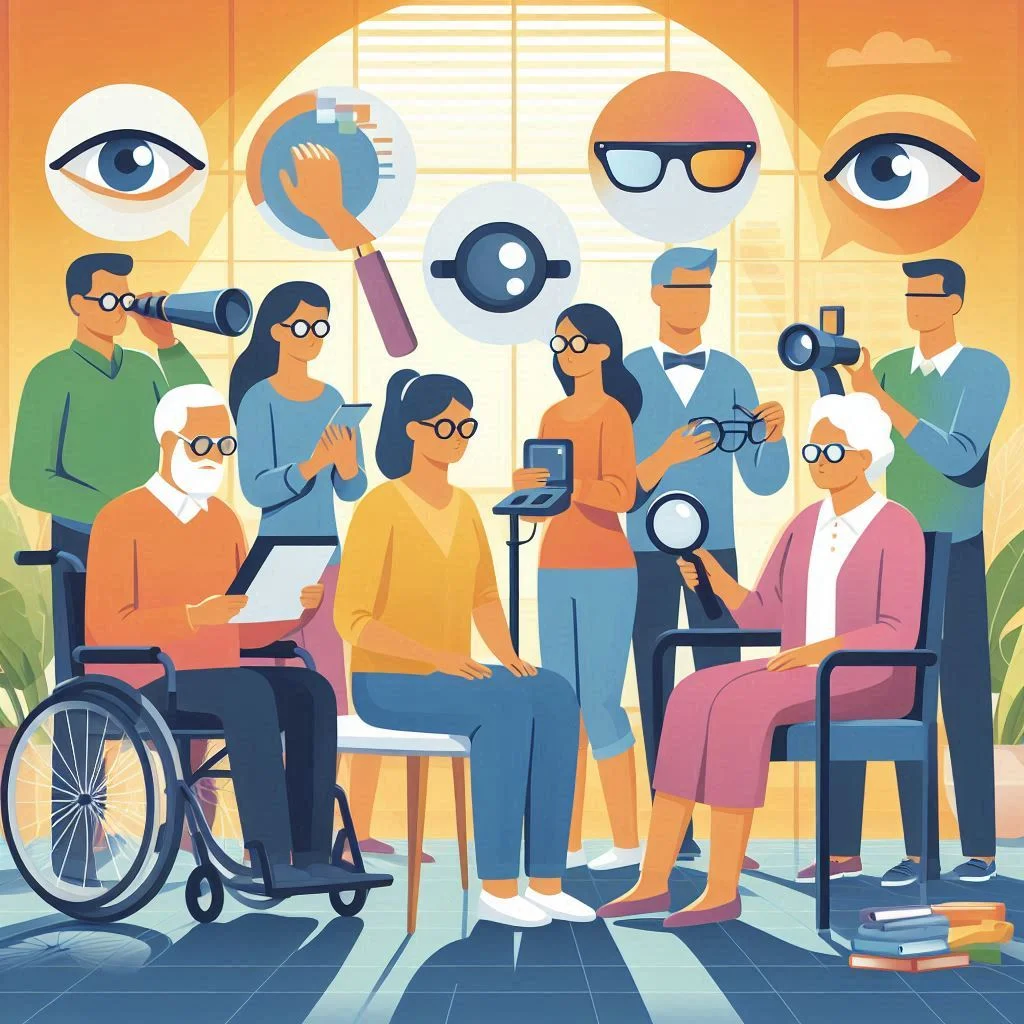
Overview of Vision Aids: Glasses, Magnifiers, and Vision Devices
Definition and types of vision aids for low vision: Vision aids are tools specifically designed to help those with visual impairment perform everyday tasks. Common types include reading glasses, magnifying glasses, handheld magnifiers, video magnifiers, and advanced digital devices like portable screen readers. Each addresses a unique aspect of low vision, from magnifying text to enhancing contrast.
Benefits and limitations of each type: While reading glasses enhance near vision for tasks like reading, magnifying glasses and video magnifiers help visually impaired users see even smaller details or tackle hobbies that require precision. However, each vision device comes with trade-offs, such as limited field of view or a need for steady hands. Digital devices bring additional accessibility features but may be costlier than simple optical aids.
Integration with accessibility features and assistive technology: Modern vision aids often work alongside accessibility features built into smartphones and computers—such as screen reader software, magnification apps, and voice commands. This integration helps ensure that users get the most out of both their vision aids and their technology, further bridging the gap to independence.
Comparing Macular Degeneration Glasses vs Magnifiers
Comparison Table: Glasses vs Magnifiers for Macular Degeneration
Feature |
Macular Degeneration Glasses |
Magnifiers |
|---|---|---|
Magnification Strength |
Typically 2x-6x (with telescopic/prismatic) |
Ranges from 2x to 10x, digital even higher |
Field of View |
Wider, hands-free experience |
Narrower, requires scanning motion |
Comfort & Adaptability |
Wearable and convenient for continuous tasks |
Handheld or desktop, more suitable for short-term use |
Cost Range |
Can be high (especially for custom or electronic types) |
Broad spectrum from low-cost to high-tech digital |
Best Suited For |
Watching television, walking outside, some reading |
Close-up work: reading, hobbies, small objects |
Key differences in daily use, magnification, comfort, and adaptability: Macular degeneration glasses offer a wider field of view and hands-free functionality, making them better for activities like walking or watching television. Magnifiers excel at precision tasks but may be less comfortable for extended use due to their narrow field of view. User satisfaction often comes down to matching the device with the daily task.
Real-world outcomes and user satisfaction: Many users report the best results by combining both types of low vision aids—for example, using advanced reading glasses for mobility and handheld magnifier options for focused reading or other tasks. Visually impaired individuals find increased confidence and independence when they have access to a range of solutions.

Types of Macular Degeneration Glasses: From Reading Glasses to Wearable Devices
Telescopic glasses: These specialized macular degeneration glasses magnify distant objects, assisting with tasks like watching television, enjoying scenery, or recognizing faces from afar. Some designs feature bioptic systems, allowing users to look through different lens portions for near and far tasks.
Prismatic reading glasses: Designed for reading books and near work, prismatic glasses bend light to help visually impaired users maintain a comfortable field of view. They’re ideal for repetitive reading tasks where detail and clarity matter.
Electronic and wearable vision devices: Innovative wearable devices act as electronic vision aids, using built-in cameras and displays to magnify or adjust images for users. These can offer enhanced digital features such as adjustable magnification, contrast, and even text-to-speech support.
Who may benefit most from each type: Telescopic glasses suit those interested in outdoor activities or watching events, while prismatic reading glasses and electronic wearables fit people who need support up-close or want to integrate technology with daily living.
"Select macular degeneration glasses based on your vision needs, desired task, and lifestyle — not all aids are created equal." — Dr. Lisa Thornton, Optometrist
Understanding Magnifiers: Handheld Magnifiers, Magnifying Glasses, and Video Magnifiers
Handheld magnifier options: These classic magnifying glasses provide instant magnification for labels, menus, and paperwork. They’re portable and come in various strengths, making them a go-to low vision aid for many, including those with mild macular degeneration.
Magnifying glasses for reading and hobbies: Some magnifying glasses are worn like regular glasses, while others clip onto frames or stand on their own. They allow for hands-free reading or hobby work, supporting anyone needing a magnified view for detailed tasks.
Video and portable digital magnifiers for enhanced accessibility: Video magnifiers—sometimes known as portable digital magnifiers—project magnified images onto screens and often include built-in lighting, adjustable magnification, and color contrast settings. These digital magnifiers support those with advanced macular degeneration who require higher levels of customization.
When and how to use each for optimal results: Use handheld magnifiers for quick spot checks; switch to digital magnifiers for reading, writing, or managing paperwork at length. Experimenting with different types of magnifiers—guided by an eye doctor—can unlock both functionality and comfort.

How Eye Doctors Assess and Recommend Low Vision Aids
Comprehensive evaluation by an eye doctor: Before recommending any low vision aid, eye doctors conduct a thorough assessment, including vision tests and an evaluation of daily needs. Understanding individual challenges is key to making the right choice between macular degeneration glasses vs magnifiers.
Testing with vision aids, including magnifying glasses and digital devices: Patients try various vision devices under supervision to ensure correct magnification, comfort, and compatibility with their low vision routines. This hands-on approach helps determine if a handheld magnifier, reading glasses, or a digital solution is most effective.
Criteria for recommending different vision aids: Doctors consider several factors—type of macular degeneration, degree of vision loss, and patient lifestyle. Recommendations are tailored so each person can perform meaningful tasks like reading, recognizing faces, or managing finances independently.
The importance of follow-up and device training: After a vision aid is prescribed, follow-up visits and device training are crucial. Skilled therapists teach patients how to use features, adjust magnification, and combine aids for the greatest benefit, ultimately boosting the quality of life.
Top Vision Aid Technologies: Magnifying Glasses, Digital Magnifiers, and Screen Reader Tools
Advancements in screen readers and text-to-speech: Modern screen reader tools translate on-screen text to speech, enabling those with severe vision loss to navigate computers, smartphones, and tablets independently. New text-to-speech AI, powered by accessibility features, supports work, communication, and lifelong learning for visually impaired users.
Digital magnifiers and portable digital devices: The latest video magnifier technology offers high-definition images, auto-focus, and touchscreen controls. Portable digital magnifiers are now lighter and easier to use, delivering sharp text and customizable colors for effortless reading and writing.
Accessibility features on smartphones and computers: Built-in tools like magnification gestures, high-contrast modes, and voice assistants enhance accessibility for all users. For those with macular degeneration, these features amplify the benefit of physical vision aids and help them interact with digital environments seamlessly.
Comparing vision aids and devices in 2024: The growth in vision aid technology in 2024 means more visually impaired people have access to individualized solutions. Today’s market includes everything from classic magnifying glasses to advanced digital magnifiers and screen readers, ensuring a personalized match for nearly every need.

How to Choose: Macular Degeneration Glasses vs Magnifiers for Your Needs
Personalized factors: lifestyle, level of vision loss, and dexterity: The best low vision aid is unique to each user. Consider whether you need hands-free solutions for mobility, handheld magnifiers for brief reading, or a wearable device for all-day use. Dexterity and comfort also play a huge role in device choice; some may prefer lightweight reading glasses, while others benefit most from a digital magnifier with adjustable controls.
Budget and insurance considerations: Costs for macular degeneration glasses vs magnifiers vary widely. Simple magnifying glass designs are budget-friendly, while high-tech vision devices like electronic glasses require a larger investment. Insurance or vision aid funding may be available—speak to your eye doctor or low vision clinic for guidance.
Patient testimonials and case studies: Real users report greater independence when using a combination of aids—for example, pairing a digital magnifier for reading with prismatic glasses for social activities. Continued advancements and new technologies ensure that more people can access tailored solutions for their individual needs in 2024 and beyond.

Lists: At-Home Vision Aids and Daily Living Devices
-
List of top low vision aids for independence:
Prismatic reading glasses
Telescopic macular degeneration glasses
Handheld magnifier
Digital video magnifiers
Screen reader software
-
Adaptive devices for home, travel, and recreation:
Talking watches and clocks
Large-button telephones
Voice-activated assistants
Contrast-enhancing kitchen tools
-
Best wearable device and assistive technology recommendations:
Wearable electronic vision device (e.g., OrCam, eSight)
Portable digital magnifier
Smartphone accessibility features
Tables: Macular Degeneration Glasses vs Magnifiers – Key Comparison Factors
Feature Comparison: Magnifying Glasses, Video Magnifiers, Reading Glasses, Wearable Devices, and Screen Readers
Device |
Best For |
Magnification Range |
Hands-Free? |
Adjustable Settings |
Price Range |
|---|---|---|---|---|---|
Magnifying Glasses |
Reading, hobbies, spotting details |
2x – 10x |
Sometimes |
No |
$15–$100 |
Video Magnifiers (Digital/Portable) |
Extended reading, writing, paperwork |
2x – 40x |
Yes |
Yes (contrast, color, zoom) |
$200–$2,500 |
Reading Glasses |
Reading books, menus, general close work |
1.5x – 3.0x |
Yes |
No |
$25–$200 |
Wearable Devices |
All-day use, mobility, immersive activities |
2x – 12x |
Yes |
Yes (varies by model) |
$1,000–$6,000+ |
Screen Readers |
Computer/smartphone access, reading emails/text |
N/A |
N/A |
Yes |
Free – $500 (depending on software) |
Insight from a Macular Degeneration Professional
"A custom approach is paramount—the 'best' aid is the one the person will actually use daily." — Dr. Evan Price, Rehabilitation Optometrist
People Also Ask: Addressing Common Macular Degeneration Questions
Do magnifying glasses work with macular degeneration?
Magnifying glasses enhance vision for many macular degeneration patients, especially for close-up tasks like reading. However, effectiveness depends on the degree of vision loss and individual needs.
What are the best glasses for someone with macular degeneration?
The best glasses are typically custom-made, such as bioptic telescopic or prismatic reading glasses, designed to match specific vision loss and daily activities.
What is the best assistive technology for macular degeneration?
The most effective assistive technology often combines multiple tools—video magnifiers, wearable digital devices, and robust screen reader software.
What magnification is best for macular degeneration?
Magnification strength varies per person, ranging from 2x to 10x. It’s crucial to consult an eye doctor to find the ideal magnifier that provides enough boost without distortion.
Key Takeaways: Macular Degeneration Glasses vs Magnifiers
Not all devices are effective for every need—personal assessment is key
Consider combining vision aids, like magnifying glasses and digital tools
Regular follow-up ensures best outcomes with chosen low vision aids
FAQs on Macular Degeneration Glasses, Vision Aids, and Magnifiers
Can you use both glasses and magnifiers together? Absolutely. Many people find the best results combine glasses for general tasks and magnifiers for specific, detail-oriented work. This flexible approach helps visually impaired users adapt as conditions fluctuate.
Are there prescription magnifiers for macular degeneration? Yes, prescription magnifiers tailored to your unique vision can provide comfortable, distortion-free magnification for reading or hobbies. Your eye doctor can help you find the best match.
What are the most affordable low vision devices? Basic handheld magnifying glasses and non-prescription reading glasses are among the most affordable solutions, often available for under $50.
How do you adapt your home for low vision? Upgrade lighting, use high-contrast markings, install talking devices, and reduce clutter to minimize trip hazards—these adaptations maximize safety and independence in everyday spaces.
Conclusion: Empowering Independence with the Right Low Vision Aid
Macular degeneration glasses vs magnifiers both play vital roles in improving quality of life for those with low vision.
Getting a personalized assessment and trying different vision aids ensures the best fit for your needs and lifestyle.
With new advancements, hope continues to grow for enhanced independence and vision in everyday life.

As you continue your journey toward greater independence with the right low vision aids, remember that holistic health and proactive care can make a meaningful difference. If you or a loved one are managing additional health challenges, such as chronic conditions or cancer, understanding the latest in supportive care can be invaluable.
Explore how remote symptom monitoring is transforming patient experiences and empowering individuals to take charge of their well-being by visiting our in-depth guide on remote symptom monitoring for cancer care. Embracing new tools and knowledge can help you stay ahead and live life to the fullest, no matter the obstacles.
Ready to enhance your independence? Book an appointment with a low vision specialist today to explore macular degeneration glasses vs magnifiers and find the best aid for your needs.
Taking proactive steps now by booking an appointment with a skilled low vision specialist can help you maximize your remaining vision and embrace new strategies for daily independence. Don’t wait—explore what’s possible!
Sources
American Academy of Ophthalmology – https://www.aao.org/eye-health/diseases/amd-macular-degeneration
When managing macular degeneration, understanding the effectiveness of various vision aids is crucial. The article “Glasses for Macular Degeneration: 8 Types, Other Vision Aids” provides an in-depth look at different eyeglasses and their roles in enhancing vision for those affected by this condition.
Additionally, “Macular degeneration glasses: Types, cost, and are they effective?” offers valuable insights into the effectiveness and cost considerations of specialized glasses. Exploring these resources can help you make informed decisions about the most suitable vision aids for your needs. Find more health and wellness content on NCWellnessHub.com




Write A Comment