Add Row
Add Element
NC Wellness Hub
update
North Carolina Wellness Hub
update
Add Element
  • Home
  • Categories
    • Wellness
    • General Health
    • Holistic
    • News
    • Living & Travel
    • Lifestyle
    • Fitness & Exercise
    • Mental Health
    • Stress Management
    • FEATURE
    • Sleep
    • Allergies
    • Medicines & Supplements
    • Weight Loss
    • Kids Health
    • Fertility & Pregnancy
    • Cancer
    • Heart Health
    • Skin & Hair
    • Arthritis
    • Dental
    • Vision
  • Bone Health
  • Digestive
February 10.2026
1 Minute Read

What Causes Eye Floaters? Discover the Surprising Truth

Did you know that eye floaters affect nearly everyone as they age, often signaling changes in the eye’s gel-like interior? Understanding what causes eye floaters can help you distinguish harmless spots from symptoms needing urgent care. Let’s unravel this common eye mystery together.

Understanding What Causes Eye Floaters: Quick Insights

  • What are eye floaters? Eye floaters are small, shadowy shapes that drift in your field of vision. They often look like spots, squiggly lines, or tiny cobwebs. These visual disturbances are most noticeable when looking at a bright background, such as the sky or a blank wall.

    Floaters occur when tiny bits of the vitreous gel, located at the back of the eye, cast shadows on the retina. Most people experience floaters at some point, though their prevalence increases with age and specific eye conditions.

Close-up of a healthy eye with subtle floaters and a clinical background. Main Keyword: eye floater, eye floaters
  • How do eye floaters develop? Floaters develop as the clear, gel-like vitreous inside the eye slowly changes over time. With aging, this gel can shrink and become more liquid, causing small clumps or strands that move with your eye.

    As the vitreous detaches from the retina, these clumps drift, explaining why floaters seem to dart away when you try to look at them directly. Sometimes, sudden floaters result from injury, inflammation, or bleeding inside the eye, warranting immediate medical attention.

  • Immediate signs: Knowing 'what causes eye floaters' and 'how floaters appear' Spotting floaters can be a normal part of aging, but a sudden shower of new floaters, flashes of light, or loss of side vision may warn of more serious issues, such as retinal detachment. Recognizing these signs and knowing what causes eye floaters is crucial for taking prompt action.

What You'll Learn About What Causes Eye Floaters

  • Essential facts about eye floaters and their origins

  • Understanding links between eye health, the aging process, and floaters

  • Prevention and treatment options explained

  • When to see an eye doctor or eye health specialist

What Causes Eye Floaters: Core Mechanisms

  • The role of the vitreous gel and its aging process The center of your eye is filled with a clear, gel-like substance called the vitreous humor. As we age, this gel begins to shrink and liquefy. Tiny fibers within the vitreous can clump together, casting shadows that appear as floaters.

    Posterior vitreous detachment (PVD) occurs when the shrinking gel pulls away from the retina, frequently causing an increase in floaters. This natural progression highlights aging as the key factor in what causes eye floaters.

  • Posterior vitreous detachment and the development of floaters Posterior vitreous detachment is a common age-related condition. As the vitreous separates from the retina, it leaves behind clumps and web-like strands. Floaters are created as light passes through these irregularities, casting unpredictable shadows onto your retina and manifesting as visible floaters.

    While most PVD cases are harmless, some can lead to retinal tears or detachments, which are serious eye problems that require urgent care from a qualified eye doctor.
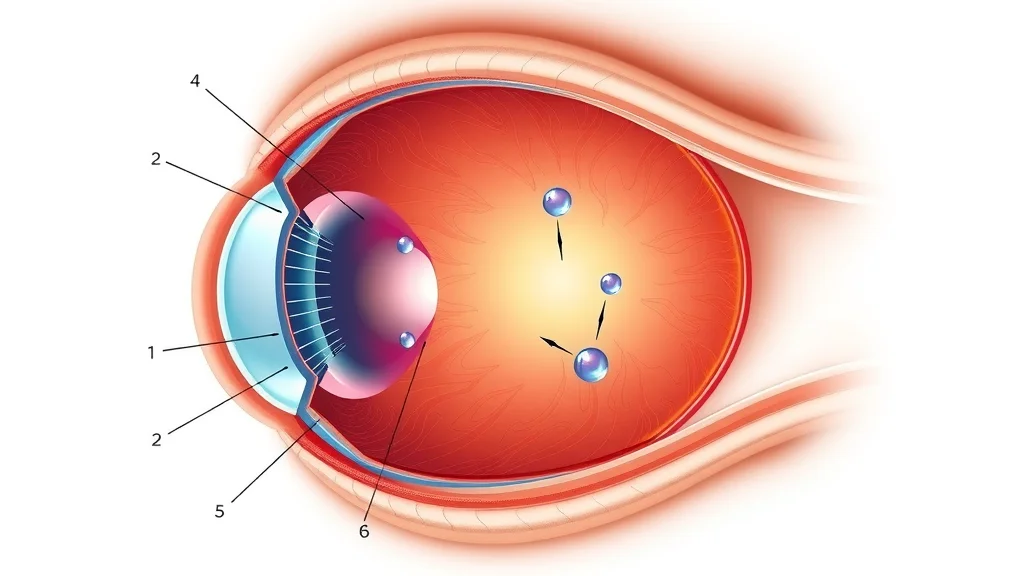
Cross-sectional diagram of the eye showing vitreous gel changes and detachment. Main Keyword: posterior vitreous detachment, eye floaters, aging process
  • Aging process as a primary factor Age is the single most significant risk factor for developing eye floaters. The vitreous breakdown and gel separation accelerate after age 50, making floaters a common occurrence for older adults. Genetics, eye health history, and previous eye complications can increase susceptibility. As Dr. Alicia Warren, Ophthalmologist, notes:

    "The breakdown of the vitreous gel is a natural part of aging, often leading to floaters."

While understanding the aging process and vitreous changes is essential, it's equally important to recognize the subtle warning signs that may indicate more serious eye issues. For a deeper look at symptoms you shouldn't ignore, explore the most common warning signs of eye problems that often go unnoticed but can have a significant impact on your vision.

Eye Health and Other Medical Causes Behind What Causes Eye Floaters

  • Eye injuries and trauma Traumatic injuries to the eye or head can cause sudden floaters by damaging retinal blood vessels or causing hemorrhage in the vitreous gel. These floaters are frequently accompanied by pain or vision changes and should prompt an immediate eye exam.

  • Diabetic retinopathy and bleeding inside the eye Uncontrolled diabetes can damage retinal blood vessels, leading to bleeding. Blood in the vitreous can create new, prominent floaters that persist until the blood is reabsorbed or surgically removed.

  • High blood pressure and its indirect relationship to floaters Chronic high blood pressure can weaken the blood vessels of the eye, leading to microbleeds into the vitreous. While less common than aging or injury, blood pressure-related floaters signal the need for a full health evaluation.

  • Inflammation, infection, and uveitis Certain inflammatory conditions (like uveitis) or infections can introduce cellular debris, pus, or blood into the vitreous, causing floaters and signaling possible eye infection or autoimmune response. These cases may cause associated pain, redness, or blurred vision.

  • As Dr. Samuel Lin, Retina Specialist, emphasizes:

    "Some conditions like uveitis or diabetic eye disease can contribute to sudden floaters."

Sudden Floaters vs. Gradual: What Causes Each Type?

  • Sudden floaters and symptoms of retinal detachment Sudden onset of many new floaters, especially with flashes of light or a shadow in your side vision, can indicate a retinal tear or detachment. This is a sight-threatening emergency that requires immediate attention from an eye care provider. Sudden floaters can also signal bleeding or trauma. Early intervention can save vision in many cases.

Worried adult checking vision for sudden floaters at home. Main Keyword: sudden floaters, visual disturbances
  • Gradual onset: Posterior vitreous detachment and aging process When floaters appear slowly and without pain or vision changes, they are typically related to age-related vitreous changes or PVD. These floaters may remain stable or slowly increase over the years, but often aren’t dangerous.

  • Risk factors for each type Sudden floaters are associated with trauma, high myopia, severe diabetes, and inflammatory disorders. Gradual floaters are linked primarily to the natural aging process, genetics, and general eye health.

Table: Common Causes of Eye Floaters and Their Symptoms

Cause

Typical Symptoms

Urgency

Diagnosis Path

Aging Process

Gradual onset of mild floaters; often asymptomatic beyond visual spots

Routine evaluation if persistent

Eye exam, dilated eye exam

Posterior Vitreous Detachment

Sudden increase in floaters, sometimes flashes of light

Prompt eye doctor visit

Dilated retinal exam, OCT

Vitreous Hemorrhage

Dense, sudden floaters; possible vision loss

Emergency evaluation

Eye doctor, retinal imaging

Retinal Detachment

Sudden floaters with flashes and shadow/curtain loss of vision

Immediate emergency

Urgent dilated exam, imaging

Eye Injuries

Acute floaters with pain, blurred vision

Emergency intervention

Physical exam, eye imaging

Inflammation

Floaters, redness, eye pain

Prompt specialist review

Eye doctor, lab tests

High Blood Pressure

Chronic, sometimes with other vascular symptoms

Monitor and manage underlying cause

Blood pressure check, eye exam

Spotting Danger: When Are Eye Floaters a Sign of Something Serious?

  • Symptoms that require immediate attention: flashes, shadows, sudden increase Contact an eye doctor right away if you experience a sudden shower of floaters, bright flashes of light, visual shadows, or a sudden change in vision. These may all indicate a retinal tear, detachment, or internal bleeding.

Young adult urgently calling eye doctor about vision changes. Main Keyword: eye doctor, urgent vision problems, eye floaters
  • Risk factors for retinal detachment Risk increases in those with severe nearsightedness, prior eye injuries, eye surgery, strong family history, or certain eye conditions such as lattice degeneration. These individuals should remain vigilant for sudden vision changes.

  • Expert advice: Dr. Priya Choudhury, Optometrist, urges:

    "If you experience a sudden shower of new floaters or flashing lights, contact an eye doctor promptly."

How an Eye Doctor Diagnoses What Causes Eye Floaters

  • Routine eye exam process Diagnosis starts with a comprehensive eye exam. Your eye doctor will ask about your symptoms and medical history, then perform a thorough retinal evaluation. Eye drops are often used to dilate your pupils for a better view of the back of the eye.

  • Technologies: Optical coherence tomography (OCT), dilated eye exams State-of-the-art imaging like OCT, slit lamp microscopy, and fundus photography help detect subtle changes to the retina and vitreous gel. These tools are vital for identifying retinal tears, detachment, or other causes of eye floaters that may need urgent management.
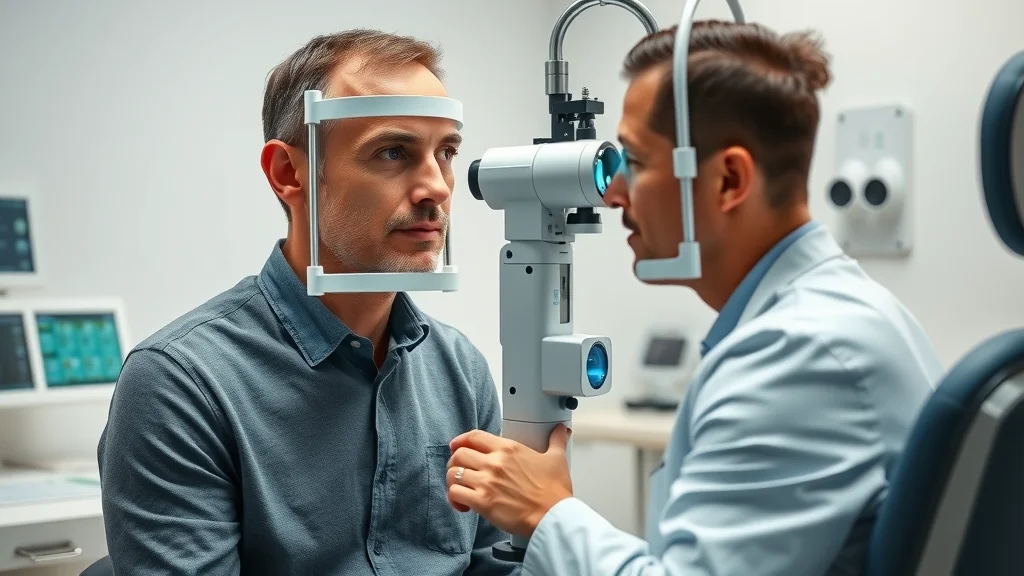
Patient and optometrist during eye exam with slit lamp and OCT display. Main Keyword: eye exam, dilated eye exam, eye floaters, diagnosis
  • Importance of medical history and symptom reporting Be honest and detailed about your symptoms, especially when they started and how rapidly they changed. This information can help pinpoint what causes your eye floaters and whether further testing or treatment is necessary.

Watch a leading ophthalmologist explain what causes eye floaters, what to watch for, and new advances in floaters management. [Insert video here]

Treatment Options: Can You Get Rid of What Causes Eye Floaters?

  • Observation and reassurance In most cases, floaters are harmless and require no treatment other than regular monitoring through routine eye exams. Many people find floaters become less noticeable over time as the brain adapts.

Eye doctor explaining treatment options for eye floaters to patient. Main Keyword: eye doctor, treatment options, eye floaters
  • When medical or surgical intervention is warranted If floaters significantly impair vision or result from retinal detachment or hemorrhage, treatment is necessary. Eye care providers may recommend surgery or laser therapy based on individual risk factors.

  • Laser treatment and vitrectomy: Pros, cons, and safety YAG laser vitreolysis breaks up prominent floaters but carries a small risk of complications including retinal tears. Vitrectomy, the surgical removal of the vitreous gel, is a last resort due to potential risks (infection, cataracts) and is typically reserved for severe, persistent floaters.

  • New research and emerging therapies Ongoing studies are exploring safer non-surgical treatments and drugs that may dissolve floaters. Ask your eye doctor about clinical trials and the latest options.

Lifestyle and Home Management for Eye Floaters

  • Maintaining optimal eye health Healthy vision starts with regular eye care and monitoring. Routine eye exams allow early identification of disease and keep your eyes in top condition.

  • Managing high blood pressure and other risk factors Since high blood pressure, diabetes, and chronic inflammation can contribute to eye floaters, manage these conditions with the guidance of your healthcare provider.

  • Protecting eyes from injury Always use protective eyewear in sports or hazardous environments to lower your risk of traumatic floaters and other eye problems.

Person prepping leafy greens in kitchen for eye health. Main Keyword: eye health, healthy diet, eye care, prevention
  • Diet and supplements that support healthy vision Eating a diet rich in leafy greens, colorful vegetables, and omega-3 fatty acids can boost retinal health. Some supplements containing antioxidants, vitamin C, and zinc support the aging process of the eye but consult your doctor first before beginning any new regimen.

Eye Floaters in One Eye vs. Both: What Causes the Difference?

  • Assessing asymmetry in floater symptoms Floaters appearing in just one eye often suggest an underlying localized problem, such as eye trauma, localized bleeding, or infection. When floaters occur in both eyes simultaneously, age-related changes are the most likely culprit.

  • Conditions more likely to cause floaters in one eye such as trauma or local bleeding Unilateral floaters (floaters in one eye) raise suspicion of acute problems including vitreous hemorrhage, inflammation (uveitis), or physical injury and always merit a thorough dilated eye exam by an eye care provider.

Prevention: Can You Lower Your Risk of What Causes Eye Floaters?

  • Eye health checkups and early intervention Schedule regular eye exams especially as you age or if you have risk factors like diabetes, high blood pressure, or family history of eye conditions.

  • Managing systemic factors like diabetes and high blood pressure Good control of blood sugar and blood pressure can reduce your risk of complications that may result in floaters or vision loss.

Diverse adults at community health fair learning about eye care. Main Keyword: eye health, eye care, prevention, community awareness
  • Eye safety practices Always wear protective eyewear during activities that could lead to eye injury and be alert to any sudden changes in your vision.

  • Key tips list for prevention

    • Get regular eye exams every 1–2 years

    • Monitor and manage blood pressure and blood sugar

    • Wear protective eyewear for sports or work

    • Eat a vision-supportive diet high in antioxidants

    • Don’t ignore sudden vision changes—see an eye doctor immediately
FAQs About What Causes Eye Floaters and Eye Health

  • Do eye floaters go away on their own? Most eye floaters become less noticeable over weeks or months as your brain learns to ignore them. Rarely, floaters vanish completely. Persistent, bothersome floaters should still be assessed by an eye doctor.

  • Can you prevent all types of eye floaters? It’s impossible to prevent all floaters, especially those caused by natural aging. However, controlling blood pressure, blood sugar, and protecting your eyes can limit your risk of floaters triggered by injury or disease.

  • Is there any risk of vision loss from eye floaters? Most floaters are harmless, but if associated with retinal tears, detachment, or bleeding, vision loss can occur unless treated promptly. Early detection is critical to preventing complications.

  • Will everyone experience floaters eventually? The vast majority of people notice floaters by their senior years, but not everyone will find them problematic. Those with high myopia or a history of eye problems may see them earlier.
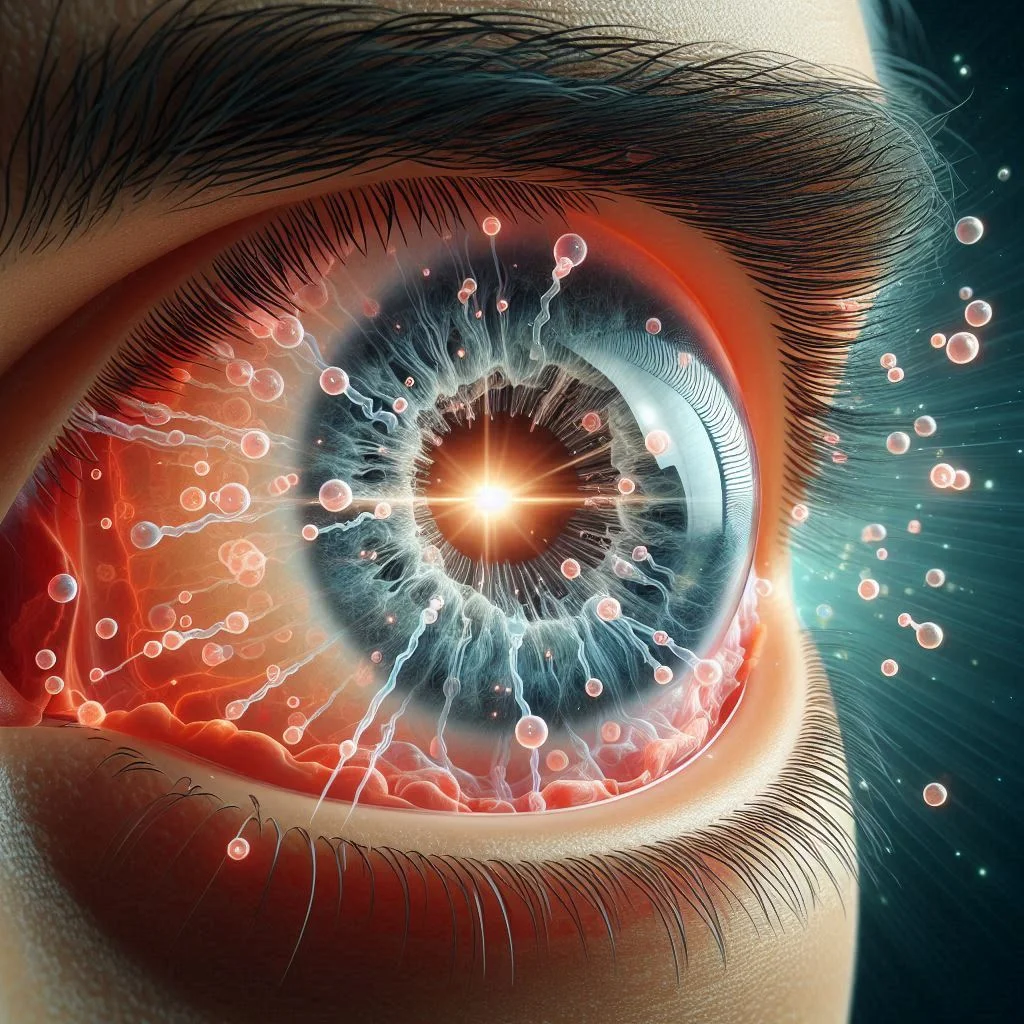
People Also Ask: What Triggers Eye Floaters?

What triggers eye floaters?

  • Eye floaters are generally triggered by natural changes to the vitreous gel during the aging process, but can also be caused by injury, bleeding, inflammation, or rapid changes in eye health, such as posterior vitreous detachment or retinal detachment.

How do you get rid of eye floaters?

  • Many eye floaters do not require treatment and may become less noticeable over time. Interventions like laser therapy or vitrectomy are reserved for severe cases and must be evaluated by a qualified eye doctor.

When should I worry about eye floaters?

  • Sudden appearance of many floaters, especially with flashes of light or vision loss, can signal retinal detachment or bleeding and needs urgent medical attention.

Do floaters go away on their own?

  • Most floaters become less noticeable over time as the brain adapts but rarely disappear outright. If they persist, consult an eye doctor to rule out underlying issues.

Case Study: When Eye Floaters Revealed a Hidden Condition

  • Real patient experience involving sudden floaters A 62-year-old patient experienced a sudden burst of floaters in one eye, accompanied by brief flashes of light but no pain. Concerned, she visited her eye doctor the same day.

Mature adult with eye specialist reviewing retina images together. Main Keyword: eye specialist, eye floater diagnosis, patient journey
  • Step-by-step diagnostic journey The eye care provider performed a dilated eye exam and ordered an OCT scan, identifying a small retinal tear caused by posterior vitreous detachment. The tear was promptly treated with laser therapy, preventing complications.

  • Outcome and lessons for maintaining eye health Thanks to early action and comprehensive diagnosis, the patient’s vision was preserved, with floaters becoming less noticeable over the following months. This highlights the importance of recognizing when floaters signal a deeper issue and the value of regular eye exams.

Key Takeaways on What Causes Eye Floaters

  • Main causes, warning signs, and prevention methods summarized: Most floaters are a normal result of aging, but sudden changes can mean serious issues like retinal detachment, especially with flashes of light.

  • Importance of prompt care in high-risk cases: Seek an eye doctor’s assessment if you notice a sudden increase in floaters or experience visual disturbances.

  • Directing readers to reliable resources: Consult eye health professionals and visit trusted sites like NCWellnessHub.com for further information.

Conclusion: Protecting Your Vision—What to Remember About What Causes Eye Floaters

  • Timely action is key

  • Consult an eye doctor if in doubt

  • Commit to regular eye health checks

  • Explore further at NCWellnessHub.com for trusted wellness information

If you’re interested in taking your eye health knowledge even further, consider learning about advanced prevention strategies and holistic approaches to vision care. Our comprehensive guide on NAC eye drops and their potential to reverse cataracts delves into innovative treatments and proactive steps for maintaining lifelong visual wellness. Discover how staying informed about emerging therapies can empower you to make the best choices for your eyes and overall health.


Sources

  • American Academy of Ophthalmology – https://www.aao.org/eye-health/diseases/what-are-floaters-flashes

  • Mayo Clinic – https://www.mayoclinic.org/diseases-conditions/eye-floaters/symptoms-causes/syc-20372346

  • National Institutes of Health – https://www.ncbi.nlm.nih.gov/pmc/articles/PMC7593067/

  • Healthline – https://www.healthline.com/health/eye-floaters

  • NCWellnessHub – https://www.ncwellnesshub.com

Eye floaters are small, shadowy shapes that drift across your field of vision, often resembling spots, squiggly lines, or tiny cobwebs. They are most noticeable when looking at bright backgrounds, such as the sky or a blank wall. These visual disturbances occur when tiny bits of the vitreous gel inside the eye cast shadows on the retina.

While most people experience floaters at some point, their prevalence increases with age and certain eye conditions. Understanding the Causes of Eye Floaters The primary cause of eye floaters is age-related changes in the vitreous humor—the clear, gel-like substance that fills the center of the eye.

As we age, this gel begins to shrink and liquefy, leading to the formation of clumps or strands that cast shadows on the retina, perceived as floaters. This process, known as posterior vitreous detachment (PVD), is common and typically harmless. (mayoclinic.org)

However, sudden onset of numerous floaters, especially when accompanied by flashes of light or loss of peripheral vision, may indicate more serious conditions such as retinal tears or detachments. These situations require immediate medical attention to prevent potential vision loss. (nei.nih.gov)

Other Contributing Factors Beyond aging, several factors can contribute to the development of eye floaters: Eye Injuries and Trauma: Physical injury to the eye can lead to vitreous detachment or bleeding, resulting in floaters. (scripps.org) Diabetic Retinopathy: Uncontrolled diabetes can damage retinal blood vessels, leading to bleeding into the vitreous and subsequent floaters. (my.clevelandclinic.org)

Inflammation and Infections: Conditions like uveitis cause inflammation in the eye, introducing debris into the vitreous that appears as floaters. (hopkinsmedicine.org) High Blood Pressure: Chronic hypertension can weaken retinal blood vessels, leading to microbleeds that manifest as floaters. (scripps.org)

When to Seek Medical Attention While many floaters are benign, it’s crucial to recognize symptoms that warrant immediate care: A sudden increase in the number of floaters Flashes of light A shadow or curtain over part of your vision These signs could indicate retinal detachment or other serious conditions. Prompt evaluation by an eye care professional is essential to preserve vision. (mayoclinic.org)

Diagnosis and Treatment Diagnosis typically involves a comprehensive eye exam, including pupil dilation to examine the retina and vitreous. Most floaters do not require treatment and may become less noticeable over time. However, if they significantly impair vision, options like laser therapy or vitrectomy (surgical removal of the vitreous) may be considered. (mayoclinic.org)

Preventive Measures

Maintaining overall eye health can reduce the risk of floaters:

  • Regular eye exams

  • Managing chronic conditions like diabetes and hypertension

  • Protecting eyes from injury

  • Adopting a diet rich in antioxidants and omega-3 fatty acids

Understanding the causes and implications of eye floaters empowers individuals to take proactive steps in preserving their vision. For a visual explanation of what causes eye floaters, you might find this video helpful: What causes flashes and floaters?


Vision

0 Comments

Write A Comment

*
*
Related Posts All Posts

Do Glasses Help Macular Degeneration? A Guide to Low Vision Aids

Over 10 million Americans face macular degeneration, but did you know specialized glasses and magnifiers can significantly improve vision? Understanding these aids can empower you to live more independently and comfortably despite this eye condition. Discover how to choose the best low vision tool for your needs.Understanding Macular Degeneration and Its Impact on Low VisionWhat is macular degeneration? Macular degeneration is a common eye condition that affects the macula, the central part of the retina responsible for detailed, central vision. It often develops with age—hence age-related macular degeneration (AMD)—and gradually reduces the ability to see fine details, impacting activities like reading books, recognizing faces, and daily tasks.How low vision develops with macular degeneration: People with macular degeneration experience progressive vision loss that makes everyday activities difficult. The loss could appear as blurred or blank spots in central vision, while peripheral sight often remains intact. This progression is why many turn to low vision aids like macular degeneration glasses vs magnifiers and other vision devices to maintain independence.Statistics and prevalence of macular degeneration: According to recent studies, more than 10 million people in the U.S. experience macular degeneration, and its prevalence is expected to rise as the population ages. Globally, millions rely on vision aids to improve quality of life despite their visual impairment."Macular degeneration is the leading cause of vision loss among older adults, affecting central vision and the ability to read or recognize faces." — Dr. Rachel Kim, OphthalmologistWhat You'll Learn in This GuideThe differences between macular degeneration glasses and magnifiersTypes of low vision aids and how they workHow to select the right vision device for your needsReal patient stories and expert insightsLow Vision: How Macular Degeneration Affects Daily LifeLife adjustments with macular degeneration: Experiencing central vision loss due to macular degeneration requires significant lifestyle changes. Tasks like reading, cooking, or watching television become more challenging, prompting individuals to rethink their routines. While the psychological impact of losing vision can be daunting, low vision aids and magnifying glasses make it possible to continue many cherished activities with greater ease.Challenges with reading, mobility, and technology: Visually impaired individuals often struggle with reading and writing, using technology, or navigating unfamiliar spaces. Low vision devices—ranging from reading glasses to wearable device options—play a crucial role in helping users recognize faces, reduce glare, and improve contrast for a better overall quality of life."Adapting to vision loss requires a combination of the right devices and practical strategies for maintaining independence." — Dr. Marco Evans, Low Vision SpecialistFor those exploring a holistic approach to wellness while managing vision changes, nutrition can also play a supportive role. Discover how incorporating certain foods may help strengthen your overall well-being in tandem with vision aids by reading about foods that support leg strength and daily vitality.Overview of Vision Aids: Glasses, Magnifiers, and Vision DevicesDefinition and types of vision aids for low vision: Vision aids are tools specifically designed to help those with visual impairment perform everyday tasks. Common types include reading glasses, magnifying glasses, handheld magnifiers, video magnifiers, and advanced digital devices like portable screen readers. Each addresses a unique aspect of low vision, from magnifying text to enhancing contrast.Benefits and limitations of each type: While reading glasses enhance near vision for tasks like reading, magnifying glasses and video magnifiers help visually impaired users see even smaller details or tackle hobbies that require precision. However, each vision device comes with trade-offs, such as limited field of view or a need for steady hands. Digital devices bring additional accessibility features but may be costlier than simple optical aids.Integration with accessibility features and assistive technology: Modern vision aids often work alongside accessibility features built into smartphones and computers—such as screen reader software, magnification apps, and voice commands. This integration helps ensure that users get the most out of both their vision aids and their technology, further bridging the gap to independence.Comparing Macular Degeneration Glasses vs MagnifiersComparison Table: Glasses vs Magnifiers for Macular DegenerationFeatureMacular Degeneration GlassesMagnifiersMagnification StrengthTypically 2x-6x (with telescopic/prismatic)Ranges from 2x to 10x, digital even higherField of ViewWider, hands-free experienceNarrower, requires scanning motionComfort & AdaptabilityWearable and convenient for continuous tasksHandheld or desktop, more suitable for short-term useCost RangeCan be high (especially for custom or electronic types)Broad spectrum from low-cost to high-tech digitalBest Suited ForWatching television, walking outside, some readingClose-up work: reading, hobbies, small objectsKey differences in daily use, magnification, comfort, and adaptability: Macular degeneration glasses offer a wider field of view and hands-free functionality, making them better for activities like walking or watching television. Magnifiers excel at precision tasks but may be less comfortable for extended use due to their narrow field of view. User satisfaction often comes down to matching the device with the daily task.Real-world outcomes and user satisfaction: Many users report the best results by combining both types of low vision aids—for example, using advanced reading glasses for mobility and handheld magnifier options for focused reading or other tasks. Visually impaired individuals find increased confidence and independence when they have access to a range of solutions.Types of Macular Degeneration Glasses: From Reading Glasses to Wearable DevicesTelescopic glasses: These specialized macular degeneration glasses magnify distant objects, assisting with tasks like watching television, enjoying scenery, or recognizing faces from afar. Some designs feature bioptic systems, allowing users to look through different lens portions for near and far tasks.Prismatic reading glasses: Designed for reading books and near work, prismatic glasses bend light to help visually impaired users maintain a comfortable field of view. They’re ideal for repetitive reading tasks where detail and clarity matter.Electronic and wearable vision devices: Innovative wearable devices act as electronic vision aids, using built-in cameras and displays to magnify or adjust images for users. These can offer enhanced digital features such as adjustable magnification, contrast, and even text-to-speech support.Who may benefit most from each type: Telescopic glasses suit those interested in outdoor activities or watching events, while prismatic reading glasses and electronic wearables fit people who need support up-close or want to integrate technology with daily living."Select macular degeneration glasses based on your vision needs, desired task, and lifestyle — not all aids are created equal." — Dr. Lisa Thornton, OptometristUnderstanding Magnifiers: Handheld Magnifiers, Magnifying Glasses, and Video MagnifiersHandheld magnifier options: These classic magnifying glasses provide instant magnification for labels, menus, and paperwork. They’re portable and come in various strengths, making them a go-to low vision aid for many, including those with mild macular degeneration.Magnifying glasses for reading and hobbies: Some magnifying glasses are worn like regular glasses, while others clip onto frames or stand on their own. They allow for hands-free reading or hobby work, supporting anyone needing a magnified view for detailed tasks.Video and portable digital magnifiers for enhanced accessibility: Video magnifiers—sometimes known as portable digital magnifiers—project magnified images onto screens and often include built-in lighting, adjustable magnification, and color contrast settings. These digital magnifiers support those with advanced macular degeneration who require higher levels of customization.When and how to use each for optimal results: Use handheld magnifiers for quick spot checks; switch to digital magnifiers for reading, writing, or managing paperwork at length. Experimenting with different types of magnifiers—guided by an eye doctor—can unlock both functionality and comfort.How Eye Doctors Assess and Recommend Low Vision AidsComprehensive evaluation by an eye doctor: Before recommending any low vision aid, eye doctors conduct a thorough assessment, including vision tests and an evaluation of daily needs. Understanding individual challenges is key to making the right choice between macular degeneration glasses vs magnifiers.Testing with vision aids, including magnifying glasses and digital devices: Patients try various vision devices under supervision to ensure correct magnification, comfort, and compatibility with their low vision routines. This hands-on approach helps determine if a handheld magnifier, reading glasses, or a digital solution is most effective.Criteria for recommending different vision aids: Doctors consider several factors—type of macular degeneration, degree of vision loss, and patient lifestyle. Recommendations are tailored so each person can perform meaningful tasks like reading, recognizing faces, or managing finances independently.The importance of follow-up and device training: After a vision aid is prescribed, follow-up visits and device training are crucial. Skilled therapists teach patients how to use features, adjust magnification, and combine aids for the greatest benefit, ultimately boosting the quality of life.Top Vision Aid Technologies: Magnifying Glasses, Digital Magnifiers, and Screen Reader ToolsAdvancements in screen readers and text-to-speech: Modern screen reader tools translate on-screen text to speech, enabling those with severe vision loss to navigate computers, smartphones, and tablets independently. New text-to-speech AI, powered by accessibility features, supports work, communication, and lifelong learning for visually impaired users.Digital magnifiers and portable digital devices: The latest video magnifier technology offers high-definition images, auto-focus, and touchscreen controls. Portable digital magnifiers are now lighter and easier to use, delivering sharp text and customizable colors for effortless reading and writing.Accessibility features on smartphones and computers: Built-in tools like magnification gestures, high-contrast modes, and voice assistants enhance accessibility for all users. For those with macular degeneration, these features amplify the benefit of physical vision aids and help them interact with digital environments seamlessly.Comparing vision aids and devices in 2024: The growth in vision aid technology in 2024 means more visually impaired people have access to individualized solutions. Today’s market includes everything from classic magnifying glasses to advanced digital magnifiers and screen readers, ensuring a personalized match for nearly every need.How to Choose: Macular Degeneration Glasses vs Magnifiers for Your NeedsPersonalized factors: lifestyle, level of vision loss, and dexterity: The best low vision aid is unique to each user. Consider whether you need hands-free solutions for mobility, handheld magnifiers for brief reading, or a wearable device for all-day use. Dexterity and comfort also play a huge role in device choice; some may prefer lightweight reading glasses, while others benefit most from a digital magnifier with adjustable controls.Budget and insurance considerations: Costs for macular degeneration glasses vs magnifiers vary widely. Simple magnifying glass designs are budget-friendly, while high-tech vision devices like electronic glasses require a larger investment. Insurance or vision aid funding may be available—speak to your eye doctor or low vision clinic for guidance.Patient testimonials and case studies: Real users report greater independence when using a combination of aids—for example, pairing a digital magnifier for reading with prismatic glasses for social activities. Continued advancements and new technologies ensure that more people can access tailored solutions for their individual needs in 2024 and beyond.Lists: At-Home Vision Aids and Daily Living DevicesList of top low vision aids for independence:Prismatic reading glassesTelescopic macular degeneration glassesHandheld magnifierDigital video magnifiersScreen reader softwareAdaptive devices for home, travel, and recreation:Talking watches and clocksLarge-button telephonesVoice-activated assistantsContrast-enhancing kitchen toolsBest wearable device and assistive technology recommendations:Wearable electronic vision device (e.g., OrCam, eSight)Portable digital magnifierSmartphone accessibility featuresTables: Macular Degeneration Glasses vs Magnifiers – Key Comparison FactorsFeature Comparison: Magnifying Glasses, Video Magnifiers, Reading Glasses, Wearable Devices, and Screen ReadersDeviceBest ForMagnification RangeHands-Free?Adjustable SettingsPrice RangeMagnifying GlassesReading, hobbies, spotting details2x – 10xSometimesNo$15–$100Video Magnifiers (Digital/Portable)Extended reading, writing, paperwork2x – 40xYesYes (contrast, color, zoom)$200–$2,500Reading GlassesReading books, menus, general close work1.5x – 3.0xYesNo$25–$200Wearable DevicesAll-day use, mobility, immersive activities2x – 12xYesYes (varies by model)$1,000–$6,000+Screen ReadersComputer/smartphone access, reading emails/textN/AN/AYesFree – $500 (depending on software)Insight from a Macular Degeneration Professional"A custom approach is paramount—the 'best' aid is the one the person will actually use daily." — Dr. Evan Price, Rehabilitation OptometristPeople Also Ask: Addressing Common Macular Degeneration QuestionsDo magnifying glasses work with macular degeneration?Magnifying glasses enhance vision for many macular degeneration patients, especially for close-up tasks like reading. However, effectiveness depends on the degree of vision loss and individual needs.What are the best glasses for someone with macular degeneration?The best glasses are typically custom-made, such as bioptic telescopic or prismatic reading glasses, designed to match specific vision loss and daily activities.What is the best assistive technology for macular degeneration?The most effective assistive technology often combines multiple tools—video magnifiers, wearable digital devices, and robust screen reader software.What magnification is best for macular degeneration?Magnification strength varies per person, ranging from 2x to 10x. It’s crucial to consult an eye doctor to find the ideal magnifier that provides enough boost without distortion.Key Takeaways: Macular Degeneration Glasses vs MagnifiersNot all devices are effective for every need—personal assessment is keyConsider combining vision aids, like magnifying glasses and digital toolsRegular follow-up ensures best outcomes with chosen low vision aidsFAQs on Macular Degeneration Glasses, Vision Aids, and MagnifiersCan you use both glasses and magnifiers together? Absolutely. Many people find the best results combine glasses for general tasks and magnifiers for specific, detail-oriented work. This flexible approach helps visually impaired users adapt as conditions fluctuate.Are there prescription magnifiers for macular degeneration? Yes, prescription magnifiers tailored to your unique vision can provide comfortable, distortion-free magnification for reading or hobbies. Your eye doctor can help you find the best match.What are the most affordable low vision devices? Basic handheld magnifying glasses and non-prescription reading glasses are among the most affordable solutions, often available for under $50.How do you adapt your home for low vision? Upgrade lighting, use high-contrast markings, install talking devices, and reduce clutter to minimize trip hazards—these adaptations maximize safety and independence in everyday spaces.Conclusion: Empowering Independence with the Right Low Vision AidMacular degeneration glasses vs magnifiers both play vital roles in improving quality of life for those with low vision.Getting a personalized assessment and trying different vision aids ensures the best fit for your needs and lifestyle.With new advancements, hope continues to grow for enhanced independence and vision in everyday life.As you continue your journey toward greater independence with the right low vision aids, remember that holistic health and proactive care can make a meaningful difference. If you or a loved one are managing additional health challenges, such as chronic conditions or cancer, understanding the latest in supportive care can be invaluable.Explore how remote symptom monitoring is transforming patient experiences and empowering individuals to take charge of their well-being by visiting our in-depth guide on remote symptom monitoring for cancer care. Embracing new tools and knowledge can help you stay ahead and live life to the fullest, no matter the obstacles.Ready to enhance your independence? Book an appointment with a low vision specialist today to explore macular degeneration glasses vs magnifiers and find the best aid for your needs.Taking proactive steps now by booking an appointment with a skilled low vision specialist can help you maximize your remaining vision and embrace new strategies for daily independence. Don’t wait—explore what’s possible!SourcesAmerican Academy of Ophthalmology – https://www.aao.org/eye-health/diseases/amd-macular-degenerationNational Eye Institute – https://www.nei.nih.gov/learn-about-eye-health/eye-conditions-and-diseases/age-related-macular-degenerationAmerican Foundation for the Blind – https://www.afb.org/blindness-and-low-vision/using-technology/assistive-technology/low-vision-devicesWhen managing macular degeneration, understanding the effectiveness of various vision aids is crucial. The article “Glasses for Macular Degeneration: 8 Types, Other Vision Aids” provides an in-depth look at different eyeglasses and their roles in enhancing vision for those affected by this condition.Additionally, “Macular degeneration glasses: Types, cost, and are they effective?” offers valuable insights into the effectiveness and cost considerations of specialized glasses. Exploring these resources can help you make informed decisions about the most suitable vision aids for your needs. Find more health and wellness content on NCWellnessHub.com

When Is Blood in the Eye Dangerous? Doctors Explain Vital Insights

Update Understanding Blood in Your Eye: What Does It Mean? Encountering blood in your eye can be alarming, prompting questions like, "Is this a serious issue?" In the latest episode of Talking With Docs, doctors Dr. Brad Weining and Dr. Paul Zozel joined ophthalmic surgeon Dr. Rashie Vinlish to break down the nuances of eye health, particularly when blood makes an appearance. This discussion highlights common causes for blood in the eye and the importance of knowing when to seek medical attention.In 'Is Blood in the Eye Dangerous? Doctors Break It Down', the discussion dives into the causes and concerns surrounding eye health, prompting us to expand on these critical insights. Two Types of Eye Blood: Subconjunctival Hemorrhage vs. Hyphema Firstly, let’s talk about the most frequent presentation: subconjunctival hemorrhage. This condition is characterized by a bright red patch on the white part of the eye and is often a result of minor trauma, like accidentally poking your eye, or natural causes such as sneezing or coughing. Dr. Vinlish emphasizes that this is generally not dangerous and can resolve on its own within a week, similar to how a bruise heals. However, if you notice significant swelling or experience difficulty in closing your eye, it’s time to consult a doctor. The more severe case involves blood accumulation deep inside the eye, termed hyphema. This is typically the result of blunt trauma, like getting hit during sports. Hyphema can lead to blurred vision and requires immediate medical attention. Dr. Vinlish stresses that if you suspect a hyphema, head to an emergency room right away. Signs to Monitor: When to Seek Help One fundamental question arises: how do you distinguish between subconjunctival hemorrhage and hyphema? Monitoring your vision clarity can be a pivotal indicator. Subconjunctival hemorrhage won't affect your vision, while hyphema will likely result in blurred sight. However, both conditions can appear shockingly similar. If there’s any doubt, better to err on the side of caution and consult with a doctor. The Emergency of Eye Trauma Recognizing the seriousness of blood inside the eye is crucial. Eye trauma can lead to lasting issues, including elevated eye pressure or even glaucoma. Those engaged in contact sports or activities with a risk of eye injury should prioritize eye protection. Simple measures, like wearing eye guards during sports, can significantly reduce the risk of injuries that lead to conditions like hyphema. In fact, Dr. Vinlish states that sports like pickleball and basketball have seen a rise in eye injuries, advocating for more protective gear to be utilized. Concluding Thoughts on Eye Safety and Health This enlightening episode of Talking with Docs sheds light on the importance of understanding the implications of eye health, especially concerning blood in the eye. With such conditions often being alarming but, in many cases, harmless, awareness is key for proactive health management. Eye health shouldn’t be taken for granted, and preventive measures can help avoid serious complications. If you participate in sports or activities that could endanger your vision, consider getting protective eyewear. Knowing your body, listening to its signals, and engaging with professionals, like those featured in the video, can guide you in maintaining excellent eye health for years to come.

Understanding Eye Health: Debunking Common Myths and Misconceptions

Explore eye health myths such as the impact of dim lighting, the truth about carrots, and why regular exams are essential. Stay informed for better vision.

Terms of Service

Privacy Policy

Core Modal Title

Sorry, no results found

You Might Find These Articles Interesting

T
Please Check Your Email
We Will Be Following Up Shortly
*
*
*