Add Row
Add Element
NC Wellness Hub
update
North Carolina Wellness Hub
update
Add Element
  • Home
  • Categories
    • Wellness
    • General Health
    • Holistic
    • News
    • Living & Travel
    • Lifestyle
    • Fitness & Exercise
    • Mental Health
    • Stress Management
    • FEATURE
    • Sleep
    • Allergies
    • Medicines & Supplements
    • Weight Loss
    • Kids Health
    • Fertility & Pregnancy
    • Cancer
    • Heart Health
    • Skin & Hair
    • Arthritis
    • Dental
    • Vision
  • Bone Health
  • Digestive
February 20.2026
3 Minutes Read

Exploring Vegan Soul Food and Its Impact on African American Health

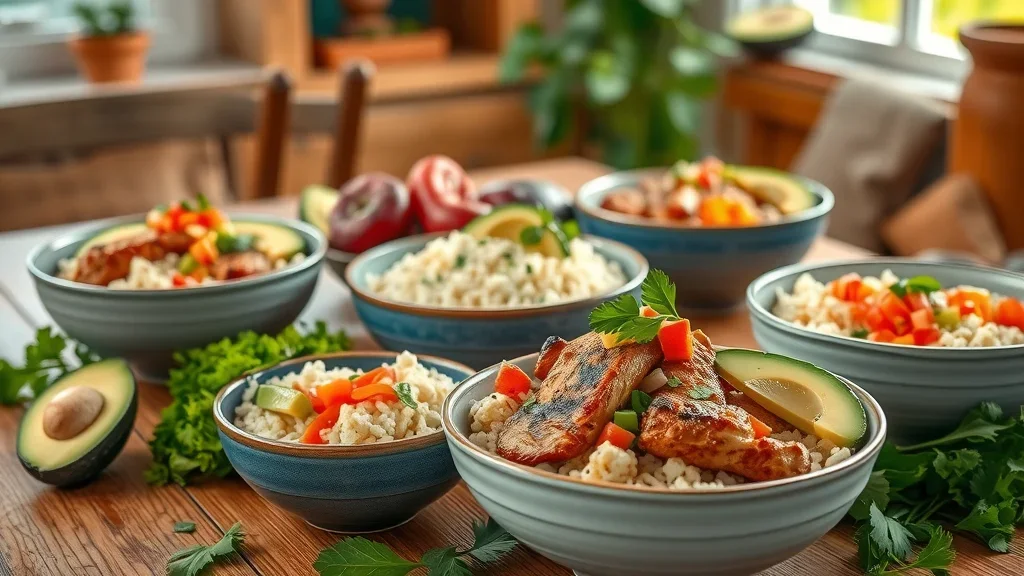
African American nutrition: a person enjoys healthy vegan soul food collard greens.


Understanding Soul Food: Tradition Meets Health

Soul food is more than just a culinary tradition; it's a rich tapestry of history that reflects resilience and cultural heritage. However, as we delve deeper into the tenets of 'Soul Food That’s Good for the Soul,' we discover that this beloved cuisine carries risks that disproportionately affect the African American community. Cardiovascular diseases and related health issues remain primary concerns, stemming directly from dietary practices entrenched in cultural heritage.


In 'Friday Favorites: Soul Food That’s Good for the Soul,' the discussion dives into the complexities of traditional soul food and its health implications, which sparked a deeper analysis on how these eating habits affect the African American community.

The Historical Roots of Soul Food

Historically, soul food was born from the necessity of survival during slavery in the Deep South. Enslaved Africans adapted their diets, relying on what was available, and creating a unique cuisine that persevered through oppression. Traditional West African diets typically emphasized plant-based foods, but as these dietary practices morphed into the southern soul food canon, they incorporated higher levels of fats and sugars. For instance, foods laden with salt and heavily fried options have become staples of modern soul food, contributing to chronic health concerns.

The Health Disparities in Nutrition

Statistics reveal a striking disparity in dietary quality among African Americans. Many individuals struggle with high blood pressure, diabetes, and obesity, largely linked to traditional soul food staples and modern adaptations that favor processed ingredients. A national survey highlights a disconcerting trend: A significant portion of the African American population does not meet the American Heart Association's dietary guidelines, which raises alarms about the community's health fate.

Emerging Trends: Vegan Soul Food

Amid these challenges, a ray of hope shines through the increasing popularity of vegan soul food. This movement aims to disconnect traditional dishes from unhealthy ingredients while preserving their cultural significance. The rise of vegan soul food restaurants reflects a growing awareness of dietary health among the Black community. These establishments not only serve plant-based dishes but often play educational roles by promoting cooking classes and providing nutritional insights.

Cultural Identity and Healthy Eating

As the vegan soul food movement grows, it importantly centers on making plant-based eating part of Black identity. Vegan entrepreneurs stress a message of inclusion: "We’re not meat shamers; we’re plant pushers." They aim to reclaim and revitalize the rich heritage of African diets, opening discussions about health fairness and combating the predatory marketing tactics employed by fast food industries in communities of color.

The Role of Influential Figures

The movement has gained momentum through the advocacy of prominent African American figures, from civil rights activists to pop culture icons. Celebrities like Beyoncé and Samuel L. Jackson have been vocal about their plant-based diets, fostering a narrative that connects veganism with empowerment and cultural pride. Additionally, the legacy of figures like Dick Gregory—whose advocacy for a vegan lifestyle intertwined health with social justice—continues to inspire many to reconsider their eating choices.

Conclusions: Taking Action Towards Health

In conclusion, addressing the dietary habits within the African American community is essential in diminishing health disparities. By fostering partnerships with vegan soul food restaurants and supporting public health initiatives, we can create an environment that nurtures healthier eating. Encouraging the integration of traditional soul food with modern nutritional knowledge not only honors a rich heritage but also paves the way for a healthier future for generations to come.

For parents and adults concerned about health and wellness, engaging with community initiatives, supporting local vegan soul food establishments, and promoting knowledge about nutrition can collectively lead to transformative health outcomes. Together, let’s embrace the call for healthier choices that truly nourish our souls.

Enhance your health literacy with additional content available at: NCWellnessHub.com

Nutrition & Foods

0 Comments

Write A Comment

*
*
Related Posts All Posts

Discover High-Protein Pizzas That Fuel Your Body Fast

Feeling sluggish after meals? I once believed pizza was a guilty pleasure until I found high-protein pizzas that nourish my body and energize my day. Discover how these tasty, protein-packed options can transform your meals and fuel your active lifestyle effortlessly. With the right ingredients and a simple approach, high protein pizza options let you satisfy your pizza craving while helping you achieve your nutrition and fitness goals—no guilt required.Why High-Protein Pizzas Are a Game Changer for Active LifestylesHigh-protein pizzas are revolutionizing the typical pizza night, turning what was once considered a comfort indulgence into a legitimate source of nutritious, high-energy fuel. Unlike traditional options that often leave you sluggish, high-protein pizza recipes are crafted for those who want to feel energized—whether you’re a busy professional, athlete, or simply striving for better health. By swapping out refined bases and high-fat meats for protein-rich crusts, sauces, and toppings, you can enjoy your favorite food without abandoning your goals.What sets high-protein pizzas apart is their incredible balance of flavor and nutrition. The addition of ingredients such as greek yogurt, cottage cheese, and lean meats not only increases protein per serving but also keeps you satisfied longer, stabilizing energy and curbing overeating.For anyone seeking extra protein, these pizzas fit seamlessly into a high-protein diet, with customizable options for a wide range of dietary needs and preferences. Dietitians frequently recommend high-protein meals to support muscle repair and sustained energy—making this pizza a winning choice both for recovery and daily vitality."Feeling sluggish after meals? I once believed pizza was a guilty pleasure until I found high-protein pizzas that nourish your body and energize your day."What Makes a Pizza High-Protein? Essential Ingredients and NutritionA true high-protein pizza isn’t just about adding chicken or turkey pepperoni on top—it’s built from the ground up to maximize protein in every bite. The secret starts with the high protein pizza crust, often made using greek yogurt or cottage cheese combined with rising flour or self-rising flour.These ingredients provide not only a notable protein boost but also a creamy texture and satisfying chew. Next comes the sauce: a high protein pizza sauce might blend in cottage cheese, greek yogurt, or even finely ground lean meats or plant-based alternatives for an extra protein punch.Toppings complete the transformation, with options ranging from diced chicken breast to turkey pepperoni, lean ground beef, or plant-based meat alternatives—all keeping the focus on protein without sacrificing taste. Each innovative swap delivers more grams of protein than you’d expect in a traditional slice.Whether you’re following a structured fitness plan or just want your meals to work harder for you, the blend of high-protein ingredients creates a pizza that not only fuels your body but also delivers comfort and satisfaction for every pizza craving.If you’re looking to further streamline your healthy eating habits, especially at the start of your day, you might find inspiration in simple, protein-rich breakfast ideas. For practical tips on building a nutritious morning routine that complements your high-protein pizza nights, explore these easy breakfast strategies for better health.Key high-protein ingredients: Greek yogurt, cottage cheese, lean meats, high protein pizza crust, protein pizza sauceHigh-Protein Pizza Crust: From Rising Flour to Greek Yogurt InnovationsThe backbone of any high-protein pizza starts with the crust. Classic pizza crust uses all-purpose flour, but high-protein versions swap in rising flour fortified with extra protein—often through the creative addition of greek yogurt or cottage cheese.These innovations infuse the crust with greater protein density and a delightfully chewy texture without compromising the golden brown finish pizza lovers crave. You can even find store-bought options or recipes that use high-protein flour blends, making it easy to boost your protein intake while enjoying your favorite comfort food.Another advantage of high-protein pizza crust recipes is their simplicity. Many require just a handful of ingredients—greek yogurt, self-rising flour (or rising flour with baking powder), and sometimes cottage cheese—resulting in a dough that’s easy to make, requires no long proofing time, and bakes up fluffy and golden.Substituting these high protein ingredients for traditional flour-based pizza crusts not only provides more grams of protein per serving but also supports your active lifestyle, making every pizza night an opportunity to nourish your body and satisfy your pizza craving the smart way.Comparing High-Protein Pizza Crust Recipes: Which Is Best for You?With so many variations available, choosing the best high-protein pizza crust for your needs can be exciting and delicious. Greek yogurt-based pizza crusts are wildly popular—they deliver a pillowy rise and subtle tang that perfectly complements savory toppings.Cottage cheese crusts, meanwhile, create a slightly denser, ultra-moist foundation with even more protein per bite. Both options outperform standard pizza dough in nutritional value, but the right choice depends on your desired taste and dietary needs.If you want a gluten-free or lower-carb option, consider using protein blends or almond flour mixed with greek yogurt for added structure. Making the dough at home lets you experiment with combinations that fit your lifestyle, such as including egg whites for extra protein or mixing in whole grain flour for fiber.Ultimately, high-protein pizza crust innovations let you enjoy classic flavors with a boost that supports muscle-building goals, active routines, and the satisfaction of wholesome, nutrient-rich pizza."Incorporating ingredients like greek yogurt and cottage cheese into pizza dough turns a classic favorite into a protein powerhouse."Making the Dough: Building Protein Pizza Dough and Crust at HomeCrafting high protein pizza dough at home is surprisingly easy to make and yields incredible results. Start with basic ingredients: greek yogurt, self-rising flour (or a combo of all-purpose flour and baking powder), and, for an extra protein boost, add cottage cheese. Blend until just combined, then transfer to a lightly floured surface for kneading. Use gentle, steady pressure to create a soft, pliable dough—don’t overwork it, or you’ll miss out on that signature tender texture.Once kneaded, let your pizza dough rest beneath a sheet of plastic wrap or a clean towel to relax the gluten and allow moisture to distribute evenly. This step ensures a silky, uniform pizza crust when rolled out and baked. For best results, roll your dough onto parchment paper to prevent sticking and achieve even cooking. Try adjusting the ratios—add a little more greek yogurt for a softer bite or extra baking powder for more rise. With just a few steps and minimal ingredients, you can make the dough that supports your nutrition and performance goals.Step-by-step high protein pizza dough recipeIngredients: greek yogurt, self-rising flour, cottage cheese, and moreTips for kneading and textureGround Chicken Crust Pizza RecipeYou can make a solid, high-protein chicken crust with just a few ingredients. Mix 1 lb ground chicken with 1 egg, 1/4 cup grated Parmesan, 1/2 cup shredded mozzarella (optional but helps bind), 1 tsp each garlic powder and Italian seasoning, plus salt and pepper.Line a sheet pan with parchment, lightly oil it, then press the mixture into a thin, even circle (about 10–12 inches). Bake at 425°F (220°C) for 12–15 minutes until set and lightly browned, carefully flip (peel off parchment if needed), and bake another 5–10 minutes to get it golden and firm.Add a thin layer of sauce, cheese, and pre-cooked toppings (avoid watery veggies), then bake 5–8 minutes more until melty. Pro tips: squeeze moisture from the chicken if it’s very wet, don’t make the crust too thick, let it rest a few minutes before slicing, and broil briefly for crispy edges. Shortcut version: use well-drained canned chicken, dry it in a skillet or microwave, then mix with egg and Parmesan and bake the same way.Crafting High-Protein Pizza Sauce: Easy Boosts for Every SliceStandard tomato-based pizza sauce delivers classic flavor, but with a little kitchen creativity, you can easily turn it into a high-protein powerhouse. Try blending cottage cheese or greek yogurt into your pizza sauce for creaminess and a subtle tang—this simple swap adds valuable protein per serving while maintaining a familiar taste. Another clever approach: cook lean ground turkey into your sauce for even more protein, or stir in pureed white beans for a plant-based twist.Layering these high-protein upgrades doesn’t complicate pizza night, either. With just a few extra steps, your pizza sauce can deliver both nutrition and bold flavor. Consider using reduced-sodium tomato sauce as your base, then whisk in your chosen protein sources until smooth.Season with herbs, garlic, and red pepper flakes—then spread generously atop your high-protein pizza crust before adding toppings. Whether blending, mixing, or sautéing, making the most out of your pizza sauce is a small trick that brings big nutritional benefits to every slice.Ways to add protein to pizza sauce (blended cottage cheese, high protein Greek yogurt, lean ground turkey, and beans)Top High-Protein Pizza Toppings for Maximum Nutritional ImpactOnce your crust and sauce are set, it’s time to pile on the best high-protein pizza toppings. Each topping can contribute to your daily grams of protein, and choosing lean cuts like chicken breast or turkey pepperoni is key.Lean ground beef provides hearty flavor while keeping calories in check. For a creamy element, dollops of greek yogurt or crumbles of cottage cheese add texture and moisture as well as essential nutrients.For plant-forward eaters or those craving variety, modern meat alternatives pack impressive protein—think tofu cubes or plant-based sausage. Layer these with your favorite vegetables for even more color and nutrition.Whether you’re planning a fully loaded pizza night or a simple weeknight meal, these toppings transform every slice into nutritious, muscle-friendly fuel. Mix and match these components, adjust for dietary preferences, and get creative with your favorite topping combos—your high-protein pizza can be as unique as your goals.Chicken breastTurkey pepperoniLean ground beefGreek yogurt dollopsCottage cheese crumblesPlant-based meat alternativesList: 5 Creative High-Protein Pizza Recipes to Try TonightVariety is the spice of great pizza. Discover these five creative high-protein pizza recipes that blend delicious taste with robust nutrition, ideal for fueling your next workout or simply enjoying an upgraded pizza night:Protein pizza with cottage cheese crustProtein pizza with greek yogurt doughBuffalo chicken high-protein pizzaMediterranean veggie high-protein pizzaBBQ turkey high-protein pizzaEach protein pizza recipe focuses on maximizing protein content while offering familiar, crowd-pleasing flavors for every palate. Experiment with dough bases and topping combinations for meals that work hard for you—delivering everything you love about pizza, plus the added benefit of high-protein fuel.Table: Comparing Protein, Calories & Taste in Popular Protein Pizza BrandsPizza BrandProtein per ServingCaloriesMain High-Protein IngredientTaste RatingPowerCrust Pizza20g290Whey protein crust4.5/5Mighty Slice18g300Greek yogurt and chicken4.3/5LeanCrust21g285Cottage cheese dough4.2/5Fitness Pie Co.22g320Plant-based protein blend4.0/5People Also Ask: What Pizza Has the Most Protein?Answer: Meat-loaded protein pizzas featuring lean chicken or turkey, high-protein crusts, and cheese alternatives typically offer the most protein per slice.If maximum protein is your goal, choose protein pizza recipes or brands combining lean meats, high protein pizza crust, and lower-fat cheese substitutes. These stacked slices can deliver well over 20 grams of protein per serving—often more than double traditional pizza. Experiment with topping quantities and crust choices to create your personal high-protein champion.People Also Ask: Is Pizza Good for a High Protein Diet?Answer: Yes, when made with lean protein toppings, high-protein crusts (often containing greek yogurt or cottage cheese), and reduced-fat cheese, pizza can be part of a high-protein diet.A well-constructed high protein pizza becomes a fitness-friendly meal that fits right into your nutrition plan, supporting your muscle-building or weight management journey. Simply choose recipes focused on lean and clean ingredients, and enjoy pizza night without compromise.People Also Ask: What Meat Is Highest in Protein for Pizza?Answer: Chicken breast, lean ground turkey, and extra-lean beef provide the highest protein per ounce for pizza toppings.When selecting meats for your next homemade or store-bought protein pizza, opt for chicken breast or lean ground turkey to get the most protein with the least additional fat. These protein-packed options are easy to prepare, universally loved, and deliver top nutrition for gym-goers, athletes, and families alike.People Also Ask: What Are High Protein Pizza Toppings?Answer: High protein pizza toppings include grilled chicken, turkey pepperoni, cottage cheese, greek yogurt, tofu, plant-based sausage, and eggs.Go beyond basic meat—diversify your pizza with cottage cheese crumbles, dollops of greek yogurt, or cubes of tofu for plant-based protein. Topping with eggs adds both flavor and nutritional value, making every pizza highly customizable and protein-focused.How to Store and Reheat High-Protein Pizza for Best ResultsProper storage is the secret to keeping your high-protein pizza at peak freshness and texture, whether you’re saving leftovers for lunch or meal-prepping ahead. Always cool your pizza completely before transferring slices to an airtight container or sealable glass box. This step prevents condensation and sogginess, keeping your pizza crust golden brown and tender.When reheating, skip the microwave for best results—instead, warm slices in the oven or a skillet to retain their chewy texture and vibrant flavor. To preserve the nutrients in your high-protein ingredients, cover with foil if reheating in the oven, or reheat gently over low heat if using a stovetop pan. This process keeps protein sources intact and maintains a freshly baked feel, guaranteeing a crave-worthy slice every time.Storage best practices for maintaining protein freshnessBest ways to reheat without losing texture or nutrientsDebunking Myths: High-Protein Pizza vs. Traditional PizzaIt’s a common myth that healthy pizza can’t taste as good—or that high-protein options are just another fleeting trend. In reality, high-protein pizzas are engineered for flavor, satisfaction, and nutrition—without unnecessary carbs, fats, or fillers. They deliver everything you love about classic pizza but with smarter, body-friendly choices.Whether you’re swapping rising flour for greek yogurt, trading fatty meats for lean ground turkey, or creatively blending plant-based alternatives, high-protein recipes have something for everyone. Consider this your permission slip to eat pizza—and feel great about it. With every slice, you’re feeding your muscle, satisfying your pizza craving, and transforming dinner into a health-boosting event."High-protein pizzas are not just another health trend—they can deliver the satisfaction you crave without sacrificing nutrition."FAQs About High-Protein PizzasHow much protein is in a typical high-protein pizza slice?Depending on the crust and toppings, a single slice can pack from 12g to 22g of protein—over double the amount in most traditional pizzas. Ingredients like greek yogurt in the dough and chicken or plant-based meat alternatives on top contribute to this boost.Do high protein pizzas taste like regular pizza?With smart ingredient swaps and balanced seasoning, high-protein pizzas taste remarkably similar to, or even better than traditional pies. Expect a slightly creamier crust and a heartier, more satisfying bite with every slice.Are there gluten-free high-protein pizza options?Absolutely! Many recipes use almond flour blends, chickpea flour, or gluten-free self-rising flour combined with greek yogurt or cottage cheese to create delicious gluten-free, high-protein bases suitable for any diet.Key Takeaways: How High-Protein Pizzas Can Fuel Your Body FastHigh-protein pizzas are easy to make, nutritious, and energizingMain high-protein components include pizza crust, dough, sauce, and toppingsCustomizable for dietary preferences and lifestyle goalsConclusion: Upgrade Your Routine With High-Protein PizzasTransform your meals, boost your energy, and indulge guilt-free with high-protein pizzas.If you’re ready to take your nutrition and fitness journey even further, consider exploring the science behind effective fat loss and how strategic food choices can accelerate your results. High-protein pizzas are just one piece of the puzzle—understanding the latest research on supplements and holistic approaches can help you optimize your health goals.For a deeper dive into evidence-based strategies and the top fat loss supplements for the coming year, check out this comprehensive guide to the best fat loss supplements of 2025. Empower your routine with advanced insights and make every meal—and every effort—count.SourcesHigh-protein pizzas are transforming traditional comfort food into nutritious meals that support active lifestyles. By incorporating protein-rich ingredients like Greek yogurt, cottage cheese, and lean meats, these pizzas offer sustained energy and aid in muscle repair.For a variety of high-protein pizza recipes, consider exploring Healthline’s article, “5 High-Protein Pizzas.” This resource provides diverse options, including chicken pesto and buffalo chickpea pizzas, each containing over 22 grams of protein per serving.Also, Eliya Eats offers a recipe for a “High Protein Pizza” that boasts over 40 grams of protein and less than 500 calories for the entire pizza, making it a quick and satisfying meal option.If you’re ready to upgrade your meals with something that’s both tasty and muscle-friendly, these resources have your back. Think of them as your personal menu of high-protein pizza creations—perfect for keeping you energized, satisfied, and feeling like a fitness-loving foodie. 🍕💪 NCWellnessHub.com

Air Fryers and Acrylamide: The One Temperature Setting That Changes Everything

Did you know your air fryer’s temperature could make the difference between a safe snack and one loaded with harmful acrylamide? Discover how one simple setting change can protect your health without sacrificing flavor.What You'll Learn About Air Fryer AcrylamideHow acrylamide forms during air fryingThe science behind temperature settings and acrylamide formationExpert opinions on air fryer acrylamide risksSimple tips for safer air fryingCan Changing Your Air Fryer Temperature Really Reduce Acrylamide?Overview of acrylamide formation in air fryersImportance of correct temperature settingsMost people purchase air fryers to enjoy “healthier” fried food at home, with the belief that using less oil means lower risk. However, the main keyword in safer frying isn’t just oil—it’s temperature. The formation of acrylamide, a potentially harmful compound found in many crispy, golden-brown treats, has raised concern among nutrition experts and food scientists. High temperatures used in air fryers, especially above 170°C (338°F), can accelerate acrylamide formation in foods like french fries, fried potatoes, and other starchy foods.Understanding how acrylamide forms is essential to making your kitchen habits healthier. When you air fry at very high temperatures, the cooking process triggers a chemical reaction between certain sugars and the amino acid asparagine, common in potatoes and bread. This reaction, known as the Maillard Reaction, produces the browning and crunch so many of us crave, but also increases acrylamide content. Lowering your air fryer temperature—even slightly—can drastically reduce this risk without giving up on flavor or convenience.“Consistently air frying foods at high temperatures can significantly increase acrylamide levels, especially in starchy foods like potatoes.” – Dr. Lauren Kim, Food ToxicologistAir Fryer Acrylamide: Understanding the ScienceHow air frying compares to other frying methods for acrylamide productionFoods most susceptible: fried potatoes, french fries, and moreTo fully grasp why air frying can both help and hurt, you have to look at how it compares to traditional deep frying and other cooking methods. Unlike fat frying, air fryers use circulating hot air to crisp food, requiring much less oil and reducing total fat and calorie content. This technology is seen as a modern solution for reducing the downsides of classic fried foods. However, both methods expose food surfaces to intense heat, which is what causes the formation of acrylamide—especially in potato chips, french fries, and fried potatoes.Studies show that while air fryers tend to produce lower acrylamide levels than deep fryers for the same types of food, the difference isn't always dramatic—particularly if high temperatures are used for extended cooking times. The Maillard Reaction, which starts taking hold above 120°C (248°F), speeds up as you increase the temperature, producing crispier textures but also higher acrylamide concentrations.“The pathway for acrylamide formation is the Maillard reaction, which is accelerated at temperatures above 120°C (248°F).” – Dr. Priya Das, Clinical NutritionistWhile air fryers can be a healthier alternative to deep frying, it's important to recognize that certain fast food items—especially those high in starch and cooked at high temperatures—are also linked to increased cancer risk due to acrylamide and other compounds. For a deeper look at which foods to be cautious of, explore this guide on fast food items most associated with cancer risk.Air Fryers, Fried Potatoes, and Acrylamide Formation: What You Need To KnowAir fryers vs. traditional frying methods in acrylamide contentRole of moisture content in fried potatoes and acrylamide levelsOne unique difference between air fryers and deep fryers is how moisture affects acrylamide levels. Air frying dries food out faster, especially starchy foods like french fries and fried potatoes. When potatoes lose too much moisture during cooking, acrylamide forms more easily. This is also why thinner potato cuts, like classic fries or chips, generally have a higher acrylamide content compared to thicker wedges. Monitoring both cooking method and food thickness can help reduce risks.Compared to traditional frying methods, air fryers seem to offer a distinct advantage when used correctly. Experts recommend paying as much attention to the cut, soak, and cooking cycle as to the type of appliance itself. By soaking potatoes, keeping the food as moist as possible, and opting for lower temperature settings, you can enjoy the taste and texture of fried food with less of the harmful byproducts. The result is lower acrylamide exposure, a step toward a safer homemade snack.Table: Acrylamide Levels in Air Fried Versus Traditionally Fried FoodsFoodAir Fryer (Acrylamide / mg/kg)Deep Fryer (Acrylamide / mg/kg)Fried potatoes150250French fries120230Sweet potato fries95185Chicken nuggets1080The One Temperature Setting That Impacts Acrylamide in Air FryingThe centerpiece of any practical strategy to lower acrylamide levels in air-fried foods is temperature. Research and expert guidelines converge on a simple solution: keep your air fryer set to 170°C (338°F) or below for most potato-based snacks and fried dishes. This one change can yield “crunch with confidence”—delivering that essential golden texture with a massively reduced amount of acrylamide.Health professionals point out that it’s not necessary to overhaul your entire eating routine—just tune the cooking process. Monitor your air fryer’s temperature precisely and stick to the recommended cooking time for the food you’re preparing. When possible, use a digital control panel for accurate settings and avoid the tempting “max crisp” functions for regular snacking. These subtle adjustments are accessible to every family looking to keep fried food on the menu without as much worry.“I advise my patients to set their air fryers to no more than 170°C for most starchy snacks—it’s a small adjustment that leads to big health benefits.” – Dr. Samuel Avery, Licensed DietitianWhy Air Fryers Became Essential for Healthier Fried FoodLower oil use and less fatPerceived reduction in carcinogens—incomplete without proper temp controlAir fryers have widely replaced deep fryers in health-conscious homes due to their ability to produce crispiness with a mere fraction of the oil. This innovation means fewer calories from fat and potentially a lower risk of heart disease for regular consumers of fried food. However, the perception that all risks are removed is misleading without understanding the temperature factor. Even the most high-tech air fryer can generate significant amounts of acrylamide if food is cooked at high temperatures, for lengthy times, or without adequate preparation.The good news is that simply swapping frying methods and being mindful of your settings gives you a strategic advantage. You’ll enjoy foods like fried potatoes or chicken nuggets with satisfying crunch—while making mindful decisions about your family’s health. As studies continue to explore every angle, it’s clear that advances in “smart air frying” can let you have your cake and eat it, too—just a little less crispy.Expert Tips: How To Minimize Acrylamide When Using Your Air FryerPre-soak potatoes for 15-30 minutes to remove sugars: Soaking helps lower acrylamide by reducing available sugars in cut potatoes. Rinse well before air frying for best results.Set the air fryer temperature below 180°C whenever possible: Lower temperatures slow the Maillard Reaction, resulting in lower acrylamide even in crispy snacks.Avoid overcooking or burnishing foods: Monitor cooking time carefully; dark brown means extra acrylamide. Light golden is ideal for both taste and safety.Cut thicker fries—reduces surface area exposed to high heat: Thick cuts retain more moisture and form less acrylamide during the cooking process.Rotate foods for even cooking and minimal acrylamide formation: Even movement means less risk of hot spots and burning, keeping acrylamide formation in check.Case Study: Acrylamide Reduction in a Home KitchenIn a controlled home kitchen test, two batches of potato fries were prepared: one using traditional deep frying at 190°C, and another using air frying at 170°C after a 20-minute soak. The deep-fried batch averaged acrylamide levels over 220 mg/kg, while the air-fried, pre-soaked, and temperature-controlled batch registered only around 115 mg/kg—nearly half the acrylamide content. Importantly, taste testers noted that the lower-temperature air fried potatoes still developed a delightful crunch, challenging the myth that safety and flavor are always at odds.This small experiment—echoed by similar studies—shows that informed, evidence-based changes in your air fryer’s settings can make a noticeable difference. When families implement tips like soaking potatoes and avoiding the darkest browning, it’s possible to achieve delicious, safer snacks in any home kitchen.People Also Ask About Air Fryer AcrylamideDo air fryers create acrylamide?Yes, air fryers do create acrylamide, especially when used at high temperatures for cooking potato-based and starchy foods. The acrylamide forms through the Maillard Reaction as food browns and crisps. However, air fryers generally produce less acrylamide than deep frying when temperature is controlled and cooking times aren't excessive.Why are people getting rid of air fryers?Some people are moving away from using air fryers due to concerns about acrylamide production, non-stick coating chemicals, or taste preferences compared to deep frying. Nevertheless, with proper temperature settings and food preparation, air fryers can remain a safer alternative to traditional frying methods. Being informed about these issues allows you to keep enjoying air-fried foods while minimizing potential risks.How long to cook acrylamide in air fryers?There isn’t a specific time “to cook” acrylamide—acrylamide forms as food browns during cooking, typically starting after several minutes at temperatures above 120°C. Optimal air frying for crispy fried potatoes or french fries usually takes 12-20 minutes at safe temperatures (around 170°C), so keep an eye on color: light golden equals lower acrylamide, dark golden or brown means more.Can you use an air fryer without a cancer risk?While acrylamide is a potential carcinogen, using your air fryer with the right practices greatly lowers any associated risks. Follow expert-recommended settings, pre-soak potatoes, avoid over-browning, and rotate your food for even cooking. Air fryers are still favored over deep fryers for most home cooks interested in safety and long-term health.FAQs: Air Fryer Acrylamide and HealthWhich foods are worst for acrylamide in air fryers?The highest acrylamide levels are found in starchy foods like potatoes, french fries, and breads when browned or crisped at high temperatures.Can frequent air fryer use be harmful?If proper settings and preparation methods are not followed, acrylamide exposure can accumulate. However, air fryers are safer than deep fryers if guidelines are observed.Are there foods I should avoid air frying altogether?Avoid overcooking thin potato items, sweet potato fries, and processed breaded foods. For best health, stick to fresh, minimally processed foods and avoid heavy charring.Key Takeaways & Smart Air FryingAcrylamide forms in many fried foods, including those from air fryers, but settings and prep make a major difference.Simple changes can dramatically reduce acrylamide exposure without losing crunch or flavor.Expert guidance and updated research are essential for safer home cooking.Ready to Try a Safer Way to Air Fry?Set your air fryer below 170°C, soak those potato fries, and enjoy guilt-free crunch—smart choices make all the difference in your kitchen.If you’re committed to making your kitchen a healthier place, understanding acrylamide is just the beginning. Broader dietary habits, like managing cholesterol and making heart-smart choices, can further amplify the benefits of your air fryer routine.For a comprehensive approach to wellness that goes beyond cooking methods, discover essential strategies for managing your cholesterol effectively and take the next step toward a healthier lifestyle for you and your family.SourcesNCBI – Effects of temperature and food composition on acrylamide formation in fried foodsFDA – Acrylamide: Questions and AnswersScienceDirect – Baking, frying, and acrylamide formationTo enhance your understanding of acrylamide formation in air-fried foods and methods to mitigate its risks, consider exploring the following resources: “Is Cooking with an Air Fryer Healthy?” (healthline.com)This article discusses how air frying can decrease the formation of harmful compounds like acrylamide compared to traditional frying methods. “Are Air Fryers Toxic?We Asked the Experts for the Truth About the TikTok Rumours” (goodto.com) This piece addresses concerns about air fryers, including acrylamide formation, and provides expert advice on safe usage practices.These resources offer valuable insights into the health implications of air frying and practical tips to minimize potential risks. NCWellnessHub.com

The "Sweet Spot" Strategy: Exactly How Much Dark Chocolate Is Too Much?

Introduction: Finding Your Dark Chocolate Daily Limit Craving dark chocolate daily? I once thought more meant better—until I faced the unexpected downsides "Craving dark chocolate daily? I once thought more meant better—until I faced the unexpected downsides...finding your perfect sweet spot is about more than taste; it's about health balance." What You’ll Learn: The optimal dark chocolate daily limit for most people How dark chocolate benefits heart health, brain function, and blood pressure Risks of exceeding your bar of dark chocolate daily Expert insights and real-life case studies on consuming dark chocolate How to confidently enjoy dark chocolate while maintaining wellness What Is the Recommended Dark Chocolate Daily Limit? But what does a “serving” really mean? In most cases, a serving refers to about 1 ounce (28 grams)—roughly two to three squares from a standard bar of dark chocolate Research-backed guidelines suggest that making dark chocolate a daily ritual can fit into a healthy diet, but regularly exceeding your sweet spot might compromise heart health and increase other risks. It’s important to note that while popular bars of dark chocolate usually come in 3-4 ounce sizes, eating the whole bar daily may surpass what’s optimal for most people. Adjust your intake according to personal factors, and remember: moderation is key to maximizing the health benefits of dark chocolate without crossing into the territory of unwanted side effects. "For most adults, 1–2 ounces of dark chocolate is the upper safe daily limit," says Dr. Lindsay Hollister, Cardiologist. Recommended Daily Limits by Chocolate Percentage and Age Group Age Group 70% Dark Chocolate 85% Dark Chocolate Children (8–12 years) 0.5 oz (14g) 0.5 oz (14g) Teens (13–17 years) 1 oz (28g) 0.75 oz (21g) Adults (18–65 years) 1–2 oz (28–56g) 1 oz (28g) Seniors (65+ years) 1 oz (28g) 0.75 oz (21g) Health Benefits of Dark Chocolate: Facts and Myths Dark chocolate has developed a reputation as a superfood, but what does science actually say about the health benefits of adding a bar of dark chocolate to your routine? Let’s separate fact from fiction However, not all claims are created equal. While many believe eating dark chocolate can lower blood pressure and enhance mood, it’s crucial to note that such benefits are observed most clearly when consumed within the recommended dark chocolate daily limit. Exceeding this amount can offset these benefits by adding excess calories, saturated fat, and sugars, diluting the potential health pay-off. For those looking to further optimize their daily nutrition, pairing dark chocolate with nutrient-rich side dishes can enhance both flavor and health benefits. Discover a variety of quick and easy side dishes that complement healthy eating habits and support your overall wellness goals. Top Health Benefits of Eating Dark Chocolate High in antioxidants and flavonoids, which fight free radicals and oxidative stress. Supports heart health by improving blood flow and potentially reducing the risk of heart disease. May enhance brain function and mood, providing a gentle boost in cognitive performance. "Flavonoids in quality dark chocolate can lower blood pressure and improve cardiac function," notes Dr. Priya Amin, Nutrition Researcher. Comparison of Health Benefits: Milk Chocolate vs. Dark Chocolate Chocolate Type Flavonoid Content Antioxidants Added Sugars Heart Benefits Milk Chocolate Low Lower High Limited Dark Chocolate (70%+) High Higher Low-Moderate Substantial Exploring the Link Between Dark Chocolate, Heart Health, and Blood Pressure Few foods have been as closely connected to heart health as dark chocolate. Studies show people who incorporate moderate amounts of dark chocolate into their diet have a lower risk of heart disease, thanks in large part to the flavonoids and high cocoa content found in a quality bar of dark chocolate. These compounds help maintain healthy blood flow, decrease inflammation, and may reduce LDL (“bad”) cholesterol levels. However, the benefits are proportionate to both cocoa percentage and serving size—higher cocoa means more healthful ingredients, but only if consumed within your dark chocolate daily limit. For those concerned about blood pressure, research indicates that moderate consumption of dark chocolate can have a mild lowering effect on blood pressure. This is thought to be due to the relaxation of blood vessels caused by the flavonoids. The optimal intake is generally 1–2 ounces daily, as going beyond this can introduce more sugar, saturated fat, and calories than may be advisable for heart health. How Does Eating Dark Chocolate Impact Heart Disease Risk? Long-term studies connect regular but moderate dark chocolate intake with reduced risk of heart disease. A higher cocoa percentage (70% or above) increases heart-protective effects due to greater flavonoid content. Preventative recommendations from experts consistently favor 1–2 ounces per day and discourage bingeing. Blood Pressure and the Dark Chocolate Daily Limit Controlled studies have shown small but statistically significant drops in systolic and diastolic blood pressure after two weeks of dark chocolate consumption within limits. Health gains fade and risks appear if you exceed the daily limit—too much dark chocolate or bars with low cocoa and high sugar don’t have the same potential health benefits. "Moderate daily intake, not excess, provides measurable heart benefits," explains Dr. Sarah Eaton, Preventive Medicine Specialist. How Much Is Too Much? Signs You’ve Exceeded Your Dark Chocolate Daily Limit It can be tempting to exceed the recommended bar of dark chocolate daily, especially when you love the taste or are chasing those mood-enhancing effects. But consuming too much dark chocolate can bring about clear signs your body isn’t happy—including digestive discomfort, headaches, or disrupted sleep because of its moderate caffeine and theobromine content. The high levels of saturated fat and sugar in an oversized chocolate bar can also raise health risks over time, affecting your weight, blood flow, and even your gut microbiome’s balance. To be proactive, monitor your daily intake and recognize early warning signs. Food diaries are a practical tool for tracking how much dark chocolate you’re truly eating—and for discovering your own optimal “sweet spot.” If negative symptoms persist, it may be time to reduce your dark chocolate portions. Remember, maintaining the dark chocolate daily limit isn’t just about self-control; it’s about avoiding the cumulative impact of sugar, saturated fat, and stimulants like caffeine and theobromine. Notice side effects (digestive upset, headaches, insomnia) from eating dark chocolate regularly. Proactively monitor your intake—set limits and stick to them. Use a daily food journal to track portions and side effects to find your personalized limit. Bar of Dark Chocolate: Choosing the Right Percentage for Daily Enjoyment Not all dark chocolate bars are created equal. The health benefits of dark chocolate—especially for heart health and blood pressure—are linked closely to the percentage of cacao solids. Generally, higher percentages (such as 70%, 85%, or more) mean more beneficial flavonoids and less sugar. Still, extreme bitterness or astringency at cacao levels above 90% may make daily enjoyment challenging for some. Deciding between 70% and 85% dark chocolate often means balancing taste preferences with the quest for greater health payoffs. 70% provides a sweeter taste and is easier to find, while 85% boasts higher flavonoid content and usually lower sugar, but a much more robust flavor profile. The key is to read labels carefully to ensure you’re choosing a bar of dark chocolate with minimal additives and ethical sourcing for maximum health benefit with every bite. Is 70% or 85% Dark Chocolate Better for You? Nutritional Comparison Per 1 oz Serving 70% Dark Chocolate 85% Dark Chocolate Calories 170 160 Sugar 7g 3g Total Fat 13g 12g Saturated Fat 7g 6g Flavonoids High Very High "Higher cocoa content usually means more health benefits and less sugar—but only up to a point," says Dr. Mark Sullivan, Registered Dietician. Reading Labels: Identifying High-Quality Dark Chocolate Look for bars listing cocoa mass/cocoa bean as the first ingredient and minimize products with sugar or milk solids high on the list. Choose chocolate sourced from fair-trade certified or ethically managed farms to avoid high levels of contaminants and guarantee maximum health benefit. Dark Chocolate and Brain Function: Fact or Fiction? There’s growing buzz about the relationship between dark chocolate and improved brain function. Recent research points to richer cognitive performance—including better attention, faster memory recall, and a more positive mood—when individuals consume moderate amounts of dark chocolate rich in flavonoids. While such potential health benefits are promising, it’s important to maintain realistic expectations. Short-term improvements in brain function and alertness are common, but long-term, the science is still emerging. Consuming dark chocolate above your daily limit will not further increase brain benefits and may, in fact, introduce unwanted side effects such as jitteriness or headache due to its natural stimulants. Several studies suggest a single, moderate serving can temporarily boost attention and mood. Even though antioxidant compounds in dark chocolate seem beneficial for the aging brain, daily servings above the recommended limit do not necessarily yield greater long-term enhancement. "There's emerging evidence for memory support, but chocolate is not a panacea," observes Dr. Rachel Lee, Cognitive Scientist. Potential Downsides to Eating Dark Chocolate Daily Even a high-quality bar of dark chocolate is not without its potential downsides. Many bars are loaded with added sugars and unhealthy fats that can offset the health benefit of their natural antioxidants. Repeated overindulgence means excess calories, which can lead to weight gain and negative changes to blood pressure and cholesterol—thus neutralizing the benefits of dark chocolate. In recent years, concerns about lead and cadmium contamination in some dark chocolate products have surfaced, especially in bars not certified for ethical sourcing. Anyone with allergies or intolerances (such as to dairy, nuts, or soy lecithin) should check labels thoroughly, as even dark chocolate bars can contain trace allergens. And while dark chocolate generally has less sugar than its milk chocolate or white chocolate cousins, it’s still important to watch for high-sugar varieties, especially if you’re managing diabetes or metabolic concerns. Check each bar’s nutrition label for total sugars, saturated fat, and overall calories. Research current studies tracking levels of lead and cadmium to make informed choices. Consult your healthcare provider if you have allergies or concerns about ingredient cross-contact. "Awareness of contaminants like cadmium and lead is as important as portion control," warns Dr. Alex Stephens, Toxicologist. How to Incorporate Dark Chocolate into a Balanced Diet Savoring a daily bar of dark chocolate isn’t just possible—it can be part of a balanced approach to eating that maximizes health benefits and minimizes potential health risks! Enjoy a single serving (1–2 ounces) of dark chocolate as a dessert or afternoon pick-me-up, rather than eating it mindlessly throughout the day. Pair dark chocolate squares with nutrient-dense foods like fresh berries, mixed nuts, or Greek yogurt to balance glucose absorption and add fiber, vitamins, and minerals. For those with lower tolerance or specific needs, try incorporating cacao nibs or smaller amounts of high-percentage chocolate for a similar flavor and health benefit with less sugar and fat. Expert Panel: Personalized Advice on Dark Chocolate Daily Limit Adjust your limit based on age, weight, and activity level—children and seniors should lean toward the lower end (0.5–1 oz), while active healthy adults can safely enjoy up to 2 oz if they monitor their overall diet. Medical professionals stress individual reactions—if you have diabetes, high blood pressure, or a history of heart disease, seek personalized guidance on a safe dark chocolate daily limit. Case Study: Finding the Right Dark Chocolate Daily Limit – One Person’s Journey Meet Anna: After indulging in full chocolate bars daily and experiencing headaches and poor sleep, she started tracking her chocolate consumption and mood. By gradually reducing her portion to 1 oz of 80% dark chocolate after lunch, she discovered she could enjoy the treat without negative effects, enhanced her focus, and even improved her overall well-being. Takeaway: Individual tracking and gradual adjustment can guide you to your sweet spot, ensuring your dark chocolate ritual remains a health benefit, not a drawback. People Also Ask How much dark chocolate is too much per day? Health organizations recommend 1–2 ounces per day as a safe upper limit for most adults. Eating more than this not only increases calorie and saturated fat intake, but also can raise your risk for digestive disruption, headaches, and sleep problems due to cumulative caffeine and theobromine. Is it okay to eat 70% dark chocolate every day? Yes, daily consumption of 70% dark chocolate can offer heart health and antioxidant benefits—but stick to the daily limit and avoid bars with high sugar or added ingredients. Pairing with fruit or nuts is a smart way to boost nutritional value. Is 70% or 85% dark chocolate better for you? 85% offers higher flavonoid content, less sugar, and a stronger health profile, but taste and tolerance vary. Choose the percentage you’ll enjoy consistently without exceeding your own dark chocolate daily limit. Is there a downside to eating dark chocolate? Potential downsides include weight gain, headaches, high sugar or saturated fat content, and—rarely—heavy metal exposure if eating large quantities or poorly regulated brands. Long-term, excessive intake can affect heart health and blood pressure. FAQs on Dark Chocolate Daily Limit Can children have dark chocolate daily? In small amounts (about 0.5 oz), yes, but monitor for sensitivity to caffeine and sugar. Is it safe for diabetics to enjoy dark chocolate? Opt for high-cocoa, low-sugar bars and count it toward your daily carb intake. Always check with your doctor. Does dark chocolate interact with medications? Rarely, but those on MAOIs or anticoagulants should consult a healthcare provider due to interactions with certain compounds. How to store a bar of dark chocolate for maximum freshness? Keep chocolate in a cool, dry, airtight container away from light, ideally at 65-68°F (18-20°C). Tips for slowing sugar absorption when eating dark chocolate? Always pair with fiber-rich fruits or nuts to balance blood sugar spikes. Key Takeaways from the Dark Chocolate Daily Limit Guide Stick to 1–2 ounces of high-quality dark chocolate daily for optimal health benefit. Choose bars with higher cocoa content (at least 70%) and limited additives. Monitor your individual reactions, and modify intake as needed for your age, health background, and lifestyle. Benefit from dark chocolate’s flavonoids—just avoid the pitfalls of overconsumption, such as calories, contaminants, and sugar. Further Reading & Trusted Resources for More on Dark Chocolate Daily Limit Harvard T.H. Chan School of Public Health – Dark Chocolate and Blood Pressure NIH: Flavonoid-rich Dark Chocolate and Cardiometabolic Health Cleveland Clinic: Health Benefits of Eating Dark Chocolate CDC: Heavy Metals in Dark Chocolate Academy of Nutrition and Dietetics: Dark Chocolate Health Benefits Conclusion: Savoring the Right Dark Chocolate Daily Limit for Your Health Find your daily “sweet spot” by sticking to safe, practical serving sizes. This approach helps you maximize potential health benefits while keeping your enjoyment truly guilt-free. If you’re inspired to take your wellness journey even further, consider how small, sustainable changes—like strength training—can amplify the benefits of a balanced diet that includes dark chocolate. Building muscle not only supports heart health but also enhances longevity and overall vitality. Explore practical strength training tips for longevity to complement your nutrition strategy and unlock a more resilient, energized you. Your path to optimal health is a blend of smart choices, mindful indulgence, and proactive self-care—start building your foundation today. Ready for more? Discover more trusted wellness information at NCWellnessHub.com com) “How much chocolate is too much? The right amount to eat at every age (yes, even for kids)” (onmanorama

Terms of Service

Privacy Policy

Core Modal Title

Sorry, no results found

You Might Find These Articles Interesting

T
Please Check Your Email
We Will Be Following Up Shortly
*
*
*