NC Wellness Hub
update
North Carolina Wellness Hub
update
  • Home
  • Categories
    • Wellness
    • General Health
    • Holistic
    • News
    • Living & Travel
    • Lifestyle
    • Fitness & Exercise
    • Mental Health
    • Stress Management
    • FEATURE
    • Sleep
    • Allergies
    • Medicines & Supplements
    • Weight Loss
    • Kids Health
    • Fertility & Pregnancy
    • Cancer
    • Heart Health
    • Skin & Hair
    • Arthritis
    • Dental
    • Vision
  • Bone Health
  • Digestive
May 05.2026
1 Minute Read

The Guilt-Free Fiesta: 5 Healthy Cinco de Mayo Dinners That Taste Like a Cheat Meal

Craving fiesta flavors without the guilt? These healthy Cinco de Mayo dinner recipes deliver the vibrant taste you love, minus the cheat meal remorse. Celebrate with dishes that nourish and satisfy—because enjoying your favorites should never mean sacrificing your wellness or joy.

Smiling friends sharing healthy Cinco de Mayo dinner recipes around a colorful modern Mexican table with fresh vegetables, tacos, and salads in a bright, festive dining room

Craving Flavor Without Guilt? Try These Healthy Cinco de Mayo Dinner Recipes

Cinco de Mayo feasts don’t have to mean food comas, bloating, or straying from your health goals. Whether you’re hosting a lively gathering or looking to elevate a weeknight meal, these healthy Cinco de Mayo dinner recipes promise authentic Mexican food vibes with none of the regret.

Each dish is thoughtfully crafted with smart ingredient swaps—think lean proteins, vibrant lettuce, black beans, and flavor-packed veggies—and skips heavy sauces and deep frying. This is your all-access pass to a delicious fiesta that’s easy to make, generously portioned, and totally satisfying.

Get ready to savor the best of healthy cinco de mayo recipes, packed with fiber, bold spices, and energizing whole foods, all under 450 calories per serving. Share the fun with family and friends, explore new takes on classic Mexican recipes, and enjoy delicious Mexican cuisine that helps you feel your best. Let’s dig in to flavor, fun, and freedom from guilt!

What You'll Learn From These Healthy Cinco de Mayo Dinner Recipes

  • How to make popular Mexican recipes healthier without sacrificing flavor

  • Creative ingredient swaps for classic Cinco de Mayo dishes

  • Tips from nutrition professionals on celebrating with mindful eating

  • Ideas for crowd-pleasing recipes for Cinco de Mayo gatherings

  • Ways to incorporate more vegetables and lean proteins into your Cinco de Mayo dinner

Healthy Cinco de Mayo Dinner Recipes at a Glance

Dish

Main Protein/Vegetable

Calories (approx.)

Gluten-Free

Grilled Shrimp Tacos

Shrimp

320

Yes

Black Bean Burrito Bowls

Black beans

400

Yes

Zucchini Enchilada Boats

Zucchini, turkey

350

Yes

Sweet Potato & Corn Taco Salad

Sweet potato, corn

420

Yes

Sheet Pan Chicken Fajitas

Chicken

390

Yes

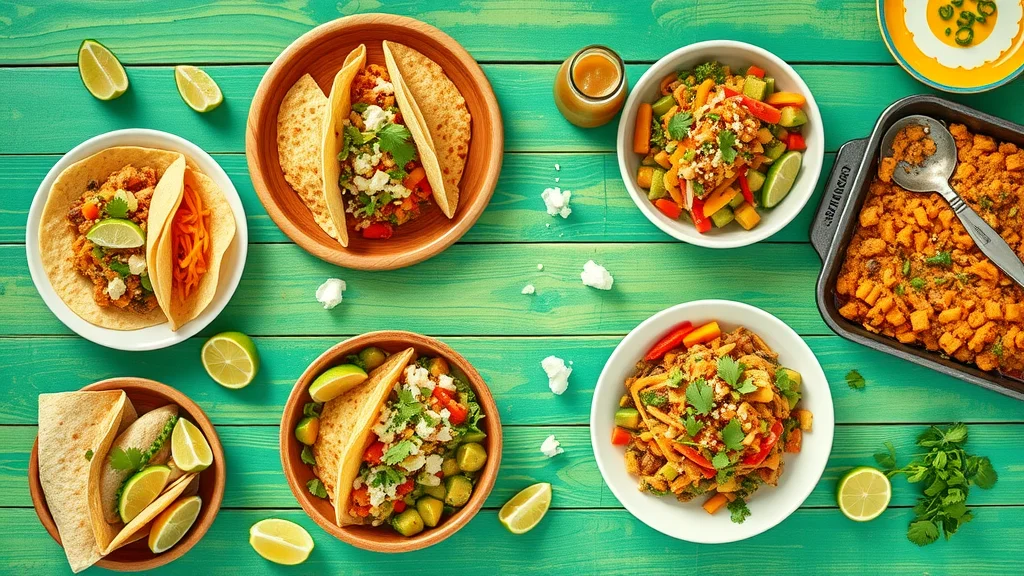
Overhead flat lay of colorful healthy Cinco de Mayo recipes: tacos, burrito bowls, zucchini enchilada boats, taco salad, and sheet pan fajitas with fresh produce on a vibrant wooden table

1. Grilled Shrimp Tacos: A Healthy Cinco de Mayo Dinner Recipe Staple

When it comes to healthy Cinco de Mayo dinner recipes, few things rival the savory delight of grilled shrimp tacos. This delicious Mexican-inspired dish is as festive as it is nutritious. Marinated shrimp are quickly grilled—locking in lean protein and irresistible charred flavor—before being tucked into warm corn tortillas. These gluten-free shells are lighter than flour tortillas, keeping your meal easy to digest and accommodating for everyone at the table.

Finish your tacos with creamy avocado, tangy cabbage slaw, and a generous squeeze of fresh lime for a harmonious blend of taste and texture that doesn’t weigh you down. Shrimp delivers essential omega-3s with minimal saturated fat, and when paired with fresh garnishes, you get a meal that’s as beautiful as it is wholesome.

  • Use corn tortilla for a gluten-free option.

  • Top with avocado, cabbage slaw, and a squeeze of lime.
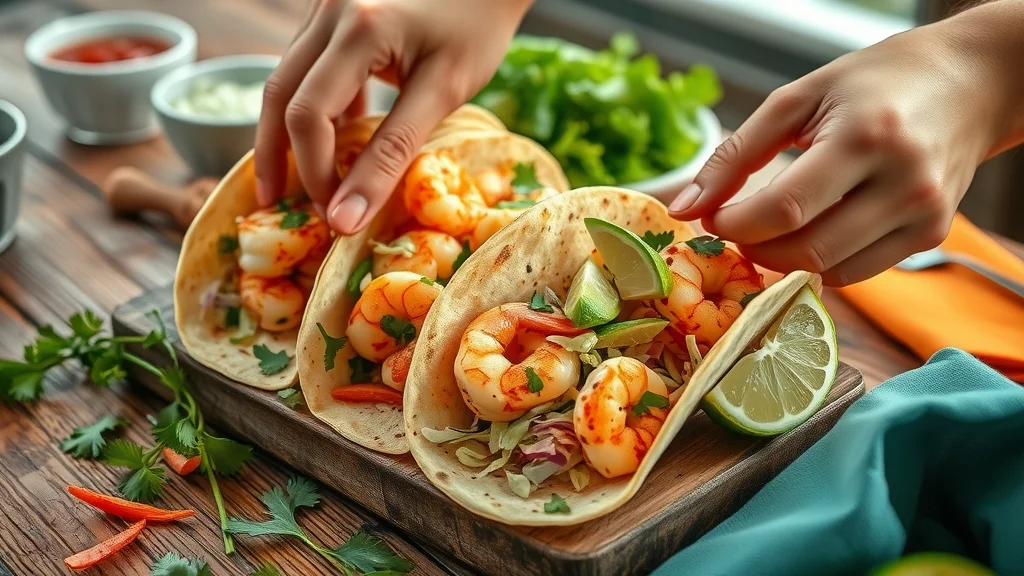
Hands assembling grilled shrimp tacos with cabbage slaw, avocado, and lime in corn tortillas for a healthy Cinco de Mayo dinner on a rustic wooden table

“Substituting grilled shrimp for fried proteins reduces both saturated fat and calorie count while keeping meals festive and flavorful.”
– Dr. Sarah Kim, Registered Dietitian

Quick Guacamole Recipe for Your Shrimp Tacos

For a guacamole recipe that’s both classic and clean, mash ripe avocados in a bowl, then fold in freshly diced tomato, onion, a splash of lime juice, and a pinch of salt. This nutritious topping adds rich, creamy flavor without the heaviness of sour cream or mayonnaise-based sauces. Guacamole is a nutrient-dense sidekick that delivers healthy fats, antioxidants, and pairs perfectly with every bite of your shrimp tacos.
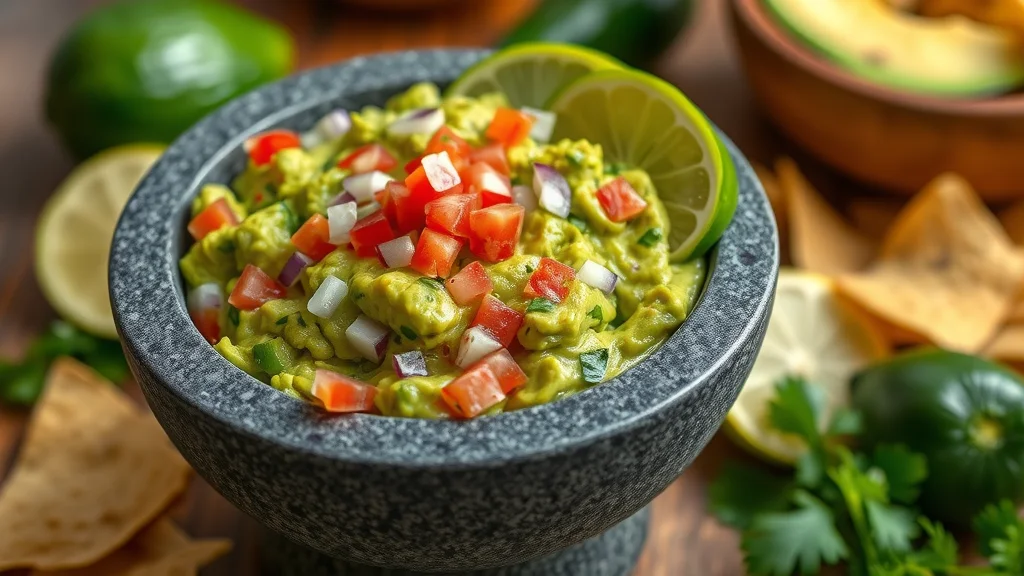
Creamy homemade guacamole with diced tomato, onion, and lime juice in a molcajete, surrounded by fresh ingredients and tortilla chips for healthy Cinco de Mayo recipes

2. Black Bean Burrito Bowls: Plant-Powered Healthy Cinco de Mayo Recipes

Level up your night meal with hearty black bean burrito bowls—an undeniably popular star in the world of healthy cinco de mayo dinner recipes. Black beans are loaded with plant-based protein and dietary fiber, which means they’ll keep you energized and fuller longer. Layer these with brown rice, pico de gallo, grilled corn, sautéed peppers, and crisp lettuce for a nourishing, color-packed bowl that feels both festive and filling.

Top each burrito bowl with a dollop of Greek yogurt as a light, protein-rich alternative to sour cream. This simple swap adds tangy creaminess without the extra calories. Customizable and easy to make in advance for gatherings, these bowls welcome everyone to dig in, regardless of dietary preference.

  • Layer black beans, brown rice, pico de gallo, corn, peppers, and lettuce.

  • Top with Greek yogurt as a light alternative to sour cream.

If you’re curious about the science behind why beans are such a powerful ingredient for both satiety and fat loss, you’ll find even more insight in this guide on how beans can help unlock weight loss and support burning body fat. It’s a helpful resource for anyone looking to maximize the nutritional benefits of their favorite Mexican-inspired meals.

“Incorporating black beans into your dinner not only boosts protein but also keeps you feeling full longer.”
– Maya Lewis, Nutrition Expert
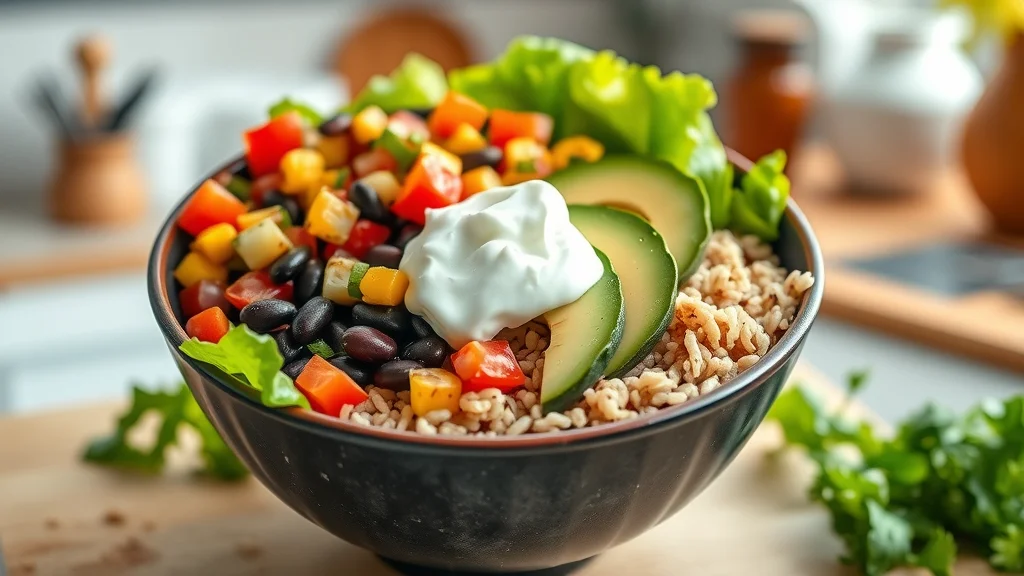
Vibrant black bean burrito bowl with brown rice, avocado, Greek yogurt, grilled corn, peppers, and lettuce, displayed in a bright, healthy Cinco de Mayo kitchen

3. Zucchini Enchilada Boats: A Low-Carb Healthy Cinco de Mayo Dinner Recipe

If you’re searching for an inventive low-carb twist on classic de mayo recipes, look no further than zucchini enchilada boats. Zucchini’s tender texture and mild flavor make it an excellent vessel for hearty fillings.

In this recipe, you’ll stuff halved zucchini with lean ground turkey, sautéed onions, and a spoonful of your favorite salsa, capturing all the traditional flavors of an enchilada but with fewer carbs and calories.

The finished result? Lightly baked zucchini boats bubbling with savory enchilada sauce and gooey cheese—a feast for your senses and a clever answer to heavy tortillas. Even picky eaters will love this elevated take on stuffed zucchini.

  1. Halve zucchinis and scoop out centers.

  2. Fill with sautéed onions and seasoned turkey.

  3. Bake with enchilada sauce and a modest sprinkle of cheese.

“Zucchini is lower in calories and-carbs compared to tortillas, making it an excellent base for a nutritious Cinco de Mayo recipe.”
– Dr. Emily Torres, Certified Nutritionist
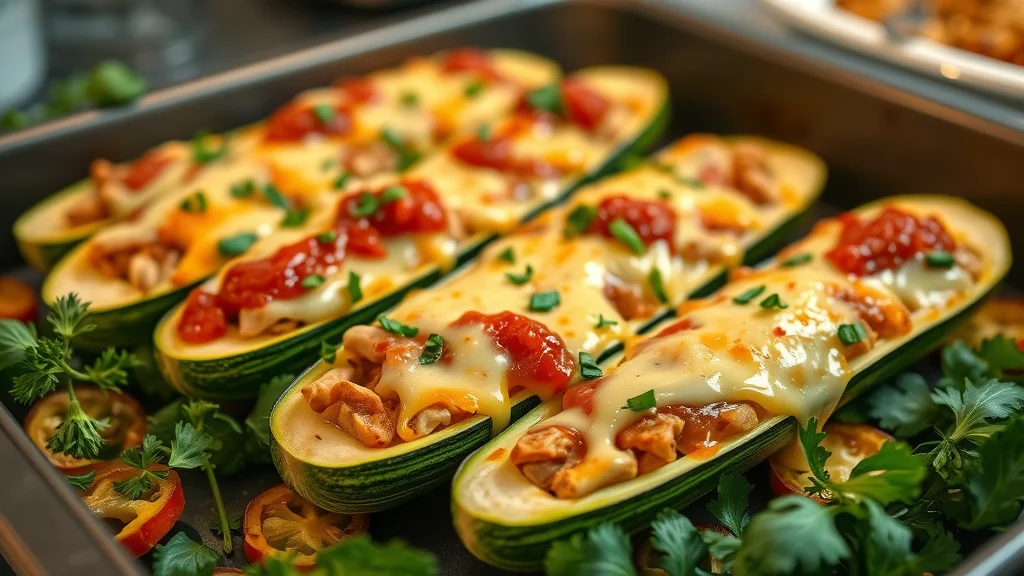
Freshly baked zucchini enchilada boats stuffed with ground turkey, melted cheese, and salsa, beautifully arranged on an oven tray with herbs and sliced peppers for healthy Cinco de Mayo

4. Sweet Potato & Corn Taco Salad: Festive Healthy Cinco de Mayo Dinner Option

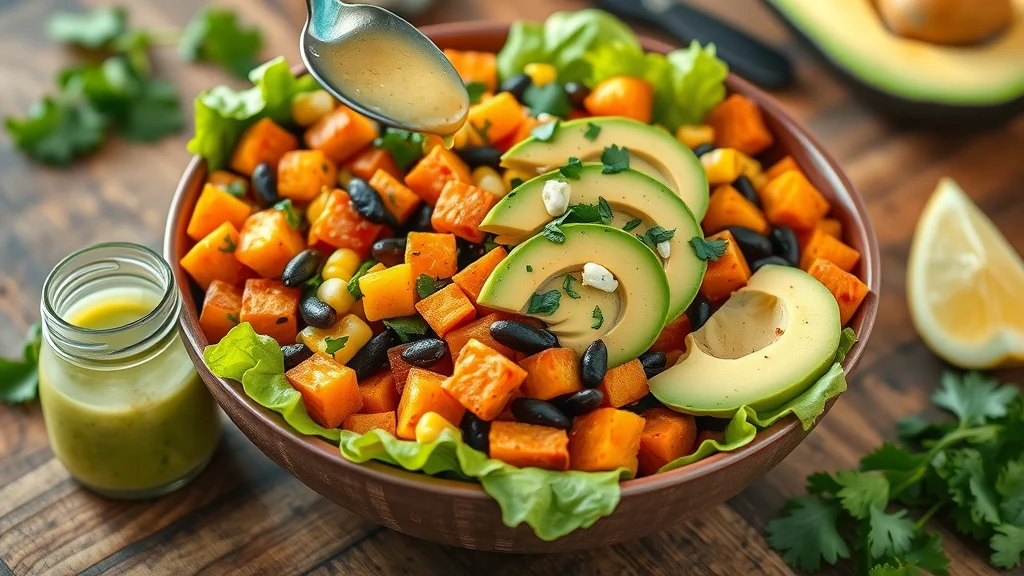
Bring a burst of color and flavor to your table with a sweet potato and corn taco salad—an outstanding pick for healthy Cinco de Mayo dinner recipes that please a crowd. This bowl overflows with roasted sweet potato cubes, juicy grilled corn, crisp lettuce, creamy avocado, and hearty black beans. Every bite offers a balance of creamy, crunchy, and tangy notes, transforming your salad into a wholesome main event.

A quick drizzle of zesty cilantro-lime dressing brightens the dish without overpowering the fresh ingredients. This crowd-friendly salad keeps well for potlucks and offers gluten-free, vegetarian, and dairy-friendly options, making it an inclusive party favorite.

  • Roast diced sweet potato for rich flavor.

  • Add grilled corn, black beans, lettuce, and avocado.

  • Finish with a cilantro-lime dressing.

Bowl of colorful sweet potato and corn taco salad with black beans, avocado slices, and cilantro-lime dressing, perfect for a festive healthy Cinco de Mayo meal

5. Sheet Pan Chicken Fajitas: Easy Healthy Cinco de Mayo Dinner Recipes for a Crowd

For hosts looking to keep prep simple without skimping on taste, sheet pan chicken fajitas are your go-to healthy cinco de mayo recipe for groups. Slices of juicy chicken breast, bell peppers, and onions are tossed in olive oil and bold fajita spices, then roasted together until tender and lightly charred. This technique not only maximizes flavor but also limits added fats.

Serve these fajitas right from the pan with warm corn tortillas, optional lime crema (made by mixing Greek yogurt and fresh lime juice), and your array of favorite toppings. Naturally gluten-free and easy to customize, this recipe is perfect for creating a delicious Mexican food spread in a flash.

  1. Slice chicken breast, bell peppers, and onions.

  2. Toss with olive oil and fajita spices.

  3. Bake until chicken is tender and veggies are lightly charred.
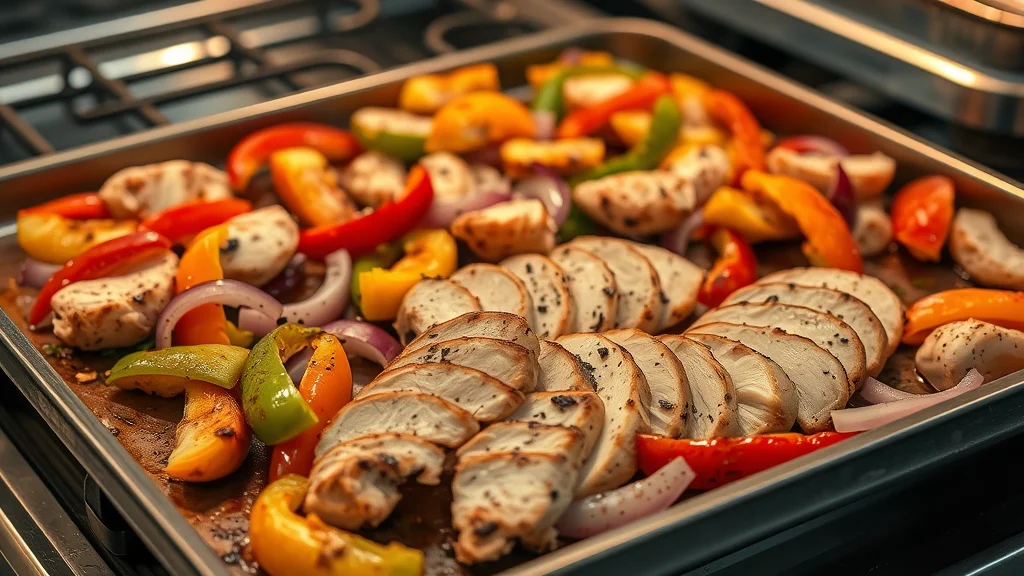
Sheet pan chicken fajitas with seasoned chicken, bell peppers, and onions roasted to perfection, ready to serve for a healthy Cinco de Mayo dinner

Tips for Maximizing Flavor in Healthy Cinco de Mayo Dinner Recipes

  • Use chili powder, cumin, lime juice, and fresh herbs to substitute for heavy sauces.

  • Opt for grilled, baked, or roasted preparation instead of frying in mayo recipes.

  • Balance textures—mix creamy avocado with crunchy slaw in your cinco de mayo recipes.

  • Amp up vegetables to increase fiber and nutrients.

Cook preparing healthy Mexican recipes by swapping sour cream for Greek yogurt, adding fresh herbs and colorful vegetables on a kitchen counter

People Also Ask: Healthy Cinco de Mayo Dinner Recipes

What are some healthy Cinco de Mayo dinner recipes for weight loss?

Opt for dishes like grilled shrimp tacos, zucchini enchilada boats, and black bean burrito bowls. These de mayo recipes are low in refined carbs and high in protein and fiber, helping you stay fuller for longer and support weight management.

How can I make Mexican recipes healthier for Cinco de Mayo?

Make simple swaps like using lean proteins, adding more vegetables, and replacing sour cream with Greek yogurt. Baking or grilling instead of frying reduces overall calorie content in your cinco de mayo recipe.

Are there gluten-free options for Cinco de Mayo dinner?

Yes, recipes using corn tortillas, zucchini boats, and naturally gluten-free ingredients like beans and vegetables are perfect for gluten-sensitive guests celebrating cinco de mayo.

What are some vegetarian healthy cinco de mayo dinner recipes?

Black bean burrito bowls, sweet potato & corn taco salad, and grilled veggie fajitas are all flavorful vegetarian options that offer plenty of inspiration for healthy cinco de mayo recipes.

Healthcare professional engaging with caregiver and patient, reviewing symptom diary for tardive dyskinesia management

FAQs: More About Healthy Cinco de Mayo Dinner Recipes

  • Can I prep these healthy cinco de mayo dinner recipes ahead?

  • Are these recipes kid-friendly?

  • What side dishes pair well with these de mayo recipes?

  • How can I keep dishes low in sodium without losing flavor?

Key Takeaways: Enjoy Your Cinco de Mayo With Healthy Dinner Recipes

  • Healthy cinco de mayo dinner recipes can be both indulgent and nourishing.

  • Simple ingredient swaps transform classic Mexican recipes for better nutrition.

  • Balancing protein, fiber, and fresh flavors ensures your fiesta is both festive and guilt-free.

If you’re inspired to keep your healthy eating momentum going beyond Cinco de Mayo, consider exploring the broader benefits of fiber-rich foods for your overall wellness. Our comprehensive article on the importance of fiber for weight management and gut health dives deeper into how simple dietary choices can transform your energy, digestion, and long-term results.

Take your next step toward vibrant living by discovering how fiber can be the foundation of a sustainable, delicious, and health-focused lifestyle. Your journey to feeling your best is just getting started!

Ready for More Healthy Living Inspiration?

Curious about better health? Discover in-depth articles at: NCWellnessHub.com


Sources

  • EatRight.org – https://www.eatright.org/health/wellness/seasonal/healthy-holiday-celebrations

  • Mayo Clinic – https://www.mayoclinic.org/healthy-lifestyle/nutrition-and-healthy-eating/in-depth/healthy-recipes/art-20046303

  • Food Network – https://www.foodnetwork.com/recipes/packages/holidays-and-parties/cinco-de-mayo/healthy-recipes

  • Cleveland Clinic Health Essentials – https://health.clevelandclinic.org/healthy-mexican-recipes

To enhance your Cinco de Mayo celebration with nutritious and flavorful dishes, consider exploring the following resources: The Mayo Clinic Health System offers a guide titled “Lighter dishes for Cinco de Mayo,” which provides tips on using traditional spices, incorporating more vegetables, selecting lean proteins, and choosing whole grains to create healthier versions of popular Mexican dishes. (mayoclinichealthsystem. org)

For a variety of plant-based options, the Center for Nutrition Studies presents “16 Healthy Plant-Based Cinco de Mayo Recipes,” featuring dishes like Vegan Tlayudas, Spicy Mexican Oaxacan Bowl, and Stuffed Poblano Peppers, all designed to be both nutritious and satisfying. (nutritionstudies. org)

If you want your Cinco de Mayo to be big on flavor without wrecking your healthy streak, these resources are packed with smart recipes and easy tips to keep things festive and feel-good. We hope this was helpful.

Nutrition & Foods

0 Comments

Write A Comment

*
*
Please complete the captcha to submit your comment.
Related Posts All Posts

The Protein "Sweet Spot": How to Hit Your Maximum Muscle Potential Without Overeating

Research shows consuming 1.6 to 2.2 grams of protein per kilogram daily maximizes muscle growth without excess calories. Discover the protein sweet spot that fuels muscle gains efficiently, avoiding overeating and supporting your fitness journey for better results with less waste. If you're determined to build muscle, understanding the right daily protein intake is crucial.In this comprehensive guide, you'll unlock evidence-based tips, meal strategies, and clear answers to all your questions about how much protein a day you need to build muscle—so you can gain more muscle, without unwanted calories or confusion.Unlocking the Protein Sweet Spot: Why Daily Protein Intake Matters for Muscle GrowthResearch shows 1.6–2.2 grams per kg of body weight daily fueling muscle growth"Meeting the right protein intake daily is more crucial for muscle growth than any supplement." – Dr. Elaine Mitchell, Sports NutritionistEvidence-Based Protein Intake for Muscle GrowthOver the past decade, dozens of studies have confirmed that consuming adequate daily protein is the single most important dietary factor for muscle growth. Recent research highlights that the ideal range—known as the protein "sweet spot"—is between 1.6 and 2.2 grams of protein per kilogram of body weight per day. Hitting this target optimizes muscle protein synthesis, fuels recovery, and prevents the loss of muscle while dieting.Unlike fad protein diets or myths claiming more is always better, science shows that excessive protein intake provides no extra benefit. Instead, results are maximized when your daily protein intake is distributed evenly across meals, using high-quality sources.This approach ensures a steady supply of essential amino acids for continuous muscle repair. Consistency in meeting your daily protein goal is key—missing it often leads to suboptimal progress, even if your calories and training are perfect.What You'll Learn About How Much Protein a Day You Need to Build MuscleHow much protein a day you need to build muscle based on your goalsKey differences between protein intake for muscle mass and weight lossBest daily protein sources for effective muscle buildingHow to optimize grams of protein per meal and per dayWays to prevent overeating while maximizing muscle growthHow Much Protein a Day Do You Need to Build Muscle: Understanding the ScienceDefining Daily Protein Intake Recommendations for Muscle MassCurrent research-backed guidelines (g/kg/day for muscle growth)Adjustments for gender, age, and activity level"For optimal muscle mass, aim for at least 1.6 grams of protein per kilogram of body weight daily." – Dr. Carlos Martinez, Exercise PhysiologistThe consensus among top sports nutrition organizations and exercise physiologists is clear: 1.6–2.2 grams of protein per kilogram of body weight per day is optimal to build muscle. For someone weighing 75 kg (about 165 lbs), this means a range of about 120–165 grams of protein daily.This range takes into account variables like training intensity, gender, age (older adults need slightly more), and overall calorie intake. Women typically require the same range per kilogram, but because their total body weight is often lower, their absolute grams per day is lower as well.Younger adults and highly active individuals may require the higher end of the range to support increased muscle repair and protein turnover. This also applies if you’re in a caloric deficit (for weight loss or fat loss preservation), as higher protein becomes critical to prevent loss of muscle mass. The minimum for any adult looking to support muscle mass, however, is rarely less than 1.6g/kg/day.Body Weight (kg)Protein Sweet Spot (g/day)Minimum (1.6g/kg)Maximum (2.2g/kg)6096–1329613275120–16512016590144–198144198100160–220160220Protein Intake Strategies: Grams of Protein Per Day and Per MealHow to Calculate Your Daily Protein IntakeStep-by-step calculation based on body weightFactors like training intensity and frequencyExample calculationsCalculating your ideal daily protein intake to build muscle is simple:Weigh yourself in kilograms (if using pounds, divide by 2.2 to convert).Multiply your body weight by the protein sweet spot: 1.6–2.2 grams per kilogram.Protein Distribution: Spreading Protein Intake Throughout the DayBenefits of even distribution for muscle synthesisRecommended grams of protein per meal for muscle massNot only is the amount of protein you eat per day important, but how you distribute protein intake matters, too. Research has shown that distributing total grams of protein evenly across 3–5 meals per day provides the best stimulation of muscle protein synthesis.For those looking to diversify their protein sources or reduce reliance on animal products, exploring tasty meat alternatives can be a practical way to meet your daily protein needs while supporting muscle growth. These options can be seamlessly integrated into your meal planning for both variety and nutrition. For example, if your daily protein target is 150 grams, aim for roughly 30–40 grams at each meal. This even distribution maximizes the delivery of essential amino acids, giving your muscles the best chance to repair and grow after workouts. Skipping protein at breakfast or overloading at dinner reduces the benefit—consistent, moderate servings improve results.Top Protein Sources for Maximum Daily Protein IntakeAnimal-Based Protein Sources for Building MuscleLean meats (chicken, turkey, beef)Fish and seafood (salmon, tuna)Eggs and dairyAnimal-based protein sources offer high protein content and all the essential amino acids required for optimal muscle growth. Lean meats like chicken, turkey, and lean beef are among the most efficient, offering 20–25 grams of protein per 100g serving. Fish (salmon, tuna) is also nutrient-rich and provides healthy fats and a similar protein punch.Dairy products like Greek yogurt, cottage cheese, and eggs deliver complete proteins, making them top choices for muscle mass. Because of their high amino acid content and bioavailability, these foods are a staple for anyone aiming to maximize gains. To keep results high and calories in check, choose lean cuts and low-fat options when possible.Plant-Based Protein Sources: Reaching the Protein Sweet SpotLegumes (beans, lentils, chickpeas)Soy products (tofu, tempeh, edamame)Whole grains and nuts"Plant-based proteins can effectively support muscle growth when combined and spaced well over the day." – Dr. Olivia Reynolds, Registered DietitianPlant-based protein sources can absolutely help you hit your daily protein intake for muscle building—it's all about thoughtful combinations. Foods like lentils, beans, and chickpeas provide around 8–10 grams of protein per cooked half-cup serving. Soy products (tofu, tempeh, edamame) are particularly effective, offering about 15–20 grams per serving and all essential amino acids. Whole grains and nuts add extra grams to your total.To reach the "sweet spot," combine a variety of plant-based protein sources across meals. This ensures you’re covering the full range of essential amino acids and supporting muscle mass just as effectively as with animal proteins. Many elite athletes and bodybuilders use this mixed approach for maximum benefit.Common Mistakes in Protein Intake: Avoiding Overeating While Building MuscleMyth: More Protein Always Means More MuscleDownsides of excessive protein consumptionBalancing daily protein intake with total caloriesOne of the biggest myths about building muscle is that more protein always means more gains. In reality, eating significantly above the recommended daily protein intake does not increase muscle growth—but it can lead to excess calories and possible digestive discomfort. Surplus protein may be stored as body fat if you’re regularly over your energy needs.Focus on the sweet spot (1.6–2.2g/kg/day) and balance your intake with your overall calorie target for your training and body composition goals. When total calorie needs are met and adequate protein is consumed, any "extra protein" is unnecessary for most people aiming to build muscle. Moderation and mindful portioning support your gains and your health.Recognizing Hidden Sources of Protein in Your DietPackaged foods and snacksProtein supplements and their role"Focus on quality protein intake and total nutrition, not just the numbers." – Personal Trainer Samir PatelMany people overlook the protein content in packaged foods and snacks. Items such as protein bars, high-protein cereals, and even some breads can contribute surprising amounts to your daily protein intake. Additionally, protein powders are useful (whey, casein, soy, or pea) when it's tough to meet your target via whole food alone.Supplements should not be your main protein source, but they can fill occasional gaps—especially for busy individuals or those with higher needs. Always check nutrition labels, and consider quality along with quantity: whole foods supply beneficial micronutrients alongside protein. Use supplements strategically, but prioritize whole foods for best results in muscle gains and overall health.Daily Protein Intake for Weight Loss vs. Muscle GainHow protein needs differ for weight loss versus building muscleOptimal grams of protein per day for fat loss preservationPractical meal planning tips for weight managementIf your goal is weight loss but you still want to preserve or gain muscle mass, slightly raising your daily protein intake above baseline can help. This prevents loss of muscle while you lose fat. For weight loss, aim for the upper end of the "sweet spot"—about 2.0–2.2g/kg/day.Muscle gain and weight loss both benefit from solid planning and protein distribution. For fat loss, keep overall calories lower, but maintain high protein in every meal. Include protein at breakfast, lunch, and dinner, with protein-rich snacks if needed. This approach supports satiety (feeling full), less calorie spillover, and helps retain muscle when dieting.GoalProtein Intake (g/kg body weight)Example for 75kg Person (g/day)Muscle Gain1.6–2.0120–150Weight Loss / Fat Loss Preservation2.0–2.2150–165Original Data & Studies: Achieving Your Protein Sweet SpotMeta-analysis of daily protein and muscle mass studiesKey takeaways from top peer-reviewed journals"Consuming 1.8g/kg/day was associated with maximal muscle synthesis in trained athletes." – Excerpt from JISSN (Journal of the International Society of Sports Nutrition, 2022)Lists of High-Quality Daily Protein Sources for Muscle GrowthTop 10 animal-based protein sources with grams of protein per servingTop 10 plant-based protein sources with grams per servingAnimal-Based Protein (per typical serving):Chicken breast (100g): 23gTurkey breast (100g): 24gLean beef (100g): 22gSalmon (100g): 21gTuna (100g): 25gEgg (1 large): 6gGreek yogurt (170g cup): 17gCottage cheese (100g): 11gShrimp (100g): 24gCanned sardines (100g): 23gPlant-Based Protein (per typical serving):Firm tofu (100g): 8gTempeh (100g): 19gLentils (cooked, 1/2 cup): 9gBlack beans (cooked, 1/2 cup): 8gChickpeas (cooked, 1/2 cup): 8gQuinoa (cooked, 1 cup): 8gHemp seeds (3 tbsp): 10gPeanut butter (2 tbsp): 8gAlmonds (28g): 6gEdamame (1/2 cup): 9gSample Meal Plans: How Much Protein a Day Do You Need to Build MuscleExample 1: High-protein omnivore day (with macros)Example 2: High-protein vegetarian/vegan day (with macros)Sample 1: Omnivore High-Protein Day (Approx. 145g protein, 2250 kcal)Breakfast: 3 eggs (18g), 1 slice whole-grain toast (4g), Greek yogurt (15g) [Total: 37g]Lunch: Grilled chicken breast (120g, 28g), brown rice (1 cup, 5g), broccoli (2 cups, 5g) [Total: 38g]Snack: Protein shake (whey, 25g)Dinner: Salmon fillet (100g, 21g), quinoa (1 cup, 8g), spinach (2 cups, 5g) [Total: 34g]Snack: Low-fat cottage cheese (100g, 11g) + almonds (28g, 6g) [Total: 17g]Sample 2: Plant-Based High-Protein Day (Approx. 132g protein, 2300 kcal)Breakfast: Tofu scramble (150g tofu, 12g), whole-grain toast (2 slices, 8g), peanut butter (2 tbsp, 8g) [Total: 28g]Lunch: Lentil salad (1 cup lentils, 18g), kale (2 cups, 5g) [Total: 23g]Snack: Protein shake (soy, 20g)Dinner: Tempeh stir-fry (100g, 19g), brown rice (1 cup, 5g), mixed veggies (4g) [Total: 28g]Snack: Edamame beans (1 cup, 17g) + almonds (28g, 6g) [Total: 23g]People Also Ask: Is 3 eggs a day enough protein for muscle gain?Answer: Evaluating Eggs as a Protein Source for Muscle GrowthNutrition value of eggs (grams of protein per egg)Are 3 eggs a day enough?Integrating eggs with other daily protein sourcesOne large egg contains about 6 grams of protein, so three eggs provide roughly 18 grams—an excellent boost for any meal. However, unless you are a very lightweight individual eating many other high-protein foods, 3 eggs alone are not enough to meet your daily protein intake for muscle growth (which is usually at least 120g/day for a male weighing 75kg).Eggs are a versatile, high-quality protein source and make a great addition to breakfast, lunch, or snacks, but should be paired with other protein sources—like Greek yogurt, chicken, or beans—for best results. Integrating eggs with a variety of protein sources across your meals helps you hit your muscle-building goal efficiently.Guidelines for Protein Intake Timing and AbsorptionRole of protein timing (pre/post workout)Best protein intake windows for maximizing muscle massTiming your protein intake is important, but the overall daily total is most critical. For muscle mass, consuming 20–40 grams of protein within 1 to 2 hours after training ensures a rapid supply of essential amino acids for recovery and growth. Many experts also advise having a moderate serving of protein at each meal, rather than loading up at once.While pre- and post-workout protein helps, spreading protein evenly over the day matters most. If your schedule is busy, simply ensure that your total grams of protein per day matches your target to maximize gains.Practical Tips: How to Hit Your Protein Intake Sweet Spot Without OvereatingSmart portioning for meals and snacksTracking and adjusting your daily protein intakeTips to avoid excess calories while building muscleTo hit your protein intake target without overeating, plan your meals in advance and use food scales for accuracy. Choose lean protein options, spread your intake across 3–5 meals, and supplement with shakes if needed.Track your daily protein with apps (like MyFitnessPal or Cronometer), and adjust portions if you’re under or over your goal. If you notice your calories creeping up, swap out fattier protein choices for leaner ones (e.g., fish instead of red meat) or add more plant-based options. Being mindful about total nutrition supports sustainable muscle gains.Watch this simple guide for step-by-step instructions on how to accurately calculate and track your daily protein needs using practical tools and meal-by-meal breakdowns.FAQs: How Much Protein a Day Do You Need to Build Muscle and Related TopicsWhat happens if you don't get enough protein in your diet for muscle mass?Not getting enough protein can lead to loss of muscle mass, slower recovery, and reduced muscle growth, even if you are exercising regularly. Over time, you may feel more fatigued and your progress will stall. Ensuring adequate daily protein intake is essential to maintain and build muscle effectively.Is it possible to get too much protein?While protein is vital, consuming amounts far above the recommended range (well over 2.2g/kg/day) doesn't accelerate muscle gains and can add unnecessary calories. For healthy people, excess protein isn’t usually dangerous but can put extra strain on your kidneys if you have pre-existing issues.Should you consume protein before or after your workout?Both timing options can support muscle growth, but most evidence recommends focusing on total daily protein intake. A solid serving (20–40g) after your workout aids recovery and supports muscle building, but pre-workout protein also helps if it fits your schedule.How many grams of protein per day for women vs. men?The recommended range (1.6–2.2g/kg/day) applies to both women and men, but absolute grams per day will be lower for women simply because of lower average body weight. Individual needs depend on activity level, goals, and training intensity.Key Takeaways: Finding Your Daily Protein Sweet Spot for Muscle Growth1.6–2.2g/kg/day is optimal for muscle buildingSpread intake evenly over the day for best resultsBalance with total calories to avoid overeatingBoth animal and plant proteins can help hit your targetsBuild Muscle, Hit Your Protein Sweet Spot: Where to Find More Expert TipsFor well-curated articles and expert perspectives, visit NCWellnessHub.comSourcesJournal of the International Society of Sports Nutrition – https://jissn.biomedcentral.com/articles/10.1186/s12970-022-00469-yAmerican Journal of Clinical Nutrition – https://academic.oup.com/ajcn/article/108/5/1167/5307133National Institutes of Health (NIH) – https://www.ncbi.nlm.nih.gov/pmc/articles/PMC5828430/EatRight.org – https://www.eatright.org/fitness/sports-and-performance/fueling-your-workout/how-much-protein-do-you-needIf you're interested in taking your nutrition and fitness knowledge even further, consider exploring broader wellness strategies that complement your muscle-building efforts. The NC Wellness Hub lifestyle section offers a wealth of resources on holistic health, recovery, and sustainable habits.By integrating these advanced insights into your daily routine, you can unlock new levels of performance, resilience, and overall well-being—empowering you to reach your goals with confidence and clarity.How much protein should I eat to build muscle? delves into the science behind protein consumption and muscle synthesis, offering evidence-based guidelines to optimize your dietary plan.

The Brutal Truth About Protein: Why Your Gains Are Stuck (Not What You Think)

Are you sure you're eating the right amount of protein per pound to actually build muscle? The real secret to muscle growth may have nothing to do with taking in more protein powder—or even with eating “as much as you canUnlocking Muscle Growth: Are You Really Eating the Right Amount of Protein Per Pound?Are you sure you're eating the right amount of protein per pound to actually build muscle? Discover why common advice might be holding back your gains and learn how to unlock your true muscle-building potential starting today.What You'll Learn in This Guide About How Much Protein Per Pound for Muscle GainThe science behind optimal protein intake for muscle growthReal numbers: protein intake recommendations per pound of body weightCommon myths about protein and muscle gain debunkedAdvice from leading medical professionals and nutritionistsHow to avoid muscle loss and maximize protein synthesisProfessional strategies to track daily protein needsWhy Protein Intake Matters: The Foundation of Muscle GrowthThe Relationship Between Body Weight, Protein Intake, and Building MuscleProtein is more than just another macronutrient—it's the raw material for building and maintaining muscle mass. When you’re trying to build muscle, the amount of protein you eat per pound of body weight directly influences whether your effort in the gym actually translates into growth. Muscles are made primarily of proteins constructed from amino acids, which come from dietary protein.Scientific studies repeatedly confirm that eating enough protein is key not only to build muscle but also to retain it when you lose weight or ramp up training intensity. Your lean body mass, body composition, and protein needs will shift as your activity and goals change, making it critical to fine-tune your approach over time.The link between protein intake and muscle growth has been cemented by research showing substantial increases in muscle mass among those who eat higher protein diets compared to those who don't. For anyone looking to maximize gains—or simply stop the slow creep of muscle loss that happens with inadequate protein—understanding how much protein per pound of body weight is needed should be the starting point of your nutrition plan.Protein Synthesis & Muscle Protein: How They Fuel Muscle GainProtein synthesis is the biological process where your body rebuilds and repairs muscle fibers damaged during strength training. Without a steady flow of amino acids from dietary protein, this repair process falls short, resulting in little to no net muscle gain—sometimes even muscle loss, especially if your overall diet or calorie intake is lacking.Amino acids are the crucial building blocks in this equation, supporting not only growth but long-term muscle retention and recovery. If your daily protein intake is too low, you risk slowing this process and stalling your hard-earned progress, regardless of your workout intensity.“Muscle protein synthesis only occurs if amino acids are available from dietary protein. Without meeting per-pound requirements, muscle growth plateaus.” – Dr. Lisa Carter, PhD, Nutrition ScienceHow Much Protein Per Pound for Muscle Gain: Evidence-Based RecommendationsCurrent Scientific Studies on Protein Intake and Muscle GainResearch on optimal protein intake for muscle gain is extensive and often cited by fitness professionals. According to studies published in the Journal of the International Society of Sports Nutrition and guidelines from the National Strength and Conditioning Association (NSCA), the optimal range of protein per pound for muscle gain is higher than what most “casual” advice suggests.The consensus: eating between 0.7–1.1 grams of protein per pound of body weight ensures adequate muscle protein synthesis for most lifters, from beginners to seasoned athletes.Athletes in a calorie deficit (cutting to lose weight) or those aiming to maximize lean mass retention may require even higher protein intakes. Multiple meta-analyses showcase that while higher protein intakes reduce muscle loss, there is a threshold—overeating protein (beyond 1.2–1.3g/lb) generally does not provide additional muscle-building benefits. In fact, individual genetic factors, training frequency and body composition all play a role in setting your personal daily protein target.While dialing in your protein intake is essential for muscle growth, it's also important to consider how other dietary habits—like sodium consumption—can impact your progress. For a deeper look at how a high salt diet may influence weight gain and overall body composition, check out this detailed analysis on the impact of high salt diets on weight gain.Grams of Protein Per Pound of Body Weight for Optimal ResultsSo, what’s the magic number? For most aiming to maximize muscle growth or maintain muscle during periods of intense training or calorie deficits, these evidence-based guidelines will keep you on track:Protein Intake Recommendations by Body Weight and Training StatusPopulationProtein (g/lb body weight)SourceNovice lifters0.7 – 0.8JISSNIntermediate to advanced0.9 – 1.1ISSNCutting (lose weight phase)1.0 – 1.3NSCARemember: These numbers should be used as a starting point and adjusted based on lean mass, training frequency, age, and other personal factors. Meeting your protein goals consistently—split across 3-5 meals per day—drives maximal muscle protein synthesis and faster recovery. Focusing on quality protein sources also helps ensure you’re getting a wide range of essential amino acids that build muscle efficiently.Common Myths About Protein Intake for Muscle GrowthMyth: More Protein Always Equals More MuscleOne of the most pervasive beliefs in fitness is that “the more protein you eat, the more muscle you’ll build.” However, science debunks this idea. Once you hit the optimal range (usually up to 1.1g per pound of body weight), any extra protein isn’t magically converted into more muscle. Instead, surplus protein can be used for energy or even stored as fat when calories exceed your needs. Studies, including those from the JISSN, suggest focusing on hitting—not overshooting—your target for protein intake is best for muscle growth and overall health.There’s also no solid evidence that eating more protein beyond this range provides a muscle-building advantage. If you’ve stalled in your gains, check other factors first: training intensity, recovery, and overall calorie balance are just as crucial as protein. For most, chasing endlessly higher protein numbers means wasted effort, not bigger biceps.Myth: 50g of Protein in One Meal Is WastedMuscle loss from excess protein?The daily protein intake ceilingAnother popular myth is that your body “can’t absorb” more than 20-30 grams of protein in one meal, and anything above 50g is wasted. In reality, your digestive system processes protein over several hours, with absorption rates influenced by muscle mass, training status, and meal composition.Research shows that up to 40–60g of protein in one meal can effectively stimulate muscle protein synthesis, and larger amounts can be especially helpful for individuals with higher body mass or those doing intense strength training. The key is hitting your total daily protein intake first, rather than stressing over meal-by-meal breakdowns."Many people believe there's a strict cap on protein absorption, but protein is processed over several hours—not minutes." — Jason Vale, celebrity trainerProtein Synthesis and Muscle Protein: Maximizing Muscle Protein SynthesisRole of Protein Intake in Muscle Protein SynthesisMaximizing muscle protein synthesis is the “active ingredient” in building new muscle tissue. Each time you consume adequate protein, you supply your muscles with the essential amino acids needed to initiate and sustain synthesis. Without enough, the process stalls or reverses, increasing risks of both muscle loss and poor recovery. Every gram of protein you eat should contribute to this process, helping your body to build muscle and repair body composition after demanding workouts.For those targeting optimal results, the focus should be on both the total daily protein intake and ensuring that protein is distributed in a way that maintains stable amino acid availability throughout the day. This supports continuous muscle repair and growth, especially critical for athletes and anyone with a busy training schedule.How to Spread Your Protein Intake Throughout the DayConsistently distributing your protein intake across three to five meals is a simple, effective way to maintain steady muscle protein synthesis. Instead of loading up at dinner or breakfast alone, aim to include 20–40 grams of protein in each meal. This strategy helps regulate amino acid levels, maximizes muscle building, and keeps hunger under control—especially during periods when you’re trying to lose weight without significant muscle loss."Keeping protein intake evenly distributed enhances muscle protein synthesis and supports sustained growth." — Dr. Maria Nguyen, Registered DietitianDaily Protein Intake Strategies for Muscle GainCalculating Your Daily Protein NeedsCalculating how much protein per pound for muscle gain is straightforward: multiply your current body weight by the recommended intake for your training status (see earlier table). If you weigh 180 pounds and strength train 3-4 times per week, a daily diet of 0.9–1.1 grams per pound typically yields the best results, which means 162–198 grams of protein. Remember, body composition and overall goals matter—muscle retention during a calorie deficit usually requires more protein per pound than bulking does.For more accurate calculations, consider your lean body mass instead of total weight, especially if you have higher body fat. Online protein calculators or consultations with sports nutritionists can tailor a plan based on your unique needs, training, and goals. Don't forget to factor in recovery, caloric needs, and your preferred mix of animal and plant proteins.Sample Meal Plan: Meeting Your Grams of Protein Per Pound GoalSample Daily Meal Plan for a 180lb Man (1g/protein per lb)MealProtein SourceGrams of ProteinBreakfastGreek Yogurt, Eggs35LunchChicken Breast45SnackProtein Shake30DinnerSalmon & Quinoa40SnackCottage Cheese30"Personalizing your protein plan to lifestyle, not just weight, is crucial for muscle growth." – Rachel Hardy, Certified NutritionistFactors That Influence How Much Protein Per Pound for Muscle Gain Is NeededAge, Gender, Training Intensity, and Body Fat PercentageProtein needs aren't one-size-fits-all. Your age, gender, training intensity, and body fat percentage all play significant roles in determining ideal protein per pound recommendations. Older adults, for instance, need more protein just to maintain muscle mass due to decreased muscle protein sensitivity.Women may require lower overall intake due to usually lower body weight and lean body mass, but their proportional needs (per pound) remain similar to men. Higher body fat means base calculations should focus more on lean body mass to avoid overshooting requirements.If you’re training intensely—lifting heavy or performing high volume workouts—you’ll benefit from protein targets at the upper end of the recommended range. These higher intakes support repair, growth, and the added stress from frequent workouts, helping maximize lean mass gains while minimizing muscle loss during tough training cycles or fat-loss phases.Cutting (lose weight) vs. Bulking: Adjusting Daily Protein IntakeRisks of muscle loss on a calorie deficitHow the body uses protein differently when trying to lose weightWhen you’re in a cutting phase—eating fewer calories to lose weight—your daily protein intake must go up to help maintain muscle and prevent body composition from shifting towards more fat loss than muscle retention. During calorie restriction, your body becomes more likely to break down muscle for energy unless enough dietary protein is available.Experts recommend aiming for 1.0–1.3g per pound of body weight, especially when your goal is fat loss without sacrificing hard-earned lean mass. By contrast, those “bulking” may prioritize the lower end of the intake spectrum (around 0.7–0.9g/lb), focusing on increased calories and a well-rounded nutrition plan for growth.Unlocking Real Muscle Growth: Avoiding Pitfalls in Protein IntakeTracking Your Protein Intake ConsistentlySuccessful muscle gain depends on consistently tracking—and hitting—your protein goals. Use apps, spreadsheets, or simple meal journaling to monitor total intake, meal distribution, and any patterns of under- or overconsumption. Many athletes use kitchen scales or visual measurements to ensure they’re on target. Regular tracking reveals gaps and helps prevent “guesstimating,” a leading cause of stalled progress, especially for those with busy lifestyles or shifting training plans.Overcoming Plateaus: Recognizing When to Adjust Protein IntakeSigns you’re not getting enough proteinScience-backed tips for breaking through muscle growth stallsPlateaus in muscle growth often indicate that one or more aspects of your nutrition—or recovery—need fine-tuning. If you’re not seeing increases in strength, muscle size, or recovery speed, it may be time to review your total daily protein intake and adjust upwards (within evidence-based ranges) or reassess your protein timing and sources.Common signs of insufficient protein include persistent soreness, lack of progress in strength training, slow recovery, and unexplained muscle loss. Stay patient, adjust gradually, and listen to your body for long-term, sustainable results.What the Pros Really Say About How Much Protein Per Pound for Muscle Gain"For most lifters, aiming for 0.8–1g of protein per pound is both effective and safe." — Dr. Aaron Hughes, Sports Medicine PhysicianInsights from: Dr. Lisa Carter, Jason Vale, Dr. Maria Nguyen, Dr. Aaron HughesPeople Also Ask: How Much Protein Per Pound for Muscle GainHow much protein should I eat in a day to gain muscle lbs?Most evidence suggests a range of 0.7–1.1 grams of protein per pound of body weight daily will maximize muscle growth for most individuals. For a 180 lb individual, that’s between 126 and 198 grams per day, depending on training status, body fat, and goals.Is 1.5 g of protein per pound of body weight too much?For most healthy adults, consuming up to 1.5 grams of protein per pound is not harmful short-term, but there is minimal evidence it increases muscle gain above 1 to 1.2 grams per pound for most people. Consistent high intake could stress kidneys in those with preexisting issues.Is 50g of protein too much for one meal?No; while some believe the body only absorbs a limited amount per meal, studies show that 40–60 grams at once can still be effectively used for muscle protein synthesis, especially for those with higher muscle mass and training demand.How much protein does a 200 pound man need daily?A 200-pound man aiming to build muscle should target 0.8–1.1 grams of protein per pound: 160–220 grams per day depending on age, training, and diet quality.Suggested Video Content: Nutritionist answers rapid-fire questions on best protein sources, timing, and mistakes for muscle gain, with actionable tips for meal prepping and grocery shopping.FAQs About How Much Protein Per Pound for Muscle GainIs animal or plant protein better for muscle gain?Both provide benefits; animal protein is often higher in essential amino acids, but combining plant protein sources can offer a complete profile for muscle growth.Can you gain muscle with less protein if you train harder?Somewhat, but consistent strength training paired with adequate protein ensures optimal results; too little protein risks muscle loss even with tough training.Does protein timing throughout the day really matter?Yes; spreading protein evenly helps sustain muscle protein synthesis and muscle building results compared to eating all at once.Are high-protein diets safe for long-term health?Most healthy people tolerate higher-protein diets well, especially if extra protein comes from whole foods. Monitor kidney function if you have preexisting kidney issues.How does protein affect fat loss and muscle retention?Higher protein intake reduces muscle loss during fat loss phases, preserves lean mass, and helps keep you feeling full.Key Takeaways: How Much Protein Per Pound for Muscle GainMost lifters should consume 0.7–1.1g protein per pound dailyAdjust intake for age, activity, and phase (bulking/losing weight)Evidence suggests evenly split protein doses optimize muscle protein synthesisMonitor, adjust, and listen to your body for consistent muscle growthAlways consult a professional before making major diet changesFind More Muscle-Building Nutrition InsightsFind more quality content at: NCWellnessHub.comReady to unlock stronger, faster, real muscle growth? Track your protein, trust the evidence, and adjust for your unique needs—because your gains deserve more than guessworkSourcesJISSN – https://jissn.biomedcentral.com/NSCA – https://www.nsca.com/National Institutes of Health – https://www.ncbi.nlm.nih.gov/pmc/articles/PMC6950542/If you’re ready to take your nutrition strategy to the next level, consider exploring how specific foods can accelerate your fat loss while supporting muscle retention. Discover the science behind foods that actively help burn body fat and learn why incorporating options like beans can be a game-changer for your physique.For advanced tips on optimizing your diet for both muscle gain and fat loss, dive into this comprehensive guide on unlocking weight loss with fat-burning foods—and empower your journey with the latest evidence-based insights.To optimize muscle growth, it’s essential to consume an appropriate amount of protein relative to your body weight. The Academy of Nutrition and Dietetics and the American College of Sports Medicine recommend that individuals engaging in endurance or resistance training consume between 0.55 to 0.9 grams of protein per pound of body weight daily. For example, a 150-pound person should aim for approximately 83 to 135 grams of protein each day. (orangetheory.com)Additionally, the American College of Sports Medicine suggests that individuals aiming to build muscle should consume between 1.2 to 2.0 grams of protein per kilogram of body weight per day, which translates to about 0.5 to 0.9 grams per pound. (atlasbars.com)Incorporating these guidelines into your nutrition plan can help ensure you’re providing your body with the necessary building blocks for muscle development. NCWellnessHub.com

What Parents Must Know About Ultra-Processed Foods and Health Risks

Explore how ultra-processed foods can impact health and learn smart food choices for your family.

Terms of Service

Privacy Policy

Core Modal Title

Sorry, no results found

You Might Find These Articles Interesting

T
Please Check Your Email
We Will Be Following Up Shortly
*
*
*