

NC Wellness Hub
update
North Carolina Wellness Hub
update
  • Home
  • Categories
    • Wellness
    • General Health
    • Holistic
    • News
    • Living & Travel
    • Lifestyle
    • Fitness & Exercise
    • Mental Health
    • Stress Management
    • FEATURE
    • Sleep
    • Allergies
    • Medicines & Supplements
    • Weight Loss
    • Kids Health
    • Fertility & Pregnancy
    • Cancer
    • Heart Health
    • Skin & Hair
    • Arthritis
    • Dental
    • Vision
  • Bone Health
  • Digestive
August 28.2025
2 Minutes Read

Fueling Longevity: How Nutrition Influences Hormones, Energy, and Fertility

Two women discuss fertility nutrition and hormonal health in a podcast studio.


Unlocking Longevity Through Nutrition: The Key to Hormonal Balance and Energy

As adults navigate the often complex avenues of fertility and pregnancy, understanding the role of nutrition in enhancing hormonal balance becomes crucial. Recent discussions have emphasized how targeted dietary choices can support not only hormonal health but also overall longevity, energy levels, and well-being.

Why Nutrition Is Central to Hormonal Health

Nutrition plays a pivotal role in maintaining hormonal balance. Specific nutrients can aid in the production and regulation of hormones that are essential for reproductive health and energy. Nutrients such as omega-3 fatty acids, vitamin D, and magnesium are particularly significant. For individuals seeking to optimize fertility, including foods rich in these nutrients might serve as a beneficial strategy.

Practical Nutrition Tips for Hormonal Wellness

Incorporating whole foods into one's diet can be transformative. Here are three actionable tips:

  • Incorporate Healthy Fats: Foods like avocados, nuts, and fatty fish can support hormone production.

  • Focus on Fiber: High-fiber foods promote healthy digestion and hormone regulation, which can be particularly important during pregnancy.

  • Stay Hydrated: Proper hydration positively affects energy levels and the body’s physiological functions.
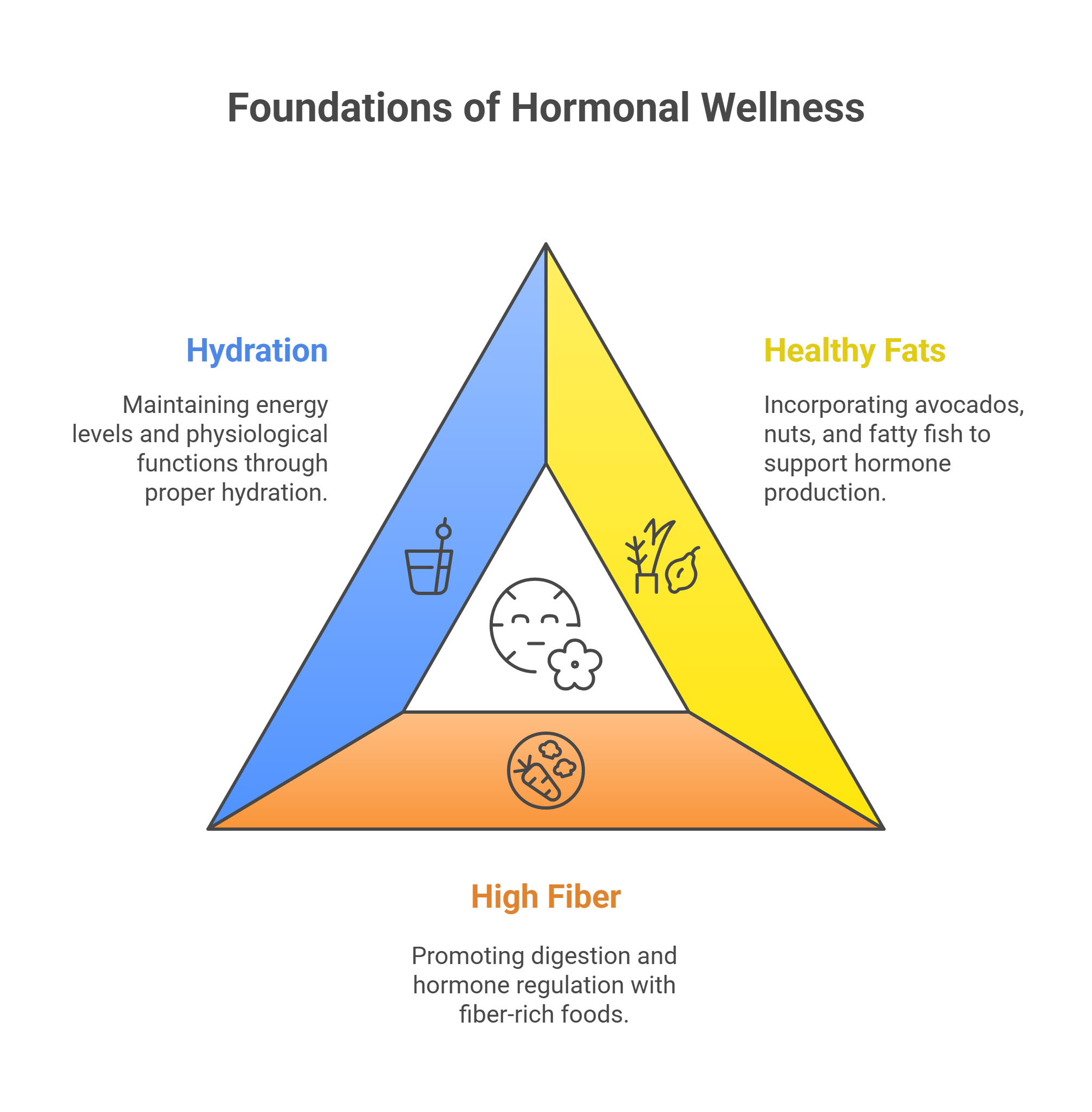

Hormonal Wellness

The Ripple Effect of Nutrition on Energy Levels

Beyond just hormonal balance, proper nutrition directly influences energy levels, which can significantly impact fertility and pregnancy. Nutrient-dense foods provide the sustained energy required for daily activities and physiological functions. Conversely, a diet riddled with processed foods can lead to fatigue and hormonal disturbances, creating a cycle of depletion.

Cultural Perspectives on Nutrition and Longevity

Nutrition's role in longevity isn't just a modern-day concept; different cultures have long recognized the link between dietary habits and health outcomes. For instance, Mediterranean diets, rich in whole grains, fruits, and healthy fats, are associated with reduced infertility rates and better overall health. Drawing insights from various traditions might offer valuable approaches to enhancing fertility through diet.

Looking Ahead: Future Insights for Fertility and Nutrition

As research continues to evolve, we can anticipate increasingly sophisticated understandings of how nutrition affects not just longevity but also fertility outcomes and hormonal health. Keeping abreast of these developments can empower individuals to make informed dietary choices that align with their reproductive goals.

Your Next Steps for Better Fertility

Incorporating these nutritional insights into daily life isn't just about achieving better energy and hormone balance; it's about fostering a holistic approach to well-being. Individuals seeking to boost their fertility through diet can start by making gradual changes to their eating habits and consulting with healthcare providers for personalized guidance.


www.NCWellnessHub.com


Fertility & Pregnancy

0 Comments

Write A Comment

*
*
Please complete the captcha to submit your comment.
Related Posts All Posts

Essential Insights on Premature Ovarian Insufficiency: Fertility and Health Implications

Explore premature ovarian insufficiency health implications. Understand fertility, estrogen's role, and emotional support.

Neural Tube Defects: Essential Insights for Health-Conscious Individuals

Update Understanding Neural Tube Defects and Their Impact Neural tube defects (NTDs) are serious conditions that arise when the neural tube, which ultimately forms the brain and spinal cord, fails to close properly during early embryonic development. These defects can lead to a range of complications, varying in severity from mild to life-threatening. The most common types of NTDs are spina bifida, where the spine doesn’t form completely, and anencephaly, where parts of the brain are missing.In 'Neural tube defects: Clinical Nursing Care,' the discussion dives into crucial insights surrounding neural tube defects, prompting a closer look at their implications and care strategies. Why Awareness About NTDs Matters Raising awareness about the causes and implications of NTDs is crucial—for both expectant parents and healthcare professionals. Understanding risk factors such as genetic predispositions, socio-economic status, and nutritional deficiencies can foster preventative strategies. Research highlights that taking folic acid supplements before conception and during the early stages of pregnancy significantly reduces the risk of these defects. Nevertheless, even with preventative measures, NTDs can still occur, emphasizing the need for advanced maternal care and education. Clinical Implications and Nursing Care Nurses and healthcare providers play a pivotal role in the management of NTDs. From early diagnosis through prenatal care, these professionals can guide families, offering vital support and information. Clinical nursing care might involve regular monitoring during pregnancy, providing emotional support, and educating families regarding treatment options available post-birth. For children diagnosed with NTDs, the role of nurses extends into long-term care, assisting with rehabilitation therapies and psychosocial support necessary for affected families. Future Trends in Managing Neural Tube Defects As medical technology advances, the strategies for diagnosing and managing neural tube defects continue to evolve. Innovations such as prenatal imaging can allow for earlier detection of NTDs, leading to timely interventions. Moreover, emerging research into gene therapy presents potential future avenues for preventing NTDs at a genetic level, offering hope to many families. This future-oriented approach emphasizes the importance of continued research and education in maternal health. Support and Community Resources For families affected by neural tube defects, connecting with support networks can be incredibly beneficial. Organizations and community groups can offer resources, counseling, and shared experiences to help navigate the complexities associated with NTDs. Such support systems foster a sense of community among affected families, providing both practical help and emotional reassurance during challenging times. Conclusion: Take Charge of Your Health Recognizing the implications of neural tube defects and seeking advice from healthcare professionals can make a crucial difference. Whether through preventative measures or informed care options, being proactive about maternal health is essential. We encourage our readers to stay informed about this crucial topic and consider exploring educational resources available through platforms like Osmosis. Knowledge empowers families to make better decisions for their health and the health of their future children.

Understanding Venous Thromboembolism (VTE): Key Insights for New Mothers

Explore the risks of Venous Thromboembolism VTE, its symptoms, prevention, and essential insights particularly for postpartum health.

Terms of Service

Privacy Policy

Core Modal Title

Sorry, no results found

You Might Find These Articles Interesting

T
Please Check Your Email
We Will Be Following Up Shortly
*
*
*