
Add Row
Add Element
NC Wellness Hub
update
North Carolina Wellness Hub
update
Add Element
  • Home
  • Categories
    • Wellness
    • General Health
    • Holistic
    • News
    • Living & Travel
    • Lifestyle
    • Fitness & Exercise
    • Mental Health
    • Stress Management
    • FEATURE
    • Sleep
    • Allergies
    • Medicines & Supplements
    • Weight Loss
    • Kids Health
    • Fertility & Pregnancy
    • Cancer
    • Heart Health
    • Skin & Hair
    • Arthritis
    • Dental
    • Vision
  • Bone Health
  • Digestive
December 27.2025
1 Minute Read

Health, Happiness, and Hygge: The Nordic Secret to Thriving in Winter

Want to discover why the hygge lifestyle helps Nordics stay joyful and healthy through harsh winters? Explore how embracing cozy habits can transform your cold days into moments of warmth and happiness, boosting your wellbeing all season long.

Inviting Scandinavian living room showcasing the hygge lifestyle with people enjoying hot drinks, plush sofa, candles, throw blankets, and wooden accents under warm lighting

Embracing the Hygge Lifestyle: Why Nordics Swear by the Danish Concept of Wellbeing

Opening Insights: Transforming Winter with the Hygge Lifestyle

If you ever wondered why Denmark consistently ranks as the happiest country in the world—even in months dominated by frigid temperatures and minimal sunlight—the answer lies in the transformative power of the hygge lifestyle.

This Danish concept of coziness, togetherness, and joyful simplicity offers a science-backed approach to thriving during the long winter. By cultivating habits that prioritize comfort—like sipping hot tea by candlelight or gathering for board games with loved ones—Nordics turn what might otherwise be dreary days into meaningful, warm memories.

Central to the hygge lifestyle is the ability to enjoy life through small pleasures. From curling up under a throw blanket to sharing homemade pastries, the Danish art of living well is about more than aesthetics—it's a pillar of wellbeing. According to national happiness studies and experts such as Meik Wiking, head of the Happiness Research Institute, the concept of hygge is deeply ingrained in daily routines and national identity, shaping everything from interior design to work-life balance. By creating cozy, connected spaces and prioritizing presence over productivity, the Nordics have unearthed one of the world’s best-kept secrets: happiness isn’t weather-dependent.

What You’ll Learn About the Hygge Lifestyle and Danish Culture

  • Why the hygge lifestyle is central to Danish art, culture, and wellbeing

  • How the happiest country in the world uses hygge to foster resilience

  • Tips for applying the concept of hygge at home and at work

  • Expert health insights on the mental and physical benefits of hygge living

  • Comparisons to similar concepts and their English equivalents

Exploring the Root: The Danish Culture and Concept of Hygge Lifestyle

The Role of Danish Art and Traditions in the Hygge Life

To truly understand the hygge lifestyle, you must delve into its Danish roots. The Danish concept of hygge is far more than a buzzword; it’s an ethos cultivated over centuries through Danish art, storytelling, and cultural rituals. Historically, families would gather around a rustic wooden table, the heart of the home, where flickering candles and warmth transformed even the coldest nights.

This tradition of togetherness, pared-down design, and indulgence in simple pleasures remains fundamental. The minimalist, but inviting, aesthetics of Scandinavian interiors are carefully crafted for comfort, using soft furnishings and handmade elements to create a sense of sanctuary.

From poetry to folk crafts, the Danish culture values cozy, slow-paced living. Whether it’s the tradition of baking with family or reading a book by the fire, these routines intentionally slow life down and invite reflection. As noted by psychiatrists like Dr. Marianne Jensen, “The consistency of Danish culture in promoting connectedness and self-care makes hygge a true mental health asset.”

The influence of the hygge lifestyle is even seen today in how Danish people design their homes, emphasizing comfort and connection over extravagance. By embracing these time-honored customs, Danes create environments that insulate against stress and bolster wellbeing—even when the winter seems endless.

In fact, many of the rituals that define hygge—such as sharing meaningful moments at home—can also help nurture deeper relationships and intimacy. If you're interested in creative ways to foster closeness and warmth with your loved ones, you might find inspiration in these creative ideas for sparking intimacy at home, which complement the spirit of togetherness at the heart of Danish culture.
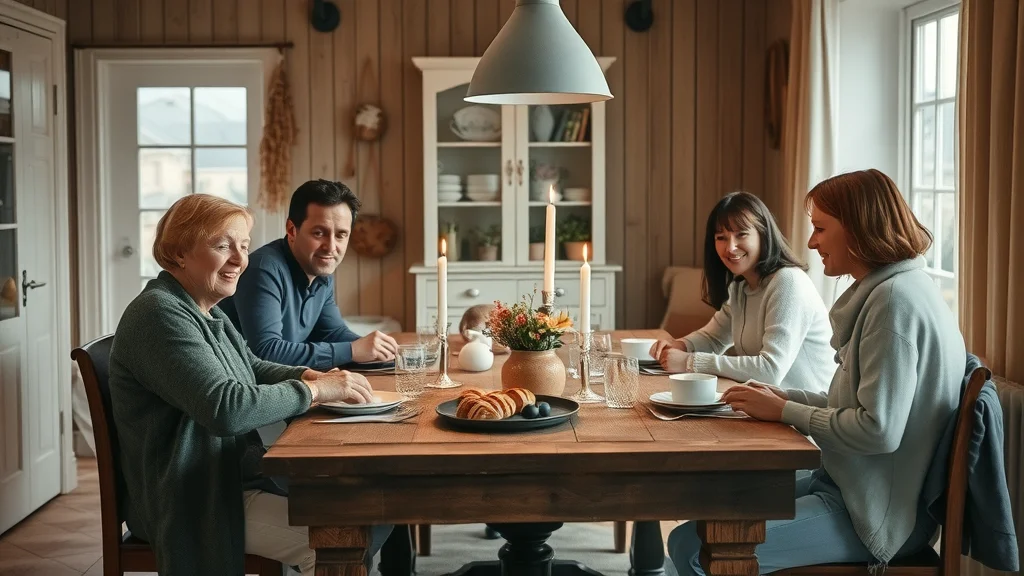
Aesthetic Danish home interior representing the hygge lifestyle, with a family around a rustic table under candlelight, homemade pastries, and minimalist decor

"The consistency of Danish culture in promoting connectedness and self-care makes hygge a true mental health asset." — Dr. Marianne Jensen, Psychiatrist

Why Denmark Is the Happiest Country: The Power of the Hygge Lifestyle

What is Denmark’s secret to consistently earning the “happiest country” title? Recent findings from the World Happiness Report and surveys by the Happiness Research Institute suggest a powerful correlation between social cohesion, low levels of stress, and the hygge lifestyle. While many cultures face increases in anxiety during colder months due to the body’s adrenal stress response, Danes counteract this with rituals of connection and comfort as highlighted in the book of hygge and modern happiness research.

Global happiness studies consistently show that countries emphasizing social trust, civic participation, and supportive communities foster higher levels of life satisfaction. The concept of hygge encourages Danes to spend quality time with friends and family—sharing meals, playing board games, and practicing gratitude. These practices, embedded deeply in Danish culture, have measurable effects on mental resilience, mood regulation, and even physical health.

As public health experts like Dr. Lars Berglund affirm, “Social bonding, a cornerstone of hygge, directly contributes to lower stress levels and improved immune function.” The lesson? Prioritizing togetherness and everyday comfort isn’t just pleasant—it’s transformative.

Joyful Danish city scene in winter with people demonstrating the hygge lifestyle by laughing and walking under glowing cafe lights in the snow

"Social bonding, a cornerstone of hygge, directly contributes to lower stress levels and improved immune function." — Dr. Lars Berglund, Public Health Specialist

How to Create a Hygge Life: Practical Ways to Adopt the Hygge Lifestyle

  1. Warm lighting and candles

  2. Comfortable throw blankets and soft furnishings

  3. Sharing meals with loved ones

  4. Mindful relaxation and unplugging

  5. Outdoor activities embraced even in winter

Bringing the hygge lifestyle into your own home isn’t complicated. Start with warm lighting and candles to create a soothing ambiance, then add layers with comfortable throw blankets and plush cushions. Sharing homemade dinners or snacks with close friends connects you to the heart of Danish culture, while mindful breaks—like unplugging electronics for a board game night or journaling with a cup of hot tea—enhance relaxation. Even outdoor time in winter, be it a brisk walk or gathering around a fire pit, aligns with the hygge approach: celebrate coziness, whatever the weather.

Wellness research indicates that embedding these practices into daily routines not only reduces stress but also supports long-term happiness. “Incorporating the hygge lifestyle into daily routines fosters overall happiness, reduces seasonal depression, and enhances immunity,” says Dr. Emma Lund, a licensed wellness coach.

Notice how even simple pleasures, like a cup of cocoa enjoyed outdoors or a soft throw blanket by the fire, can turn ordinary moments into restorative rituals. By making small, intentional changes, anyone can tap into the Nordic secret of happy living.

Friends practicing the hygge lifestyle outdoors around a firepit drinking cocoa in a snowy yard, with fairy lights and throw blankets

"Incorporating the hygge lifestyle into daily routines fosters overall happiness, reduces seasonal depression, and enhances immunity." — Dr. Emma Lund, Licensed Wellness Coach

Ten Principles of the Hygge Lifestyle: Core Elements of Happiness and Health

Principle

Explanation

Comfort

Soft textures, warm settings

Togetherness

Quality time with friends/family

Mindfulness

Present-moment enjoyment

Simplicity

Focusing on essentials

Gratitude

Appreciating small joys

Harmony

Uncluttered, peaceful environments

Truce

Avoiding drama and conflict

Indulgence

Enjoying treats in moderation

Presence

No distractions

Shelter

Making your space an oasis

People Also Ask: The Hygge Lifestyle

What are the 10 principles of hygge?

The 10 principles of the hygge lifestyle focus on comfort, togetherness, mindfulness, simplicity, gratitude, harmony, truce, indulgence, presence, and shelter. Each supports wellbeing and happiness, as detailed in the principles table above. By intentionally weaving these elements into your routines—such as embracing soft textures, seeking harmony in your space, and practicing gratitude—you can cultivate the same sense of joyful resilience found in Danish homes. The hygge manifesto encourages everyone to slow down, appreciate life’s details, and build emotionally secure environments.

How do Danish pronounce hygge?

In Danish, 'hygge' is pronounced 'hoo-guh.' The Danish word has no exact English equivalent but is central to how people in Denmark create their signature sense of coziness and contentment during even the harshest winters.

How do you practice hygge?

Practice the hygge lifestyle by curating a cozy environment—dim lighting, candles, and warm throw blankets are essentials. Enjoy comfort foods like pastries or hot tea, and devote time to quality time with loved ones, perhaps while playing board games. Mindfulness and gratitude are pivotal: savor a good book, reflect on small joys, and unplug from digital distractions for deeper connection. In essence, anything considered hygge underscores both physical comfort and heartfelt togetherness.

Solo person practicing the hygge lifestyle curled up with a book and throw blanket in a tranquil, cozy living room

What is the English equivalent of hygge?

While there is no direct equivalent in the English dictionary, words like “coziness,” “comfort,” “contentment,” or even “happy living” come close to conveying the danish concept of hygge. Yet, what sets hygge apart is its communal dimension and focus on intentional rituals that nurture both body and mind.

Hygge Life Around the Globe: Adapting the Hygge Lifestyle Beyond Danish Art and Culture

  • Popular adaptations in the US, UK, and Canada

  • Lifestyle trends influenced by the hygge lifestyle

  • Tips for incorporating the concept of hygge into different climates

The hygge lifestyle may be Danish in origin, but its influence has spread far beyond Scandinavia. Increasingly, homes across the US, UK, and Canada borrow from Danish culture by layering soft textiles, prioritizing warm lighting, and designing inviting spaces for gathering. In colder climates, the adoption of hygge principles—like prioritizing indoor comfort without sacrificing outdoor enjoyment—helps combat winter blues.

Even in milder regions, adopting the concept of hygge can promote a slower pace, deeper self-care, and greater daily joy. Driven by widespread well-being trends and the popularity of books like Meik Wiking’s Book of Hygge, the global embrace of these Danish secrets marks a cultural shift toward happy living everywhere.

For those seeking to integrate danish culture into daily life, try adding personal touches like aromatherapy, natural wood finishes, or family traditions that encourage presence. Whether you live in a bustling city or a quiet suburb, the essence of the hygge life is accessible: focus on quality time, celebrate small victories, and cultivate spaces that feel safe and serene, no matter what is happening outside.

A diverse group enjoying the hygge lifestyle in a Scandinavian-inspired home with a roaring fireplace and soft furnishings

Frequently Asked Questions About the Hygge Lifestyle

  • How often should you practice the hygge lifestyle?
    The hygge lifestyle is flexible—many Danes practice hygge daily through rituals like communal meals or evening relaxation. Aim to integrate at least one hygge-inspired activity each day for steady benefits.

  • What décor is essential for the hygge lifestyle?
    Essential décor includes candles, soft throw blankets, natural textures like wood or wool, comfortable seating, and warm lighting—every item should enhance comfort and connection.

  • Is the hygge lifestyle only for winter?
    While the hygge lifestyle is closely tied to winter, its principles work year-round. In warmer months, swap out blankets for breezy fabrics, enjoy al fresco dining, and focus on togetherness.

  • Are there health risks to the hygge lifestyle?
    There are no inherent health risks—when practiced mindfully, the hygge lifestyle supports mental and physical health. As with indulgent treats, moderation is key for balance.

Key Takeaways: Why Everyone Should Try the Hygge Lifestyle

  • The hygge lifestyle fosters happiness and resilience, especially in harsh winters.

  • Rooted in Danish culture, it can be tailored for global well-being.

  • Expert-backed health benefits include lower stress and improved mood.

Ready to Embrace the Hygge Lifestyle? Start Small and Transform Your Winter Wellbeing

Take the first step toward a healthier, happier winter by integrating the hygge lifestyle into your daily routines. Cozy evenings, mindful moments, and warm company await. Explore our downloadable guide to kickstart your hygge journey.

Build your happiest winter yet—the hygge lifestyle is your invitation to warmth, health, and togetherness regardless of the weather.

If you’re inspired by the Danish approach to wellbeing, consider how other lifestyle choices can further enhance your health and happiness throughout the year. For example, spending quality time with pets has been shown to boost mood, reduce stress, and foster a sense of connection—benefits that beautifully complement the principles of hygge.

Discover the science-backed ways your furry friends can elevate your total health by exploring how pet time supports wellbeing. Embracing a holistic approach to comfort, connection, and self-care can help you thrive in every season.

Sources

  • World Happiness Report – https://worldhappiness.report/

  • Happiness Research Institute – https://www.happinessresearchinstitute.com/

  • Harvard Health – https://www.health.harvard.edu/mind-and-mood/hygge-the-danish-secret-to-happy-living

To deepen your understanding of the hygge lifestyle and its impact on well-being, consider exploring the following resources: “Hygge, the Nordic Trend That Could Help You Survive 2016” This article delves into how the Danish concept of hygge emphasizes positivity, enjoyment of everyday experiences, and togetherness, offering a comforting approach to navigating challenging times. (time.com)

“What Is Hygge? What to Know About Denmark’s Cozy Lifestyle” This piece provides insights into the tenets of a hygge lifestyle, highlighting elements like cozy environments, comfort foods, and mindful practices that contribute to a sense of well-being. (afar.com)

If hygge resonates with you, these resources go beyond the basics. They offer genuine insights and practical approaches to help you build a life that truly feels like home. NCWellnessHub.com

Lifestyle

Write A Comment

*
*
Related Posts All Posts

Healthy Holiday Hacks: How to Enjoy Christmas Dinner Without the Food Coma

Discover practical healthy Christmas dinner tips to enjoy holiday feasts without the food coma. Balance, energy, & joy—all on one plate! #ChristmasDinner #HealthyHolidays

Feel-Good Gift Giving: The Psychology of Generosity and Why It Boosts Your Health

Discover the surprising health benefits of giving: lower blood pressure, reduced stress, stronger immunity & longer life. Science proves generosity is the ultimate wellness hack

Why Your Immune System Desperately Needs a Break This Holiday Season (Before the Eggnog Does It In)

Why Your Immune System Desperately Needs a Break This Holiday Season (Before the Eggnog Does It In)Let's be honest: your immune system has been working overtime all year, and it's about as excited about the upcoming holiday marathon as you are about that third family gathering in a week. Between endless shopping trips, late-night gift wrapping sessions, and that ambitious plan to make everything from scratch (spoiler: you won't), your body's defense team is waving a white flag.Here's the thing nobody tells you: while you're planning the perfect holiday spread, your immune system is plotting its own vacation. And trust me, you don't want it checking out right before Aunt Martha asks why you're still single while passing around a dish that's been sitting out for three hours.The Holiday Immune System Crisis Nobody's Talking AboutWe've all been there. You power through November like a champion, survive Black Friday (barely), deck the halls with military precision, and then—WHAM—you're sick right before the main event. It's almost like your immune system has a twisted sense of humor.But here's what's actually happening: According to the Centers for Disease Control and Prevention, physical activity can significantly lower your risk of dying from flu or pneumonia. Yet during the holidays, we somehow convince ourselves that running around a crowded mall counts as cardio. (Spoiler: it doesn't.)Dr. Leana Wen, emergency physician and clinical associate professor at George Washington University, explains that strong, healthy immune systems reduce the risk of contracting infectious diseases and falling seriously ill from them. Think of your immune system as the bouncer at an exclusive club—it needs to be well-rested and alert to keep the troublemakers (viruses and bacteria) from crashing your holiday party. The Science Behind Why You Always Get Sick During the HolidaysHere's the uncomfortable truth: your immune system isn't just being dramatic. Research shows that restricting sleep to just four hours for one night can reduce natural killer cell activity to 72% of normal levels. These cells are basically your body's special forces unit, and you're sending them into battle after pulling an all-nighter wrapping presents.Even more concerning? Studies indicate that consuming high amounts of ultraprocessed foods may shorten lifespan by more than 10%. Those holiday cookies that mysteriously multiply in your kitchen? Your immune system is taking notes.The holiday season creates the perfect storm for immune system sabotage: less sleep, more stress, worse food choices, and crowds of people sharing more than just holiday cheer. It's like inviting trouble to dinner and giving it the best seat at the table.Your Immune System's Holiday Survival GuideSleep: Your Secret Weapon (That You're Probably Ignoring)Remember when you thought you'd "catch up on sleep" after the holidays? Your immune system is laughing at you right now. Quality sleep isn't negotiable—it's when your body produces protective cytokines and sends out its cleanup crew to repair daily damage.Think of sleep as your immune system's time to hit the gym. Skip it, and you're sending a couch potato to defend your castle. Not exactly a winning strategy when cold and flu season is in full swing.Tip: Aim for seven to nine hours of sleep nightly. Yes, even during the holidays. That last episode can wait. Your health can't. The Food Situation: It's ComplicatedLook, I'm not going to tell you to skip Grandma's famous pecan pie. I'm not a monster. But here's the deal: your immune system needs actual fuel, not just sugar and nostalgia.Dr. John Greene, chair of the Infectious Diseases Program at Moffitt Cancer Center, emphasizes the importance of maintaining a balanced diet, noting that overeating and excessive alcohol consumption can strain your body and weaken your immune system.The immunity-boosting game plan:Fill half your plate with colorful vegetables (yes, green bean casserole counts, but let's not get carried away)Choose lean proteins that actually fuel your body's defense systemEat foods rich in vitamin C, zinc, and antioxidants—your immune cells run on this stuffStay hydrated with actual water, not just "festive beverages"Enjoy the treats, but remember: moderation is the gift that keeps on givingMove Your Body (Even If It's Just to the Mailbox)Exercise stimulates your immune system in ways that sitting on the couch watching holiday movies simply can't match. And no, frantic last-minute shopping doesn't count as structured physical activity, even though it feels like a marathon.Even a 20-minute walk can boost circulation and support immune function. Think of it as taking your immune system to its favorite spa. Plus, it's a legitimate escape from holiday chaos. You're welcome.Stress: The Grinch That Stole Your ImmunityChronic stress is like kryptonite for your immune system. It weakens your body's ability to fight off infections faster than you can say "family dinner politics." The holidays can be stressful, with travel, shopping, hosting, and navigating complex family dynamics that would challenge even the most seasoned diplomat.Stress-busting strategies that actually work:Practice deep breathing exercises (preferably before, not during, family debates)Set realistic expectations (Martha Stewart is not your competition)Learn to say no (revolutionary concept, I know)Take genuine breaks, not just Instagram-worthy onesRemember: perfection is overrated and exhaustingThe Hand Washing Reality CheckThis sounds basic because it is, but it's also wildly effective. Washing your hands thoroughly with soap and water for at least 20 seconds is one of the simplest ways to avoid getting sick. It's the immune system equivalent of defensive driving—simple, boring, and ridiculously effective.Bonus: Keep hand sanitizer in your bag, car, and probably your pocket. Holiday gatherings are basically germ conventions. The Celebrity Wellness ConnectionEven celebrities with access to the best healthcare and wellness resources prioritize immune health during demanding seasons. Gwyneth Paltrow has been vocal about using immune-boosting IV therapy and supplements, particularly noting their usefulness for fighting long-term inflammatory conditions. She told Harper's Bazaar that she gets NAD+ IV drips every few months, explaining: "I find IVs incredibly helpful for anything chronic" and especially useful during flu season.While you don't need celebrity-level wellness treatments to boost immunity during holidays, their focus on prevention rather than reaction offers valuable insight. The lesson? Don't wait until you're sick to prioritize your immune health.The Vaccination ConversationLet's address the elephant in the room: vaccines. Getting your annual flu shot and COVID-19 vaccine isn't just good practice—it's giving your immune system a cheat sheet for the test. These vaccines help build immunity against specific diseases, so your immune system isn't caught off guard when viruses start making the rounds at holiday gatherings.It takes about two weeks for your body to build up antibody responses after vaccination, so don't wait until the day before Thanksgiving dinner. Plan ahead, and give your immune system the backup it deserves.The Holiday Gathering StrategyHere's where things get real. Holiday gatherings are inevitable, and they're often in enclosed spaces with people who've been traveling from who-knows-where. It's a virus's dream vacation.Smart socializing tips:If you're feeling even slightly under the weather, stay home (no, your famous stuffing isn't worth getting everyone sick)Avoid sharing drinks or utensils (I know, shocking concept at family gatherings)Keep hand sanitizer accessible and actually use itConsider the venue—outdoor gatherings significantly reduce transmission risksRespect others' health boundaries without making it weirdThe Surprising Truth About Holiday TogethernessHere's an unexpected twist: while stress weakens your immune system, genuine connection with loved ones can actually strengthen it. Research shows that loneliness and feeling isolated can impair immune function. The holidays might be tiring and stressful, but being together with those you love—whether family or chosen family—can bring benefits to both emotional and physical health.The key word here is "genuine." Forced interactions at obligatory events don't count. Quality over quantity applies to relationships just as much as it applies to hors d'oeuvres.Your Pre-Holiday Immunity ChecklistTwo weeks before the big feast:✅ Get vaccines if needed (flu shot, COVID booster)✅ Stock up on immune-supporting foods (citrus fruits, leafy greens, lean proteins)✅ Establish a realistic sleep schedule (and actually stick to it)✅ Start a daily 20-minute movement routine✅ Practice stress management techniques (find what works for you)One week before:✅ Meal prep healthy options so you're not relying on convenience foods✅ Limit alcohol consumption (your liver and immune system will thank you)✅ Stay hydrated—aim for eight glasses of water daily✅ Continue prioritizing sleep (yes, still)✅ Avoid overcommitting to events (FOMO is not worth the flu)The day before:✅ Get a full night's sleep (non-negotiable)✅ Eat balanced meals with plenty of vegetables✅ Stay hydrated (did I mention this already? It's that important)✅ Take breaks during prep work✅ Remember: your worth isn't determined by how many side dishes you makeThe Bottom Line: Your Immune System Deserves BetterYour immune system has been protecting you all year long, fighting off countless threats you didn't even know existed. The least you can do is give it a fighting chance during the most demanding season of the year.This isn't about being perfect or turning into a wellness influencer overnight. It's about making small, sustainable choices that add up to big immune system support. Sleep more. Move your body. Eat real food alongside the treats. Wash your hands. Manage stress. Get vaccinated. Show up for loved ones. Think of it this way: you wouldn't ask a friend to work overtime for months without proper rest, nutrition, or support, right? So why would you do that to your immune system?This holiday season, give yourself permission to prioritize health over perfection. Your immune system isn't just along for the ride—it's the driver keeping you safe so you can actually enjoy the festivities. Maybe it's time we all gave it a holiday too.Final Thoughts: The Gift of HealthThe best holiday gift you can give yourself and your loved ones isn't wrapped in fancy paper—it's showing up healthy, present, and able to actually enjoy the season. By taking care of your immune system now, you're investing in memories you'll actually remember (and not through a fog of cold medicine).So yes, enjoy the feast. Savor the treats. Celebrate with gusto. But do it with a immune system that's ready to party, not one that's ready to quit. Your future self—and everyone at your holiday table—will thank you.About the Author's Intent: This article incorporates research-backed health information and expert insights to help you maintain optimal immune function during the demanding holiday season. While we strive for accuracy, always consult with your healthcare provider for personalized medical advice.References:Centers for Disease Control and Prevention (CDC), NIOSH Training for Nurses on Shift Work and Long HoursDr. Leana Wen, Emergency Physician and Clinical Associate Professor at George Washington UniversityDr. John Greene, Chair of Infectious Diseases Program, Moffitt Cancer CenterVarious peer-reviewed studies on sleep, immunity, and holiday healthTo continue your learning, you’ll find more articles and guides at: NCWellnessHub.com

Terms of Service

Privacy Policy

Core Modal Title

Sorry, no results found

You Might Find These Articles Interesting

T
Please Check Your Email
We Will Be Following Up Shortly
*
*
*