


Ever felt puzzled watching tiny skin tags emerge seemingly out of nowhere? Many share that silent frustration and curiosity
How Do Skin Tags Appear: Understanding the Basics
"Many people are surprised by the sudden emergence of skin tags—but understanding their formation is the first step to managing them." — Dr. Megan Hall, Dermatologist
Definition of skin tags: Soft, small, benign skin growths that commonly develop where skin rubs against skin or clothing.
What causes skin tags: Skin tags appear primarily because of repeated friction, hormonal changes, or underlying metabolic shifts.
Common misconceptions debunked: Skin tags are not contagious, not caused by viruses, and most are harmless.
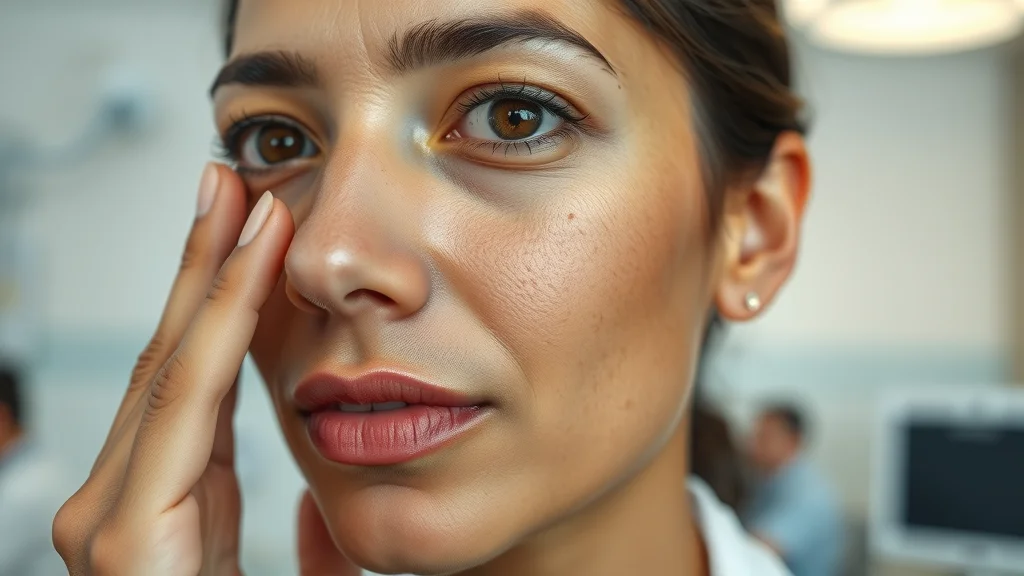
What You'll Learn about How Skin Tags Appear
The science behind how skin tags appear
Risk factors and causes
When to be concerned about skin tags
Options for removal and management
What Are Skin Tags? Differentiating Skin Growths
Skin tags, or acrochordons, are small, soft, flesh-colored growths that hang off the skin. They commonly develop in high-friction areas such as the neck, underarms, eyelids, and groin. Many people mistake them for other skin conditions. While skin tags are soft and often small, they can range in size.
Other skin growths such as moles or warts have differing causes and characteristics, which is why it's important to identify them correctly for proper care and possible tag removal.
Skin Tag vs. Other Common Skin Growths
Moles are usually pigmented and can be flat or raised, while skin tags are soft, moveable, and flesh-toned.
Warts often have a rougher surface and are caused by the human papillomavirus (HPV), unlike skin tags which do not result from infection and are not contagious.
Other skin growths such as seborrheic keratoses have waxy surfaces, while skin tags remain smooth and soft.
"Understanding the distinction between skin tags and other growths helps patients seek appropriate treatment." — Dr. Priya Shah, Family Physician

How Do Skin Tags Appear: The Development Process
The formation of skin tags is a gradual process that starts with repeated skin friction. This friction occurs when skin rubs against skin or clothing, creating mild irritation. Over time, this leads to a small outgrowth of skin. Eventually, a mature skin tag forms, often tethered to the surface by a thin stalk containing blood vessels and collagen fibers.
Skin tags are harmless and non-cancerous, but their location and appearance can be bothersome, making some people seek skin tag removal or professional guidance from a care provider if the appearance bothers them.
While skin tags and warts can sometimes be confused due to their appearance, their causes and treatments differ significantly. If you're interested in understanding how dermatologists approach wart treatment and how it contrasts with skin tag care, you might find these simple tips and tricks for treating warts like a dermatologist especially helpful.
Step-by-Step: From Skin Friction to Skin Tag Formation
Initial irritation or rubbing: Skin frequently rubs against itself or clothing, especially in high-friction zones such as armpits and neck.
Small protrusion forms: Irritation causes a minor inflammation response, leading to a small bump as skin cells proliferate.
Mature skin tag develops: Over time, the bump grows, forms a stalk, and becomes the benign, soft growth recognized as a skin tag.
Stages of Skin Tag Development |
Description |
|---|---|
Initial Friction |
Skin areas rub together |
Irritation |
Minor inflammation occurs |
Papule Formation |
Small bump begins to appear |
Mature Tag |
Fully developed skin tag appears |
Why Do Skin Tags Suddenly Appear?
Sudden emergence of skin tags often coincides with significant lifestyle changes or bodily events. Key contributors to how skin tags appear include obesity (increased skin folds and friction), hormonal fluctuations such as those during pregnancy or aging, and a strong familial tendency or genetic predisposition.
In many cases, tags often grow where there’s constant rubbing against skin or clothing. People are sometimes surprised to see multiple new skin tags develop in a short span, especially under the arms, on the neck, or around the groin after gaining weight or during hormonal changes.
Common Triggers and Contributing Factors
Obesity and skin folds
Hormonal changes (pregnancy, aging)
Genetics and family history
"Obesity and hormonal shifts are among the top contributors to skin tag formation." — Dr. Elijah Park, Endocrinologist
Answer: Why do skin tags suddenly appear?
Visible in areas of high friction or hormonal fluctuation; typically harmless but may signal metabolic changes.

What Are Skin Tags a Warning For? Health Connections
While skin tags are generally harmless, research has linked frequent or multiple skin tags to underlying health conditions. Studies indicate a correlation between skin tags and metabolic syndrome, diabetes risk, and hormonal imbalances, particularly in individuals with insulin resistance or obesity.
Multiple skin tags appearing in a short span might prompt a healthcare provider to screen for metabolic syndrome, blood sugar irregularities, or endocrine dysfunction. Although tags are harmless, their growth pattern can offer valuable insight into one’s broader health profile and serve as an early, visible warning sign.
Are Skin Tags Linked to Other Conditions?
Research links with:
Metabolic syndrome
Diabetes risk
Hormonal imbalances
"While usually benign, skin tags can sometimes correlate with underlying health risks like insulin resistance or obesity." — Dr. Karen Liu, Internal Medicine
What are skin tags a warning for?
Often harmless, but multiple skin tags may prompt screening for metabolic issues.
Is It Okay to Just Pull Off Skin Tags? Risks and Precautions
Removing skin tags at home might seem like a quick fix, but self-removal can be risky. Pulling off skin tags can introduce infection, lead to unnecessary bleeding, scarring, and may not remove the tag completely, causing it to grow back or leave an unsightly mark.
In delicate or highly visible areas, improper tag removal can even result in permanent damage or worsen skin conditions. Consulting a care provider ensures the safest approach for skin tag removal and minimizes the risk associated with DIY methods.
Dangers of Self-Removal
Infection risk
Scarring
Unnecessary bleeding

Expert Guidance for Safe Skin Tag Removal
Consulting a healthcare provider for skin tag removal
Answer: Is it okay to just pull off skin tags?
Pulling off skin tags is not recommended due to infection and bleeding risk. Professional removal is safest.
What Removes Skin Tags Instantly? Effective Solutions
When considering how to remove a skin tag safely, instant methods generally require medical intervention. The fastest and most reliable way to have skin tags removed is through professional in-office procedures by a dermatologist or medical esthetics expert.
Common methods include cryotherapy (freezing the tag), ligation (cutting off the blood supply), excision (snipping the tag), and cauterization (burning the tissue). Unlike home remedies, these professional procedures minimize complications and ensure that tags are removed quickly and cleanly.
Medical Procedures for Skin Tag Removal
Cryotherapy (freezing)
Ligation
Excision
Cauterization

Home Remedies and Over-The-Counter Options
OTC skin tag removal kits
Risks of home remedies
What removes skin tags instantly?
Medical procedures provide the quickest and safest removal.
"There is no truly 'instant' fix—professional skin tag removal is the most effective and safest route." — Dr. Sofia Ramirez, Medical Esthetics Expert
How Do Skin Tags Appear: Who Is Most at Risk?
Individuals with obesity
Older adults
Pregnant women
Those with insulin resistance
Risk Populations |
Associated Causes |
|---|---|
Obese Individuals |
Friction, skin folds |
Older Adults |
Aging & hormonal shifts |
Pregnant Women |
Hormonal changes |
Diabetics |
Metabolic imbalances |
How Do Skin Tags Appear: Prevention and Management Tips
Although not all skin tags can be prevented, adopting certain lifestyle and skincare habits can lower the risk of developing new tags. Maintaining a healthy weight decreases skin folds and reduces friction. Practicing daily skin hygiene, choosing non-irritating fabrics, and promptly managing medical conditions that elevate risk (such as diabetes) also help minimize skin tag formation. If a skin tag's appearance bothers you or if you are concerned about skin conditions, prompt consultation with a healthcare provider is always advised.
Reducing Risk: Practical Strategies
Maintain healthy weight
Practice daily skin hygiene
Use non-irritating fabrics
Monitor and manage medical conditions
Top 5 Prevention Tips for Skin Tags:
Stay at a healthy weight
Wear breathable, soft clothing
Reduce skin friction with powders or anti-chafing products
Manage hormonal and metabolic conditions with regular checkups
Keep skin dry and clean, especially in body folds

How Do Skin Tags Appear: When to See a Healthcare Provider
While most skin tags are harmless, there are times when seeing a healthcare provider is important. Rapid changes in the color, size, or shape of a skin tag, pain, frequent bleeding, or uncertainty about whether a growth is actually a skin tag all warrant professional evaluation. Skin tags very rarely become cancerous, but unusual skin growth should always be checked by a care provider to rule out skin cancer or other serious conditions. Early assessment allows for safe skin tag removal and peace of mind.
Signs a Skin Tag Needs Medical Attention
Rapid changes in color or size
Pain, bleeding, or irritation
Uncertainty if a growth is a skin tag
"If a skin tag changes rapidly or causes discomfort, consult a professional to rule out other conditions." — Dr. Jason Allen, Board-Certified Dermatologist
How Do Skin Tags Appear: Myths and Facts
Skin tags are not contagious
They are not caused by viruses
Can be safely removed by qualified professionals
-
Common Myths about Skin Tags Debunked:
Myth: Skin tags will grow back more if cut off — Fact: Removal does not cause them to multiply.
Myth: Skin tags are a form of skin cancer — Fact: They are benign and not cancerous.
Myth: Home remedies always work — Fact: Safety relies on proper technique and professional oversight.
How Do Skin Tags Appear: FAQs
Where do skin tags most commonly develop?
Skin tags often grow in areas where skin rubs against skin, especially the neck, armpits, eyelids, groin, and under the breasts.Are skin tags hereditary?
There is evidence that genetics play a role; if you have family members with skin tags, you're more likely to develop them.Can skin tags become cancerous?
No, tags are harmless and do not turn into skin cancer. However, unusual or rapidly changing skin growth should be checked by a care provider.Does weight loss make skin tags disappear?
Weight loss might reduce new skin tag formation by decreasing skin folds, but existing tags usually do not disappear on their own and may require tag removal.
Key Takeaways: How Do Skin Tags Appear
Friction and hormonal changes are major contributors
Often benign, but can signal health risks
Professional removal is safest option
Watch for atypical features
References, Sources, and Further Reading
Discover more trusted information like this at: NCWellnessHub.com
Conclusion: By understanding how skin tags appear, you can manage them smartly—recognize risks, practice prevention, and seek expert guidance for removal or concerns.
If you’re eager to expand your knowledge on skin health and explore more advanced strategies for managing common skin concerns, NCWellnessHub offers a wealth of expert-backed resources. Delve into topics that go beyond skin tags, from prevention to professional treatment options, and discover how a holistic approach can elevate your overall skin wellness. Take the next step in your skincare journey by exploring additional guides and insights available on our platform.
Skin tags, medically known as acrochordons, are small, benign skin growths that commonly develop in areas where skin rubs against skin or clothing, such as the neck, underarms, eyelids, and groin. They are typically flesh-colored and attached to the skin by a narrow stalk. While generally harmless, skin tags can become irritated if they are in areas where they are frequently rubbed. (aad.org)
The exact cause of skin tags is not fully understood, but they are more prevalent in individuals who are overweight, have diabetes, or have a family history of skin tags. Friction from skin rubbing against skin is thought to play a significant role in their development. (medlineplus.gov)
If a skin tag becomes irritated, painful, or if its appearance is bothersome, it can be removed by a healthcare professional through methods such as cutting it off with sterile scissors, freezing it with liquid nitrogen, or burning it off with an electric current. It’s important to consult a healthcare provider for proper diagnosis and safe removal. (webmd.com)




Write A Comment