


Did you know hormonal acne affects nearly 50% of adolescents, impacting their confidence? Understanding its causes and solutions can transform your child's skin and self-esteem, unlocking clearer days ahead. Let's explore effective fixes that truly work for youthful, sensitive skin.

Understanding Hormonal Acne in Adolescents
What is hormonal acne? Hormonal acne refers to breakout patterns directly linked to shifts in hormone levels, like those seen during puberty. While all types of acne involve clogged pores, hormonal acne specifically arises when hormone fluctuations (particularly androgens) stimulate excess sebum production. This can lead to oily skin and inflamed bumps, especially in kids entering their adolescent years.
Differences between hormonal acne and other types of acne: Unlike common acne—which can result from bacterial growth, environmental factors, or care products not suited for sensitive skin—hormonal acne is deeply tied to internal changes. It usually presents with deeper, painful pimples and is more resistant to general over-the-counter acne treatments meant for simple blackheads and clogged pores.
Why hormonal acne affects kids and adolescents: The surge in hormone levels during puberty drives changes in skin cell turnover and increases the production of sebum. This makes kids and preteens more susceptible to hormonal acne, especially if there’s a family history of oily skin or severe acne.
Prevalence: Hormonal acne in adult female vs children: While hormonal acne in adult female populations is well-known, younger skin is often overlooked. In children, hormonal acne affects roughly half of all adolescents, but it's often less chronic compared to adult women, who may experience persistent breakouts tied to their menstrual cycle or perimenopause.

The Causes of Hormonal Acne in Kids
Hormonal Changes During Puberty
Puberty brings about a surge in hormones such as androgens, which trigger sebaceous glands in the skin to produce more oil. This excess sebum, especially when combined with the rapid shedding of skin cells, can block hair follicles and set the stage for hormonal acne.
Kids often notice new or worsening breakouts around their T-zone and chin as these changes accelerate. While hormonal acne can occur at any age, this spike during puberty is a significant differentiator from adult acne, which might have other triggers or appear in different locations.
In contrast, hormonal acne in adult women often occurs cyclically, with flares around the menstrual cycle or during perimenopause. Adult female acne tends to be more persistent, and the scarring can be more significant due to skin changes with age. For adolescents, the focus is on managing sudden fluctuations, whereas in adults, the goal may also include addressing chronic hormonal imbalance.
Genetic and Environmental Factors
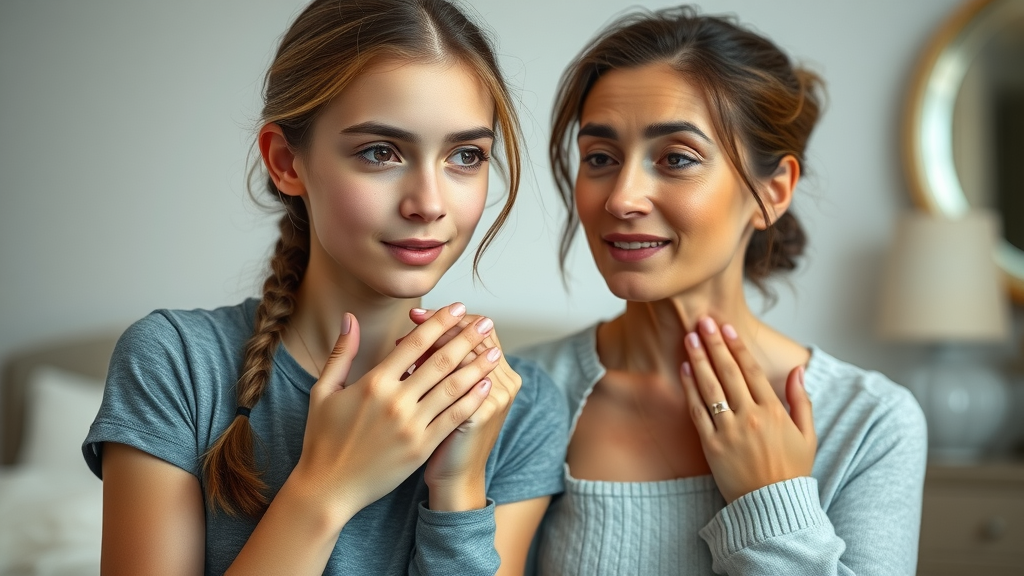
Family history plays a significant role in the likelihood of developing hormonal acne. If a parent or sibling suffered from severe acne or oily skin, the child is more genetically predisposed to experience similar breakouts. This inherited trait can determine not only the severity but also the age of onset and the skin’s sensitivity to care products and treatments.
Environmental triggers—like diet, stress, and lifestyle—can fuel hormonal imbalance and worsen acne. Kids under academic stress or consuming excessive sugar and dairy may notice flare-ups, as these factors are believed to affect sebum production and inflammation. While diet alone isn’t always the root cause, it can amplify existing tendencies toward hormonal acne when combined with genetics and puberty.
For families with a strong history of breakouts, understanding the hereditary aspect of acne can be especially helpful. If you’re curious about how genetics influence skin health and what proactive steps you can take, explore this in-depth guide on genetic acne management and care strategies.
Recognizing Symptoms: Is It Hormonal Acne?
Signs of hormonal acne in kids: Hormonal acne often shows up as deep, red, and sometimes painful pimples, usually along the lower cheeks, jawline, and chin—areas where hormone-driven oil glands are most active. The acne affects these specific regions more consistently than other forms, such as common blackheads or whiteheads seen on the nose or forehead.
How hormonal acne differs from severe acne and common acne: While severe acne can involve widespread cystic outbreaks, hormonal acne in kids tends to be more centralized and follows a pattern related to puberty. Hormonal acne is less likely to involve the entire face and back in children but can be more stubborn than surface-level pimples.
Which areas of the face are most affected: Key areas include the chin, jawline, and sometimes the upper neck. The T-zone (forehead, nose, and chin) is common for early acne in children, but when hormones are the driver, breakouts may shift to the lower face regions.

"Hormonal acne in young people is not only common, but also very treatable with the right knowledge and gentle care." – Pediatric Dermatologist
Hormonal Acne vs. Adult Female Acne: What Parents Should Know
The key differences between hormonal acne in kids and adult females rest in the underlying hormone levels and skin cell response. Children experience surging hormones for the first time, while adult women often see spikes related to their menstrual cycle, pregnancy, or perimenopause.
Links to acne in women and adult female acne: Adult female acne is closely tied to hormonal fluctuation throughout life stages. Acne in adult women may be chronic, linked to using or coming off birth control, or associated with underlying conditions like PCOS. Understanding these differences guides a more appropriate acne treatment plan in children.
Implications for acne treatment: Kids often require milder topical treatment options and careful monitoring for side effects, whereas adult female acne may benefit from oral contraceptives or hormone therapy. Parents should remember that not all adult acne solutions are suitable for younger, more sensitive skin.
Why common adult acne solutions may differ for adolescents: Treatments that work for acne in women—like oral contraceptive pills or certain topical retinoids—are not always recommended for children due to their developing bodies. Pediatric dermatologists customize strategies to avoid potential long-term side effects and ensure safety.
Effective Hormonal Acne Treatments for Kids
First-Line Topical Treatments
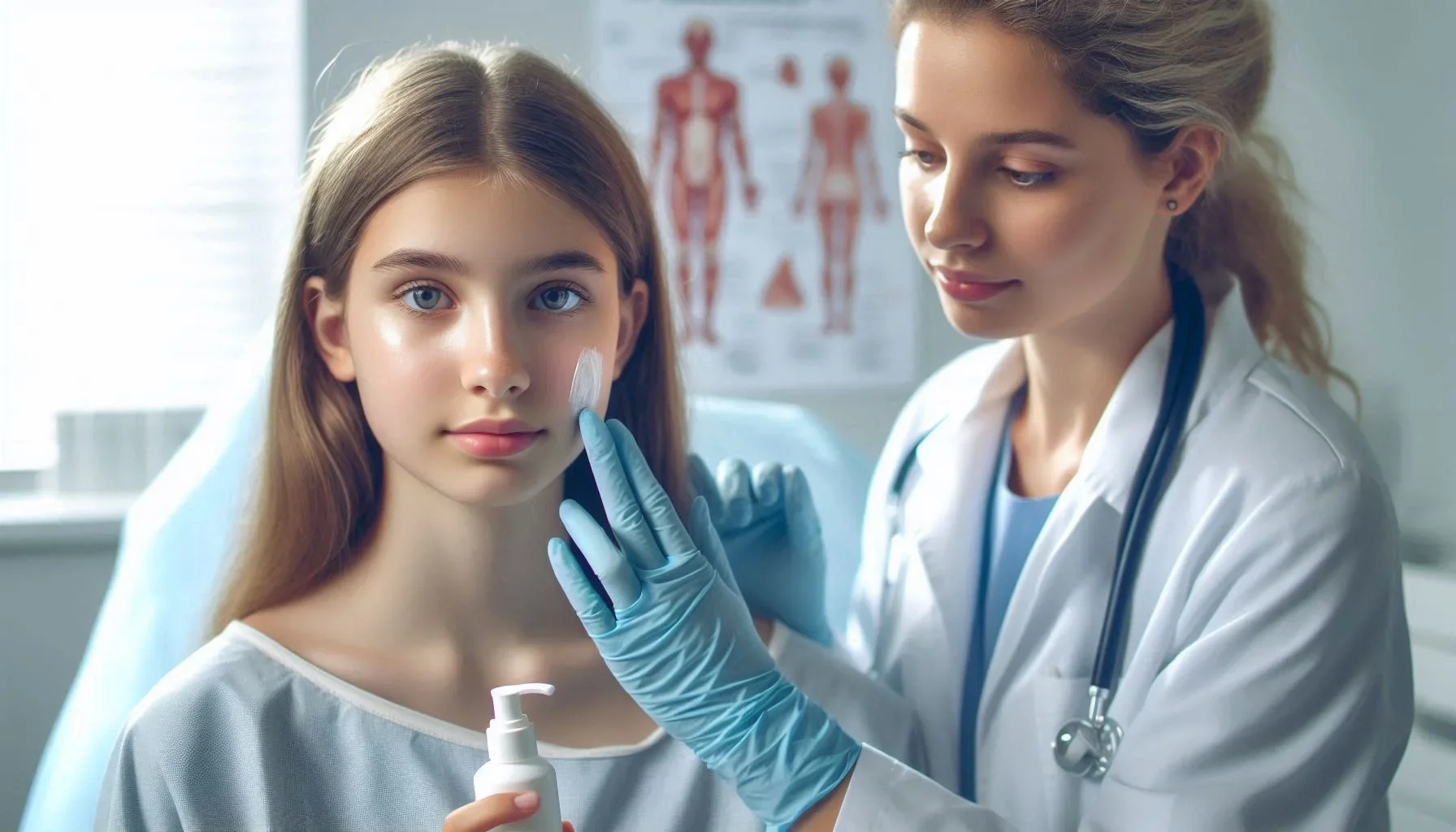
When it comes to topical treatment for children, the focus is on safety and gentle efficacy. Dermatologists often recommend topical retinoid creams or gels, as these support cell turnover and help prevent pores from clogging. Popular options include adapalene and tretinoin, which are approved for pediatric use in mild forms. Topical retinoids work by preventing dead skin cells from blocking hair follicles and calming inflammation, helping reduce both pimples and blackheads without causing extensive dryness.
Using a topical retinoid for hormonal acne in sensitive youth skin requires caution: Start with a pea-sized amount every other night, gradually increasing as tolerated. Always follow with a gentle, fragrance-free moisturizer and sunscreen in the morning, since retinoids can increase sun sensitivity. Parents should monitor for irritation and consult a dermatologist if redness or peeling persists.
Lifestyle and Skincare Routine Changes
Gentle cleansing routines are crucial. Encourage your child to wash their face twice daily with a mild, non-comedogenic cleanser. Harsh scrubbing and overuse of care products can irritate the skin and make hormonal acne worse. Kids should also avoid picking at pimples, which can lead to scarring and further inflammation.
The importance of non-comedogenic products can’t be overstated. Look for makeup and moisturizers labeled ‘oil-free’ or ‘won’t clog pores.’ These help prevent build-up in hair follicles, reducing the risk of more clogged pores, which hormonal acne affects most.
Diet and hormonal acne: Fact vs. Myth—Despite popular belief, there’s no single food that causes hormonal acne, but high sugar and dairy intake is occasionally linked to flare-ups. Encourage a balanced diet rich in vegetables and whole grains and monitor if any foods seem to worsen your child’s skin condition.
Prescription Options: When to See a Doctor
Oral Medications for Severe Acne
When hormonal acne progresses to severe acne or doesn’t respond to topical treatments, a dermatologist may prescribe oral medications. In pediatric cases, oral contraceptives are used only in teens who have started menstruating and after careful discussion of risks and benefits. Unlike in adult women, where oral contraceptive pills are a staple for hormonal acne, their use in children demands extra caution. Pediatricians consider the length of time on medication, the presence of family history of clotting disorders, and the child’s overall development.
Other oral treatments, such as certain antibiotics or anti-androgen medications, may be considered for stubborn cases. However, each carries unique benefits and potential side effects, so these options are typically reserved for those who haven’t improved with topical retinoids or non-medication-based routines.
Specialist Insight: Pediatric Dermatology
Dermatologists take a holistic approach to hormonal acne in children, assessing medical history, severity, and emotional impact before starting prescriptions. Pediatric skin is more delicate than adults', so doctors personalize the treatment plan, opting for milder or lower-strength acne treatments first and escalating only if breakouts remain persistent.
Referral to a specialist is recommended when acne causes scarring, involves large cysts, or doesn’t improve after several weeks of standard care. Severe acne can affect both the skin condition and a child’s self-esteem, making timely and expert-guided intervention essential.

Common Hormonal Acne Treatments: Benefits, Risks, and Suitability for Kids
Treatment |
Target Group |
Side Effects |
Effectiveness |
|---|---|---|---|
Topical retinoid (Adapalene, Tretinoin) |
Adolescents & Adults |
Irritation, dryness, sun sensitivity |
High for mild/moderate acne |
Non-comedogenic cleansers/moisturizers |
All ages |
Minimal; rare allergy |
Supportive for all acne types |
Oral contraceptive (teens+) |
Post-menarche adolescents, adult women |
Nausea, headache, rare blood clots |
High for hormonal acne |
Oral antibiotics |
Severe/persistent cases |
Stomach upset, resistance concerns |
Moderate, short-term use |
Anti-androgen medication |
Teens (select); adults |
Irritability, electrolyte imbalance |
High in resistant cases |
Natural and At-Home Approaches to Hormonal Acne
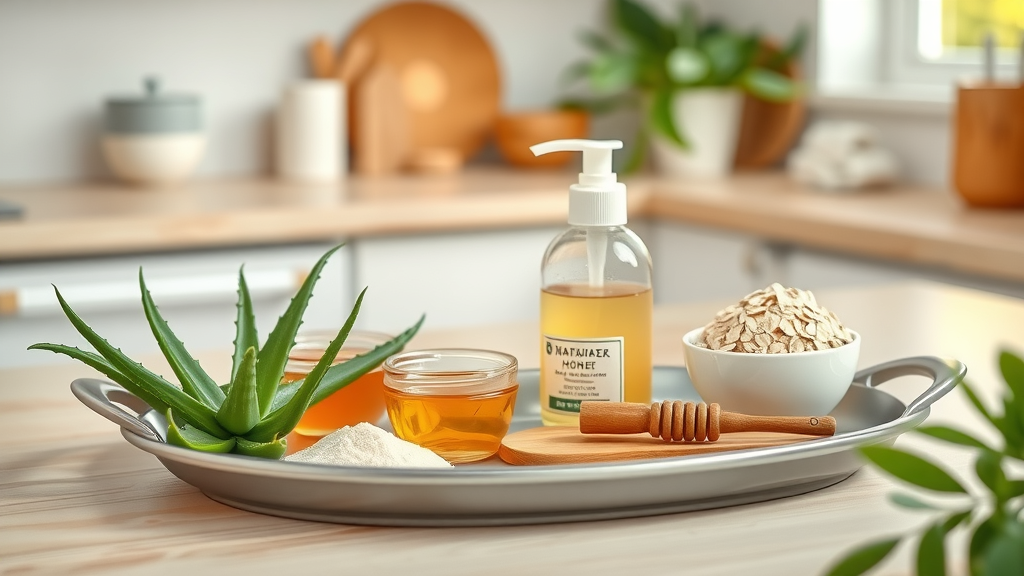
Common myths vs. evidence-based home remedies: While many home remedies—like toothpaste for pimples or abrasive scrubs—are popular, they can actually aggravate hormonal acne. Simple, gentle routines work best. Scientific support is strongest for non-irritating options, such as cool compresses to reduce inflammation or using a mild oatmeal mask to soothe the skin.
Which natural acne treatments are safe (and which to avoid): Safe options include gentle cleansing, applying pure aloe vera, and using fragrance-free moisturizers. Avoid harsh astringents, undiluted essential oils, and lemon juice, which can damage sensitive skin. Always patch-test any new home remedy before repeated use.
"Patience and consistent care are key to overcoming hormonal acne in children. No single treatment fits all." – Pediatric Skincare Specialist
How Hormonal Acne Can Affect Mental Health
The psychological impact of hormonal acne on kids and teens can be significant. Breakouts often coincide with sensitive periods in social development, potentially causing embarrassment, anxiety, and lower self-esteem. Children may feel singled out or teased at school, leading to avoidance of social activities.
Building confidence starts with support and encouragement from parents, caregivers, and health professionals. Acknowledging the challenges, offering reassurance, and providing access to reliable acne treatments can help children feel empowered during their journey to clearer skin.
Preventing Hormonal Acne Flare-Ups
Daily habits to minimize breakouts: Consistency is key. Encourage daily face washing with gentle cleansers, prompt removal of makeup, and the use of oil-free sunscreens. Keeping hair clean, changing pillowcases weekly, and avoiding touching the face can also help keep skin clear.
Environmental triggers for hormonal acne: Air pollution, high humidity, and exposure to greasy environments (like kitchens) can make hormonal acne worse. Kids involved in sports should shower soon after sweating to minimize clogged pores from sweat and dirt.
Long-term skincare planning through adolescence: Work with a dermatologist to adjust the treatment plan as kids grow. Hormone levels, skin care routines, and needs evolve, so flexible, age-appropriate solutions keep breakouts under control without over-treating the skin.
People Also Ask: How do I stop hormonal acne?
Answer: Steps Kids and Parents Can Take
Start by adopting daily gentle hygiene practices: Use mild, non-comedogenic products, keep hair and pillowcases clean, follow a simple routine, and avoid touching or picking at pimples. If over-the-counter products aren’t working, it’s wise to consult a pediatric dermatologist for a personalized treatment plan.
When to seek professional help: If hormonal acne becomes severe, causes pain or scarring, or impacts your child’s confidence, see a doctor. Early medical intervention can prevent long-term skin issues and emotional distress.
People Also Ask: How would I know if my acne is hormonal?
Answer: Identifying Hormonal Acne in Children
Typical age and signs for hormonal acne onset: Hormonal acne often appears between ages 10 and 16, coinciding with the onset of puberty. It typically affects the chin, jawline, and sometimes shoulders and chest.
Distinction from other skin conditions: Hormonal acne usually involves cyclical outbreaks, deeper red bumps, and clustered pimples around areas where hormonal shifts increase oil production. Rashes, persistent redness, or flaky patches may signal other skin conditions, so consulting a dermatologist can confirm the cause.
People Also Ask: What to do for perimenopausal acne?
Answer: Key Actions for Hormonal Acne Beyond Adolescence
Advice differs for adults vs. kids: Perimenopausal acne in adult women and adult female acne in general may benefit from hormonal regulation through oral contraceptive pills or hormone therapy, options not suitable for children. Still, basic care—like gentle cleansing, sun protection, and selective use of topical treatments—applies to all ages.
When treatments overlap with adolescent best practices: Adults can take lessons from adolescent skincare—prioritize non-comedogenic products, avoid aggressive scrubs, and build a sustainable routine. However, adults should seek a dermatologist’s input for advanced or persistent cases.

People Also Ask: How can I balance my hormones to get rid of acne?
Answer: Holistic Steps for Hormonal Balance and Acne Management
The role of nutrition, stress, and medical advice: A balanced diet with plenty of fruits and vegetables, regular exercise, and managing stress can help keep hormone levels stable and improve skin condition. Extreme diets or supplements without medical oversight are not recommended, especially for children.
When to consult an endocrinologist or dermatologist: If acne is unresponsive to standard treatments or there are signs of other hormonal issues—like irregular periods or sudden weight changes—it’s wise to consult a specialist for in-depth evaluation.
Common Myths About Hormonal Acne in Youth
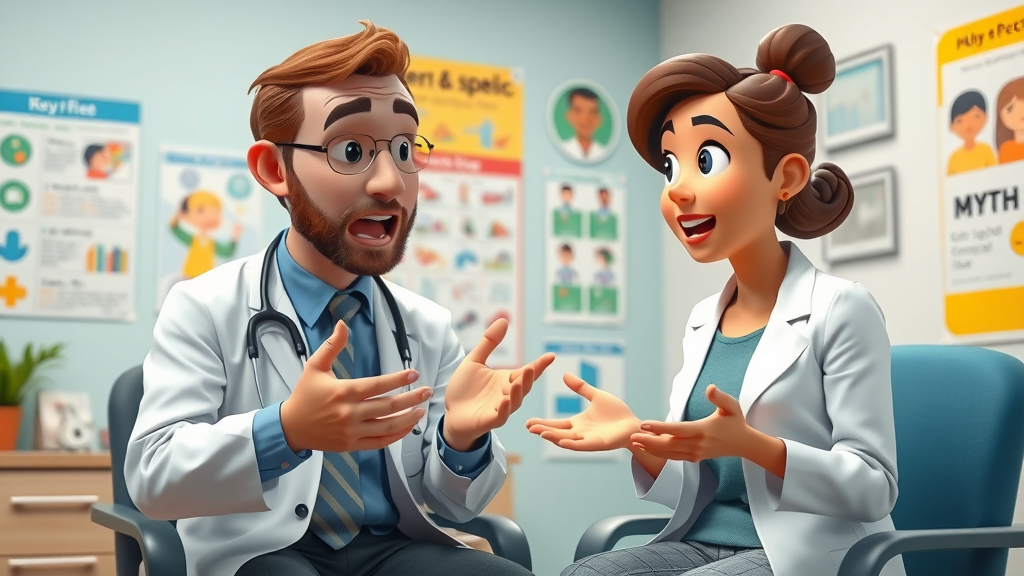
Debunking misconceptions about causes and treatments: Acne is not caused by poor hygiene or eating too much chocolate. Over-washing or scrubbing can actually worsen the condition. Hormonal acne affects kids because of internal changes, not because they aren't washing their face enough.
Which home remedies can make hormonal acne worse: Toothpaste, lemon juice, and harsh household cleaners can irritate sensitive skin, while coconut oil or oily products can clog pores. Stick to evidence-based, dermatologist-approved treatments.
FAQs About Hormonal Acne in Kids
What is the fastest way to get rid of hormonal acne in kids?
The fastest, safest way is to combine a daily gentle skincare routine with an approved topical retinoid in consultation with a dermatologist. Avoid quick fixes or over-the-counter products that are overly harsh, as these can do more harm than good.Is hormonal acne preventable?
While you can’t stop puberty or inherited hormone changes, minimizing triggers like oily skin products, managing stress, and keeping up with basic hygiene can lower the risk and severity of hormonal acne.Are there serious risks if left untreated?
Untreated severe hormonal acne can lead to permanent scarring and impact a child’s self-esteem. Early, consistent care and professional advice help avoid long-term consequences.
Key Takeaways: Helping Kids Overcome Hormonal Acne
Accurate diagnosis and age-appropriate treatment are essential for success.
Support kids emotionally through breakouts and healing stages to protect self-esteem.
Recognize the importance of a tailored treatment plan and regular dermatologist check-ins.
Conclusion: Moving Forward with Confidence
Empowering both parents and kids with the right knowledge, consistent routines, and professional support ensures clearer, healthier skin and boosted self-confidence.
Remember, patience and medical guidance are your best allies in overcoming hormonal acne during childhood and adolescence.
As you continue to support your child’s journey to clearer skin, consider how a holistic approach to skincare can make a lasting difference through every stage of life. For parents interested in maintaining healthy, radiant skin well beyond adolescence, our comprehensive resource on essential skincare tips as you age offers expert advice for all generations.
Discover how small, consistent changes can help preserve youthful skin, boost confidence, and set the foundation for lifelong wellness. Whether you’re navigating puberty or looking ahead to future skin needs, there’s always more to learn and apply for optimal results.
Sources
Understanding and addressing hormonal acne in children is crucial for their skin health and self-esteem. For a comprehensive overview, the Cleveland Clinic’s article, Hormonal Acne: What Is It, Treatment, Causes & Prevention, provides detailed insights into the causes, symptoms, and treatment options for hormonal acne.
Also, Aurora Health Care’s resource, Hormonal Acne Symptoms & Treatment, offers valuable information on recognizing symptoms and exploring various treatment approaches.
If you’re seeking to deepen your understanding of hormonal acne and discover effective management strategies, these resources are highly recommended. NCWellnessHub.com


Write A Comment