


Muscle pain can be relentless, even for physical therapists who help others heal. Understanding their go-to methods not only eases your discomfort but empowers you to reclaim comfort and strength. Discover how mastering these expert techniques for how to get rid muscle pain can transform your recovery journey starting today.
Whether you're an athlete, a weekend warrior, or simply experiencing soreness after a new activity, these physical therapist-backed principles are the foundation of effective, lasting relief.
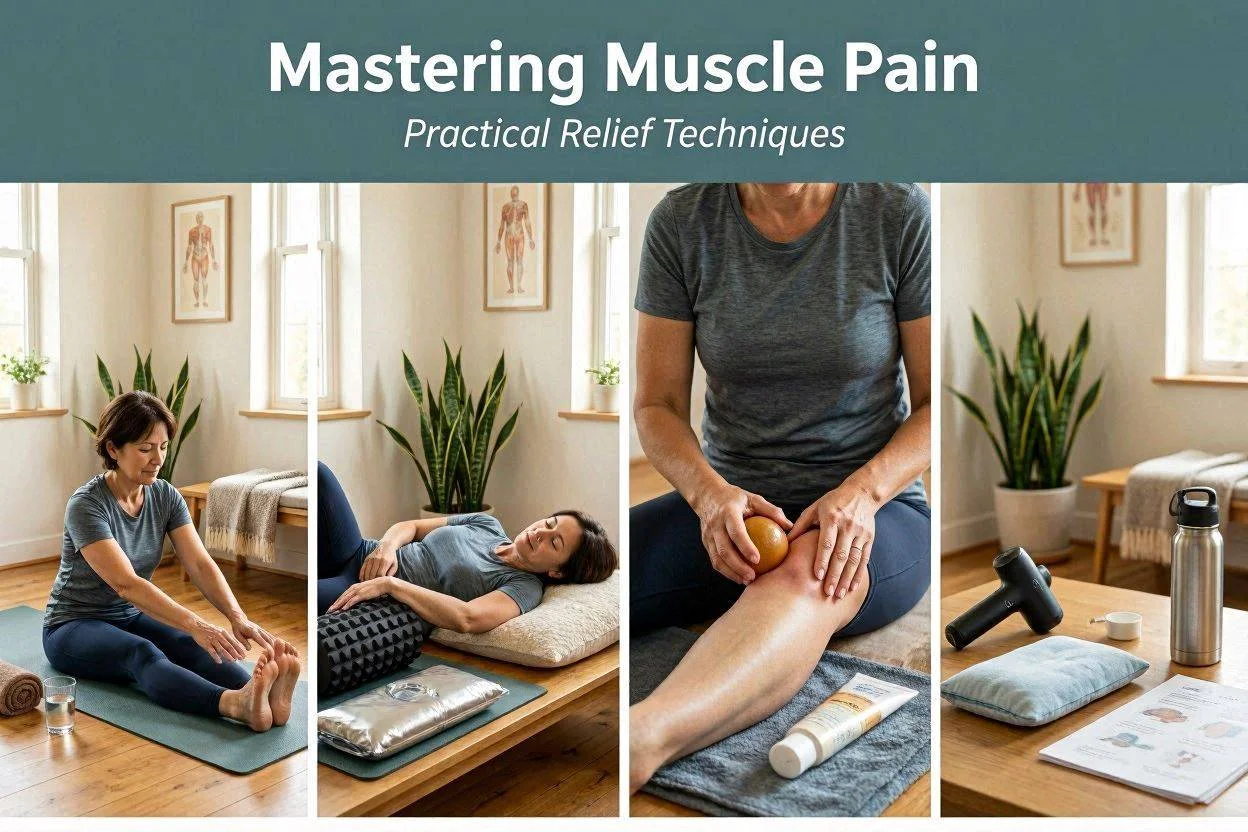
Mastering How to Get Rid Muscle Pain: Expert Insights at a Glance
If you’re searching for how to get rid muscle pain, you want more than generic advice. Here, we break down the essential physical therapist strategies that go beyond temporary fixes, offering actionable solutions you can use right away.
This guide delivers clear, evidence-backed recommendations for reducing muscle aches—based on expert knowledge and real-world recovery science—so you can stop letting discomfort control your life and get back to moving strong.
Why muscle pain and muscle soreness occur—even for professionals
Physical therapist techniques for muscle pain relief
Home remedies, self-care, and when to see a healthcare provider
Evidence-based strategies that reduce pain and support recovery
Supplements, nutrition, and drinks that may help heal sore muscles
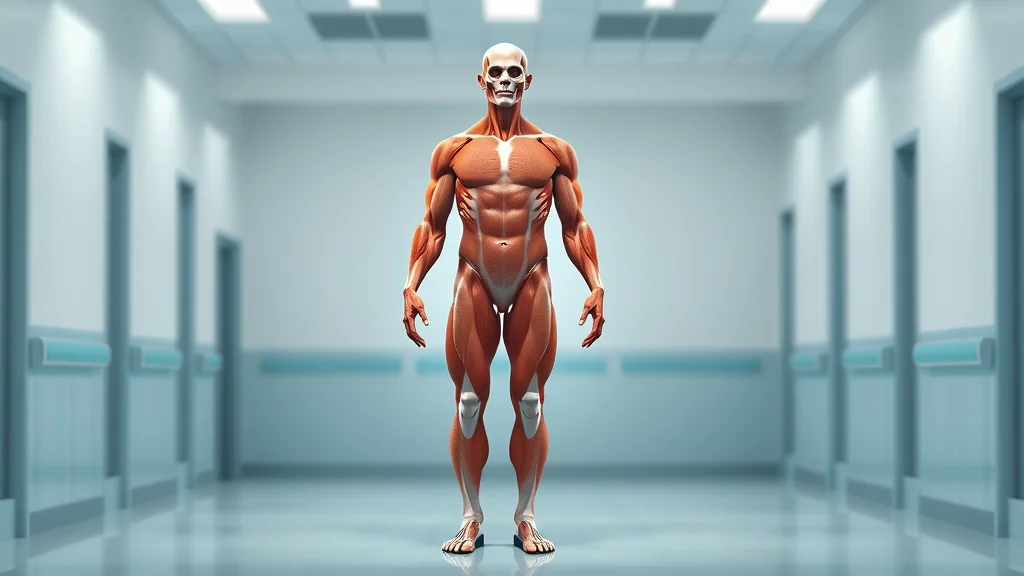
Understanding Muscle Pain: Why Sore Muscles and Muscle Soreness Happen
Muscle soreness is something nearly everyone experiences—whether after a tough workout or a weekend of unaccustomed physical activity. But why do even seasoned personal trainers and physical therapists feel sore?
To address how to get rid muscle pain effectively, it’s important to start with what actually causes this sensation. Recognizing its roots can help you select the best pain relief strategy and prevent unnecessary worry over normal, healthy responses to exercise and movement.
What is Muscle Pain and Muscle Soreness?
Muscle pain, also called myalgia, can be described as aching, stiffness, or tenderness in the muscles—sometimes accompanied by mild swelling, fatigue, or limited movement. Muscle soreness is often the result of new or higher levels of activity that challenge your body in ways it may not be used to.
This discomfort typically begins within hours and can last several days, especially when it’s the result of what’s known as delayed onset muscle soreness (DOMS). DOMS is most noticeable after activities like weight lifting, running, or any physical activity that pushes your muscle fibers to adapt and grow.
Common Causes of Muscle Aches and Soreness After Exercise
The most frequent trigger for muscle soreness after exercise is the stress placed on muscles during unfamiliar or intense activities, which leads to microscopic tears in muscle fibers. These tears prompt an inflammatory response, resulting in swelling and discomfort. Other causes for muscle aches can include direct injury (muscle strain), poor hydration, inadequate nutrition, underlying illness, or even chronic stress.
Age, training status, and even climate can influence your level of muscle pain and how quickly you recover. Ultimately, sore muscles signal that your body is responding and adapting, especially after progressive overload or new forms of training.
"Muscle pain after a workout is often a sign of adaptation—your body responding to new or increased demands." – Dr. Sandra Hernandez, PT, DPT

How Physical Therapists Address Muscle Pain: Step-by-Step Guide
Physical therapists don’t just treat their patients—they actively use effective pain relief strategies for themselves to get rid muscle pain. Their methods are grounded in research and focus on improving blood flow, reducing inflammation, and restoring mobility without risking further muscle strain. Here’s how experts typically manage muscle aches after exercise:
Active recovery and gentle movement
Targeted stretching for sore muscles
Professional manual therapy techniques
Contrast therapy and ice vs. heat for pain relief
Active recovery—such as walking, cycling, or gentle yoga—increases blood flow to sore muscle areas, which accelerates the healing process and helps reduce pain. Physical therapists also apply a variety of manual therapies, from hands-on massage to instrument-assisted soft tissue mobilization.
Contrast therapy, involving alternating ice and heat, is used to minimize swelling and stimulate circulation, helping diminish muscle aches efficiently. Ultimately, finding the right balance between rest and movement is key for both immediate relief and lasting recovery.
For those interested in optimizing their recovery even further, exploring the effectiveness of different supplement forms can be valuable. For example, understanding the pros and cons of gummy supplements may help you make informed choices about supporting muscle health and overall wellness.
"The right balance of rest and gentle movement is crucial for reducing muscle aches and promoting healing." – Journal of Orthopedic & Sports Physical Therapy

Effective Home Remedies to Get Rid Muscle Pain
For many, the answer to how to get rid muscle pain starts at home, using widely accepted and research-driven techniques. Simple changes to your daily routine or recovery regimen, borrowed from physical therapists, can make a remarkable difference in managing sore muscles and promoting effective pain relief:
Foam rolling and massage for muscle soreness
Over-the-counter pain relievers: When and how to use
Epsom salt baths and topical treatments
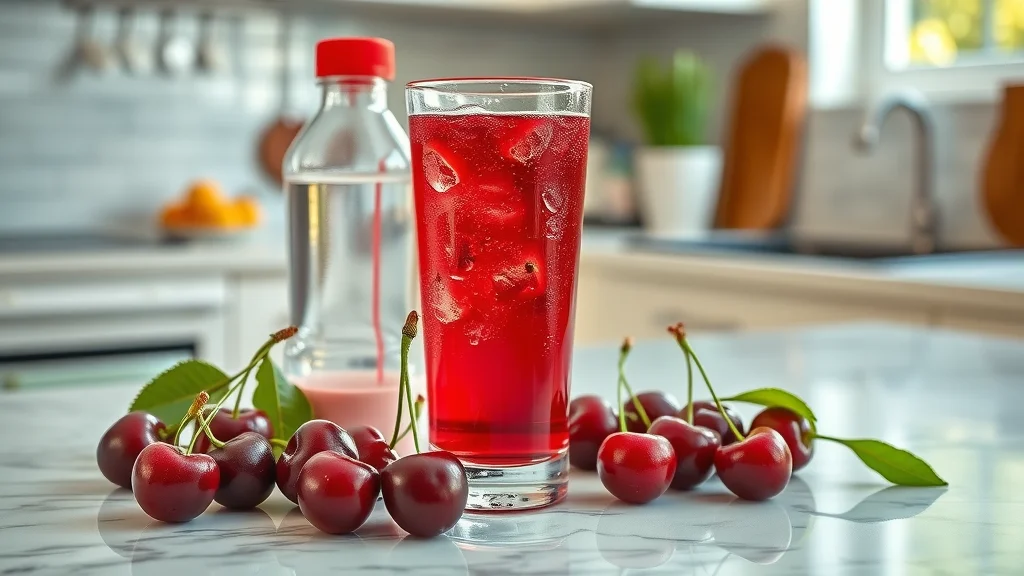
Cherry juice: Evidence for muscle pain relief
Hydration strategies and recovery hydration drinks
Foam rolling, gentle massage, and stretching enhance blood flow and help break up tight muscle fibers. Over-the-counter pain relievers like ibuprofen or acetaminophen can temporarily ease discomfort, but it’s crucial to use these only as directed and to be mindful of potential side effects.
Epsom salt baths help some people relax and reduce swelling, thanks to magnesium’s effect on muscle relaxation. Recently, cherry juice has gained popularity for its natural compounds that lower inflammation and muscle damage post-exercise. Finally, drinking plenty of water—and including electrolyte-rich beverages—supports faster muscle recovery and helps prevent muscle cramps and body aches.
"Tart cherry juice contains compounds that can reduce inflammation and muscle damage after strenuous exercise." – Dr. Emily Farrell, Sports Medicine Physician
Nutrition and Supplements for Muscle Aches and Soreness
A solid nutrition foundation is vital for minimizing muscle aches, speeding up recovery, and making sure your body is primed to resist soreness in the future. Targeted foods and supplements support cracked, tired, or strained muscle fibers and optimize the natural recovery process for sore muscles. Physical therapists and sports medicine professionals recommend:
Key vitamins and minerals for muscle health
Supplements that support recovery and reduce pain
Anti-inflammatory foods that combat sore muscles
Role of protein and amino acids in muscle repair
Vitamin D, magnesium, and potassium are particularly important for muscle function. Protein intake, especially after exercise, provides the essential amino acids needed for muscle repair. Anti-inflammatory foods such as turmeric, leafy greens, fatty fish, and cherries can help diminish the soreness that often accompanies a tough workout.
Certain supplements—including omega-3s, branched-chain amino acids (BCAAs), and magnesium—may further assist in reducing muscle pain and supporting healing, though you should always consult a healthcare provider before starting any new supplement regimen.

Prevention: How to Reduce Pain and Avoid Sore Muscles in the Future
Preventing muscle soreness is often easier—and healthier—than treating established pain. Physical therapists emphasize the significance of smart exercise habits and the right warm-up to avoid muscle strains and body aches:
Warm-up and cool-down essentials
Best practices for progressive overload
Routine flexibility and mobility exercises
Listening to your body and adjusting routines
A comprehensive warm-up prepares muscle fibers and joints for physical activity, increasing blood flow and lowering your risk of injury. Cooling down with gentle stretching further promotes healing and limits delayed onset muscle soreness. Gradually increasing workout intensity (progressive overload) allows your body to build stronger muscle over time, rather than overwhelming it with too much, too soon. Finally, learning to listen to warning signs—persistent muscle pain, swelling, or decreased function—ensures you know when to rest or modify your fitness plan, protecting you from longer-term injuries.

Recognizing Serious Muscle Pain: When to See a Healthcare Provider
While most muscle pain is harmless and responds well to home remedies, certain symptoms should prompt you to contact a healthcare provider or care provider promptly. Understanding when muscle aches signal a more serious condition can make all the difference in your health and recovery outcomes.
Signs That You Need a Healthcare or Care Provider
Muscle pain that persists beyond a few days
Sudden severe pain after injury
Signs of infection (redness, swelling, heat)
Unexplained muscle aches and muscle strain
If your muscle pain sticks around for longer than expected or comes with concerning symptoms like severe weakness, discoloration, fever, or difficulty moving, professional evaluation is essential. In rare cases, chronic muscle aches can stem from underlying conditions like autoimmune diseases, nerve problems, or serious injuries that need targeted treatment beyond self-care or over-the-counter options.
How Your Healthcare Provider Evaluates Muscle Pain
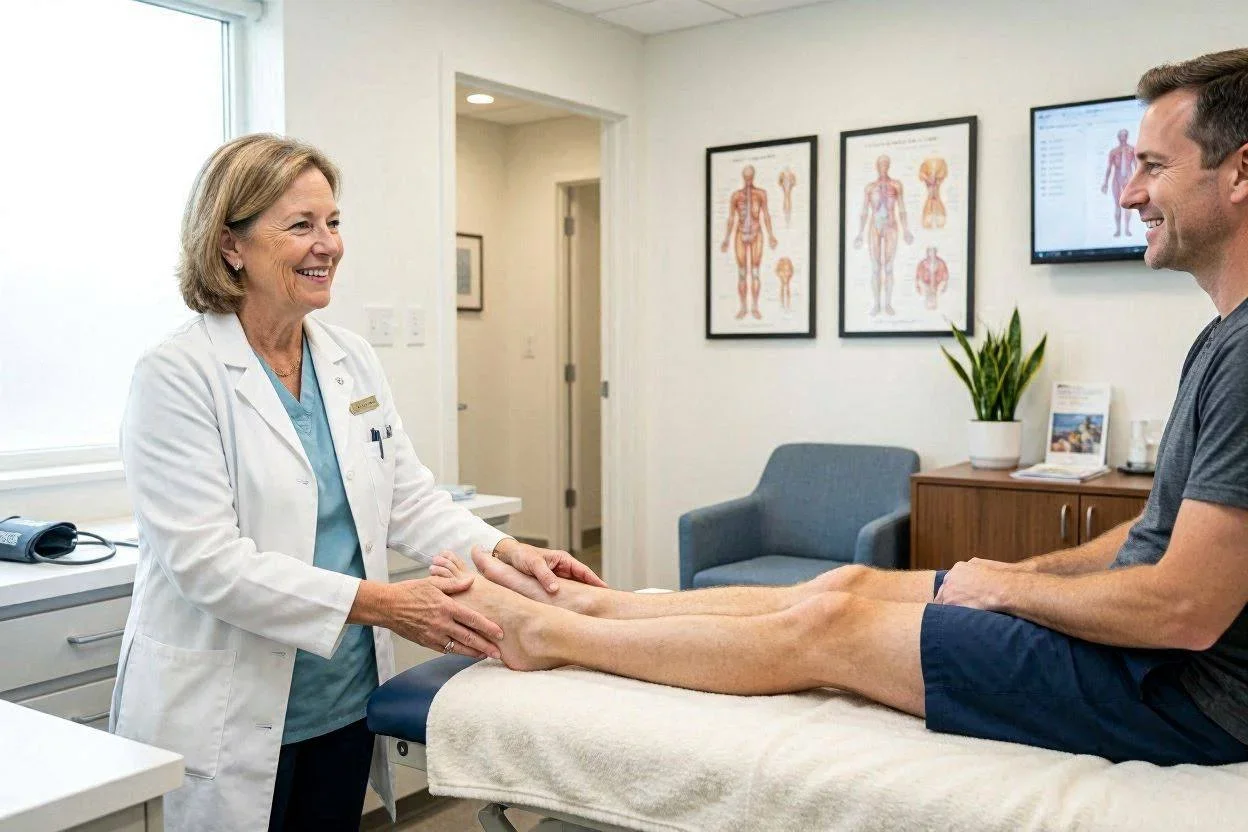
A qualified healthcare provider will evaluate your muscle pain through a detailed health history, physical examination, and sometimes tests such as bloodwork or imaging. They’ll consider whether your symptoms point to common issues like muscle strain or more complex conditions requiring specialty care. Early intervention facilitates quicker recoveries and prevents complications, supporting your return to normal activity without setbacks.
People Also Ask: Your Top Questions About How to Get Rid Muscle Pain Answered
How do you stop muscle pain fast?
Immediate relief for muscle pain typically starts with ice or heat application to the sore area, followed by gentle stretching, self-massage, or the use of a foam roller. Over-the-counter pain relievers may help in moderation and as directed. Remember, physical therapists recommend pairing relief techniques with gradual movement, as long as it doesn’t worsen the pain, to promote blood flow and more effective recovery.
What drink will heal muscles?
Hydrating properly is essential—water and electrolyte-rich drinks like coconut water help replace lost fluids and support muscle recovery. Research suggests that cherry juice and protein shakes are particularly effective for reducing soreness and facilitating muscle repair, since they’re rich in antioxidants, amino acids, and anti-inflammatory agents that directly target muscle pain.
What am I lacking if my muscles ache?
Persistent unexplained muscle aches may be a sign of deficiencies in key nutrients, particularly vitamin D, magnesium, potassium, and protein. These are vital for healthy muscle fibers and normal function. If you continue to experience soreness despite addressing physical causes, it’s worth discussing your symptoms with a healthcare provider to rule out or correct possible deficiencies.
What vitamin stops muscle aches?
Vitamins D, E, and various B-complex vitamins play vital roles in muscle metabolism and repair, as do minerals like magnesium and potassium. Meeting daily needs for these nutrients—preferably through a balanced diet—supports healing and helps guard against persistent muscle pain and fatigue, according to integrative health experts at the National Institutes of Health.

FAQs: Overcoming Muscle Pain and Soreness
How long does muscle soreness last after exercise?
Muscle soreness typically peaks about 24–72 hours post-exercise and fades within a week. With active recovery and smart self-care, many people feel relief even sooner.Are pain relievers safe for muscle pain relief?
When taken as directed for short periods, over-the-counter pain relievers (like ibuprofen and acetaminophen) can be safe and helpful. However, avoid prolonged or excessive use—talk to your doctor about chronic or severe muscle aches.Can stretching alone get rid muscle pain?
Stretching helps maintain mobility and stimulates blood flow, but is often most effective when combined with other methods such as active recovery, massage, and nutrition support.Should you exercise with sore muscles?
Light activity (walking, cycling, mobility drills) can aid recovery by promoting circulation. Avoid high-intensity training until soreness subsides to prevent muscle strain.What are signs my muscle pain isn't normal?
Severe pain, swelling, fever, or symptoms that don’t improve with rest signal you should see a healthcare provider promptly.
Summary Table: Techniques to Get Rid Muscle Pain—What Works and Why
Technique |
Evidence |
Recommended By |
Best For |
|---|---|---|---|
Active Recovery & Gentle Movement |
Increases blood flow, aids repair |
Physical Therapists |
All sore muscles, chronic muscle aches |
Foam Rolling & Massage |
Reduces soreness and stiffness |
Sports Medicine Experts |
Post-exercise soreness, tension |
Ice/Heat Therapy |
Minimizes swelling, pain relief |
Healthcare Providers |
Acute injury, persistent pain |
Cherry Juice |
Reduces inflammation |
Sports Dietitians |
Exercise-induced muscle pain |
Anti-inflammatory Nutrition |
Speeds muscle recovery |
Registered Dietitians |
Ongoing soreness, injury prevention |
Key Takeaways for How to Get Rid Muscle Pain
Physical therapists rely on evidence-based strategies to address sore muscles and muscle pain
Combining gentle movement, targeted nutrition, and proven remedies promotes effective pain relief
Listen to your body and seek medical advice for persistent or severe muscle aches

Find Trusted Wellness Guidance
Discover more trusted information like this at: NCWellnessHub.com
Addressing how to get rid muscle pain is about consistent care and applying the wisdom of physical therapy—empower your recovery, stay proactive, and know when to ask for help.
If you’re ready to take your wellness journey even further, consider how your overall health habits can influence recovery and resilience. Exploring topics like optimizing your gut bacteria for better health can provide a broader perspective on how interconnected systems in your body support muscle repair, immune function, and long-term vitality. Dive deeper into holistic strategies to unlock your best health from the inside out.
Sources
National Institutes of Health – https://www.ncbi.nlm.nih.gov/pmc/articles/PMC5438328/
Medical News Today – https://www.medicalnewstoday.com/articles/cherry-juice-for-muscle-recovery
To enhance your understanding of muscle pain relief, consider exploring the following authoritative resources:
“Best ways to recover from a muscle strain”: This article from Harvard Health provides comprehensive strategies for muscle strain recovery, including the R.I.C.E. method and the importance of proper nutrition. (health.harvard.edu)
“Muscle strains - Diagnosis and treatment”: The Mayo Clinic offers detailed insights into diagnosing and treating muscle strains, emphasizing the significance of rest, ice, compression, and elevation. (mayoclinic.org)
These resources offer evidence-based techniques and expert advice to effectively manage and alleviate muscle pain. NCWellnessHub.com



Write A Comment